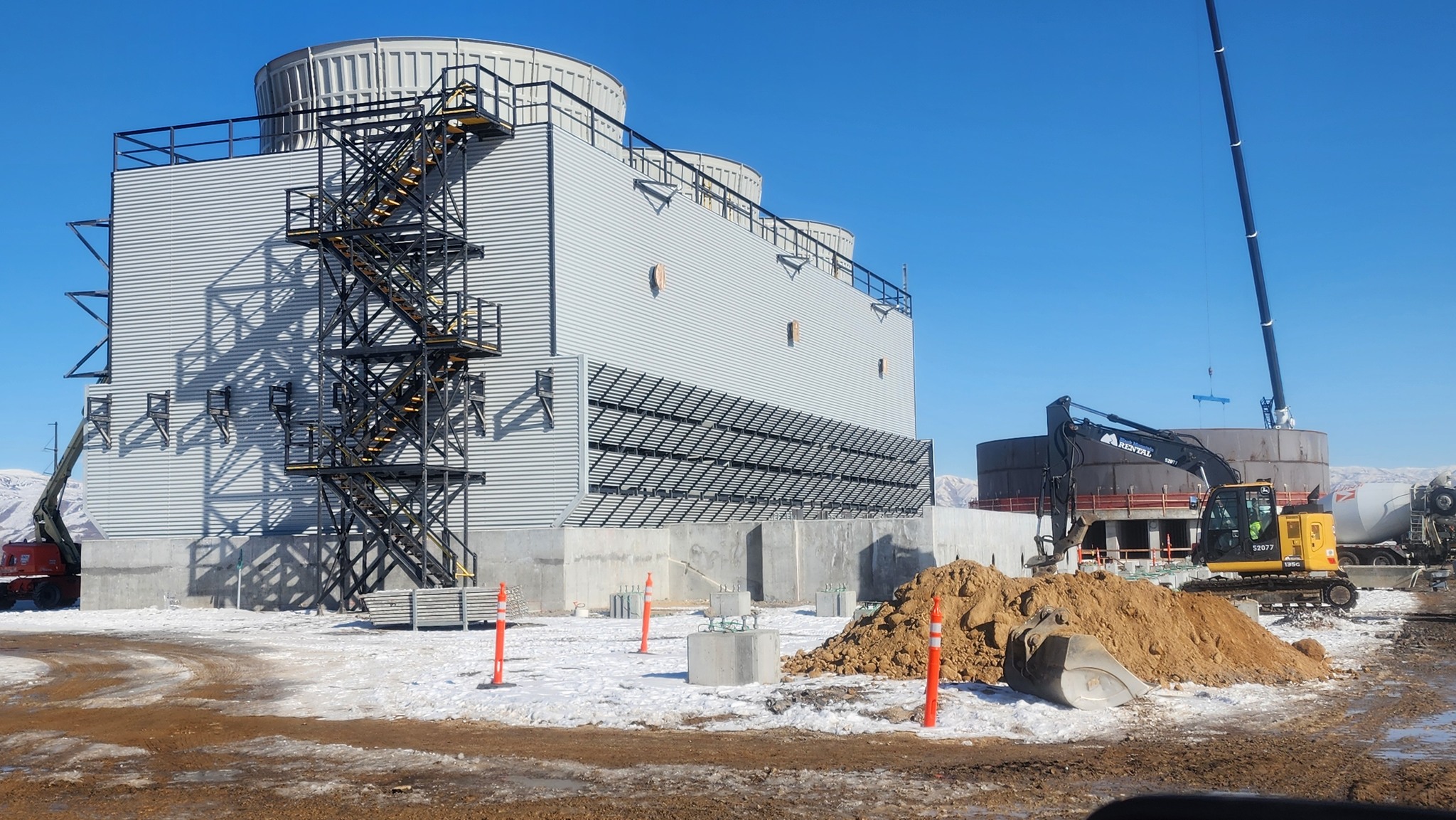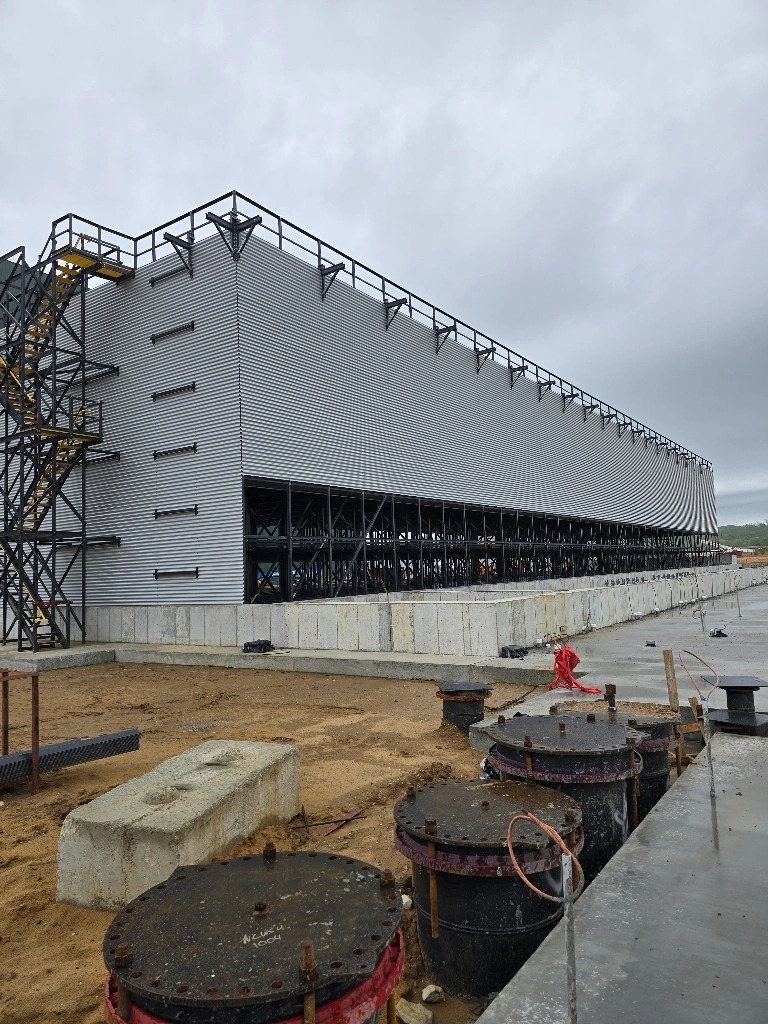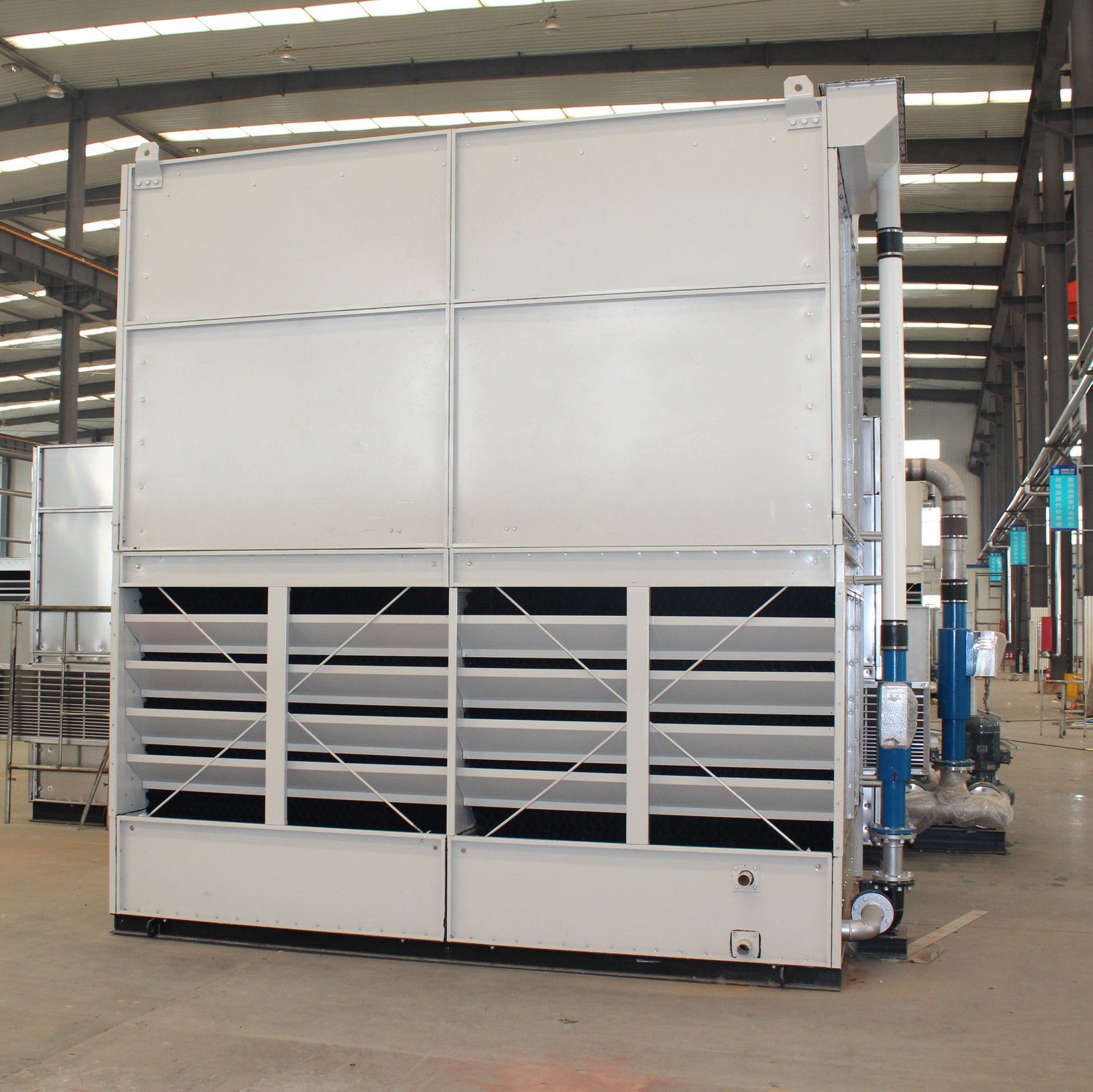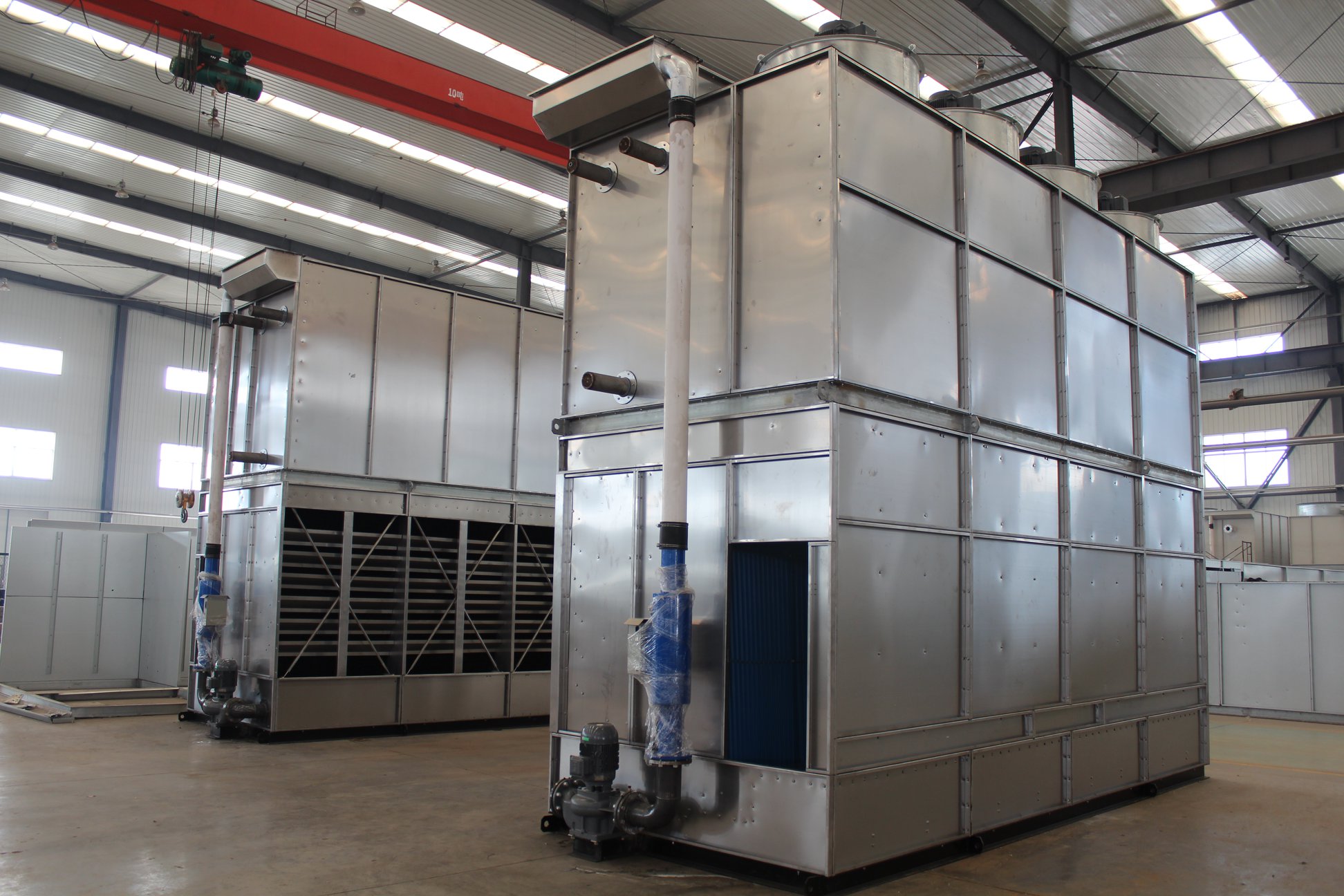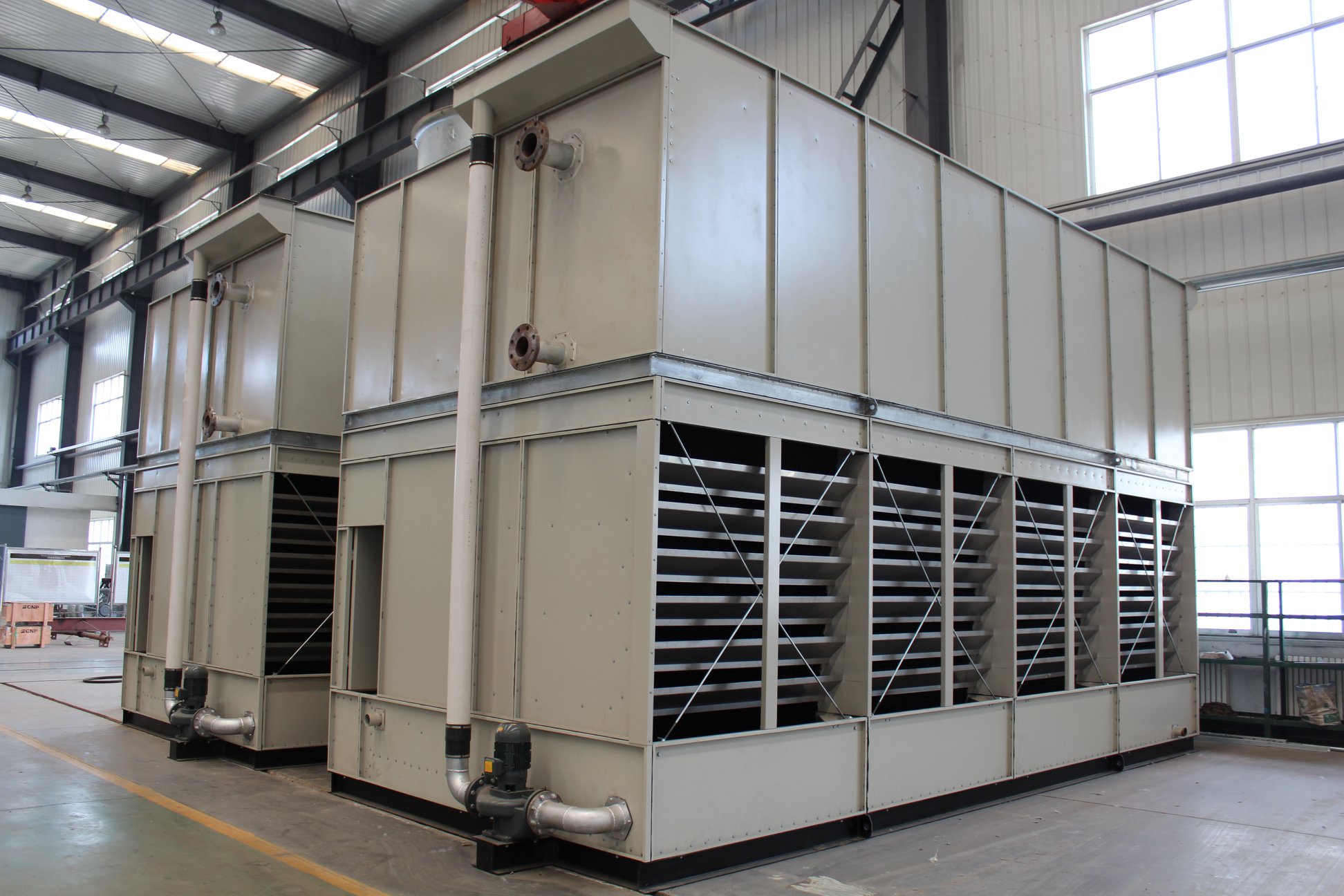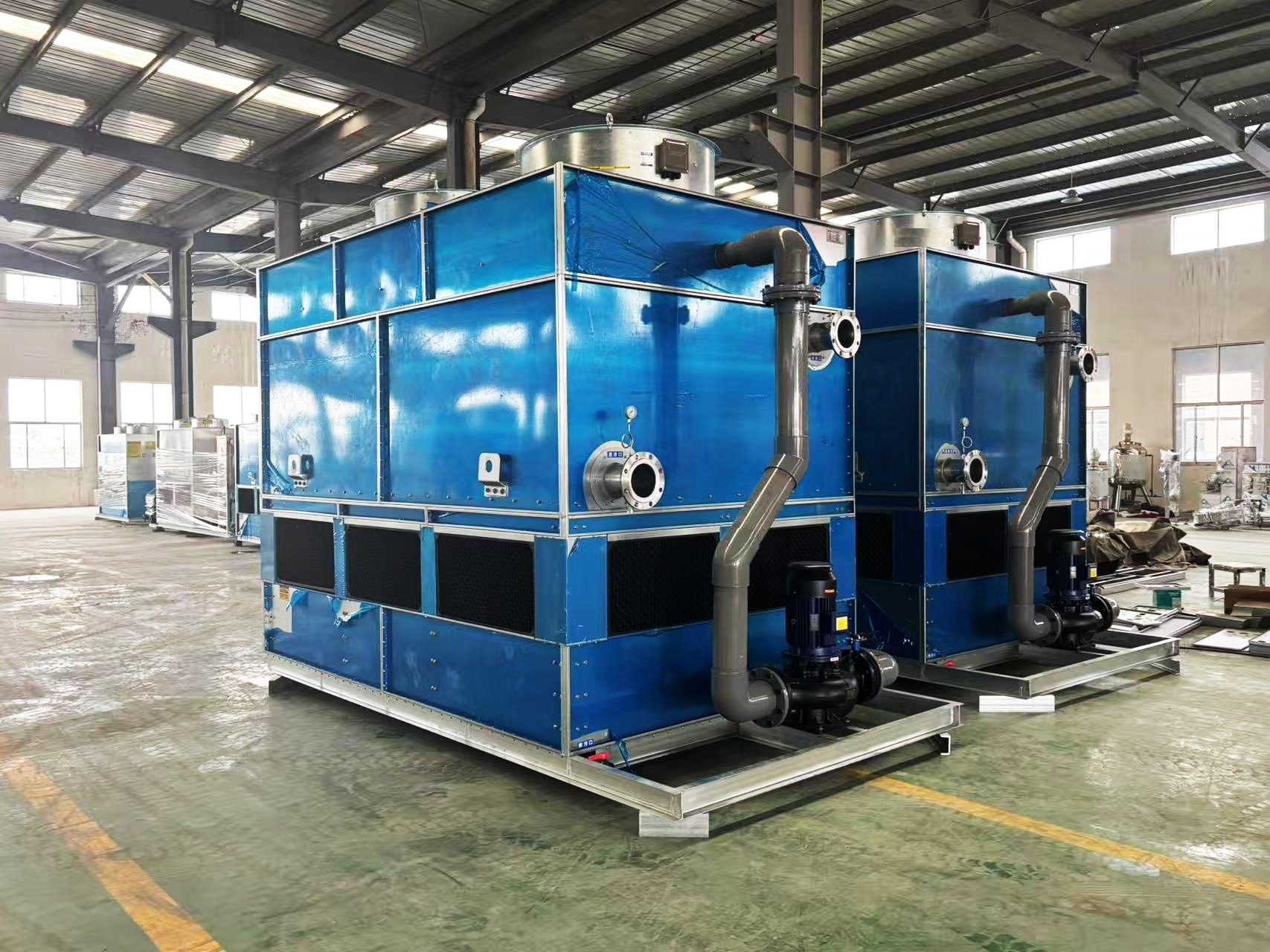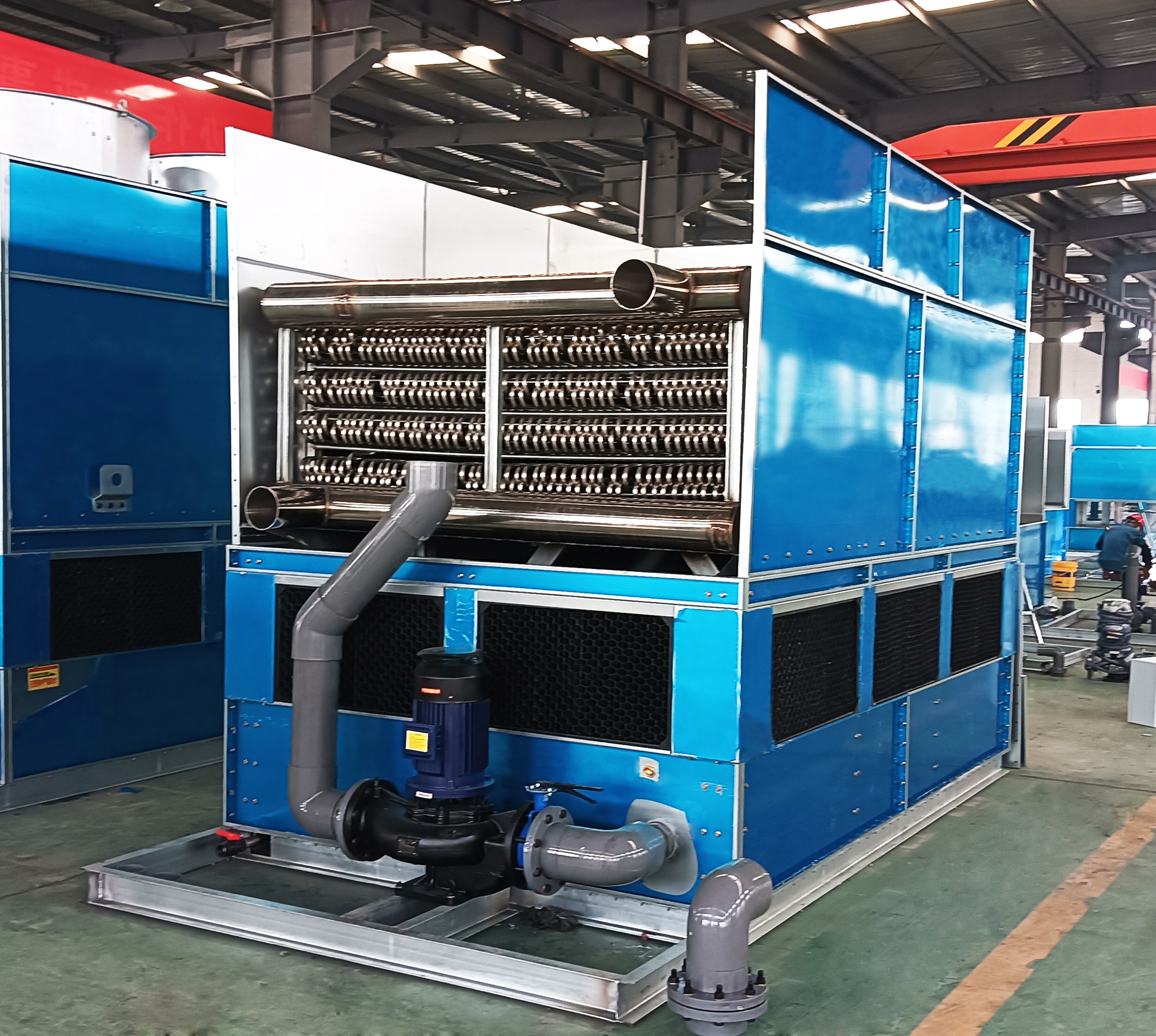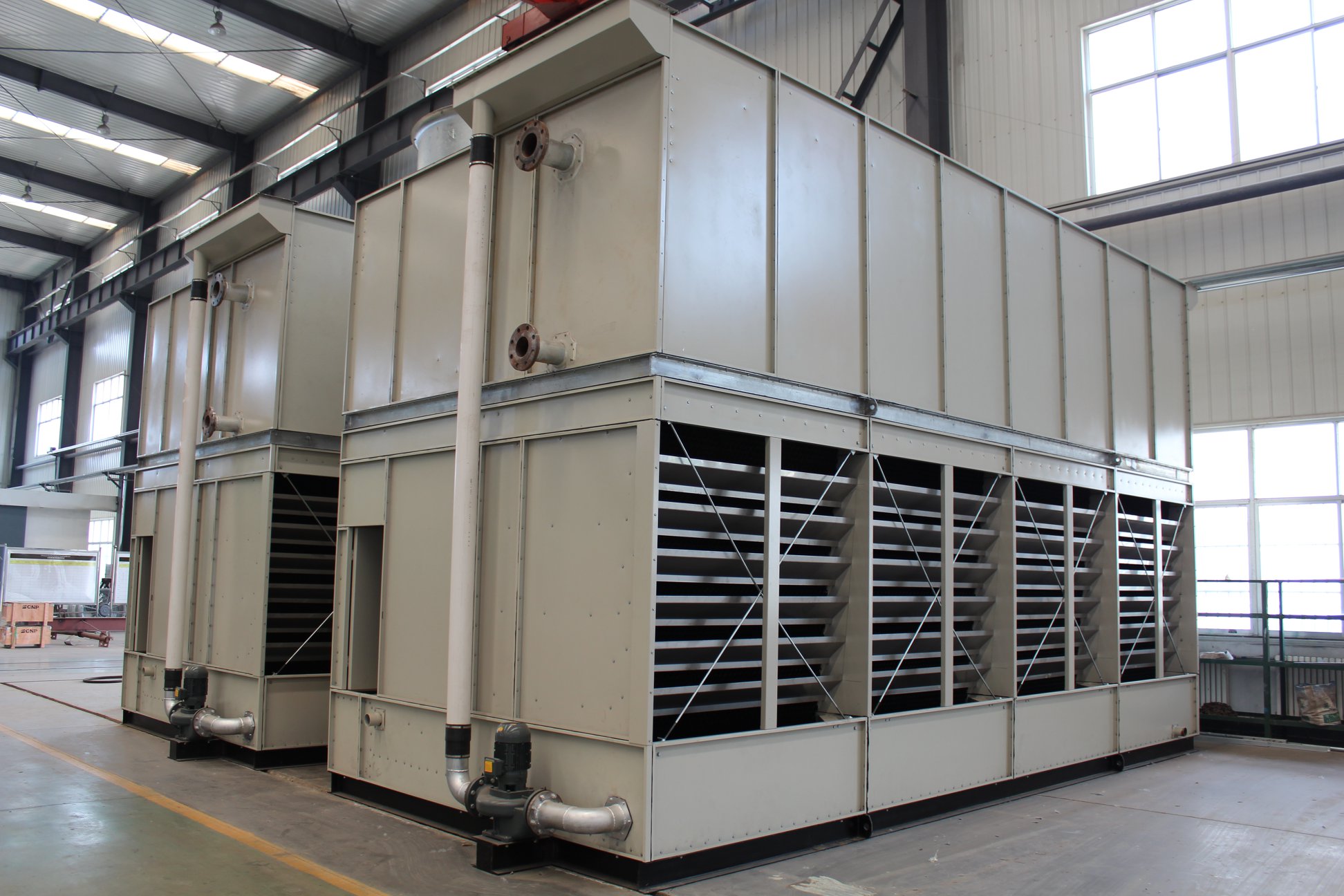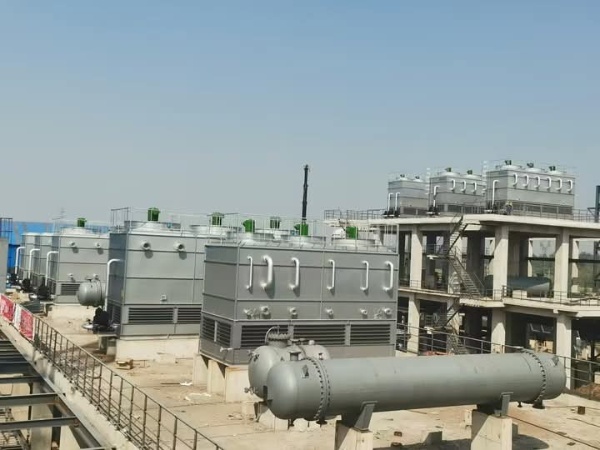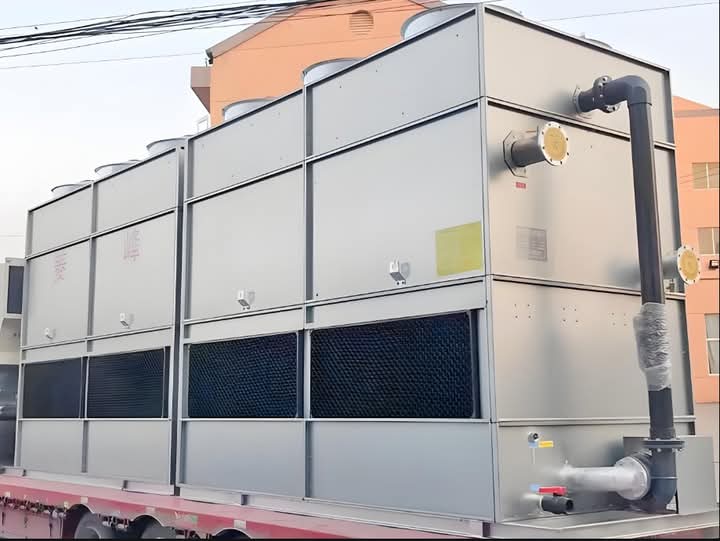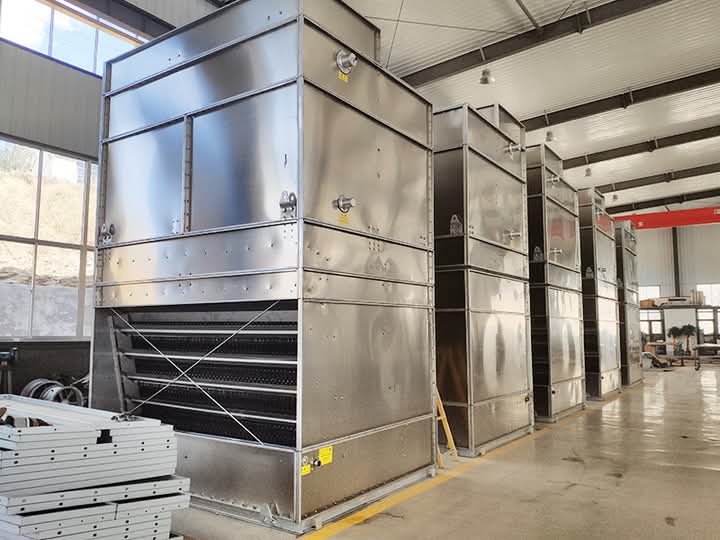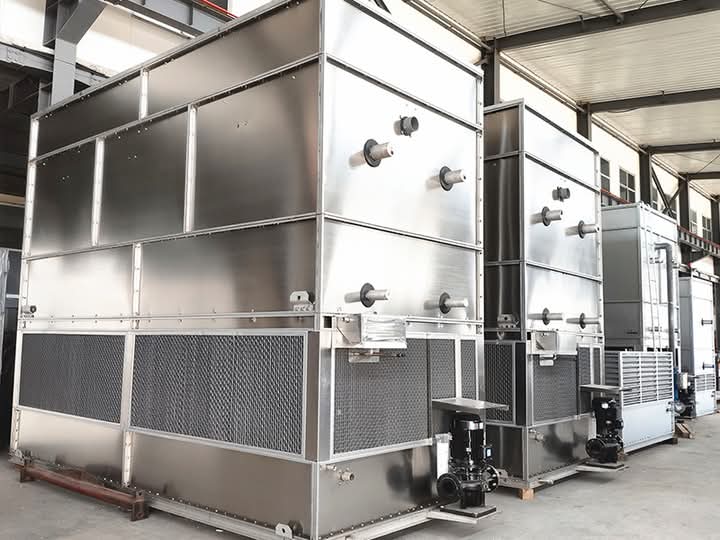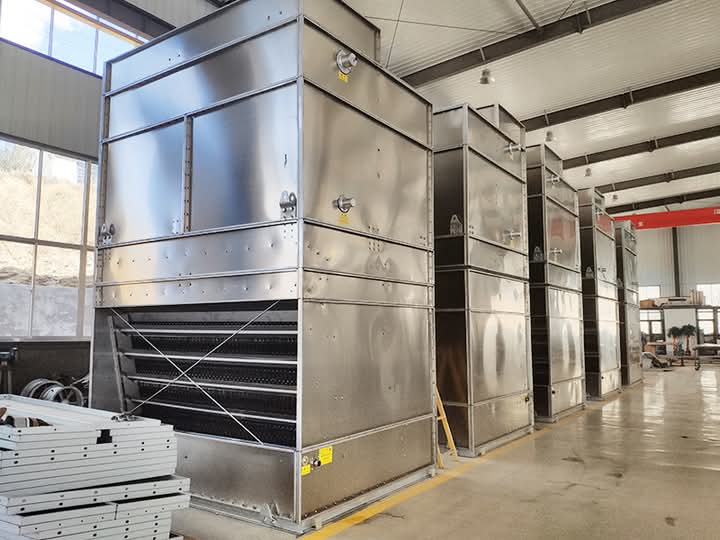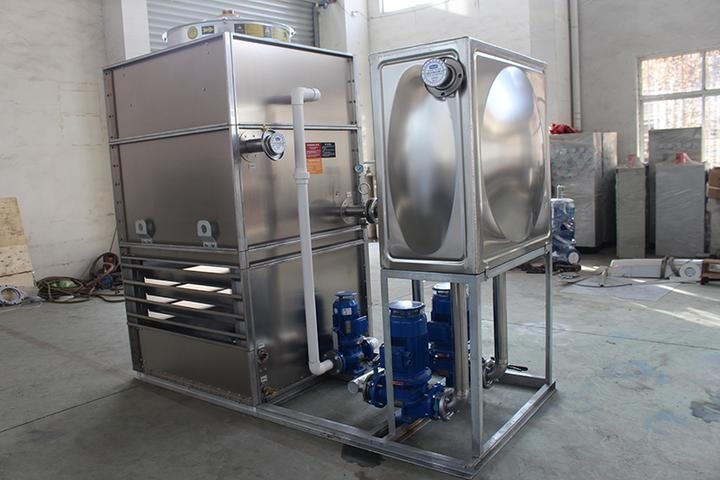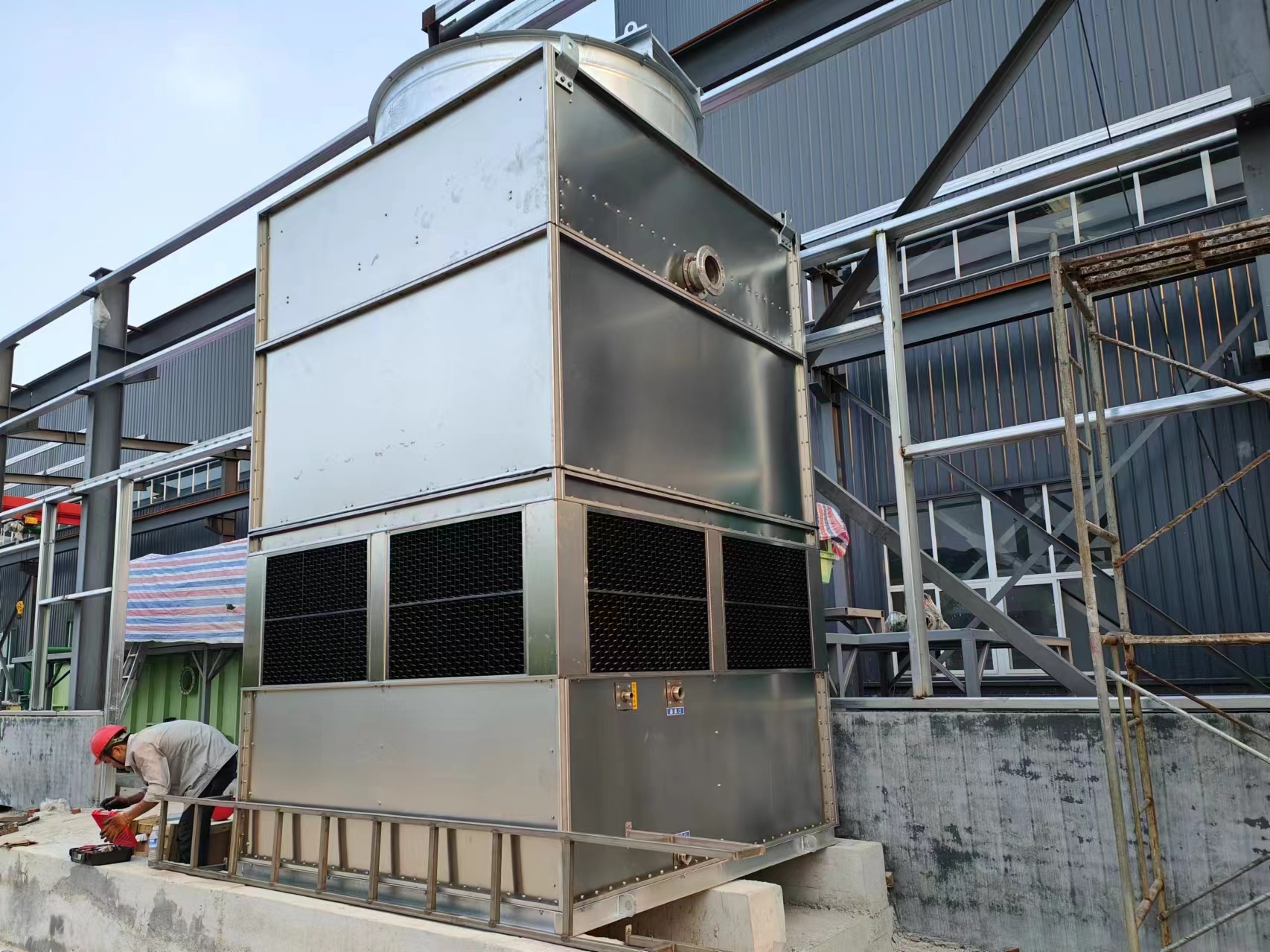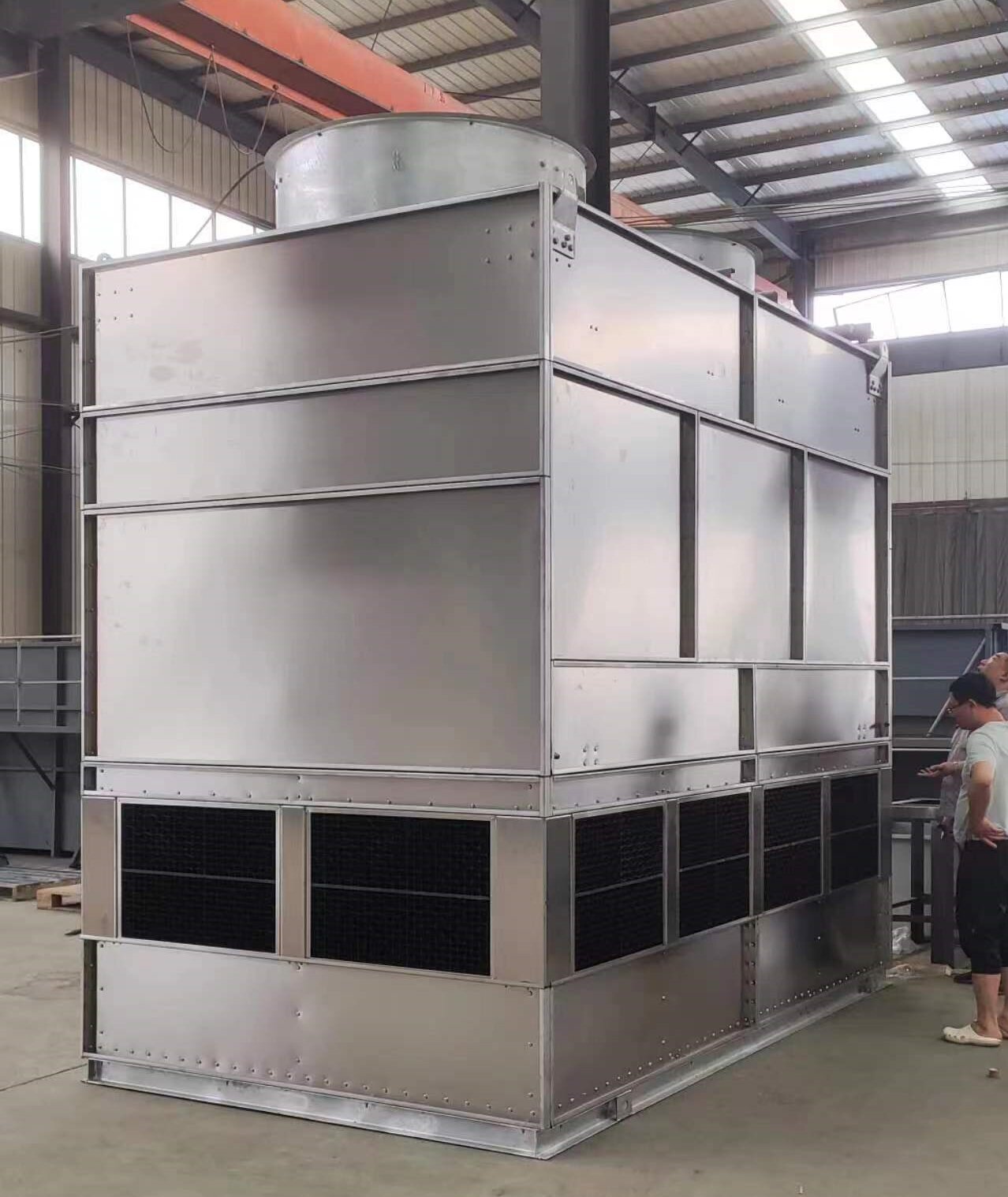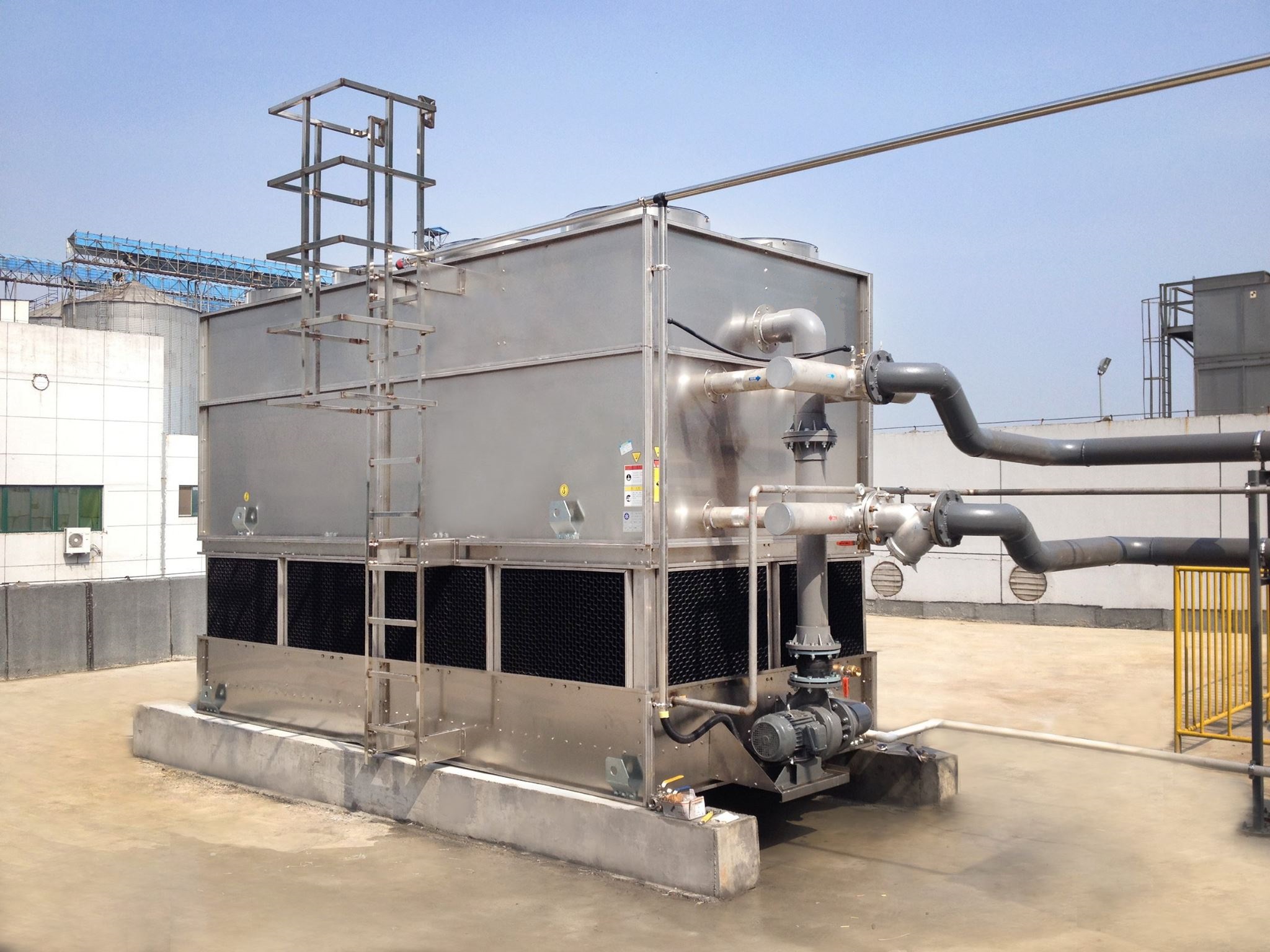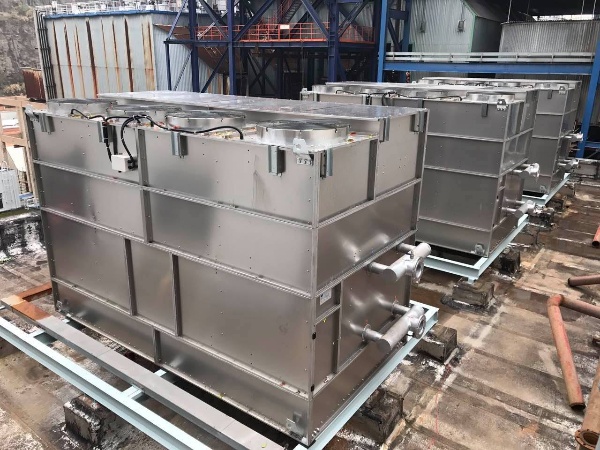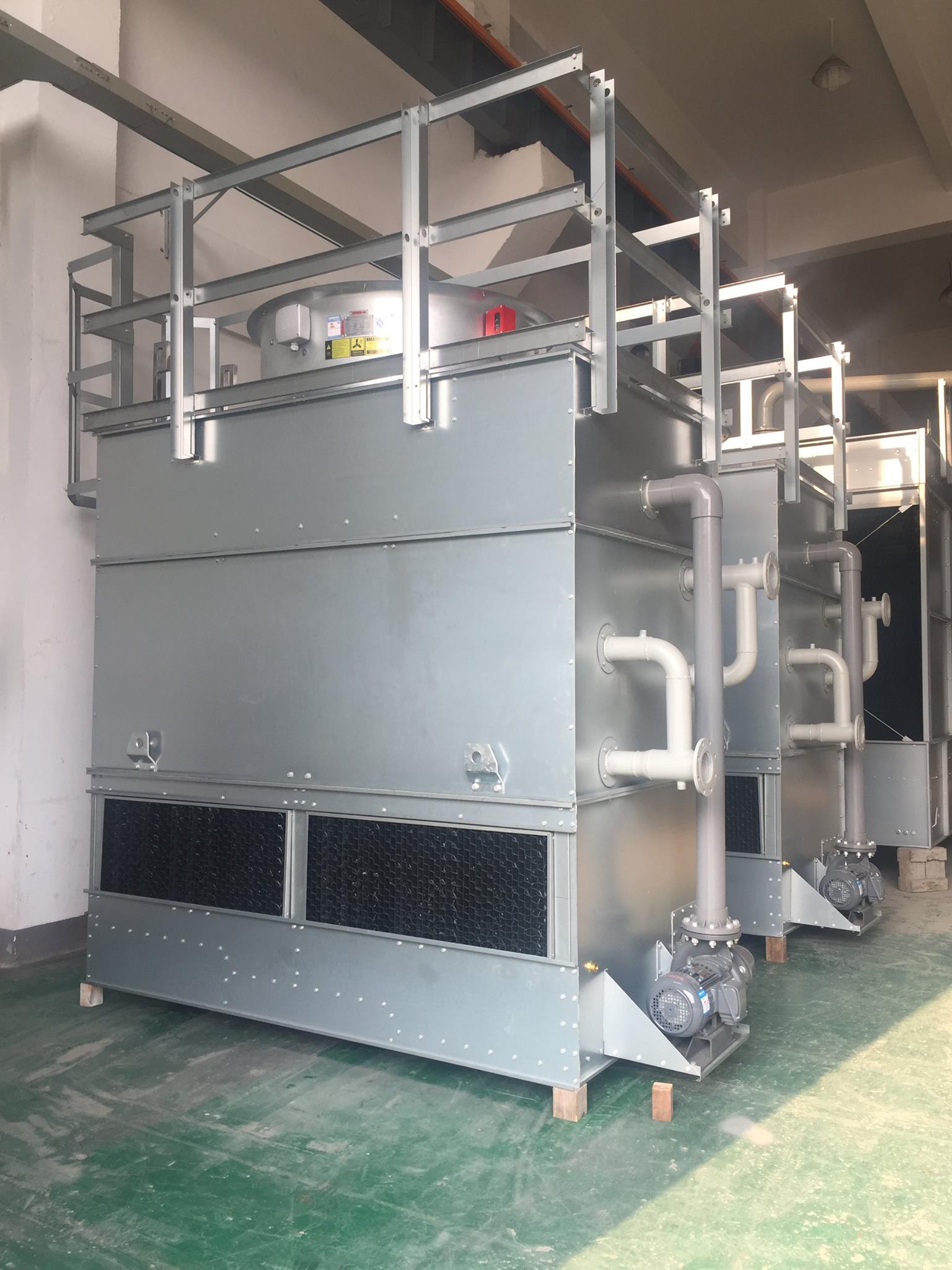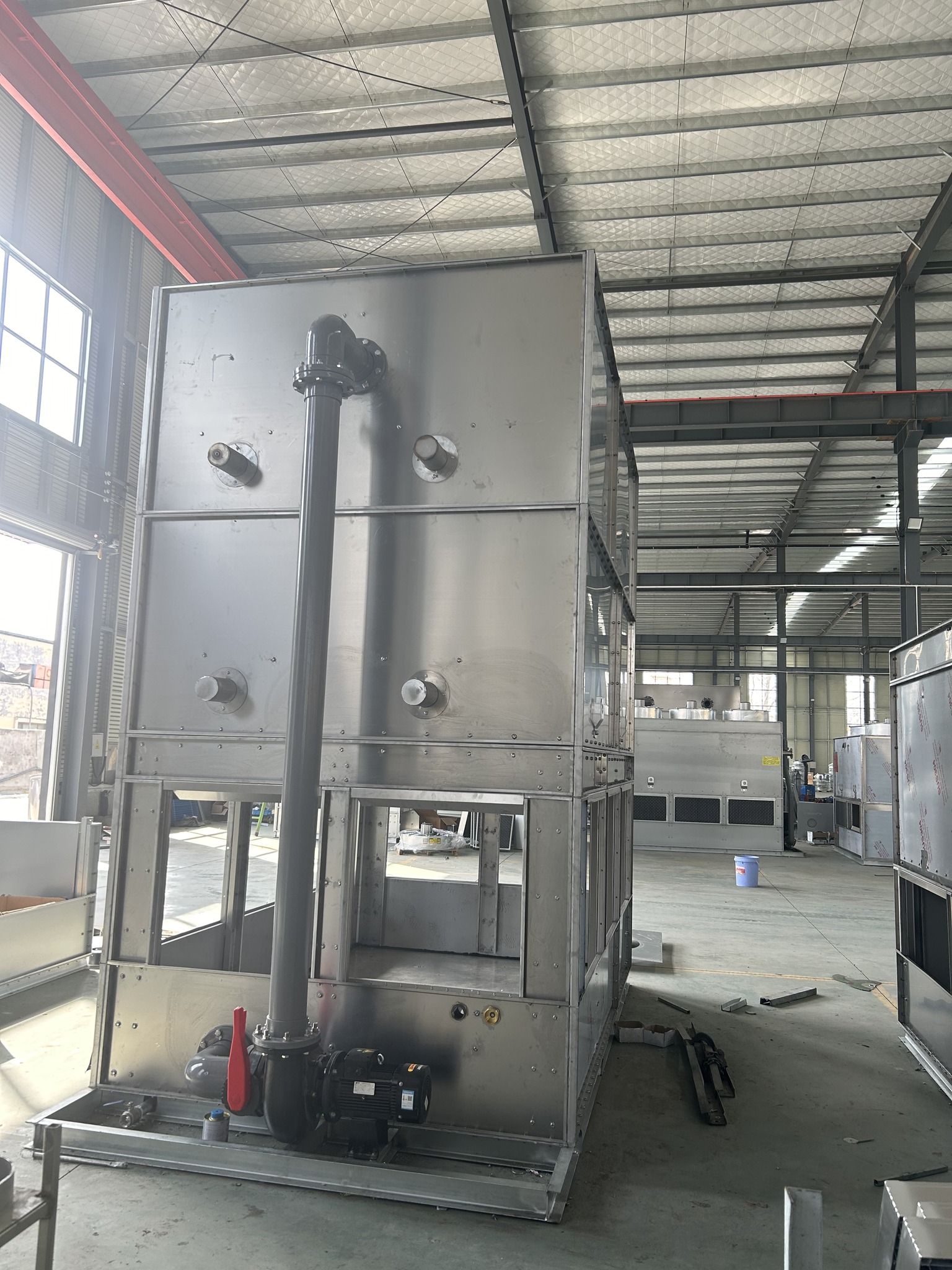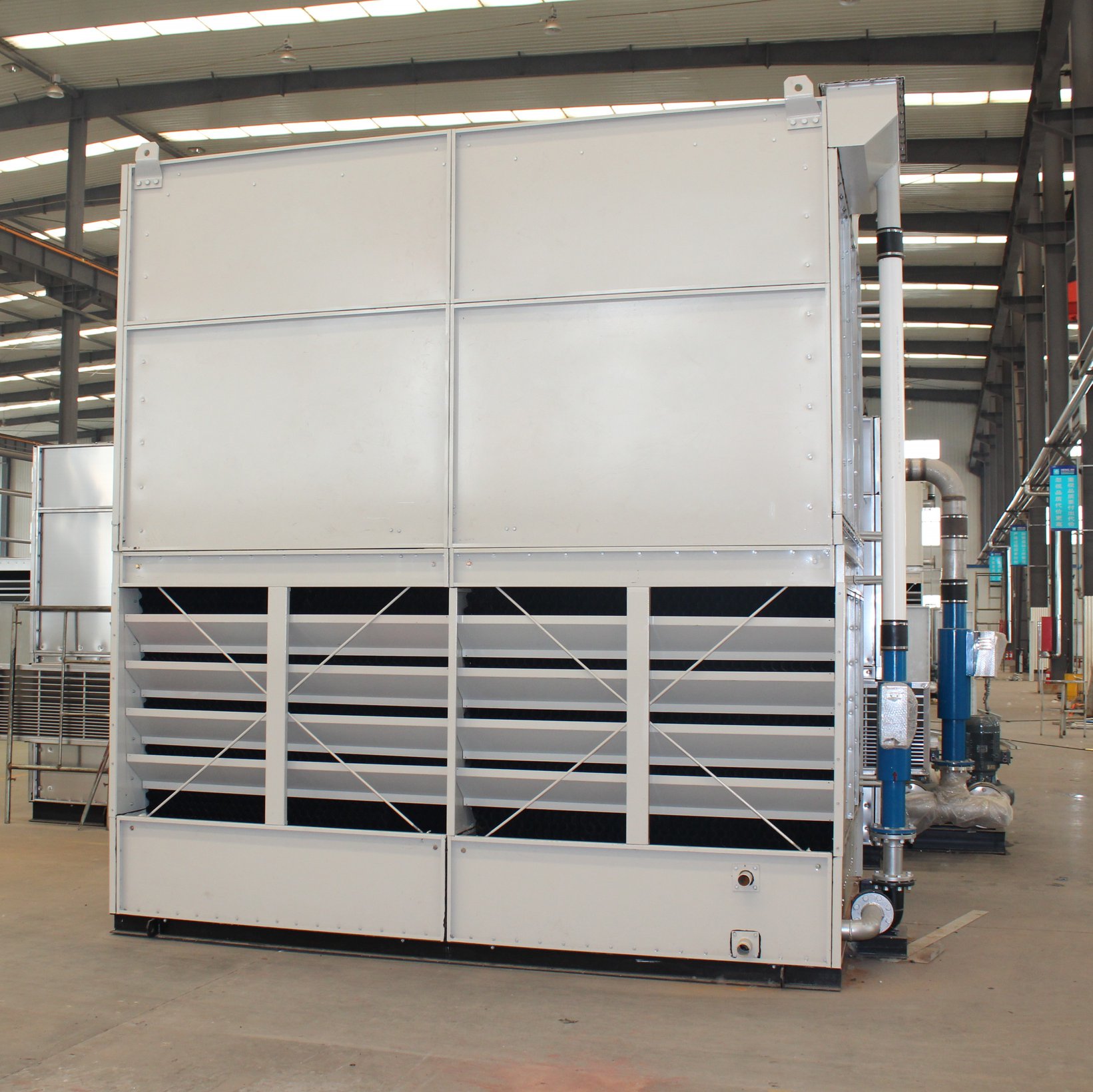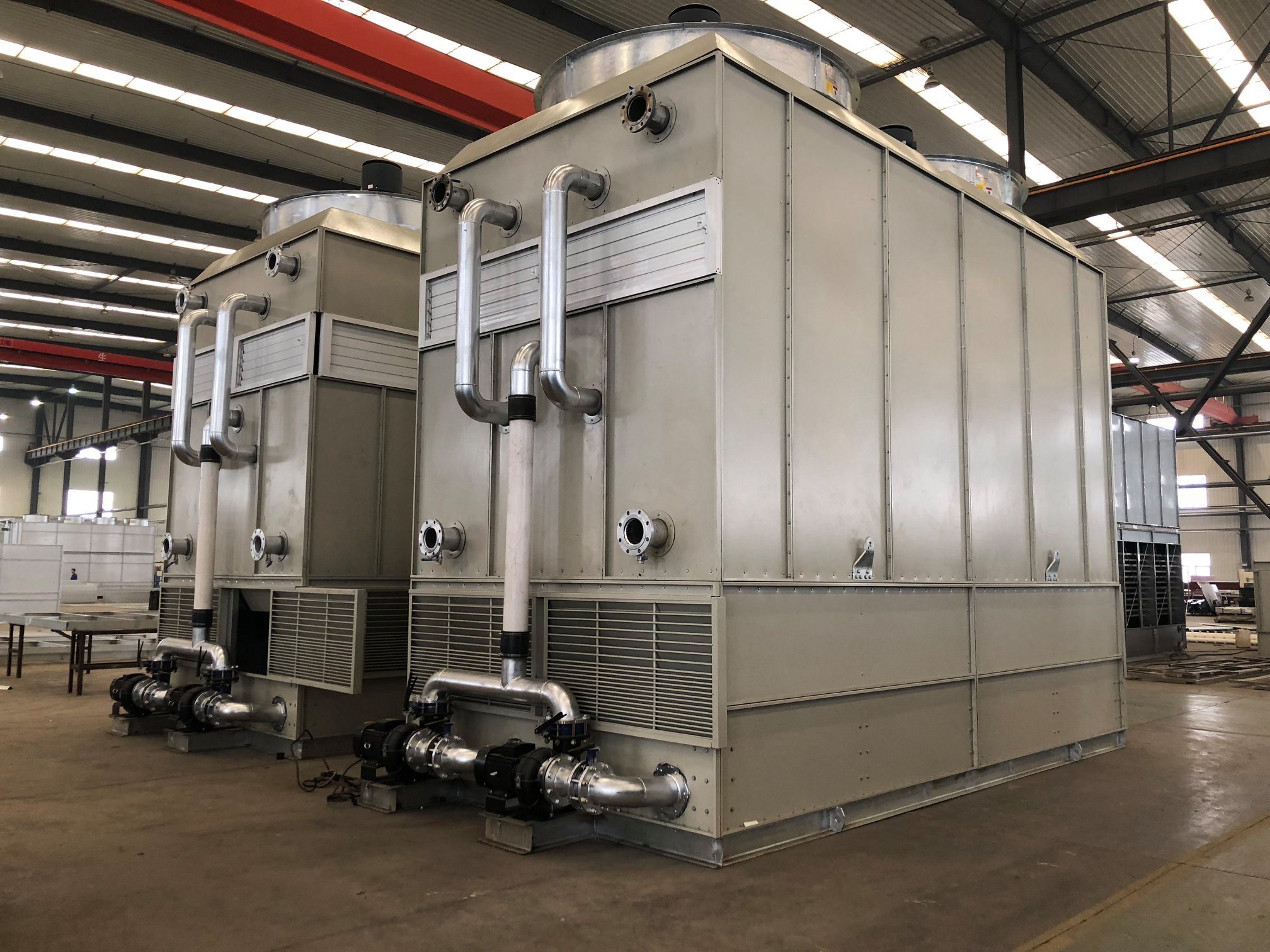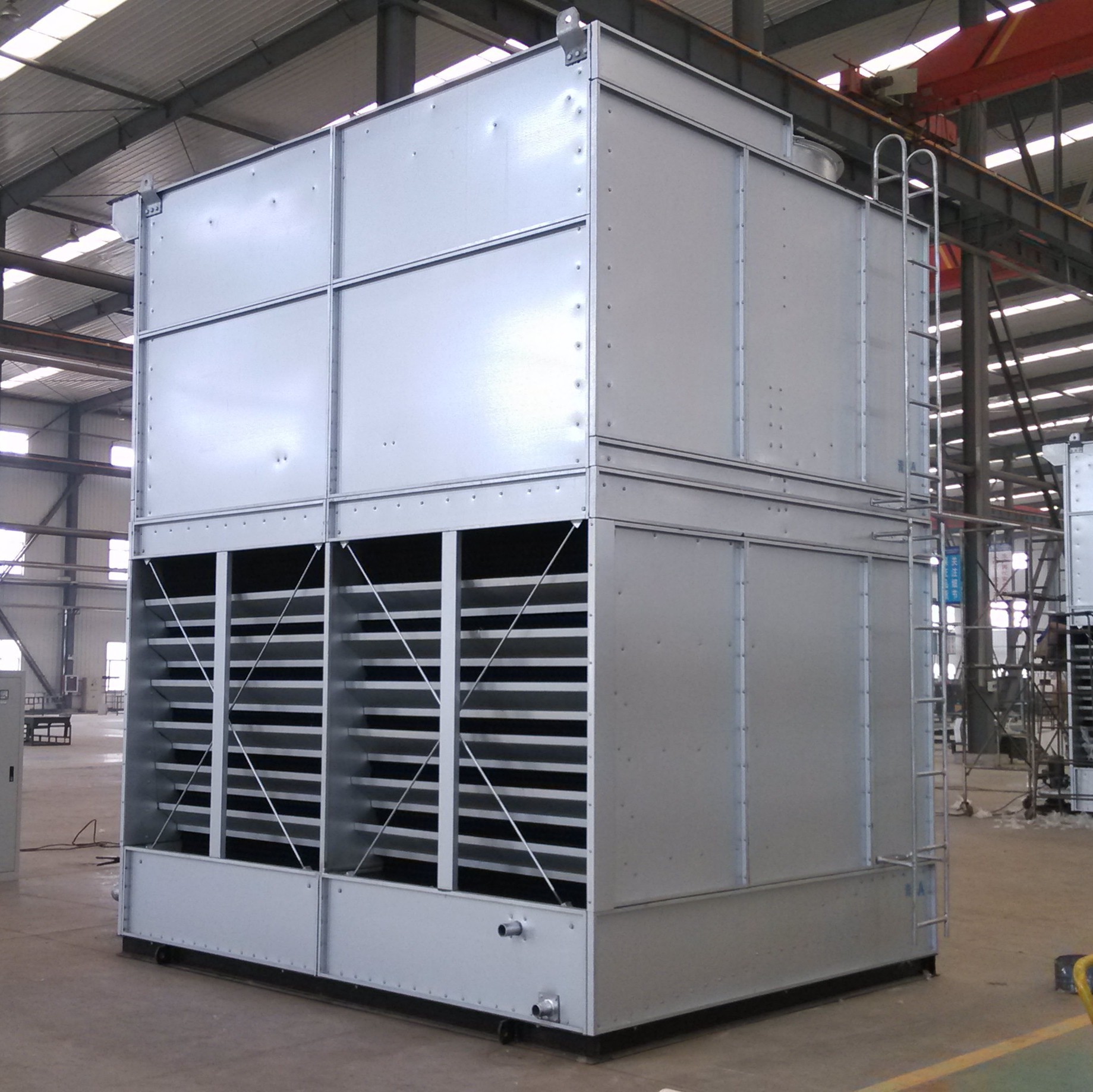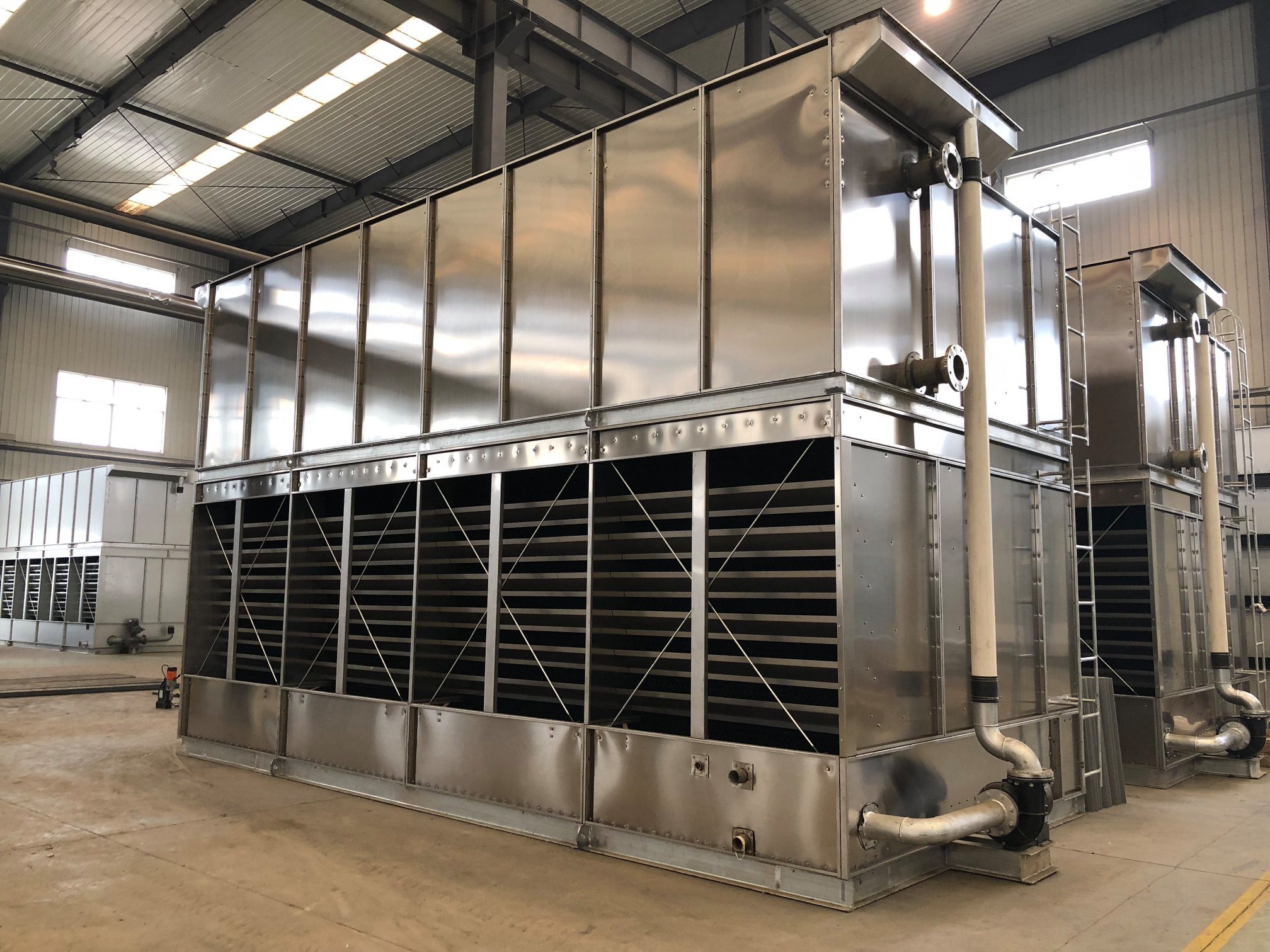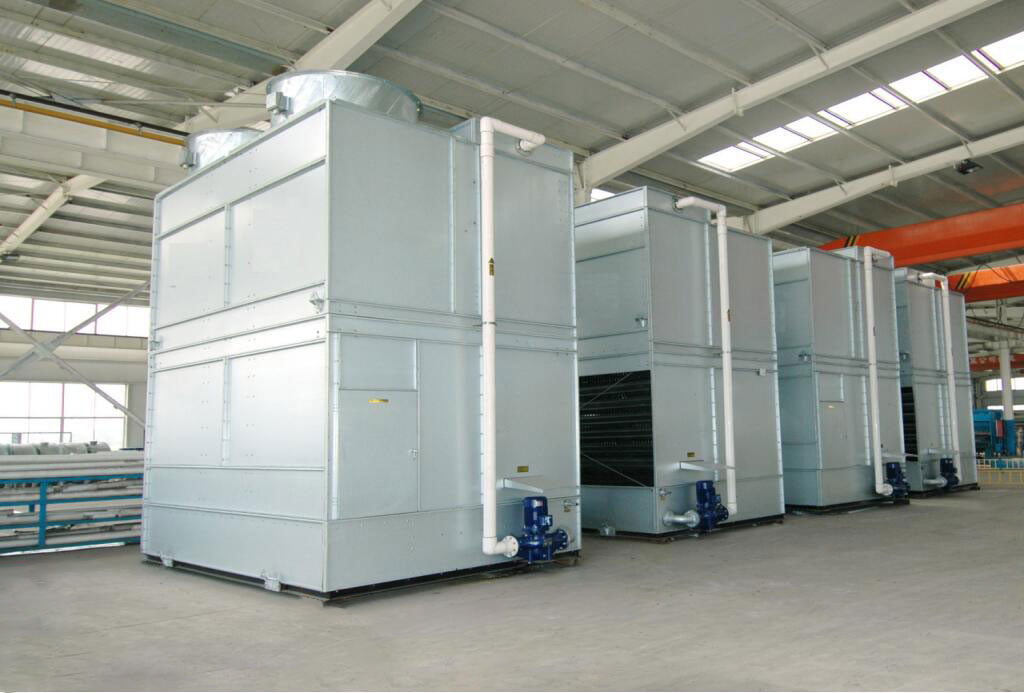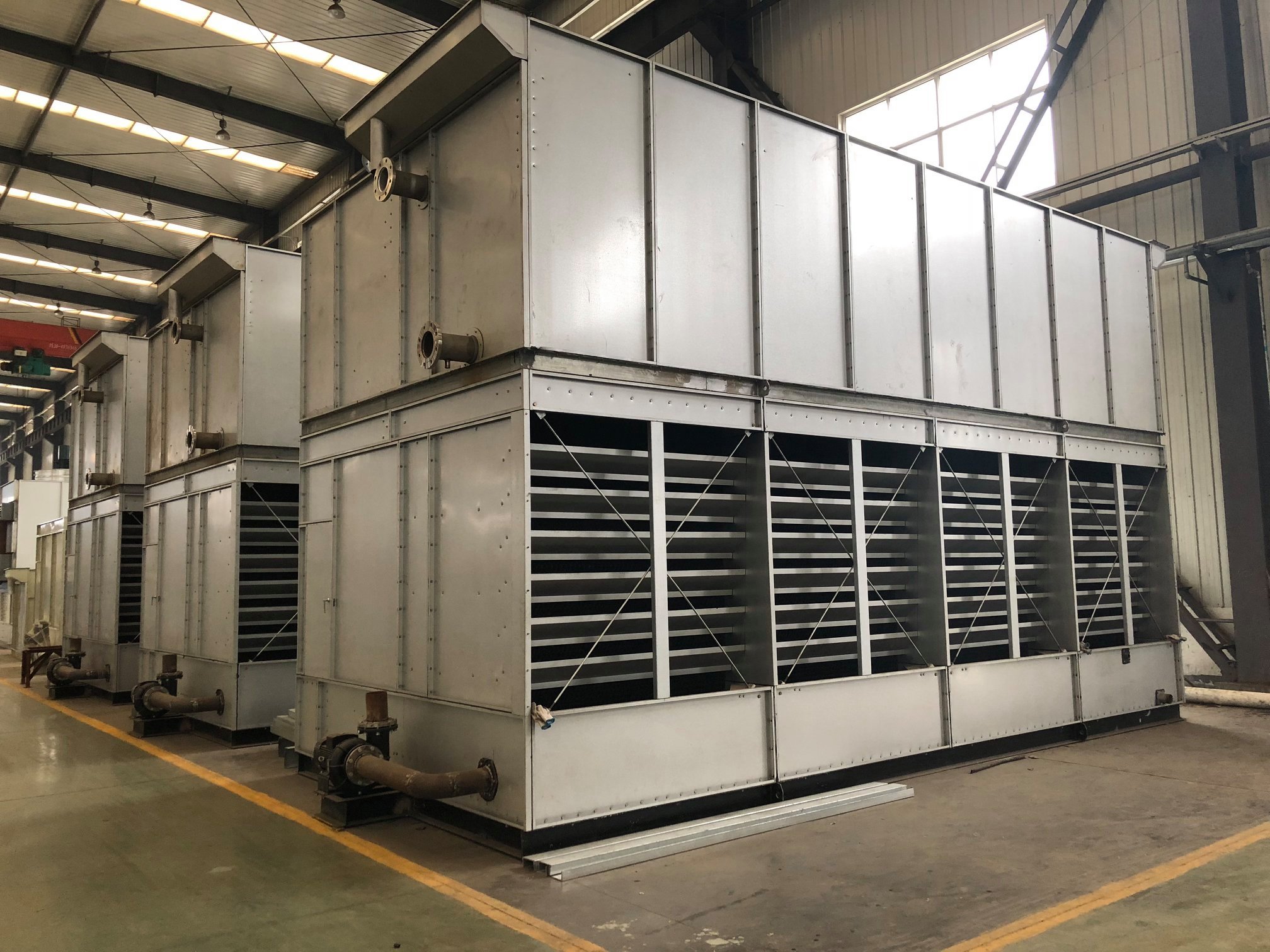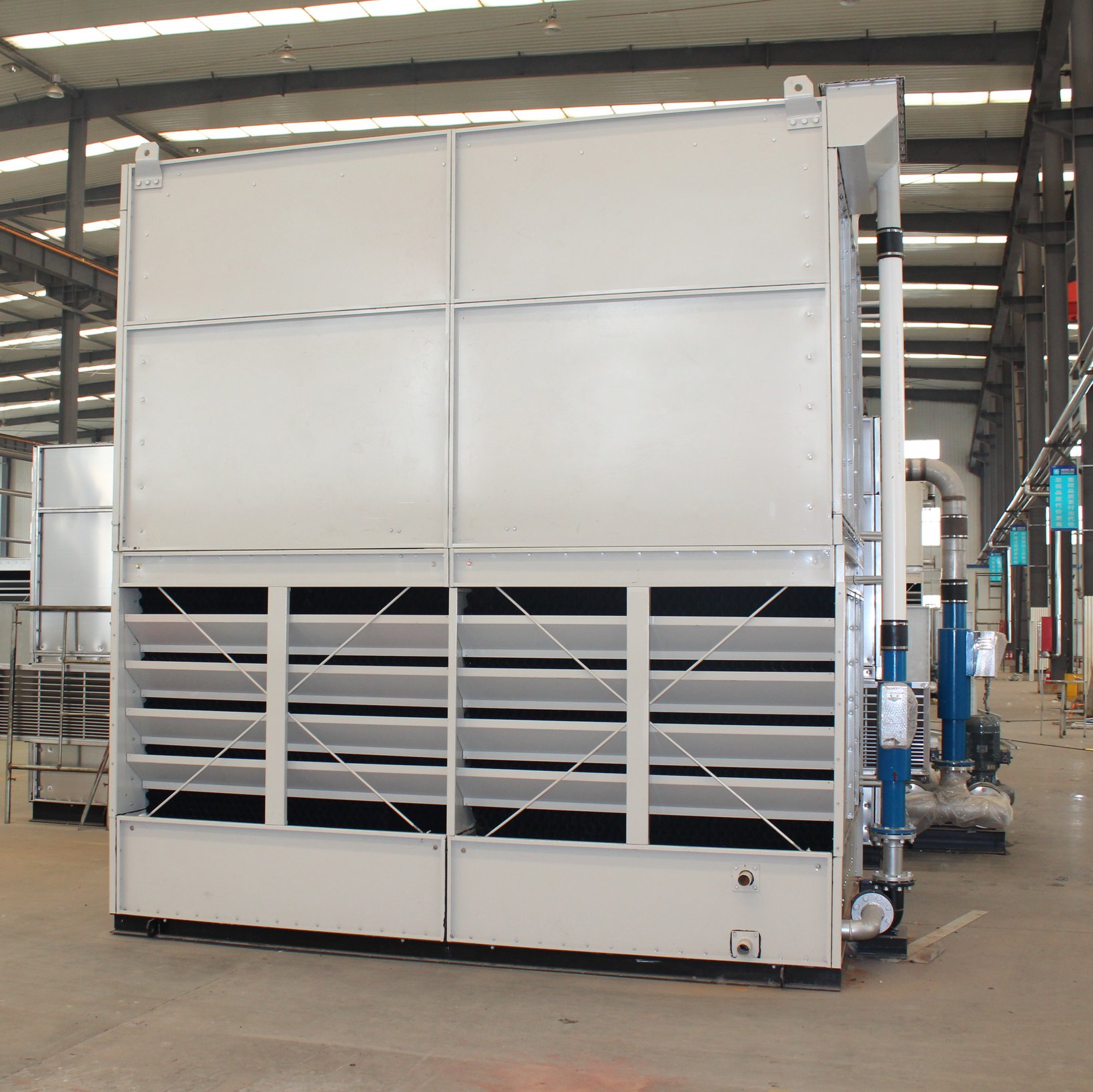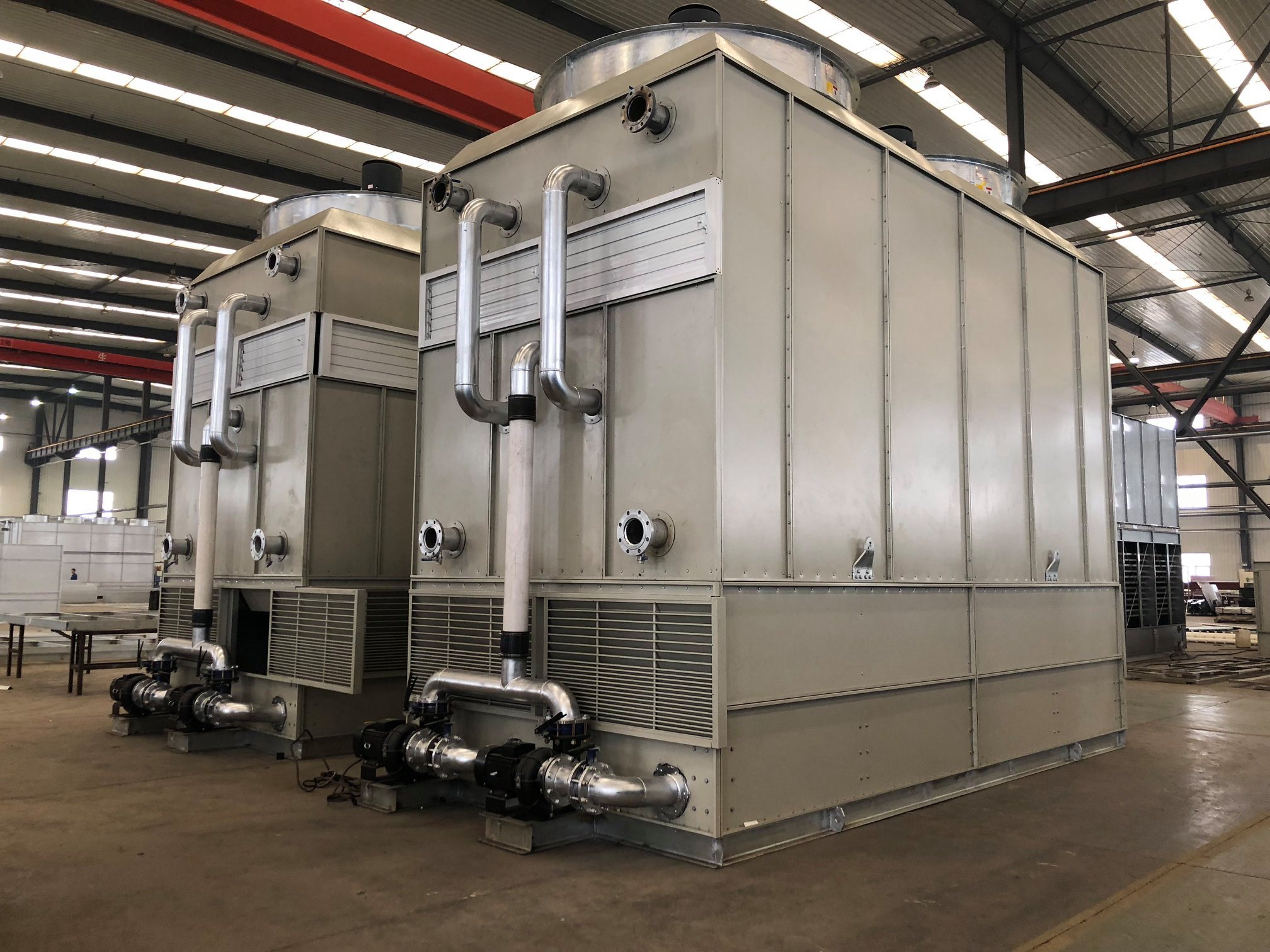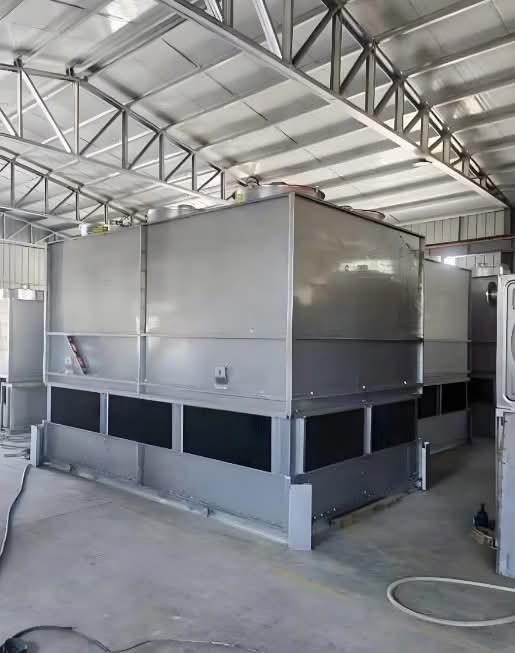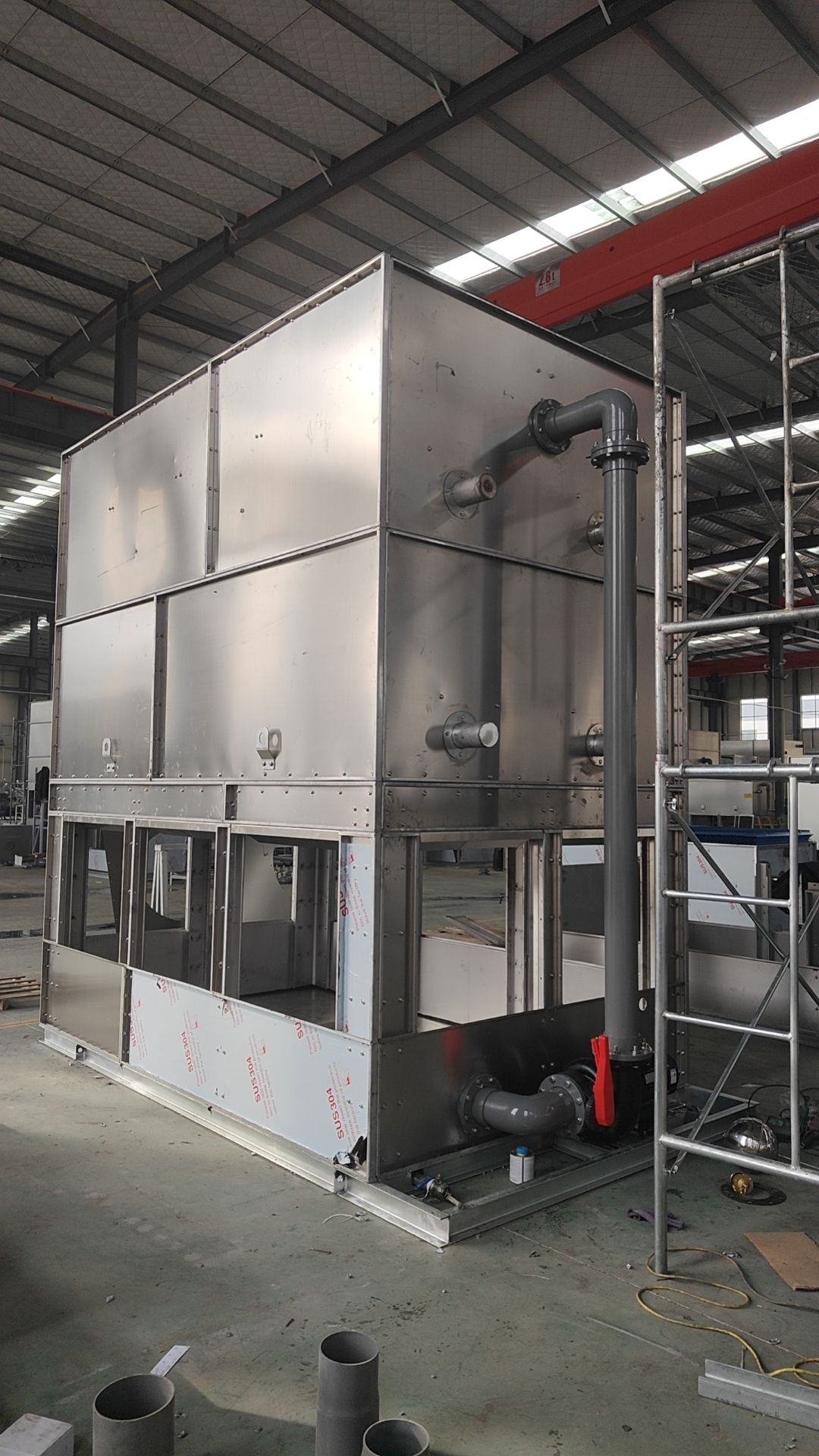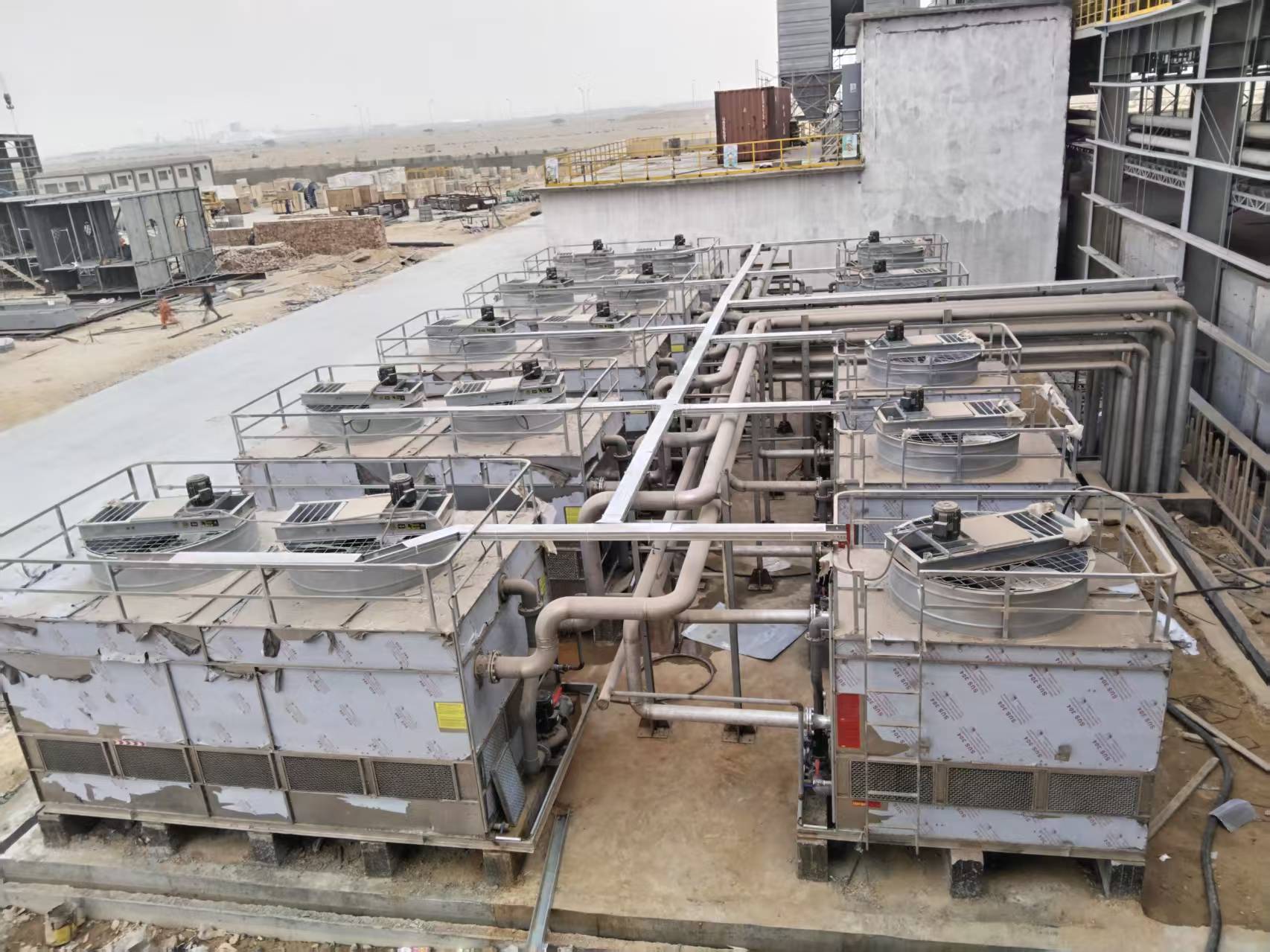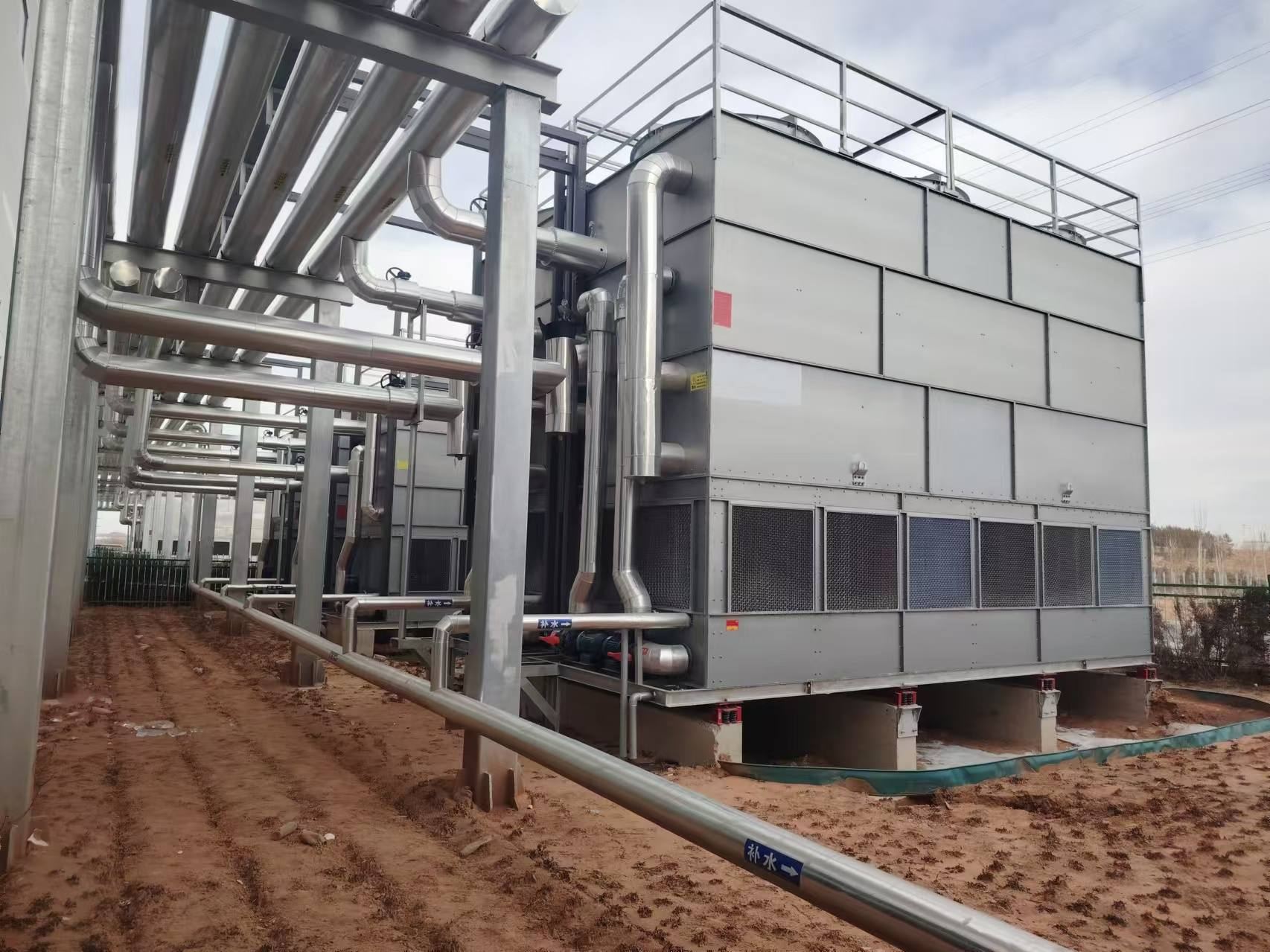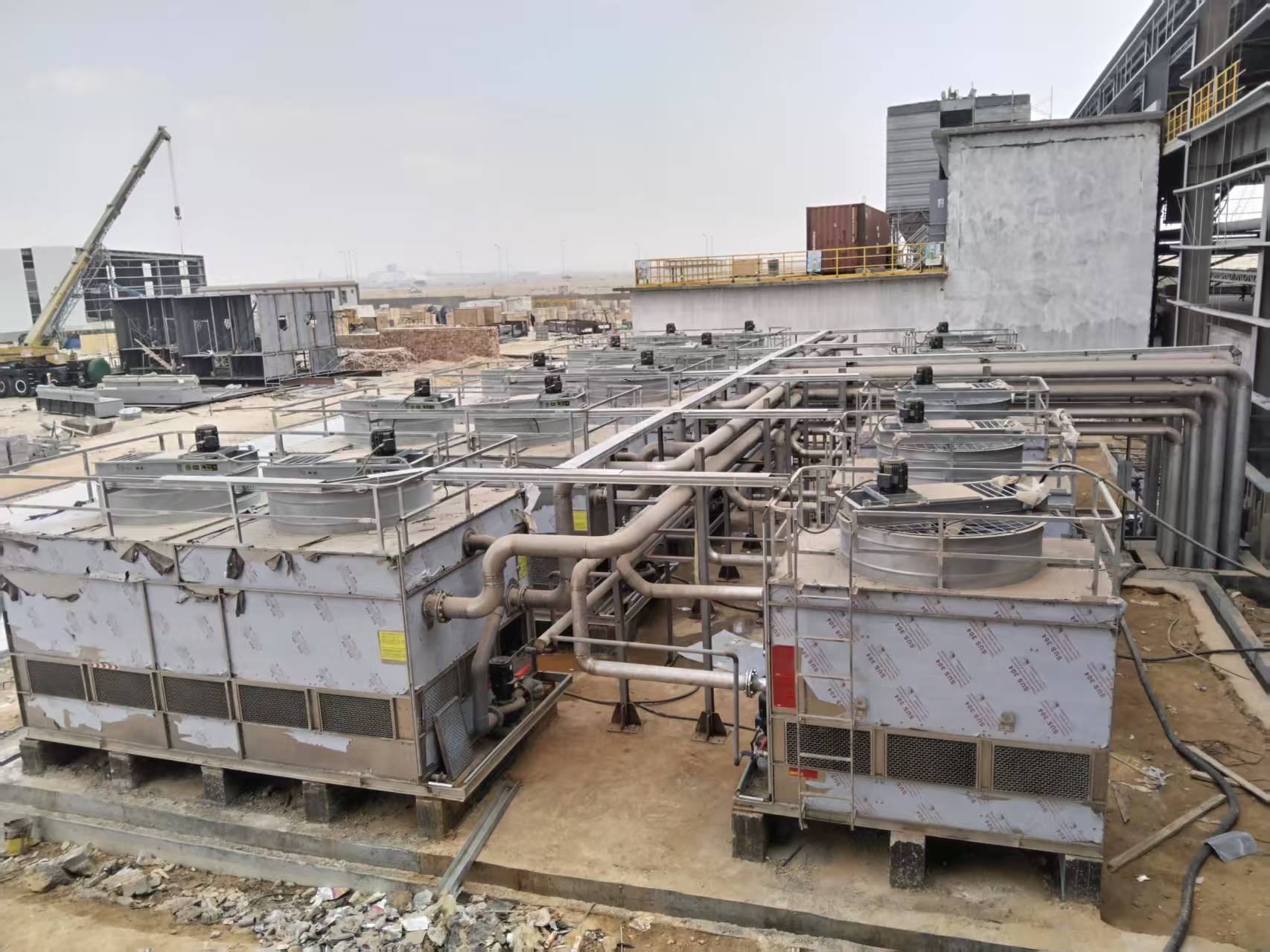

Advantages of Forced Draft Cross Flow Cooling Tower 1. Fan Maintenance Advantages: 2. Mechanical Simplicity: 3. Reduced Recirculation in Certain Setups: 4. Water Distribution Stability:
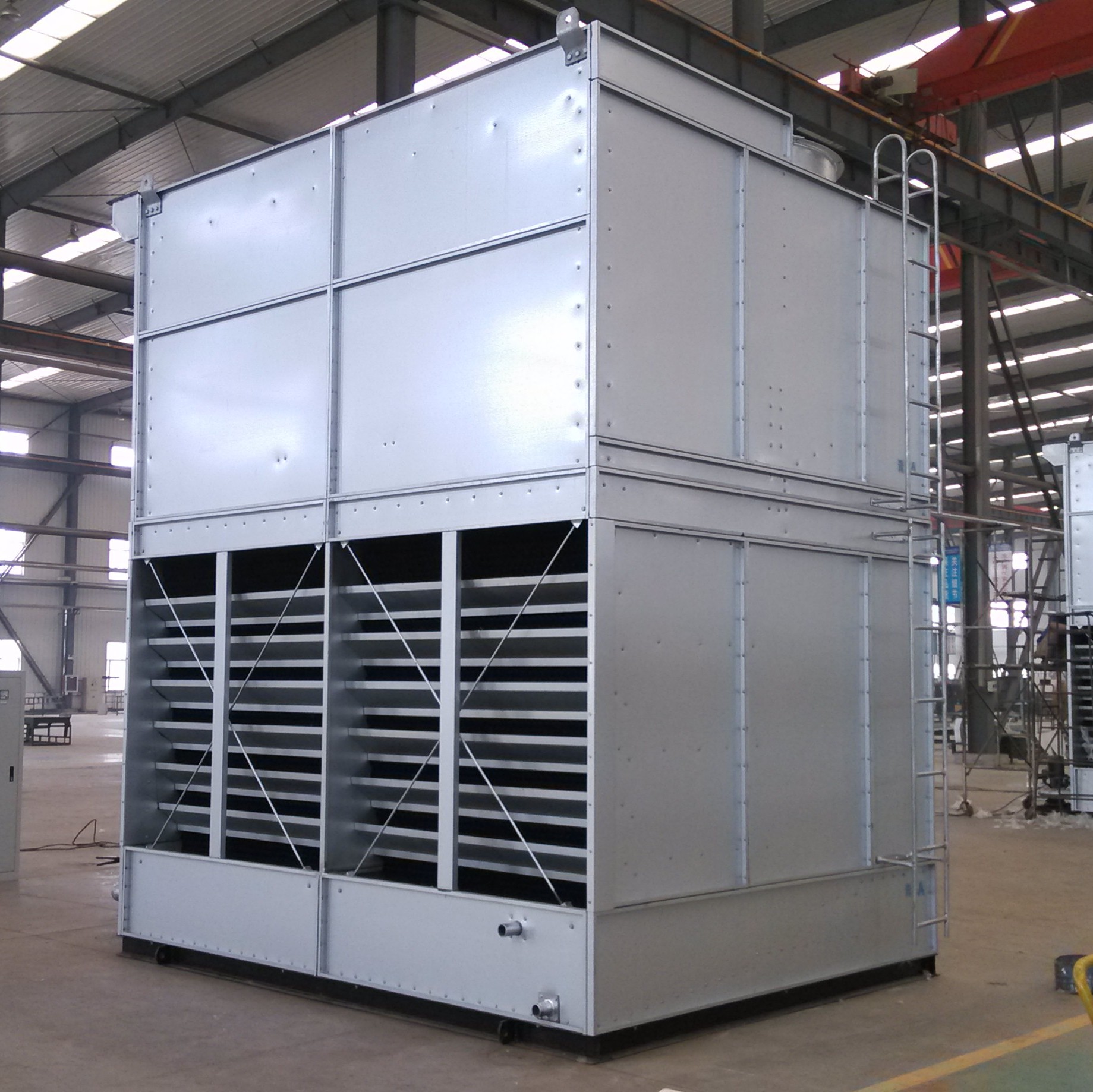
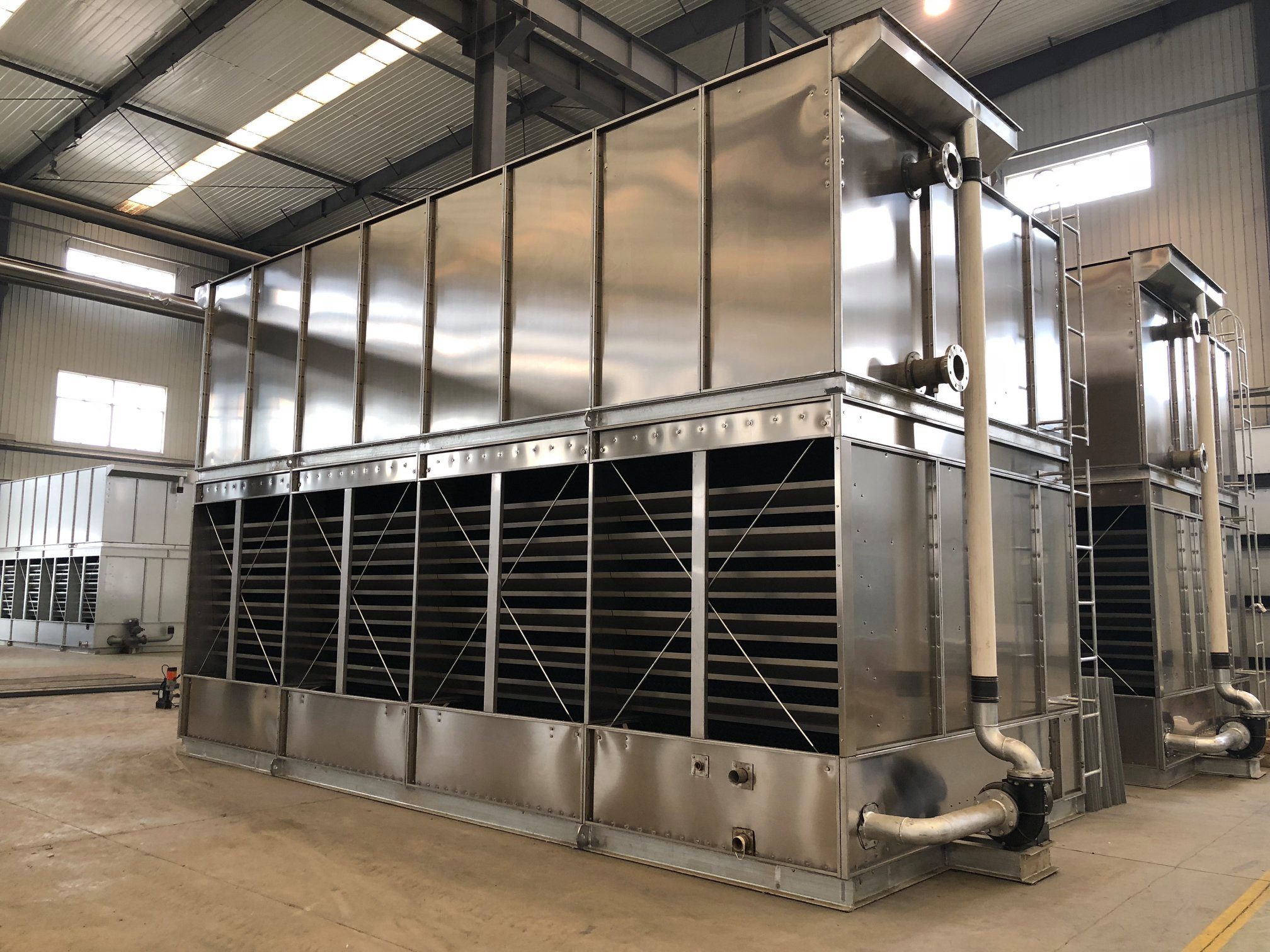
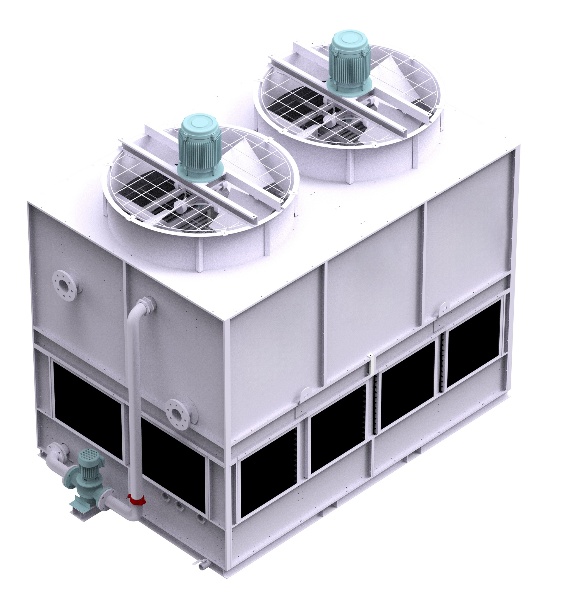
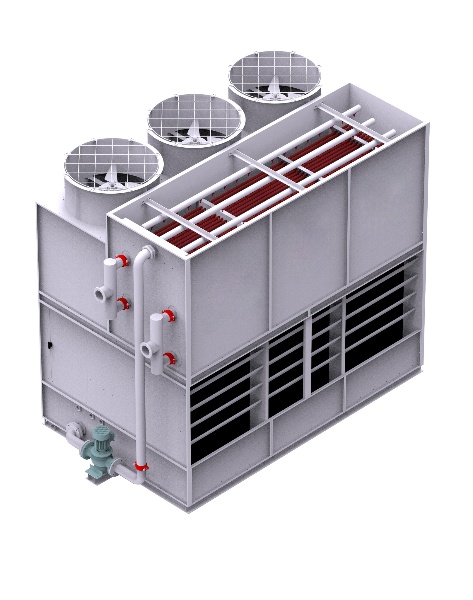
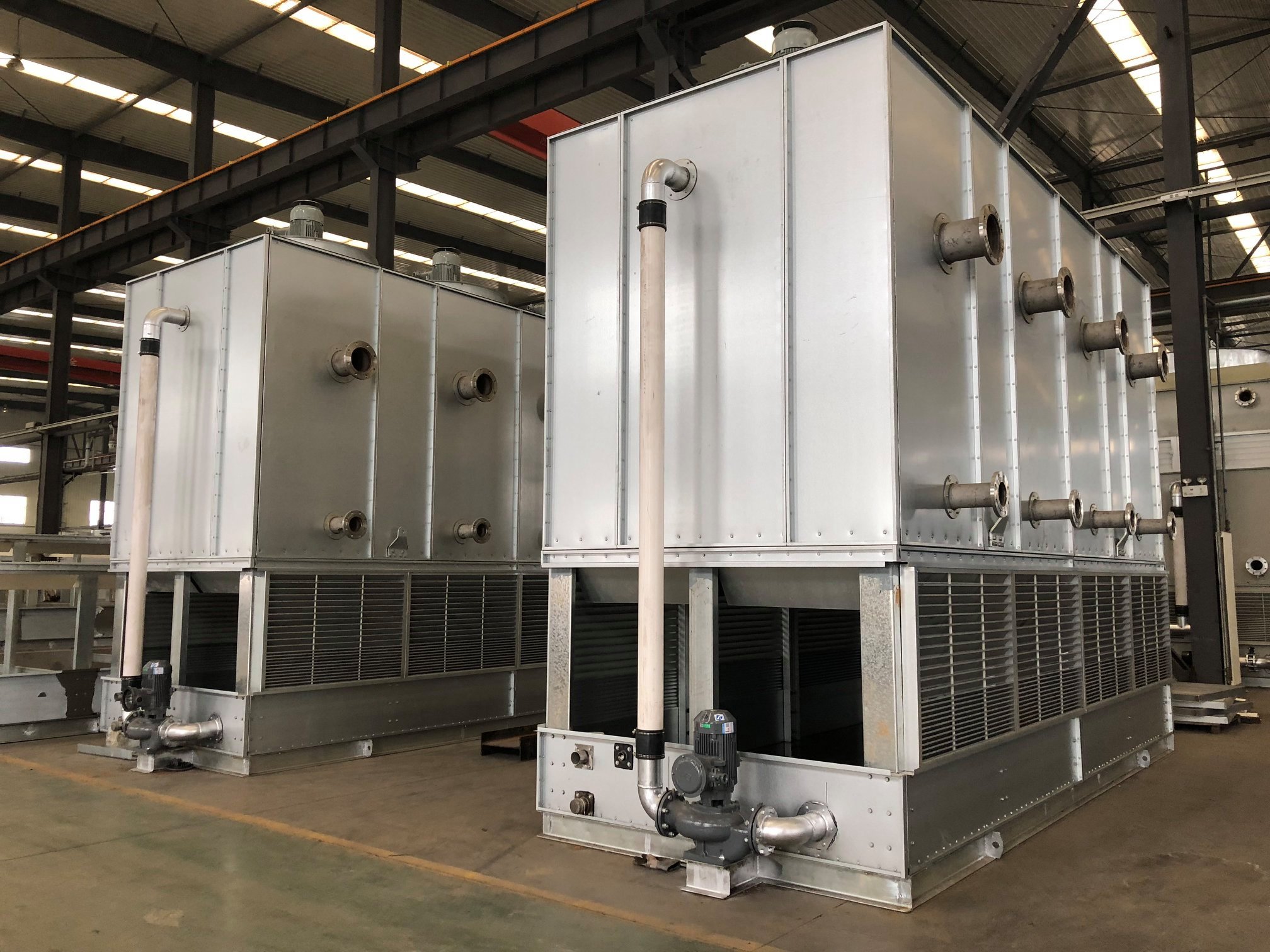
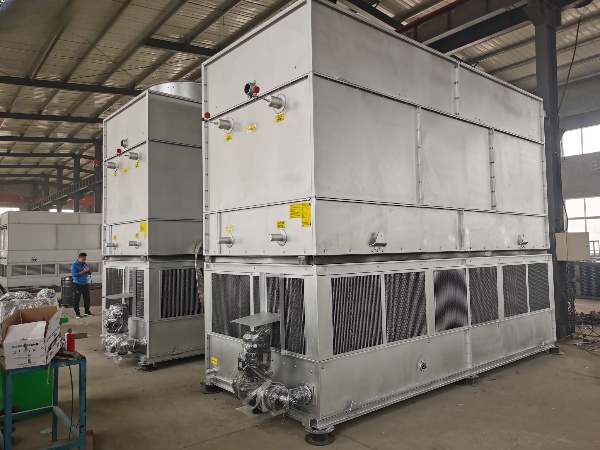
Forced Draft Cross Flow Cooling Tower A Forced Draft Cross Flow Cooling Tower is a less common but specialized design where fans are positioned at the air inlet to push air horizontally across the falling water, maintaining the perpendicular crossflow configuration but with different operational characteristics. Air-Water Path:
Applications of Induced Draft Induced Draft Cross Flow Cooling Tower Maintenance Requirements Selection Considerations The Induced Draft Cross Flow Cooling Tower remains popular because it balances operational efficiency, maintenance simplicity, and reliability—making it the workhorse for commercial and many industrial cooling...
Induced Draft vs. Forced Draft Cross Flow Cooling Towers: Comprehensive Comparison Here’s a detailed side-by-side analysis of both designs, highlighting their operational differences, advantages, disadvantages, and best applications. Quick Comparison Table Feature Induced Draft Cross Flow Forced Draft Cross Flow Fan Position Top (air discharge)...
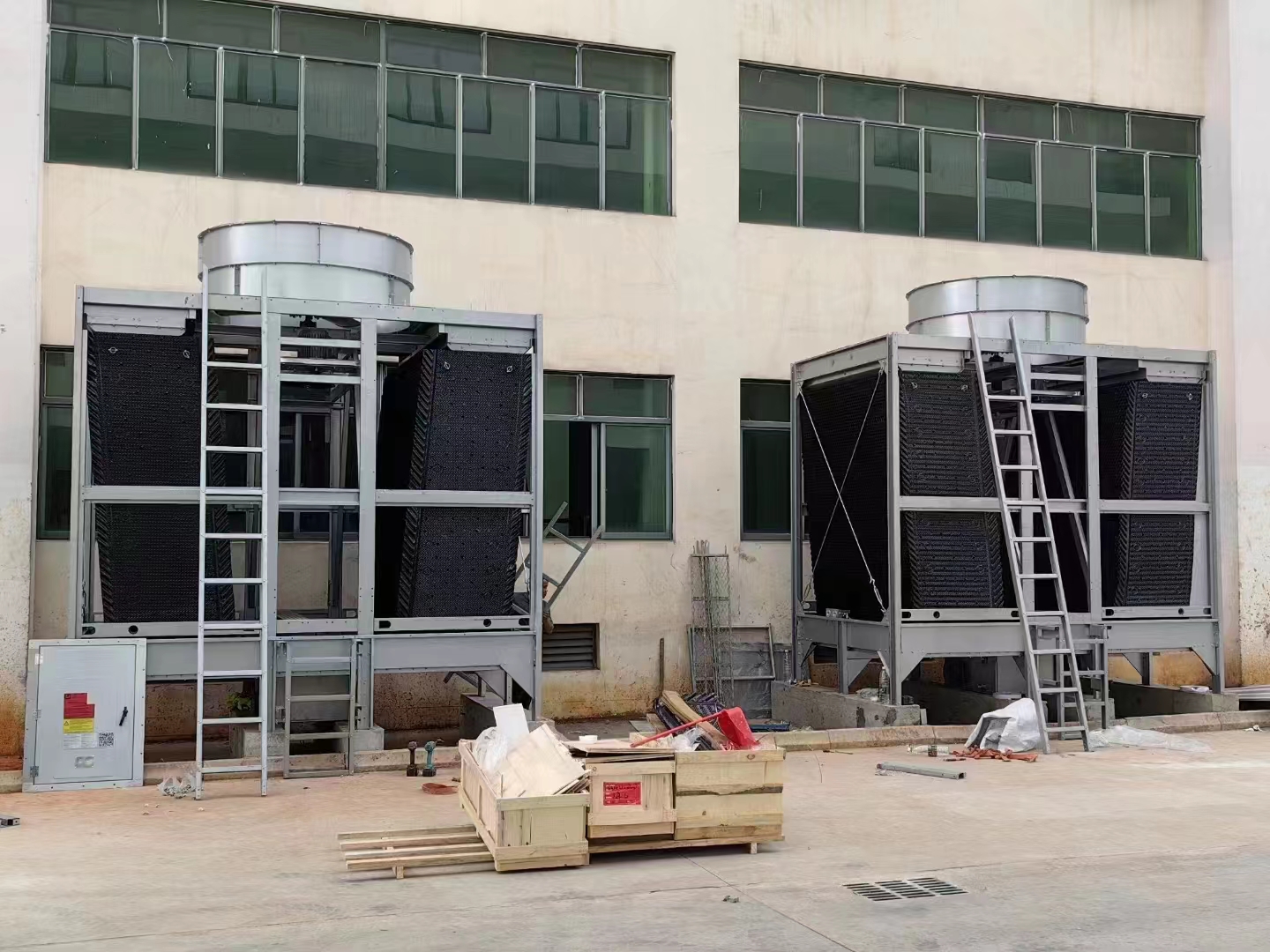
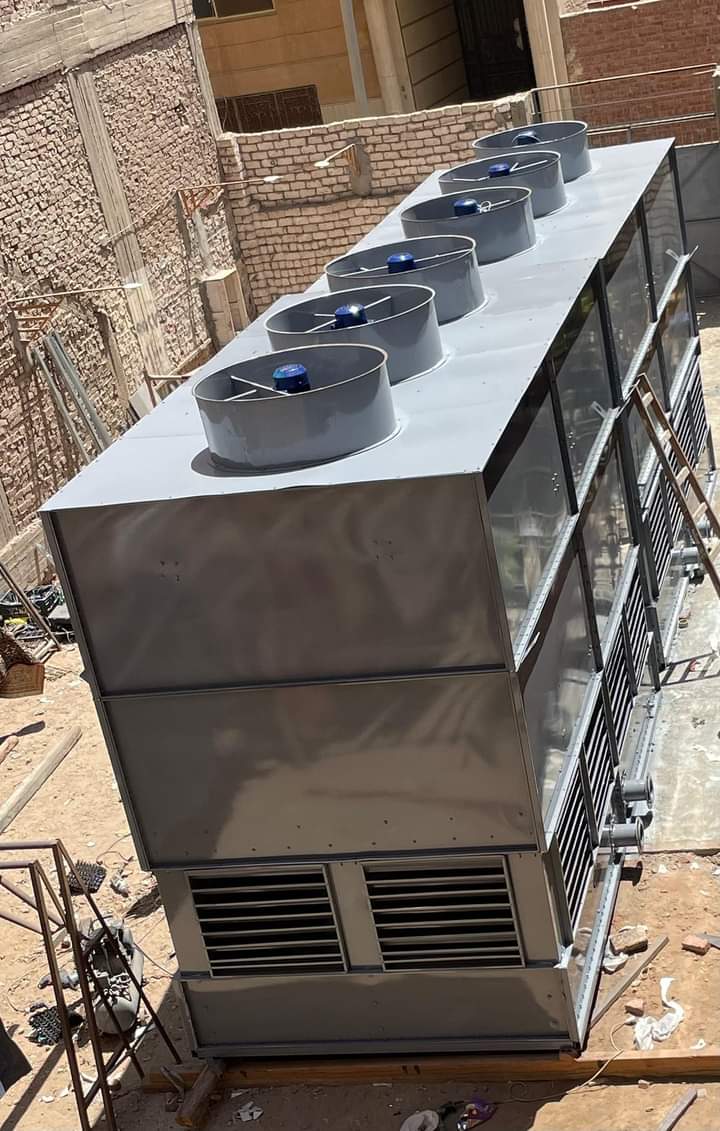
Induced Draft Cross Flow Cooling Tower An Induced Draft Cross Flow Cooling Tower is the most common configuration of crossflow design, where a fan at the top creates negative pressure to draw air horizontally across falling water, producing perpendicular air-water contact for efficient cooling. Process Flow:
Crossflow vs. Counterflow Comparison Parameter Cross Flow Counter Flow Air/Water Flow Perpendicular (90°) Opposite (parallel but opposite) Footprint Larger for same capacity More compact Pump Head Lower (gravity distribution at lower height) Higher (water pumped to top) Air Pressure Drop Lower Higher Maintenance Easier (accessible basins/fills)...
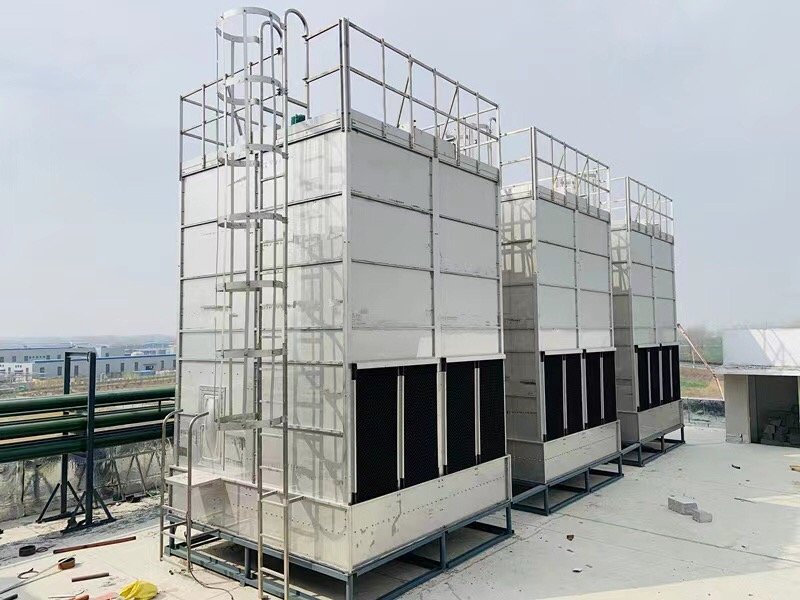
Cross Flow Cooling Tower A Cross Flow Cooling Tower is a design where airflow is perpendicular (horizontal) to the downward flow of water within the tower. This configuration offers distinct operational and maintenance advantages, making it common in commercial HVAC, power plants, and industrial applications How It Works Air...
Which to Choose in Closed Circuit cooling tower Types? Choose FORCED DRAFT (V-Flow) if your priorities are: Choose INDUCED DRAFT (Counter-Flow) if your priorities are: Industry Trend & Bottom Line Final Recommendation: Always: Get detailed submittals and lifecycle cost analyses from manufacturers of both types for your specific duty point,...
Forced Draft vs. Induced Draft (Closed Circuit) which one is best? Head-to-Head Comparison: Critical Decision Factors Factor Forced Draft (V-Flow) Induced Draft (Typically Counter-Flow) Who Wins? Maintenance & Fan Life Big Advantage. Fan & motor are at ground level in the cool, dry inlet air stream. Easier, safer access. Less...
Forced Draft vs. Induced Draft (Closed Circuit) Feature Forced Draft (V-Flow) Induced Draft (Typical) Fan Location At air inlet (bottom/side) At air discharge (top) Air Pressure Positive inside tower Negative inside tower Airflow Path Horizontal across coil Vertical through coil Fan Energy Fan handles cooler, drier air Fan handles warm, saturated...
Typical Applications of Forced Draft V-Flow Closed Circuit Cooling Tower Closed circuit cooling towers are used where protecting the process fluid is paramount:
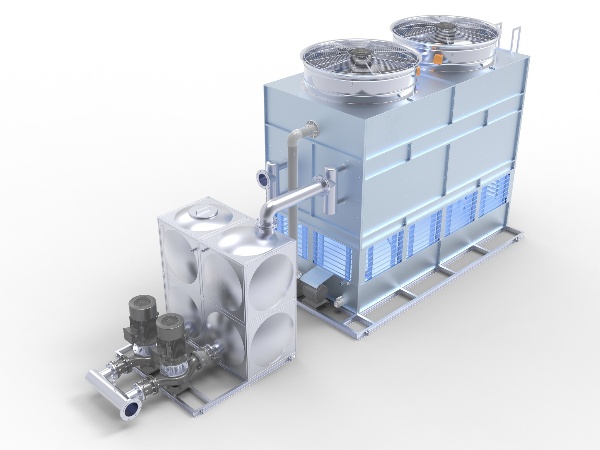
Forced Draft (V-Flow) Closed Circuit Cooling Tower Forced Draft V-Flow Closed Circuit Cooling Tower by explaining each part of its name and how it works. V-Flow (or Vertical Flow): This describes the path of the spray water (the separate, external water loop) and air. The spray water is pumped to the top and...
Common Applications of Closed-Circuit Cooling Towers (All Types) the choice between Forced Draft, Induced Draft, or Hybrid depends on the specific priorities: footprint, maintenance access, water availability, plume visibility concerns, and local climate conditions. The closed circuit design itself is selected when fluid purity and system...
Advantages of Closed-Circuit Cooling Towers (All Types) Lower System Pumping Head: Often located at grade level, unlike open towers which may be on roofs Reduced Maintenance on Primary System: Less corrosion and fouling in the chilled water or process loops.
Comparison of Forced Draft vs Induced Draft Vs Hybrid Closed Circuit Cooling Tower Feature Forced Draft (V-Flow) Induced Draft (Counterflow) Hybrid (Dry/Wet) Air Flow Fan pushes air horizontally in/vertically out. Fan pulls air vertically up through the unit. Typically induced draft. Footprint Compact. Larger footprint for same capacity. Larger due...
Types of Closed Circuit Cooling Towers 1. By Air/Water Flow Path & Construction 2. By Heat Rejection Method & Coil Design c) Fluid Coolers with Integral Freeze Protection
When to Choose Closed Circuit Cooling Tower When to Choose a Closed-Circuit Cooling Tower: A Decision Guide Choosing a Closed-Circuit Cooling Tower (CCT) is a strategic decision that prioritizes system protection, reliability, and lower lifecycle costs over minimal initial investment. Here are the key scenarios where a CCT is the clear...
CLOSED-CIRCUIT Cooling Tower Open Circuit Tower Closed Circuit Tower Cost Win on First Cost Win on Lifecycle Cost Protection Exposes the process fluid Protects the process fluid Operation Higher water/chemical use, higher pumping energy Lower water/chemical use, lower pumping energy Best For Non-critical cooling, budget-driven...
CLOSED-CIRCUIT Cooling Tower – Hybrid/Dry Cooler: The Third Option It’s worth noting a third common option that fits between these: Efficiency Spectrum:Open Tower (cools to wet-bulb temp) > Closed Circuit Tower (cools close to wet-bulb) > Dry Cooler (cools to dry-bulb temp).
Closed Circuit cooling tower vs open circuit cooling tower The choice between a Closed Circuit Cooling Tower (CCT) and an Open Circuit Cooling Tower (OCT) is one of the most fundamental decisions in cooling system design. It boils down to a trade-off between initial cost and system protection/lifecycle cost....
Key Decision for Selection of Closed-circuit cooling tower In summary, Closed Circuit Cooling Towers are applied wherever the reliability, purity, and precise control of the cooling fluid are as important as the cooling capacity itself. They are the engineering solution for marrying the high efficiency of evaporative cooling with the...
Why Choose a Closed Circuit Cooling tower in These Applications? A Quick Reference Table Application Category Primary Reason for Using a CCT HVAC / Chillers Protects chiller tubes from scaling; enables easy winter glycol use. Plastics, Lasers, Medical Absolute fluid cleanliness to protect multi-million dollar equipment and ensure product...
Applications of Closed-Circuit Cooling Tower The applications of Closed Circuit Cooling Towers (CCTs) are driven by their core advantage: protecting a clean, pressurized, and precisely controlled process fluid loop. They are the preferred choice wherever cooling water contamination, scaling, or freezing would cause operational...
Advantages of Closed-Circuit cooling tower at a Glance Advantage Impact Clean Process Fluid Protects sensitive equipment, ensures consistent performance. Lower Water Treatment Reduces chemical cost, complexity, and environmental impact. Easy Freeze Protection Ideal for cold climates; operational with glycol. Energy-Efficient Pumping Lower pump head...
. Superior Process Fluid Protection (The Primary Advantage) This is the most significant benefit and the core reason for choosing a CCT. 2. Reduced Water Treatment Costs & Complexity 3. Excellent Freeze Protection 4. Lower System Pumping Energy 5. Consistent Hydraulic Performance & Pressure 6. Reduced Risk of Legionella & Environmental...
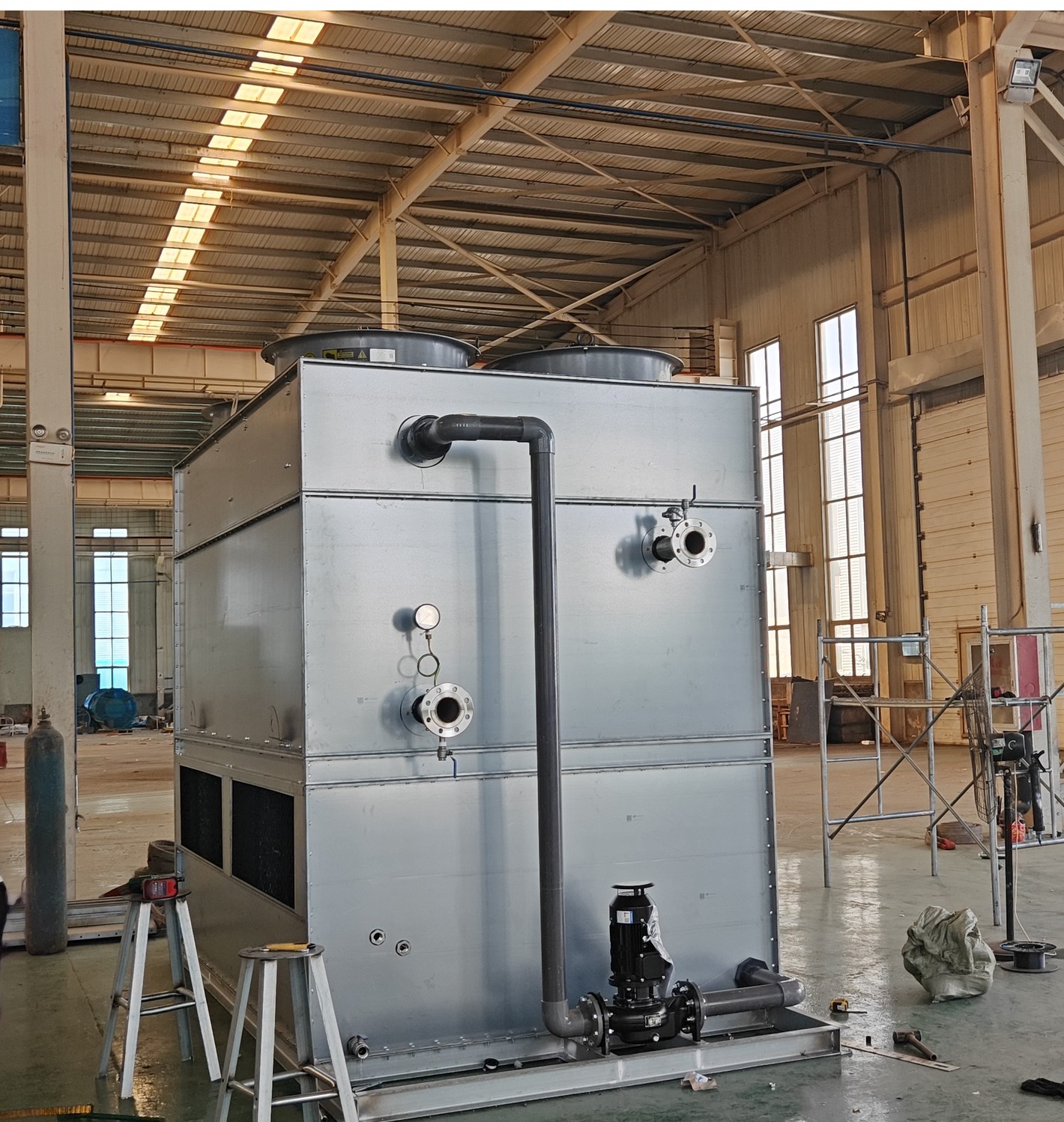
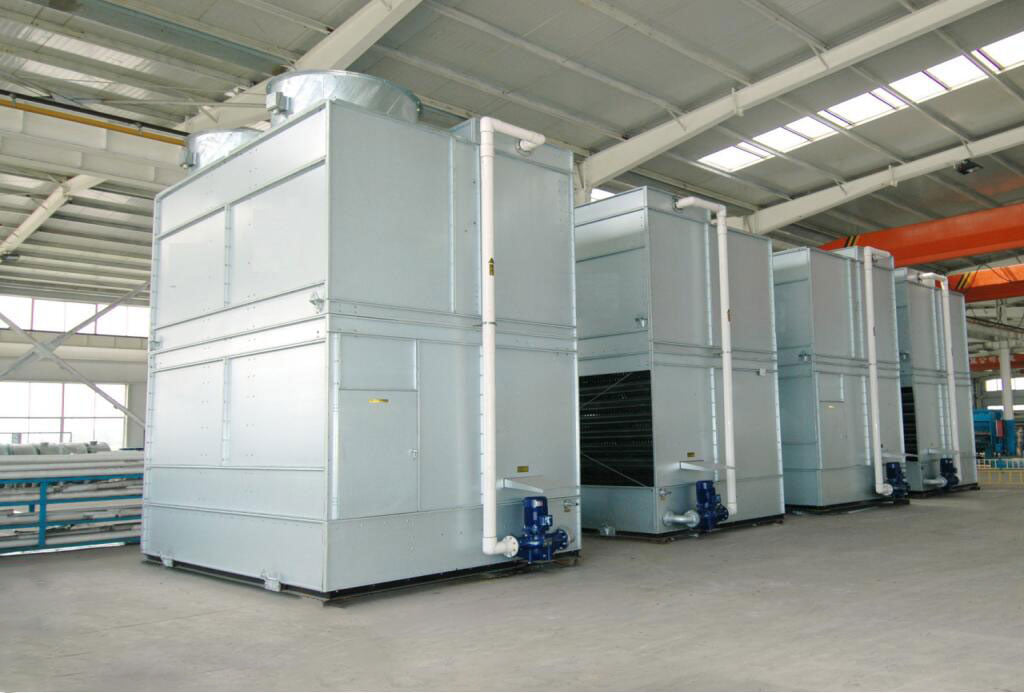
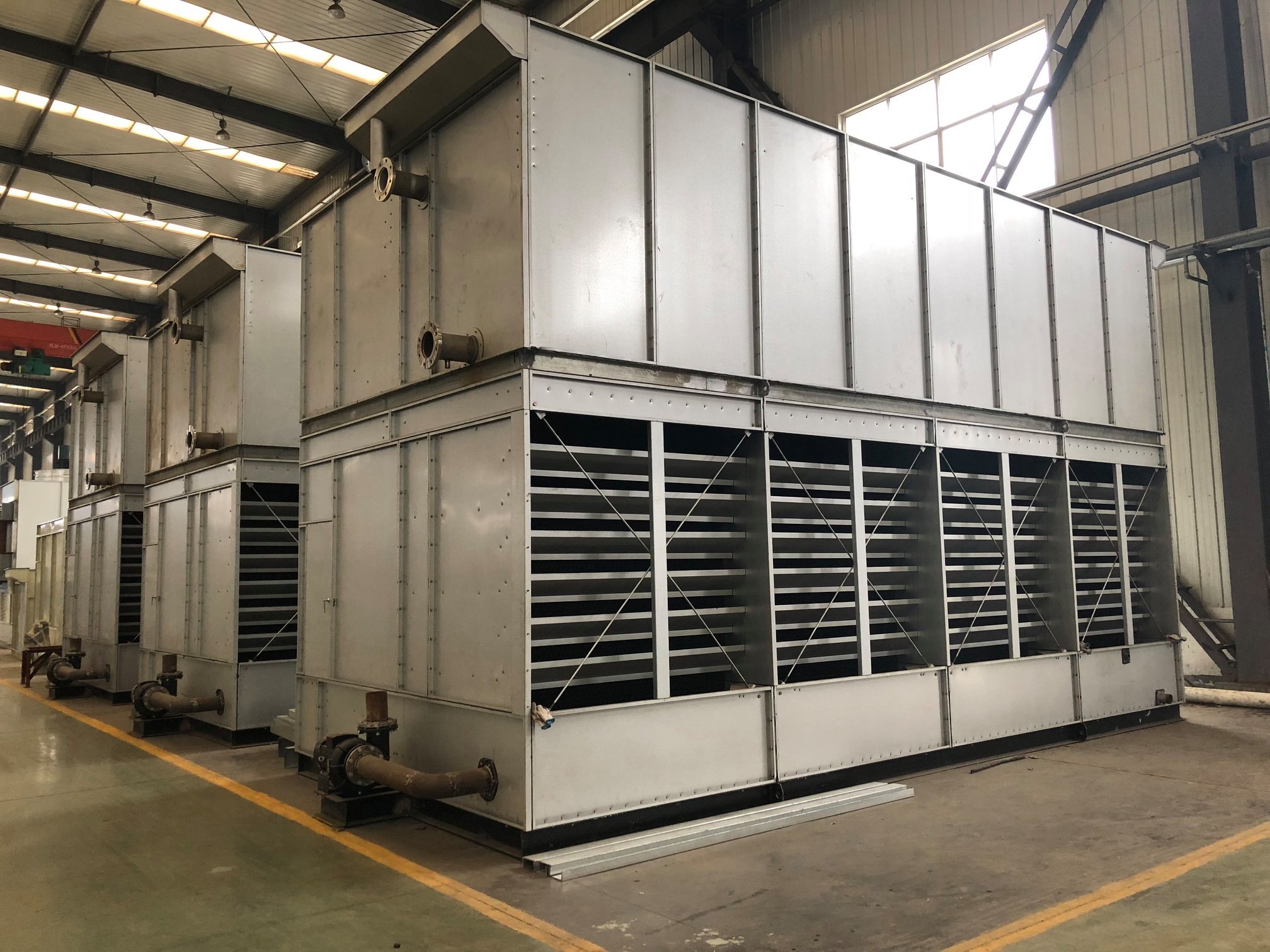
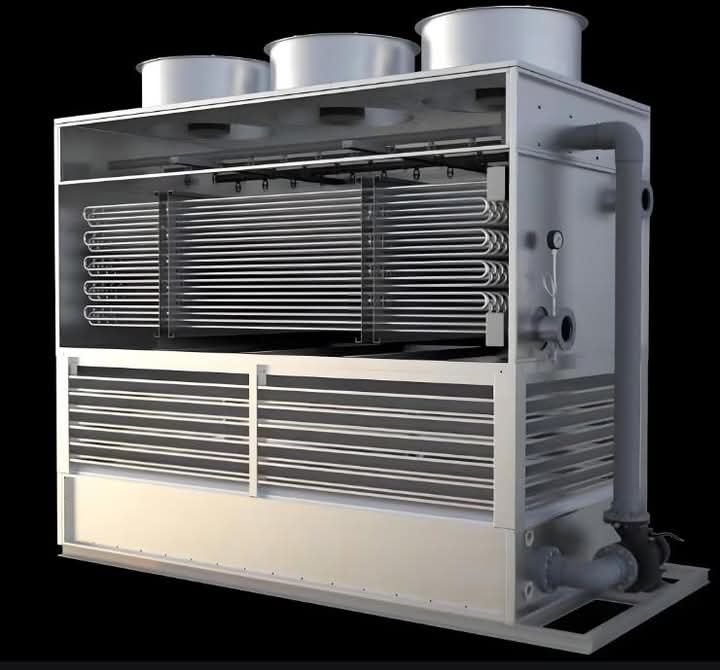
A Closed-Circuit Cooling Tower (often called a Fluid Cooler or a Closed Loop Cooling Tower) is a specialized type of heat exchanger that cools a process fluid (water or a water-glycol mixture) in a closed loop, without exposing it directly to the atmosphere or the outside environment. Here’s a breakdown of how it...
KEY MATERIALS FOR FILLS Material Max Temp Properties Typical Use PVC (Polyvinyl Chloride) ~50-60°C (122-140°F) Low cost, good corrosion resistance, flammable. Standard for most film & splash fills in HVAC and general industry. PP (Polypropylene) ~70-80°C (158-176°F) Higher temp tolerance, good chemical resistance. Hot water processes,...
TYPES OF FILLS Fills are categorized by their heat transfer mechanism and material. 1. Splash Fill 2. Film Fill 3. Hybrid / Trickle Fill Mechanism: Combines features of both splash and film fill. Upper section may be splash for water
FILLS (Cooling Tower Fill / Packing) Definition & Core Purpose Fills (also called packing or wetted deck) are the heart of the cooling tower’s heat transfer system. They are internal structures designed to maximize the surface area and contact time between the falling hot water and...