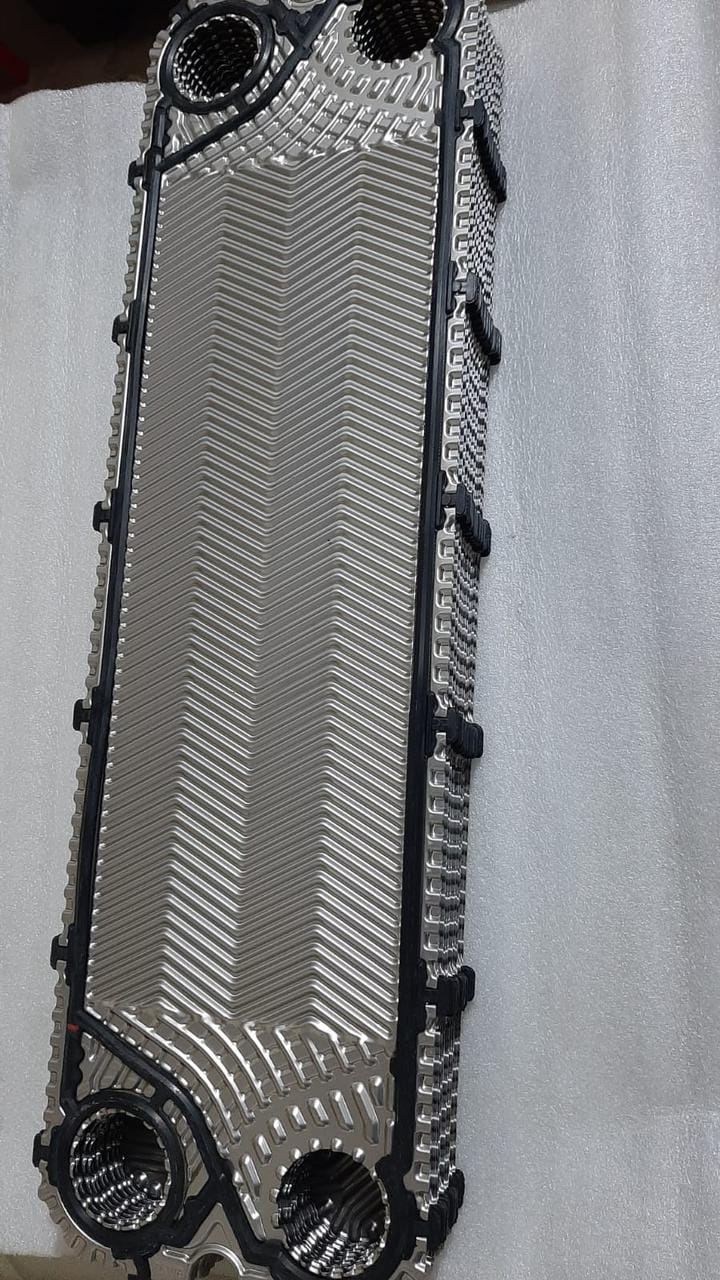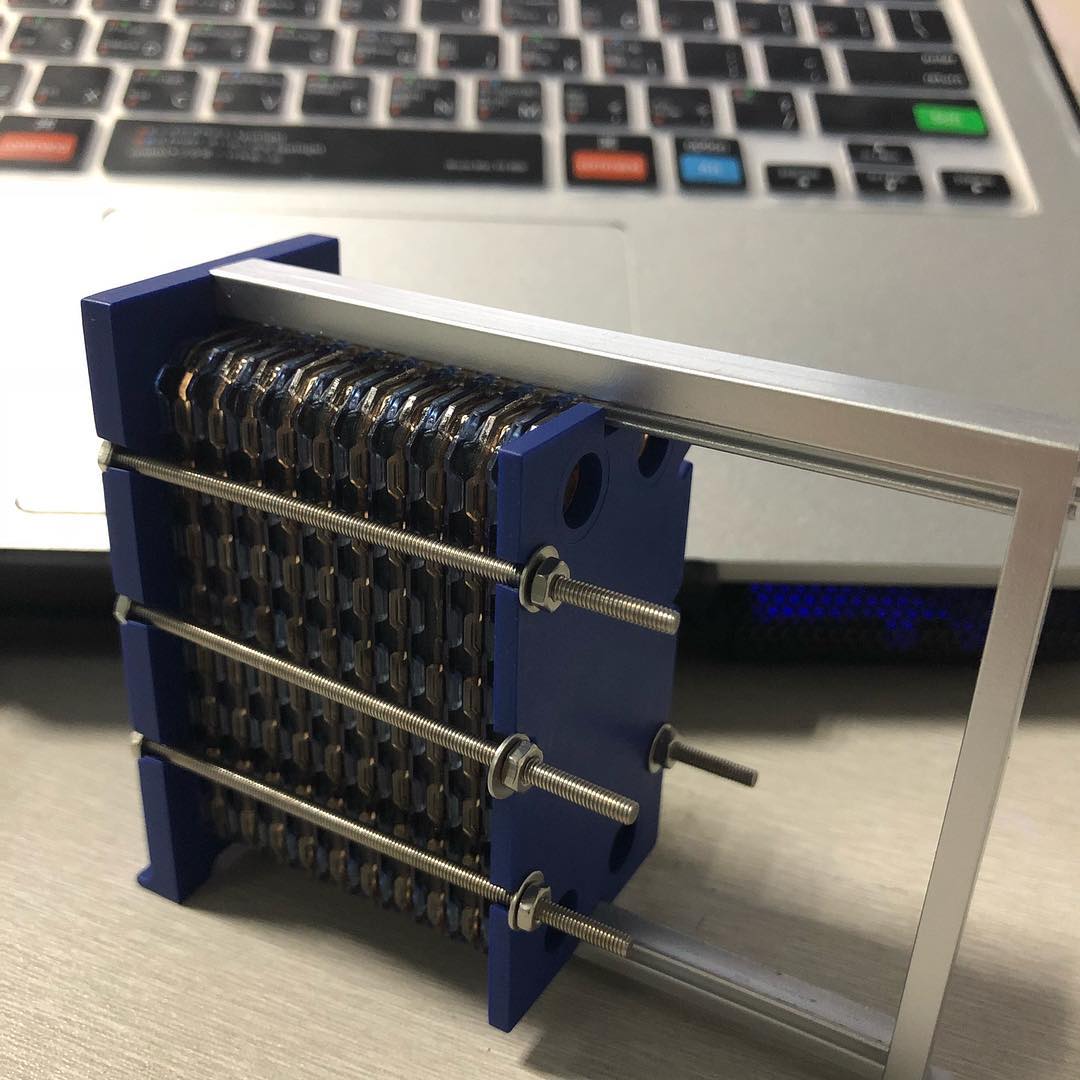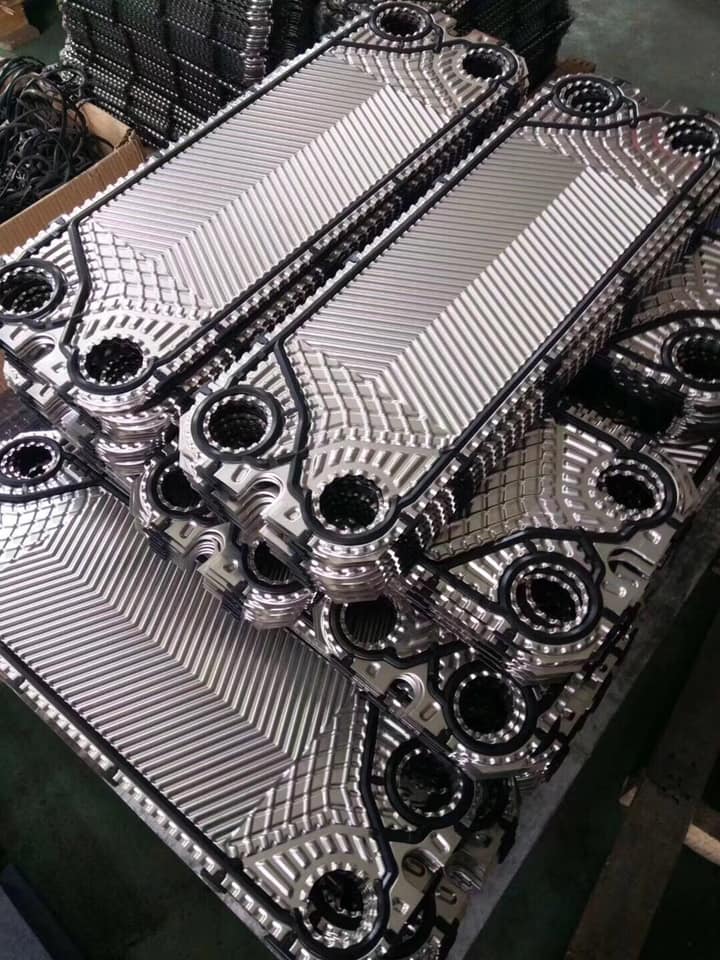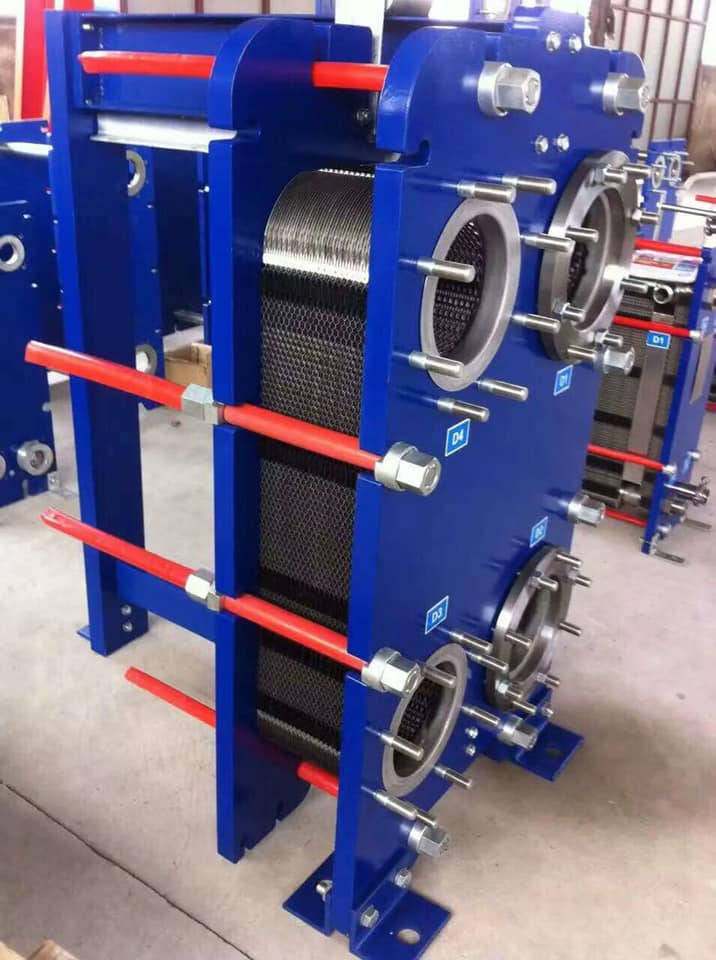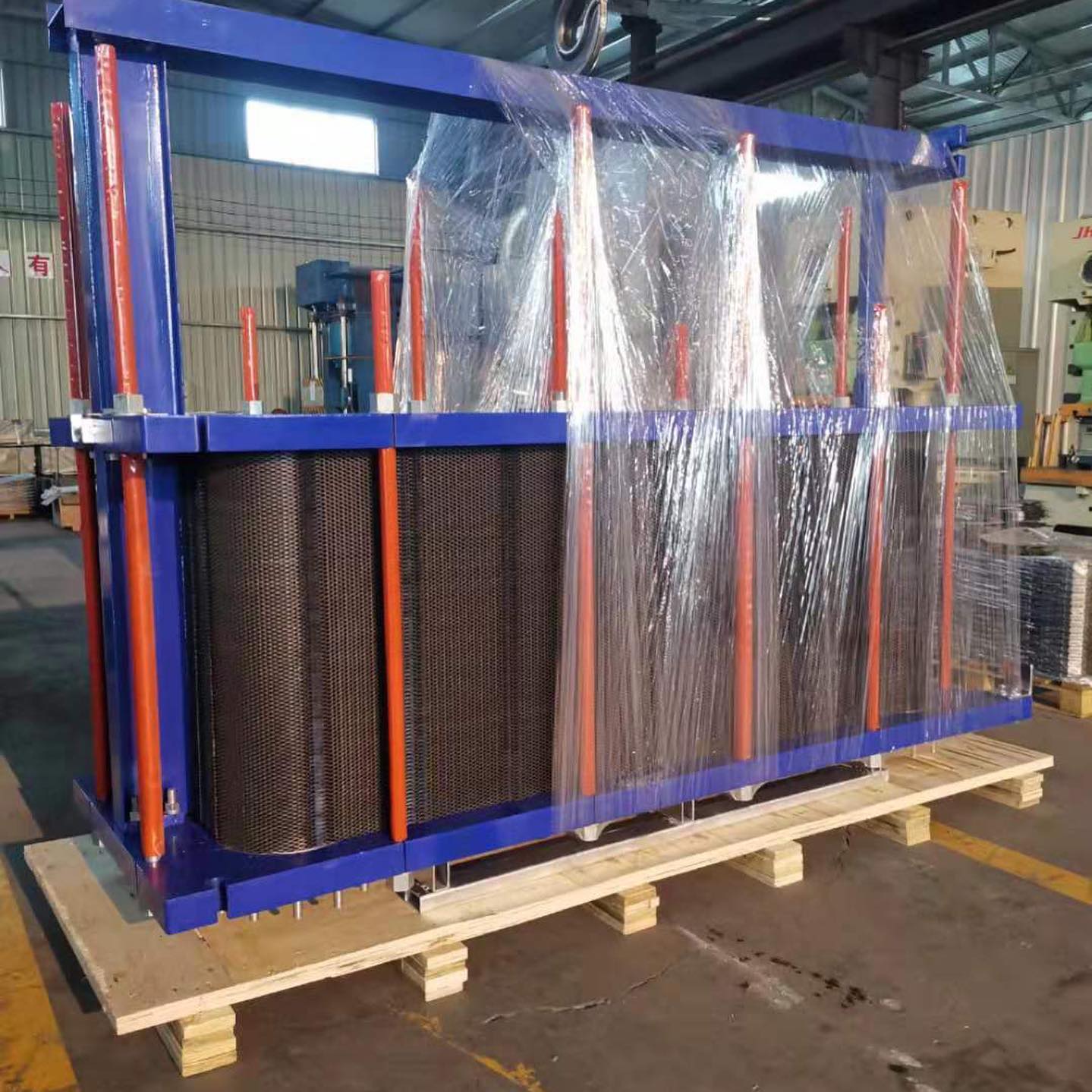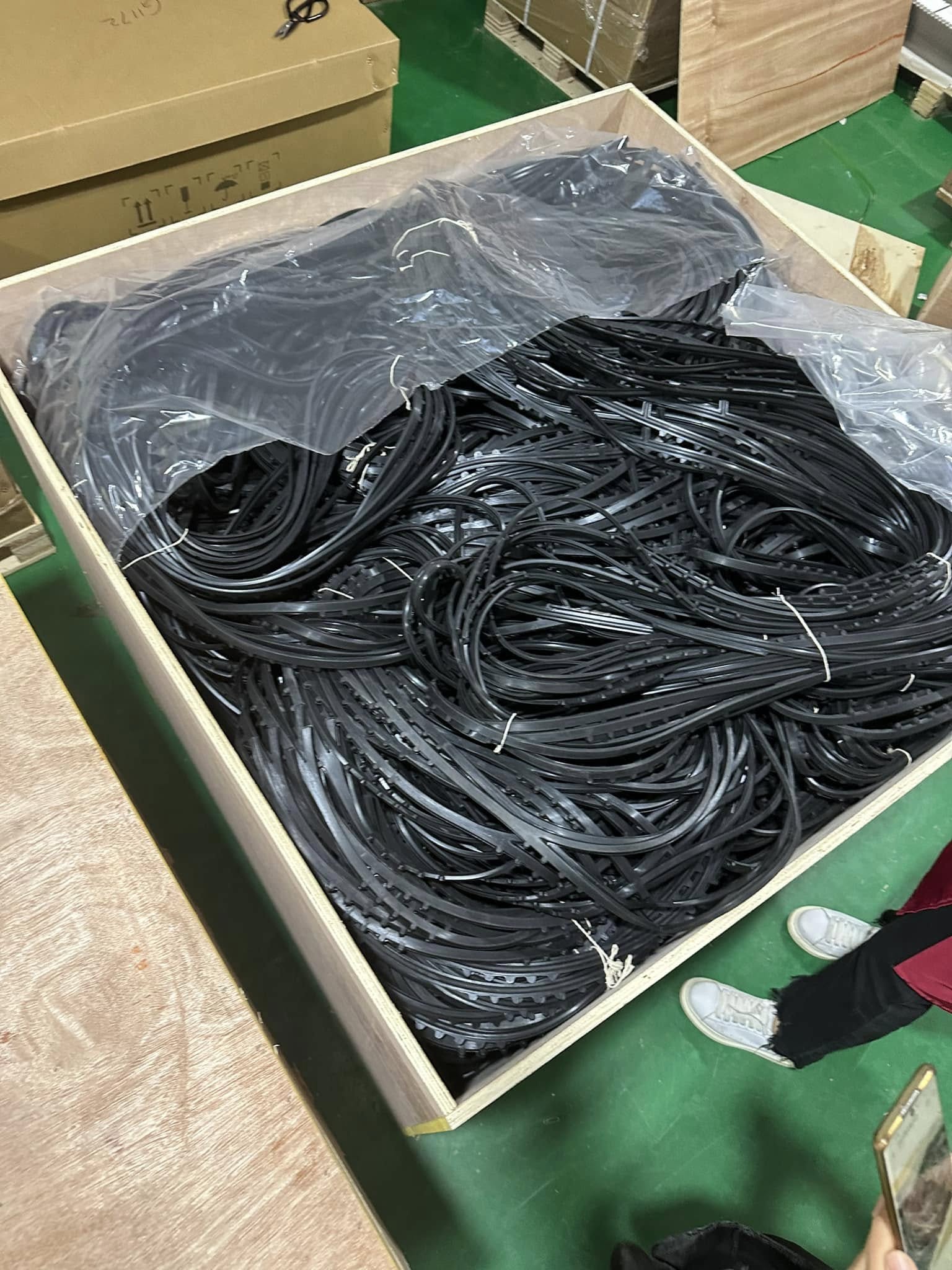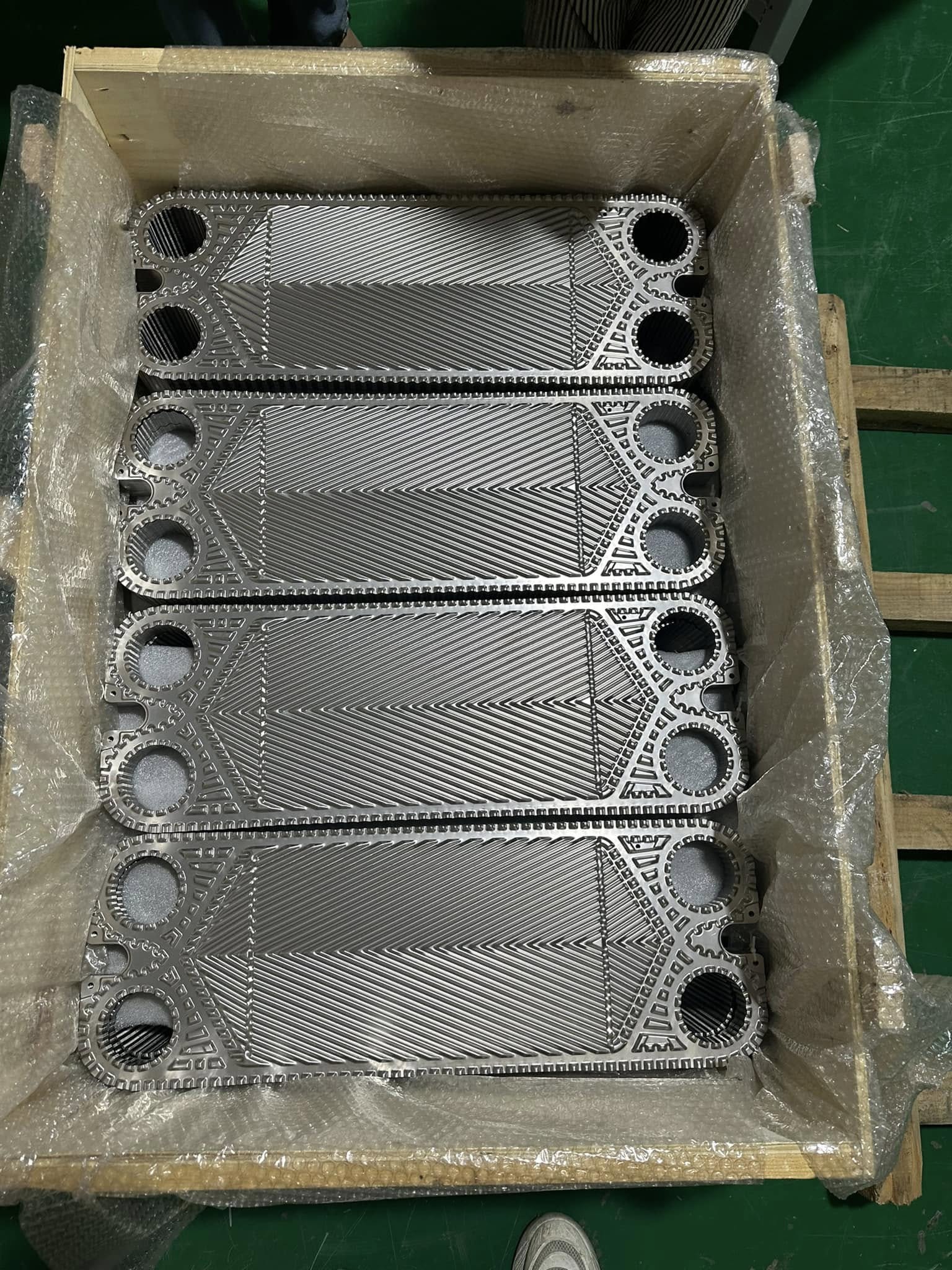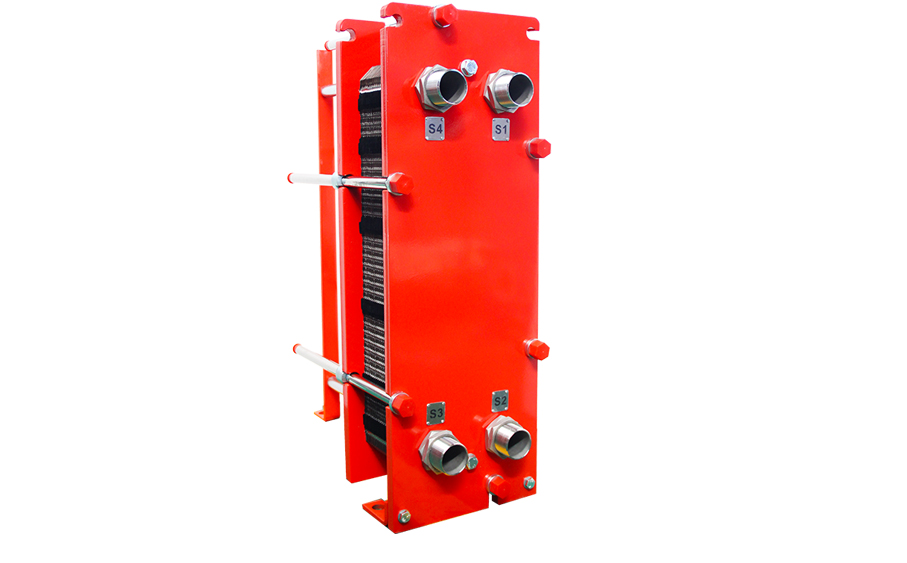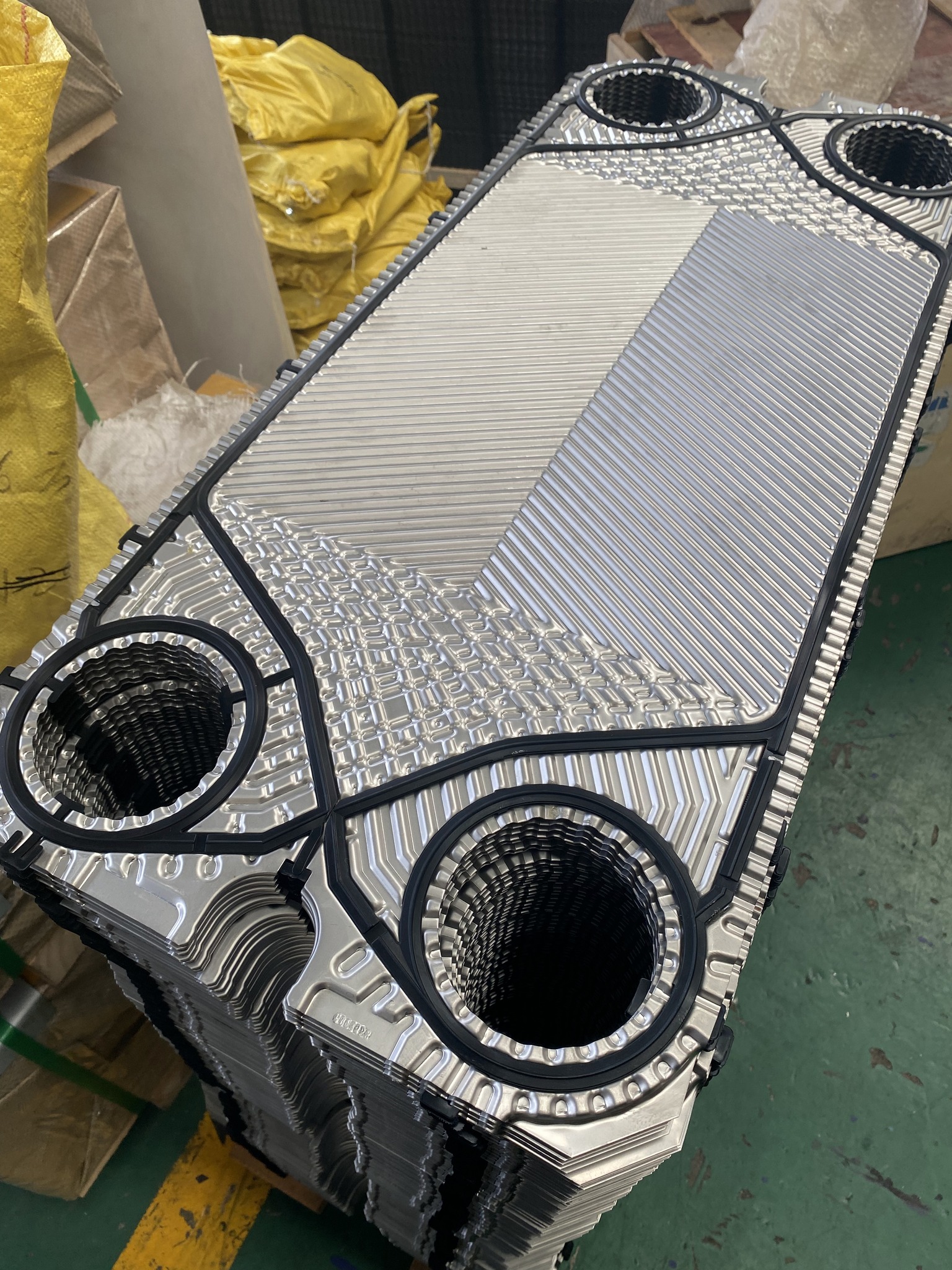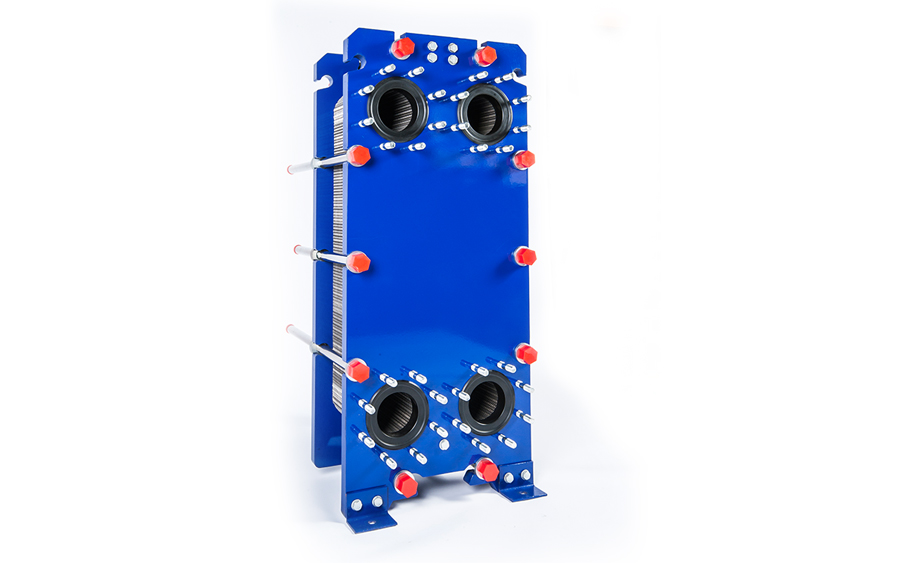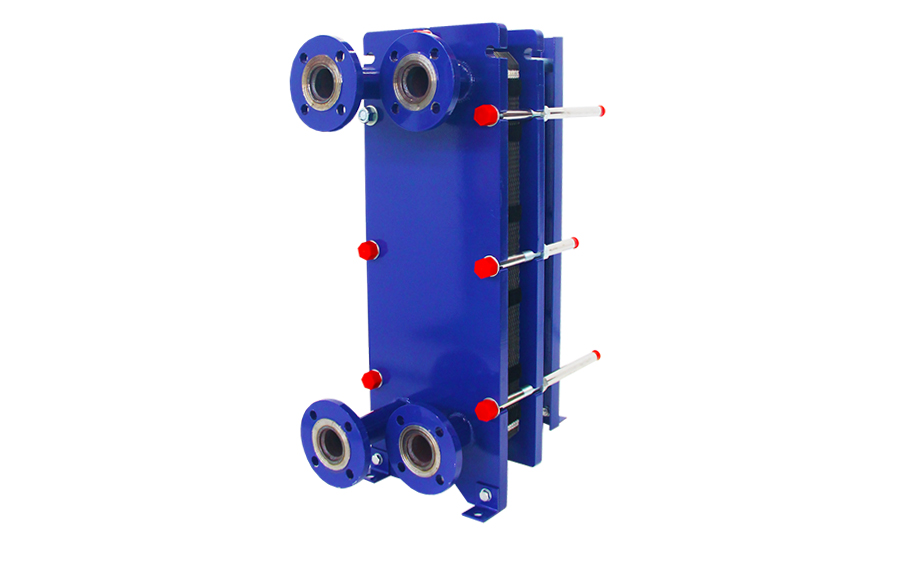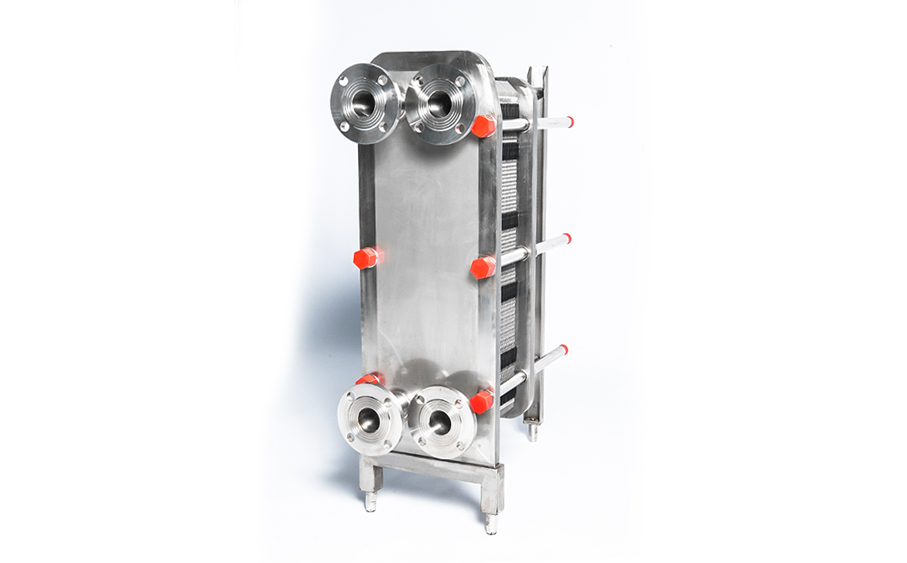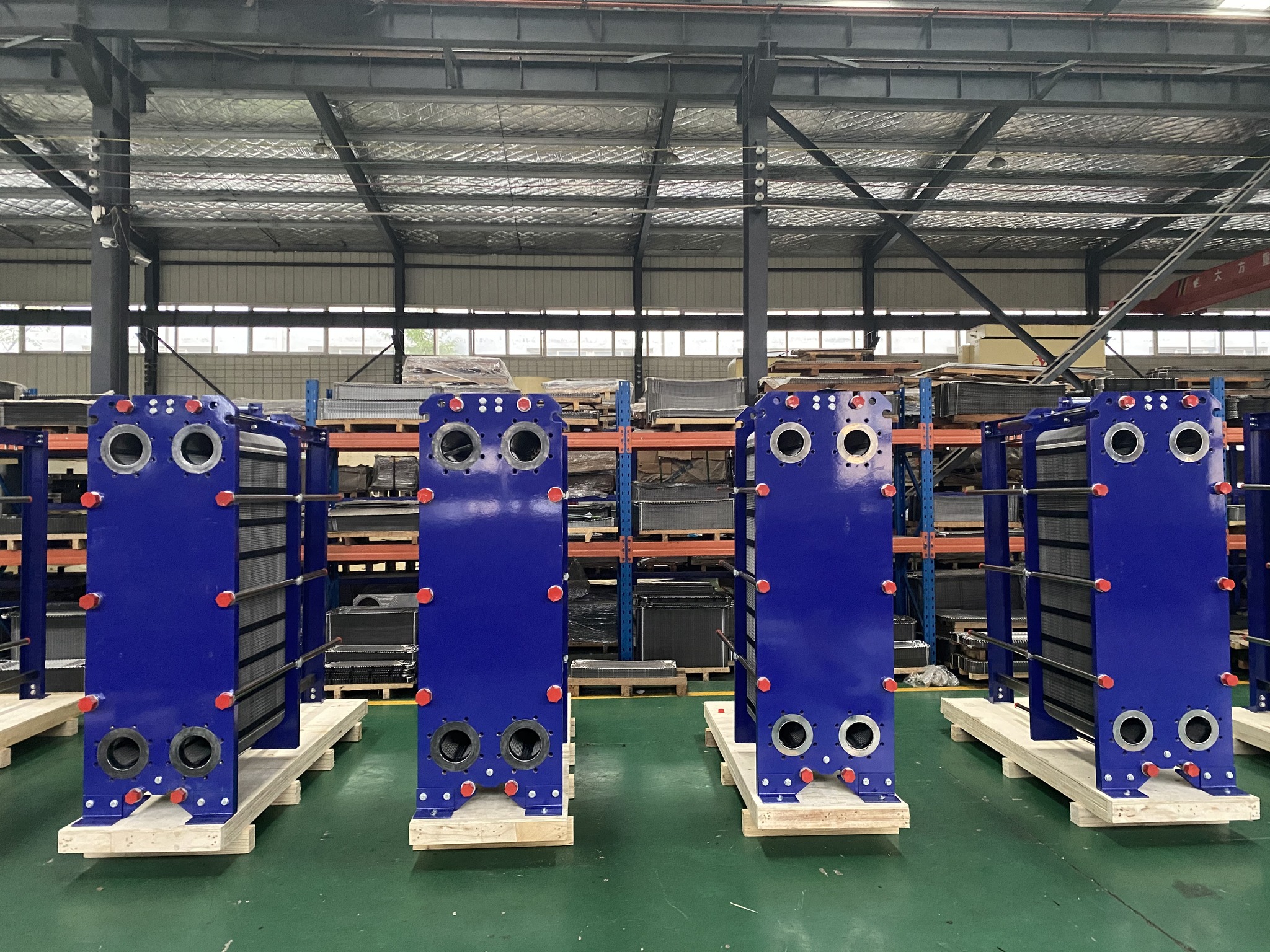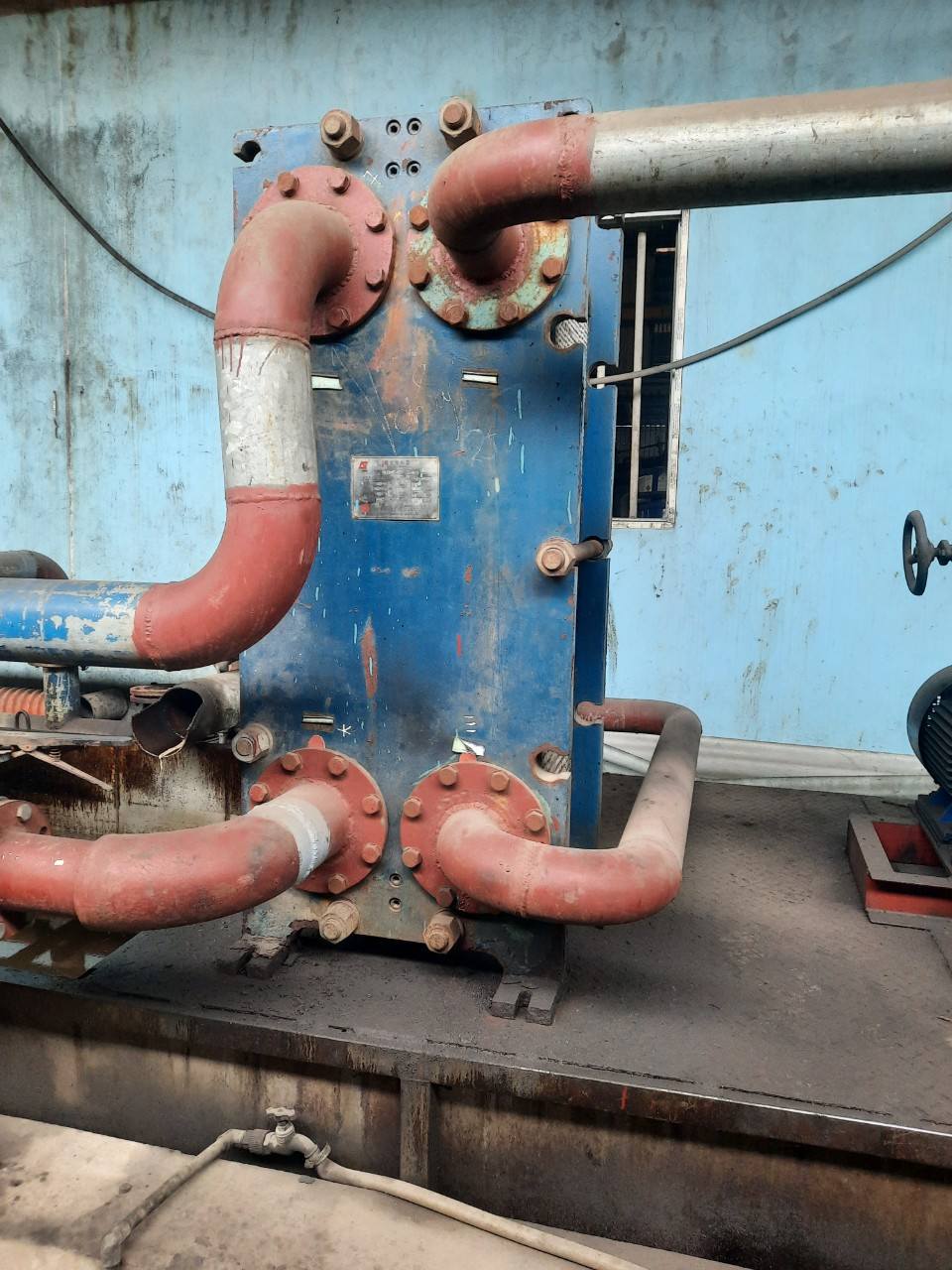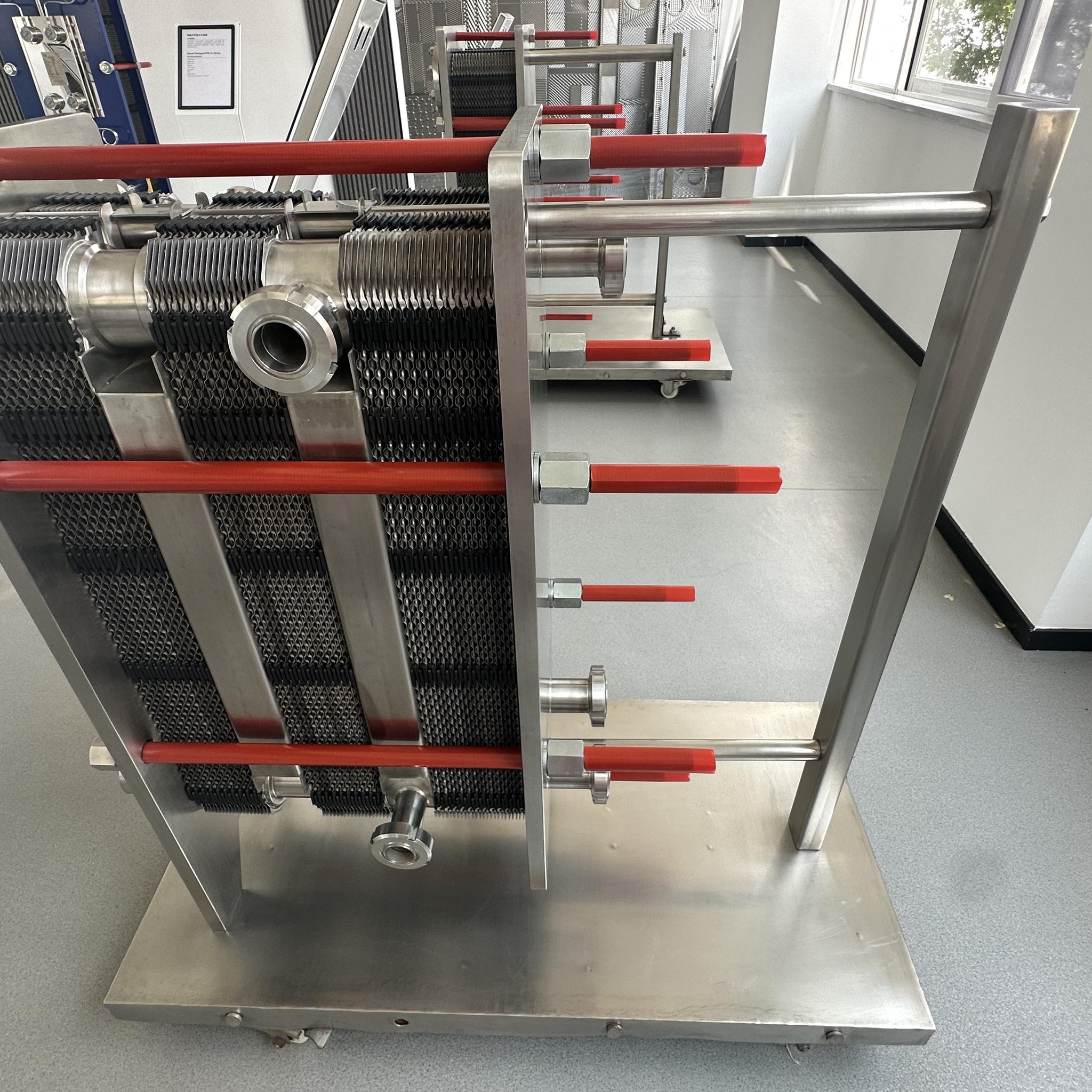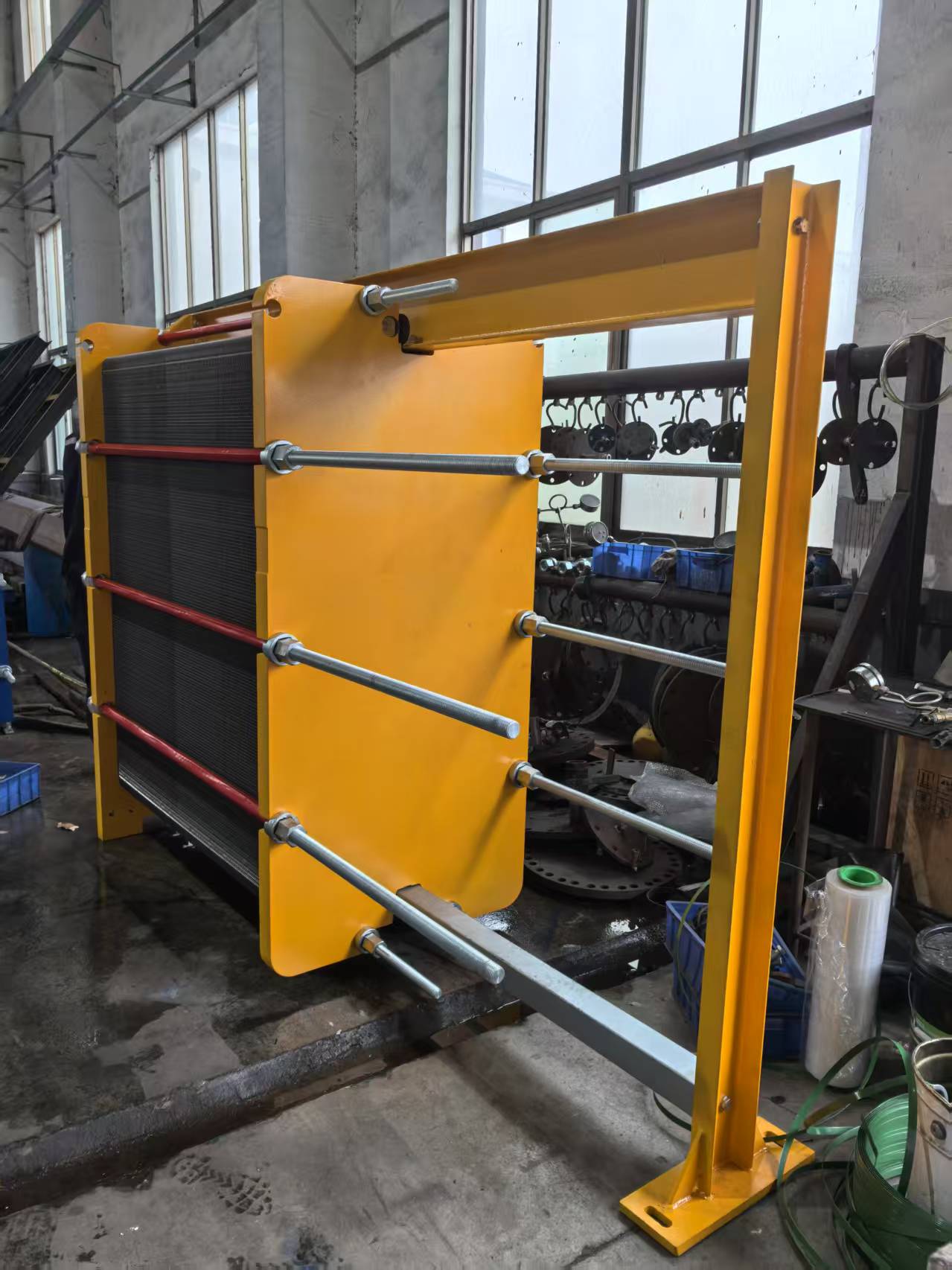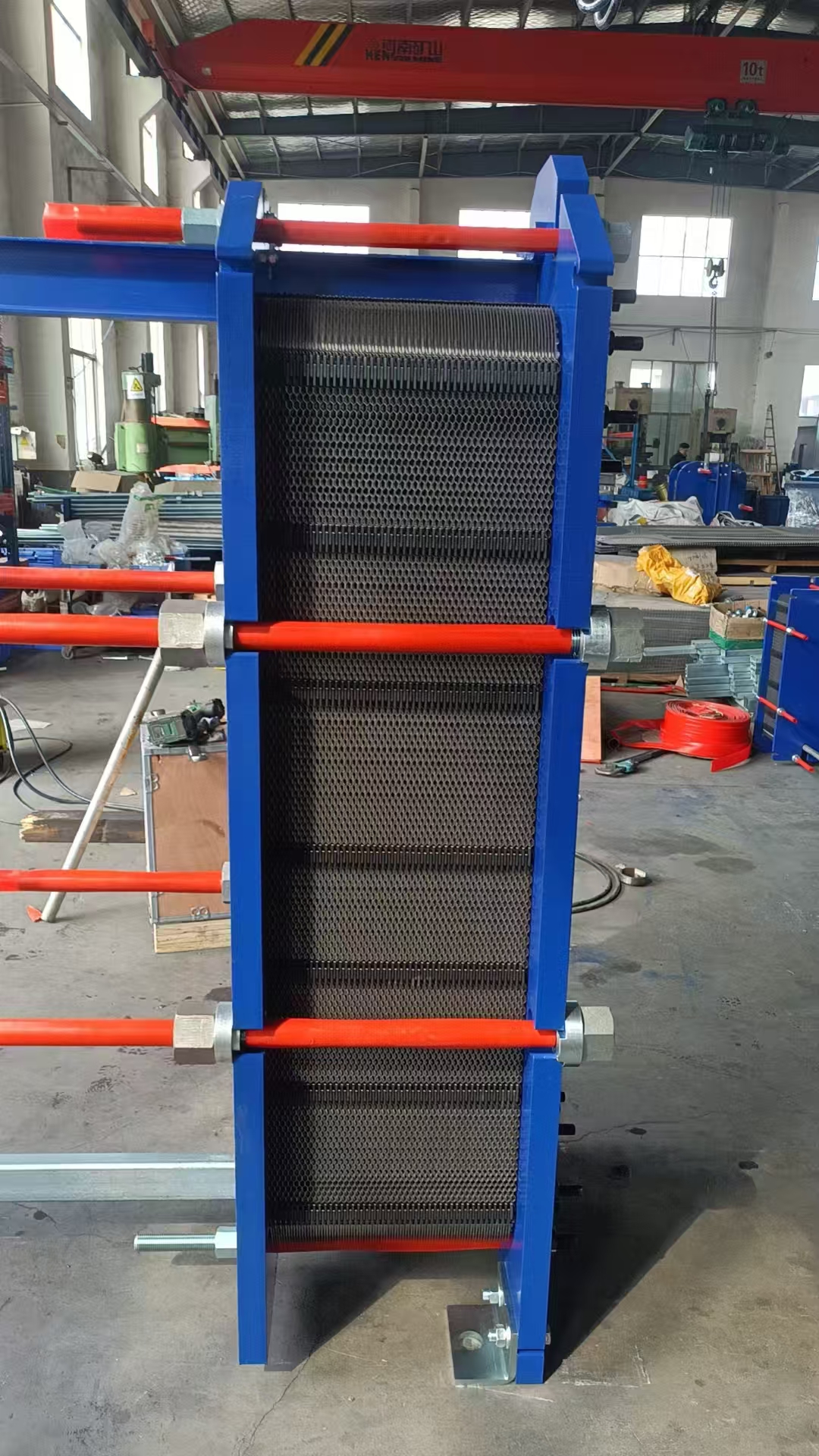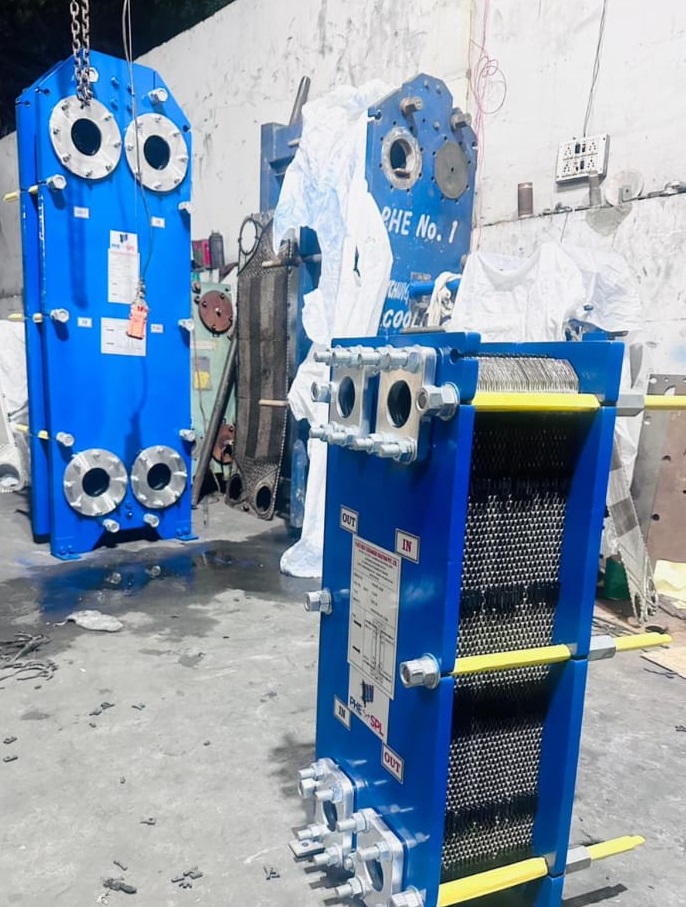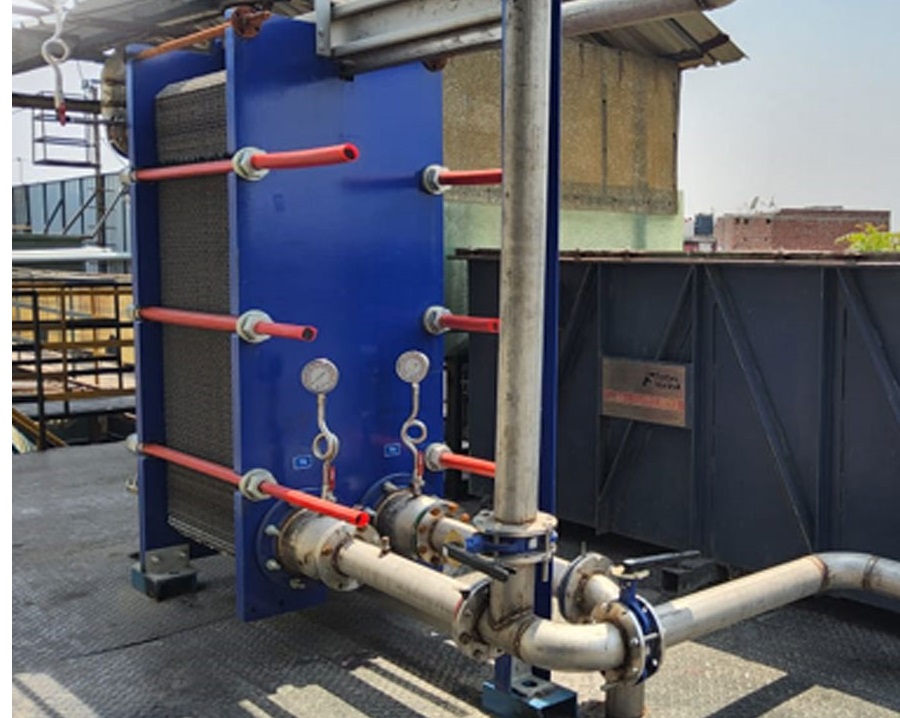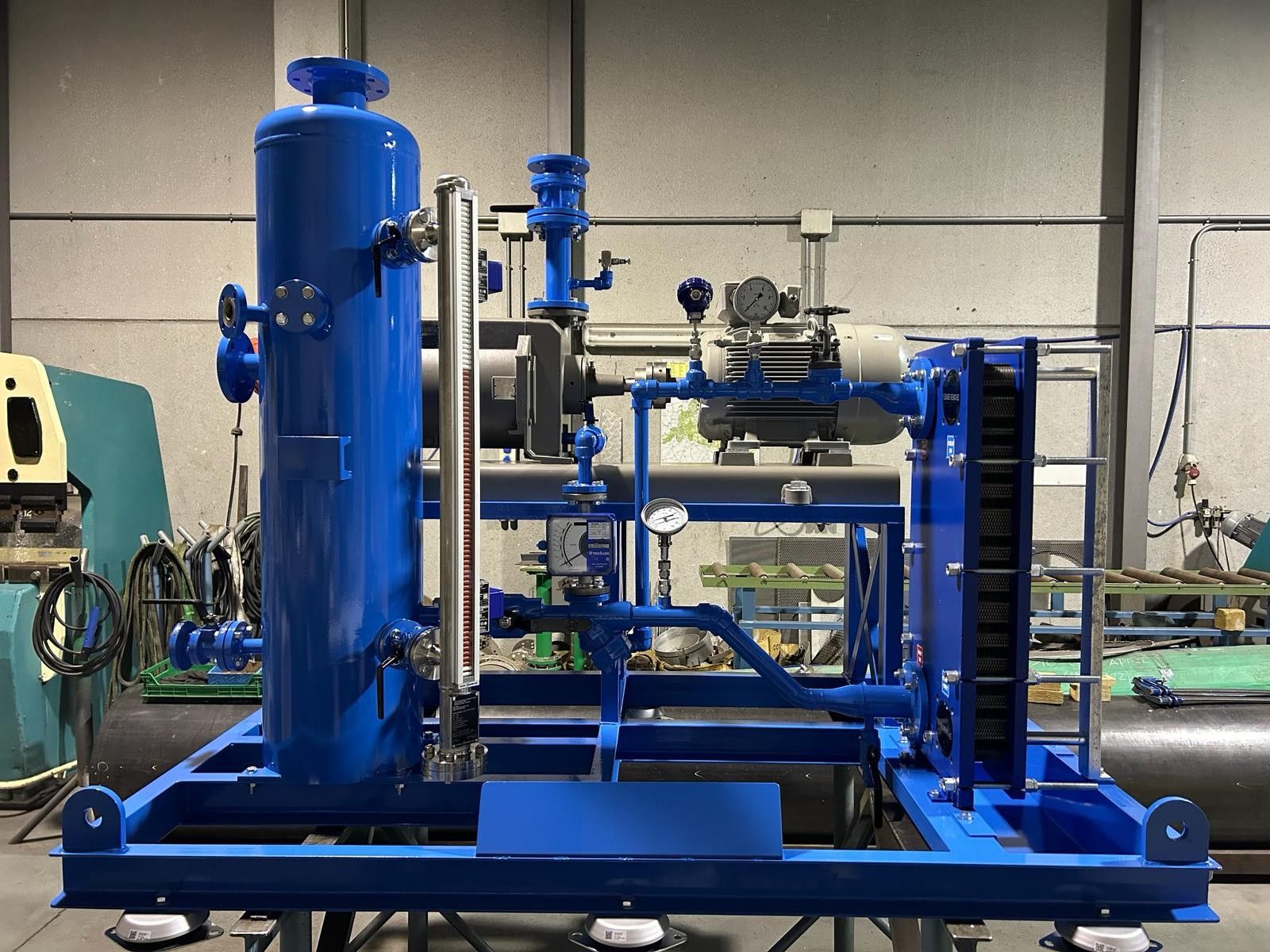
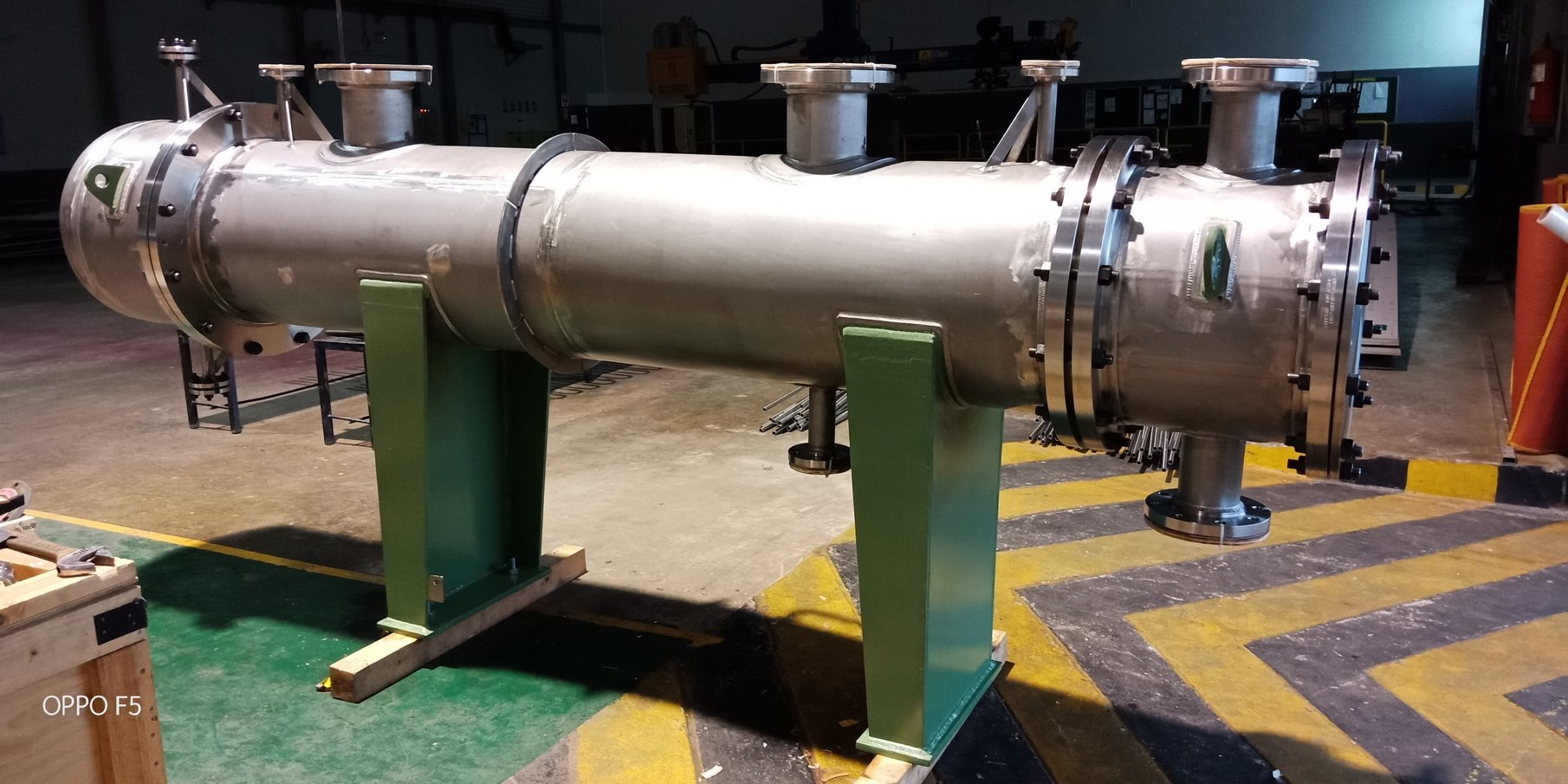
Plate Type Heat Exchangers

Heat Exchanger Manufacture in India

A heat exchanger can be defined as any device that transfers heat from one fluid to another or from or to a fluid and the environment. They are specifically designed for the efficient transfer of heat from one fluid to another fluid over a solid surface They have the function to transfer heat as efficiently […]

Plate Heat Exchanger Manufacturer in Ranipet

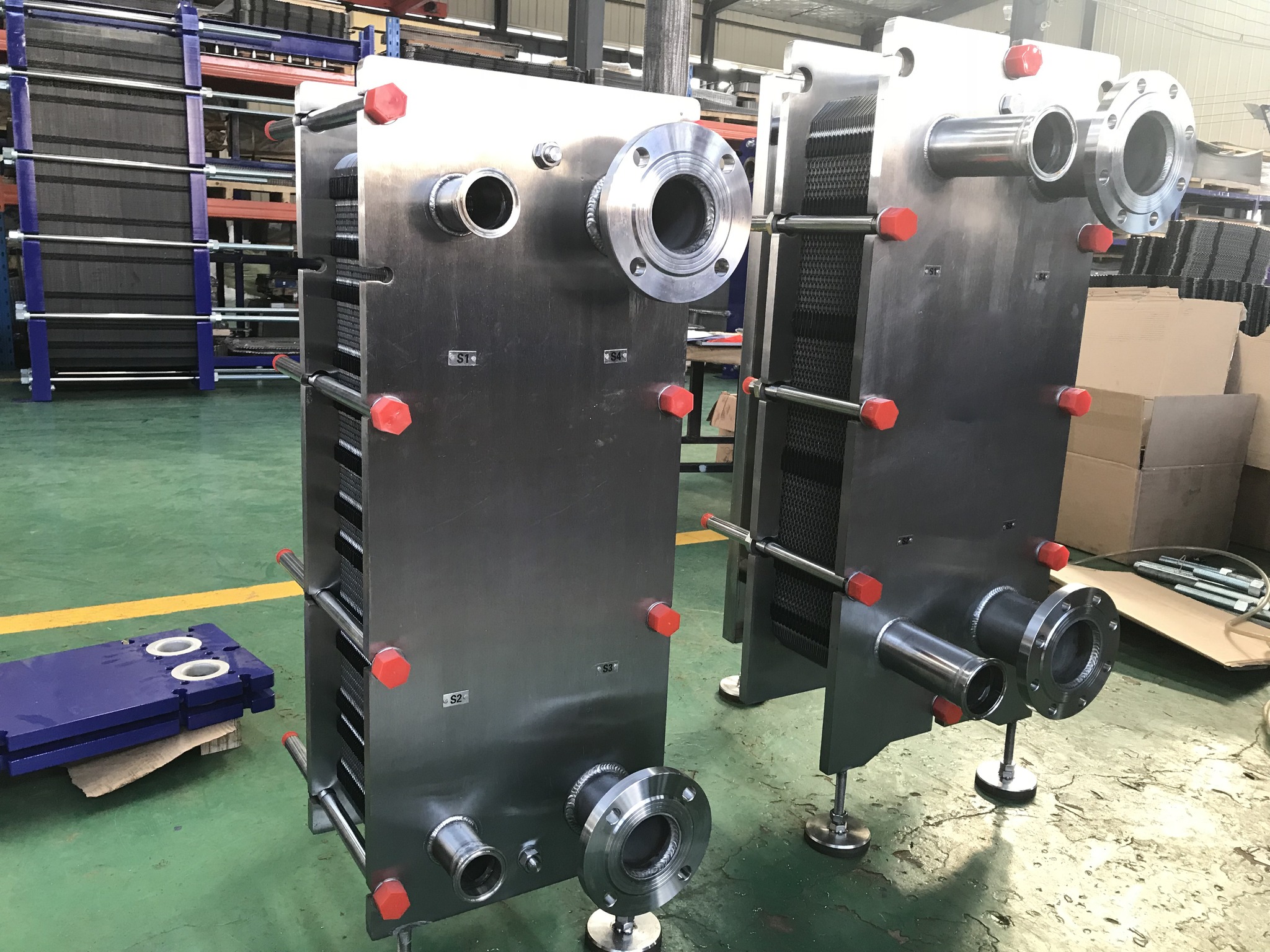
Types of Welded Plate Heat Exchangers There are two main configurations: 1. Fully Welded Plate Heat Exchanger This is the most common type referred to as “welded PHE.” The entire plate pack is welded together into a single, rigid block. There are no gaskets whatsoever. . Semi-Welded (or Twin-Plates) Plate Heat Exchanger This is a...

Plate Heat Exchanger Manufacturer in Pudukkottai

Key Features of Welded plate heat exchanger & How It’s Different The core distinction lies in its sealing method: This fundamental difference leads to all its unique characteristics. How It Works The operating principle is the same as other plate heat exchangers: two fluids flow on opposite sides of a metal plate, transferring heat...

Plate Heat Exchanger Manufacturer in Madurai

What is a Welded Plate Heat Exchanger? A Welded Plate Heat Exchanger is a type of heat exchanger where the thin metal plates are permanently welded together, rather than being sealed with gaskets. This construction creates a robust, sealed unit capable of handling temperatures, pressures, and fluids that are beyond the capabilities of...

Plate Heat Exchanger Manufacturer in Kancheepuram

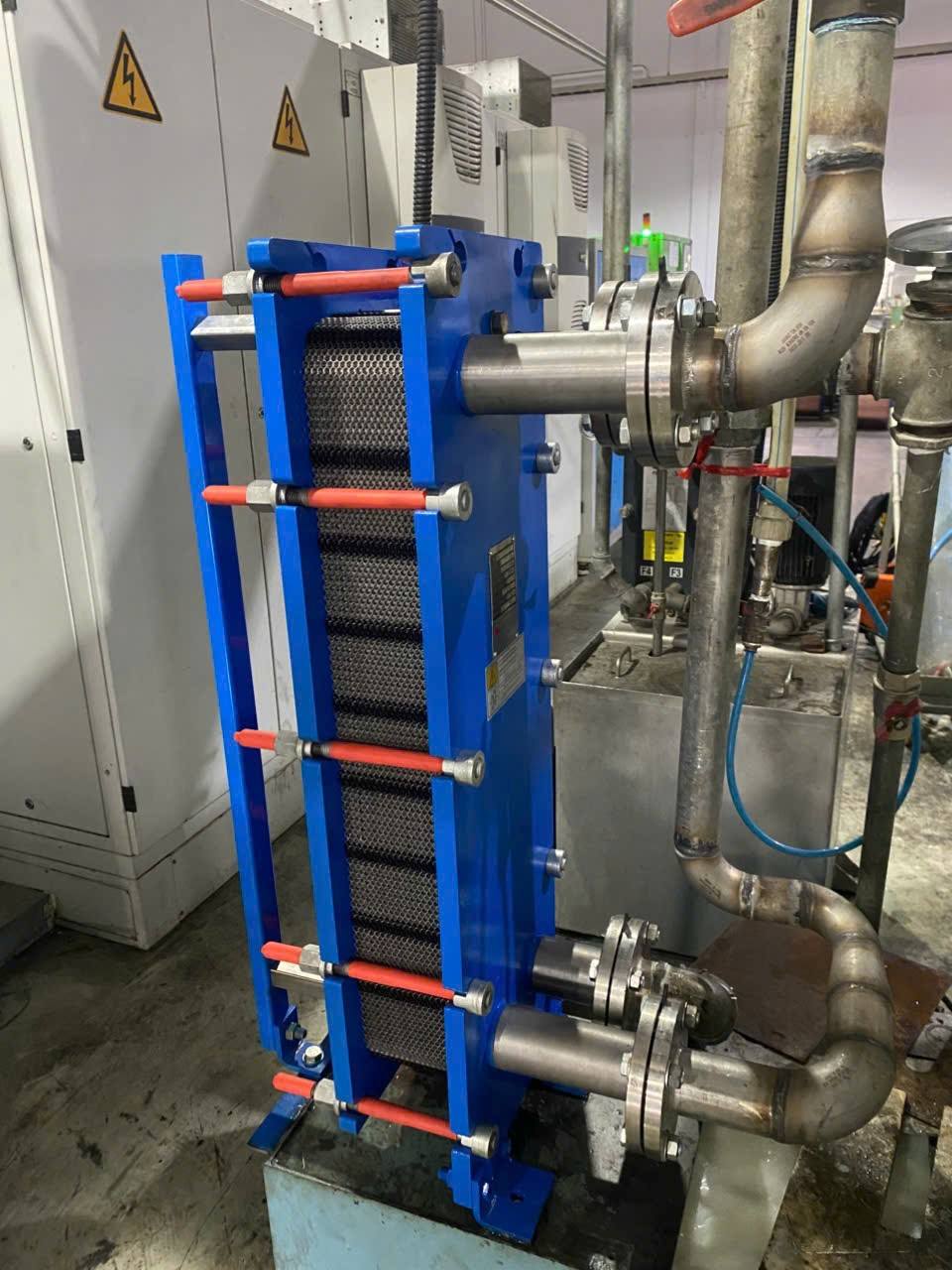
When to Choose a GASKETED Plate Heat Exchanger: Choose a GPHE when serviceability and flexibility are your top priorities. Key Advantage of GPHE: It is a serviceable, flexible, and forgiving system.

Plate Heat Exchanger Manufacturer in Kallakurichi

Gasket Plate Heat Exchanger Vs Brazed plate heat exchanger Gasketed Plate Heat Exchangers (GPHE) vs. Brazed Plate Heat Exchangers (BPHE). The core difference lies in the sealing method, which drives all other differences in application, maintenance, and capability. Head-to-Head Comparison Table Feature Gasketed Plate Heat Exchanger (GPHE)...

Plate Heat Exchanger Manufacturer in Erode

Types of Plate Heat Exchanger 1. Gasketed Plate Heat Exchanger This is the most common and classic type, described in the previous answer. It consists of plates sealed with gaskets and held together in a frame. 2. Brazed Plate Heat Exchanger (BPHE) In this type, the plate pack is permanently fused together using a brazing […]

Plate Heat Exchanger Manufacturer in Dindugal

The Brazed Plate Heat Exchanger (BPHE) A popular variant is the Brazed Plate Heat Exchanger. In this type, the plates are brazed together in a vacuum furnace using copper or nickel as the brazing material. This creates a permanent, sealed unit without gaskets or a frame.

Plate Heat Exchanger Manufacturer in Coimbatore

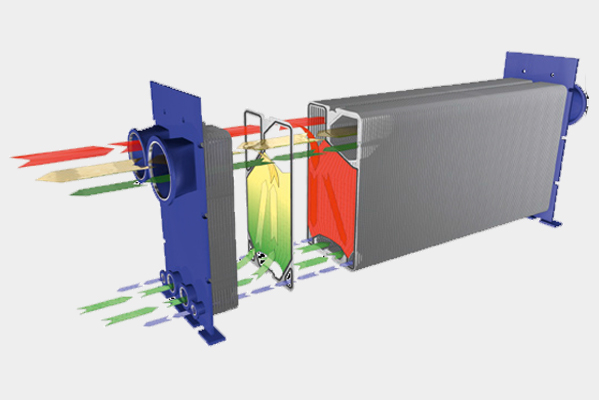
Working Principle of plate heat exchanger. The fundamental principle is indirect heat transfer. The two fluids flow on opposite sides of each plate, and heat moves from the hotter fluid to the colder one through the plate material without the fluids ever mixing. Here’s a step-by-step breakdown:

Plate Heat Exchanger Manufacturer in Ariyalur

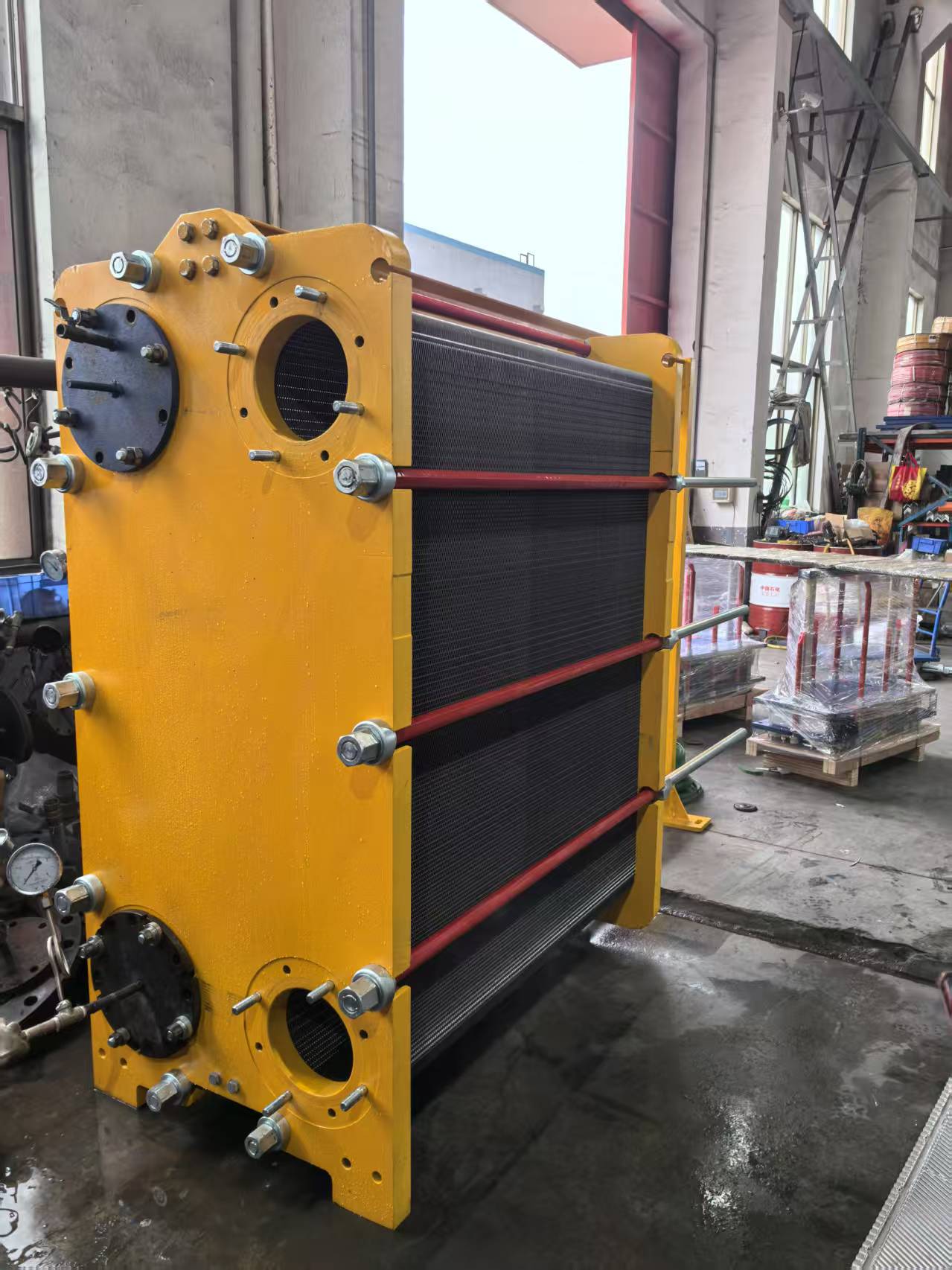
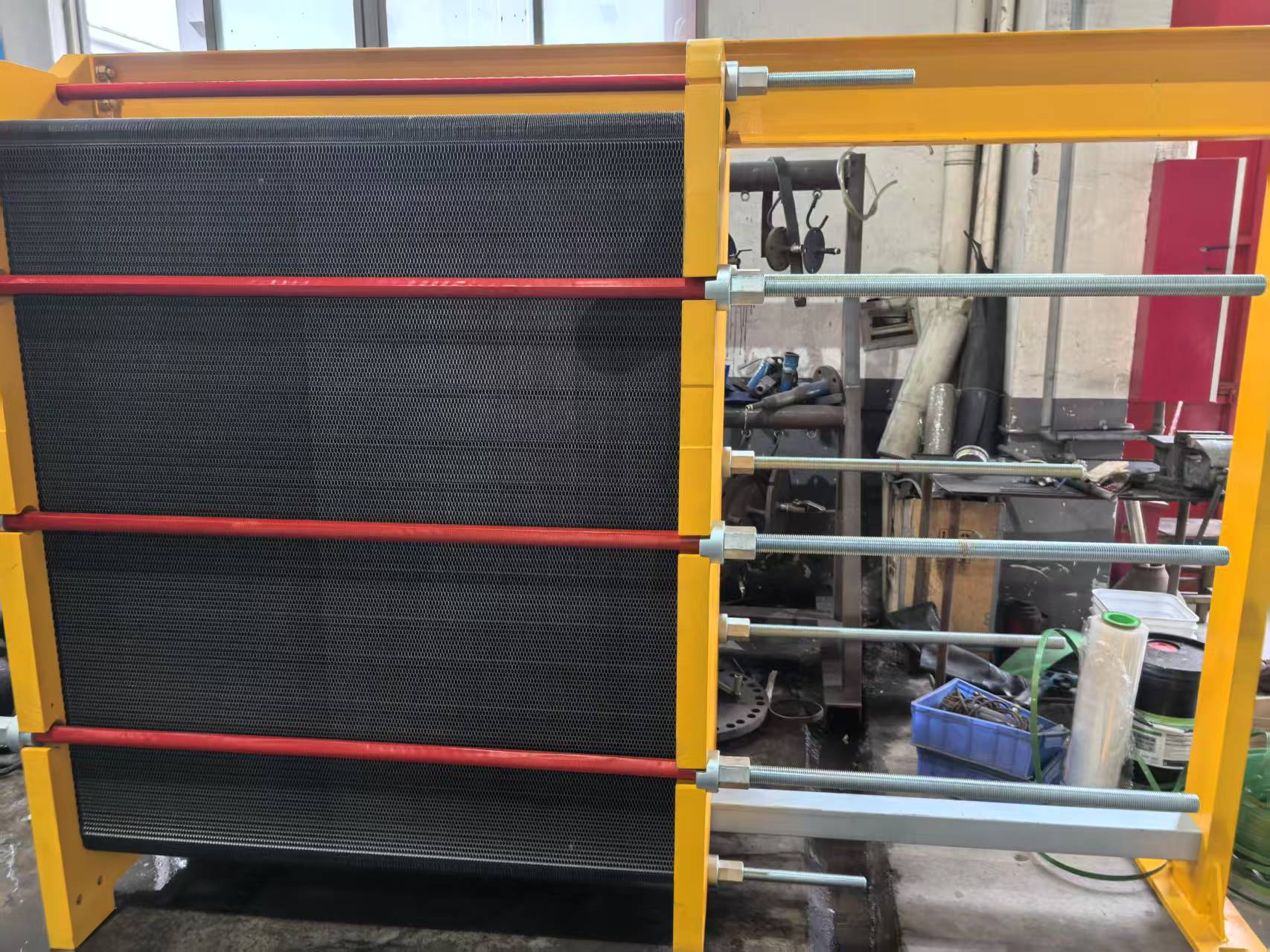
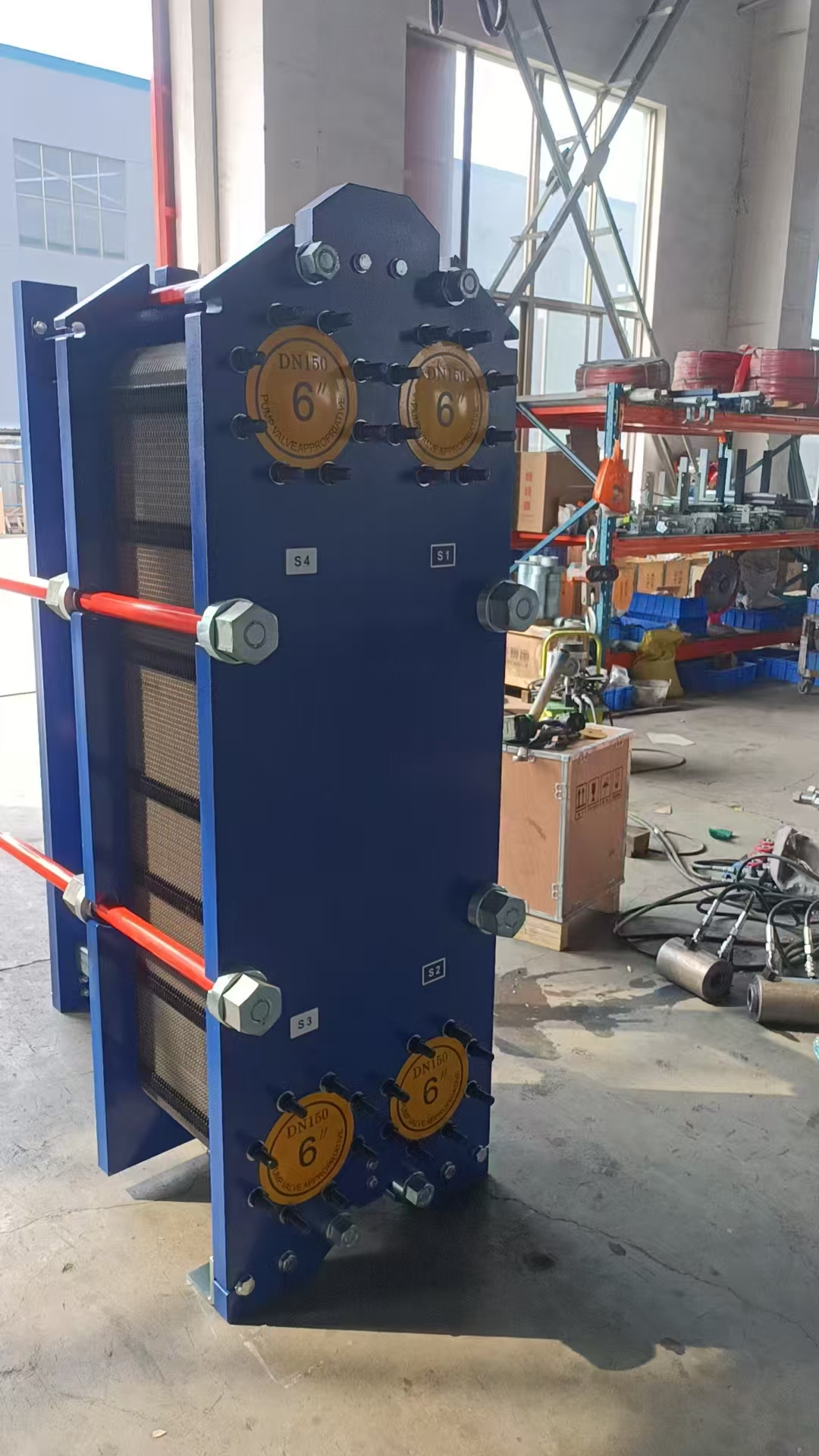
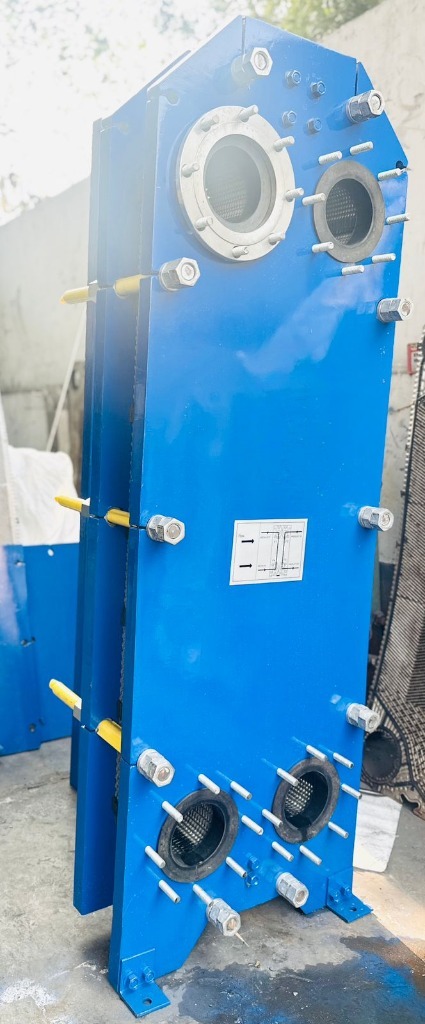
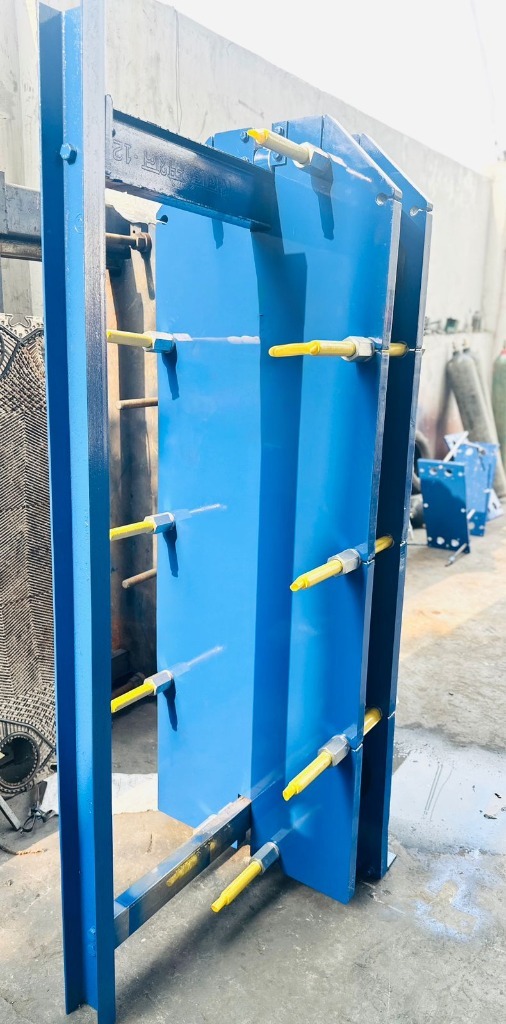
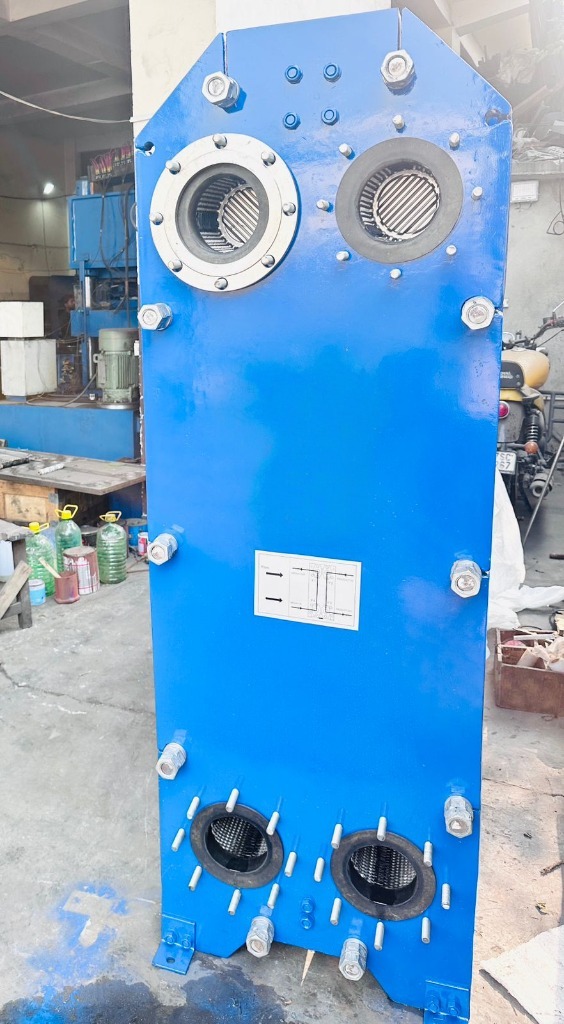
What is plate Heat Exchanger? A Plate Heat Exchanger (PHE) is a compact type of heat exchanger that uses a series of thin, corrugated metal plates to transfer heat between two fluids. These plates are stacked together, creating alternating channels for the hot and cold fluids to flow through. The close proximity and large surface area of...

Heat Exchanger Manufacturer in Oman

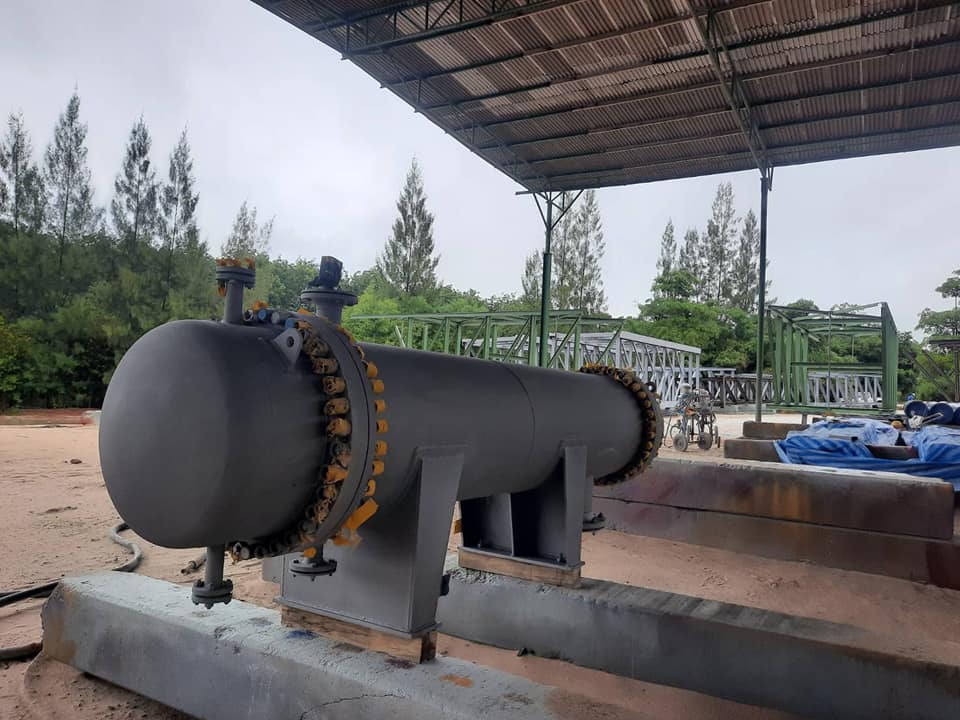
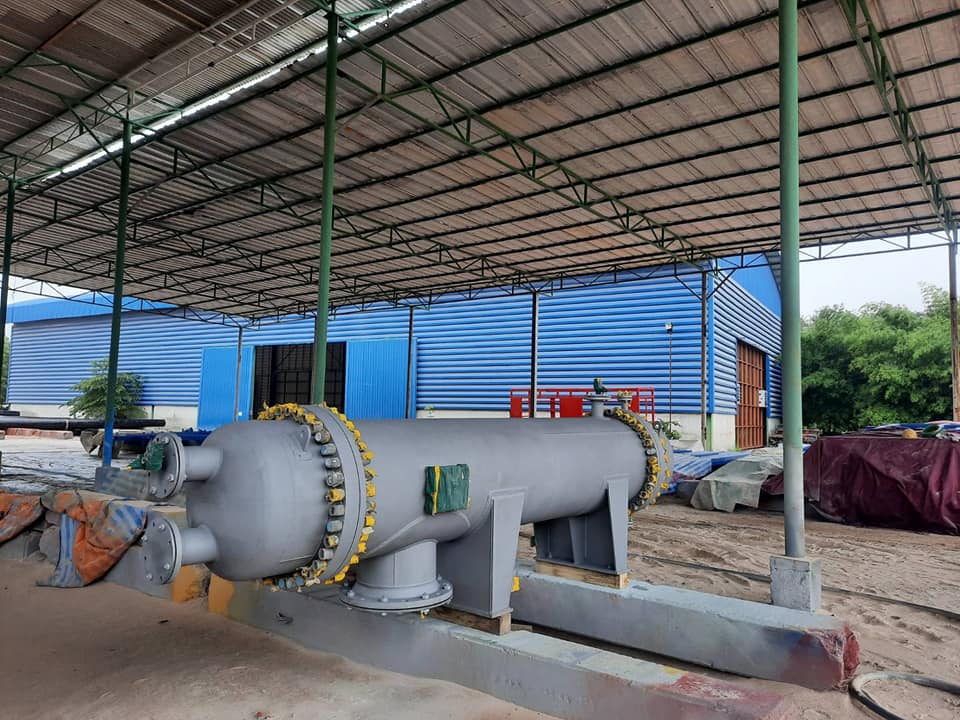
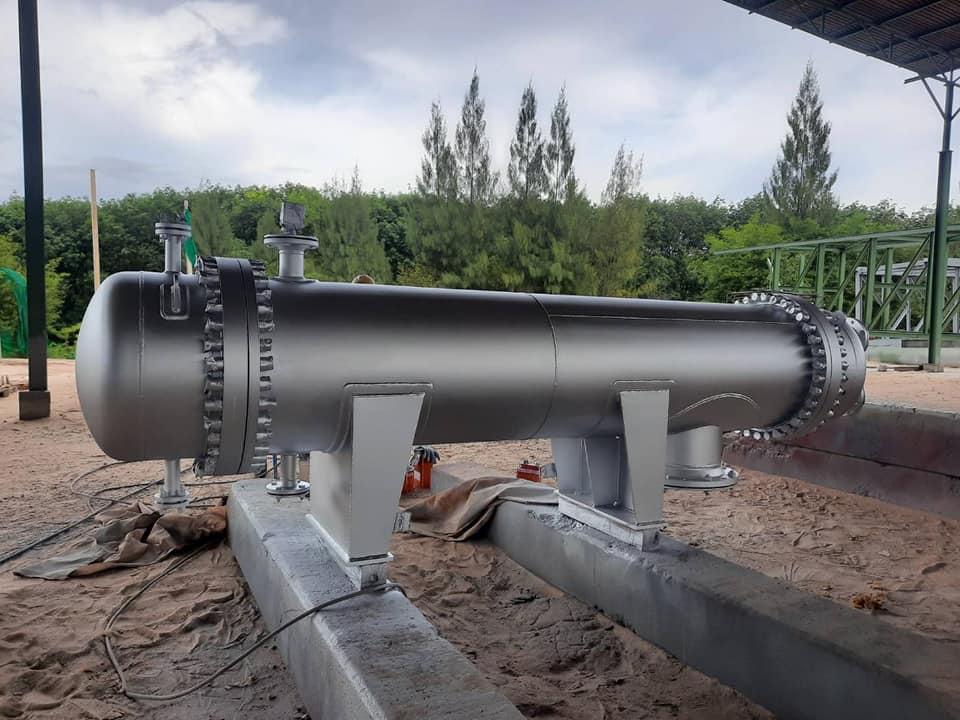
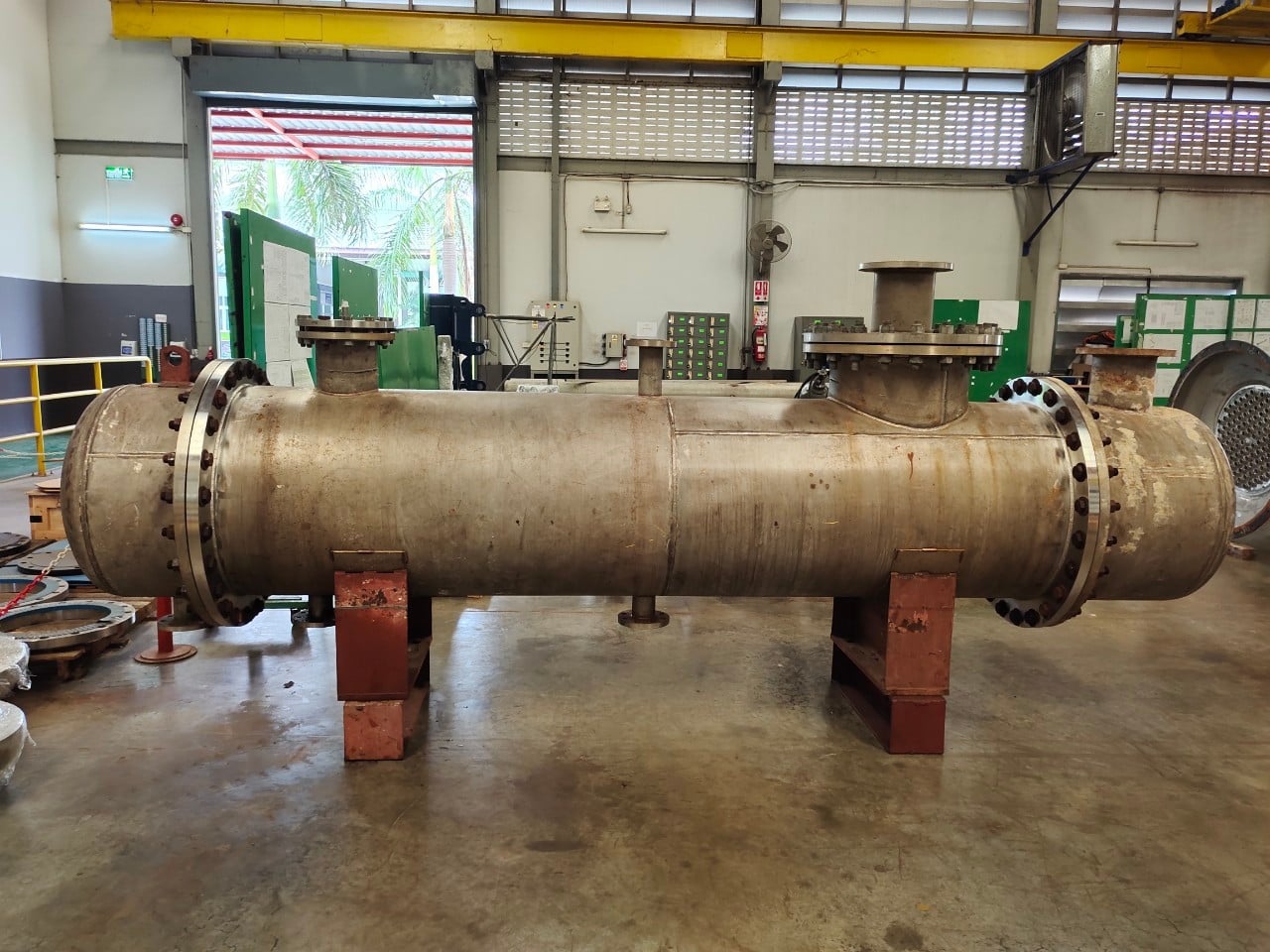
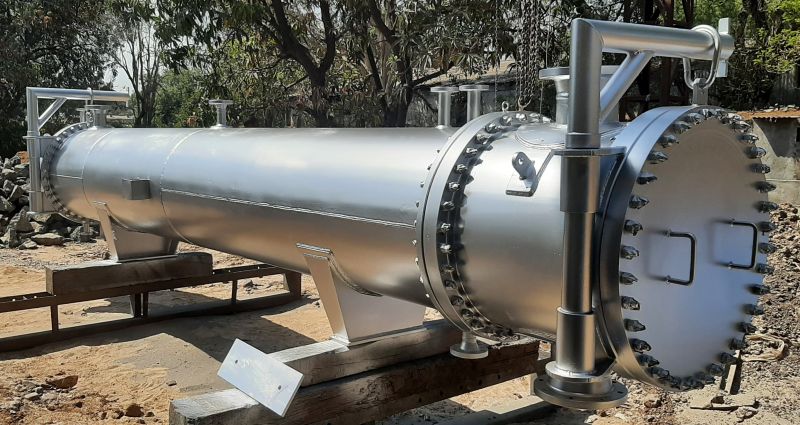
U-Tube Bundle Heat Exchanger A U-tube bundle heat exchanger is a type of shell and tube heat exchanger where the tubes are bent into a U-shape, allowing both ends to connect to the same tube sheet. This design provides thermal expansion flexibility, making it ideal for high-temperature and high-pressure applications....

Heat Exchanger Manufacturer in United Arab Emirates

Why Shell & Tube Heat Exchangers? Comparison with Other Shell & Tube Heat Exchangers Feature U-Tube Fixed Tube sheet Floating Head Thermal Expansion  Best (U-bend absorbs stress) Needs expansion joint Good (floating head allows movement) Maintenance Easy (removable bundle) Difficult (fixed tubes) Best (fully removable) Cleaning (Tube...

Heat Exchanger Manufacturer in Saudi Arabia

Use of Shell and Tube Heat Exchanger Water Treatment & Desalination Effluent cooling/heating.

Heat Exchanger Manufacturer in India

Use of Shell and Tube Heat Exchanger Waste Heat Recovery Geothermal energy systems.

Shell and Tube Heat Exchanger Manufacturer in Zambia

Use of Shell and Tube Heat Exchanger Automotive & Aerospace Hydraulic oil temperature control.

Shell and Tube Heat Exchanger Manufacturer in Uganda

Use of Shell and Tube Heat Exchanger Pulp & Paper Industry Steam recovery in paper drying processes.

Shell and Tube Heat Exchanger Manufacturer in Democratic Republic of Congo

Shell and Tube Heat Exchanger Manufacturer in Egypt

Use of Shell and Tube Heat Exchanger in HVAC & Refrigeration System

Shell and Tube Heat Exchanger Manufacturer in Nigeria

Use of Shell and Tube Heat Exchanger in Food & Beverage industry Chocolate tempering & fat crystallization.

Shell and Tube Heat Exchanger Manufacturer in Tanzania

Use of Shell and Tube Heat Exchanger in Power Generation Nuclear power plants (heat transfer in primary and secondary loops).

Shell and Tube Heat Exchanger Manufacturer in Angola

Use of Shell and Tube Heat Exchanger in Oil & Gas / Petrochemical industry Chemical synthesis (reactor heating/cooling).

Shell and Tube Heat Exchanger Manufacturer in Kenya

Shell and tube heat exchangers are widely used in the food industry due to their efficiency, durability, and versatility. Here are ten key points about their use: 1. Pasteurization 2. Sterilization 3. Cooling Applications 4. Energy Efficiency 5. Sanitary Design 6. Versatility 7. Chocolate and Fat Processing...

Shell and Tube Heat Exchanger Manufacturer in Morocco

Shell and Tube Heat Exchanger vs. Plate Heat Exchanger: Key Differences Choosing between a shell and tube (STHE) and a plate heat exchanger (PHE) depends on application requirements, operating conditions, and cost. Below is a detailed comparison: 1. Design & Construction Feature Shell and Tube (STHE) Plate Heat...

Shell and Tube Heat Exchanger Manufacturer in Ethiopia

Effect of Fouling Factor in Heat Exchangers The fouling factor (or fouling resistance, Rₓ) quantifies the reduction in heat transfer efficiency due to the accumulation of unwanted deposits (scale, sludge, corrosion, biofilms) on heat exchanger surfaces. It significantly impacts performance, energy costs, and...

Shell and Tube Heat Exchanger Manufacturer in Algeria

Effect of Flow Velocity in Shell and Tube Heat Exchangers   Flow velocity plays a critical role in the heat transfer efficiency, pressure drop, fouling, and mechanical integrity of a shell and tube heat exchanger. Below is a detailed breakdown of its effects: 1. Heat Transfer Efficiency Higher Velocity → Better Heat...

Shell and Tube Heat Exchanger Manufacturer in South Africa

Fixed Tube sheet vs. Floating Head Heat Exchanger: Key Differences When choosing between a fixed Tube sheet and a floating head design for a shell and tube heat exchanger, the decision depends on thermal expansion, maintenance needs, pressure/temperature conditions, and cost. Below is a detailed comparison: 1. Basic Design...
Shell and Tube Heat Exchanger Manufacturer in Yemen

Copper Tubes vs. Stainless Steel Tubes in Heat Exchangers When selecting between copper and stainless steel (SS) tubes for a shell and tube heat exchanger, key factors include thermal conductivity, corrosion resistance, cost, and application requirements. Below is a detailed comparison: 1. Thermal Conductivity Material...
Shell and Tube Heat Exchanger Manufacturer in United Arab Emirates

Suitable Materials for Shell and Tube Heat Exchangers in the Food Industry The food industry requires materials that are:Corrosion-resistant (to withstand cleaning chemicals like CIP solutions).Non-toxic & FDA-compliant (no leaching of harmful substances).Smooth & non-porous (to prevent bacterial growth, easy to...
Shell and Tube Heat Exchanger Manufacturer in Sudan

The Tubular Exchanger Manufacturers Association (TEMA) classifies shell and tube heat exchangers into three main designations based on service conditions, mechanical robustness, and industry requirements: 1. TEMA Class R – Refinery & Severe Service Applications: Key Features:Heavy-duty construction (thicker...
Shell and Tube Heat Exchanger Manufacturer in Saudi Arabia

The Code of Construction for Shell and Tube Heat Exchangers (STHE) is governed by international and national standards to ensure safety, reliability, and performance. Below are the key codes and standards used in their design, fabrication, and testing: 1. ASME (American Society of Mechanical Engineers) – Most Widely Used...

Shell and Tube Heat Exchanger Manufacturer in Qatar

Advantages of Shell and Tube Heat Exchangers (STHE) Shell and Tube Heat Exchangers are among the most widely used heat exchangers in industries due to their robust design, versatility, and efficiency. Here are their key advantages: 1. High Pressure & Temperature Resistance 2. Suitable for a Wide Range of Fluids 3. Robust &...

Shell and Tube Heat Exchanger Manufacturer in Oman

In Shell and Tube Heat Exchangers (STHE), the tube material is selected based on corrosion resistance, thermal conductivity, mechanical strength, and cost. Below are the most commonly used tube materials, along with their key properties and applications: 1. Carbon Steel (CS) Tubes 2. Stainless Steel (SS) Tubes 3. Copper...

Shell and Tube Heat Exchanger Manufacturer in Lebanon

Material of Construction (MOC) of Shell and Tube Heat Exchanger Shell and Tube Heat Exchanger (STHE) MOC depends on factors like: Common Materials Used in STHE Components 1. Shell Material 2. Tube Material 3. Tube Sheet Material 4. Baffles & Supports 5. Gaskets & Seals Selection Criteria Industry-Specific Examples

Shell and Tube Heat Exchanger Manufacturer in Kuwait

Common Applications Shell and Tube Heat Exchanger Marine & industrial cooling systems

Shell and Tube Heat Exchanger Manufacturer in Jordan

Working Principle of Shell and Tube Heat Exchanger Advantages of Shell and Tube Heat Exchanger

Shell and Tube Heat Exchanger Manufacturer in Iraq

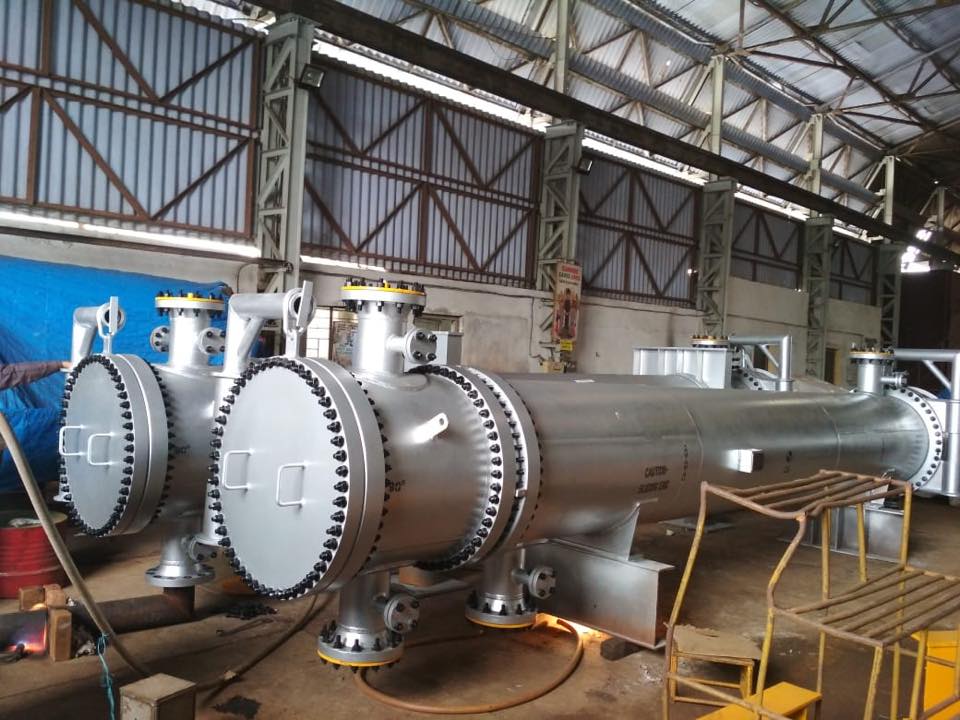
Components of a Shell and Tube Heat Exchanger

Shell and Tube Heat Exchanger Manufacturer in Djibouti

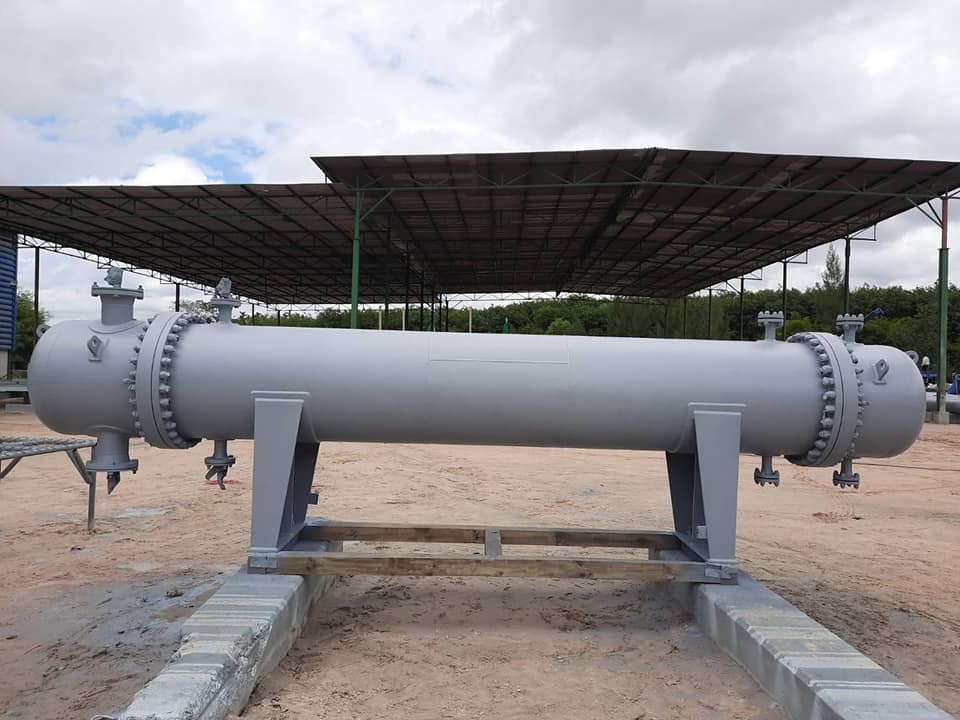
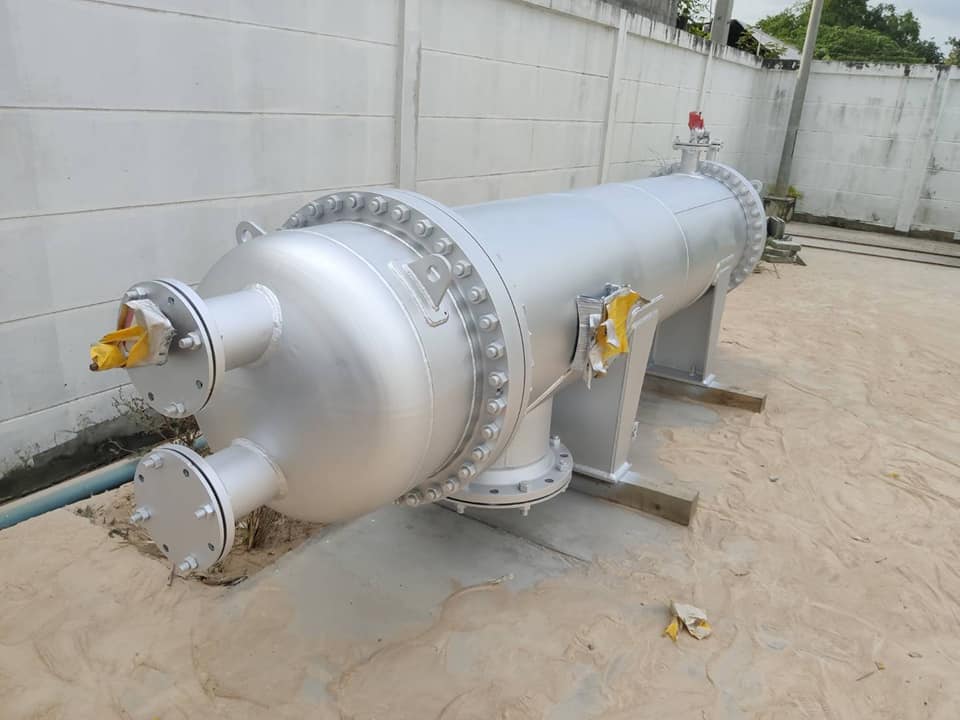
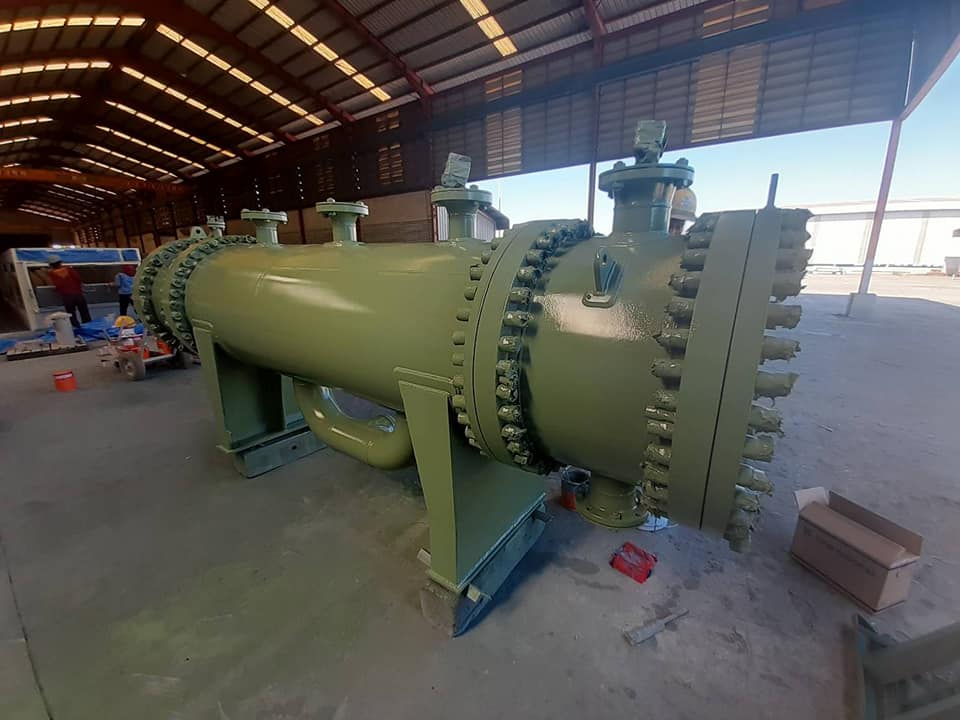
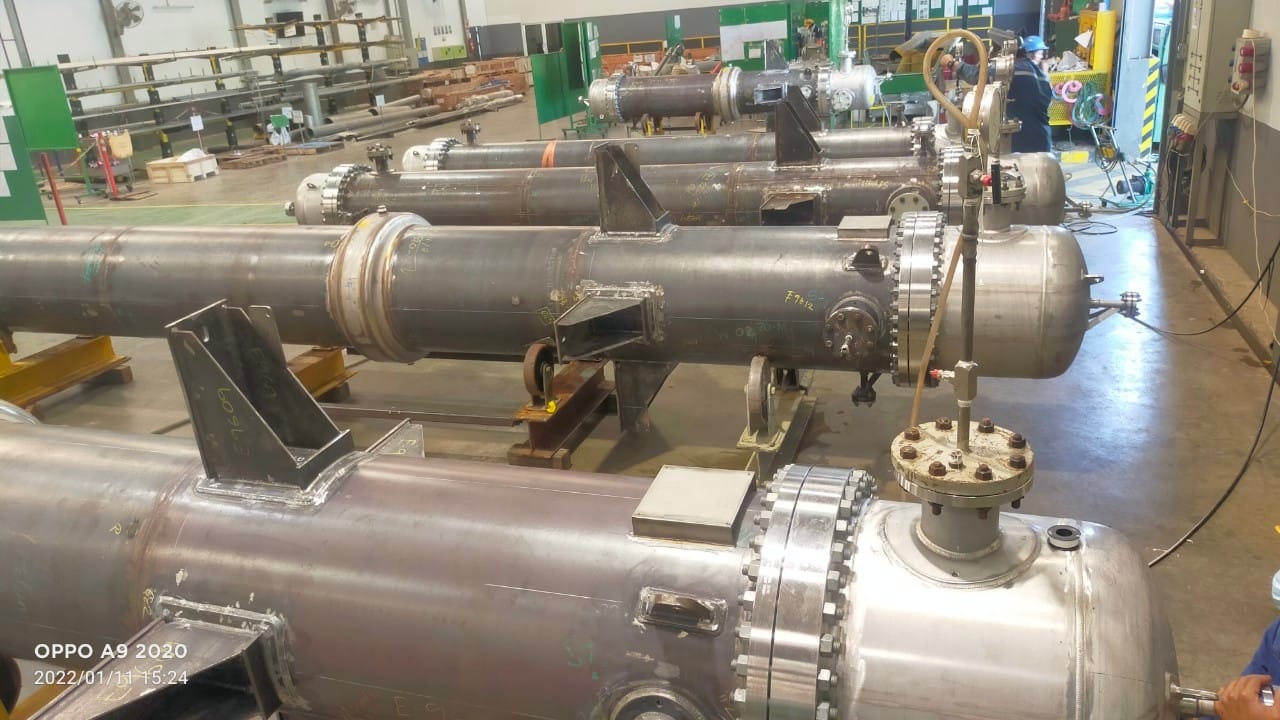
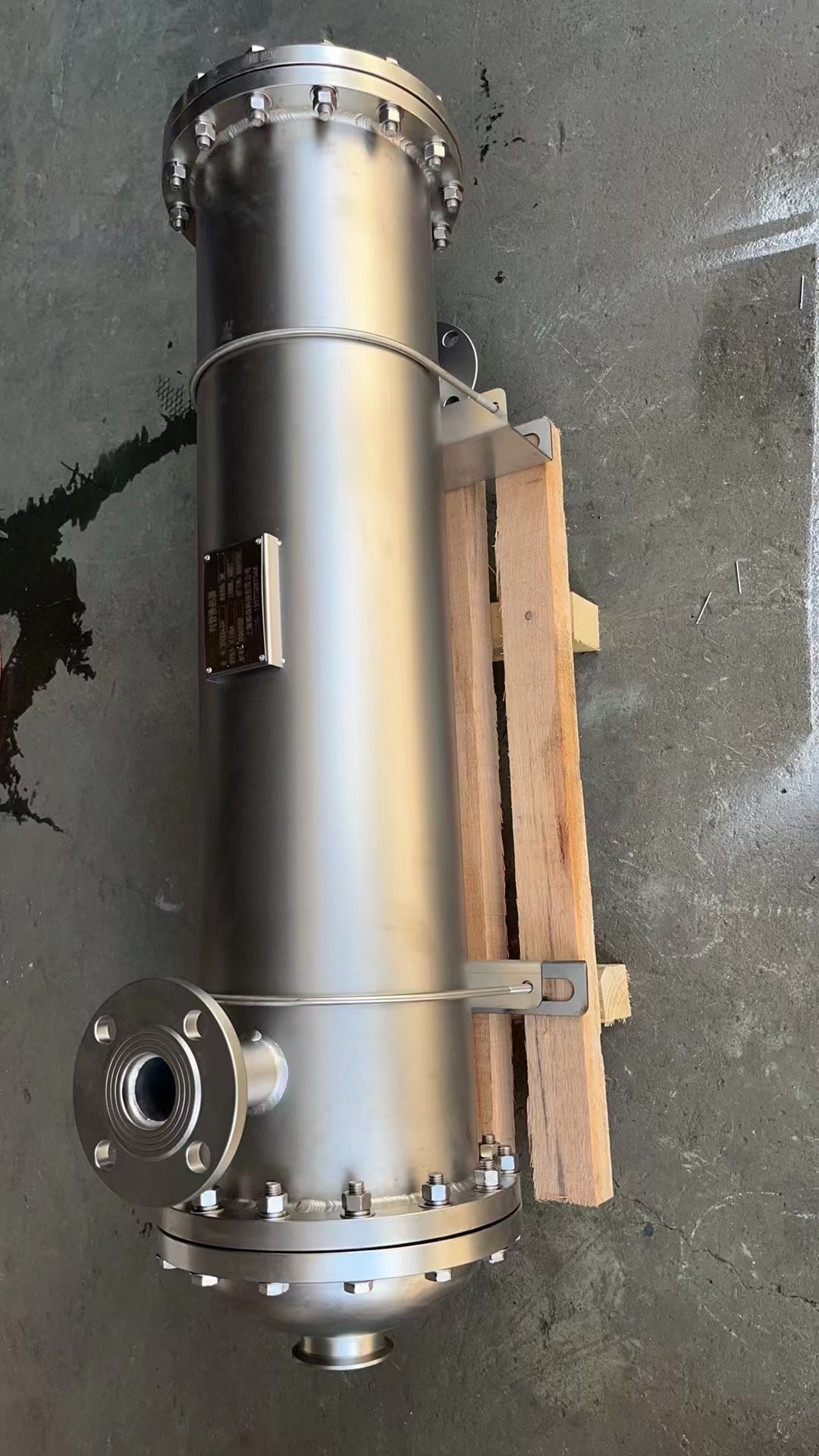
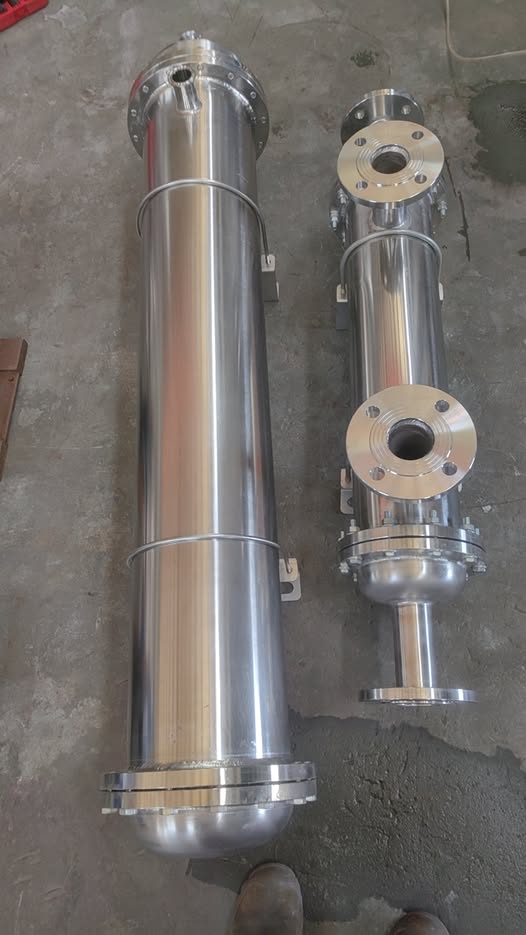
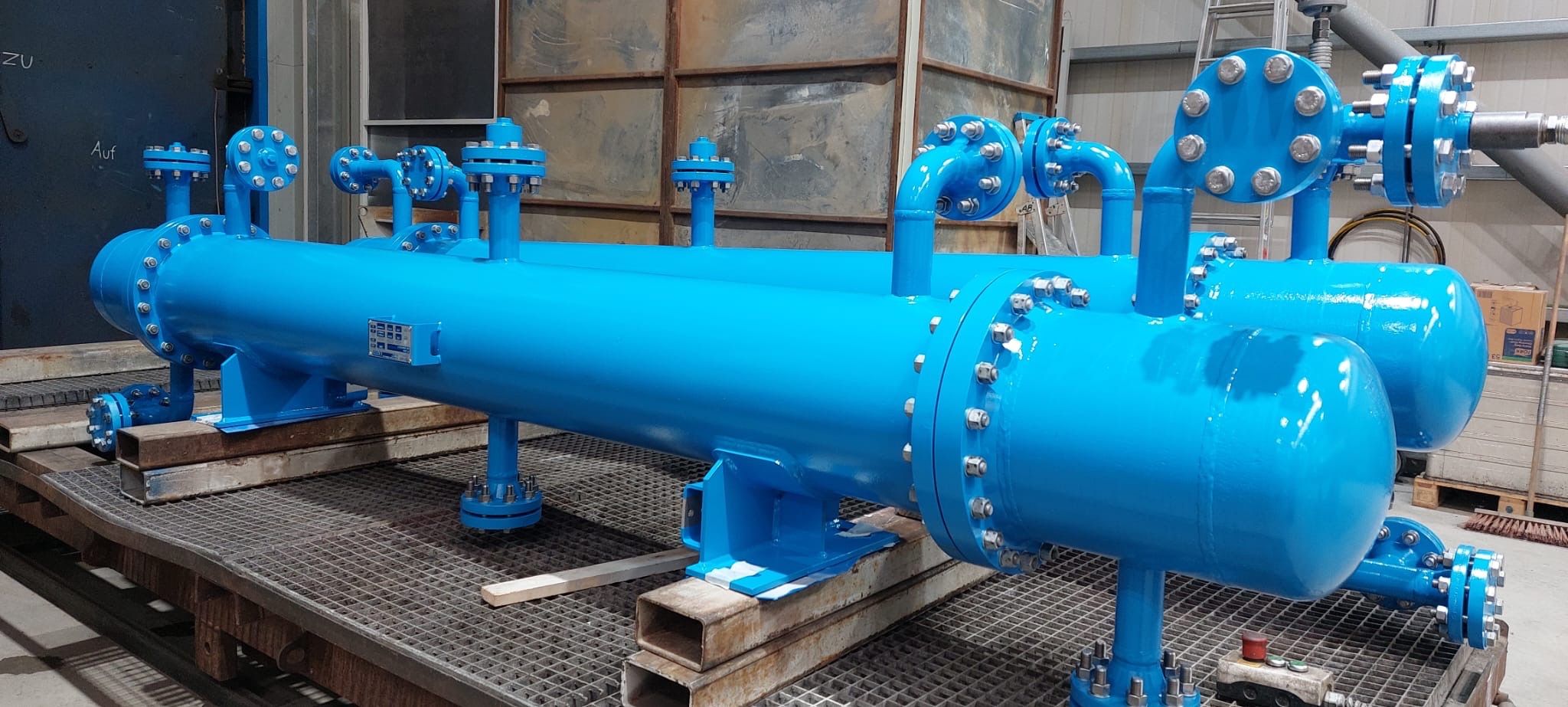
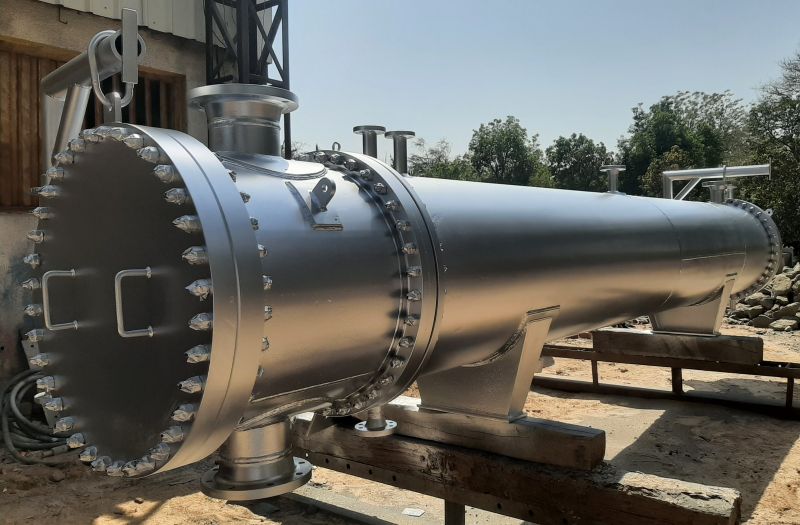
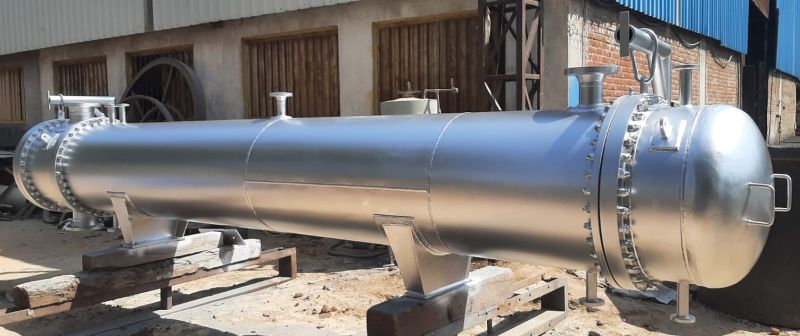
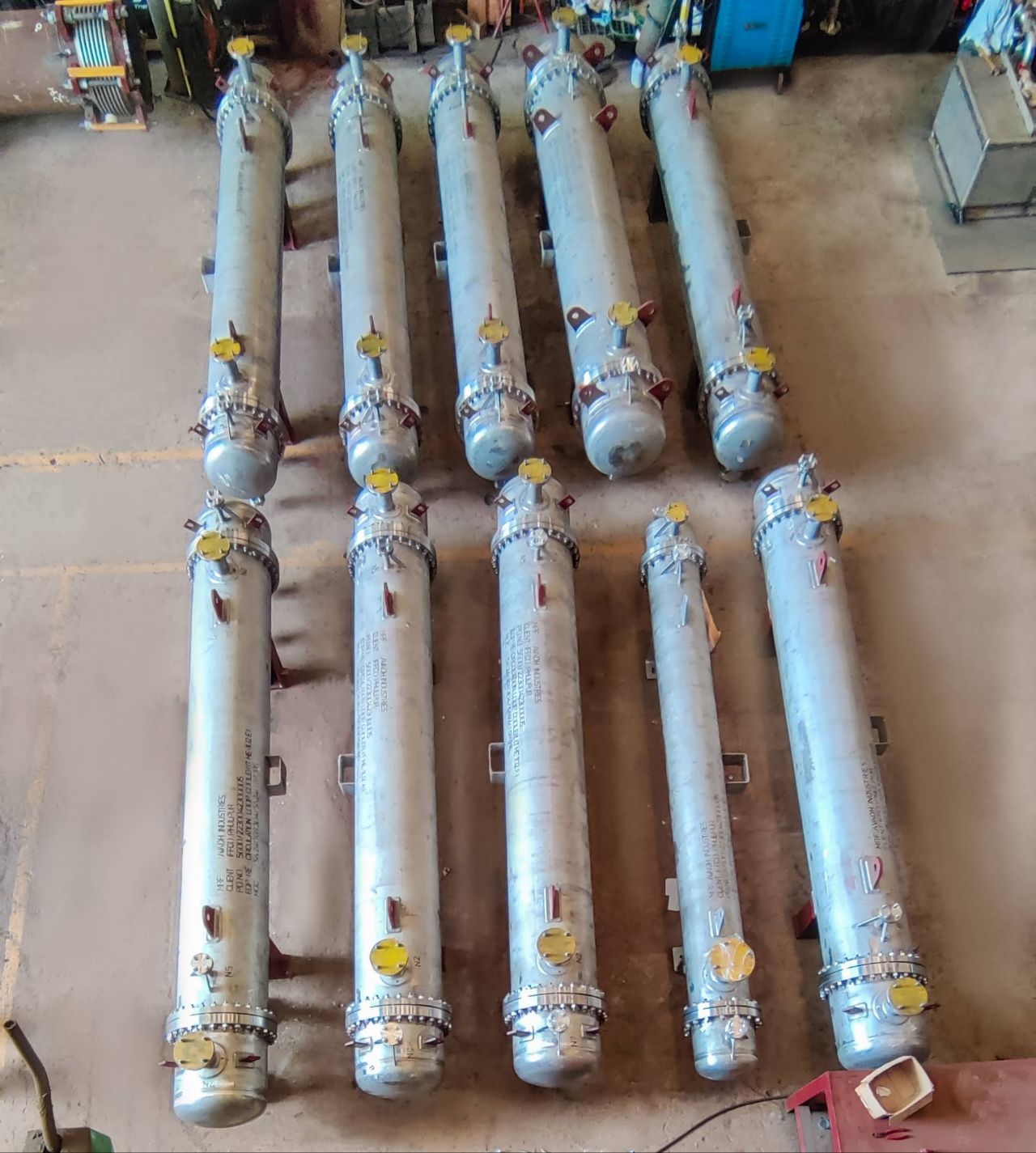
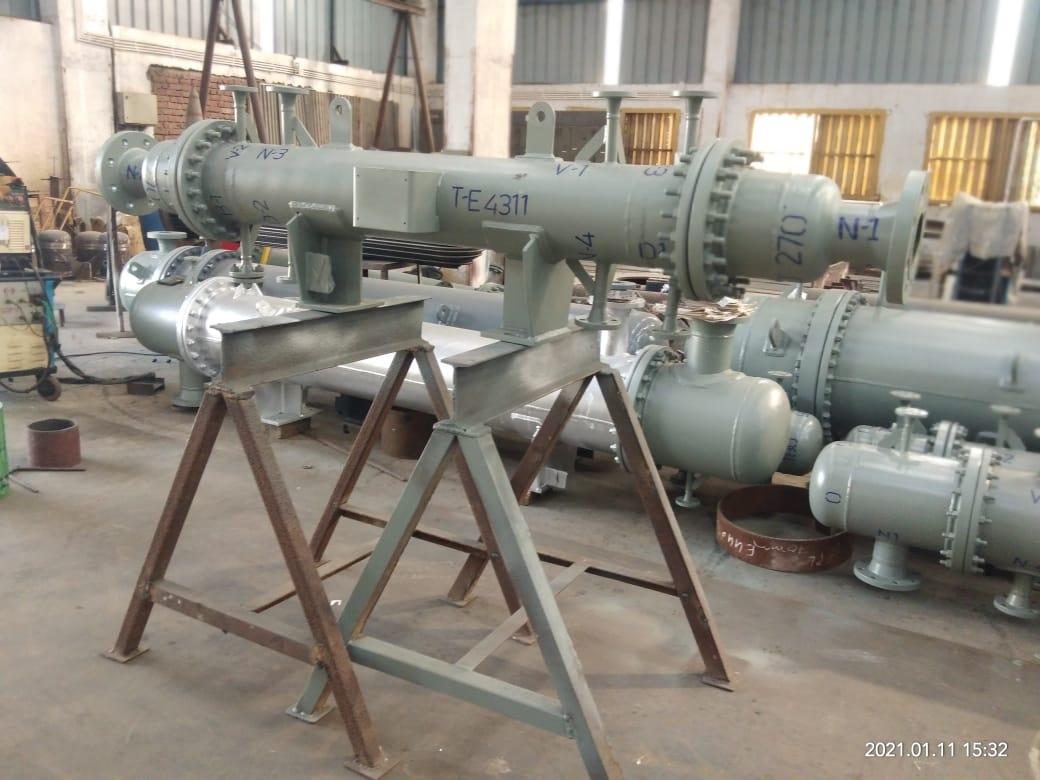
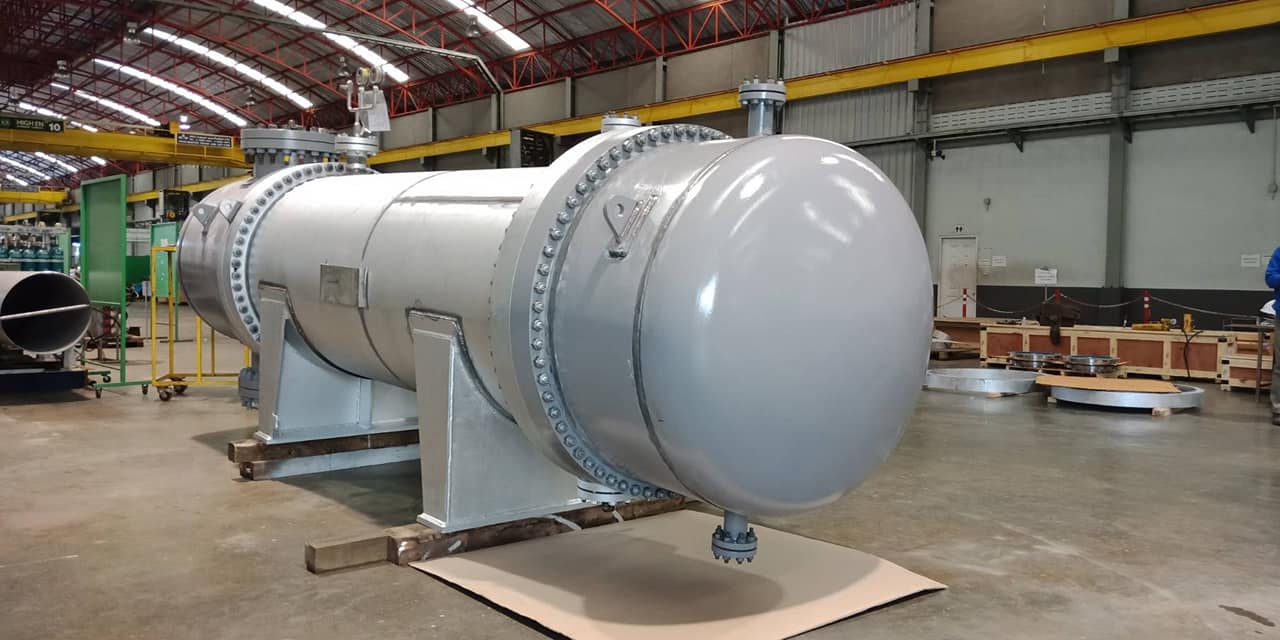
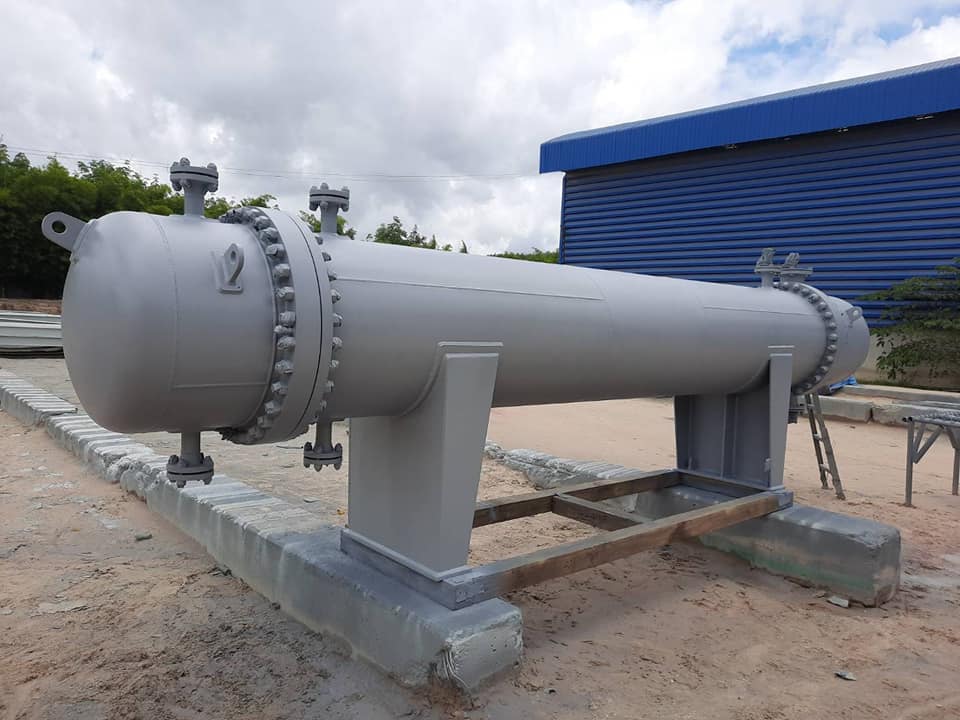
A Shell and Tube Heat Exchanger (STHE) is one of the most widely used types of heat exchangers in industrial applications. It consists of a shell (a large pressure vessel) with a bundle of tubes inside it. One fluid flows through the tubes (tube side), while another fluid flows outside the tubes but inside the shell (shell side), allowing...

Shell and Tube Heat Exchanger Manufacturer in Bahrain

Types Of Heat Exchangers  1. Based on Construction & Design Finned Tube Heat Exchanger 2. Based on Flow Arrangement 3. Based on Heat Transfer Mechanism 4. Specialized Types Pillow Plate Heat Exchanger

Shell and Tube Heat Exchanger Manufacturer in India

A heat exchanger is a device used to transfer heat between two or more fluids (liquids or gases) without them mixing. It’s widely used in engineering applications where heating or cooling is required, such as in power plants, chemical processing, refrigeration, and HVAC systems. How It Works Heat flows from the hotter fluid to the […]

Fin Tube heat exchanger Manufacturer in India

How to Choose: A Practical Guide In summary, the progression from L -> K -> G represents a trade-off of increasing cost for significantly improved mechanical bond strength, thermal performance, and long-term reliability under stressful operating conditions.

Fin Tube heat exchanger Manufacturer in India

K-Fin (Knurled Fin) The K-Fin is essentially an enhanced version of the L-Fin, designed to improve its limitations without the cost of a G-Fin.

Fin Tube heat exchanger Manufacturer in India

 G-Fin (Embedded Fin / Grooved Fin) This type offers a significantly stronger mechanical bond than L-fins.

Fin Tube heat exchanger Manufacturer in India

Fin (Longitudinal Footed Fin / Wrapped Fin) This is the most basic and cost-effective type.

Fin Tube heat exchanger Manufacturer in India

Applications of Extruded Fin tube Extruded fin tube exchangers are the workhorses of general industrial applications where reliability and efficiency are key:

Fin Tube heat exchanger Manufacturer in India

An extruded fin tube, also known as a bimetal tube, is manufactured by physically forming the fins from a secondary metal sleeve (usually aluminum) onto a base tube (usually carbon or stainless steel). The fins and the base tube become a single, integral unit with an excellent metallurgical bond. The Manufacturing Process: How It’s Made The...

Fin Tube heat exchanger Manufacturer in Visakhapatnam

The choice between Stainless Steel, Aluminum, and Carbon Steel fins is a critical trade-off between thermal performance, corrosion resistance, temperature capability, and cost. Here is a detailed, head-to-head comparison of these three common fin materials. Quick Summary Table Feature Aluminum Fin Carbon Steel Fin Stainless Steel Fin Thermal...
1 3 4 5 15