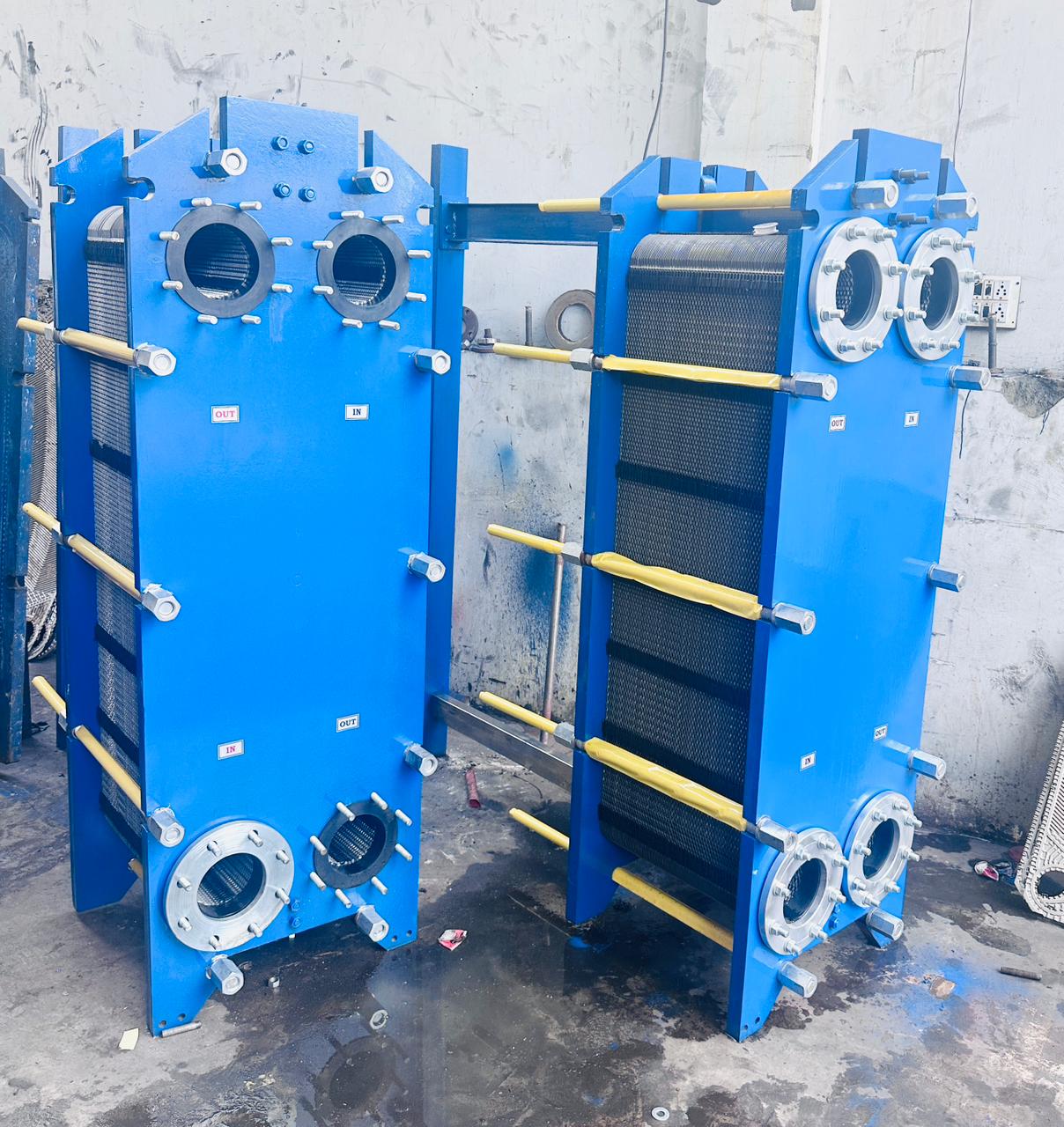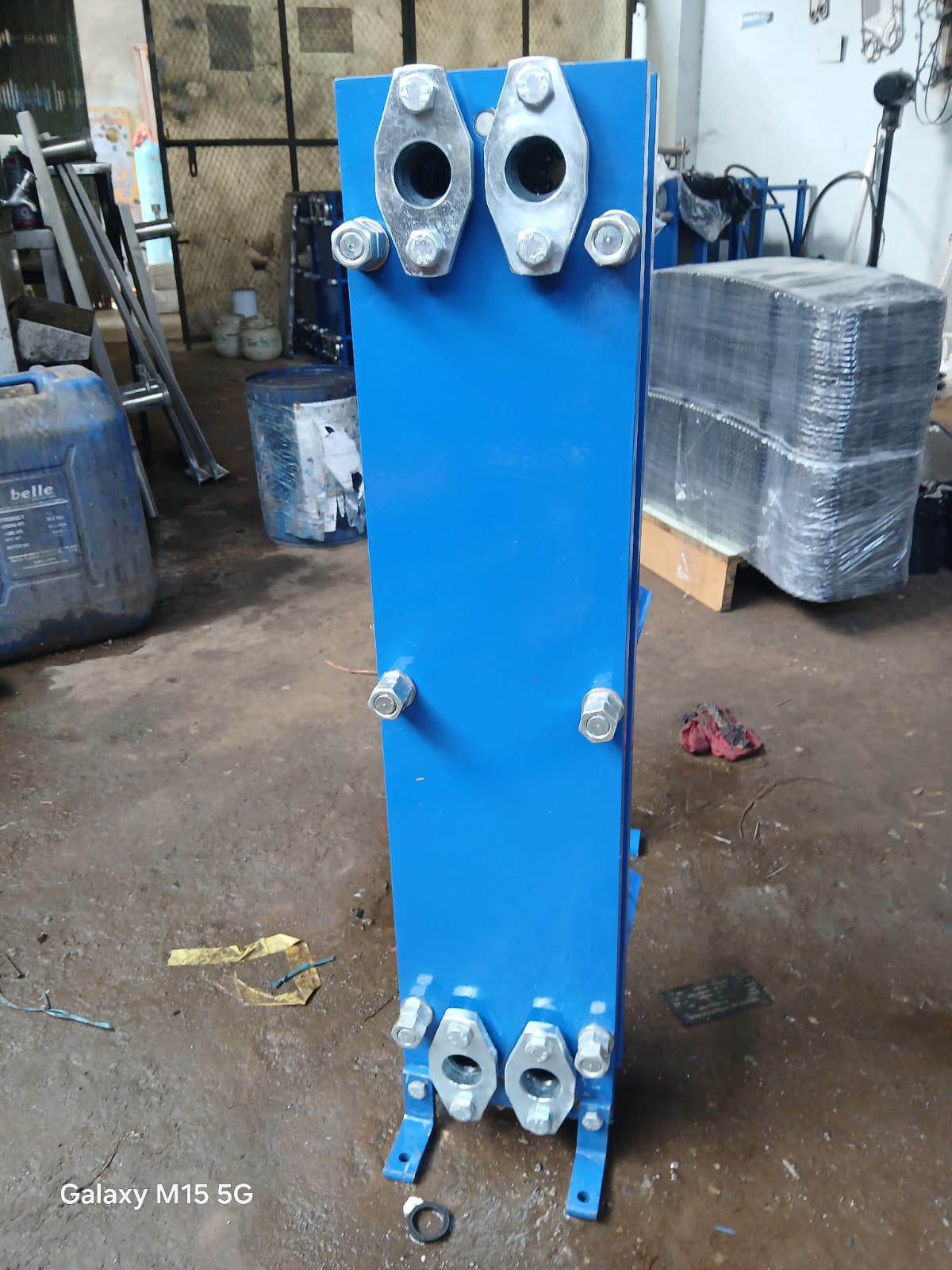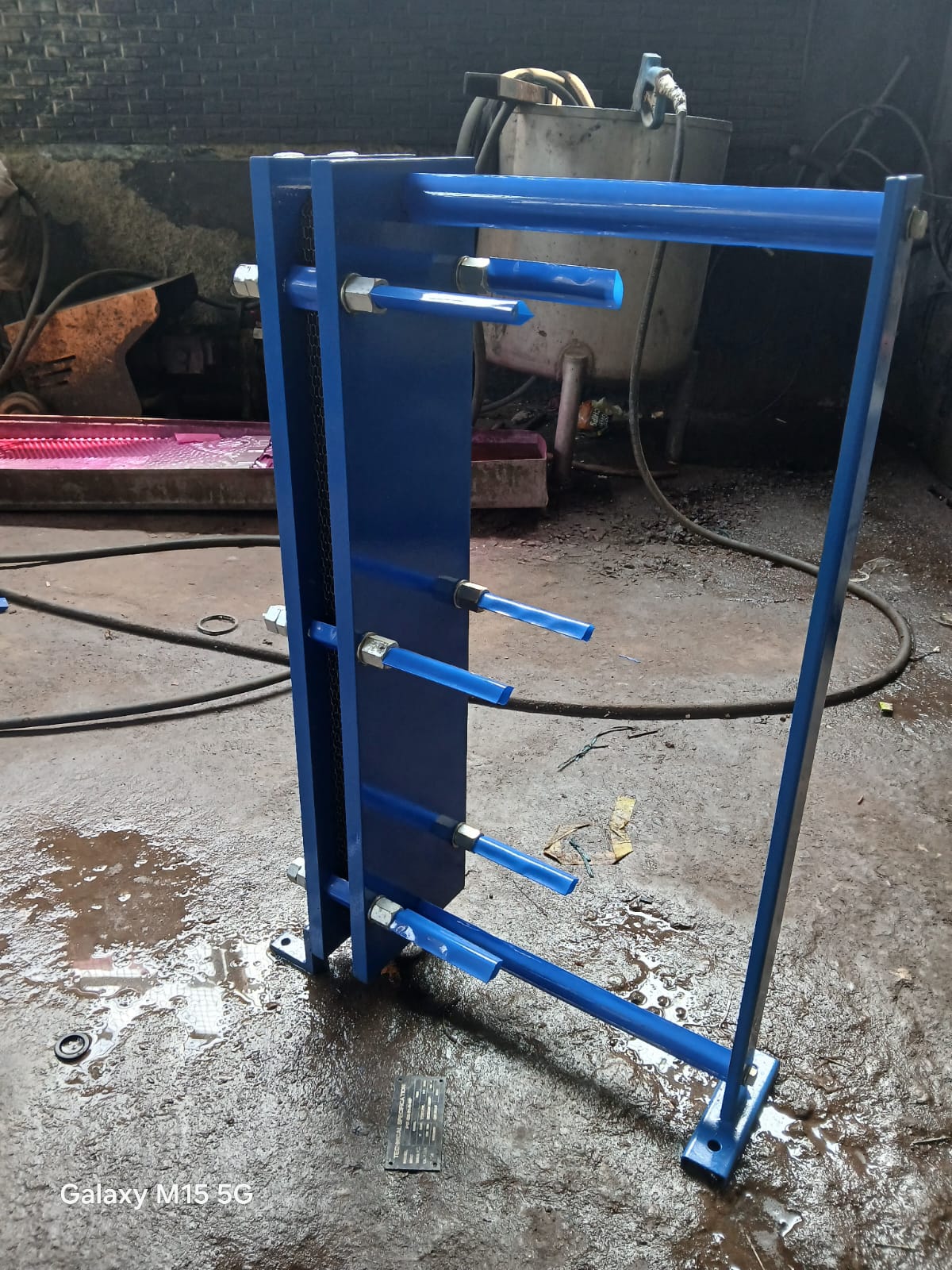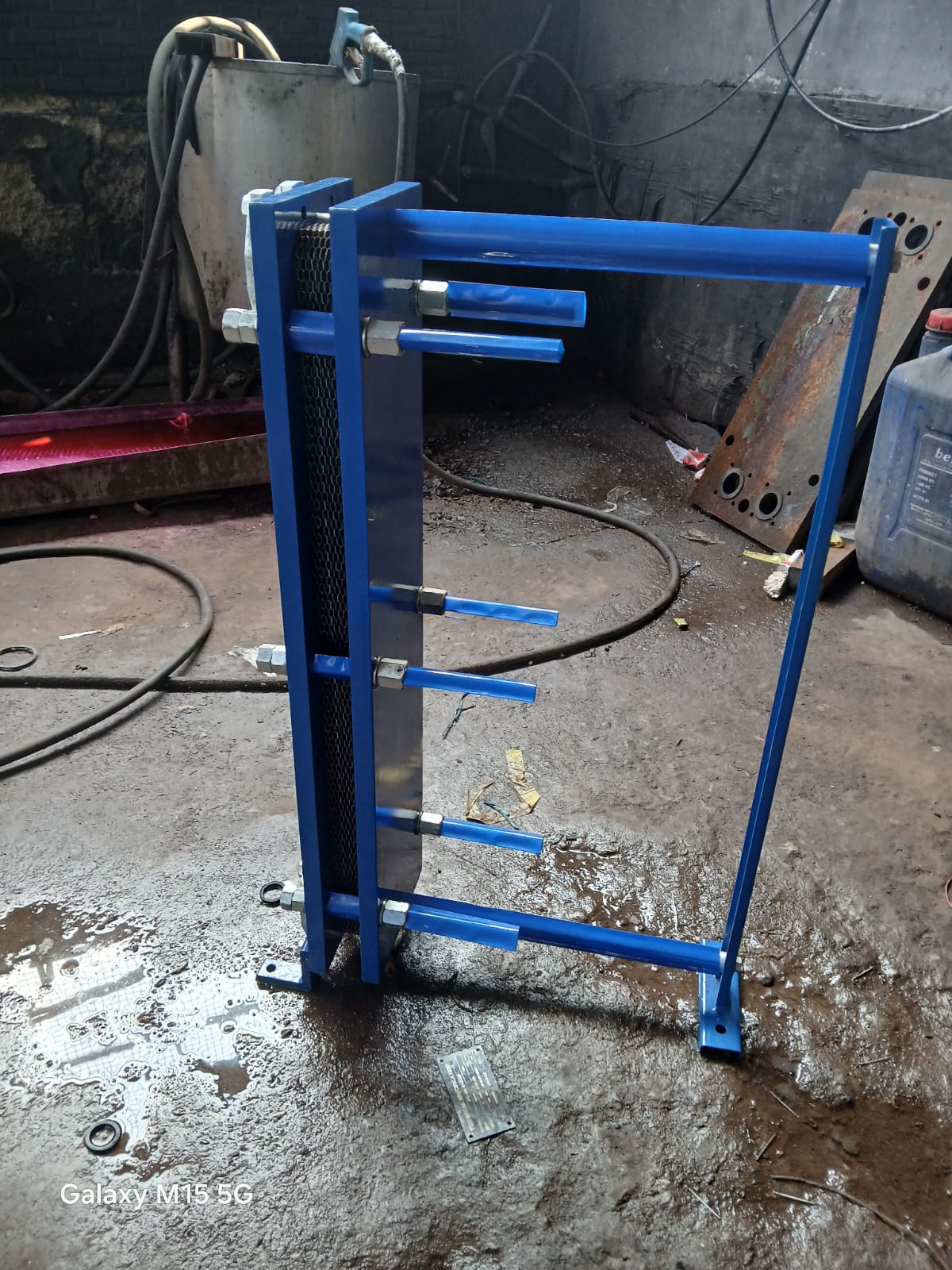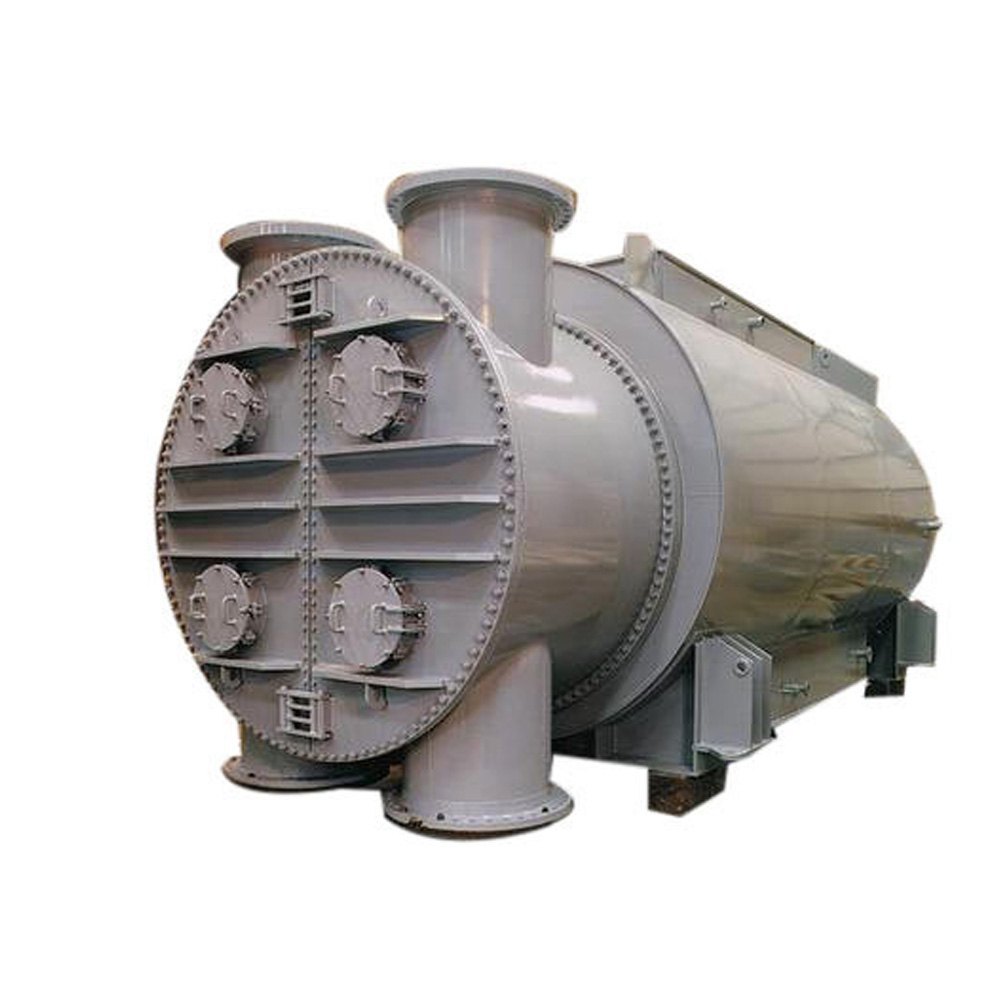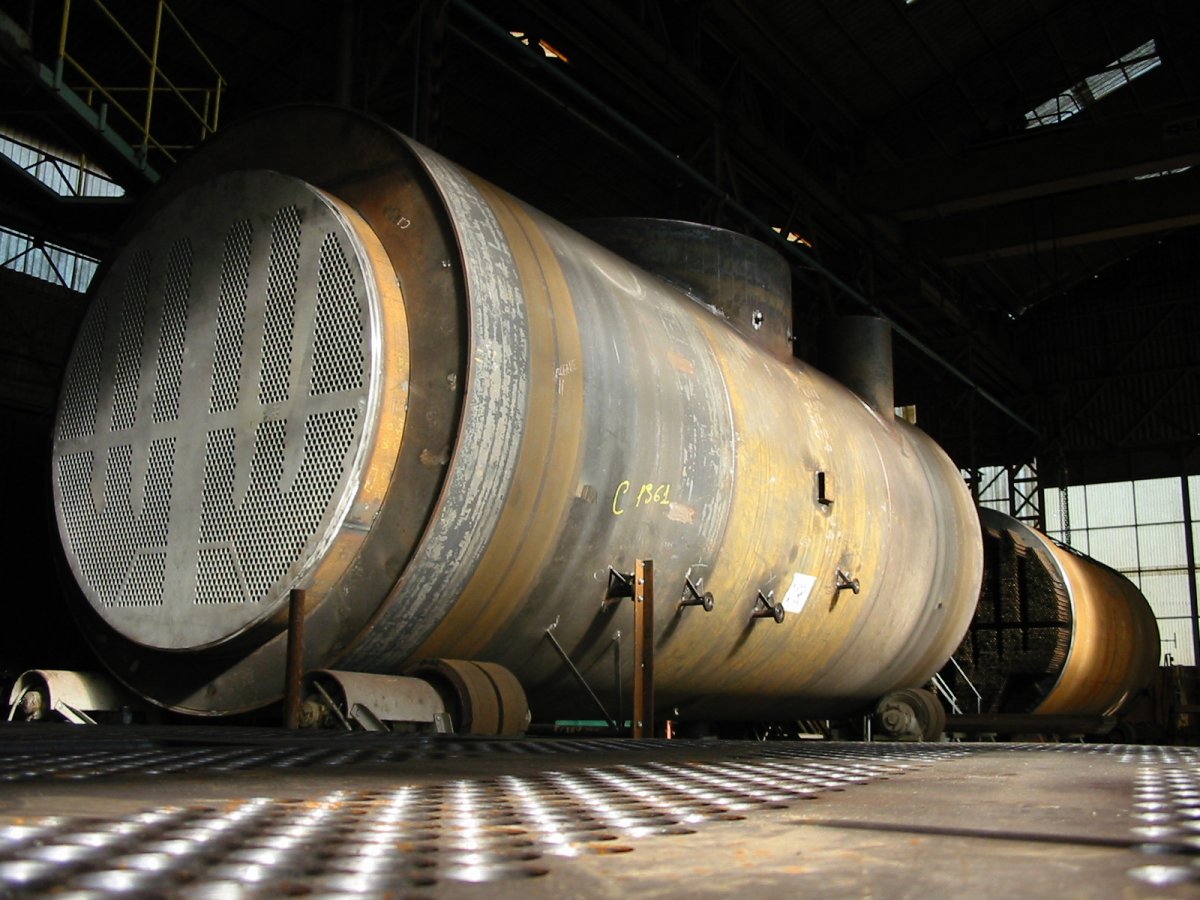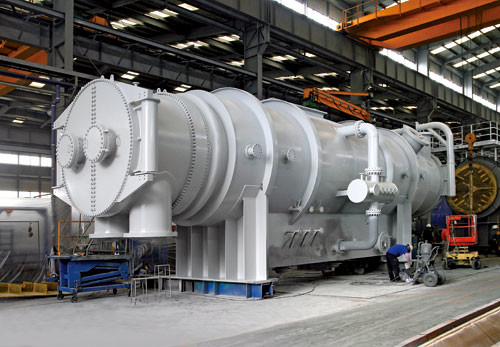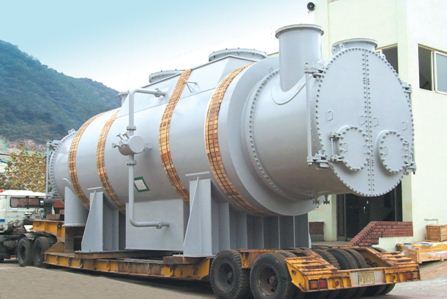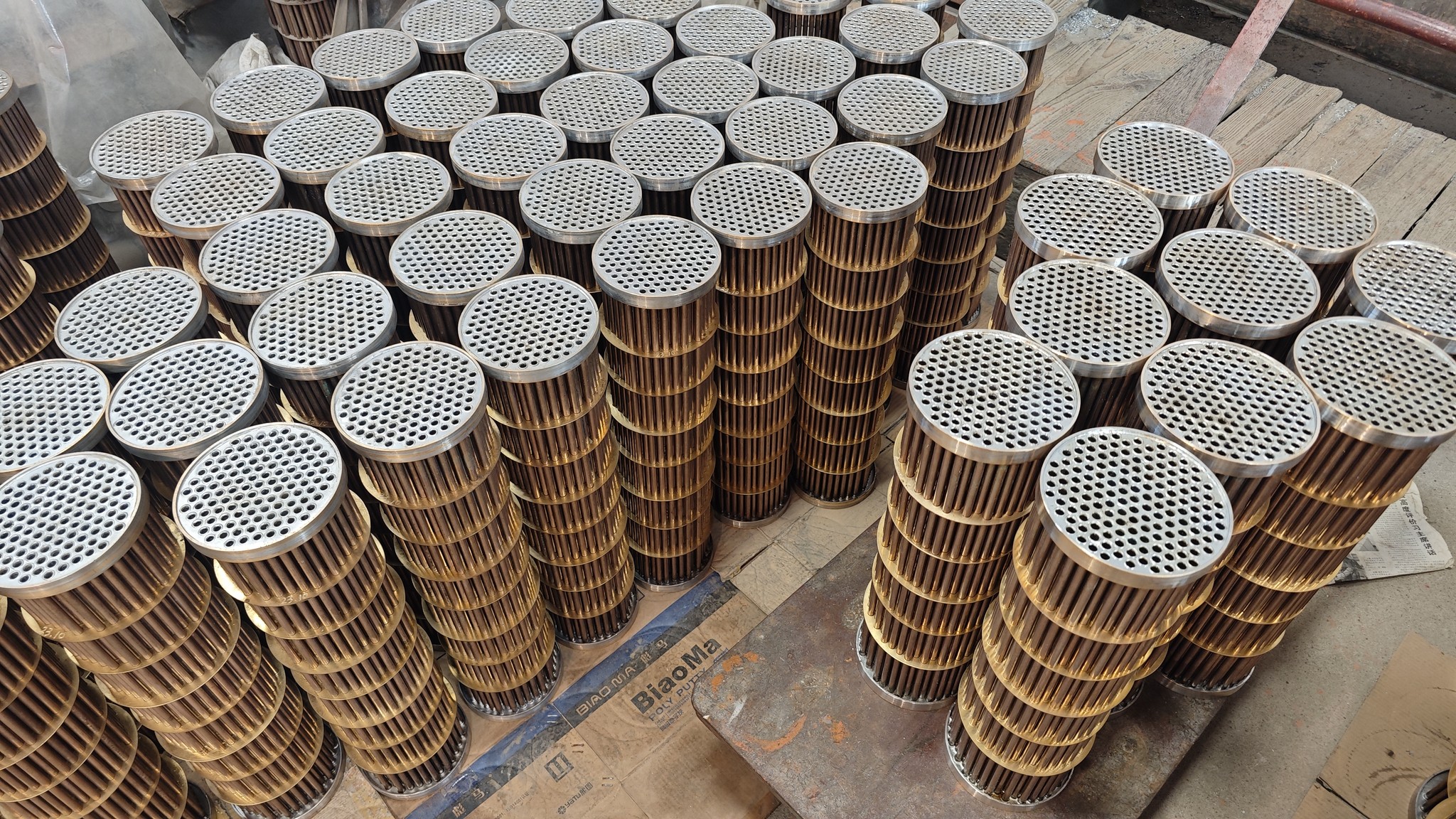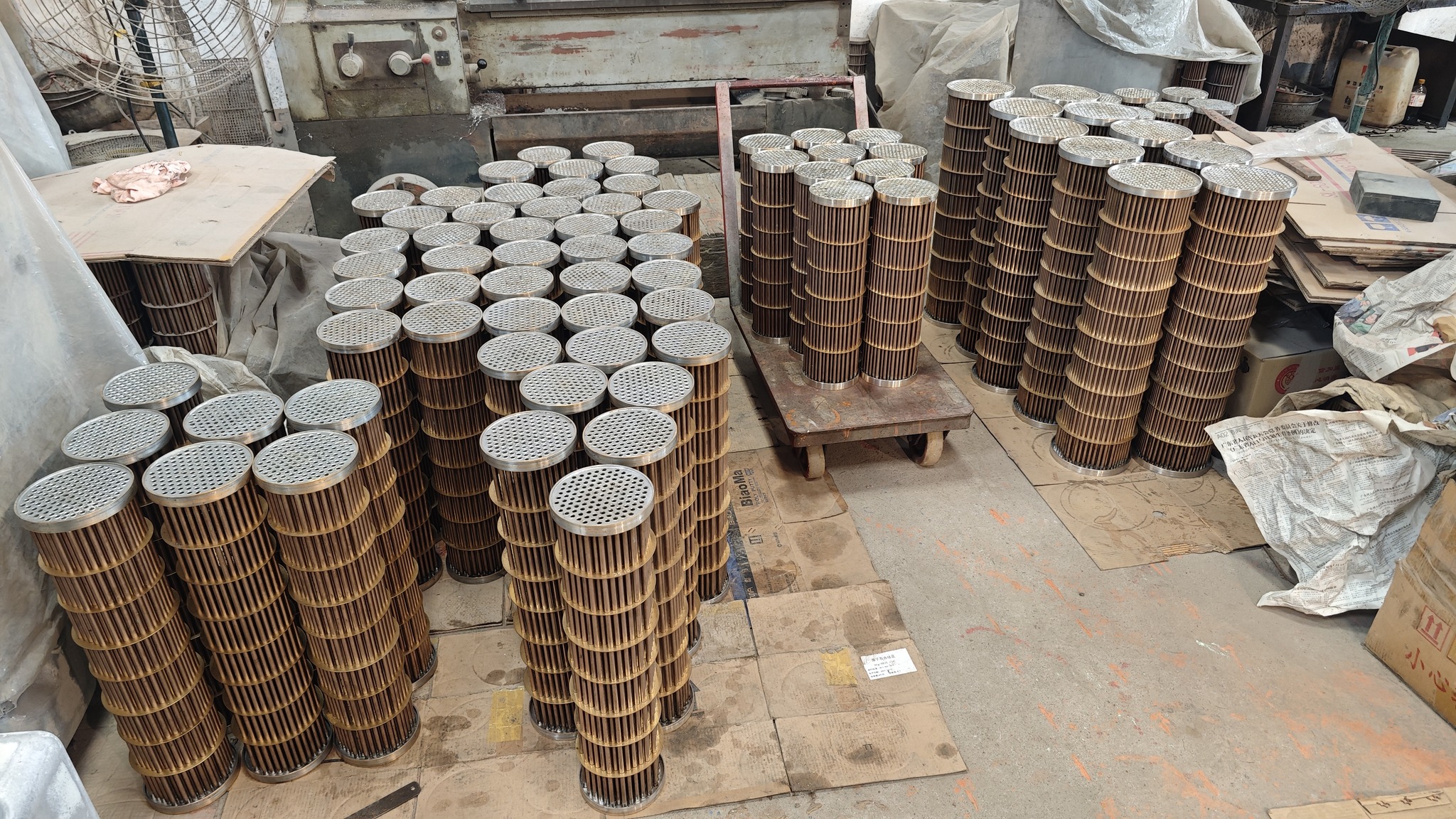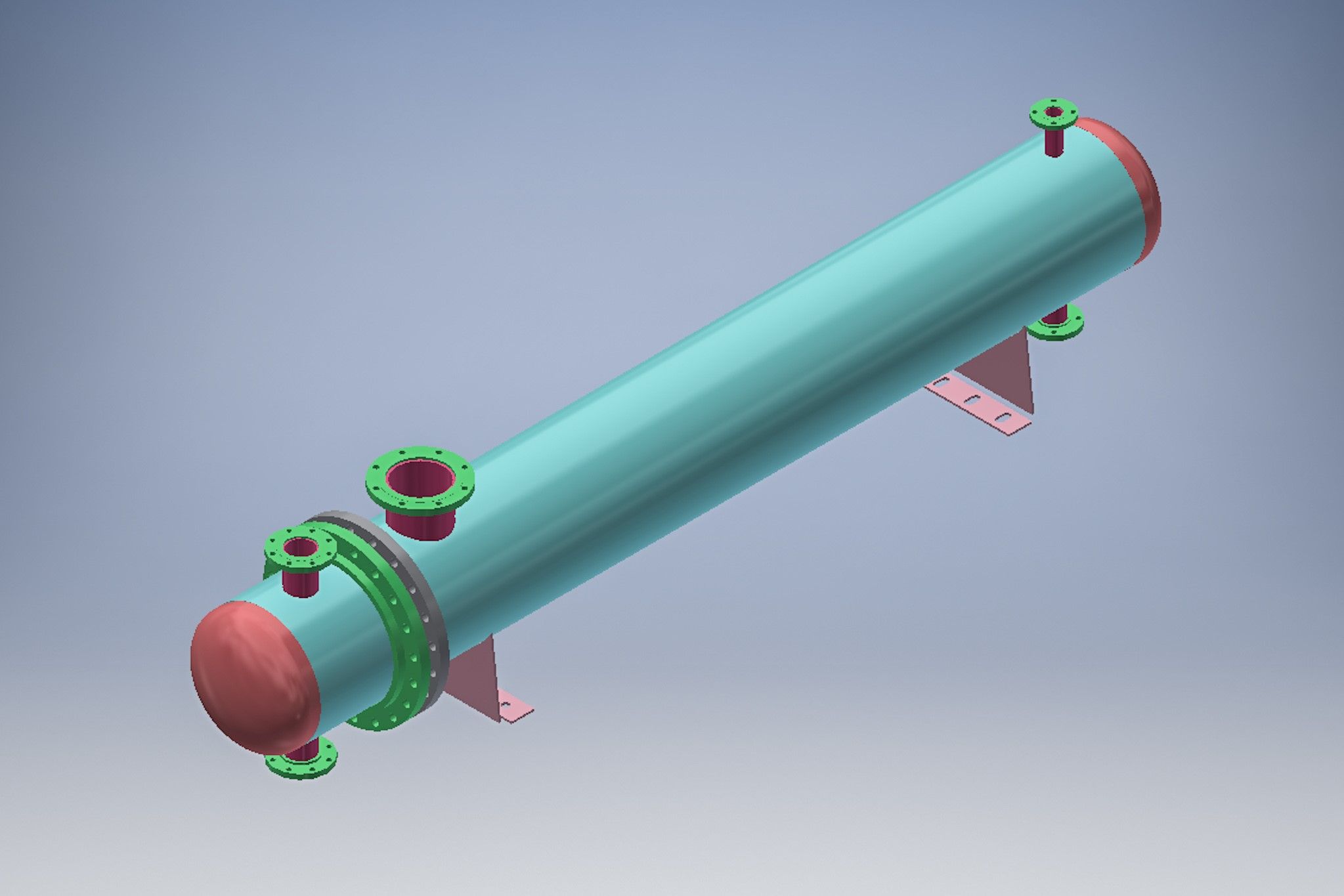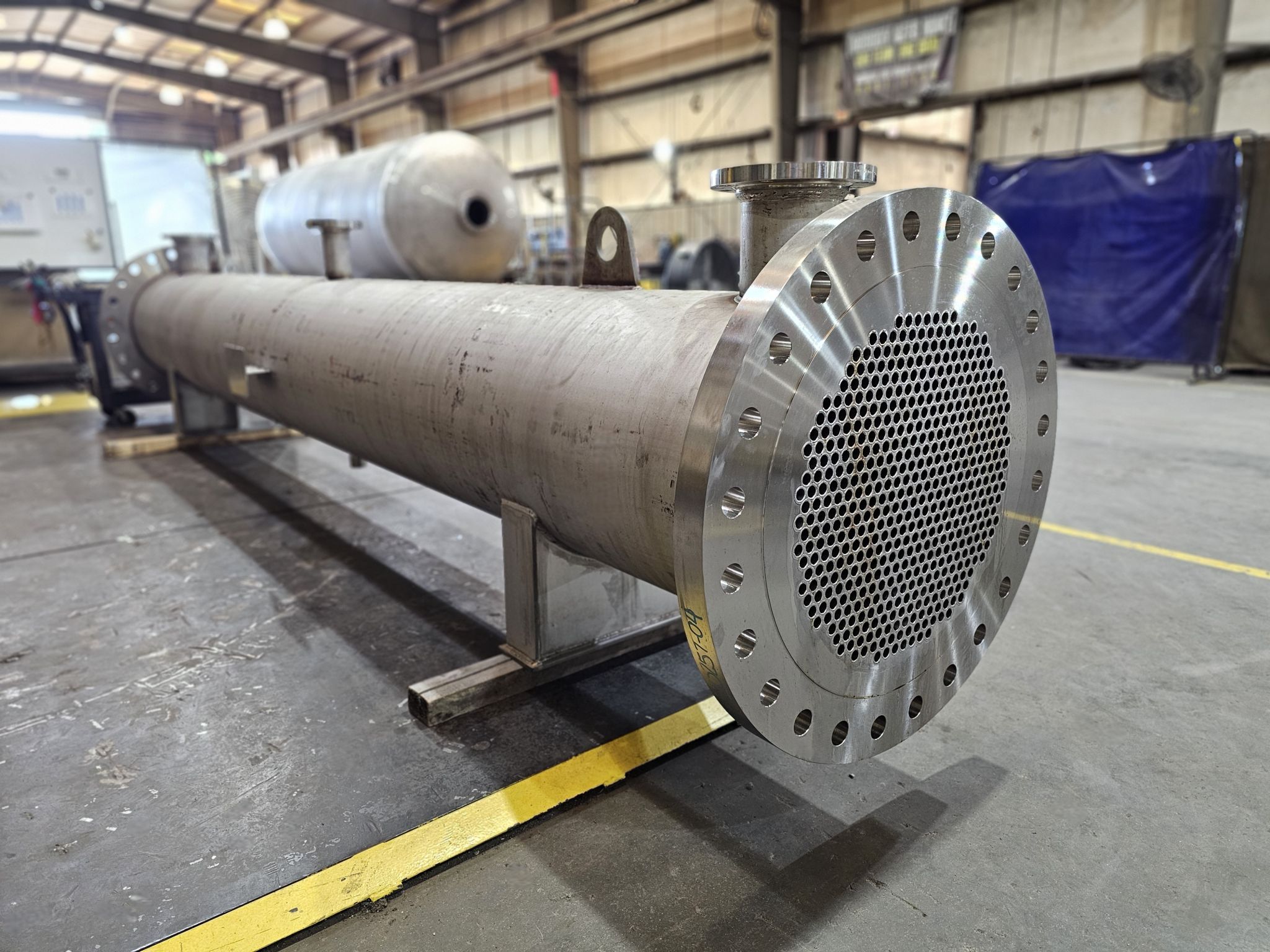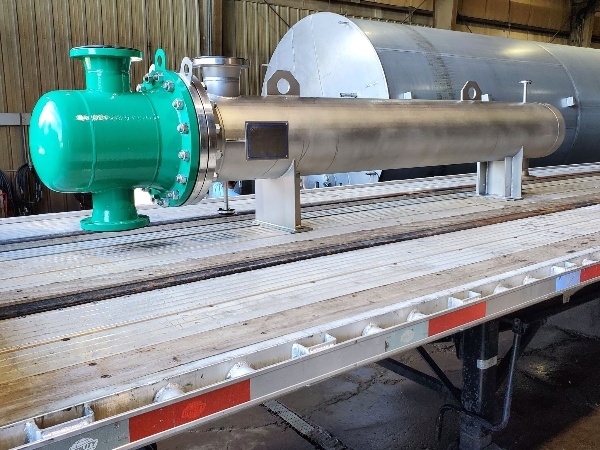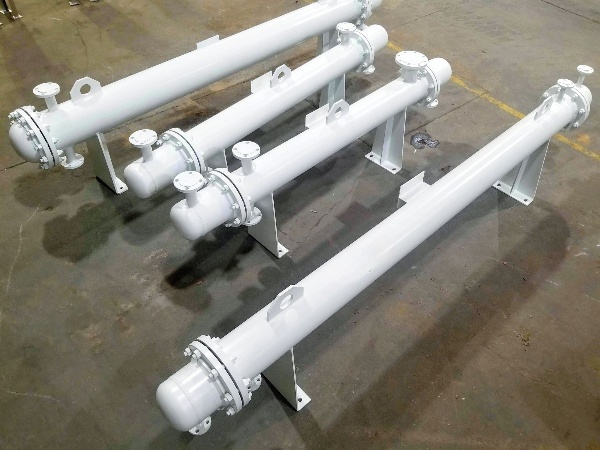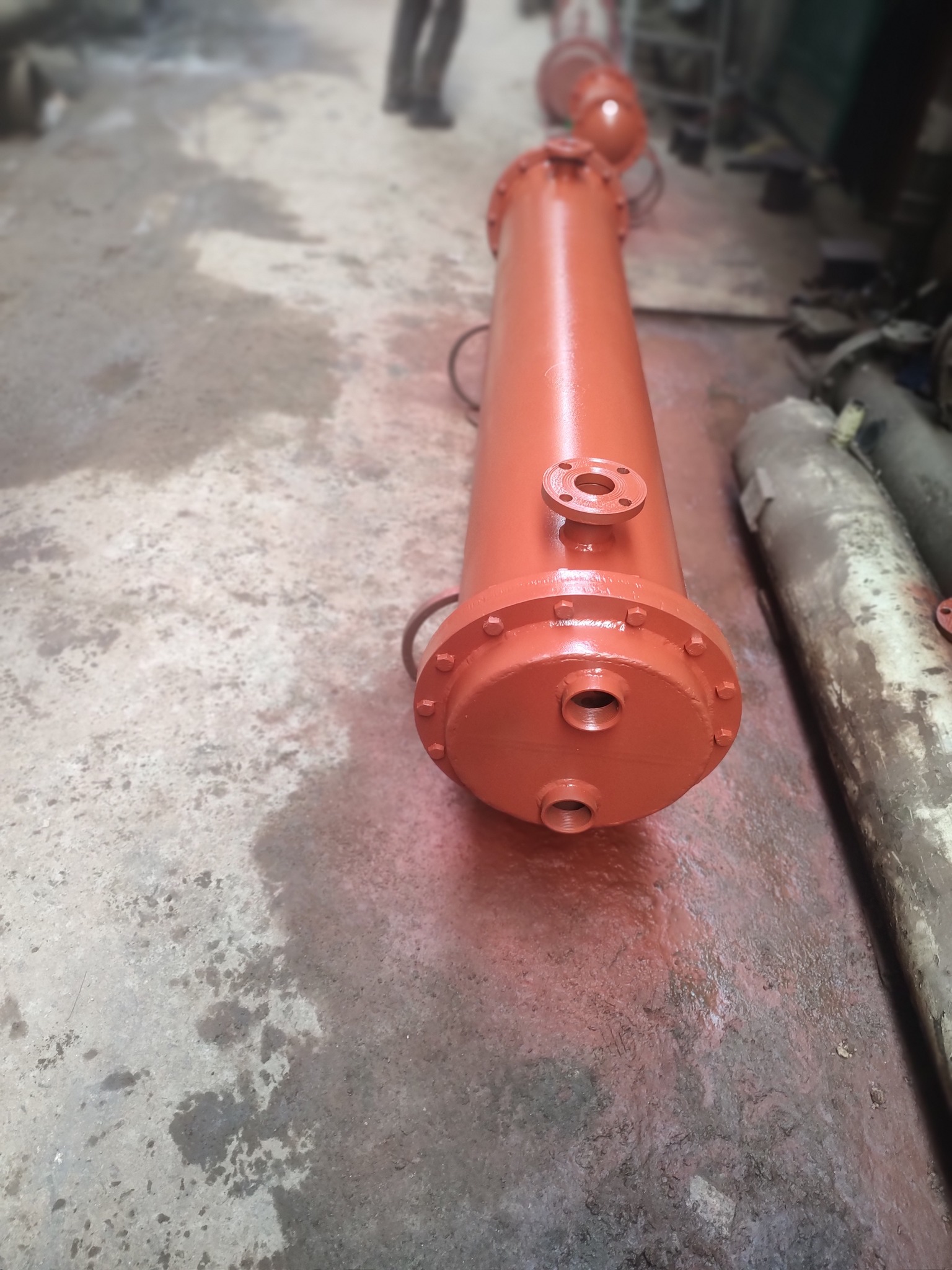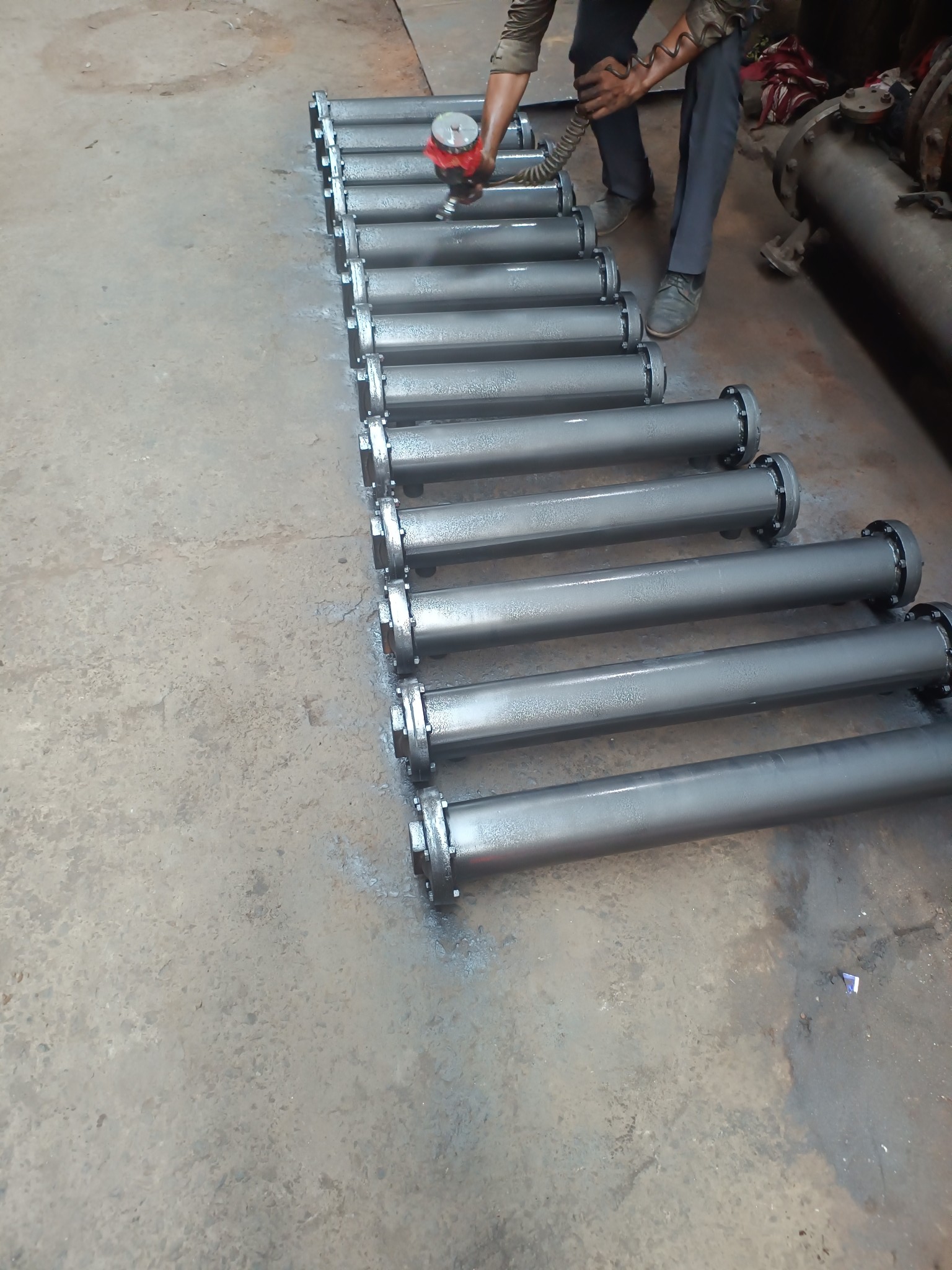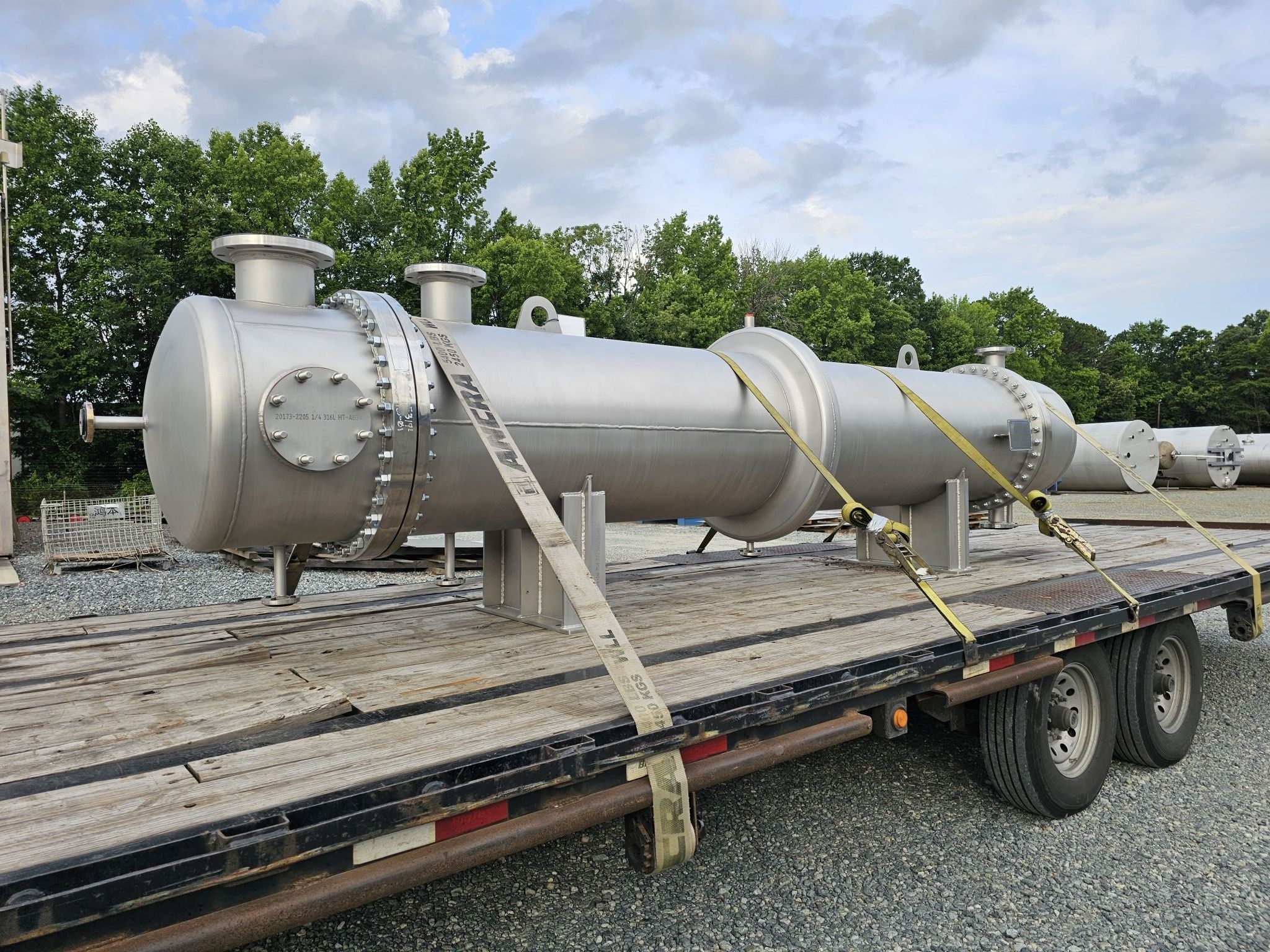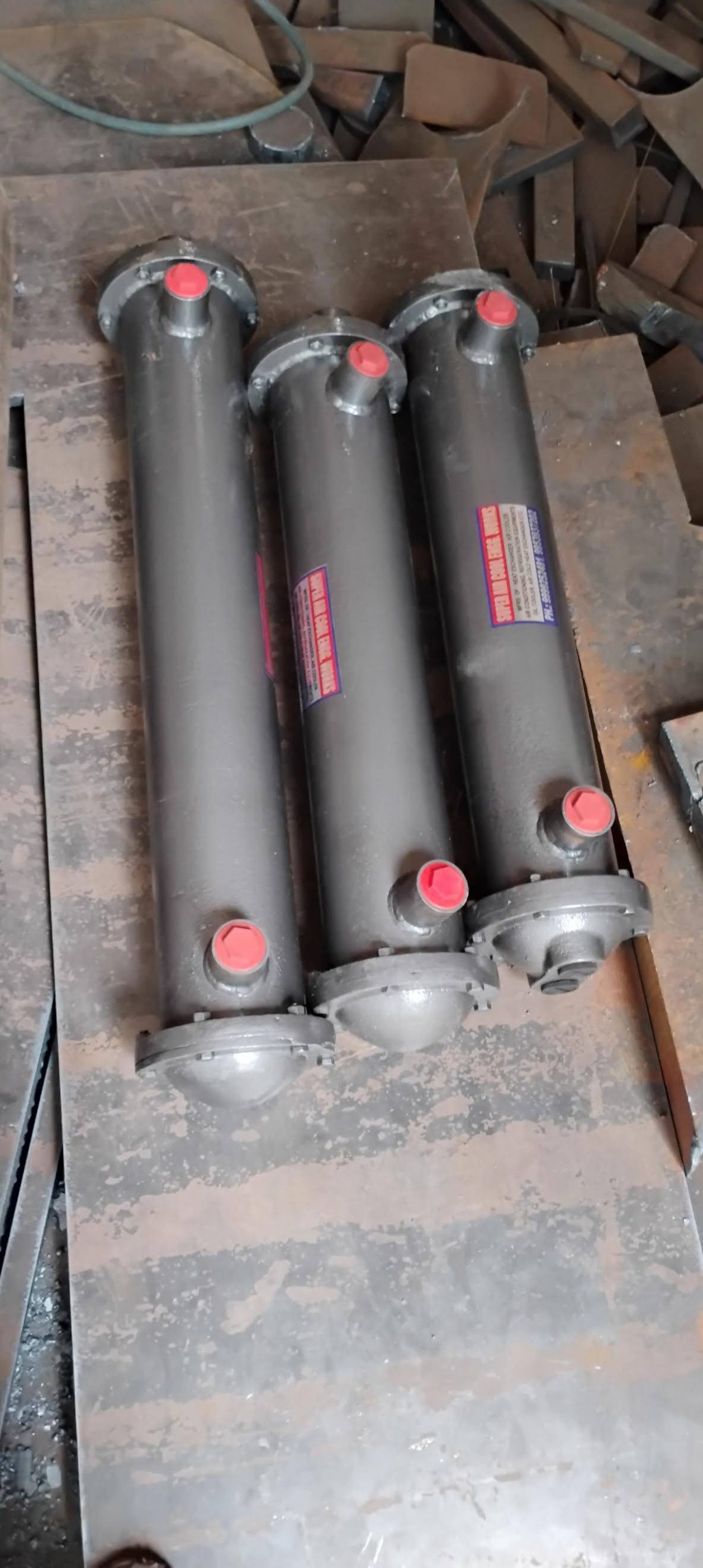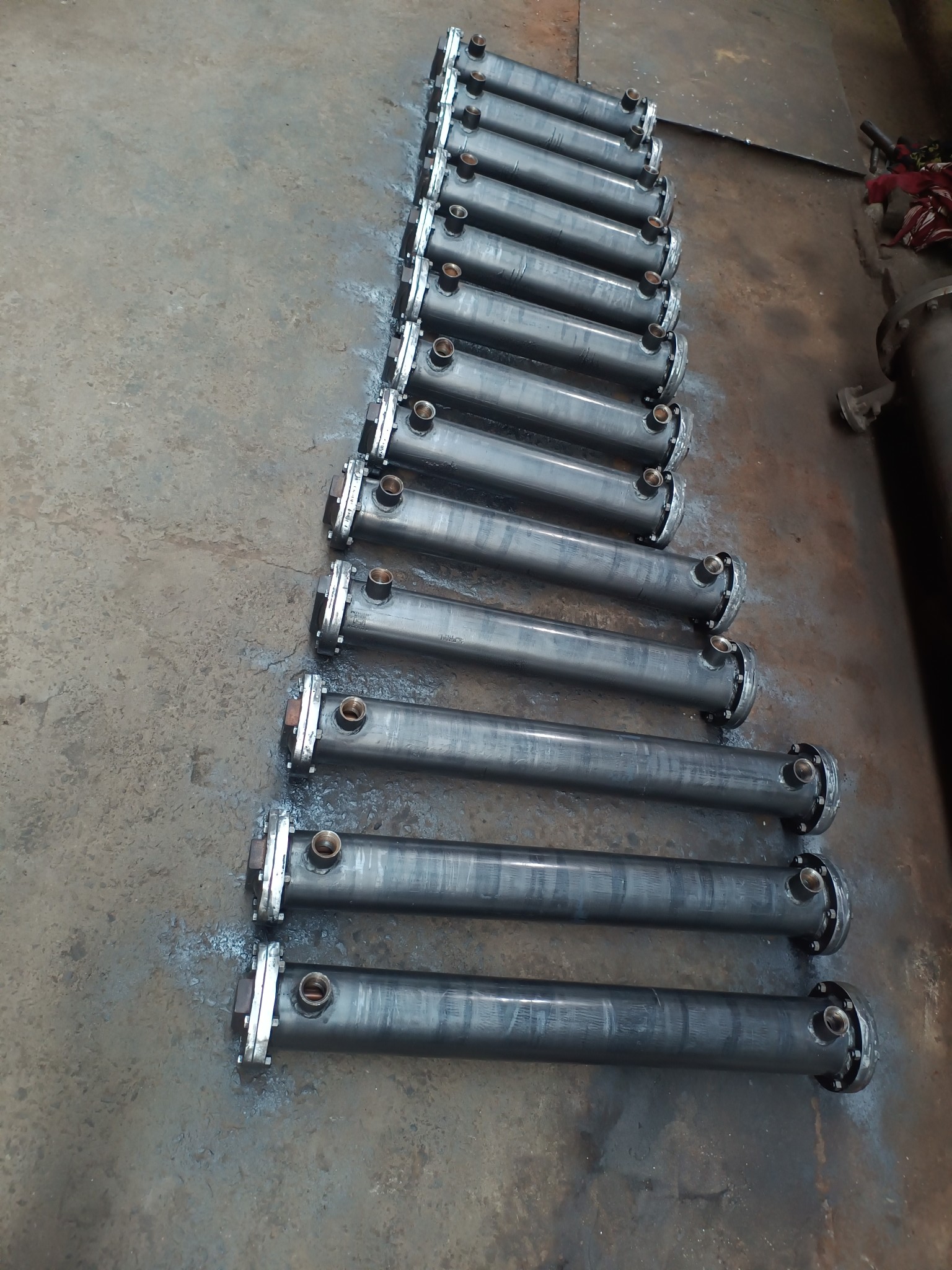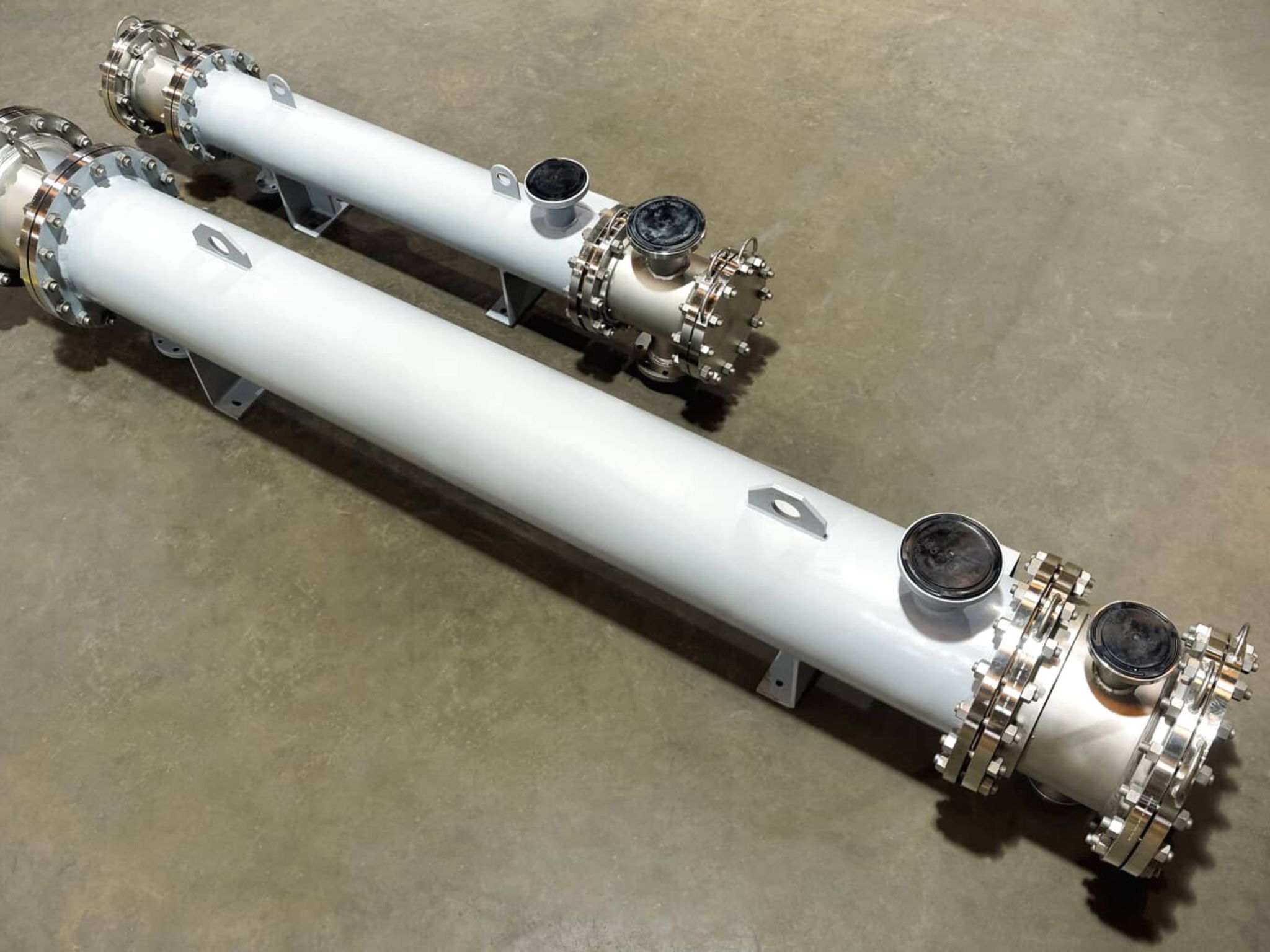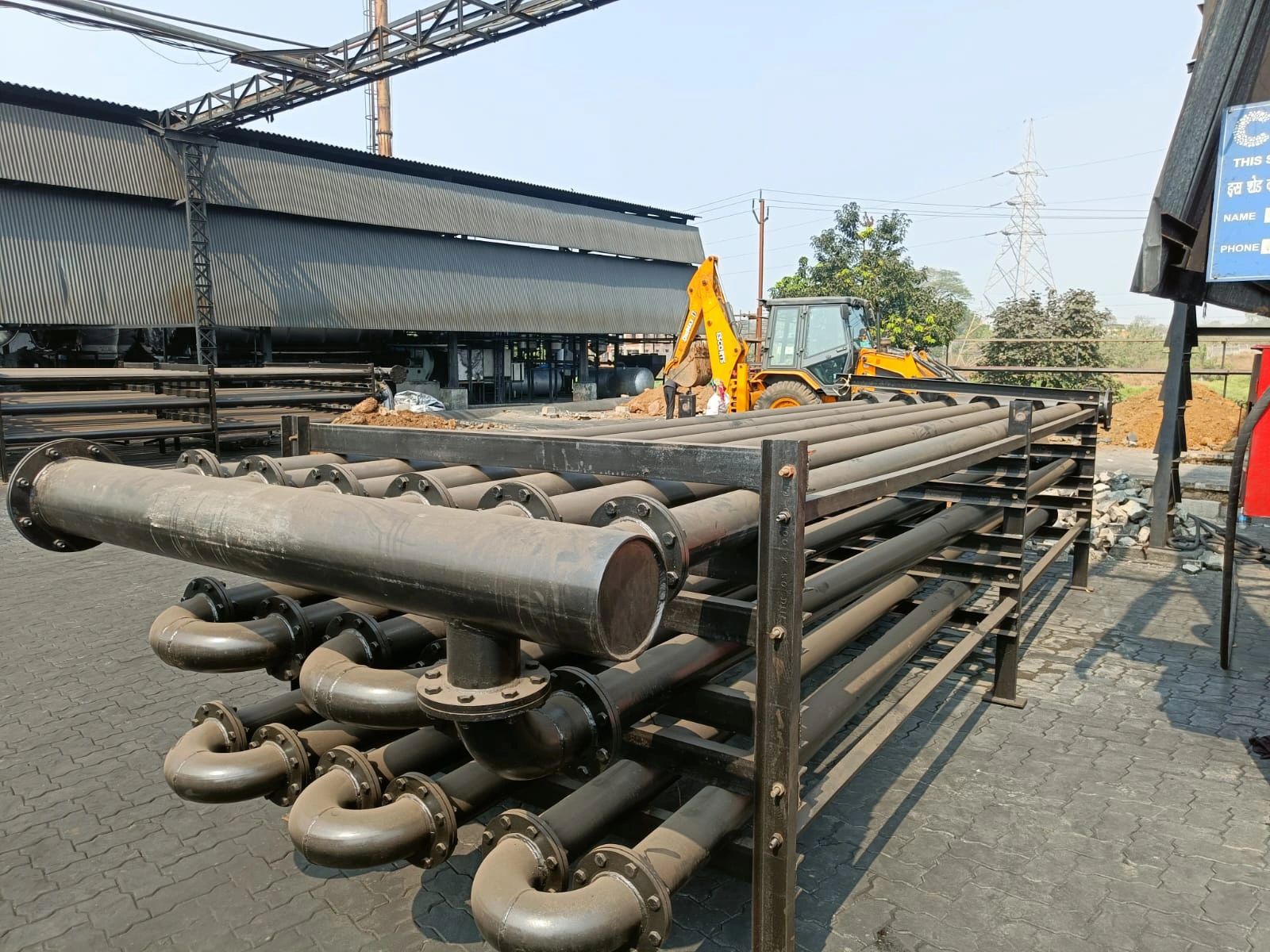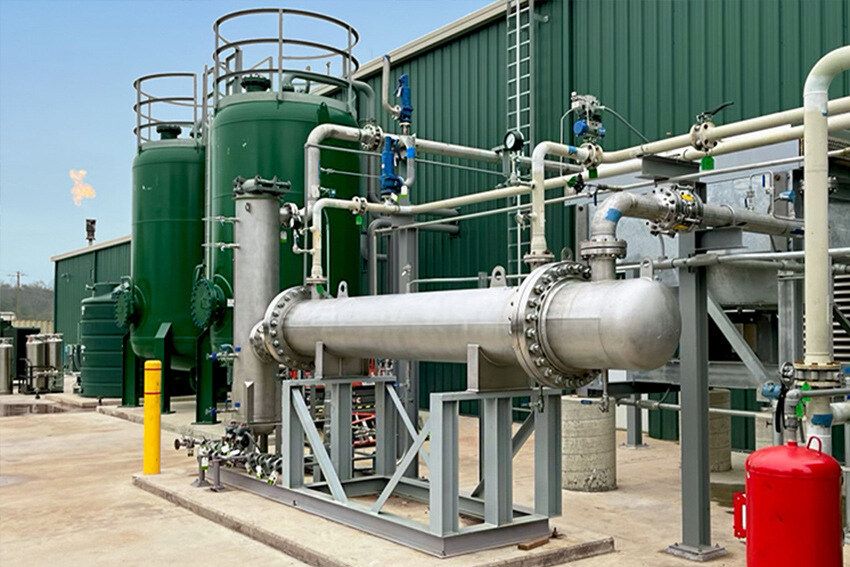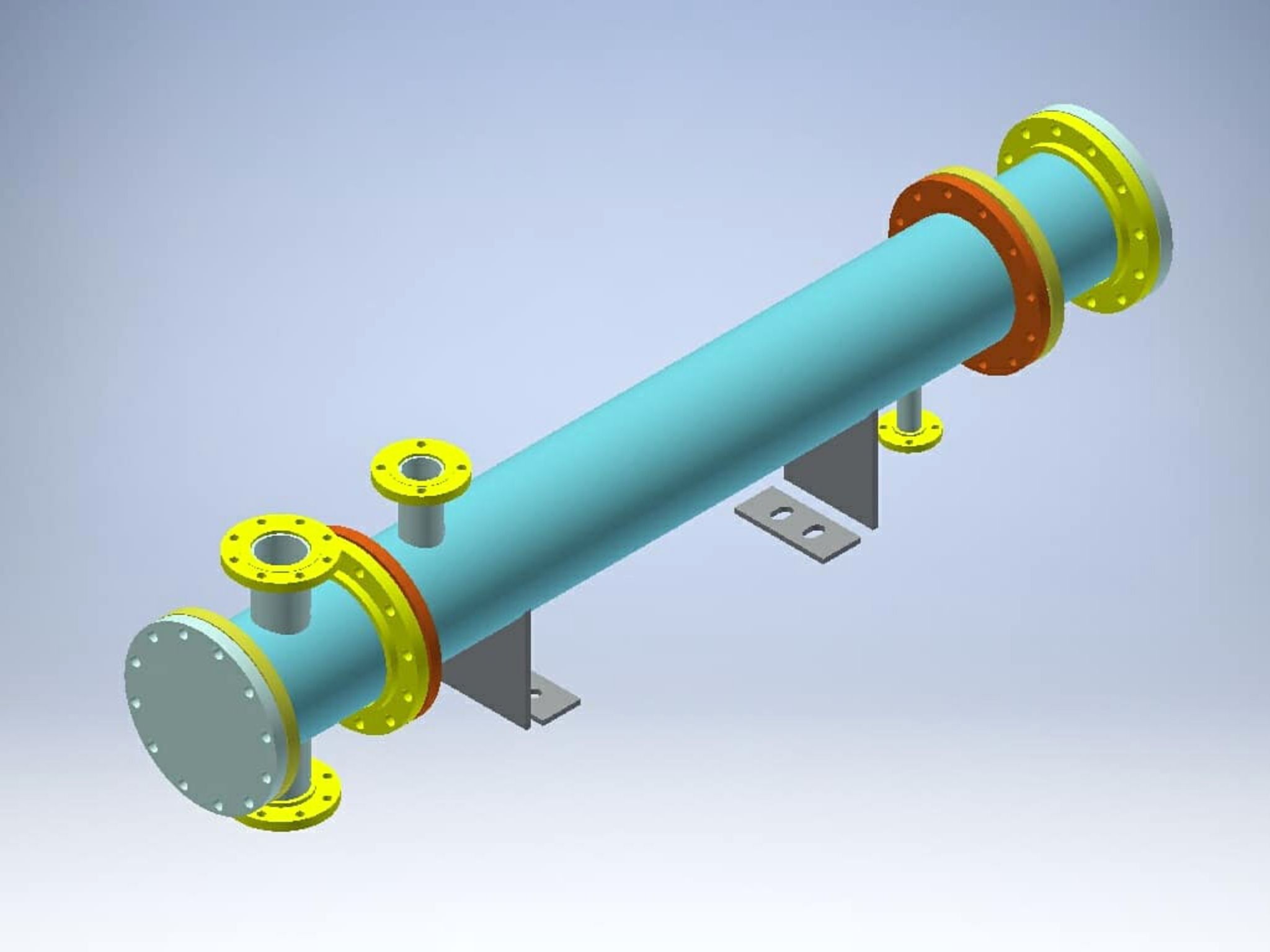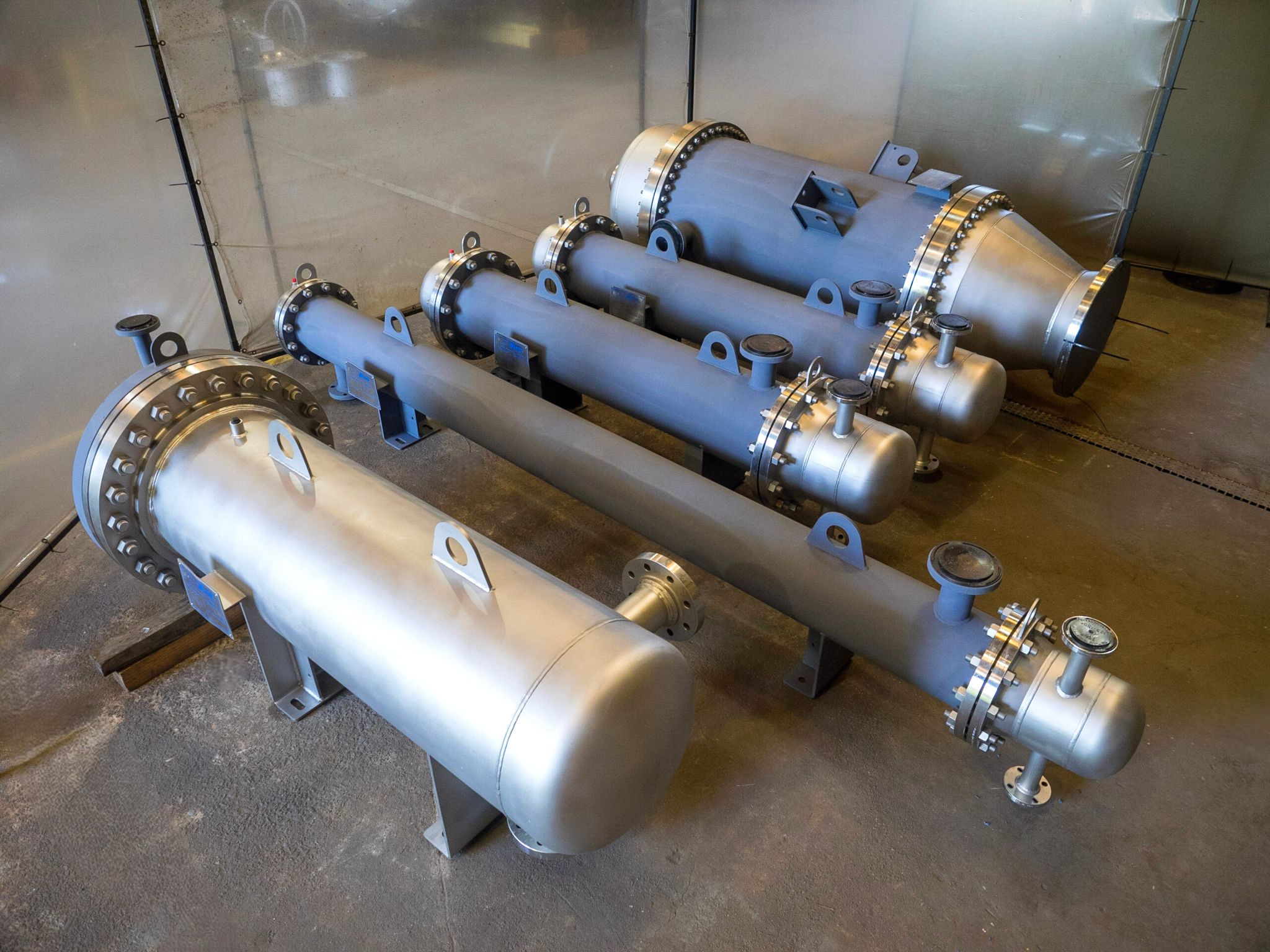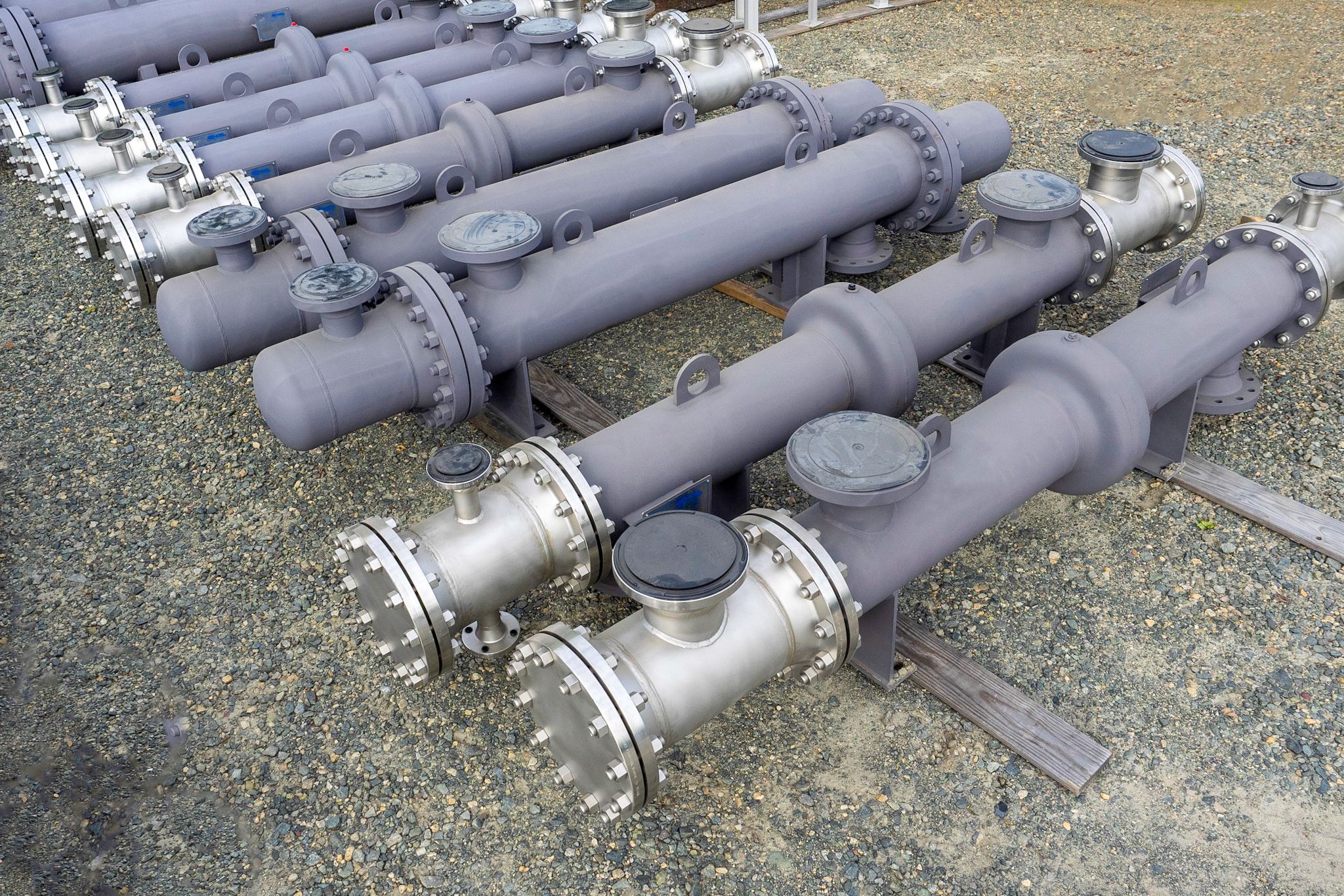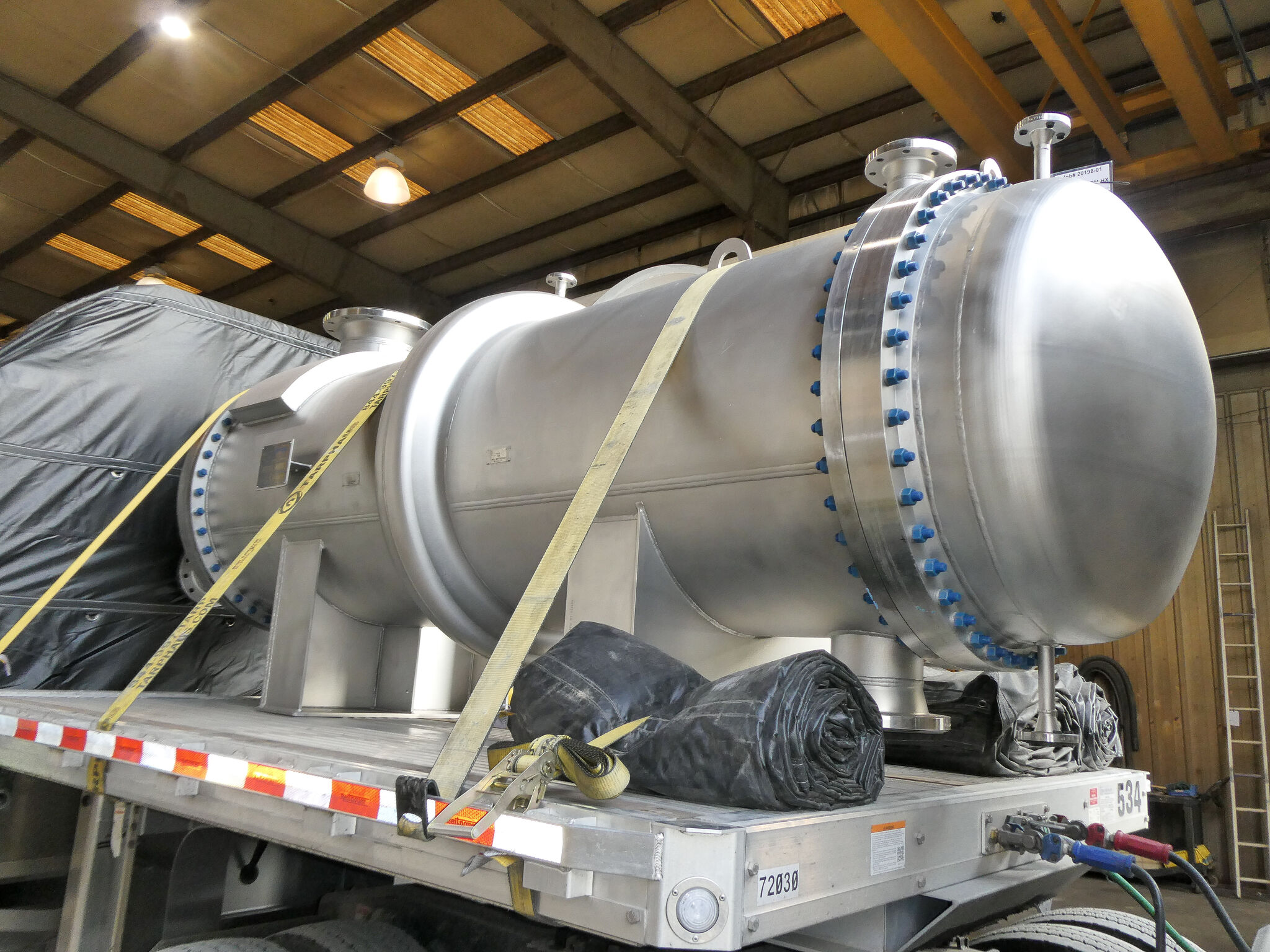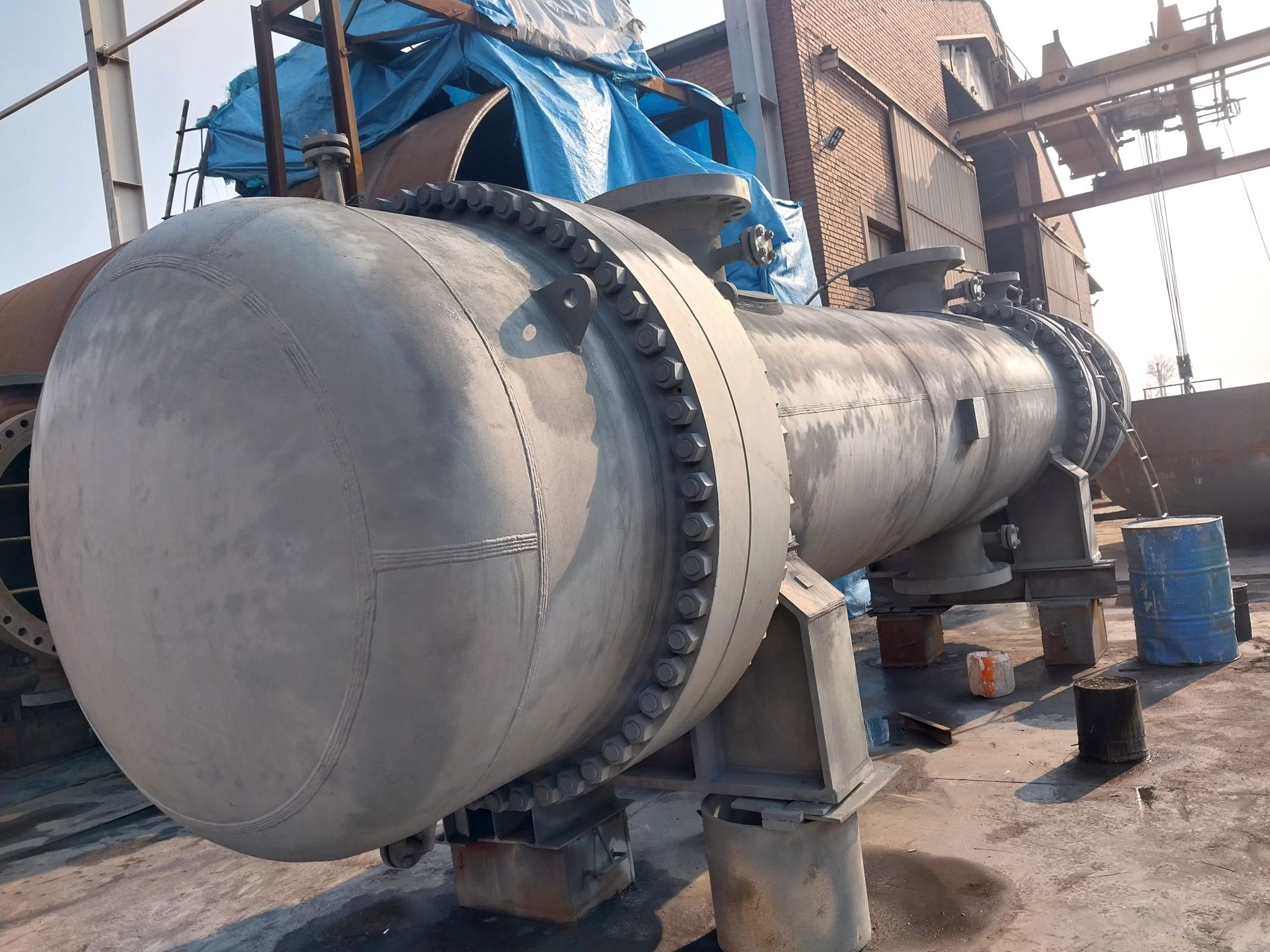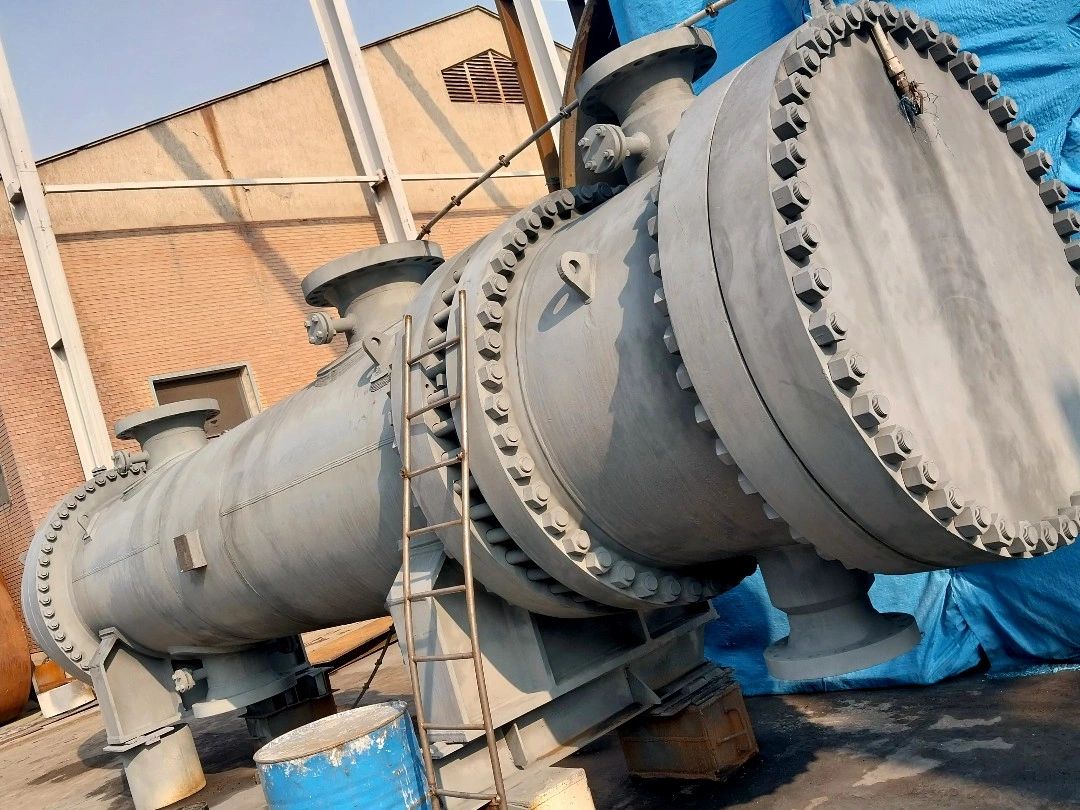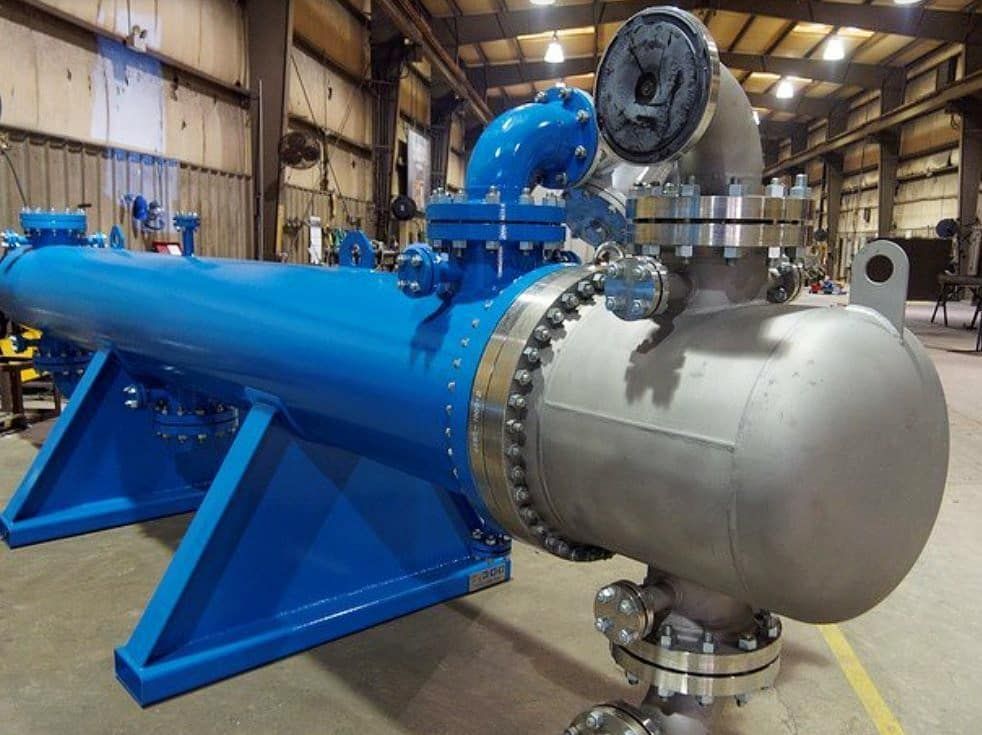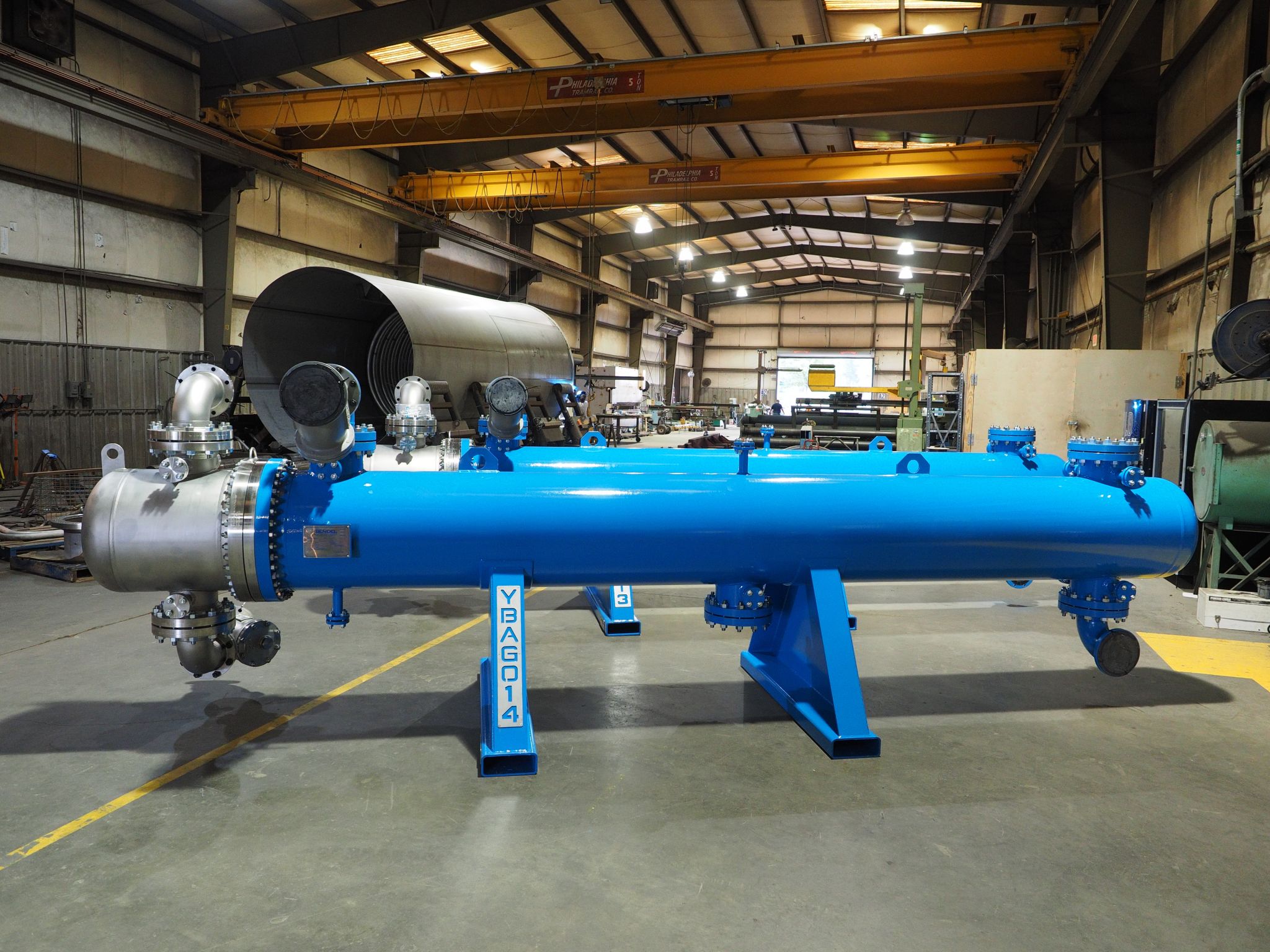
Surface Heat Exchanger Fin Cooler

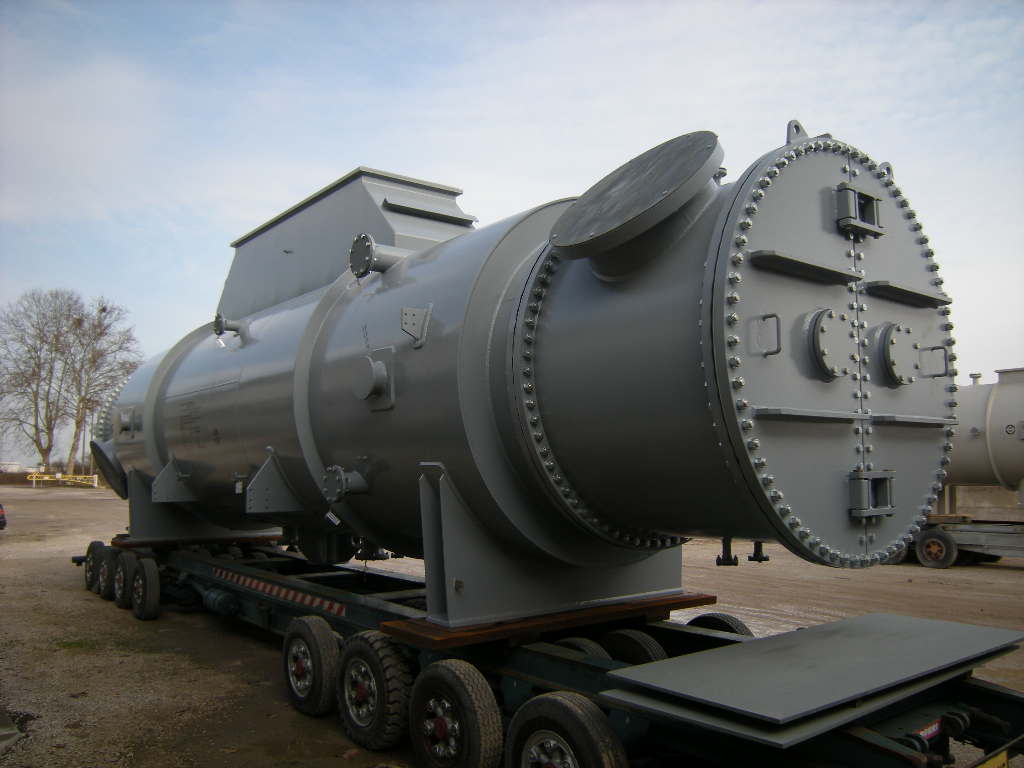
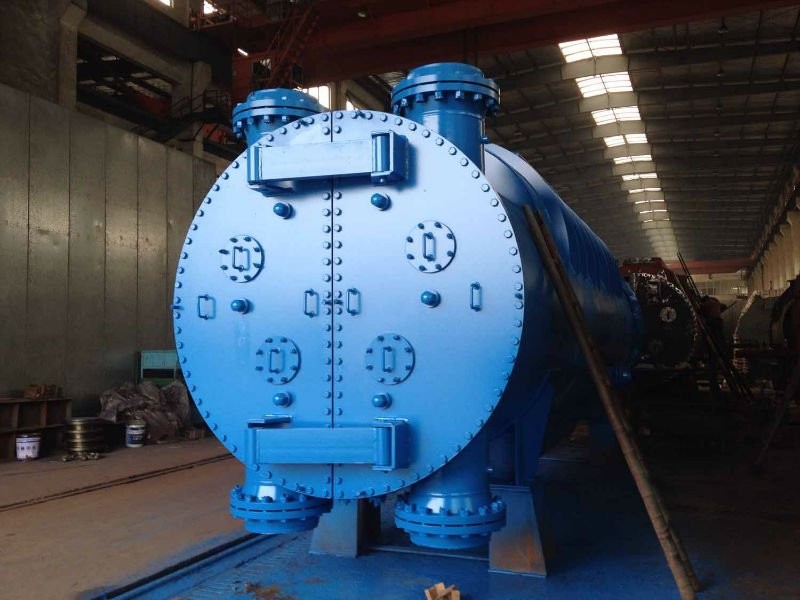
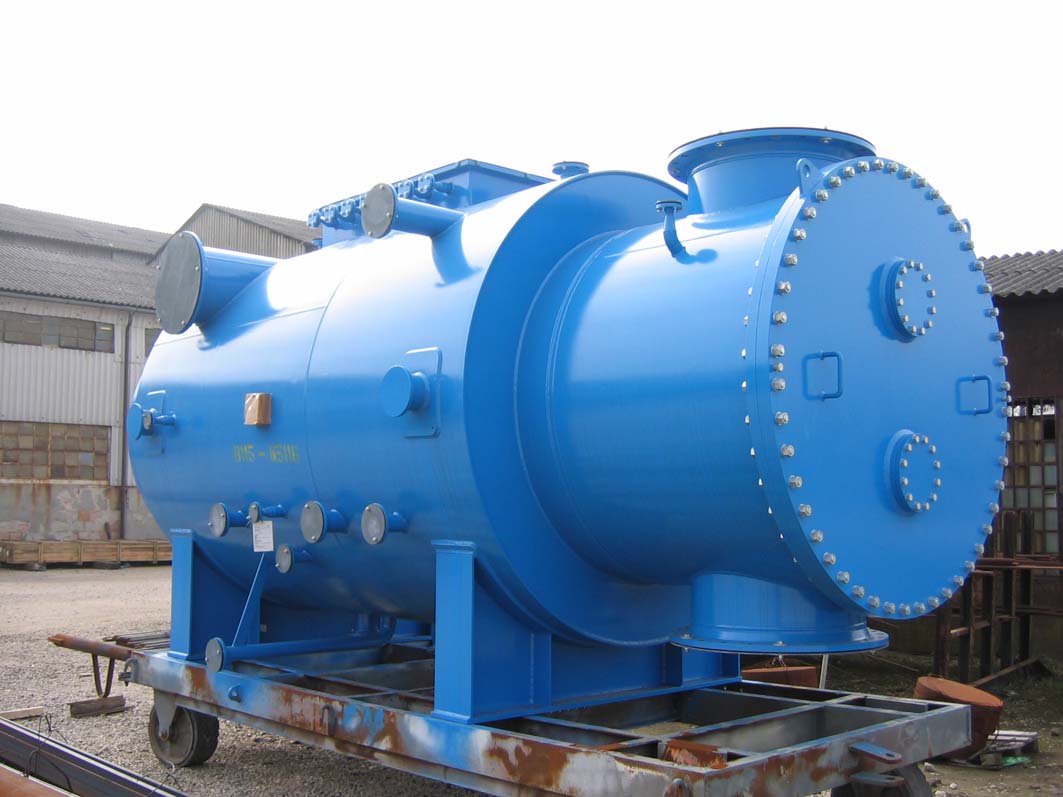
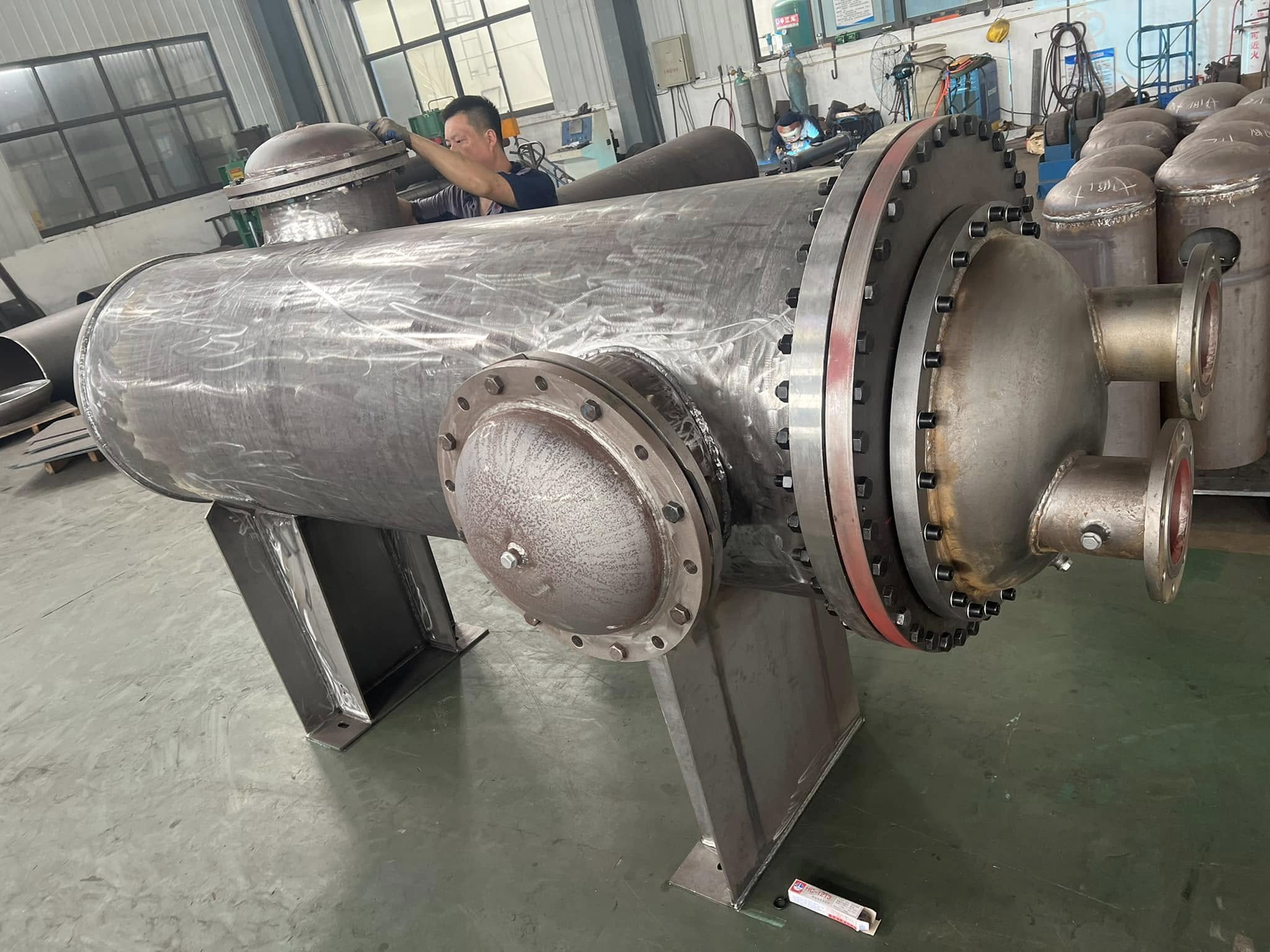
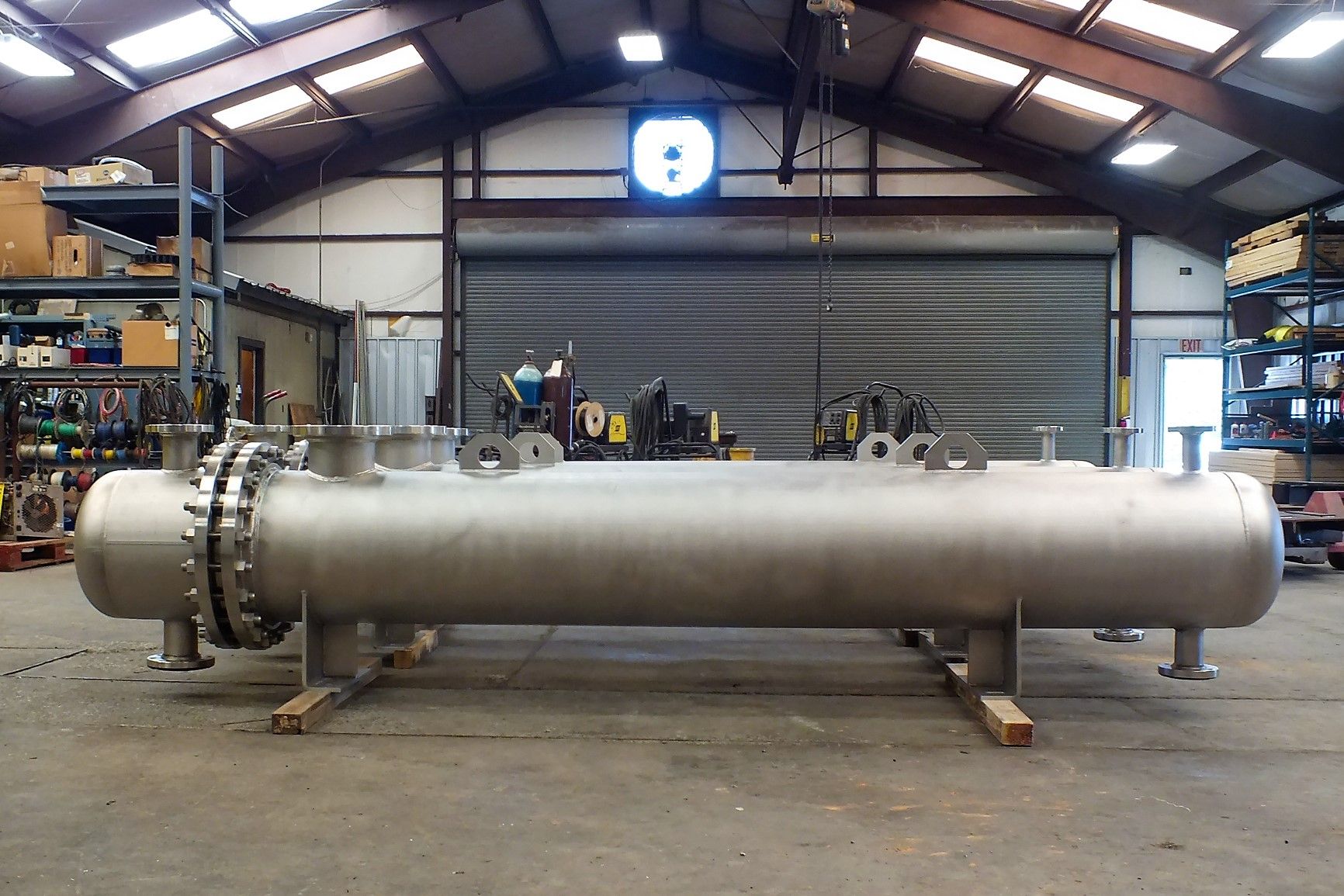
Shell and Tube Heat Exchanger Manufacturer in Angola

Use of Shell and Tube Heat Exchanger in Oil & Gas / Petrochemical industry Chemical synthesis (reactor heating/cooling).

Shell and Tube Heat Exchanger Manufacturer in Angola

Use of Shell and Tube Heat Exchanger in Oil & Gas / Petrochemical industry Chemical synthesis (reactor heating/cooling

Shell and Tube Heat Exchanger Manufacturer in Kenya

Shell and tube heat exchangers are widely used in the food industry due to their efficiency, durability, and versatility. Here are ten key points about their use: 1. Pasteurization 2. Sterilization 3. Cooling Applications 4. Energy Efficiency 5. Sanitary Design 6. Versatility 7. Chocolate and Fat Processing...

Shell and Tube Heat Exchanger Manufacturer in Morocco

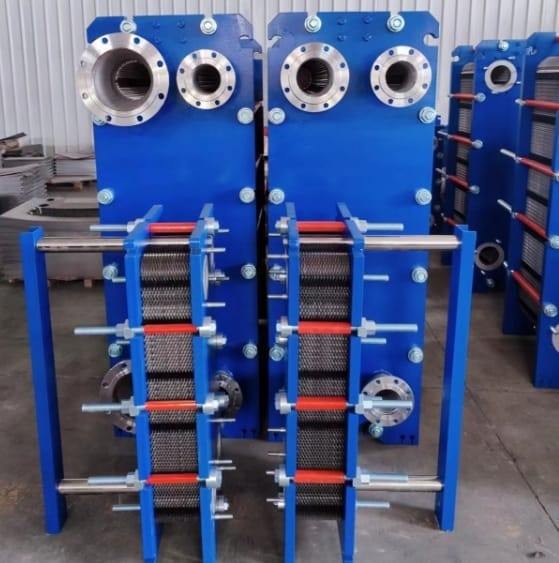
Shell and Tube Heat Exchanger vs. Plate Heat Exchanger: Key Differences Choosing between a shell and tube (STHE) and a plate heat exchanger (PHE) depends on application requirements, operating conditions, and cost. Below is a detailed comparison: 1. Design & Construction Feature Shell and Tube (STHE) Plate Heat...
Shell and Tube Heat Exchanger Manufacturer in Ethiopia

Effect of Fouling Factor in Heat Exchangers The fouling factor (or fouling resistance, Râ‚“) quantifies the reduction in heat transfer efficiency due to the accumulation of unwanted deposits (scale, sludge, corrosion, biofilms) on heat exchanger surfaces. It significantly impacts performance, energy costs, and...

Shell and Tube Heat Exchanger Manufacturer in Algeria

Effect of Flow Velocity in Shell and Tube Heat Exchangers   Flow velocity plays a critical role in the heat transfer efficiency, pressure drop, fouling, and mechanical integrity of a shell and tube heat exchanger. Below is a detailed breakdown of its effects: 1. Heat Transfer Efficiency Higher Velocity → Better Heat...

Shell and Tube Heat Exchanger Manufacturer in South Africa

Fixed Tube sheet vs. Floating Head Heat Exchanger: Key Differences When choosing between a fixed Tube sheet and a floating head design for a shell and tube heat exchanger, the decision depends on thermal expansion, maintenance needs, pressure/temperature conditions, and cost. Below is a detailed comparison: 1. Basic Design...

Shell and Tube Heat Exchanger Manufacturer in Yemen

Copper Tubes vs. Stainless Steel Tubes in Heat Exchangers When selecting between copper and stainless steel (SS) tubes for a shell and tube heat exchanger, key factors include thermal conductivity, corrosion resistance, cost, and application requirements. Below is a detailed comparison: 1. Thermal Conductivity Material...

Shell and Tube Heat Exchanger Manufacturer in United Arab Emirates

Suitable Materials for Shell and Tube Heat Exchangers in the Food Industry The food industry requires materials that are:Corrosion-resistant (to withstand cleaning chemicals like CIP solutions).Non-toxic & FDA-compliant (no leaching of harmful substances).Smooth & non-porous (to prevent bacterial growth, easy to...

Shell and Tube Heat Exchanger Manufacturer in Sudan

Different Types of TEMA Classes for Shell and Tube Heat Exchangers The Tubular Exchanger Manufacturers Association (TEMA) classifies shell and tube heat exchangers into three main designations based on service conditions, mechanical robustness, and industry requirements: 1. TEMA Class R – Refinery & Severe Service...

Shell and Tube Heat Exchanger Manufacturer in Saudi Arabia

The Code of Construction for Shell and Tube Heat Exchangers (STHE) is governed by international and national standards to ensure safety, reliability, and performance. Below are the key codes and standards used in their design, fabrication, and testing: 1. ASME (American Society of Mechanical Engineers) – Most Widely Used...

Shell and Tube Heat Exchanger Manufacturer in Qatar

Advantages of Shell and Tube Heat Exchangers (STHE) Shell and Tube Heat Exchangers are among the most widely used heat exchangers in industries due to their robust design, versatility, and efficiency. Here are their key advantages: 1. High Pressure & Temperature Resistance 2. Suitable for a Wide Range of Fluids 3. Robust &...

Shell and Tube Heat Exchanger Manufacturer in Oman

In Shell and Tube Heat Exchangers (STHE), the tube material is selected based on corrosion resistance, thermal conductivity, mechanical strength, and cost. Below are the most commonly used tube materials, along with their key properties and applications: 1. Carbon Steel (CS) Tubes 2. Stainless Steel (SS) Tubes 3. Copper...

Shell and Tube Heat Exchanger Manufacturer in Lebanon

Material of Construction (MOC) of Shell and Tube Heat Exchanger Shell and Tube Heat Exchanger (STHE) MOC depends on factors like: Common Materials Used in STHE Components 1. Shell Material Nickel Alloys (Inconel 625, Hastelloy C276) â€“ Extreme corrosion/heat resistance (chemical processing 2. Tube Material 3. Tube Sheet...

Shell and Tube Heat Exchanger Manufacturer in Kuwait

Common Applications Shell and Tube Heat Exchanger Marine & industrial cooling systems

Shell and Tube Heat Exchanger Manufacturer in Jordan

Working Principle of Shell and Tube Heat Exchanger Advantages of Shell and Tube Heat Exchanger

Shell and Tube Heat Exchanger Manufacturer in Iraq

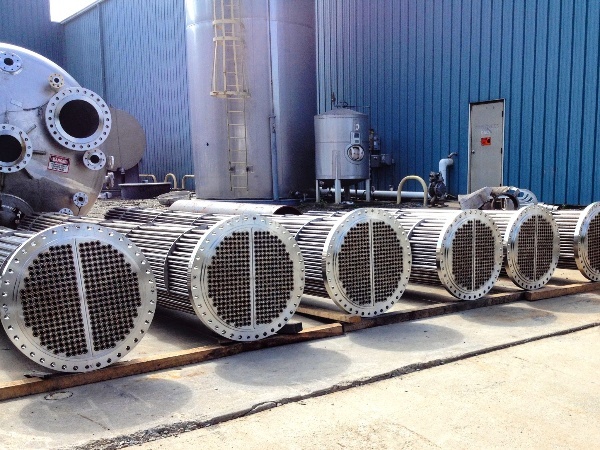
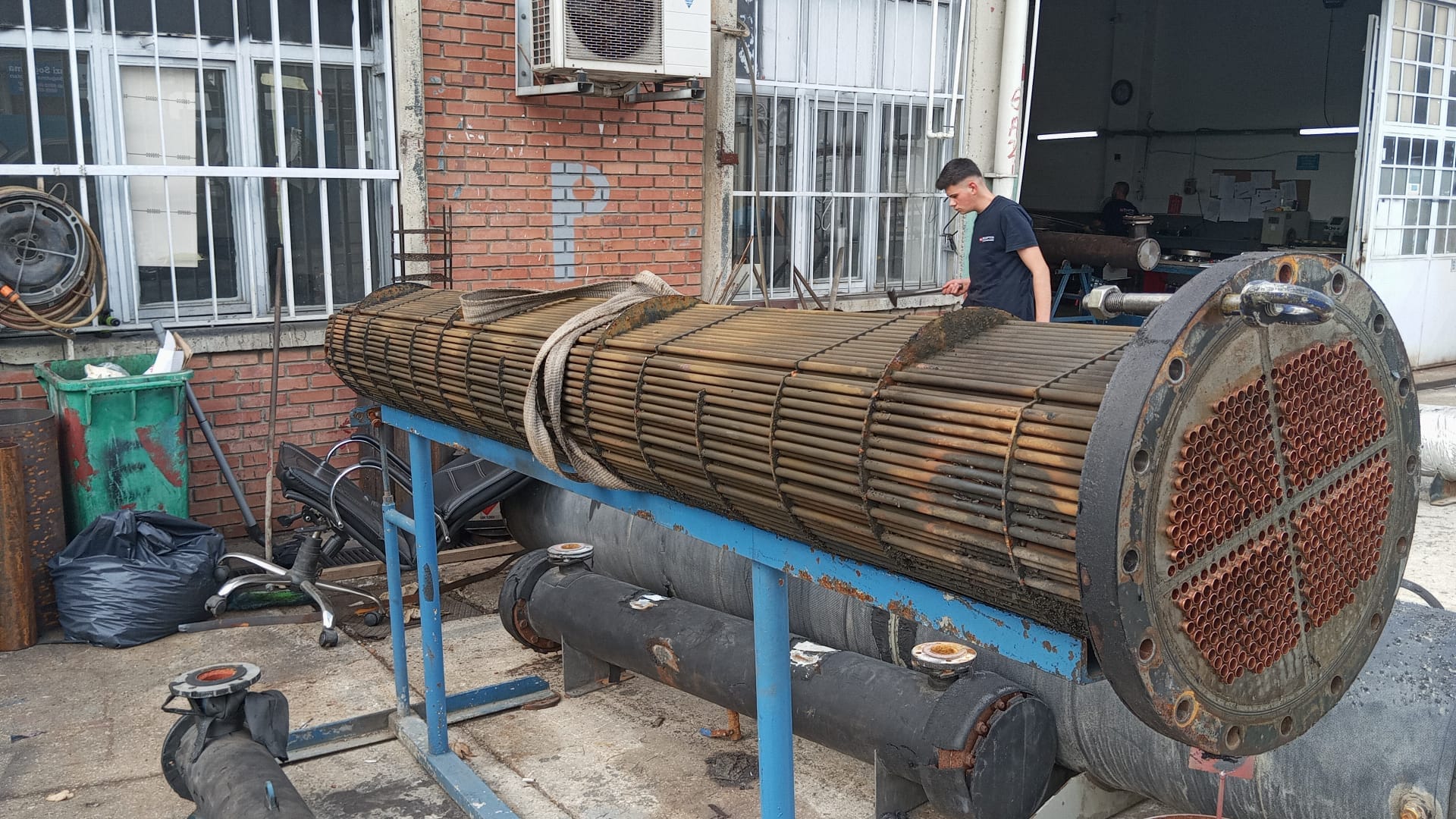
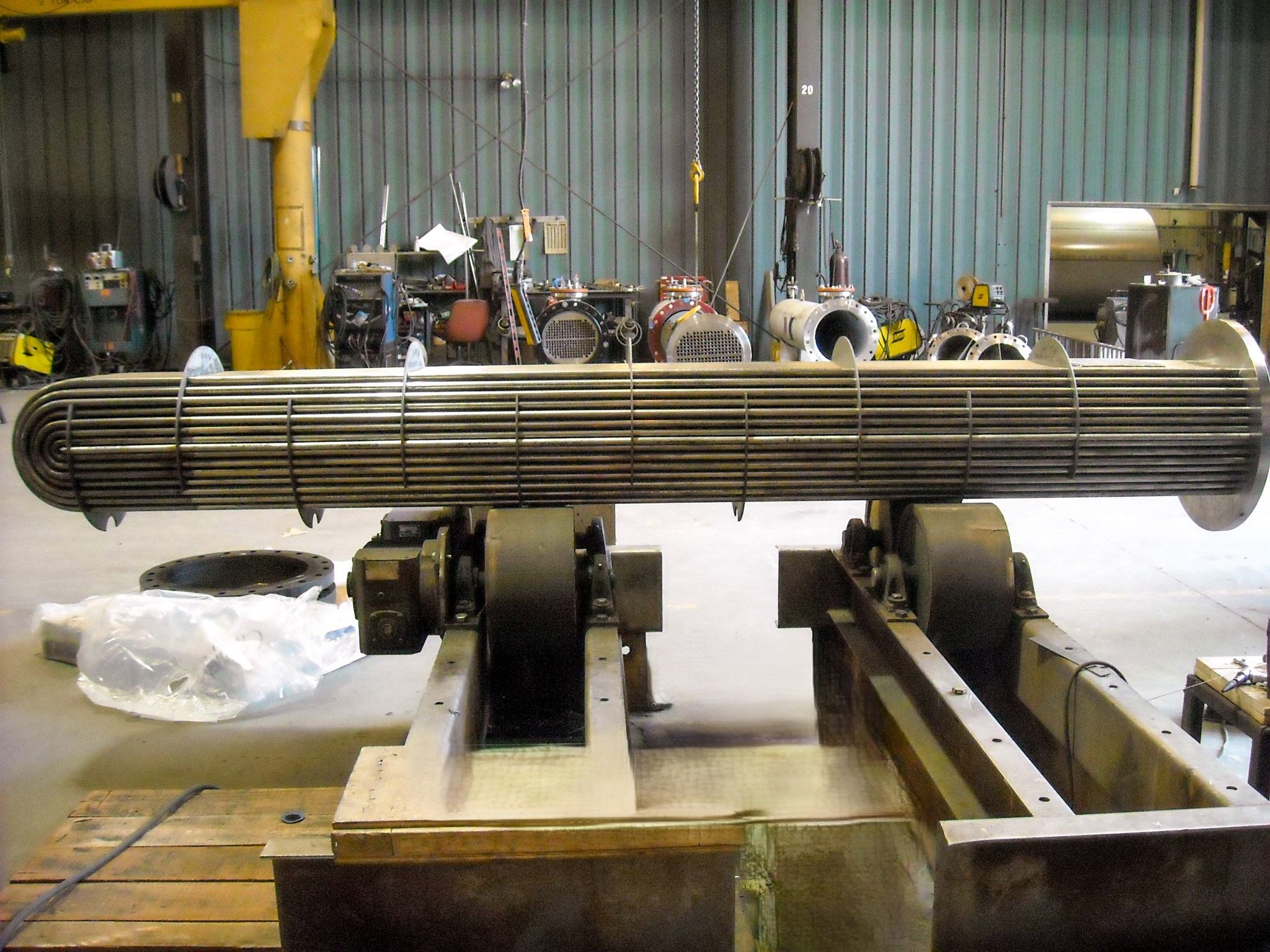
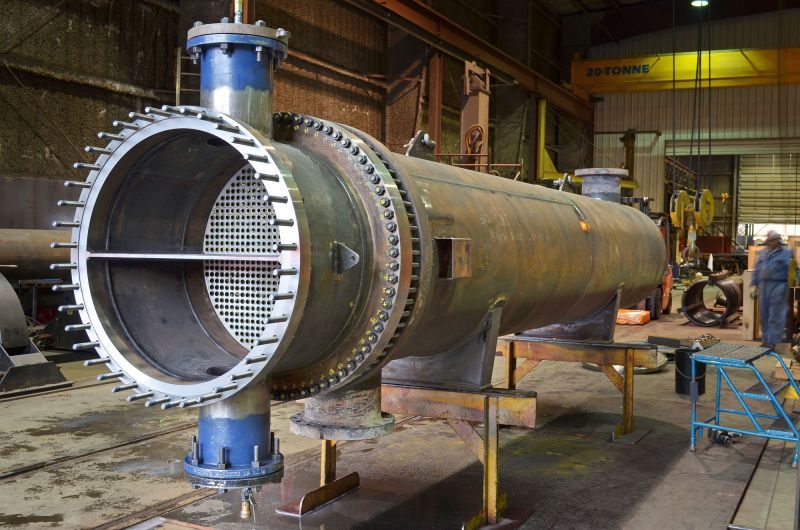
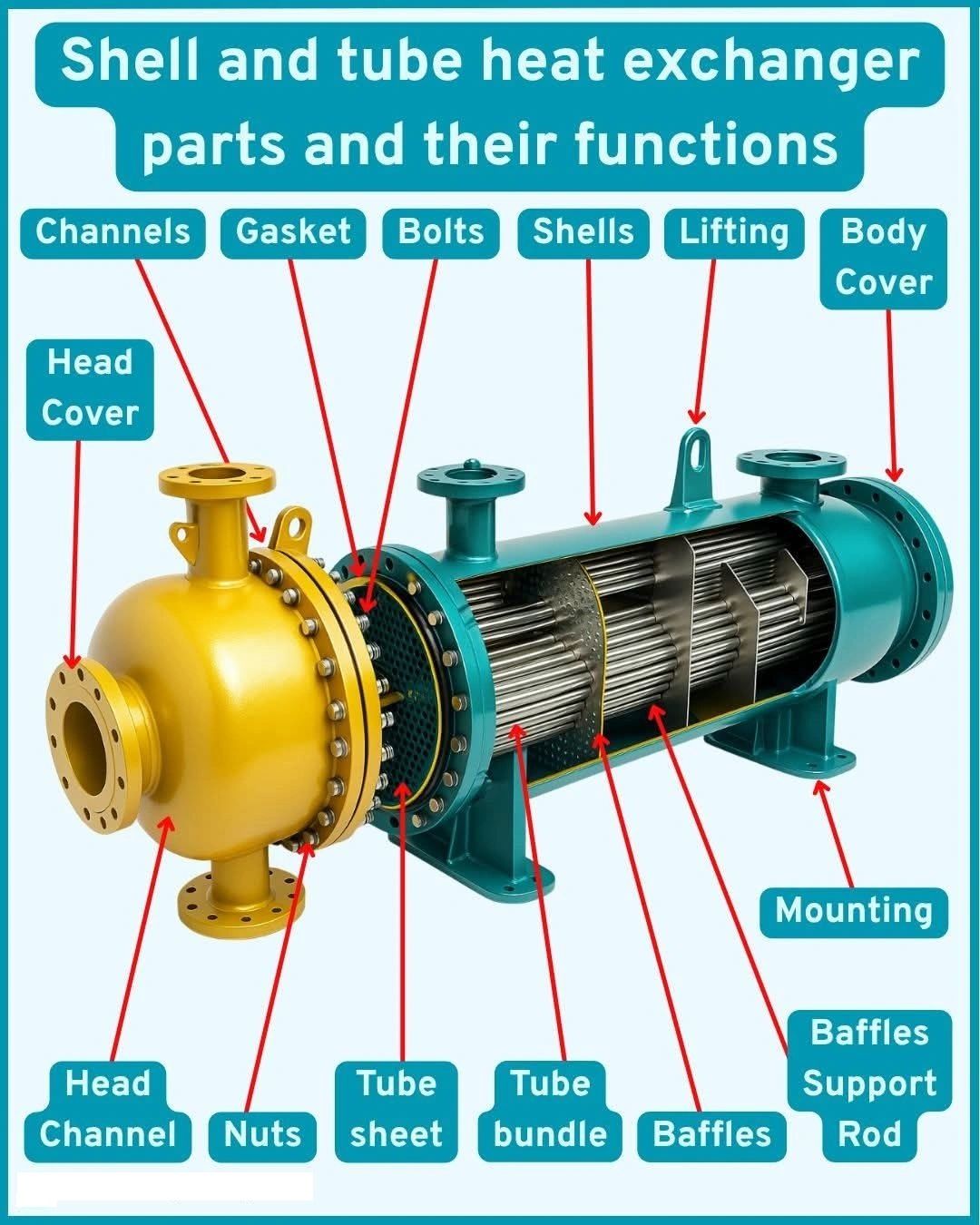
Components of a Shell and Tube Heat Exchanger

Shell and Tube Heat Exchanger Manufacturer in Djibouti

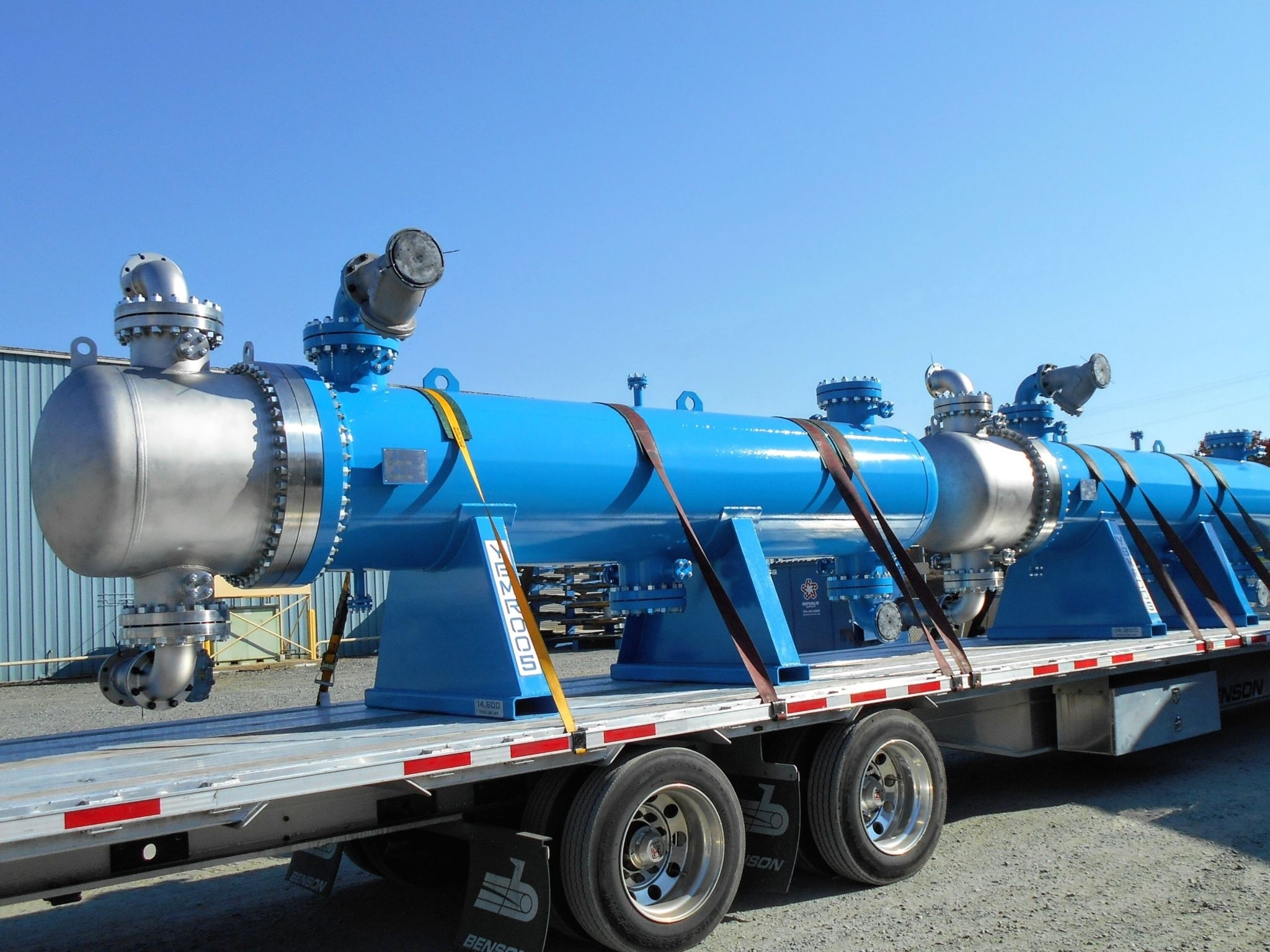
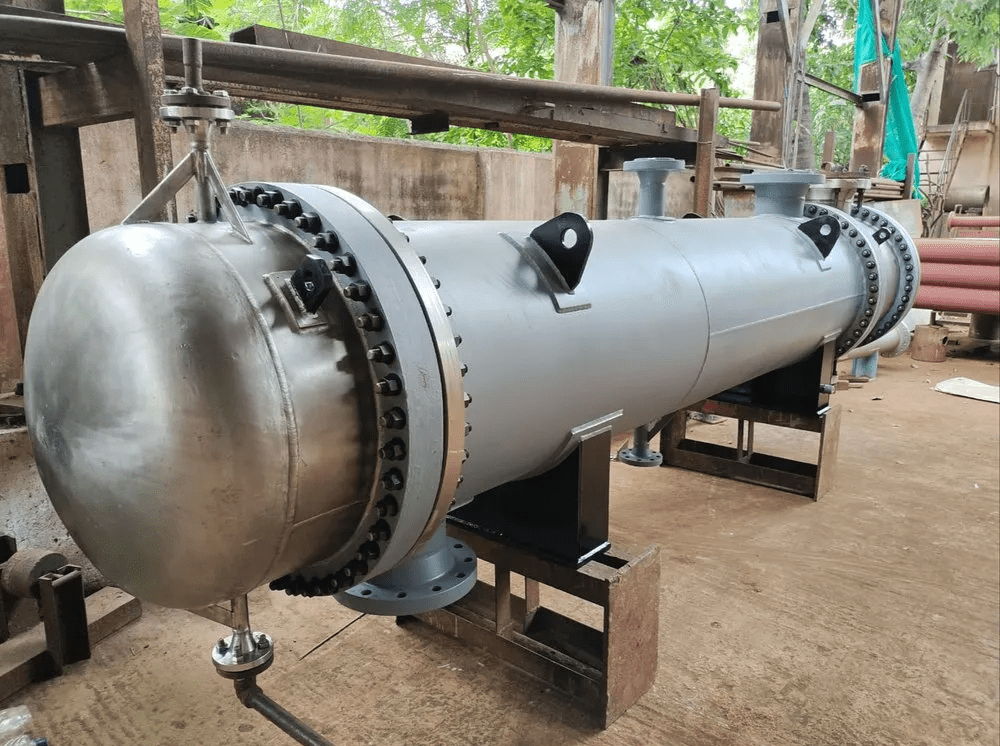
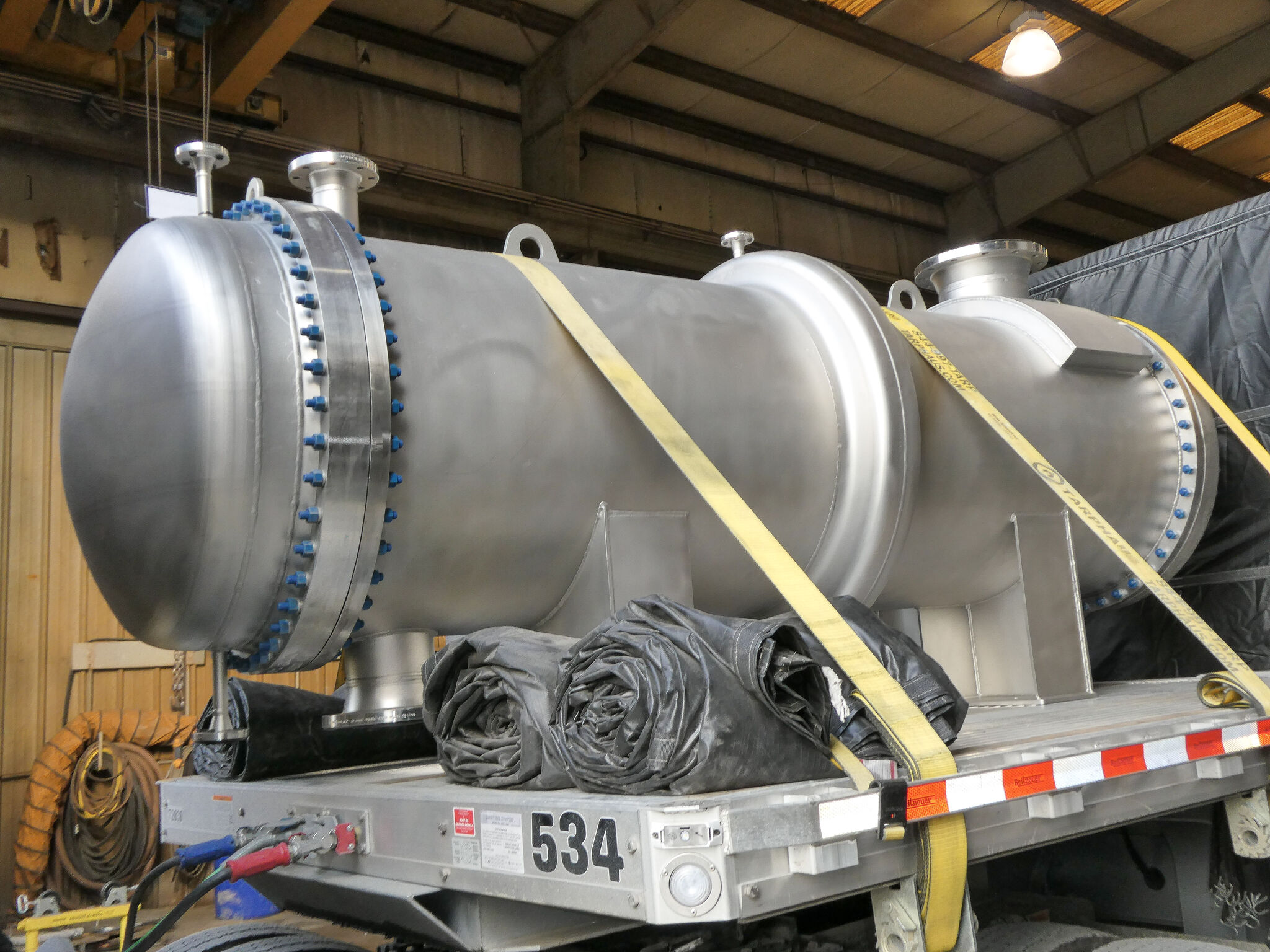
A Shell and Tube Heat Exchanger (STHE) is one of the most widely used types of heat exchangers in industrial applications. It consists of a shell (a large pressure vessel) with a bundle of tubes inside it. One fluid flows through the tubes (tube side), while another fluid flows outside the tubes but inside the shell (shell side), allowing...

Shell and Tube Heat Exchanger Manufacturer in Bahrain

Types Of Heat Exchangers  1. Based on Construction & Design 2. Based on Flow Arrangement 3. Based on Heat Transfer Mechanism 4. Specialized Types Pillow Plate Heat Exchanger

Shell and Tube Heat Exchanger Manufacturer in India

A heat exchanger is a device used to transfer heat between two or more fluids (liquids or gases) without them mixing. It’s widely used in engineering applications where heating or cooling is required, such as in power plants, chemical processing, refrigeration, and HVAC systems. How It Works Heat flows from the hotter fluid to the […]

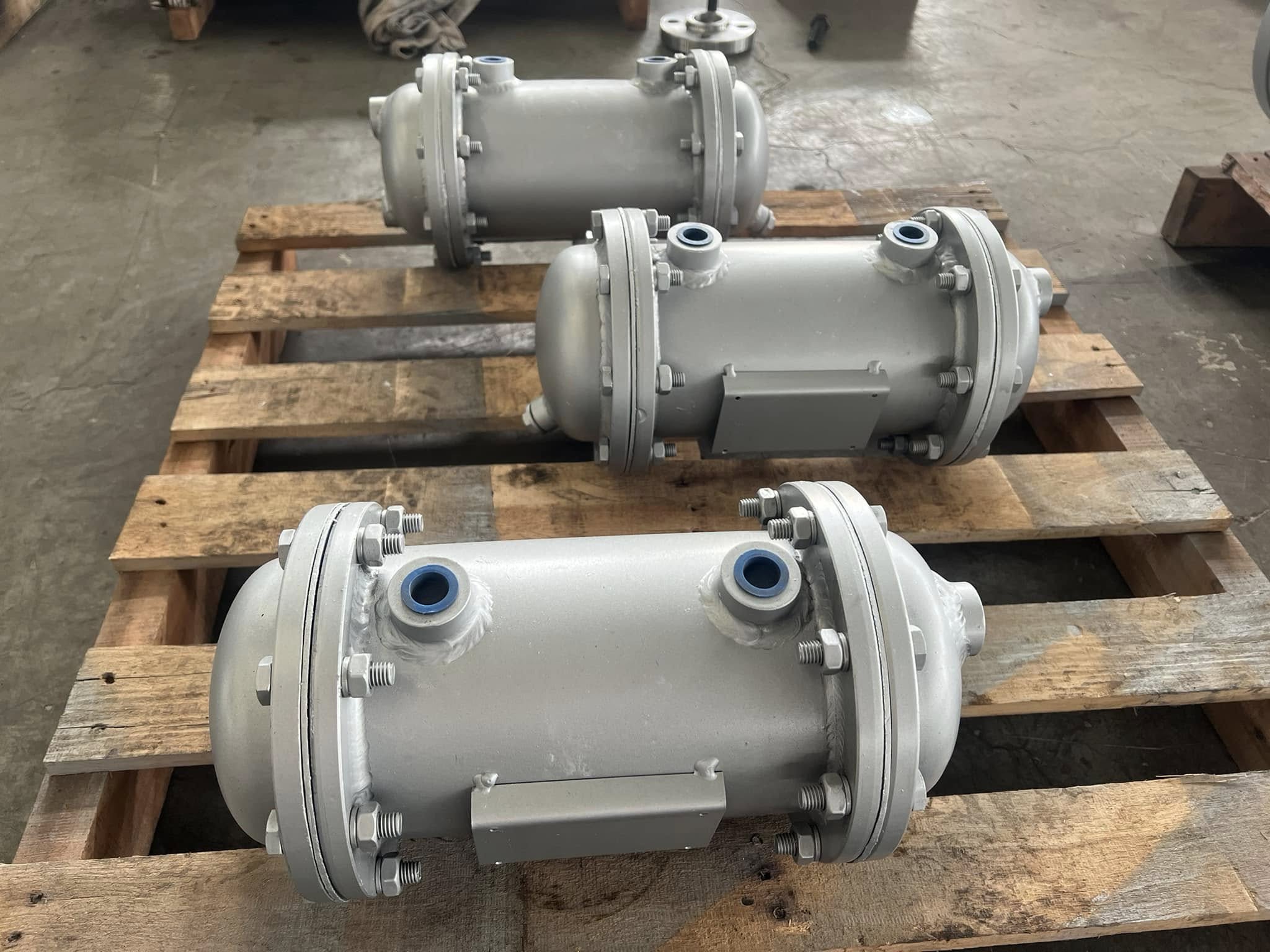
Oil Cooler Manufacturer in Zambia

Why Aluminum Brass Tubes Are Used in Marine Oil Coolers Aluminum brass (CuZn20Al, UNS C68700) is a copper alloy specifically engineered for marine and seawater cooling applications. It is widely used in shell-and-tube oil coolers for ships, offshore platforms, and desalination plants due to its unique...

Oil Cooler Manufacturer in Tunisia

Copper Tube vs. Stainless Steel Tube Oil Coolers: When choosing between copper and stainless steel (SS) tubes for an oil cooler, factors like thermal efficiency, corrosion resistance, durability, and cost play a crucial role. Below is a detailed comparison: 1. Thermal Conductivity & Heat Transfer Efficiency  ...

Oil Cooler Manufacturer in Ghana

Materials Used in Shell & Tube Oil Cooler Tubes The tubes in a shell and tube oil cooler are critical for heat transfer efficiency, corrosion resistance, and durability. The choice of material depends on factors like fluid compatibility, temperature, pressure, and cost. Below are the most common materials used: 1....

Oil Cooler Manufacturer in Ethiopia

When is a Hydraulic Oil Cooler Necessary? Signs Your Hydraulic System Needs a Cooler Increased noise or leaks from seals/hoses.

Oil Cooler Manufacturer in Algeria

An oil cooler (or hydraulic cooler) in a hydraulic power pack is essential for maintaining optimal system performance and reliability. Its primary functions include: 1. Temperature Control 2. Preventing Oil Degradation 3. Maintaining System Efficiency 5. Preventing Overheating & System Failure

Oil Cooler Manufacturer in Morocco

Types of Hydraulic Oil Coolers When is a Hydraulic Oil Cooler Necessary?

Oil Cooler Manufacturer in Zimbabwe

The oil cooler in an engine serves a critical purpose in maintaining optimal engine performance and longevity. Its primary functions are: 1. Cooling the Engine Oil 2. Maintaining Oil Viscosity 3. Preventing Engine Overheating 4 Extending Oil Life 5. Protecting Turbocharged Engines 6. Enhancing Performance & Efficiency Types of Oil...

Oil Cooler Manufacturer in Zambia

Application of Oil Cooler in Industry 1.Construction 2.Agriculture Machinery 3.Mobile portable Vehicles 4.Steel plants 5.Sugar Plants 6.Cement Plants 7.Crushers 8.Power plants 9.Plastic injection moulding machines 10.Gear Boxes 11.Lubrication System 12.Hydraulic power pack and press 13.Machine Tool 14.Paper Mill 15.Textile Industry 16.Railways 17....

Oil Cooler Manufacturer in Tanzania

Tipo Heat Exchangers is one of the Leading Manufacturer and Supplier of All Type of oil cooler in India and supplying all over the World

Oil Cooler Manufacturer in South Africa

When to Choose a Shell & Tube Oil Cooler? When to Use an Air-Cooled Oil Cooler? Critical Considerations Final Verdict Shell & tube oil coolers win in: Air-cooled oil coolers win in: Lower upfront cost

Oil Cooler Manufacturer in Nigeria

Shell and Tube Oil Coolers vs. Air-Cooled Oil Coolers, Here’s a detailed comparison of Shell and Tube Oil Coolers vs. Air-Cooled Oil Coolers, highlighting the advantages of shell and tube designs in industrial and marine applications: Key Advantages of Shell & Tube Oil Coolers Over Air-Cooled Coolers Factor...

Oil Cooler Manufacturer in Yemen Kenya

Maintaining a shell and tube oil cooler in marine or industrial applications is crucial for efficient heat transfer, preventing leaks, and avoiding costly downtime. Below is a comprehensive maintenance checklist: 1. Routine Inspection & Monitoring 2. Cleaning Procedures A. Tube Side (Coolant Side – Usually...

Oil Cooler Manufacturer in United Arab Emirates

For a shell and tube marine oil cooler, material selection is critical due to seawater corrosion, fouling, and high mechanical stresses. Below are the recommended materials for different components: 1. Shell (Oil Side) 2. Tubes (Cooling Medium Side – Usually Seawater)

Oil Cooler Manufacturer in Sudan

A marine oil cooler is a type of heat exchanger specifically designed for use in marine (shipboard) applications to cool lubricating oil, hydraulic oil, or gear oil in engines, gearboxes, and other machinery. Since marine environments are highly corrosive due to saltwater exposure, these coolers are built to...

Oil Cooler Manufacturer in Saudi Arabia

The material of construction (MOC) for a water-cooled oil cooler depends on factors like the type of oil, operating temperature, pressure, and corrosion resistance requirements. Common materials include: 1. Shell & Tube Heat Exchanger (Common for Large Oil Coolers)

Oil Cooler Manufacturer in Qatar

Applications of Water-Cooled Oil Coolers Water-cooled oil coolers are widely used in industries and machinery where efficient heat dissipation from oil (lubricating oil, hydraulic oil, or transmission oil) is required. Their ability to handle high heat loads makes them preferable over air-cooled systems in many applications. 1. Industrial Machinery...

Oil Cooler Manufacturer in Oman

The water-cooled oil cooler is a heat exchanger designed to cool oil (hydraulic oil, lubricating oil, etc.) using water as the cooling medium. It is commonly used in industrial machinery, engines, power plants, and hydraulic systems to maintain optimal oil temperature. Working Principle: Applications:

Oil Cooler Manufacturer in Libya

FEATURES OF TIPO OIL COOLER  Whilst cupronickel is the standard tube material on all units, but titanium tube stacks are also available as options to suit customer requirements. For deep underground mining applications, where ambient air temperatures are high, Bowman offer a range of oil coolers suitable for use with water pressures up to 35...

Oil Cooler Manufacturer in Lebanon

Application of oil Cooler Premium quality heat exchangers and oil coolers for precise temperature control of engines under test cell development conditions. Recovering waste heat energy from engine powered generating sets for biogas, diesel and natural gas applications up to 1 MW. Efficient cooling for stationary / land-based engines where air...

Oil Cooler Manufacturer in Kuwait

Significance of Hydraulic Oil Coolers Hydraulic oil coolers are designed to maintain the proper temperature of hydraulic oil, ensuring that the system performs optimally. They’re a critical component in the machinery operating in demanding environments, and failure to regulate temperature within the system can lead to worn parts or even...

Oil Cooler Manufacturer in Jordan

How Do Hydraulic Oil Coolers Work? Hydraulic oil coolers are designed to function by providing a temperature difference between two fluids – the hydraulic oil and the ambient air. Take hydraulic oil cooler as an example. Typically, they operate on a heat exchange principle. They work by drawing hot hydraulic oil from an operating system...

Oil Cooler Manufacturer in Egypt

What are Hydraulic Oil Coolers? Hydraulic oil coolers are heat exchangers that are designed to remove excess heat from the hydraulic oil in a system. They are typically made up of a series of tightly packed tubes which are arranged in a manner that facilitates the transfer of heat from the hydraulic oil to the […]

Oil Cooler Manufacturer in Djibouti

Importance of Oil Coolers: Improve performance: Consistent oil temperature ensures optimal engine performance. 

Oil Cooler Manufacturer in Bahrain

Types of Oil Coolers: Typically involve a radiator-like structure with fins for air to pass over.  Use a heat exchanger where hot oil and coolant flow in separate paths, transferring heat through the walls. 

Oil Cooler Manufacturer in India

An oil cooler’s primary function is to remove excess heat from lubricating oil, ensuring it stays within an optimal temperature range for efficient operation and longevity. It works by transferring heat from the hot oil to a cooling medium, either air or a liquid like coolant, which then carries the heat away.

Boiler Economizer Manufacturer in Sudan

A boiler economizer is a heat exchanger that is installed on the stack of a boiler. It is designed to recover heat that would otherwise be wasted. The economizer transfers heat from the flue gases to the boiler feedwater, which helps to preheat the water before it enters the boiler. This reduces the amount of […]

Boiler Economizer Manufacturer in Lebanon

Boiler economizer is a heat exchanger installed on the flue gas stack of a boiler. Its primary function is to capture and utilize heat from the flue gases that would otherwise be wasted. This process enhances the overall energy efficiency of the boiler system. The economizer operates by transferring heat from the hot flue gases […]

Boiler Economizer Manufacturer in Jordon

A boiler economizer is a heat exchanger that recovers waste heat from flue gases to preheat boiler feedwater, thus improving overall boiler efficiency and reducing fuel consumption. It acts as a cost-effective solution for saving energy and money by utilizing the otherwise wasted heat from the boiler’s exhaust. How it works: Hot flue gases...

Boiler Economizer Manufacturer in Bahrain

Boiler Economisers can be classified in various ways depending on the economizer’s function and operation. An economizer can be made pressurized or non-pressurized depending on the required water temperature through it. Thermodyne manufactures both Pressurized Economisers as well as non-pressurized Economisers to suit your needs. Generally, If...

Boiler Economizer Manufacturer in Qatar

The function of the Boiler Economizer The Economizer in Boiler works on the principle of Heat Transfer. Heat transfer usually takes place from high temperature to low temperature. In the case of Boilers, flue gases or exhaust from the boiler outlet are at high temperature and water that needs to be preheated is at low […]
1 7 8 9 13