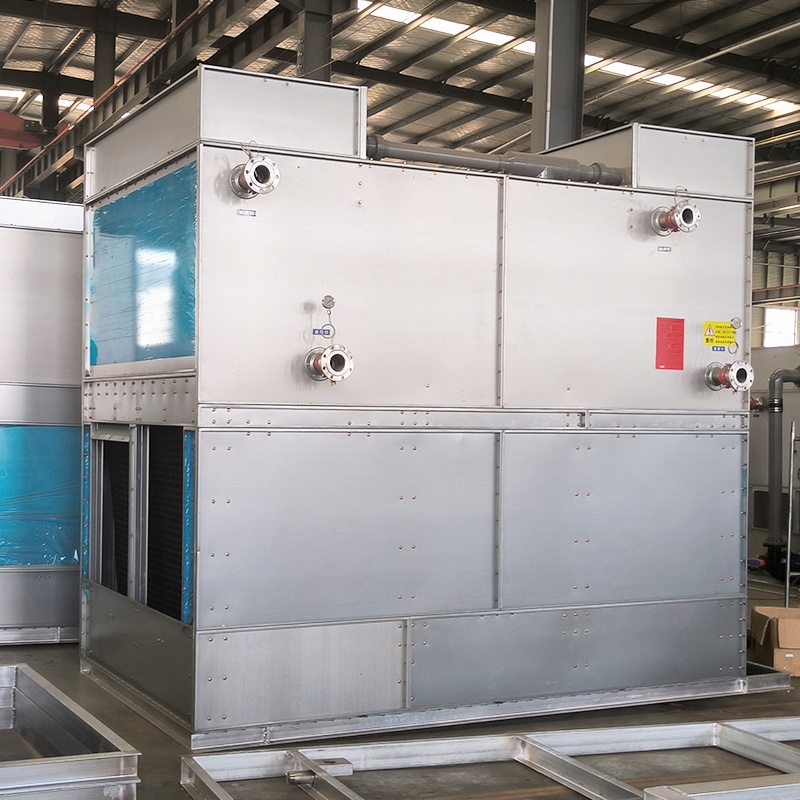
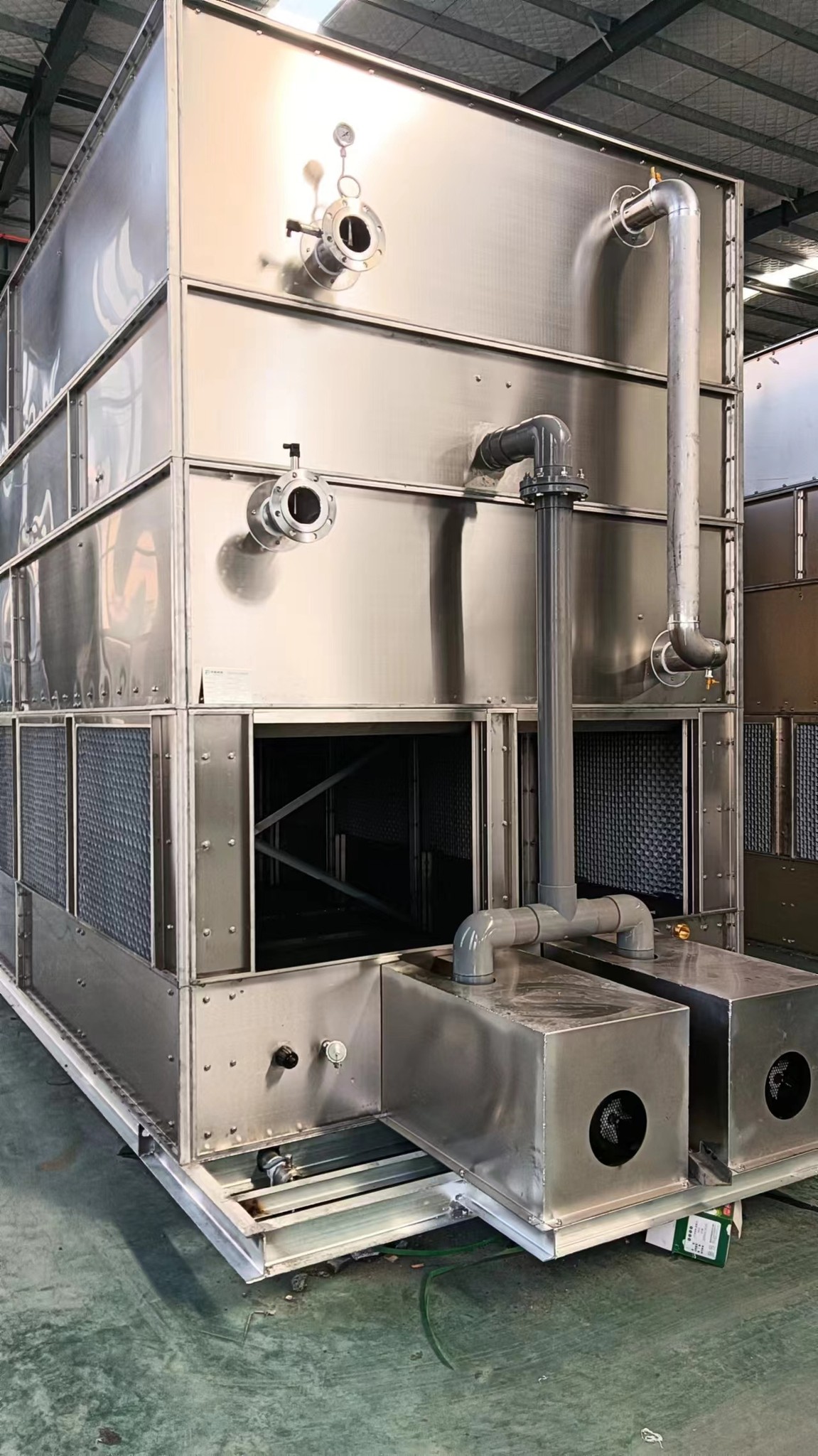
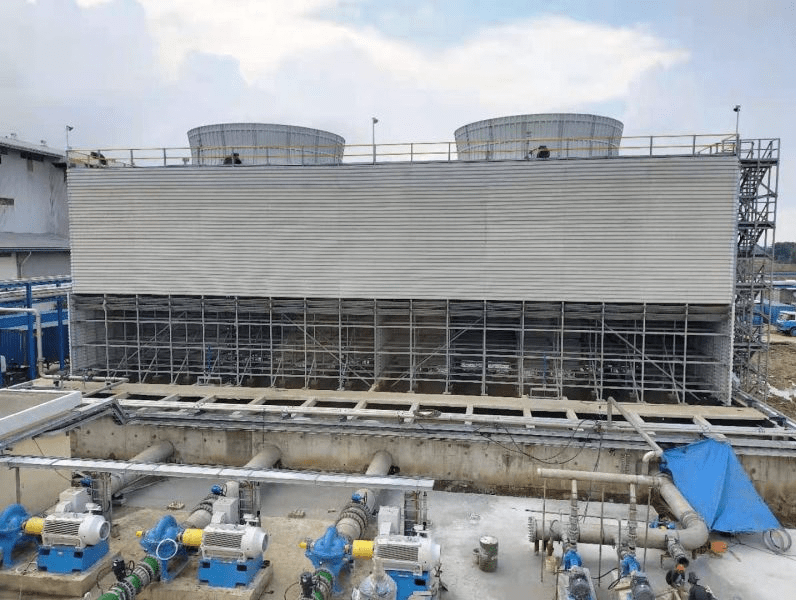
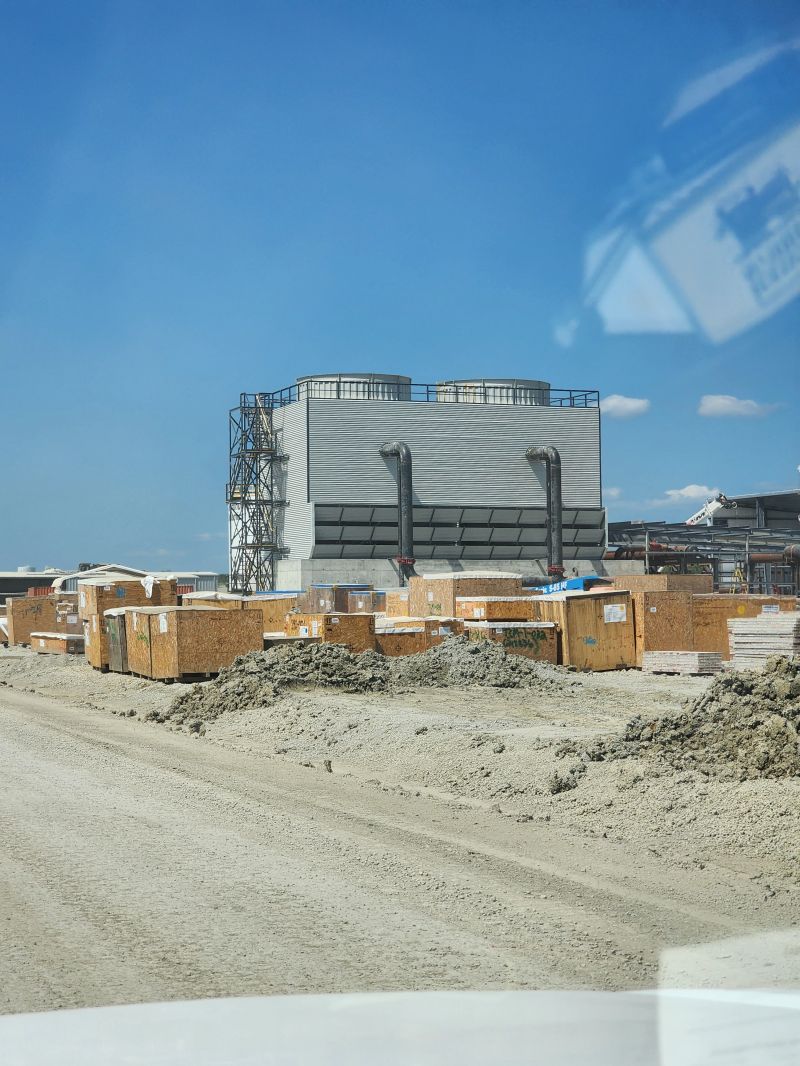
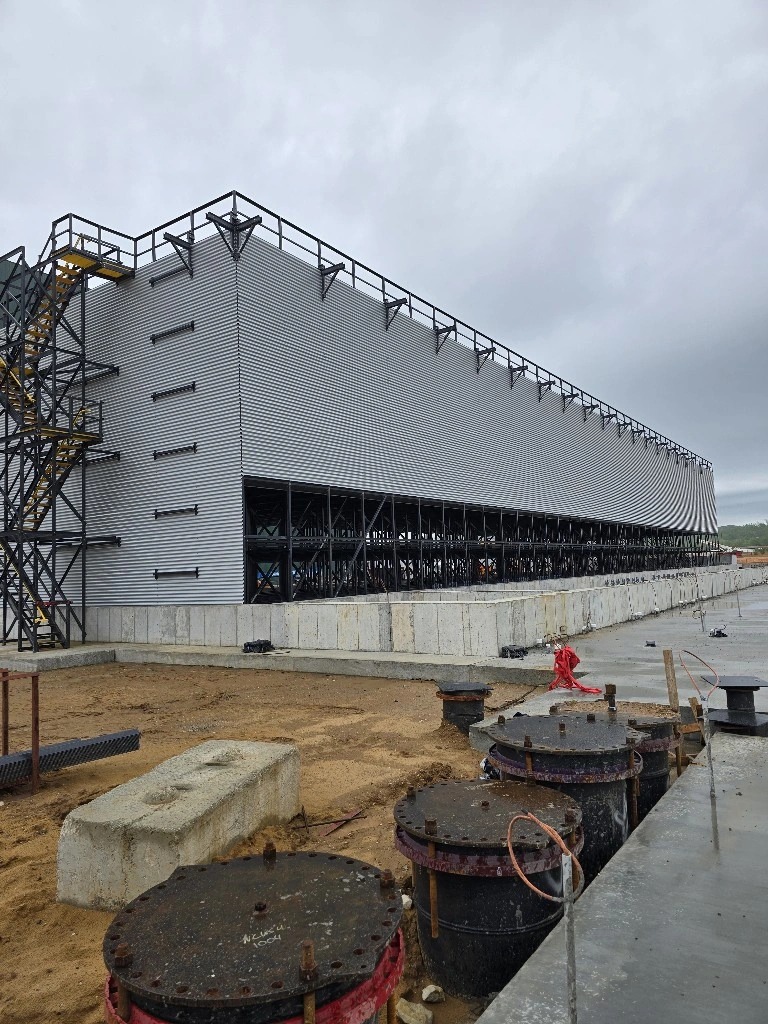
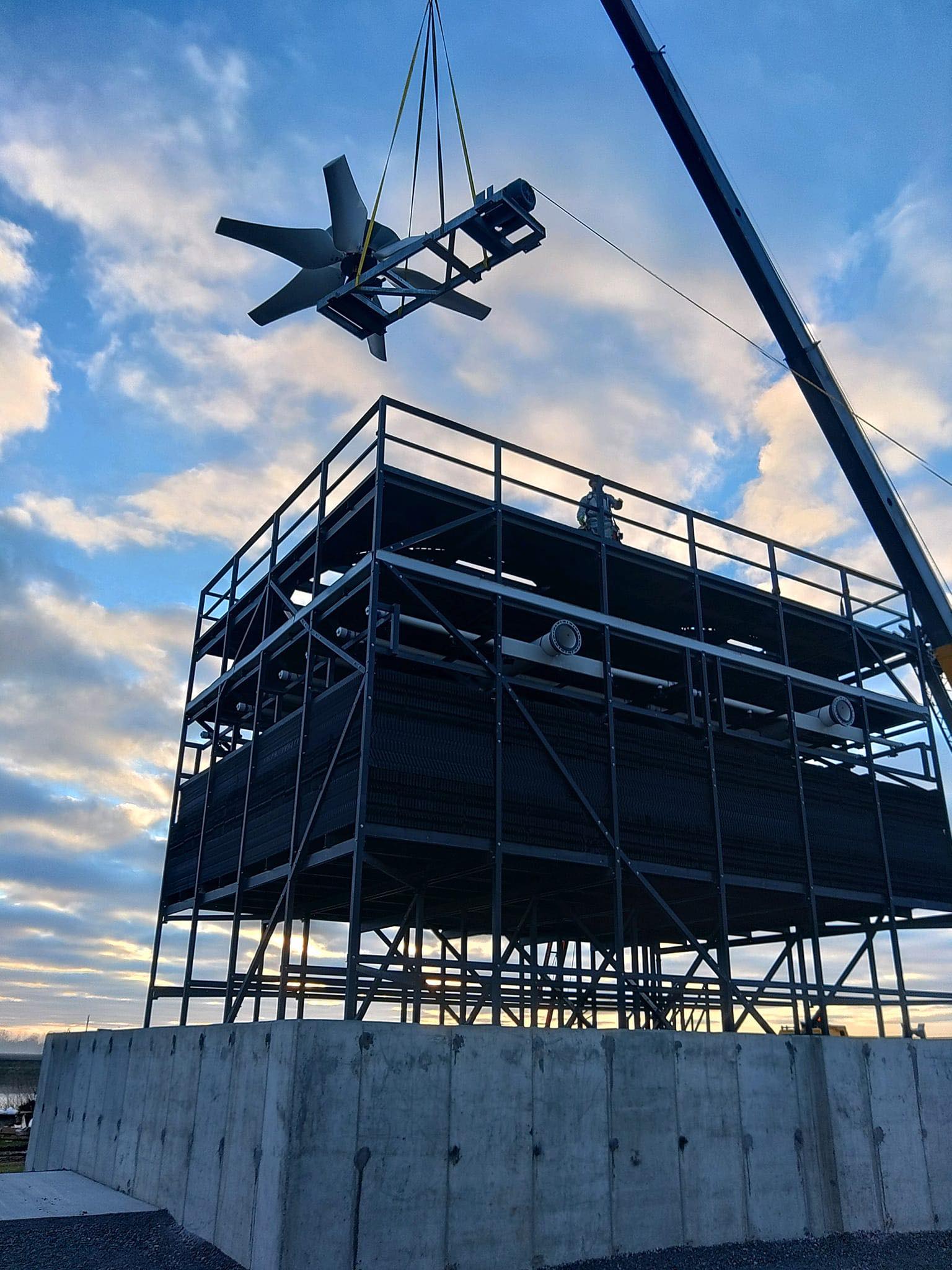
Working principle of Closed-Circuit cooling Tower How It Works: A Two-Circuit System The key to understanding it is that it has two completely separate circuits:
What is Closed Circuit Cooling Tower A Closed Circuit Cooling Tower (also known as an Evaporative Cooler or Fluid Cooler) is a type of heat exchanger that cools down an internal process fluid (like water or a water-glycol mixture) without ever exposing it directly to the outside air or atmosphere. Think of it like the...
Noise control in cooling systems has become a critical factor for modern HVAC solutions, especially in residential, commercial, and industrial settings where excessive noise can disrupt productivity and comfort. Traditional cooling units often generate loud operational sounds from compressors and fans, leading to complaints and potential violations...
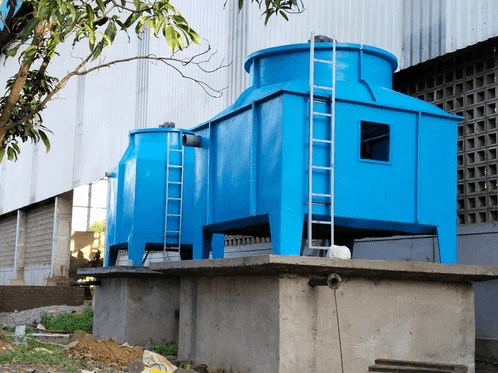
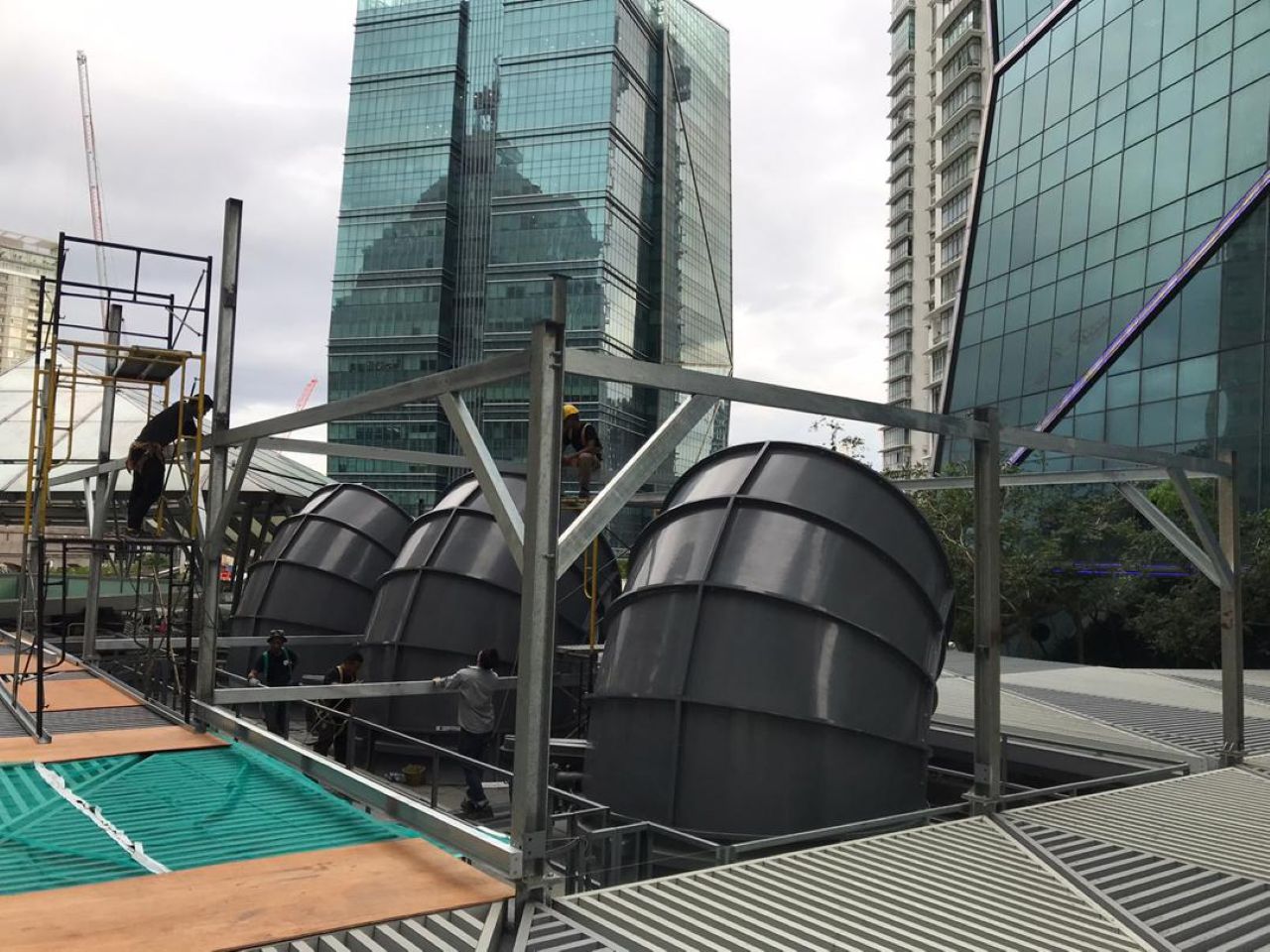
Advantages of FRP Cooling Tower FRP (Fiberglass Reinforced Plastic) Cooling Towers are significant and make them the preferred choice for a wide range of applications, particularly where corrosion, longevity, and low maintenance are priorities. 1. Exceptional Corrosion Resistance (The #1 Advantage) 2. Lightweight yet Extremely Strong 3. Low...
What Parts of the Tower are FRP? In a typical “FRP package tower,” the following are made from FRP: The internal components are usually still made of other highly efficient materials: An FRP cooling tower is a premium, corrosion-resistant, and low-maintenance unit where the main structure is built from molded...
What is meant by FRP Cooling Tower? RP Cooling Tower is a cooling tower whose major components—primarily the casing (outer shell), cold water basin, and often structural supports—are constructed from Fiberglass Reinforced Plastic (FRP). It’s important to understand that “FRP” doesn’t refer to the...
Materials of Cooling Tower Parts 1. Casing and Structural Framework This is the tower’s exterior shell and internal support structure. 2. Fill (or Packing) This is the internal component that maximizes water-to-air contact. It is the heart of the heat transfer process. 3. Cold Water Basin This is the tank at the bottom...
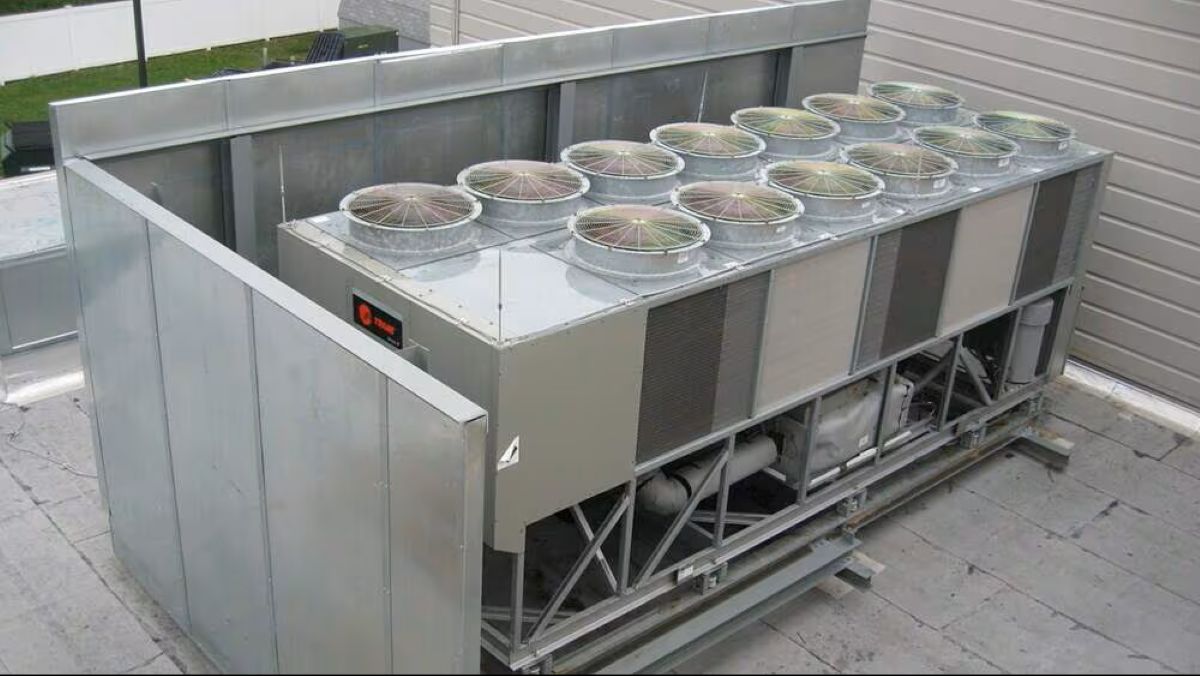
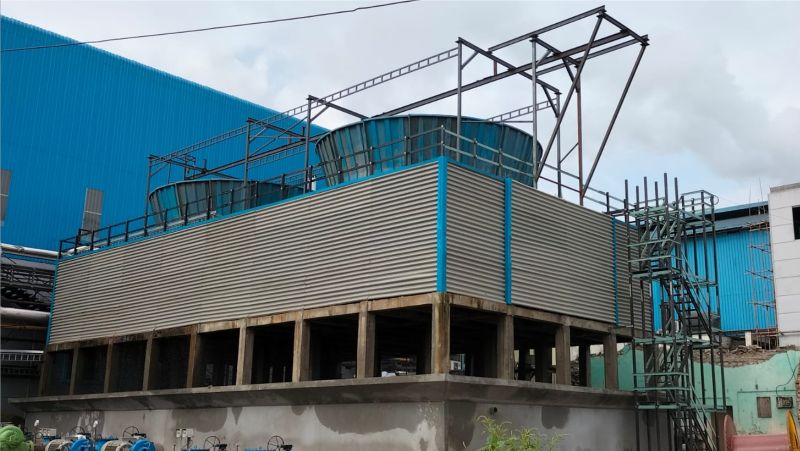
Main Types of Cooling Towers Cooling towers are primarily categorized by how they move air: 1. Mechanical Draft TowersThese use large mechanical fans to force or draw air through the tower. They are the most common type. 2. Natural Draft TowersThese massive, hyperbolic (hourglass-shaped) towers use the natural principle of convection—hot air...
What is Cooling Tower? A cooling tower is a specialized heat exchanger that removes waste heat from a building or industrial process by transferring it to the atmosphere primarily through the process of evaporation. Think of it as a large, industrial-scale version of the simple act of sweating. When you sweat, evaporation cools your...
Cooling towers are widely used across industries to dissipate heat, but one of the challenges they present is noise generation during operation. The primary sources of noise in cooling towers include the fan system, water splashing, and motor vibrations. While the noise may not affect the cooling performance directly, it can create significant...