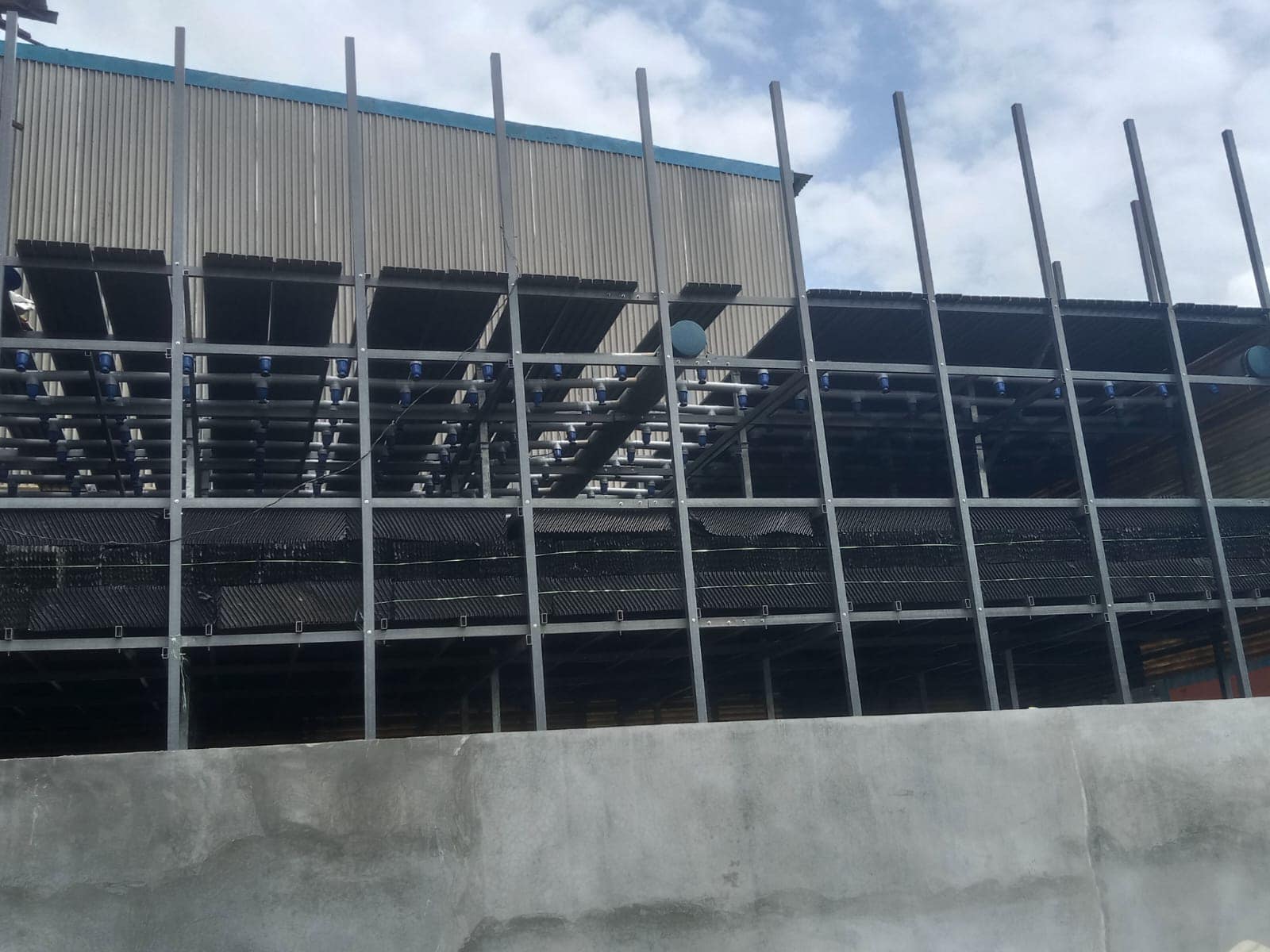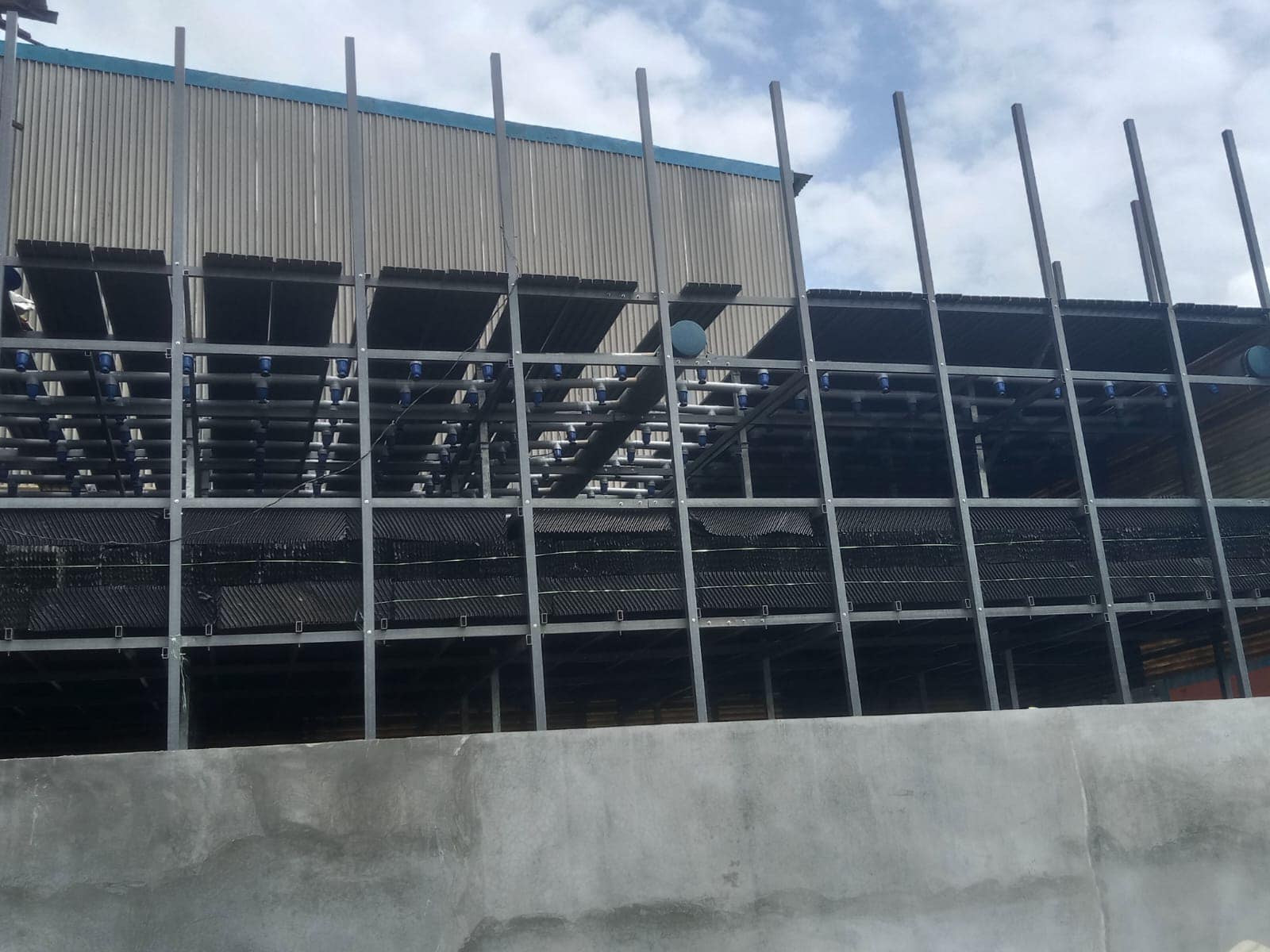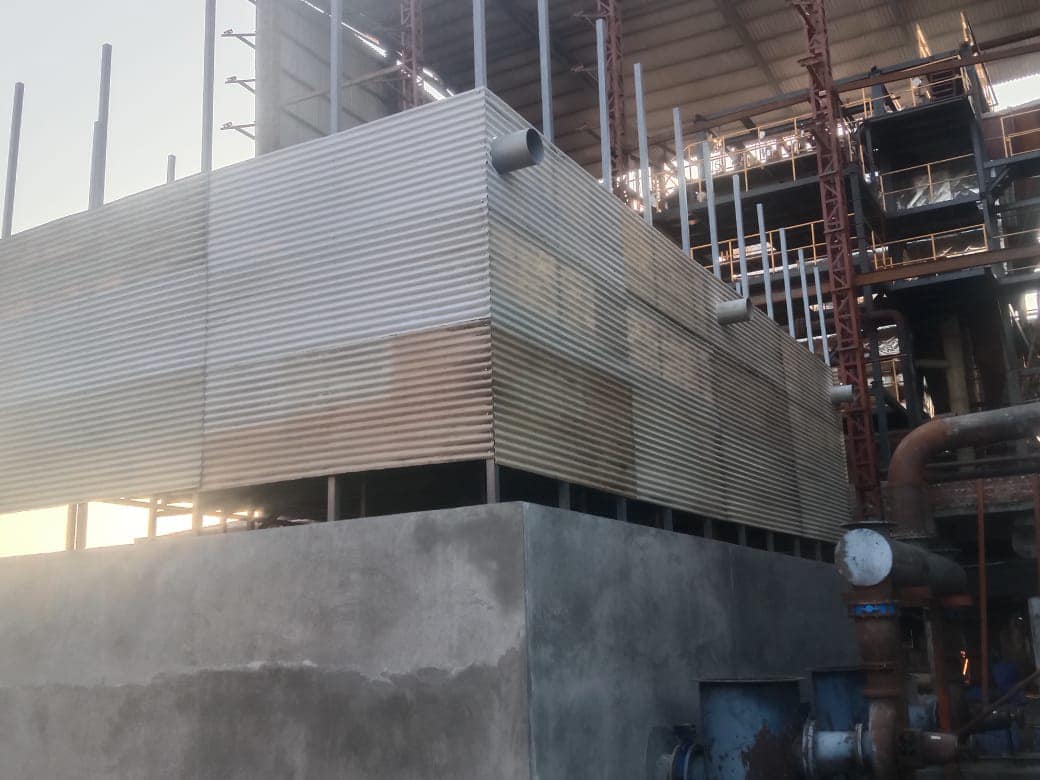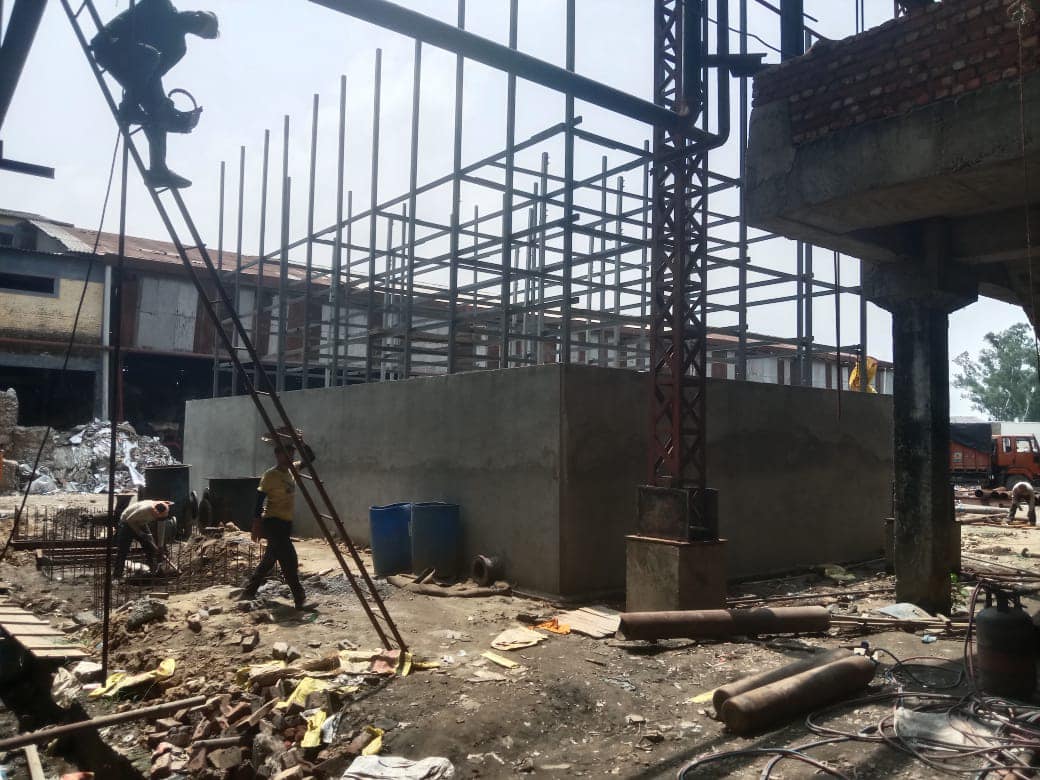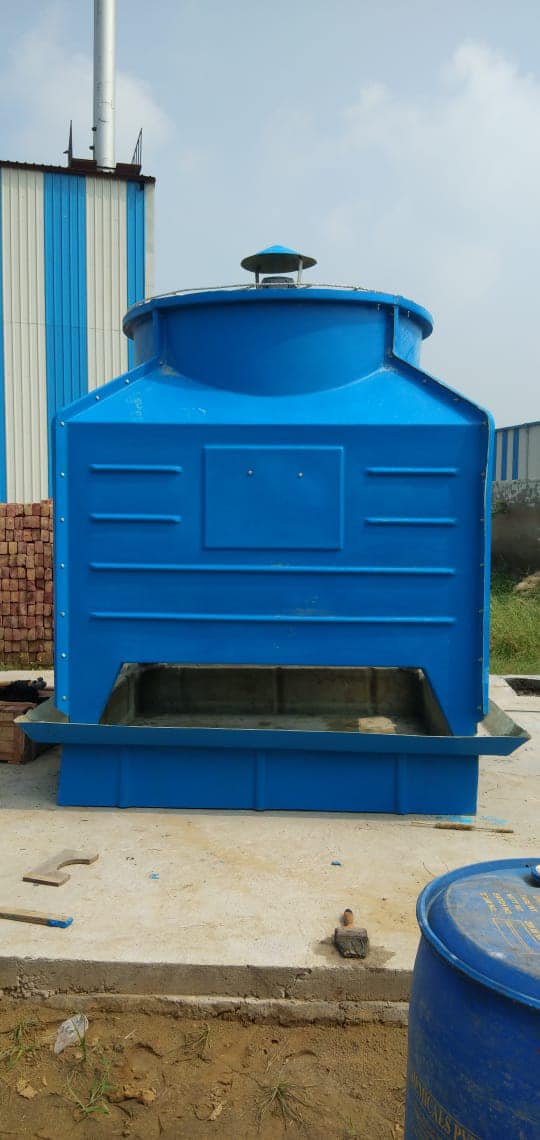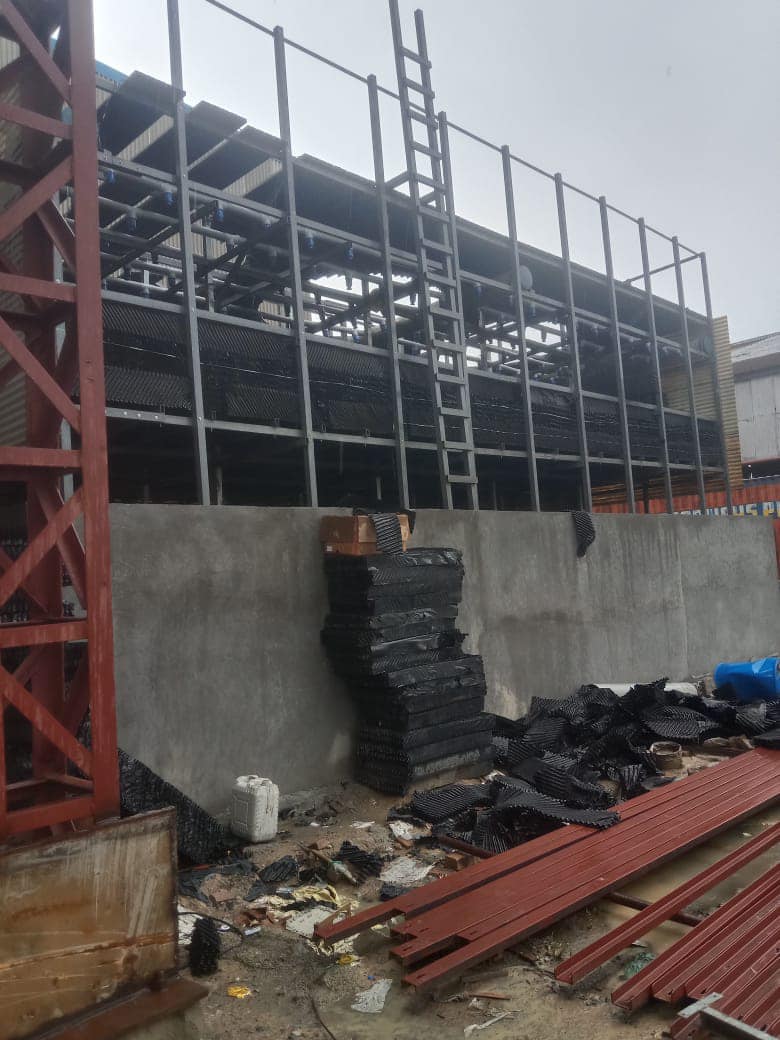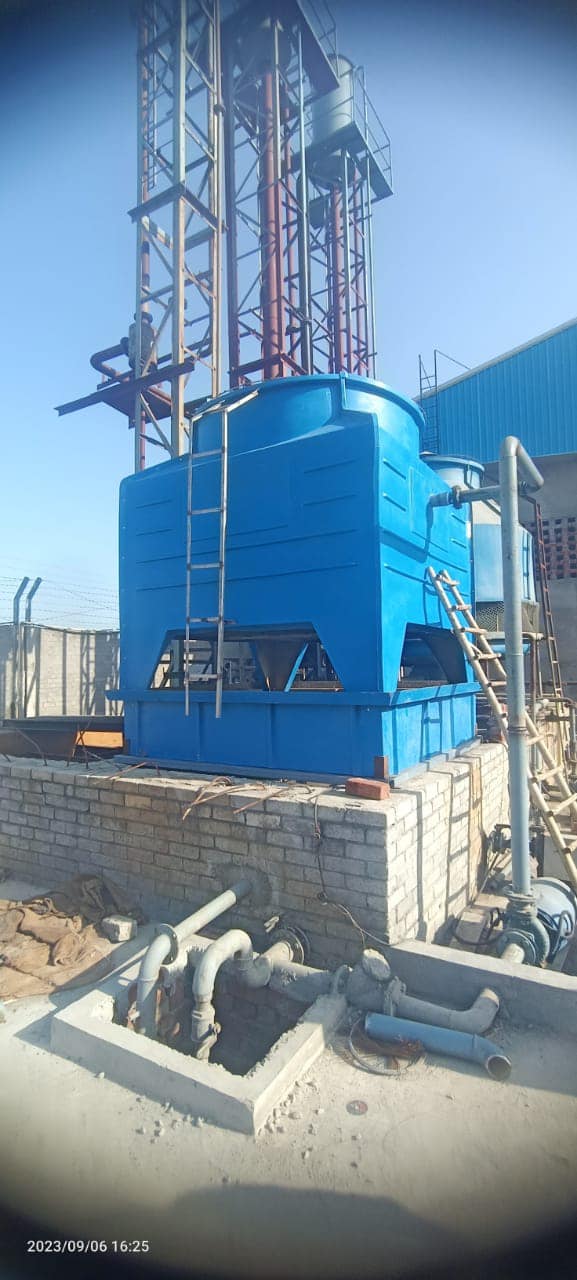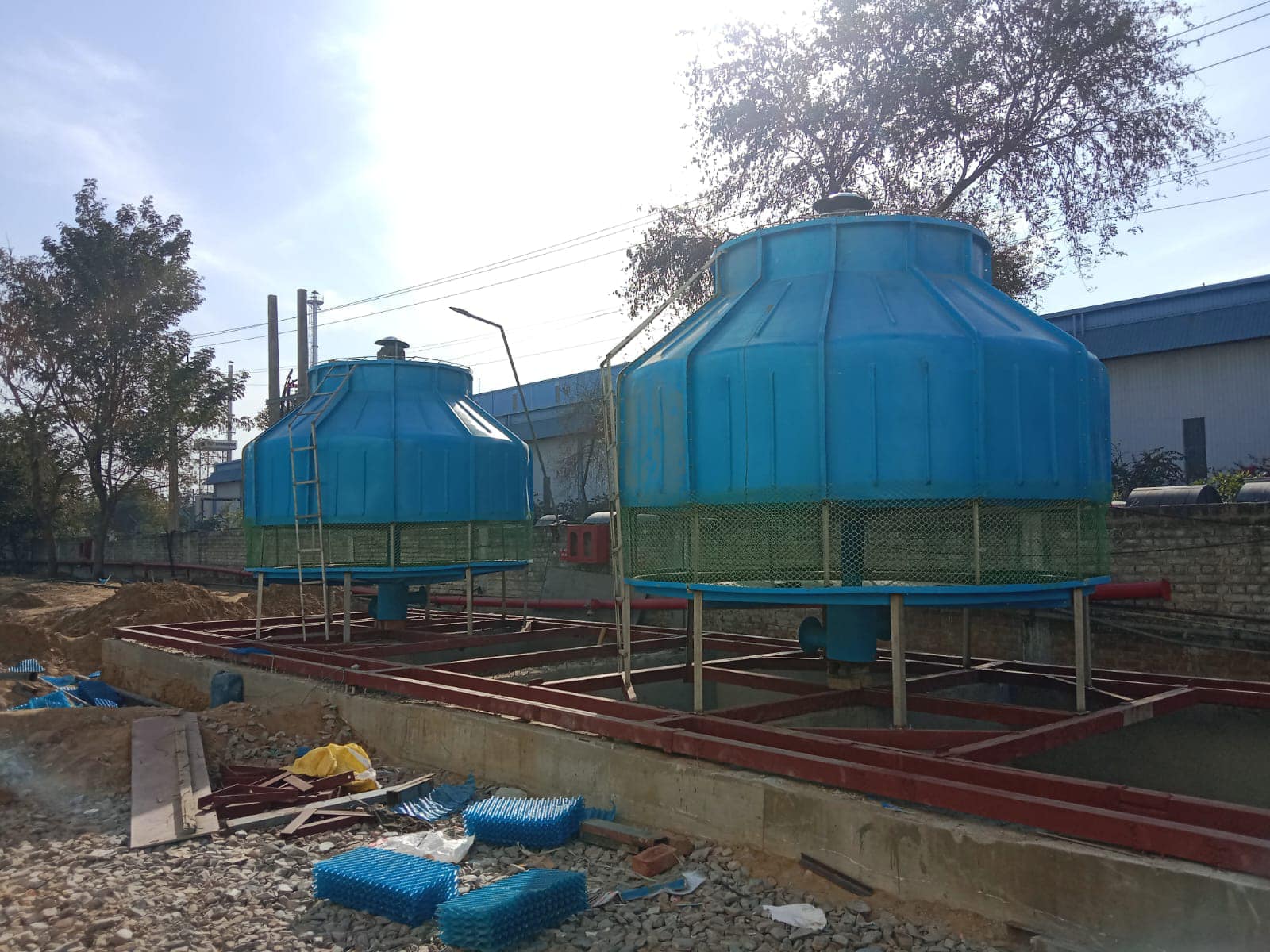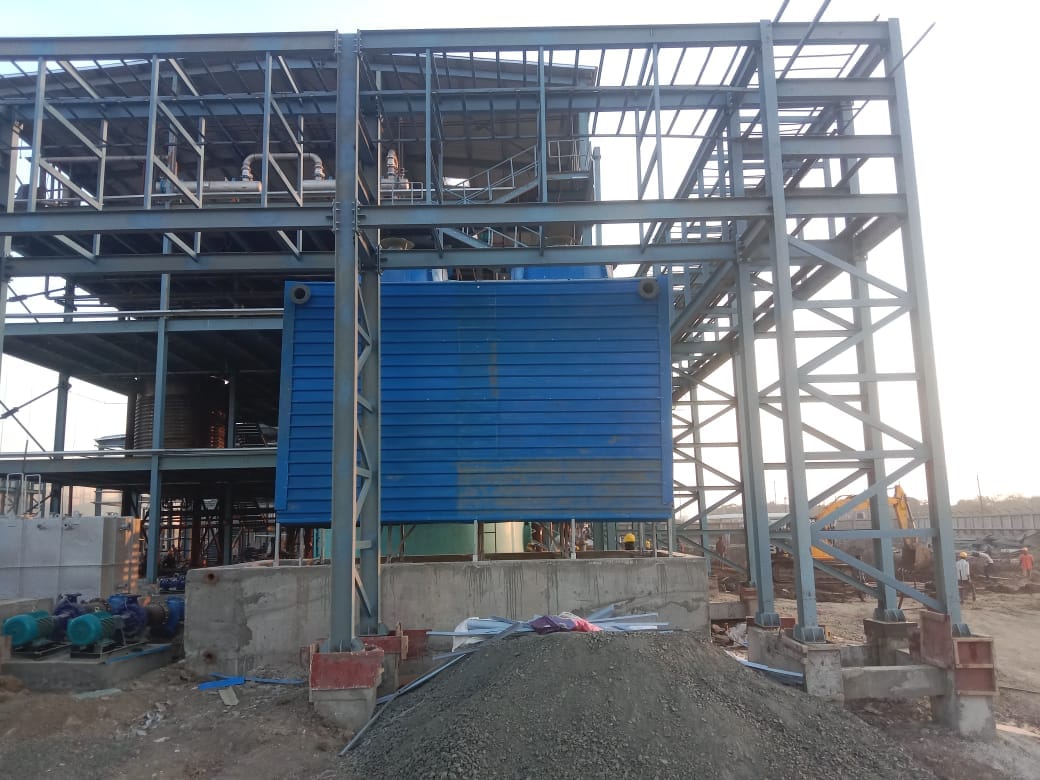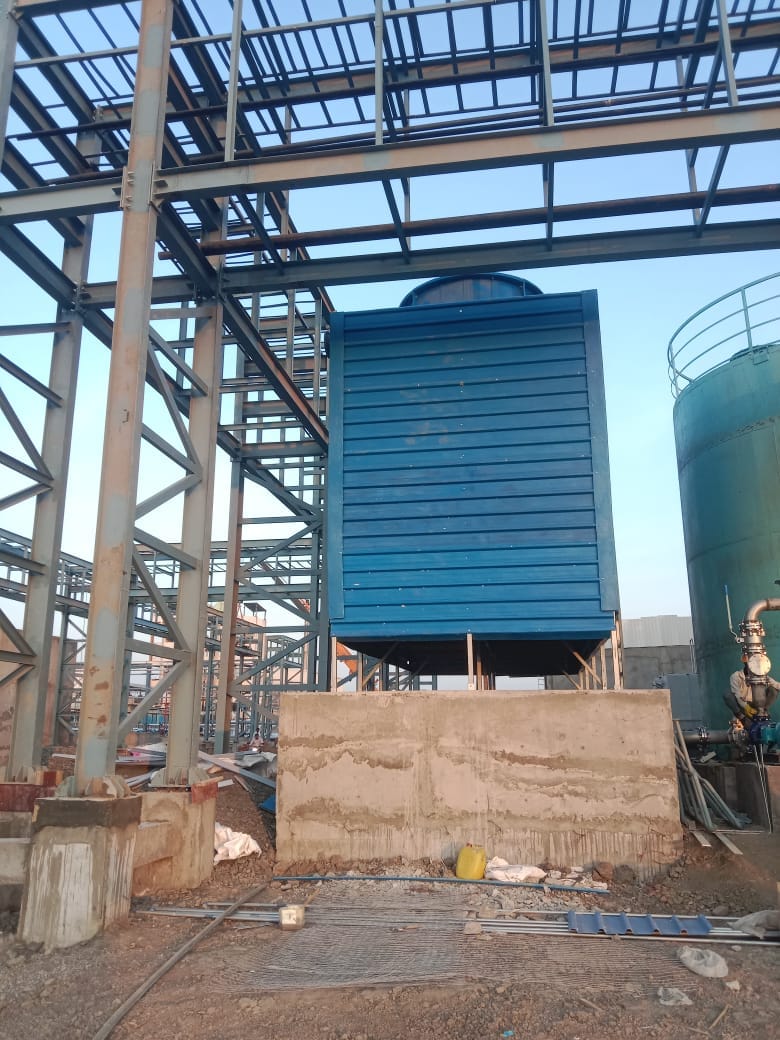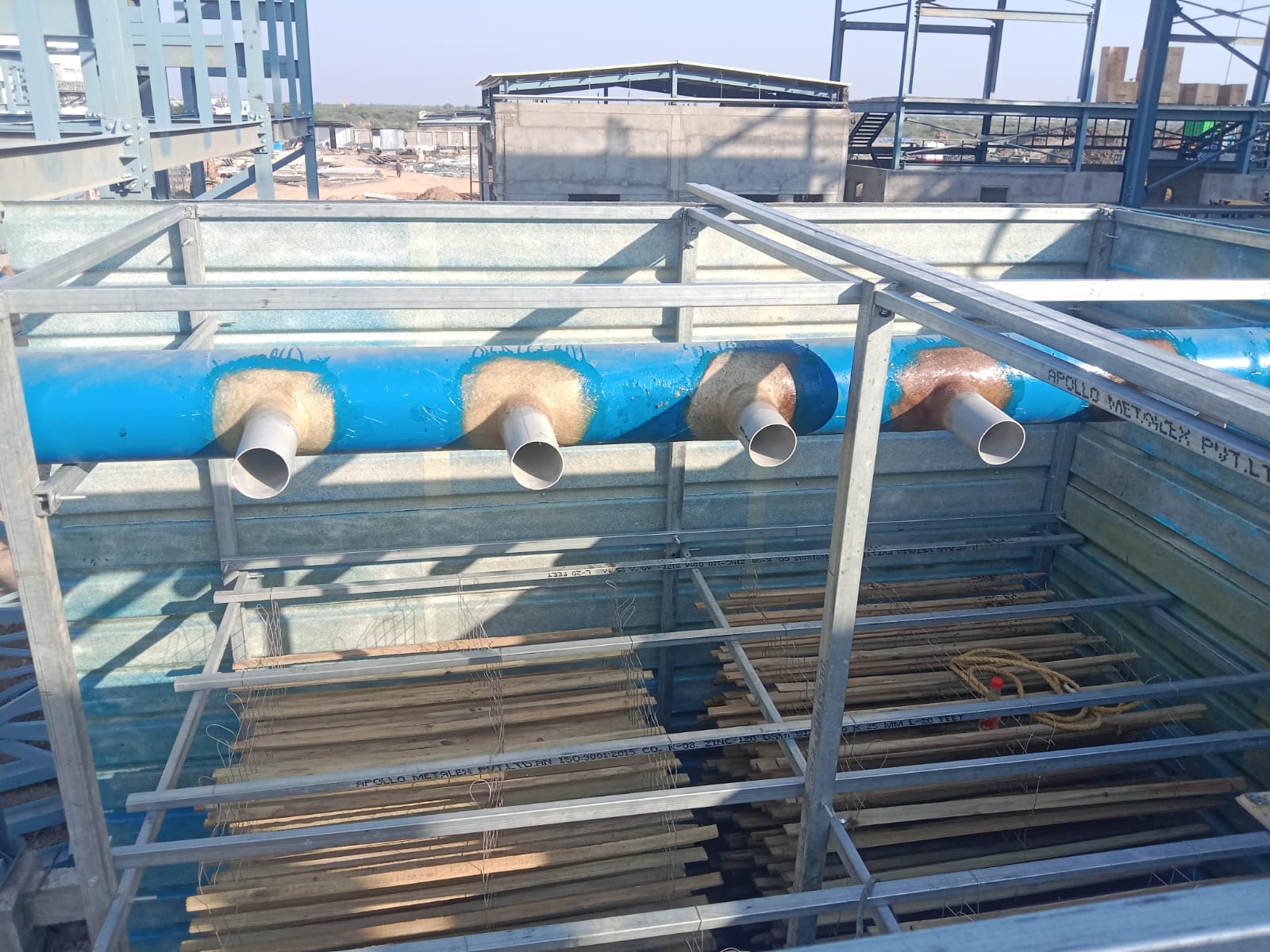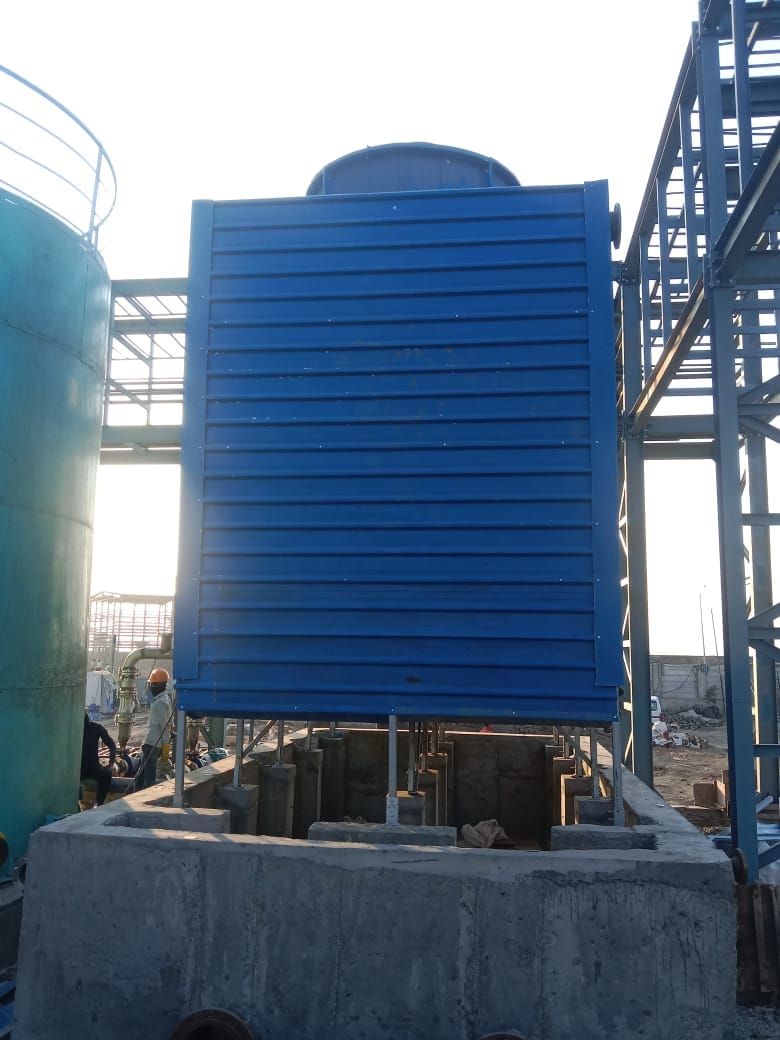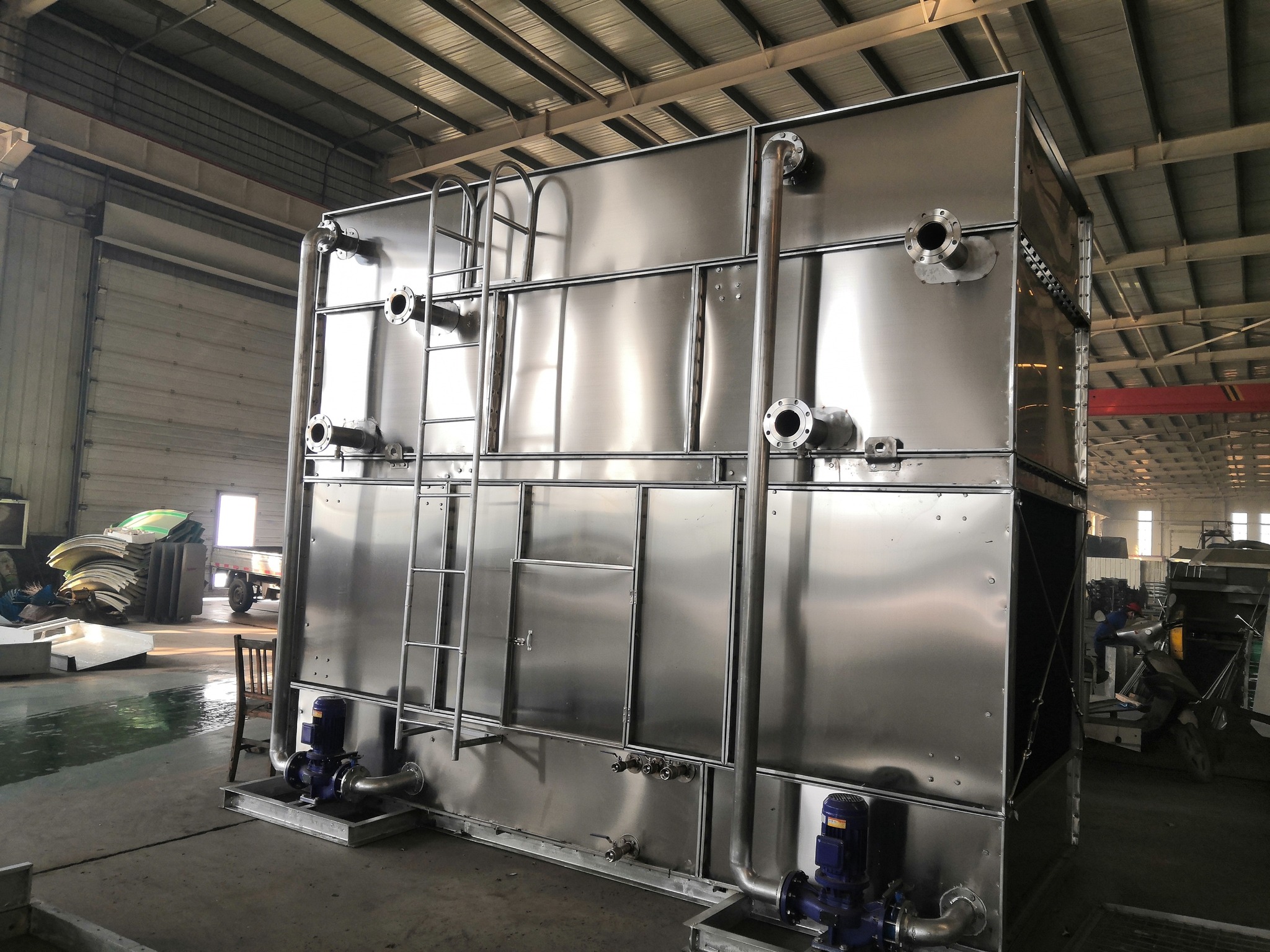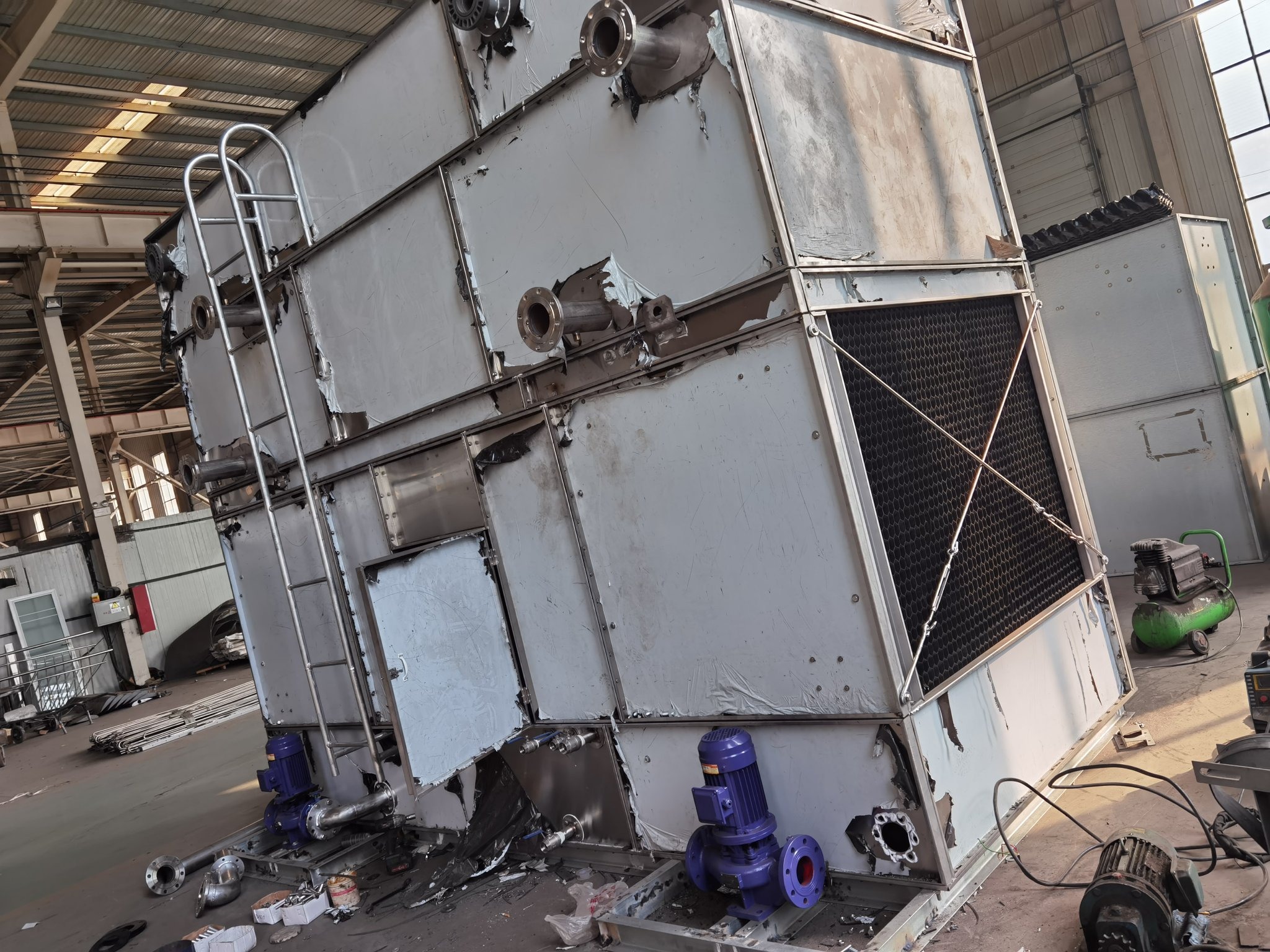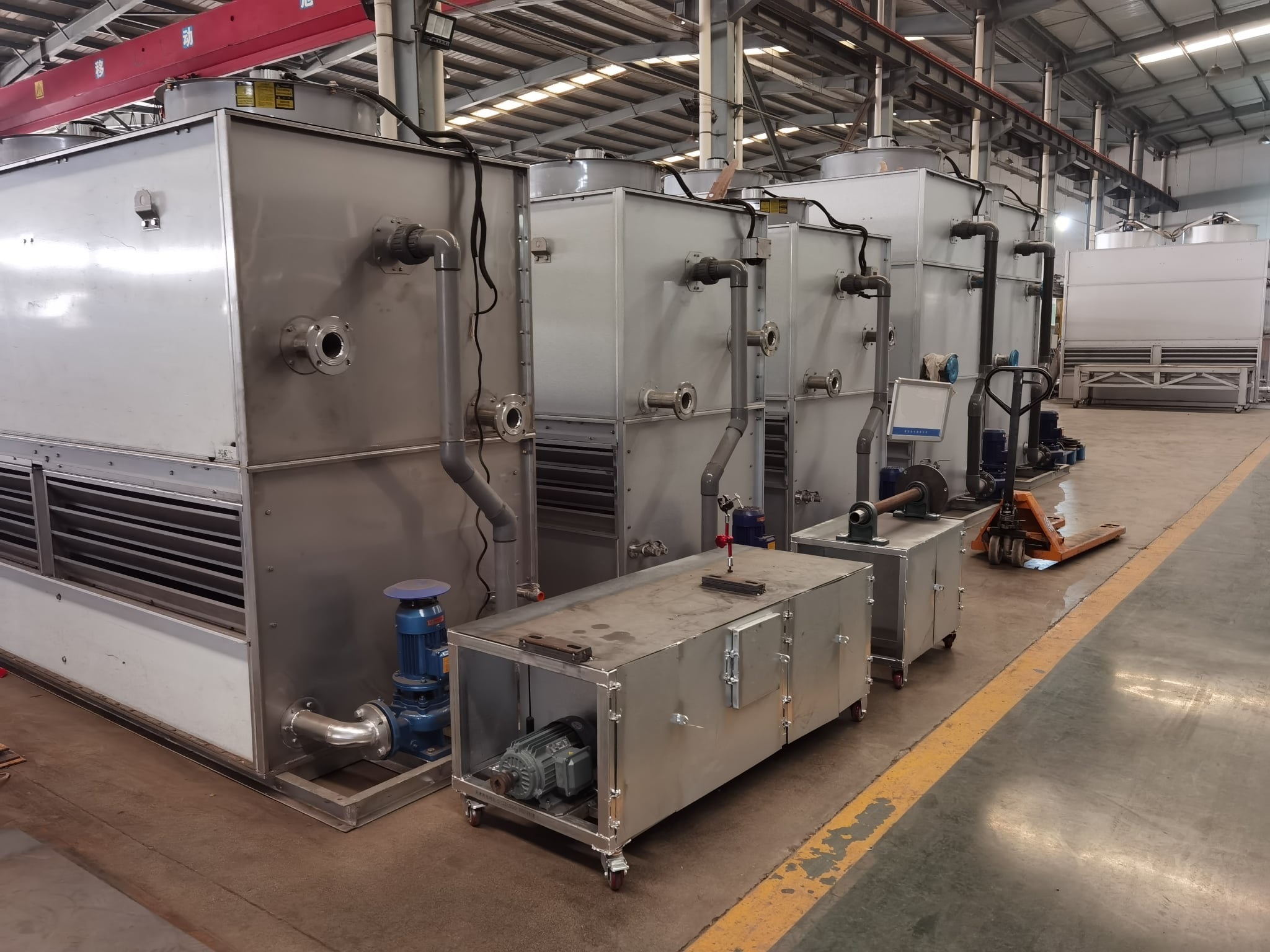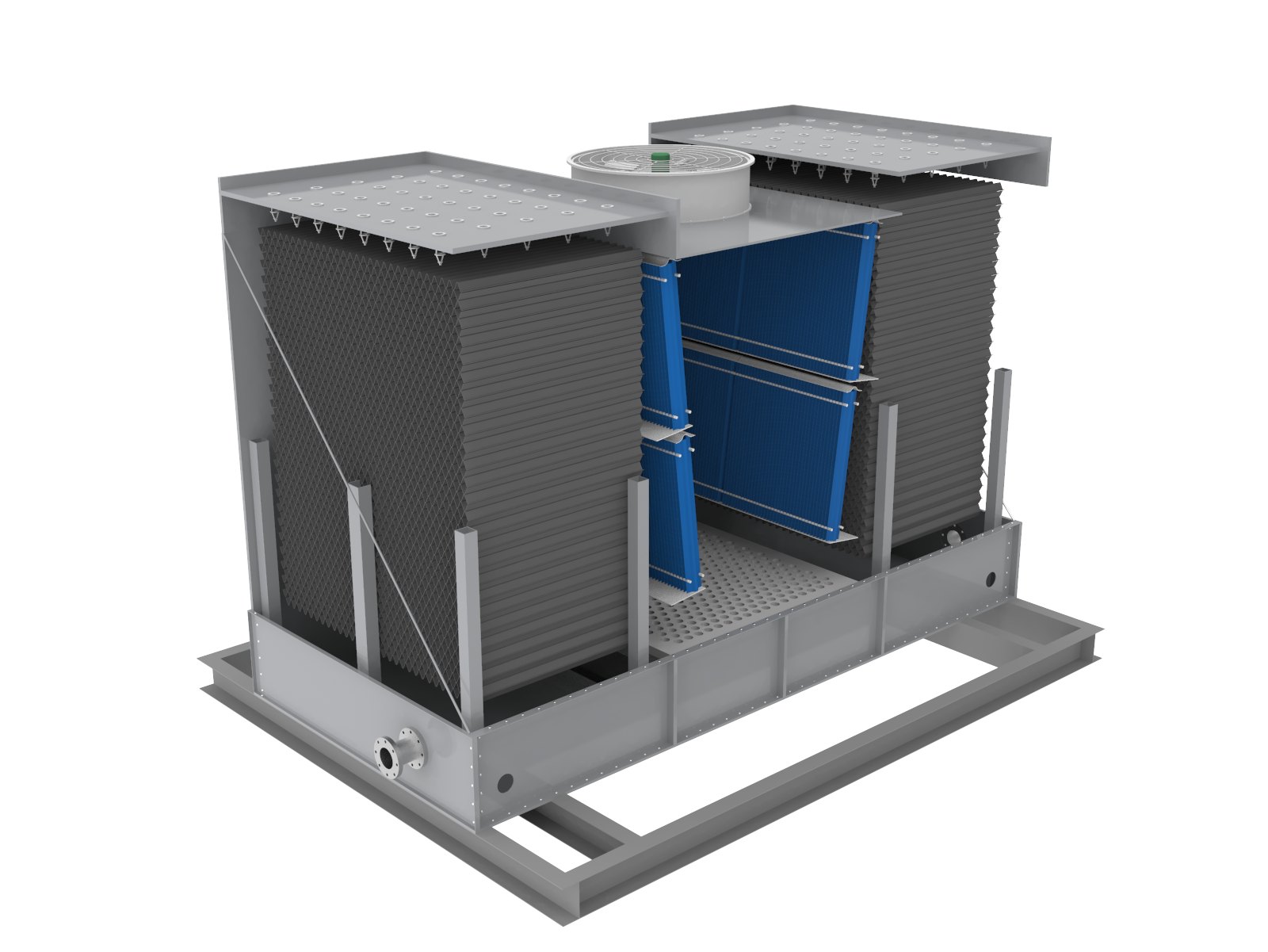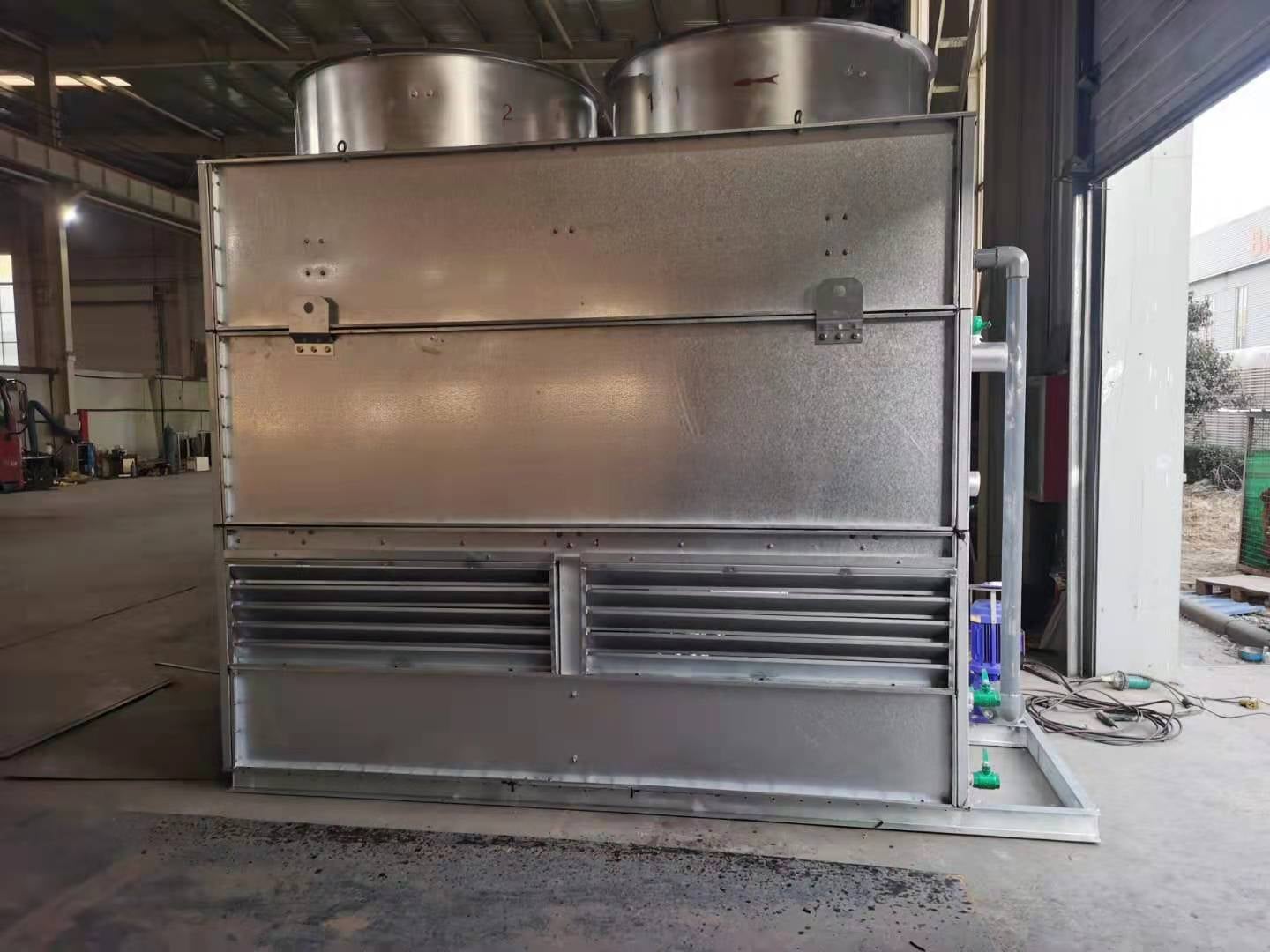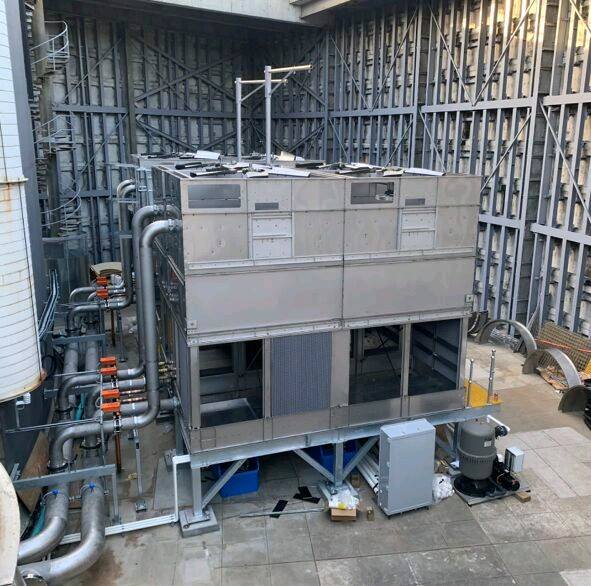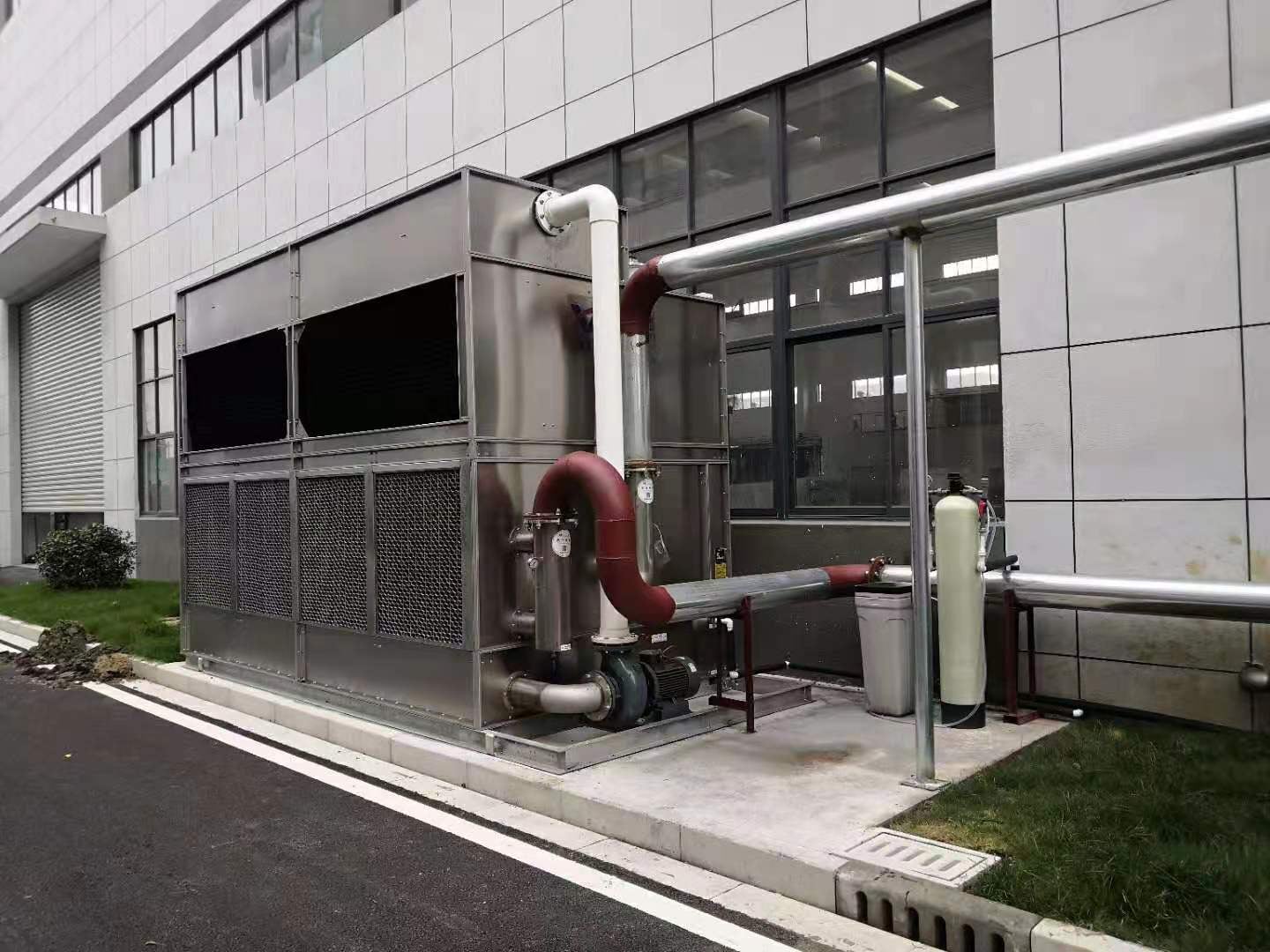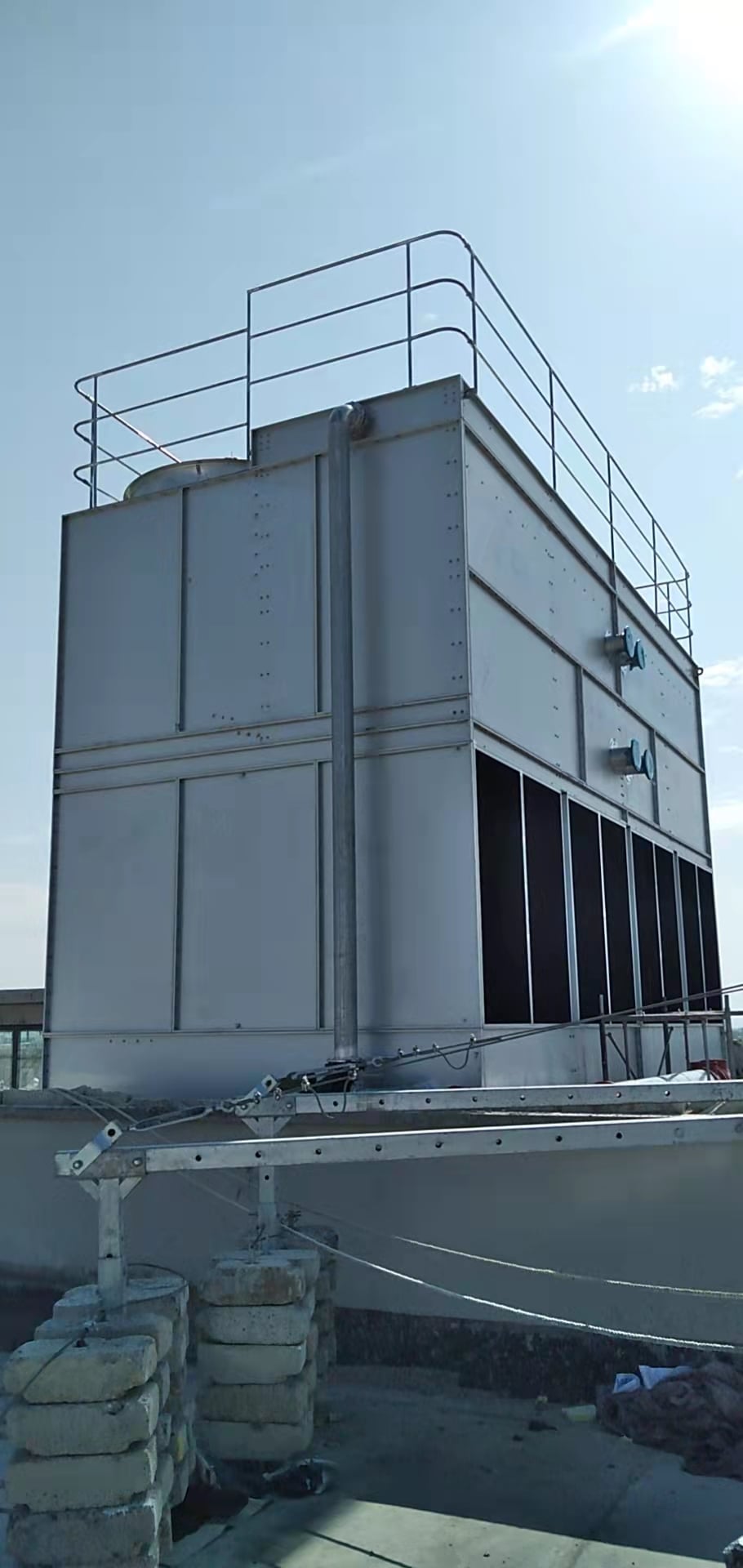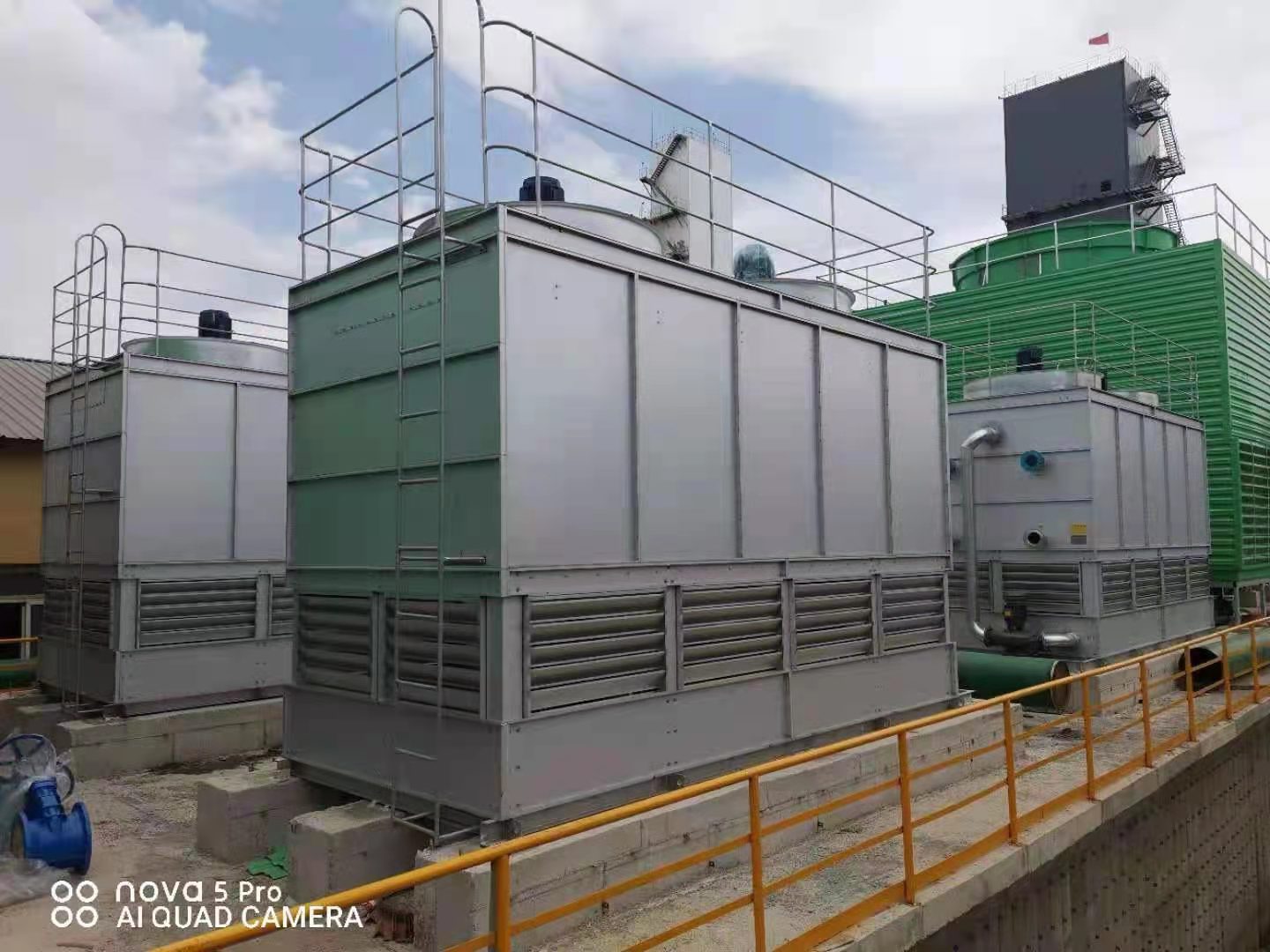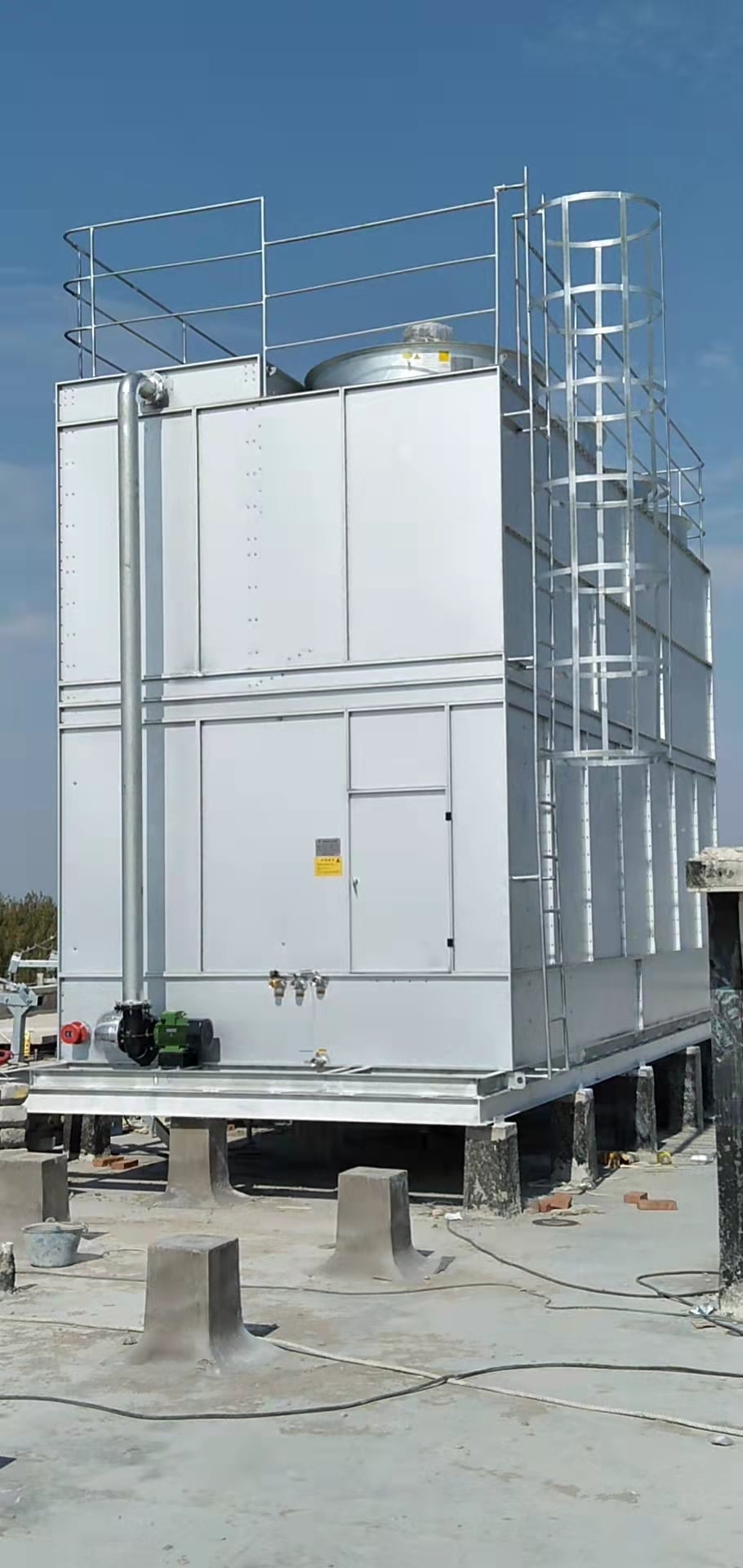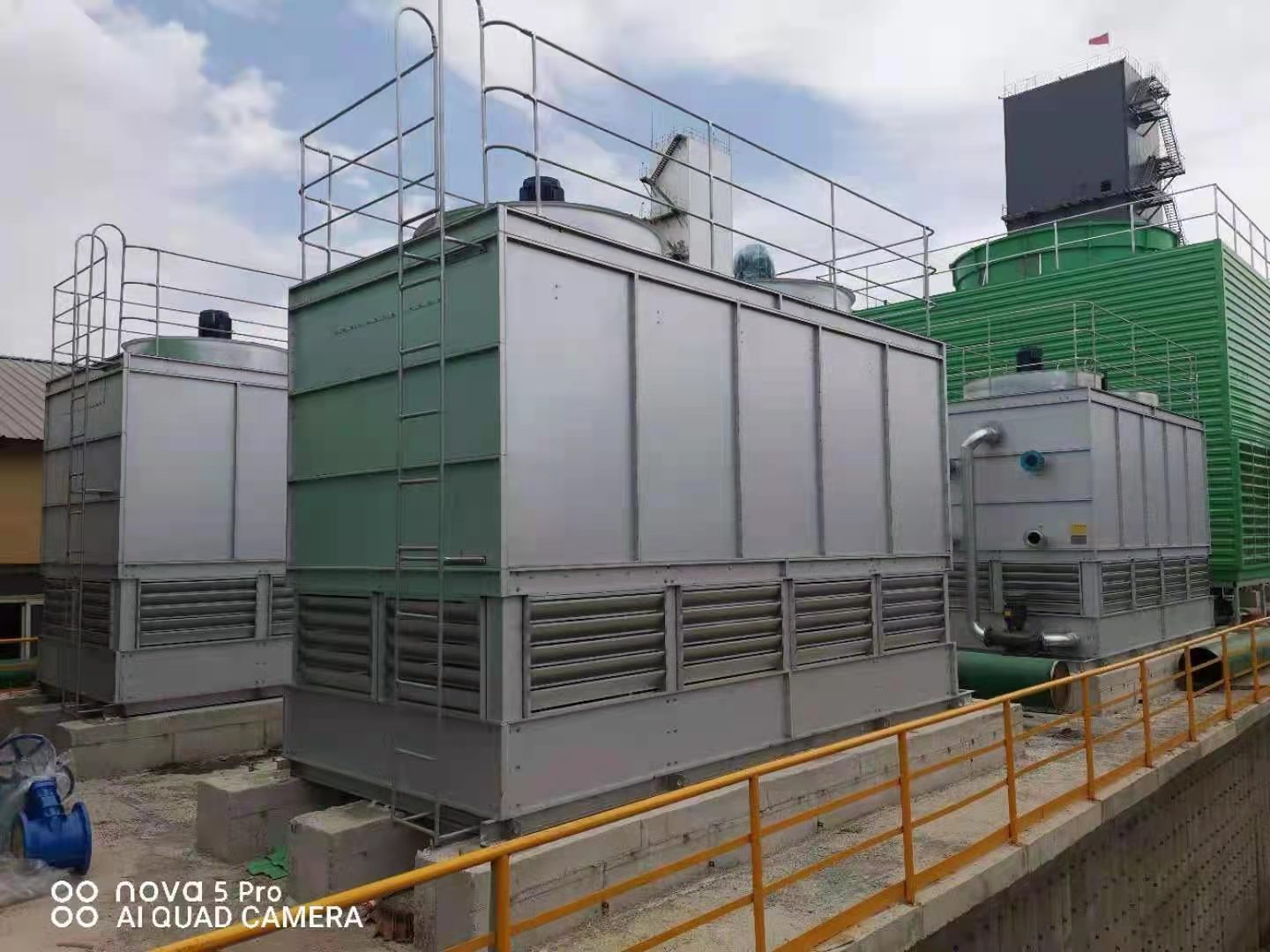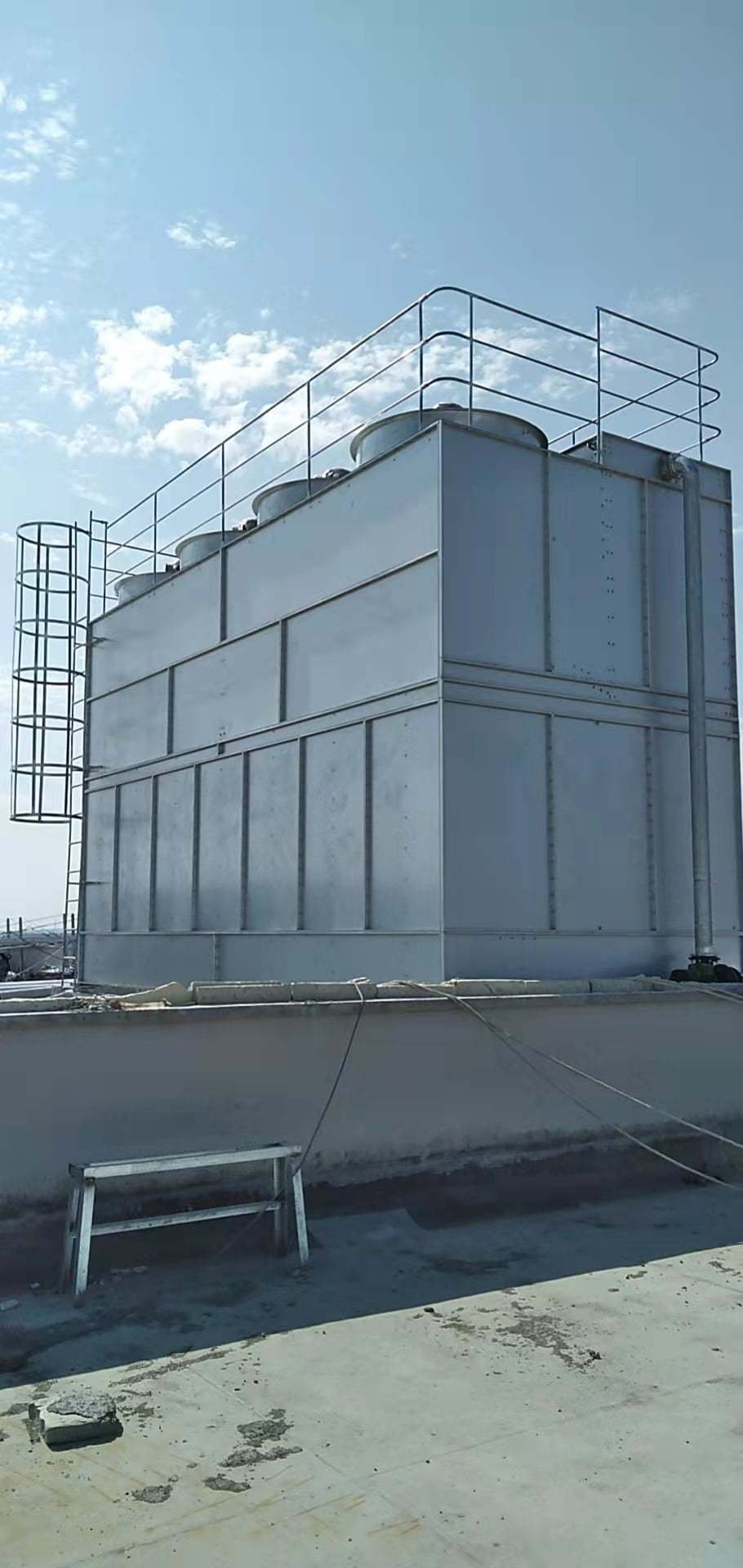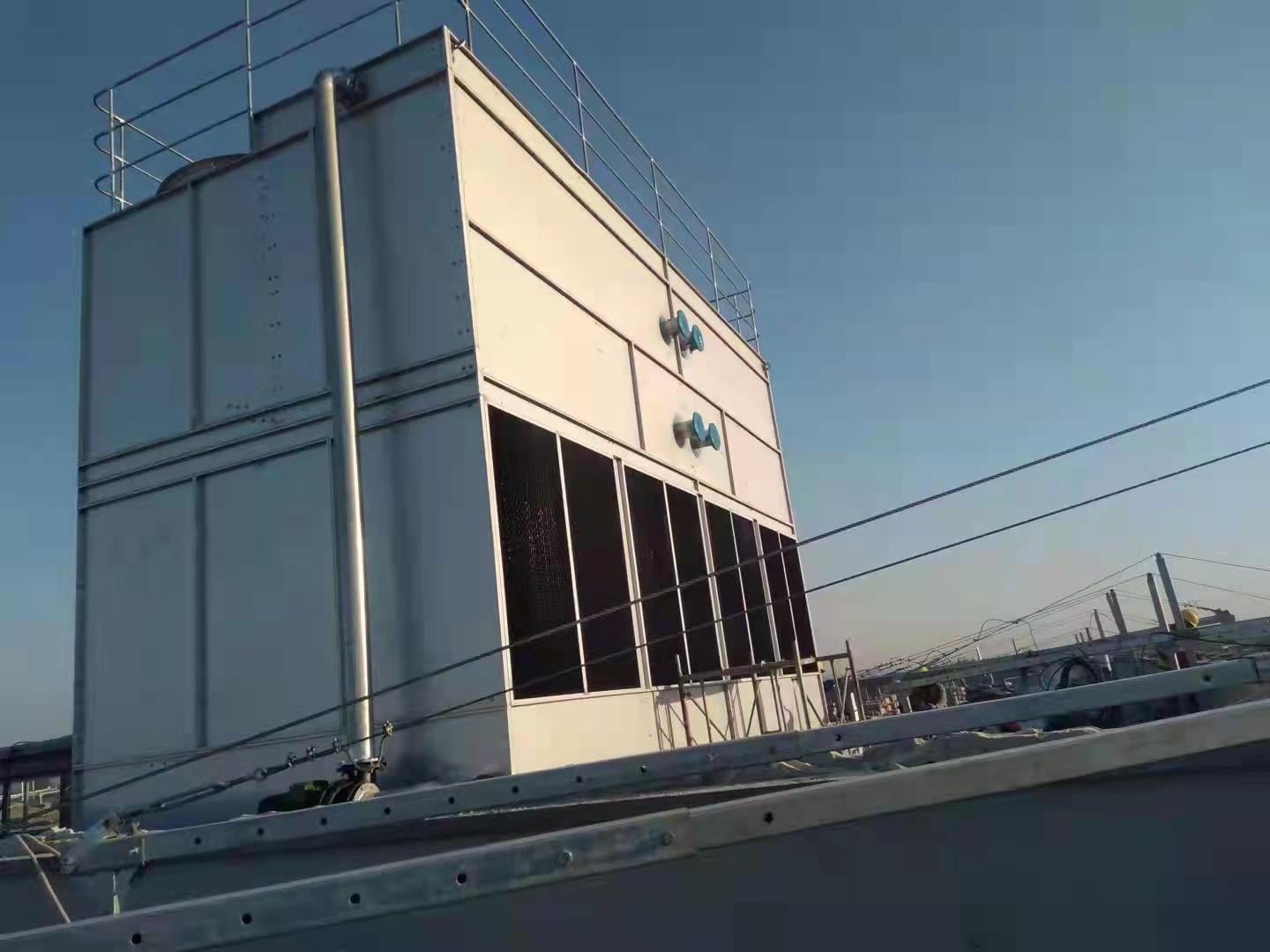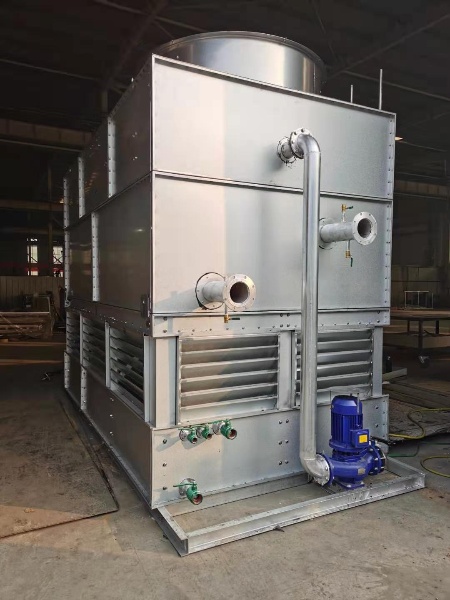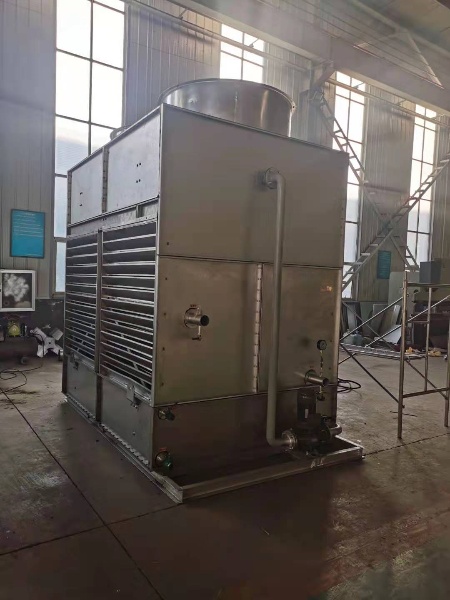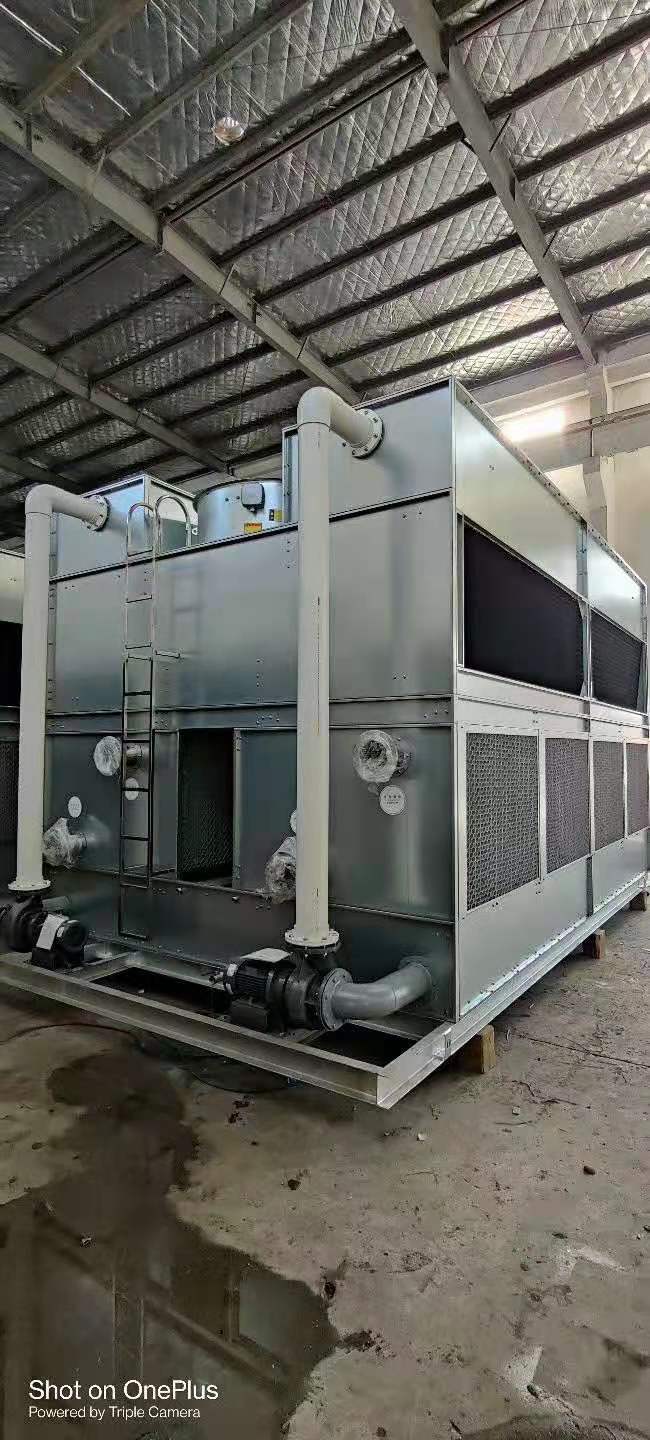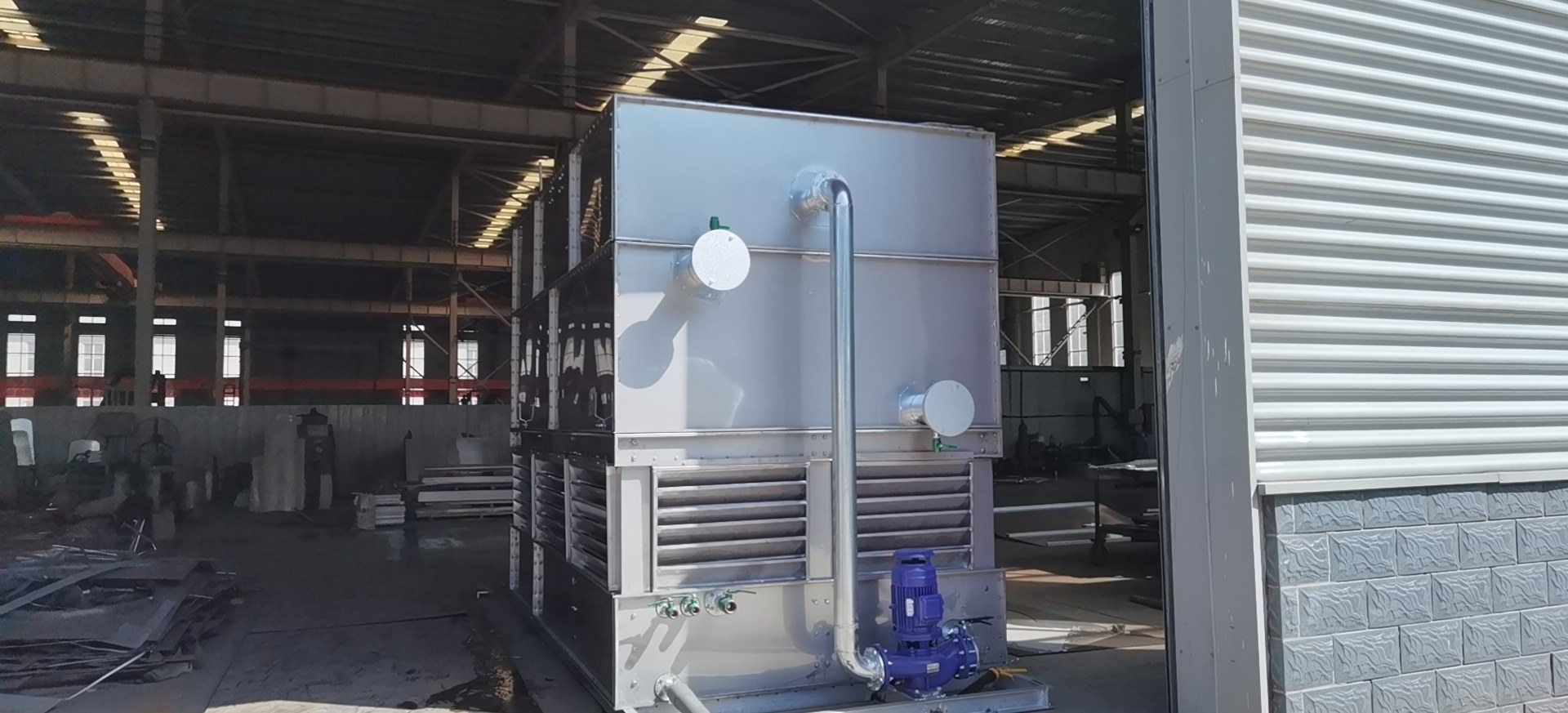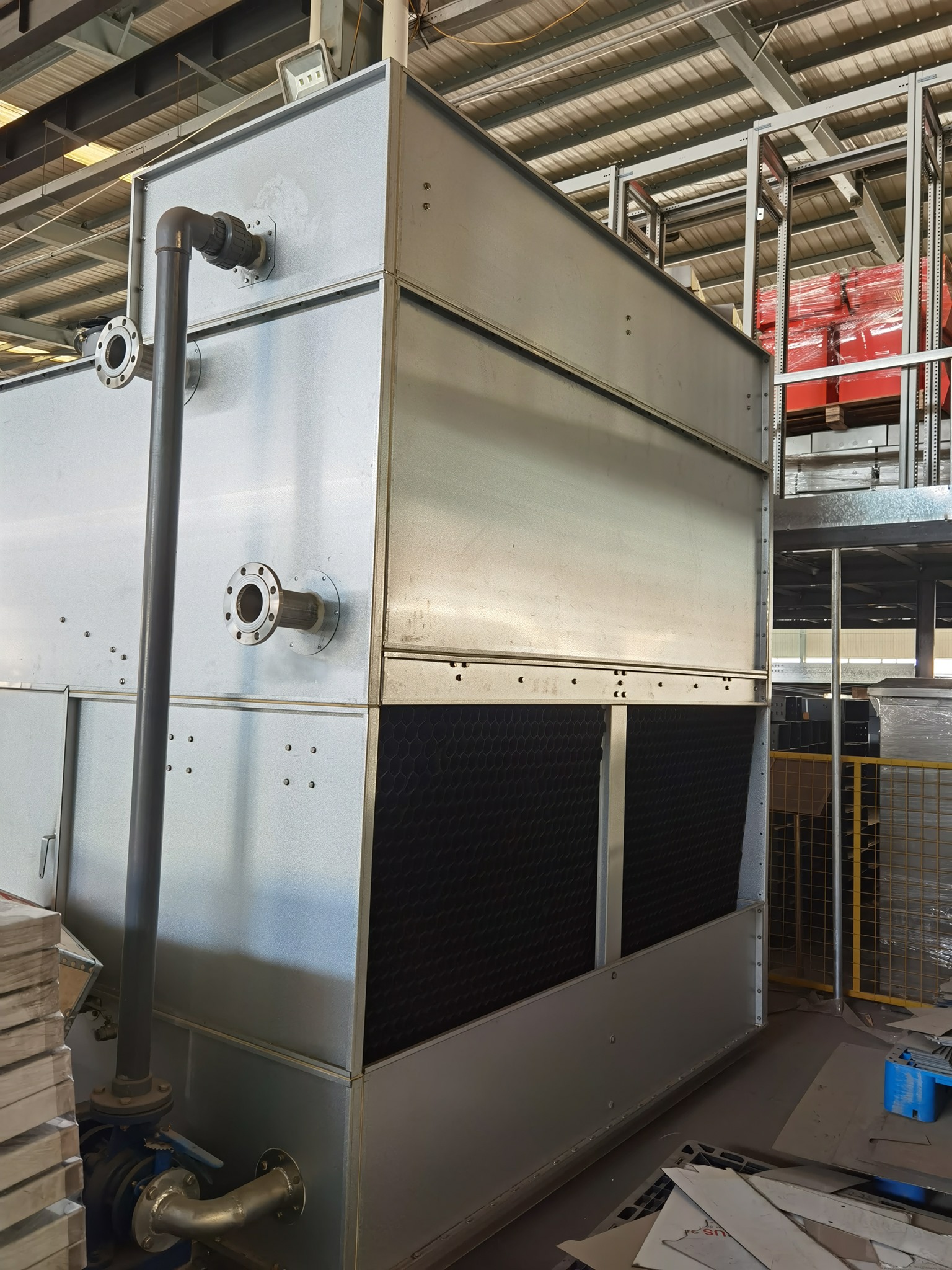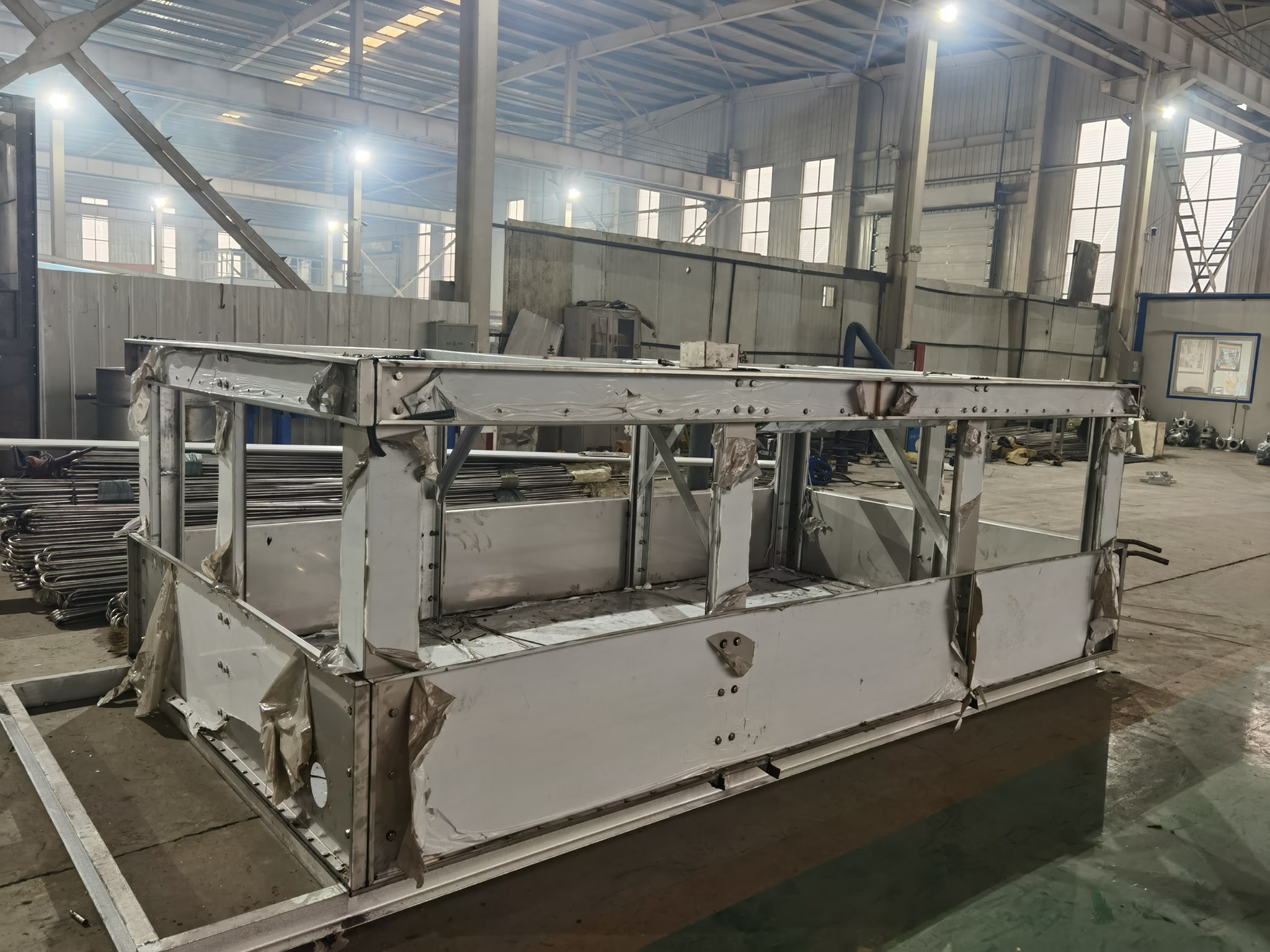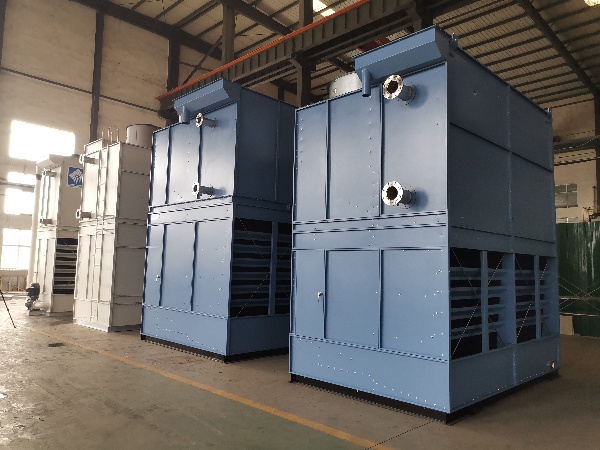
Visualizing the Flow with the Parts To understand how these parts work together, let’s follow the paths of water and air: Water Path (Falls Vertically): Air Path (Flows Horizontally, then Up):
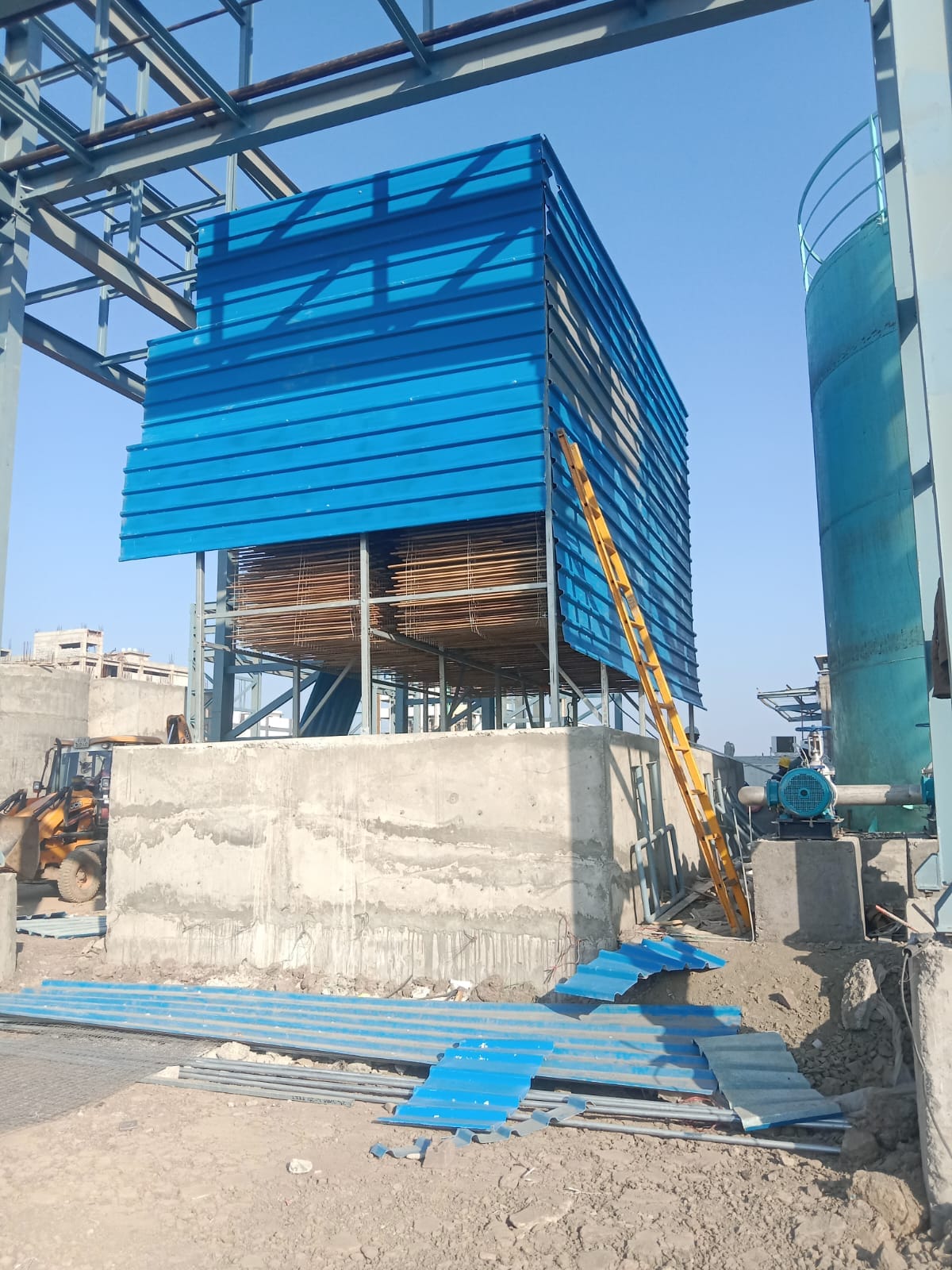
Major Applications of Cross Flow Cooling Towers A cross flow cooling tower is a type of heat rejection device where air flows horizontally across the falling water (which moves vertically). This design is efficient, accessible for maintenance, and relatively quiet, making it popular in many industries. Here are the major applications of cross flow...
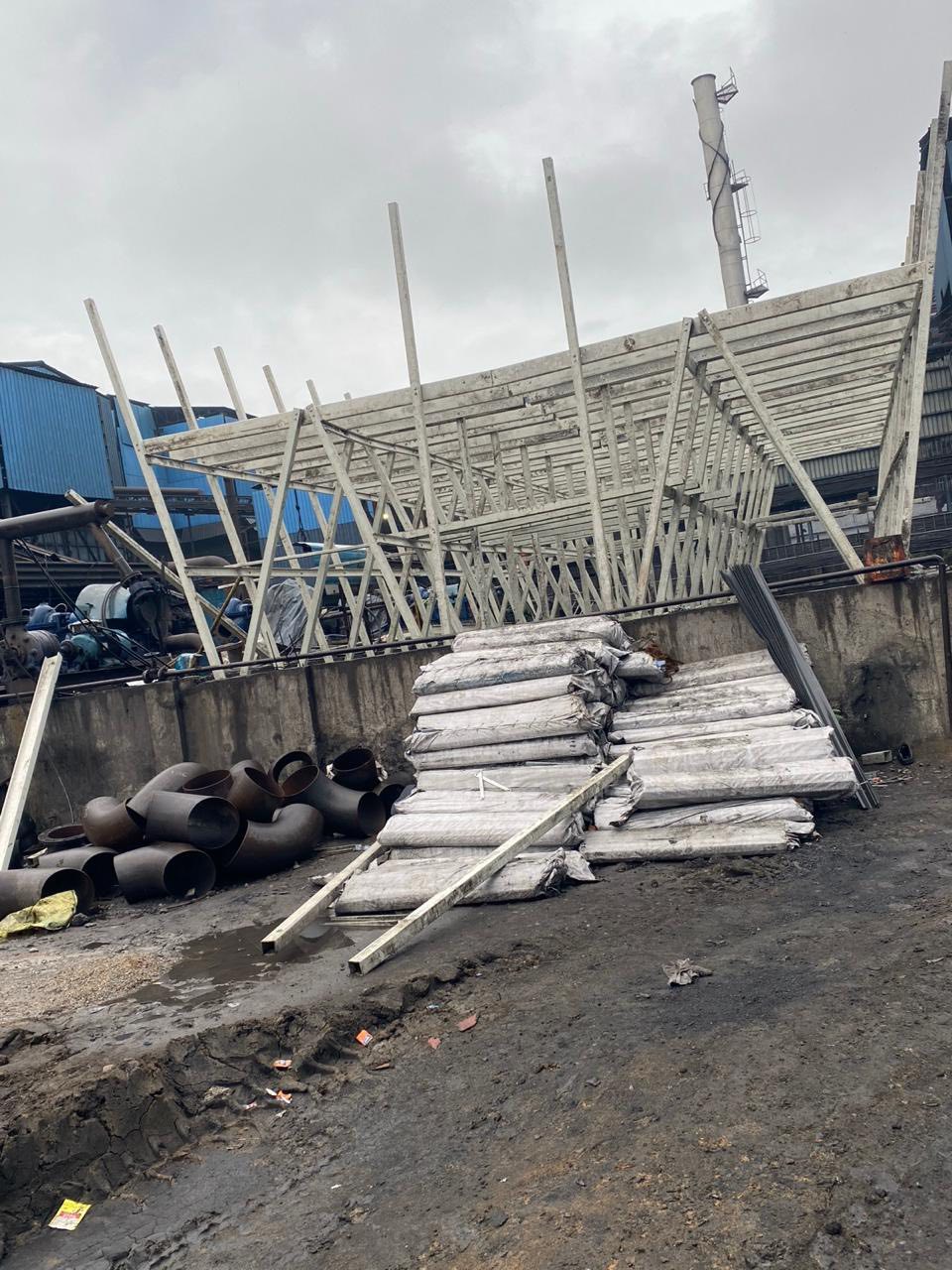
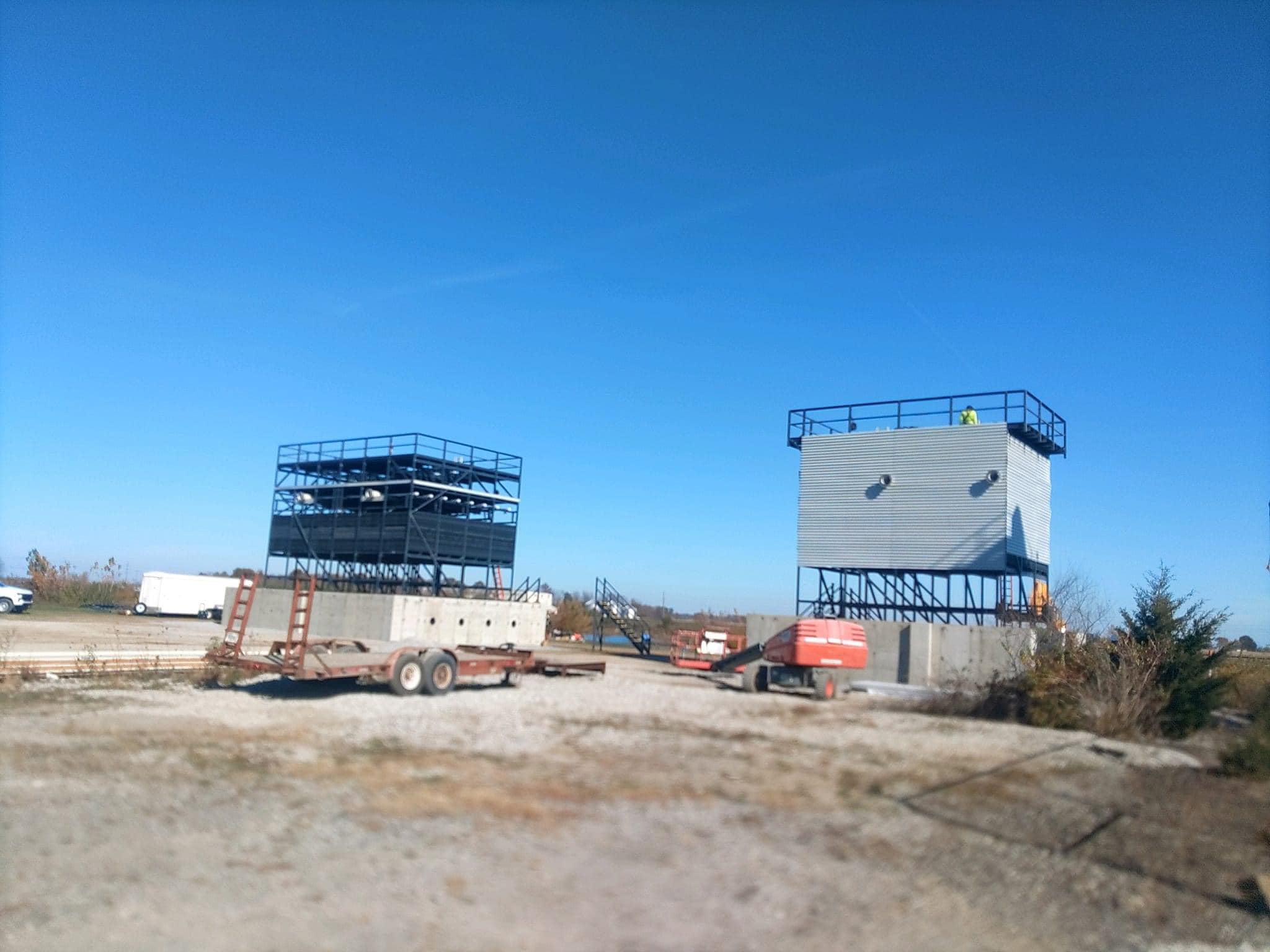
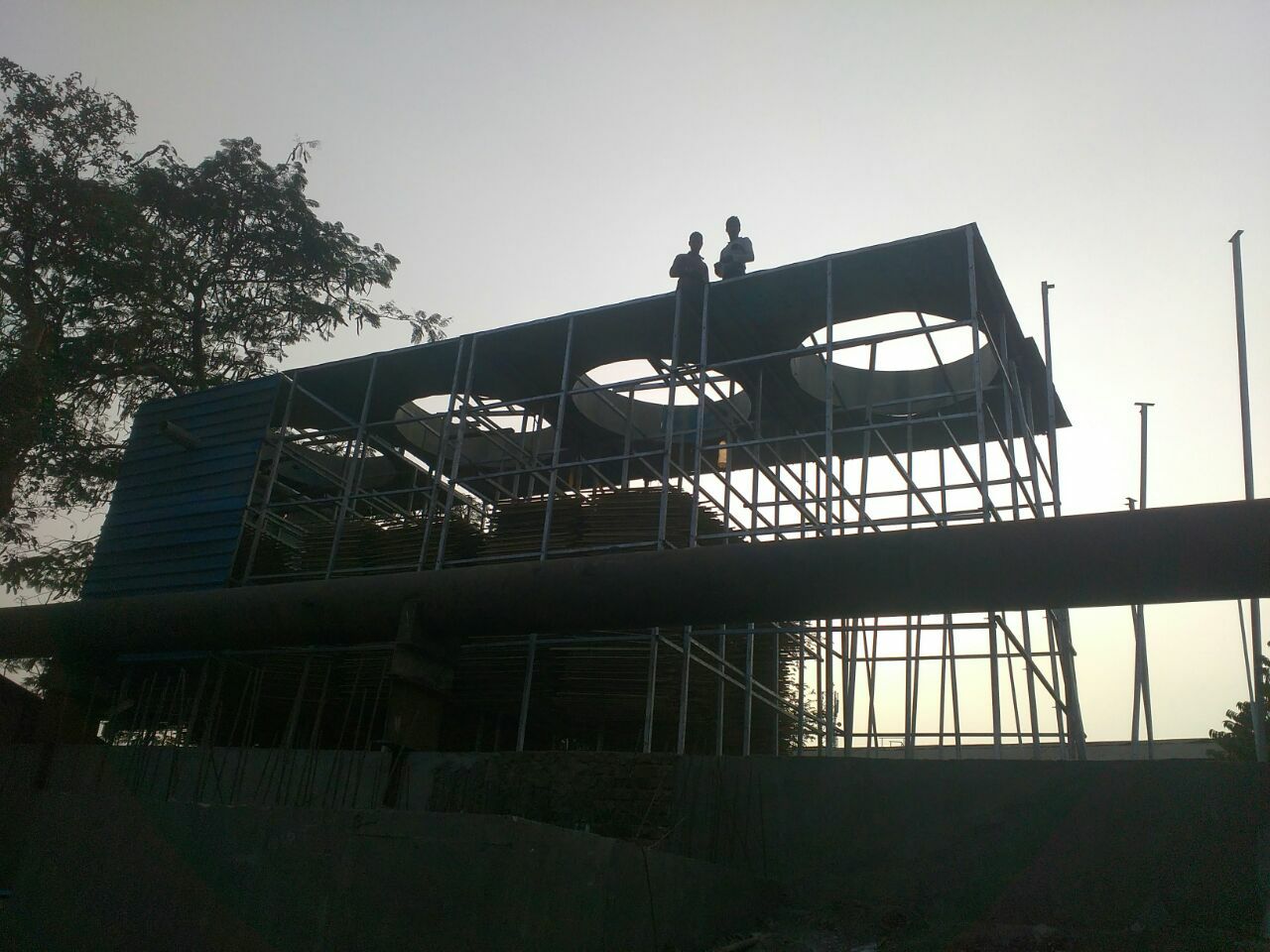
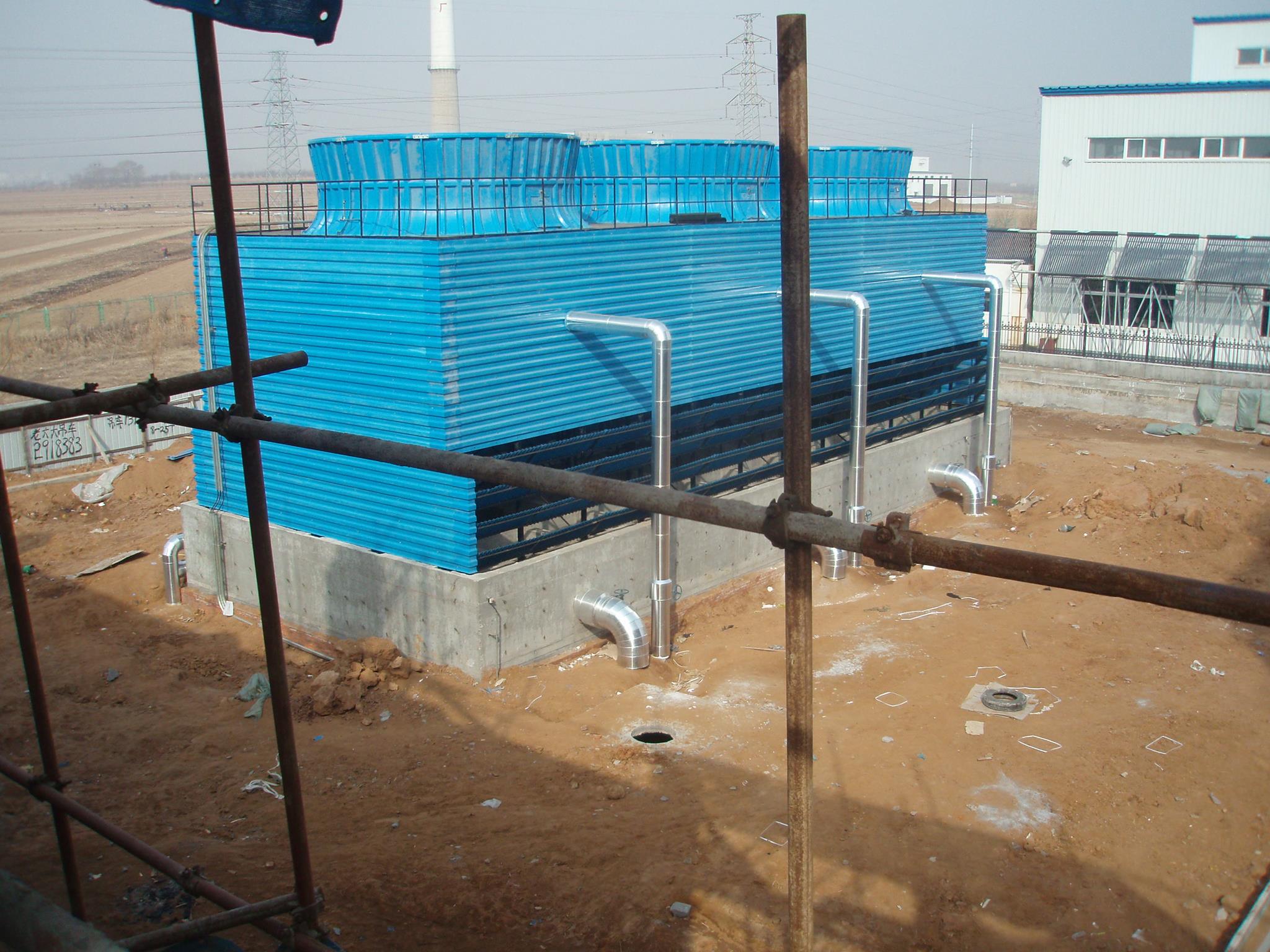
Major Parts of a Cross Flow Cooling Tower 1. Structure and Casing 2. Cold Water Basin (Sump) 3. Water Distribution System This is a defining feature of cross flow design. 4. Fill (or Packing) 5. Air Inlet Louvers 6. Drift Eliminators 7. Fan and Drive Assembly 8. Mechanical Equipment Support
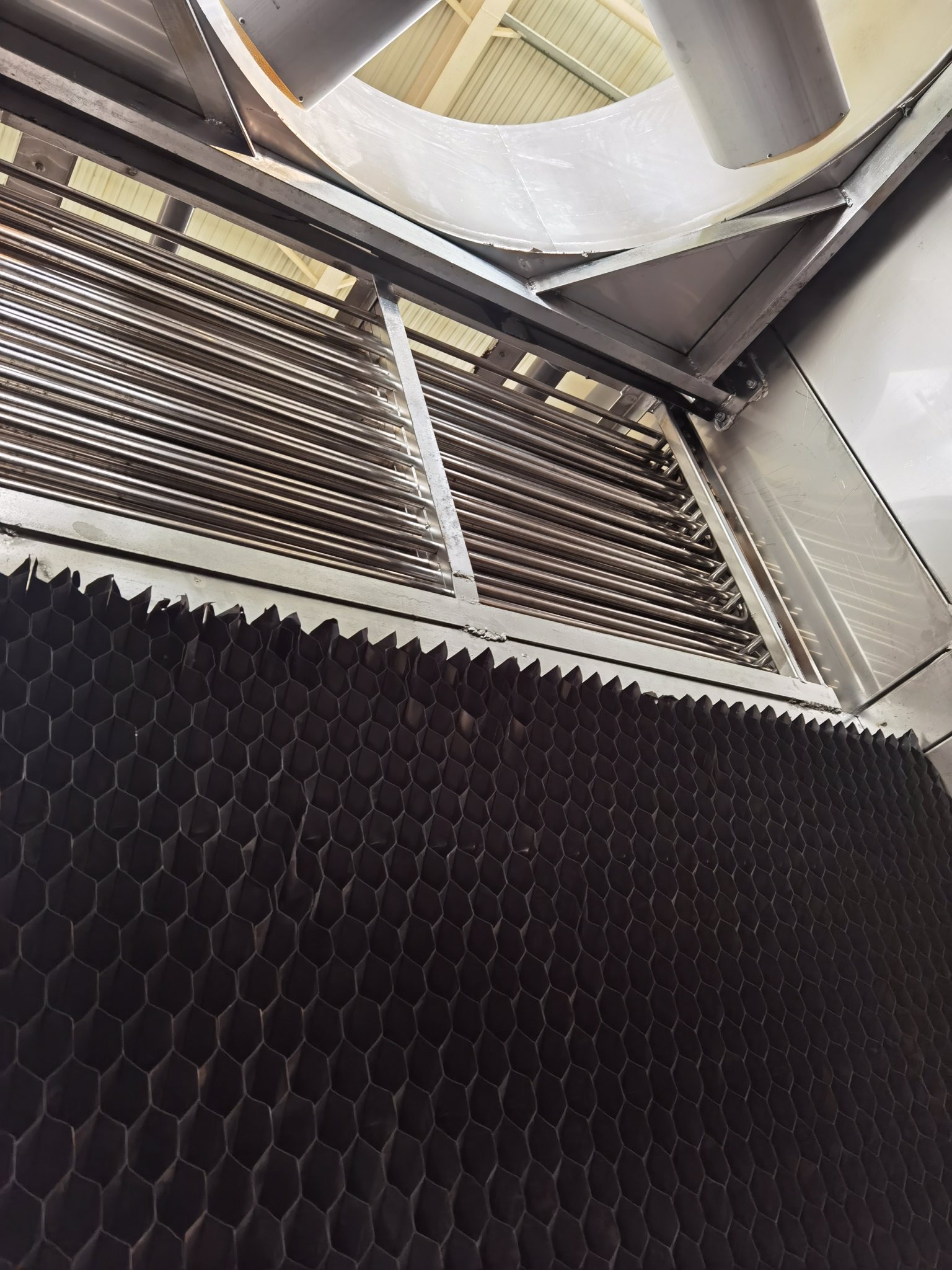
Fill Types in Cross Flow Cooling Towers Feature Splash Fill Film Fill Hybrid Fill Primary Mechanism Breaks water into droplets Spreads water into a thin film Combines splash and film Thermal Efficiency Lower Highest High Fouling/Clogging Resistance Excellent Poor Good Air-Side Pressure Drop Low Higher Moderate Water Quality Suitability Dirty,...
Hybrid Fill As the name implies, this is a combination designed to get the “best of both worlds.” High Efficiency: It still achieves most of the high-efficiency benefits of a full film fill.
Role of Cooling tower in Mining industry. Primary Role of Cooling Towers in Mining: To remove excess heat generated by mining operations and maintain optimal operating conditions for equipment and processes. 🔧 Key Applications of Cooling Towers in Mining 1. Cooling Process Water 2. Cooling for Air Compressors 3. HVAC and Environmental Control 4....
Type of Fills used in cross flow cooling Tower? The fill (or packing) is the heart of a cooling tower, where the critical heat and mass transfer occurs. In a cross flow cooling tower, the specific type of fill used is optimized for its horizontal airflow and vertical water fall. The primary types of fills […]
Priority / Condition Recommended Choice Key Reason Ease of Maintenance Cross Flow Accessible open distribution basins. Poor Water Quality Cross Flow Large gravity orifices resist clogging. Minimize Pumping Energy Cross Flow Lower pumping head (gravity distribution). Limited Ground Space Counter Flow Smaller footprint for the same capacity. Maximum...
When to Prefer Cross Flow Cooling Tower You should strongly consider a Cross Flow cooling tower in the following scenarios: 1. Priority on Low Maintenance and Serviceability This is often the single biggest advantage of cross flow design. 2. Water with High Suspended Solids or Scaling Potential 3. Energy Efficiency Focus on the Water...
Cross Flow vs. Counter Flow Cooling Tower (The Main Alternative) This is the most important comparison. The other common design is the Counter Flow Cooling Tower. Feature Cross Flow Cooling Tower Counter Flow Cooling Tower Flow Direction Air flows horizontally, water falls vertically. Air flows vertically upward, water...
What is a Cross Flow Cooling Tower? A Cross Flow Cooling Tower is a type of heat rejection device that removes waste heat from a process system (like an HVAC system for a building or a industrial process) and releases it to the atmosphere. Its defining characteristic is the flow path of air and water. In a […]
What is Cross Flow cooling tower? A Cross Flow Cooling Tower is a type of cooling tower where the air flows horizontally across the falling water. It is designed so that air and water cross paths at a 90-degree angle, hence the name “cross flow.” How It Works: Key Characteristics: Feature Description Air Flow Direction […]
List of Parts in a Cooling Tower (With Functions) Cooling towers consist of several key components that work together to dissipate heat efficiently. Below is a detailed breakdown of the main parts and their functions: 1. Structural Components Part Function Casing/Shell Outer structure (usually FRP, steel, or concrete) that houses all...
Dry Cooling Tower vs. Hybrid Cooling Tower: Key Differences When selecting a cooling system for industrial or commercial applications, choosing between a dry cooling tower (air-cooled) and a hybrid cooling tower (wet + dry) depends on factors like water availability, climate, energy efficiency, and cost. Below is a detailed...
When to Choose a Hybrid Cooling Tower? Hybrid cooling towers combine evaporative (wet) cooling and air-cooled (dry) cooling in a single system. They are ideal when balancing water savings, energy efficiency, and environmental compliance. Below are key scenarios where a hybrid cooling tower is the best choice: 1....
Selecting the right cooling tower for high-temperature applications (e.g., steel plants, refineries, power plants, or chemical processing) requires careful consideration of heat load, water quality, ambient conditions, and system efficiency. Below is a step-by-step guide: 1. Determine Key Requirements 2. Choose the Right Type of Cooling...
Cooling towers offer several advantages in industrial and commercial applications, making them a preferred choice for heat rejection and temperature control. Here are the key benefits: 1. Energy Efficiency 2. Water Conservation 3. Cost-Effective Operation 4. High Heat Rejection Capacity 5. Environmentally Friendly 6. Flexibility in Design &...
Cooling towers are essential components in many industrial processes, helping to remove excess heat from systems and maintain optimal operating temperatures. Here’s an overview of their use in industries: 1. Primary Function of Cooling Towers Cooling towers reject waste heat into the atmosphere by cooling water that has been heated by industrial...
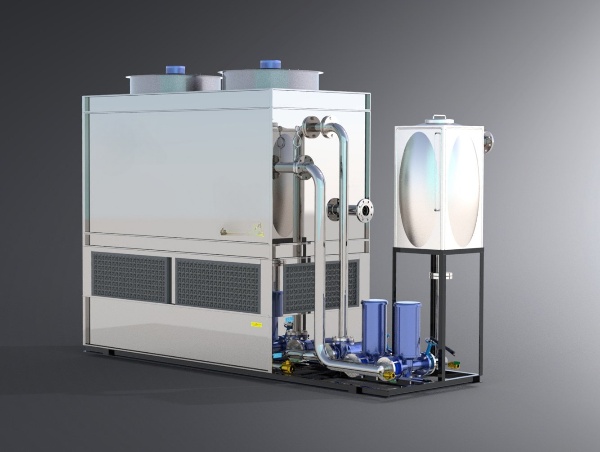
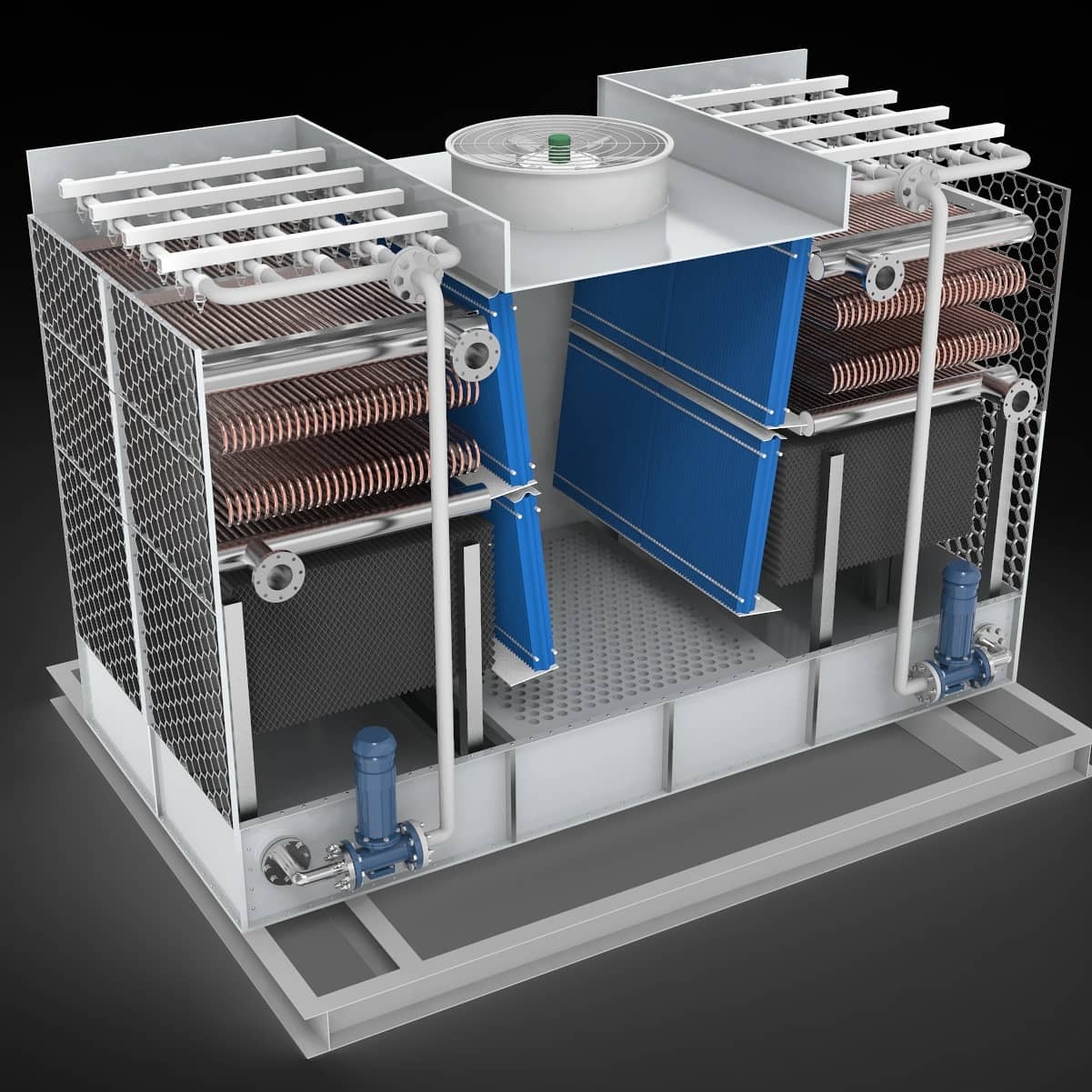
Open (Wet) vs. Closed-Circuit (Dry) Cooling Towers: Key Differences Feature Open (Wet) Cooling Tower Closed-Circuit (Dry) Cooling Tower Cooling Method Evaporative cooling (water exposed to air) Sensible cooling (fluid isolated in a sealed coil) Water Usage High (evaporation + drift + blowdown) Minimal (only in hybrid models with adiabatic spray)...
Dry Cooling Towers Dry cooling towers (also called air-cooled heat exchangers) reject heat without water evaporation, making them ideal for water-scarce regions or applications requiring zero water usage. How Dry Cooling Towers Work Key Principle: Types of Dry Cooling Towers 1. Direct Dry Cooling (A-frame/Heller System) 2. Indirect Dry...
Evaporative Cooling Towers Evaporative cooling towers are heat rejection systems that use water evaporation to remove process heat efficiently. They are widely used in industries, HVAC systems, and power plants where large-scale cooling is required. How Evaporative Cooling Towers Work Key Principle: Types of Evaporative Cooling Towers 1....
Package Cooling Towers Package cooling towers are factory-assembled, pre-engineered cooling systems designed for quick installation and moderate cooling capacities (typically 5 to 500 tons). They are compact, self-contained units used in commercial and light industrial applications where space and simplicity are key considerations Key...
Field-Erected Cooling Towers Field-erected cooling towers (FECTs) are large, custom-built cooling systems assembled on-site, designed for heavy-duty industrial applications requiring high heat rejection capacity (typically 500+ tons of cooling). Unlike factory-assembled packaged towers, these are built piece-by-piece at the installation...
Hybrid (Wet/Dry) Cooling Tower A hybrid cooling tower combines the benefits of evaporative (wet) cooling and dry cooling into a single system, optimizing efficiency while minimizing water and energy consumption. It dynamically switches between operating modes based on ambient conditions, making it ideal for variable...
A closed-circuit (dry) cooling tower, also known as a fluid cooler or dry cooler with adiabatic assist, is a heat rejection system that keeps the process fluid (water or glycol mixture) isolated from the outside air in a sealed coil, unlike an open cooling tower where water is directly exposed to the atmosphere. How a...
An open (wet) cooling tower is a heat rejection device that removes waste heat from a water stream by evaporative cooling. It is commonly used in HVAC systems, power plants, and industrial processes to cool water that has absorbed heat from machinery or processes. How an Open Cooling Tower Works: Key Components: Advantages: Disadvantages:...
Metal Cooling Towers: Steel vs. Stainless Steel – Pros, Cons & Applications Metal cooling towers (primarily carbon steel or stainless steel) are widely used in industrial and commercial settings due to their strength, repairability, and cost-effectiveness. However, their performance depends heavily on material choice and...
Concrete Cooling Towers: Overview, Pros & Cons, and Applications Concrete cooling towers are heavy-duty structures commonly used in large industrial and power generation applications where durability and long-term performance are critical. They offer exceptional strength and longevity but come with higher initial costs and construction...
Fiberglass-Reinforced Plastic (FRP) cooling towers are among the most popular choices today due to their durability, corrosion resistance, and lightweight properties. Here’s a detailed breakdown: Advantages of FRP Cooling Towers Disadvantages of FRP Cooling Towers Common Applications FRP vs. Alternative Materials Feature FRP Steel Concrete Wood...
Wooden cooling towers were once common, especially in the early to mid-20th century, but they are now rare due to advancements in materials like fiberglass, steel, and concrete. Here’s an overview: Why Were Wooden Cooling Towers Used? Disadvantages of Wooden Cooling Towers Where Were They Used? Why Are They Rare Today? Where Were They Used?...
Cooling towers can be classified based on their construction materials, which affect durability, corrosion resistance, and suitability for different environments. Here are the main types: 1. Wooden Cooling Towers 2. Galvanized Steel (G.I.) Cooling Towers 3. Stainless Steel Cooling Towers 4. Fiberglass-Reinforced Plastic (FRP) Cooling Towers 5....
A counterflow cooling tower is a type of mechanical draft cooling tower were air flows vertically upward, opposite to the downward flow of water. This design maximizes heat transfer efficiency by ensuring direct contact between air and water in opposing directions. How a Counterflow Cooling Tower Works Advantages of...
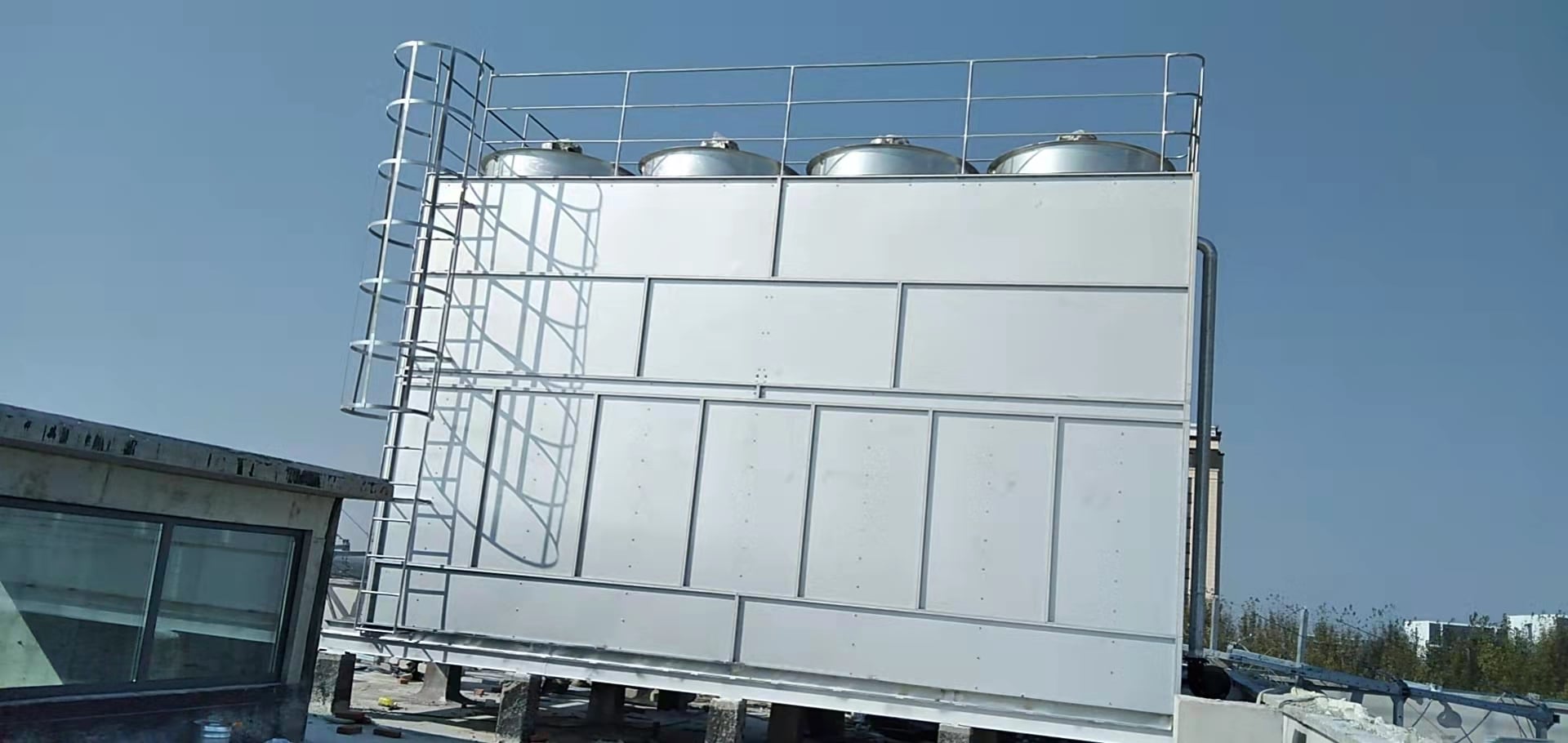
A crossflow cooling tower is a type of mechanical draft cooling tower where air flows horizontally across the falling water, while the water flows vertically downward due to gravity. This design differs from counterflow cooling towers, where air and water move in opposite vertical directions. How a...
Forced draft and induced draft cooling towers are two common types of mechanical draft cooling towers, differing primarily in the placement of fans and airflow mechanisms. Here’s a comparison: 1. Forced Draft Cooling Tower 2. Induced Draft Cooling Tower Key Differences Summary Feature Forced Draft Induced Draft Fan Position Bottom (air inlet) Top...
An Induced Draft Cooling Tower is a type of mechanical draft cooling tower where a fan (or multiple fans) is installed at the air outlet (top) to pull (induce) air through the tower. This design creates negative pressure inside the tower, enhancing airflow and heat exchange efficiency. Key Features of Induced...
A Forced Draft Cooling Tower is a type of mechanical draft cooling tower in which a fan (or multiple fans) is installed at the air inlet to force air into the tower. This design contrasts with an induced draft cooling tower, where the fan is placed at the discharge side to pull air through the tower. Key Features of Forced...
A Mechanical Draft Cooling Tower is a type of cooling tower that uses mechanical fans (forced or induced draft) to enhance airflow and improve cooling efficiency. Unlike natural draft cooling towers, which rely on convection, mechanical draft towers are more compact, controllable, and widely used in industries where space or...
A Natural Draft Cooling Tower is a large, hyperbolic-shaped structure used to remove excess heat from industrial processes, most commonly in thermal power plants. These towers rely on natural convection to circulate air and cool water, without the need for mechanical fans. Key Features: Advantages: Disadvantages: Comparison with...
A cooling tower Disadvantages its of several key components that work together to remove heat from water efficiently. Below are the major parts of a cooling tower and their functions: 1. Frame & Casing 2. Fill Media (Heat Transfer Surface) 3. Water Distribution System 4. Drift Eliminators 5. Fans (For Mechanical Draft...
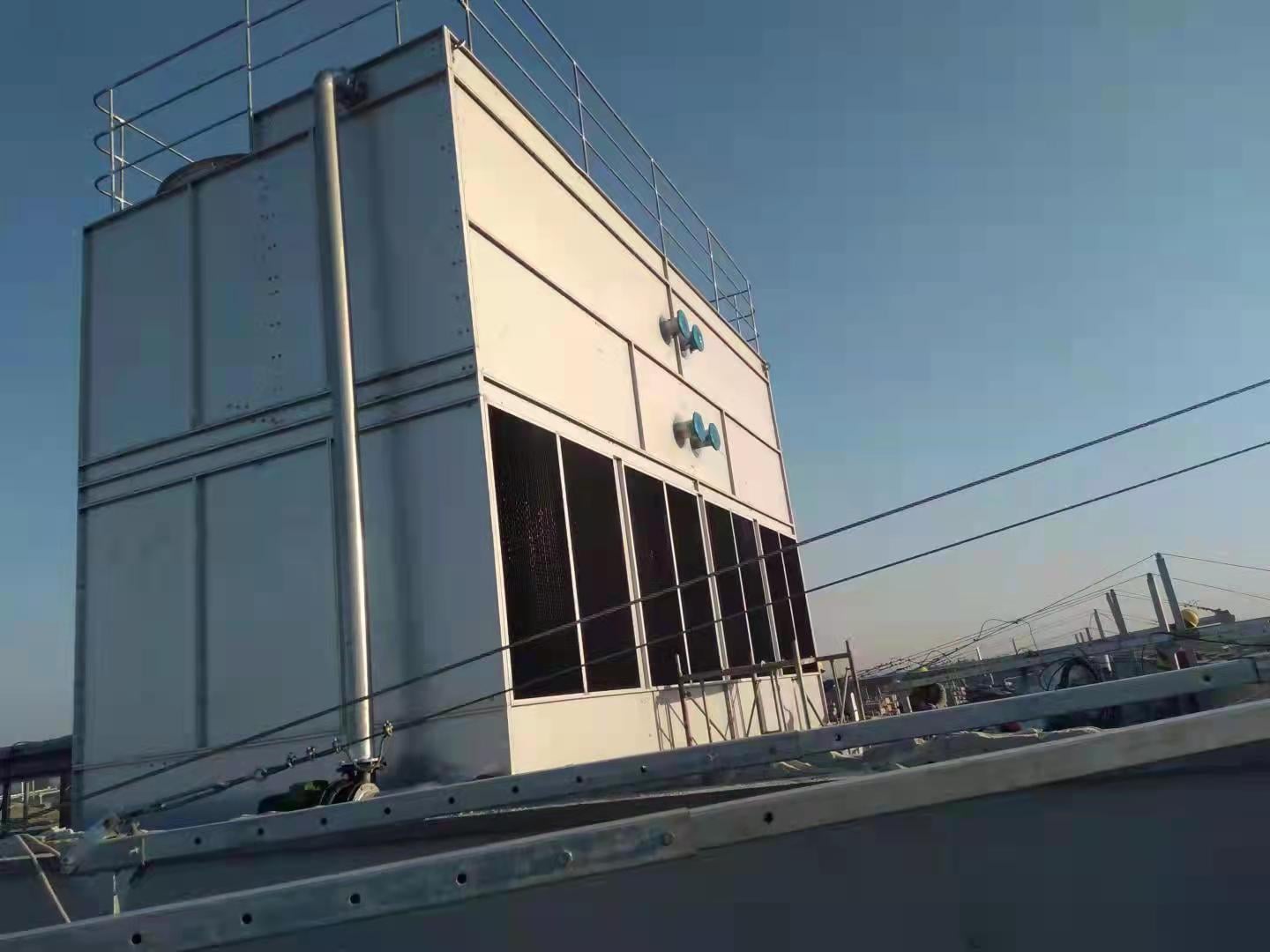
Cooling towers are classified based on their airflow mechanism, design, and heat transfer method. Here are the main types of cooling towers: 1. Based on Airflow Generation A. Natural Draft Cooling Tower B. Mechanical Draft Cooling Tower 2. Based on Water & Air Flow Direction A. Crossflow Cooling Tower B. Counterflow Cooling Tower 3....
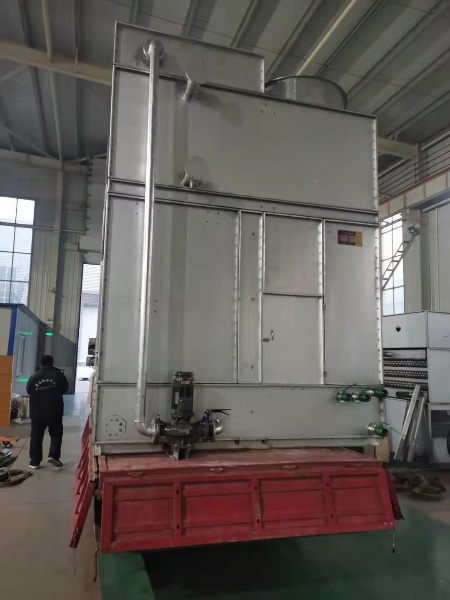
A cooling tower is a heat rejection device that removes waste heat from a water stream and releases it into the atmosphere. It is commonly used in industries, power plants, and HVAC systems to cool water that has been heated by industrial processes or air conditioning systems. How Does a Cooling Tower Work? Types of Cooling Towers...
When to Choose Titanium tubes in heat exchanger? Choosing titanium tubes for a heat exchanger is a strategic decision driven by its unique and exceptional corrosion resistance, albeit at a higher initial cost. Here is a clear guide on when to specify titanium tubes. Primary Reason: Unmatched Corrosion Resistance You choose titanium when the...