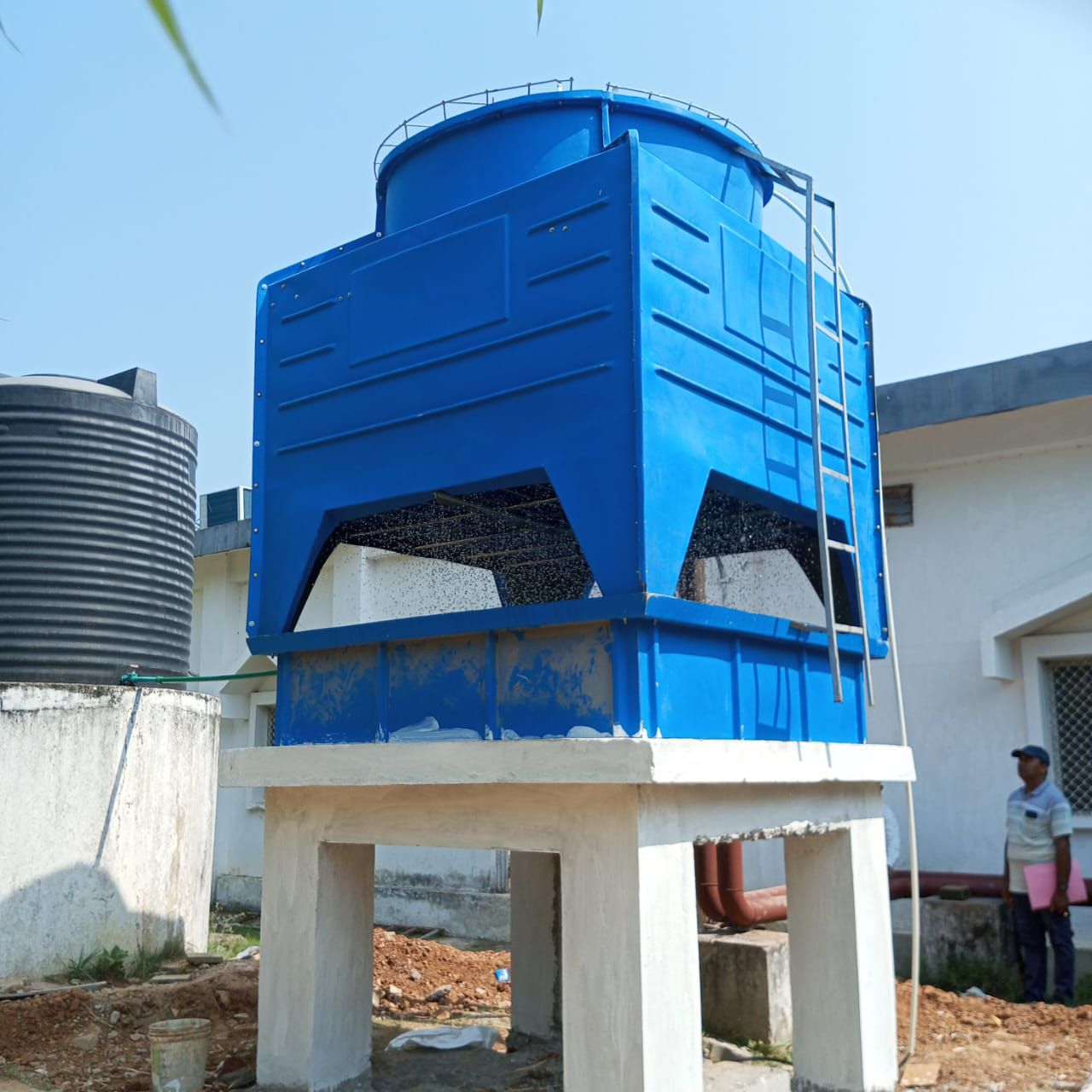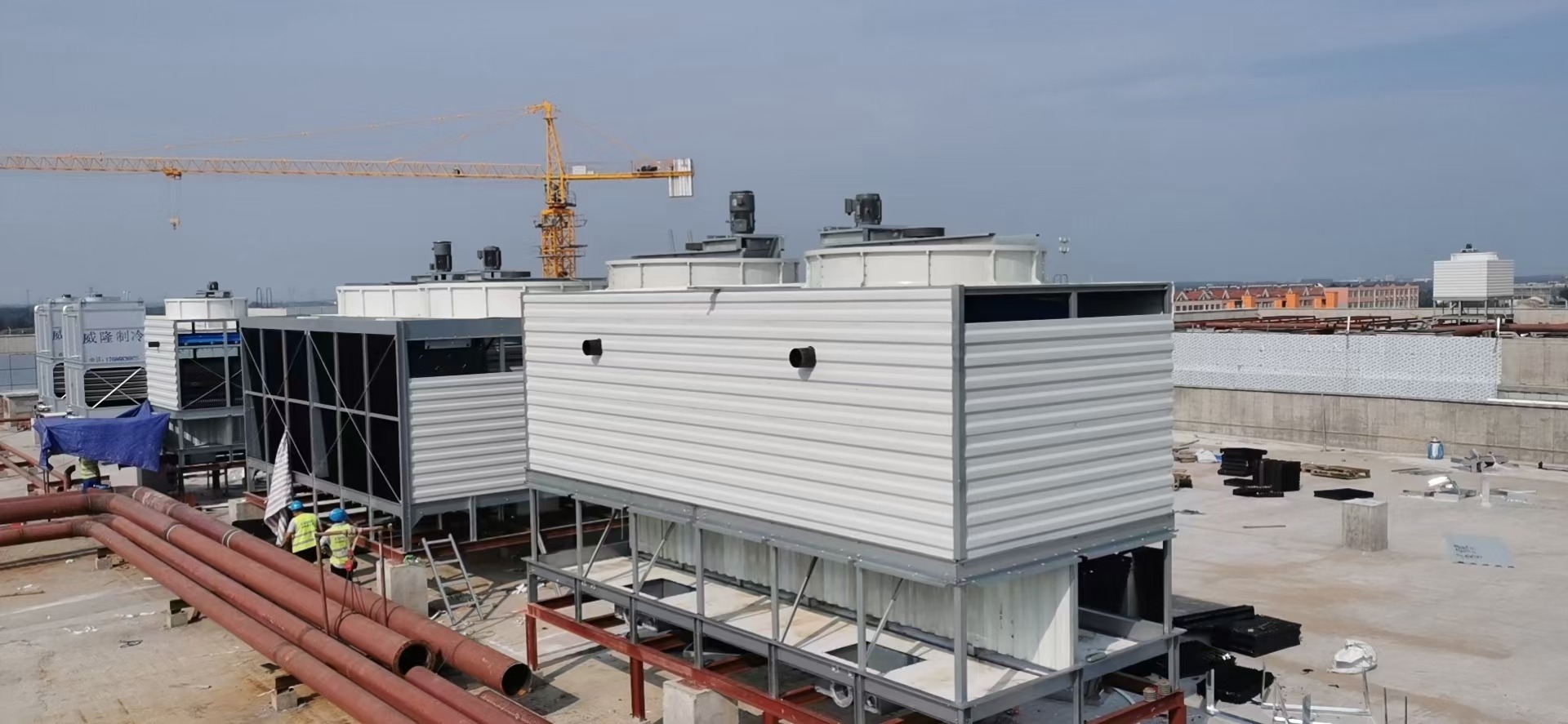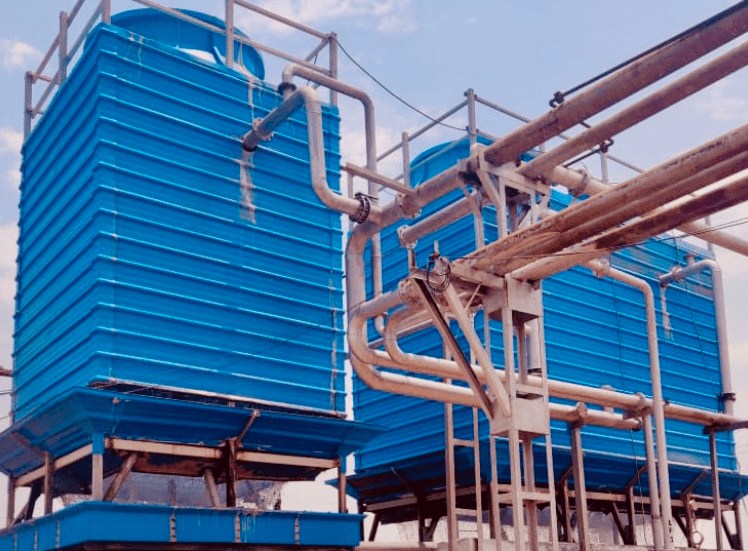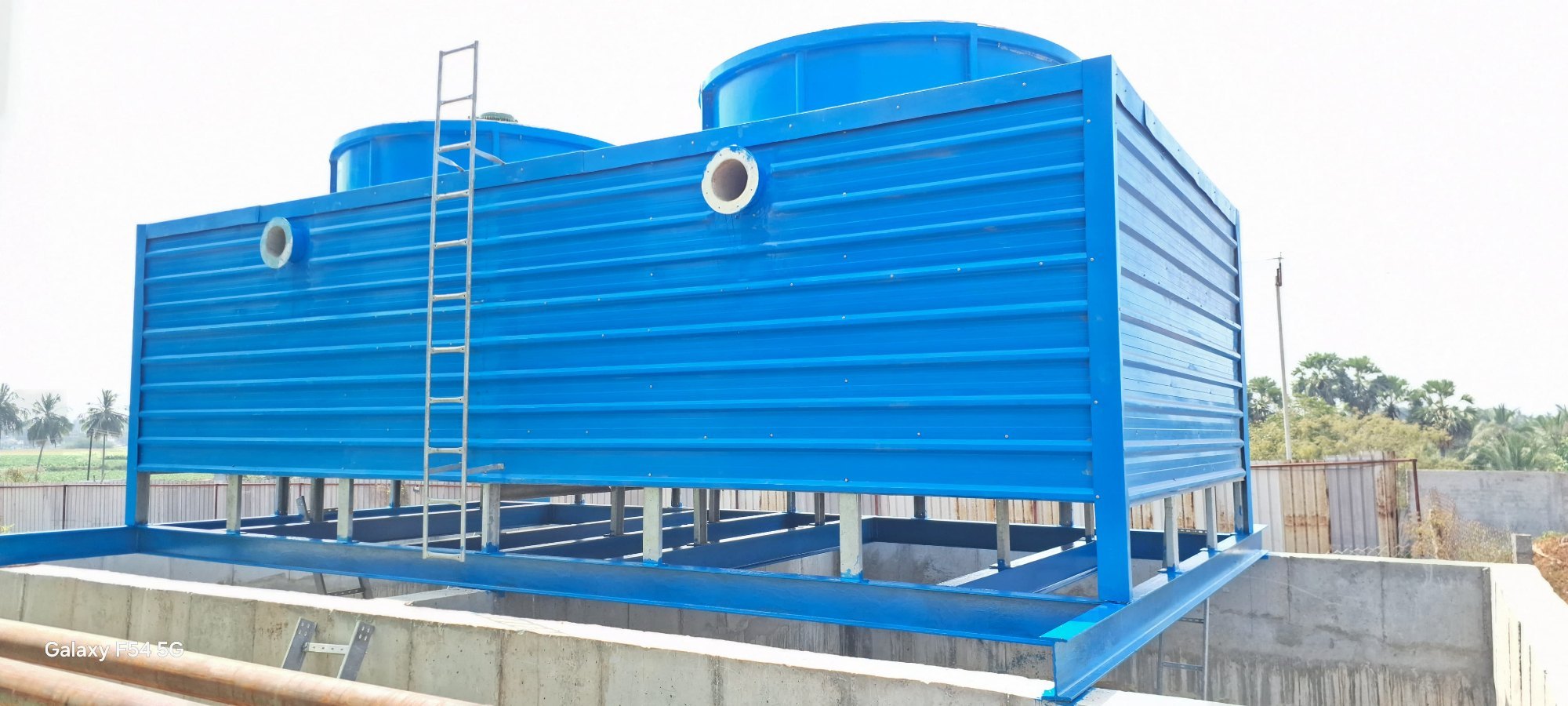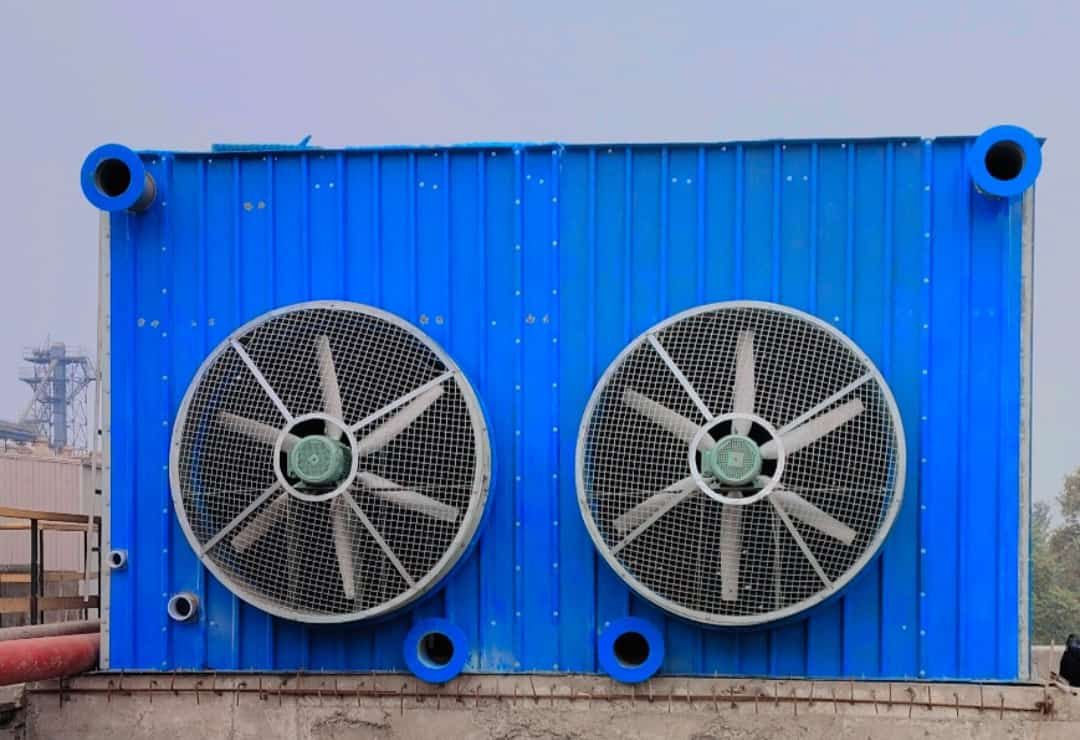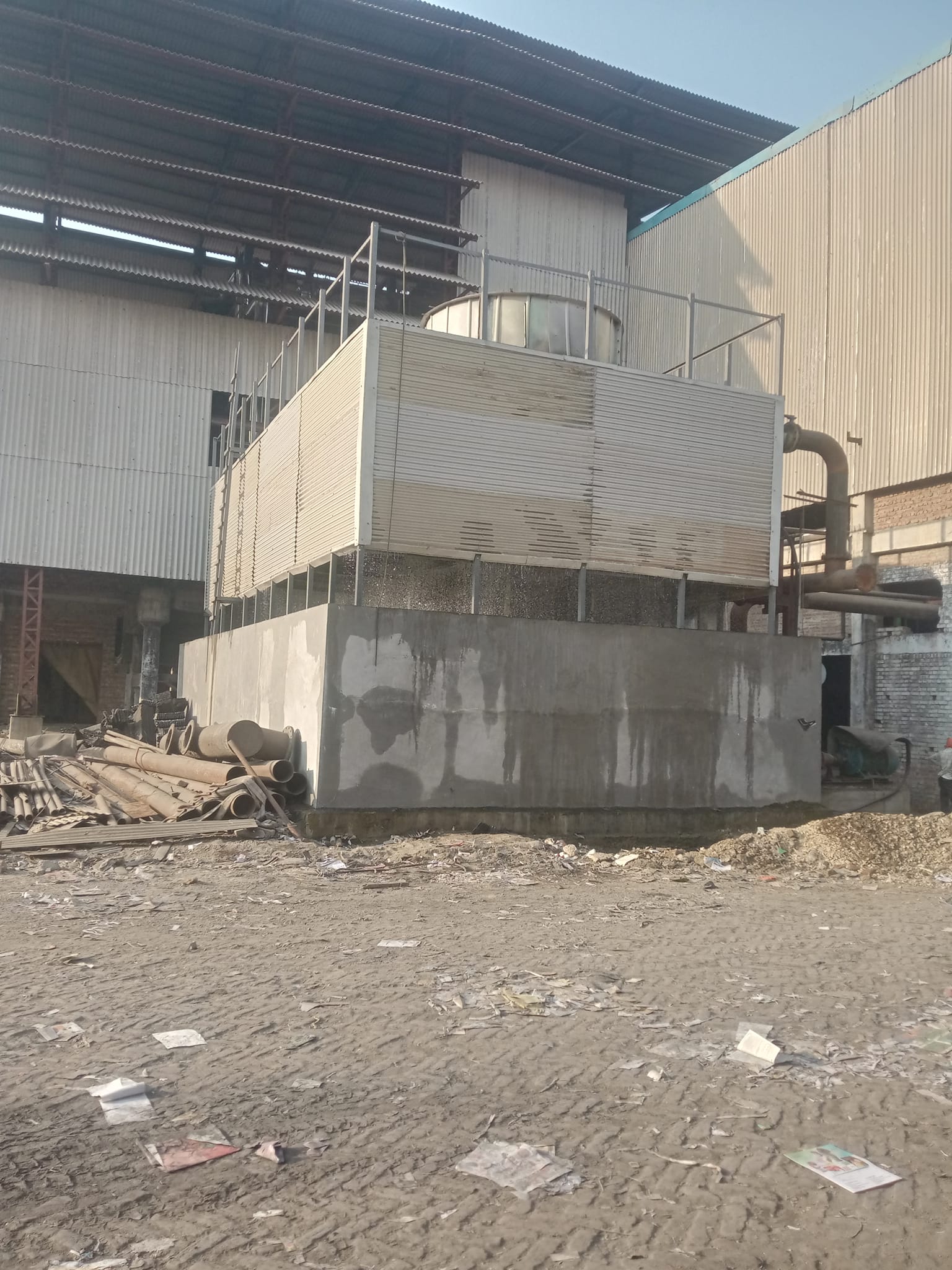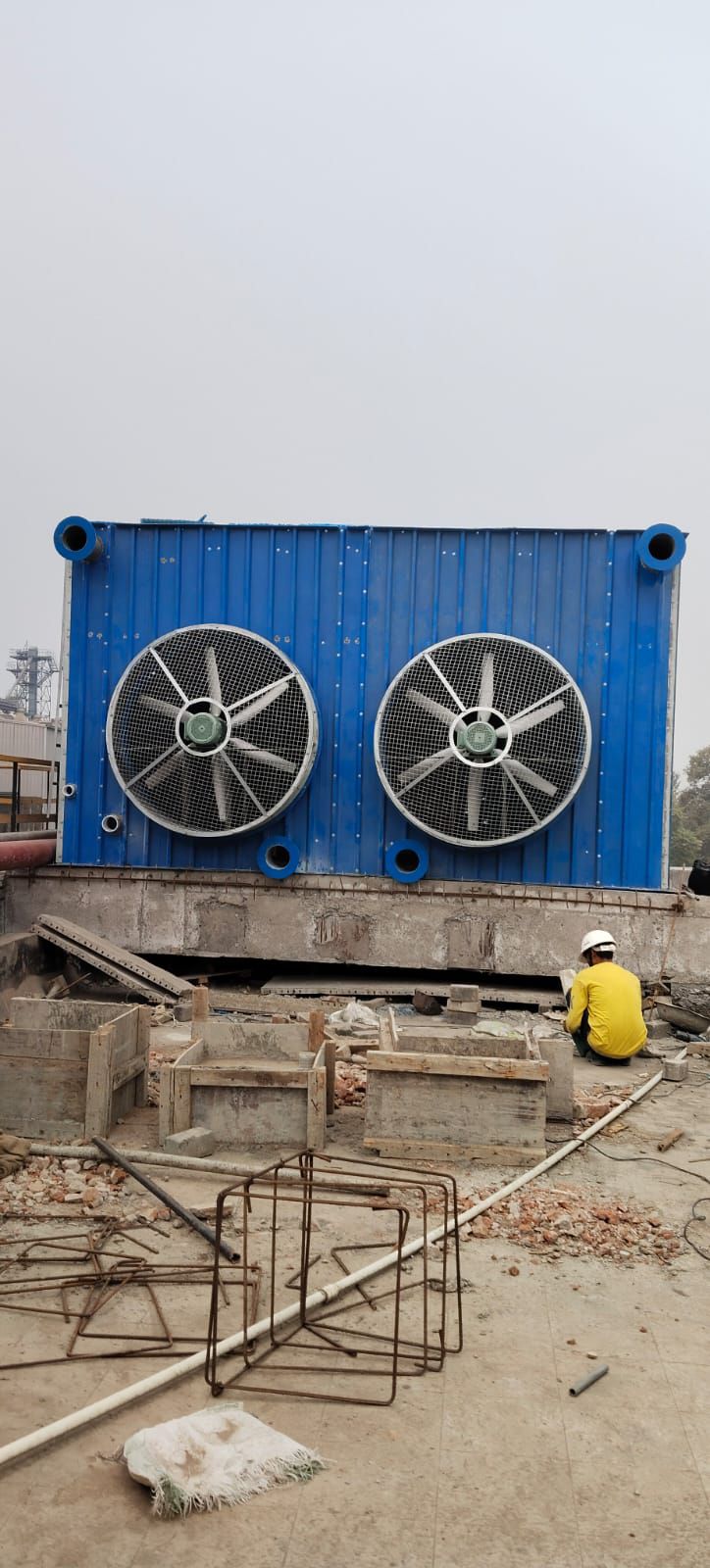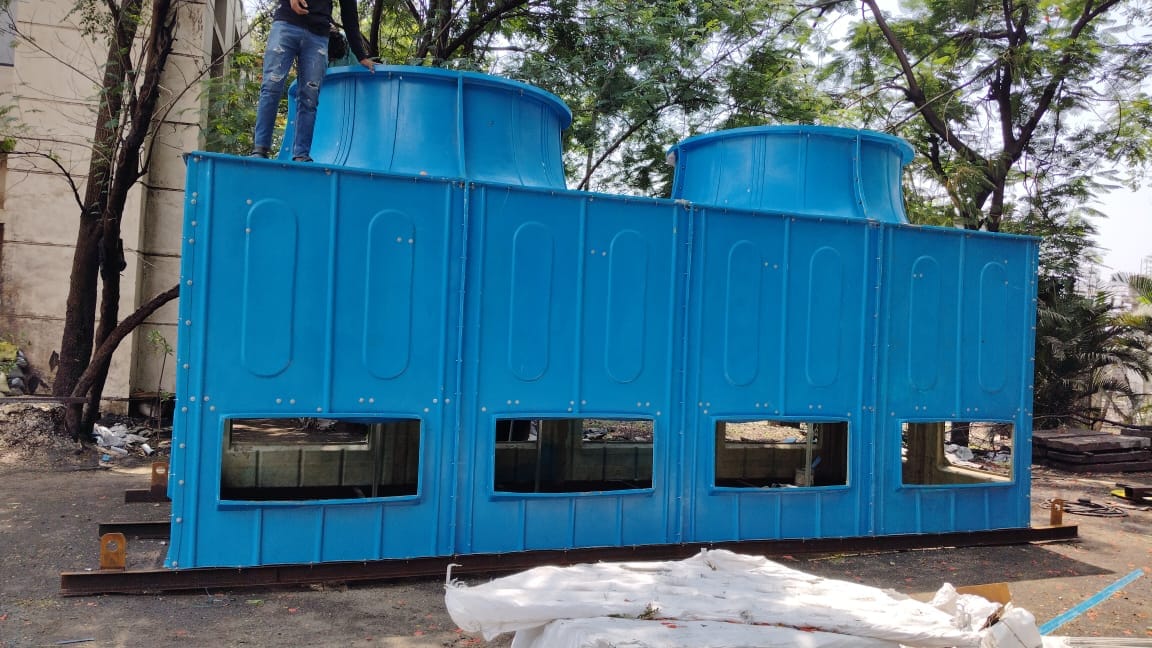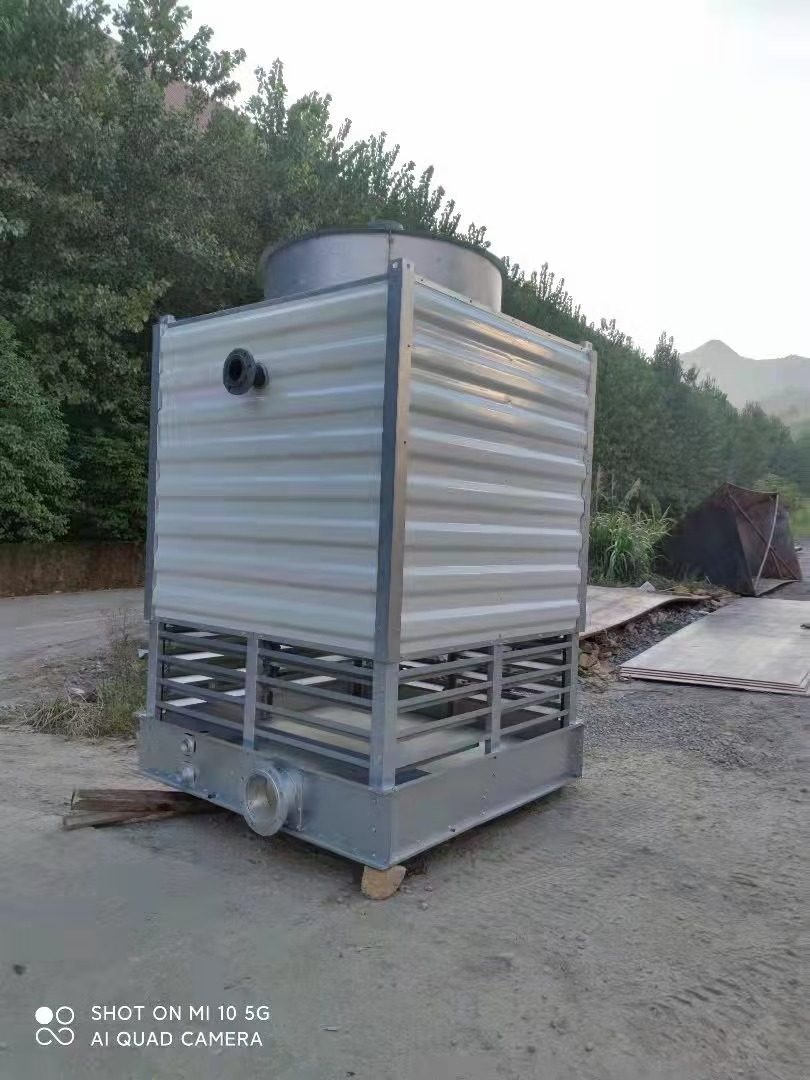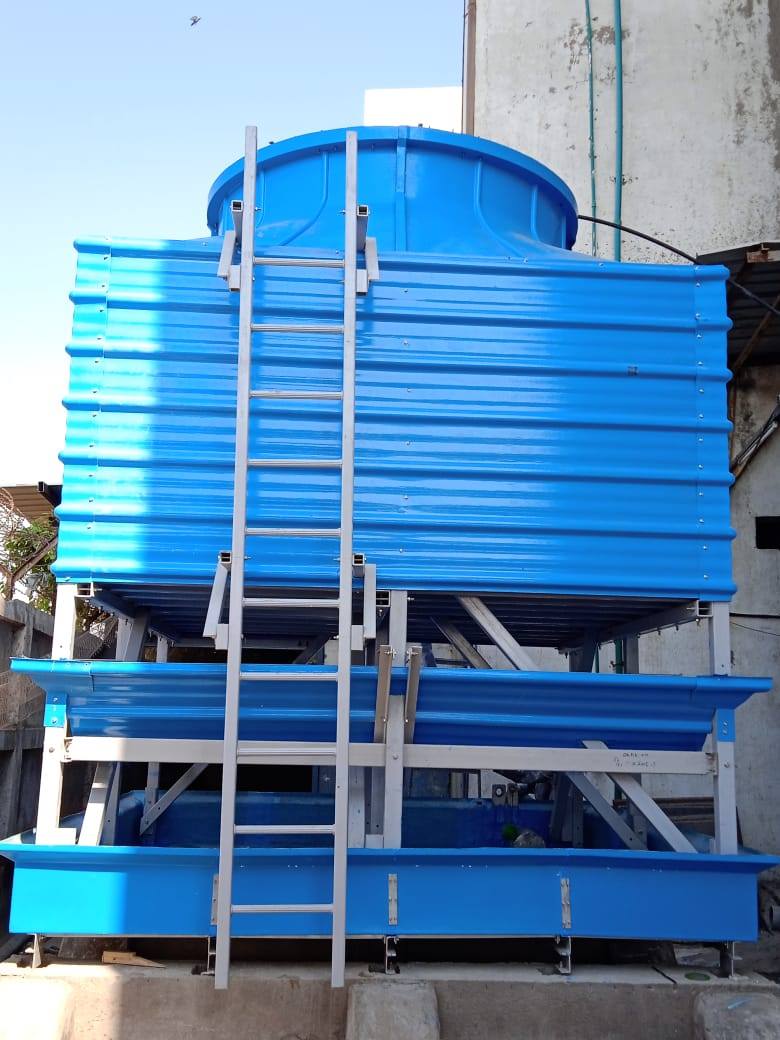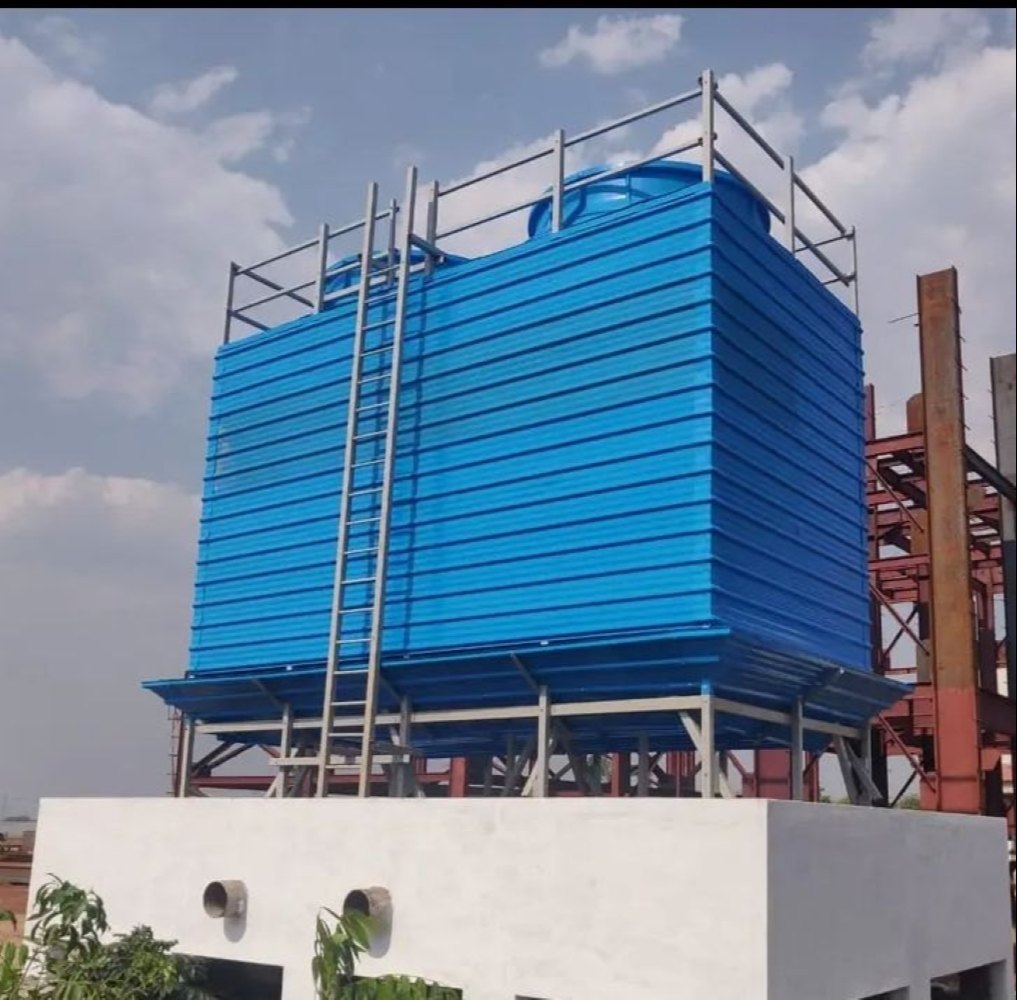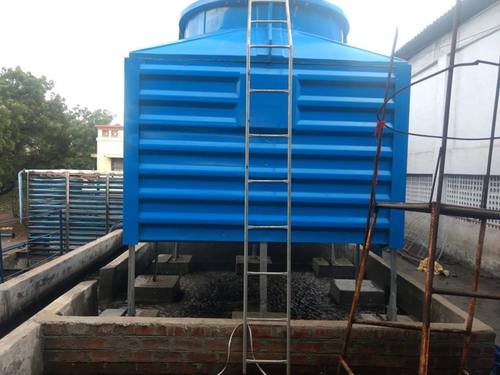
Applications of Evaporative Condenser Evaporative condensers are ideal for systems where energy efficiency is a top priority and water is available. Common applications include:
Components of Evaporative Condenser Evaporative Condenser vs. Evaporative Fluid Cooler vs. Cooling Tower This is a common point of confusion. Here’s the critical difference: Feature Evaporative Condenser Evaporative Fluid Cooler (Closed-CCT) Open Cooling Tower What it Cools Refrigerant (e.g., R-134a, Ammonia) inside a coil. Water or Glycol...
What is meant by Evaporative Condenser? An Evaporative Condenser is a device that uses the evaporation of water to reject heat from a refrigerant, effectively condensing (liquefying) the refrigerant vapor back into a liquid so it can be reused in the refrigeration cycle. It is a key component in large-scale refrigeration, air...
Evaporative Fluid Cooler” vs. “Closed-Circuit Cooling Tower” The difference is often one of marketing emphasis and industry preference: In practical terms, they are the same equipment. You will often see the terms used interchangeably in product literature and by engineers. Key Advantage Over a Dry Cooler: A standard dry...
What is meant by Evaporative Fluid Cooler? An Evaporative Fluid Cooler is essentially another name for a Closed-Circuit Cooling Tower (CCT). The term describes the same piece of equipment but emphasizes its core function: cooling a fluid (liquid) by using the evaporative cooling process. Let’s break down the name to...
How to Choose the Right Type Cooling Tower In practice, the cylindrical induced draft tower is the workhorse of the industry, but the low-profile horizontal and efficient V-Flow designs are increasingly popular for specific project needs.
Classification by Physical Design and Orientation A. Cylindrical / Round (Most Common Induced Draft Type) B. Flat Top / V-Flow (Induced Draft) C. Horizontal (Forced Draft) Summary Table: Key Types of Closed Circuit Cooling Towers Type Airflow Method Fan Location Key Characteristics Best For Cylindrical Induced Draft Induced Draft Top Compact...
Types of Closed-Circuit cooling Tower Closed Circuit Cooling Towers (CCTs) can be categorized in several ways, primarily based on their airflow generation method and their physical design and orientation. Understanding these types is key to selecting the right tower for a specific application. Here is a breakdown of the main...
Material of Construction of Closed-Circuit cooling tower 1. Casing / Structure (The Tower’s Exterior Shell and Frame) This provides the structural integrity and protects the internal components. 2. Cooling Coil (The Heart of the CCT) This is the most critical component where heat exchange occurs. The material must have excellent thermal...
Application of Closed-Circuit cooling Tower Closed-Circuit Cooling Towers (CCT), also known as Fluid Coolers or Evaporative Coolers. How a Closed-Circuit Cooling Tower Works First, it’s crucial to understand the fundamental difference: The heat from the internal process fluid is transferred through the coil wall to the spray...
Closed Circuit vs open circuit cooling tower Core Difference Comparison Table Feature Open Circuit Cooling Tower Closed Circuit Cooling Tower Process Fluid Open to the atmosphere. Contained within a sealed coil. Contamination Risk High. Fluid is exposed to air, dust, and debris. Very Low. The loop is closed and protected. Water Quality...
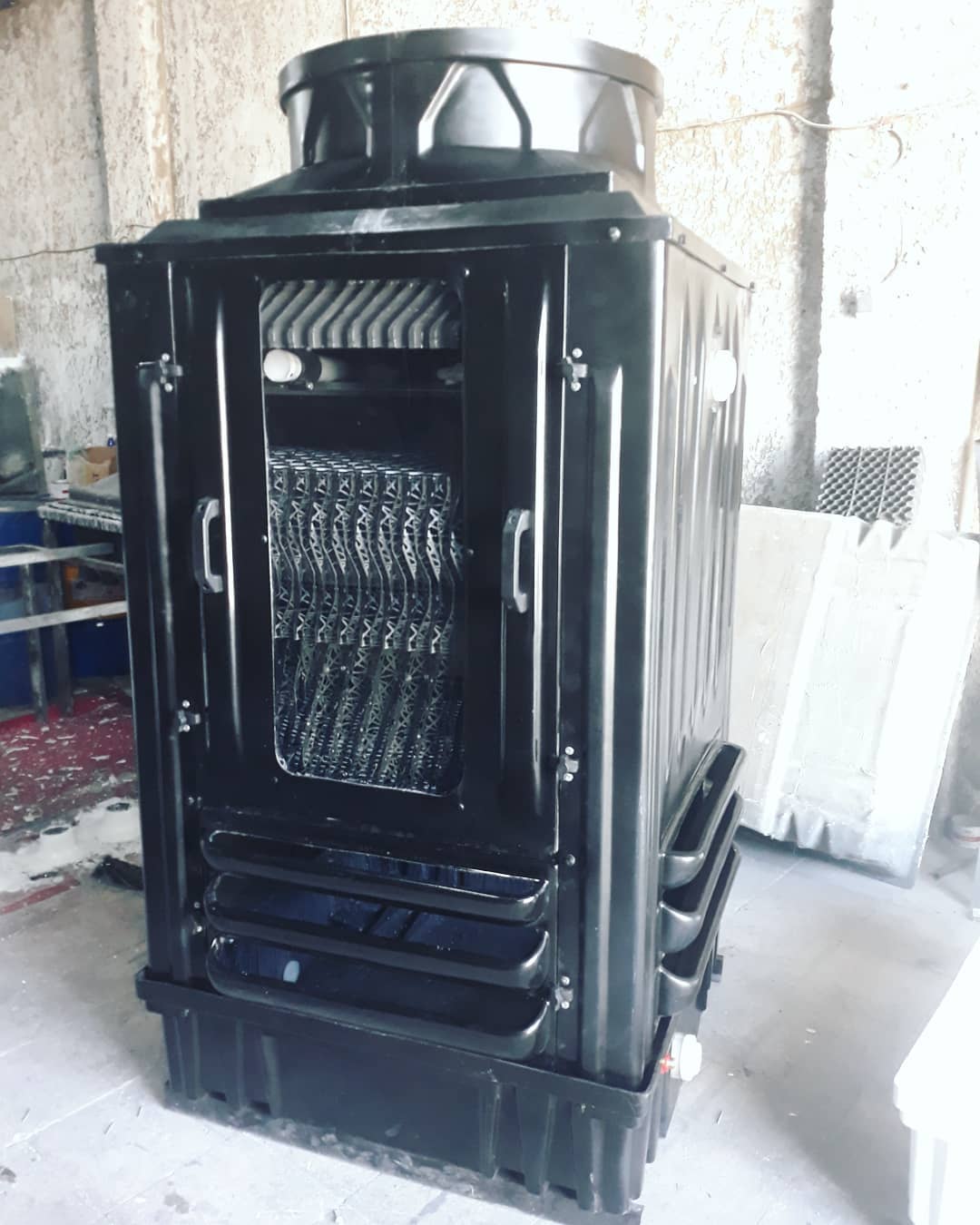
List of parts in Closed Circuit cooling Tower? Table of Parts by System System Key Parts Heat Exchange Coil Bundle, Spray Nozzles, Spray Headers Air Flow Fan(s), Fan Motor, Drive Assembly, Louvers Water Flow Spray Pump, Strainer, Basin/Sump Structure Casing, Base, Access Doors, Louvered Panels Water Management Make-Up Float Valve, Drain, Overflow,...
List of parts in Closed Circuit cooling Tower? A Closed Circuit Cooling Tower is a complex assembly of components that work together to reject heat. Here is a comprehensive list of its key parts, categorized by system function. Core Heat Transfer Components These are the parts directly involved in the cooling process. Air and Water […]
When to Choose Closed Circuit cooling Tower? Choosing a closed circuit cooling tower (often synonymous with a “fluid cooler” or “coil cooling tower”) is a strategic decision based on specific operational, maintenance, and environmental needs. Primary Decision Factors: When a Closed Circuit Tower is the Best Choice You...
What is Meant by Coil Cooling Tower? Coil Cooling Tower” is essentially another name for a Closed Circuit Cooling Tower. The “Coil” is the Defining Feature In a coil cooling tower, the hot process fluid that needs to be cooled is contained within a continuous, sealed coil of tubing, usually made of copper or stainless...
Application of Closed-Circuit Cooling Tower Closed circuit cooling towers are ideal for situations where the process fluid must be kept pure or the system must be protected:
Closed Circuit vs. Open Circuit Cooling Tower Feature Open Circuit Cooling Tower Closed Circuit Cooling Tower Process Fluid Exposed directly to the atmosphere. Contained within a sealed coil. Contamination Risk High (from air, water, and debris). Very Low. Water Consumption High (process water is lost to evaporation). Lower (only spray water...
Working principle of Closed-Circuit cooling Tower How It Works: A Two-Circuit System The key to understanding it is that it has two completely separate circuits:
What is Closed Circuit Cooling Tower A Closed Circuit Cooling Tower (also known as an Evaporative Cooler or Fluid Cooler) is a type of heat exchanger that cools down an internal process fluid (like water or a water-glycol mixture) without ever exposing it directly to the outside air or atmosphere. Think of it like the...
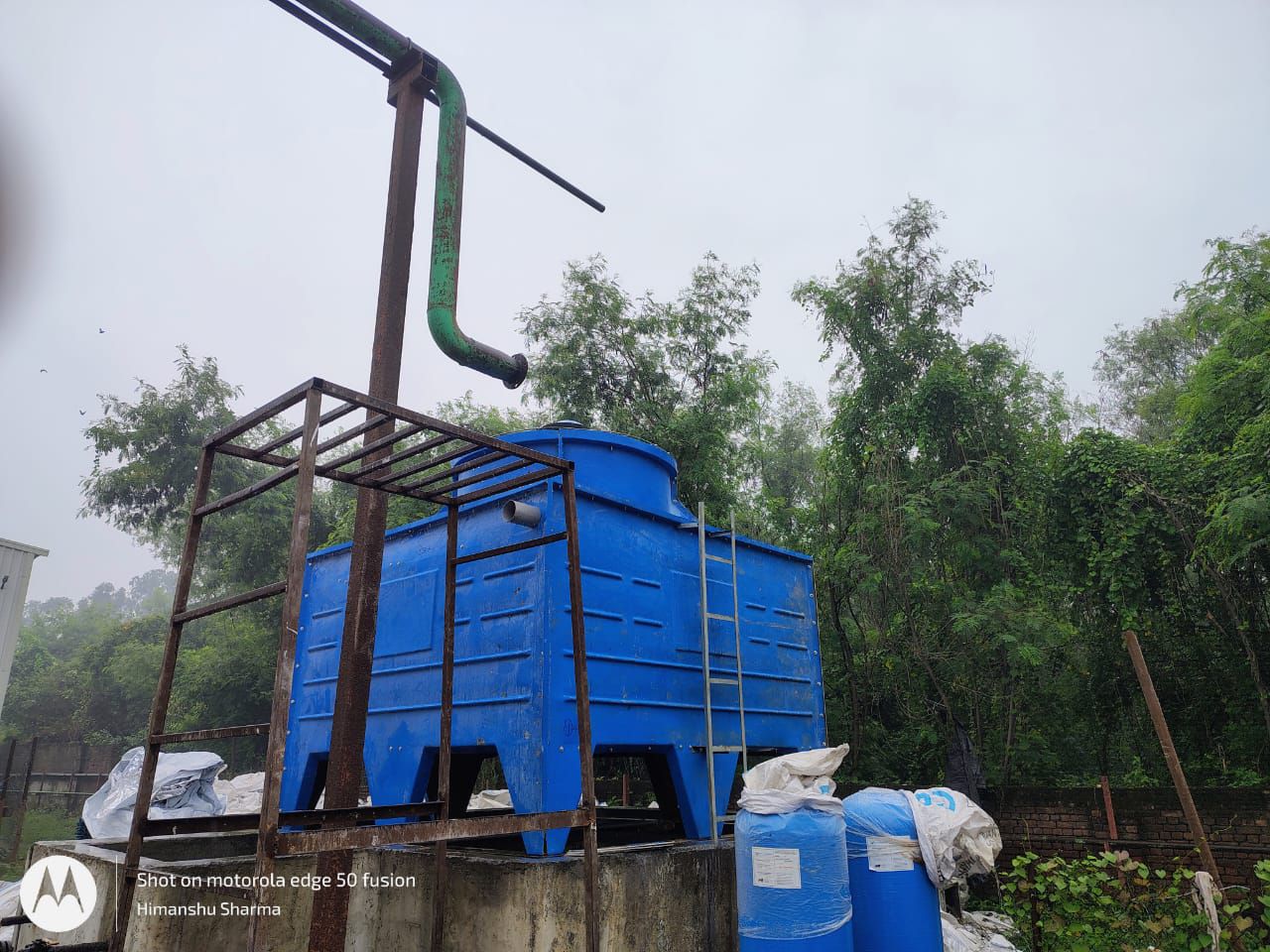
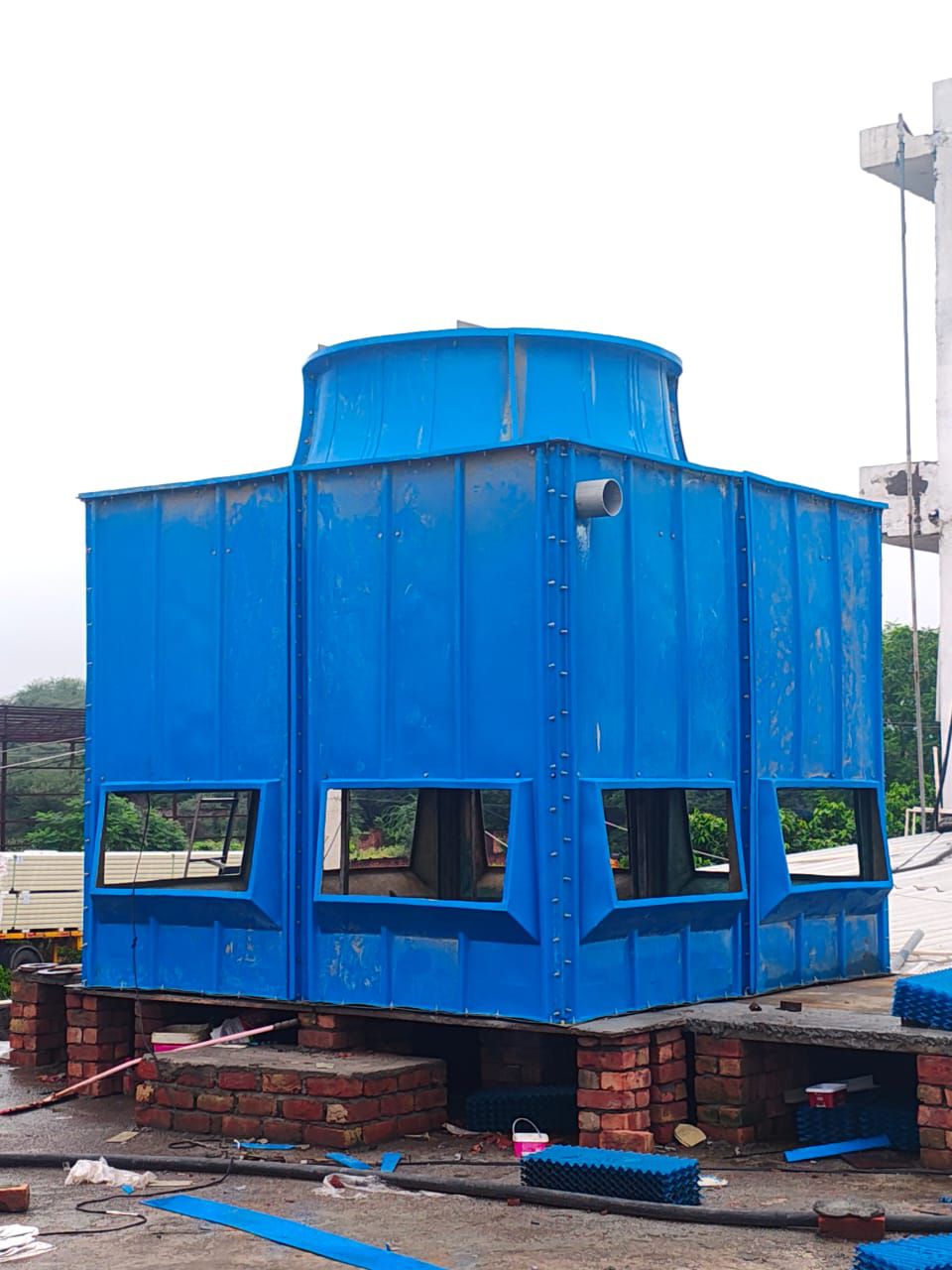
Advantages of FRP Cooling Tower FRP (Fiberglass Reinforced Plastic) Cooling Towers are significant and make them the preferred choice for a wide range of applications, particularly where corrosion, longevity, and low maintenance are priorities. 1. Exceptional Corrosion Resistance (The #1 Advantage) 2. Lightweight yet Extremely Strong 3. Low...
What Parts of the Tower are FRP? In a typical “FRP package tower,” the following are made from FRP: The internal components are usually still made of other highly efficient materials: An FRP cooling tower is a premium, corrosion-resistant, and low-maintenance unit where the main structure is built from molded...
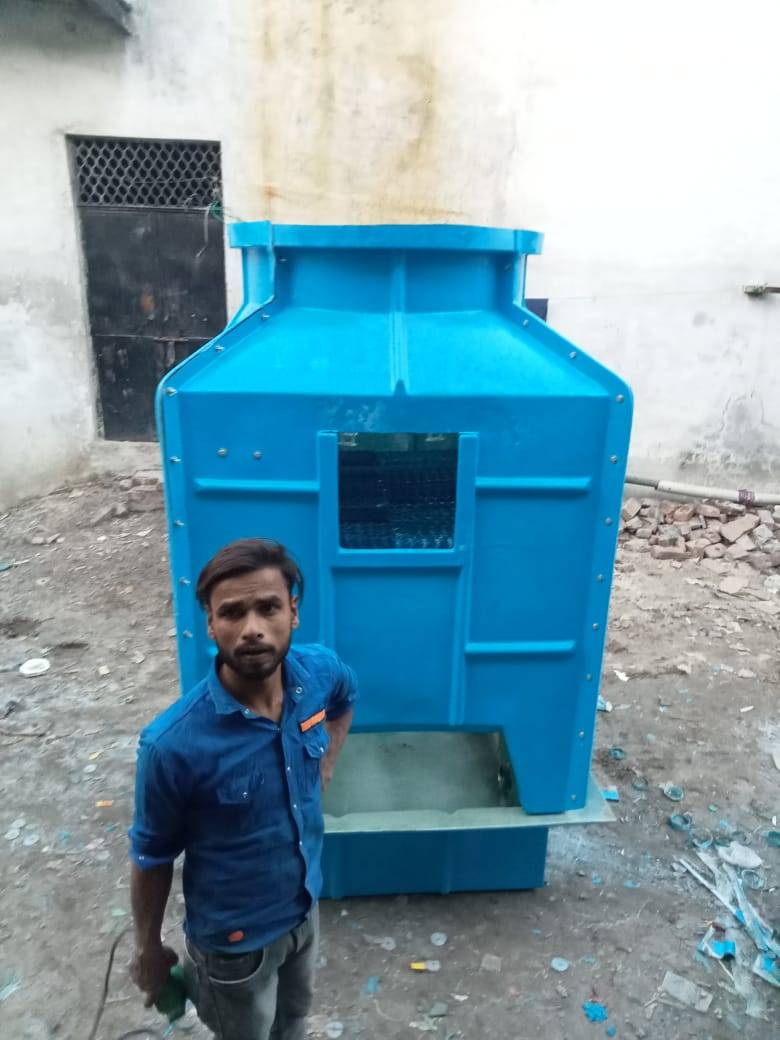
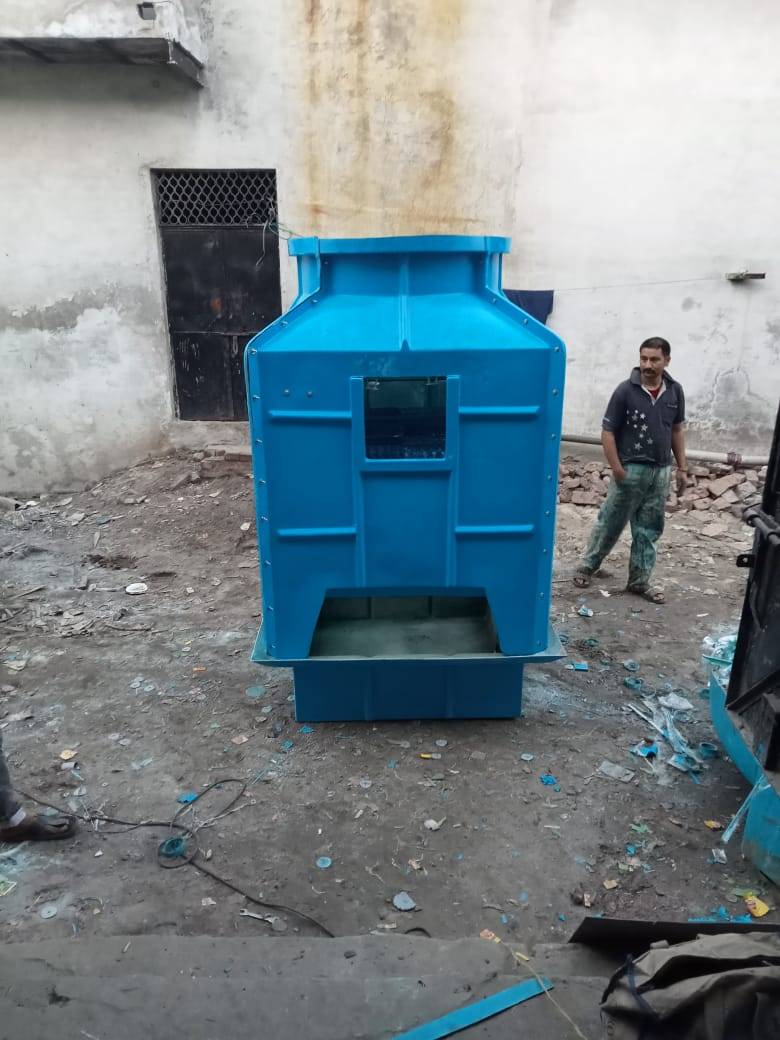
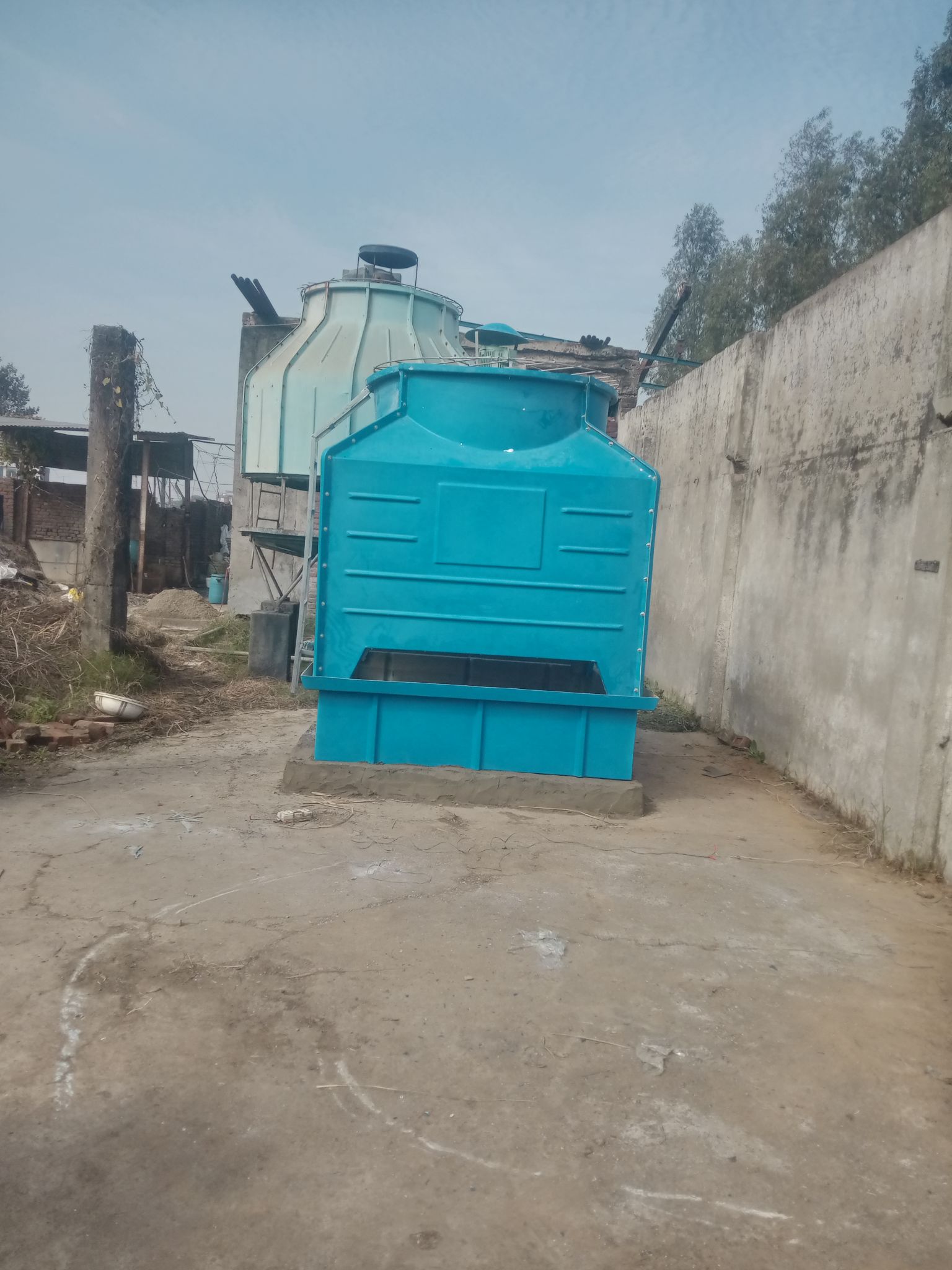
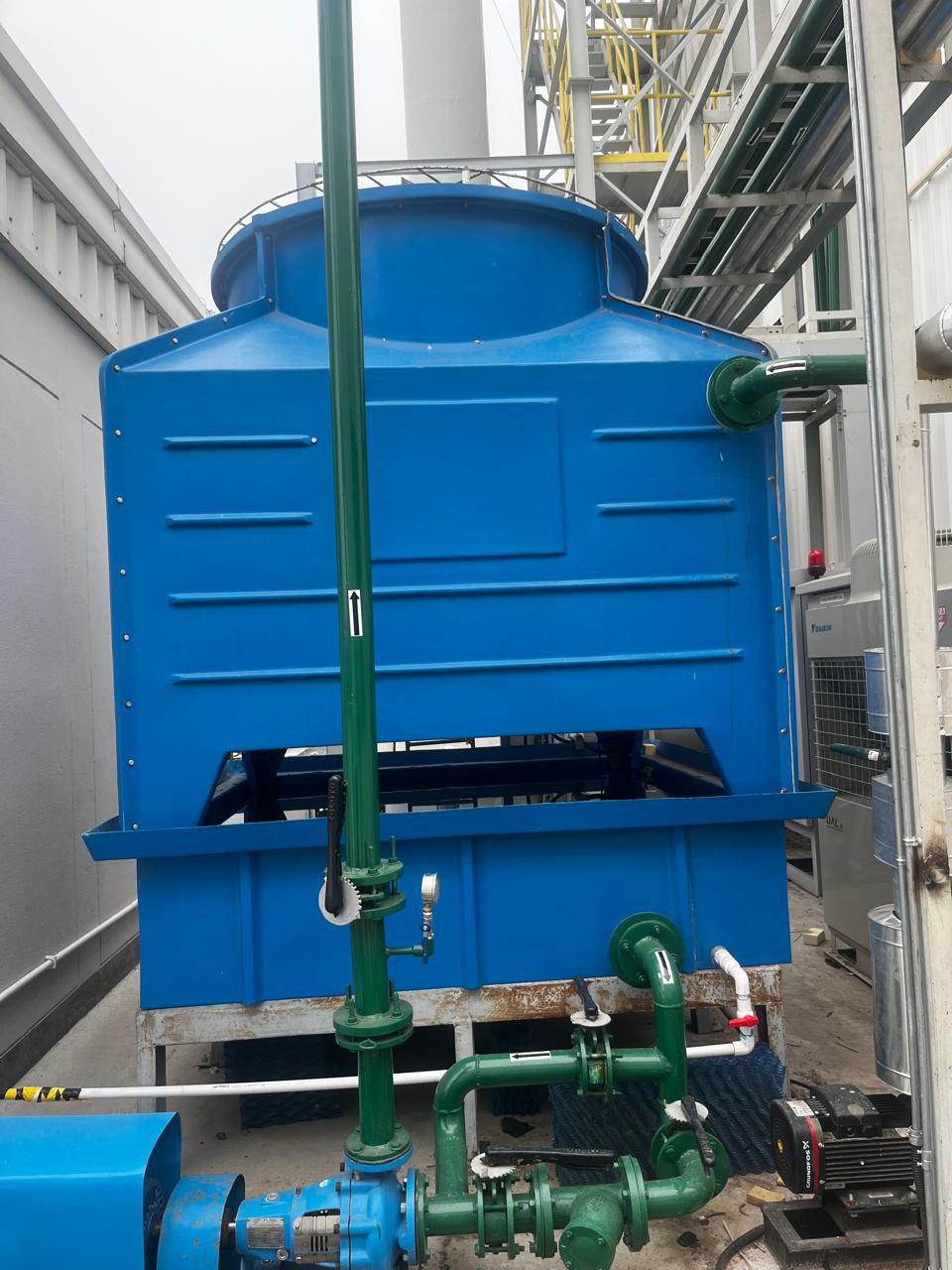
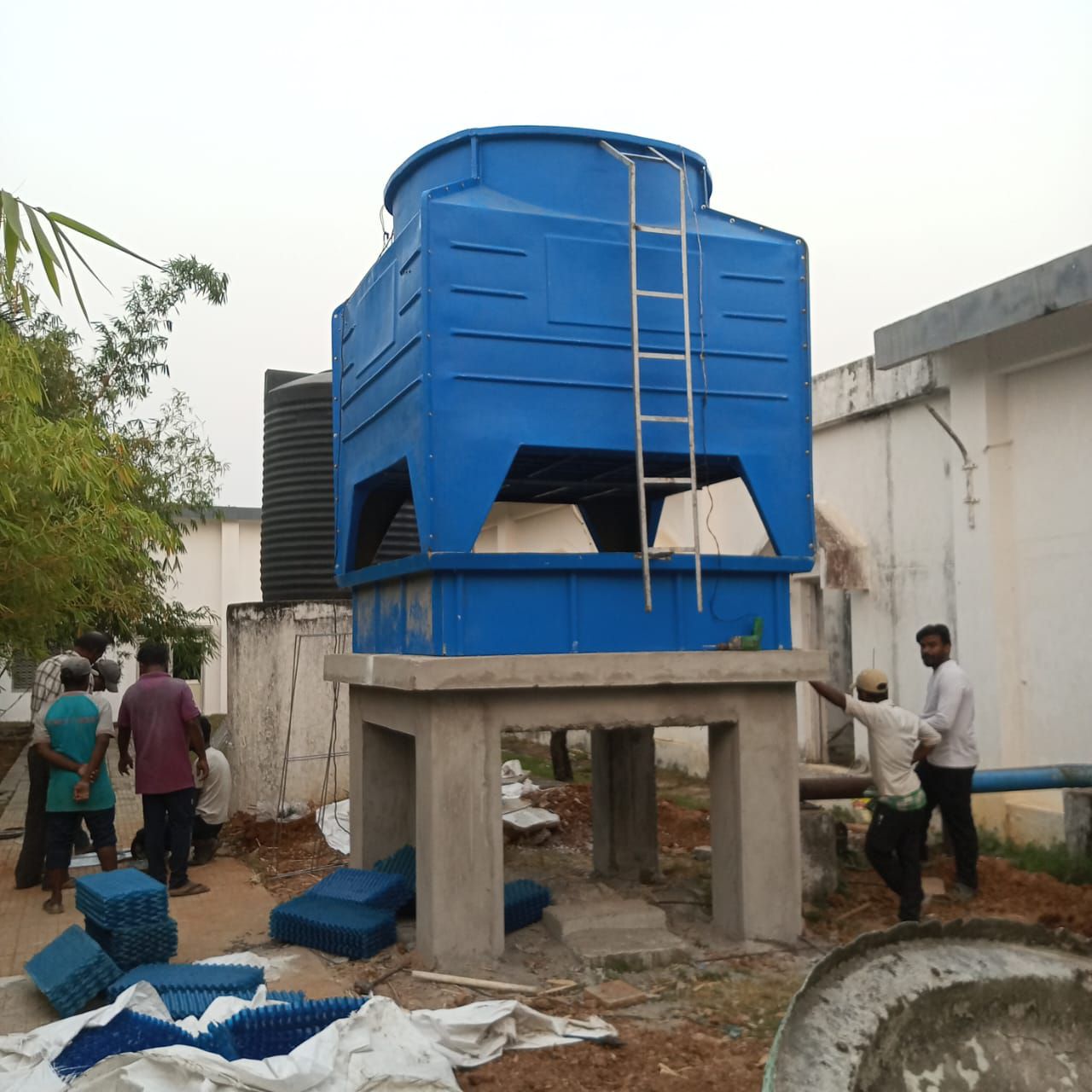
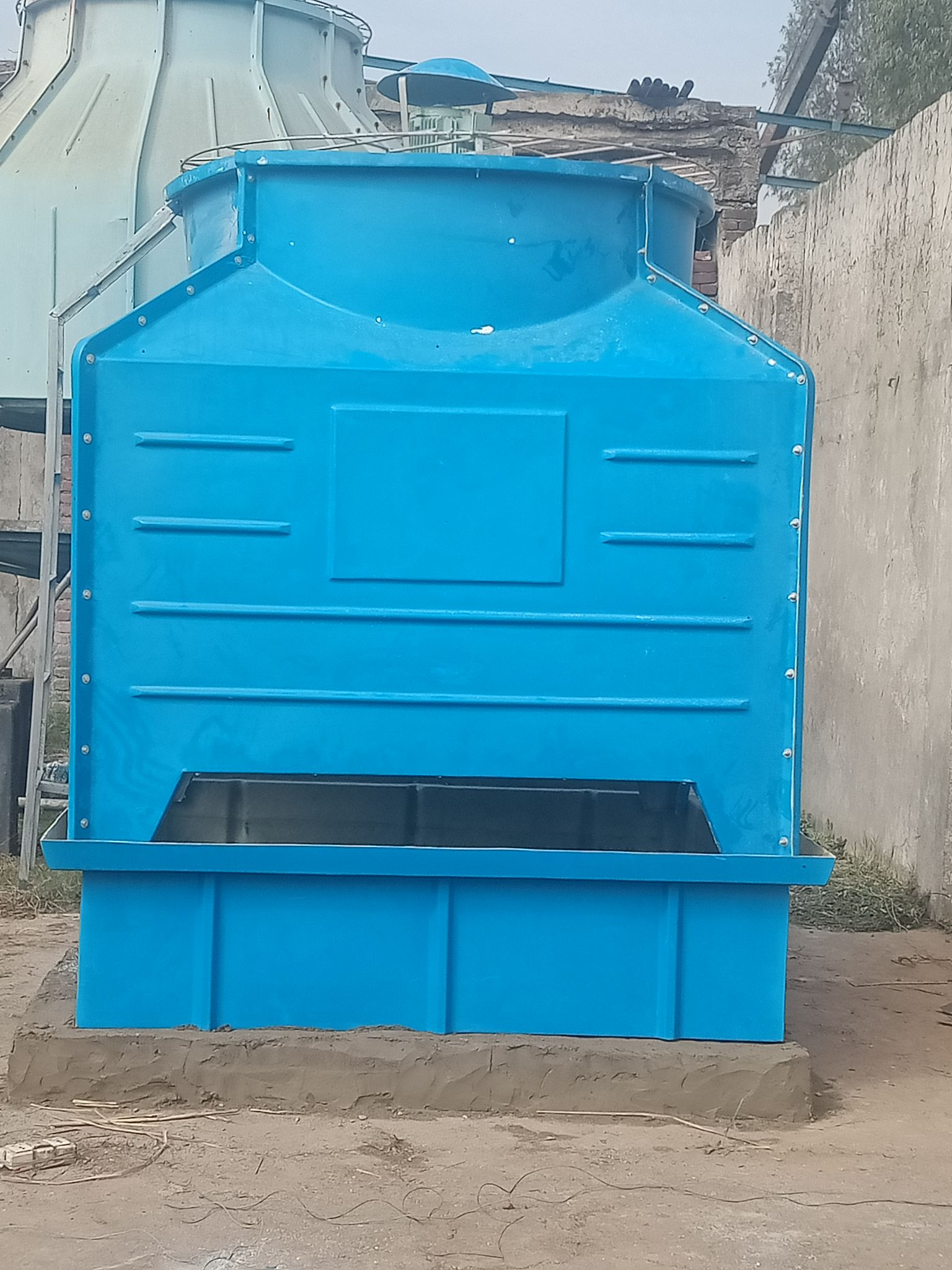
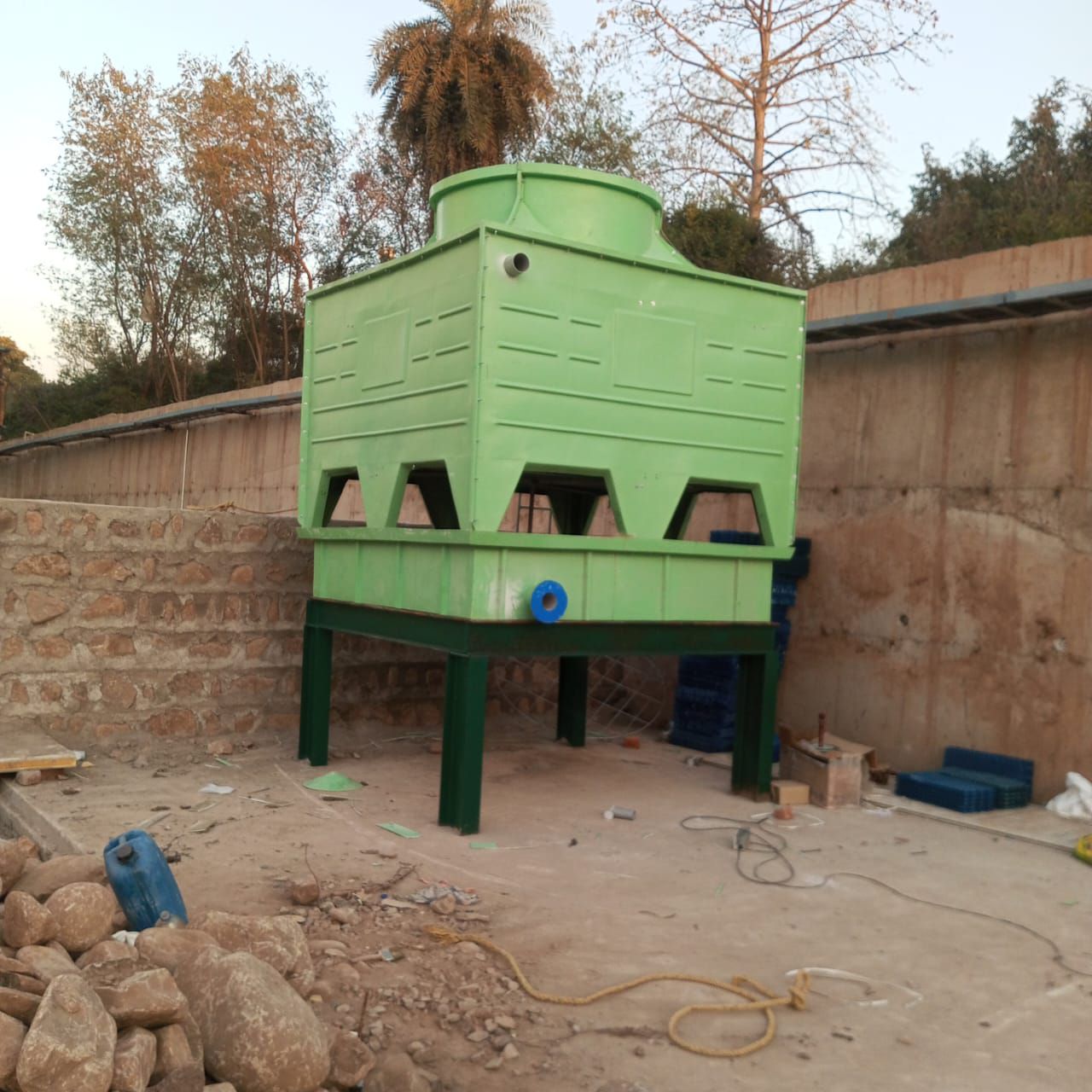
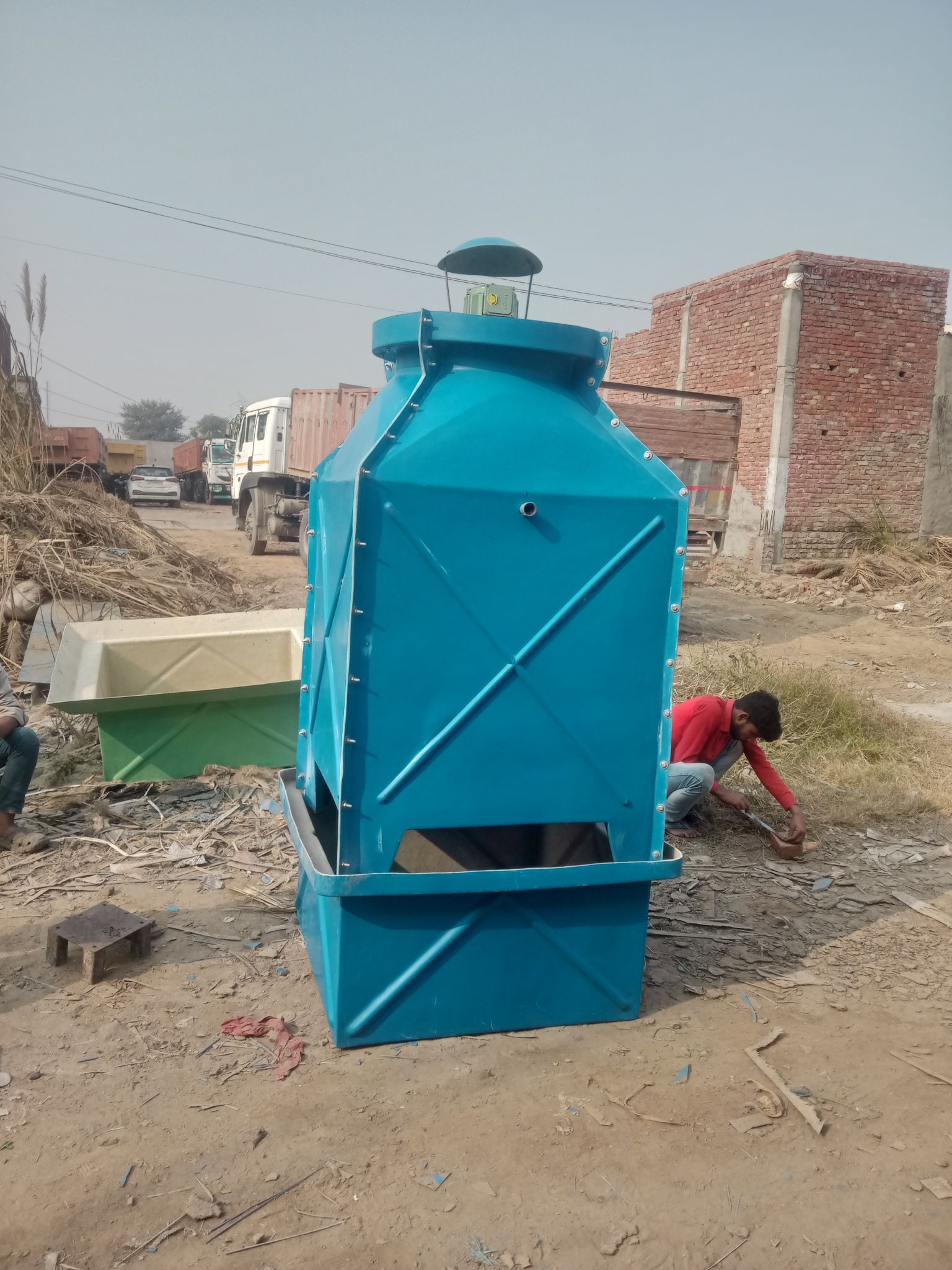
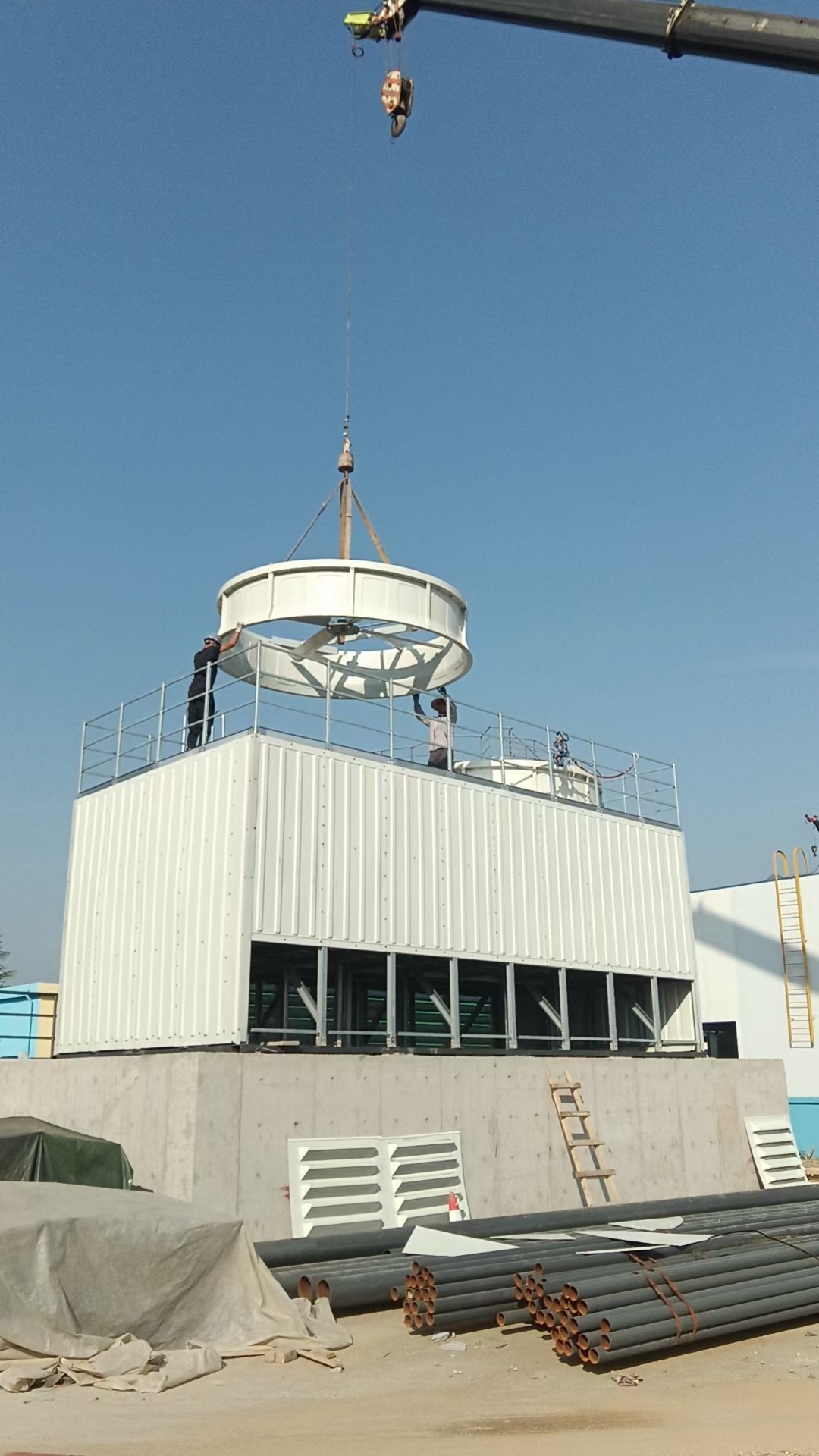
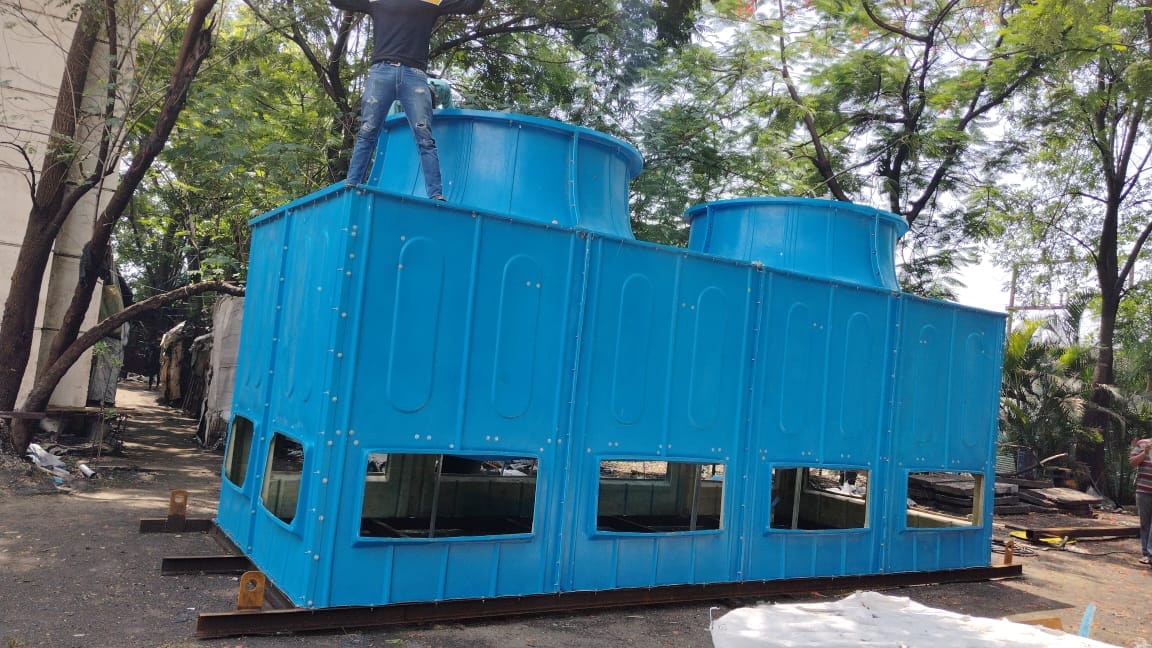
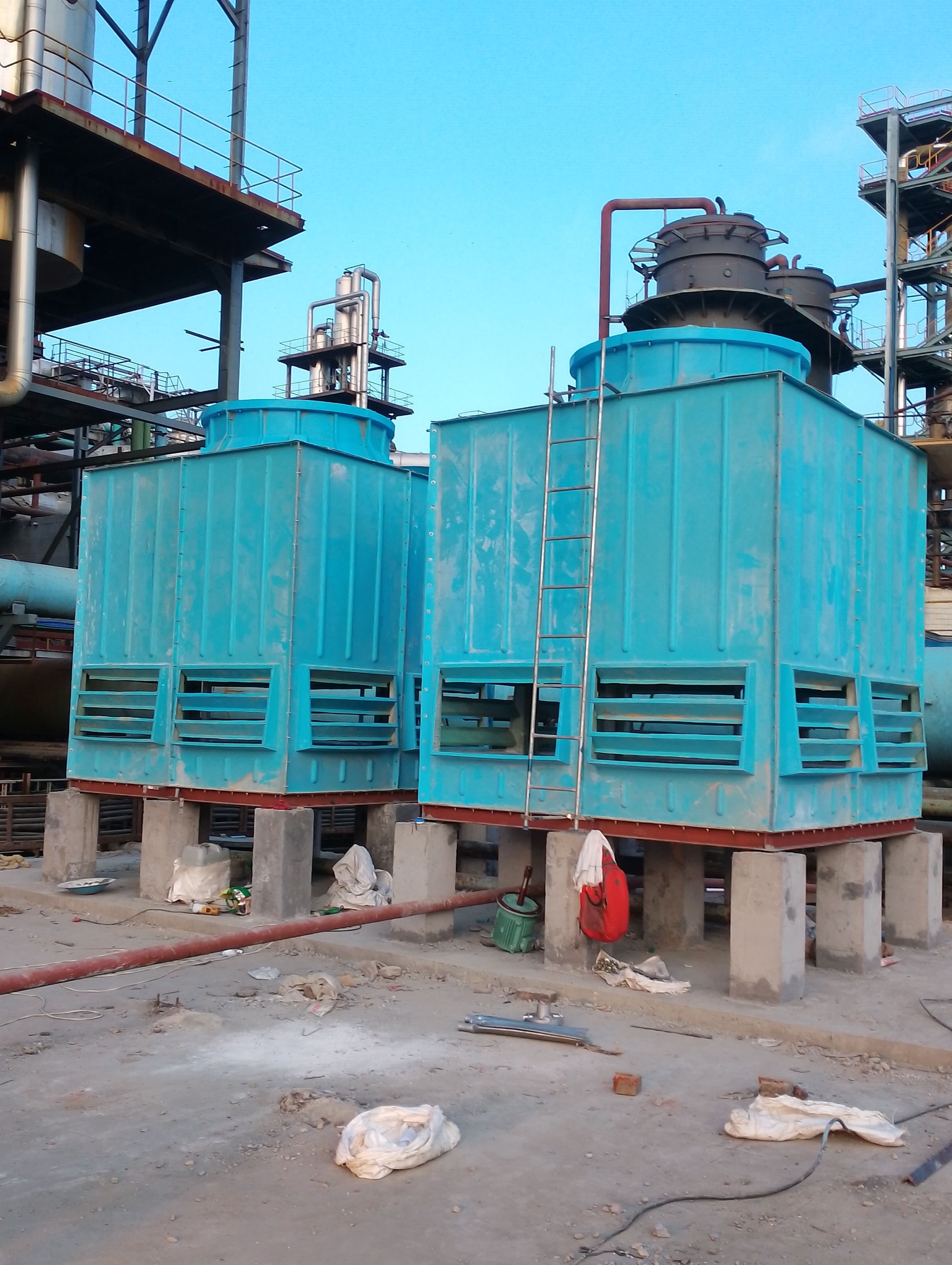
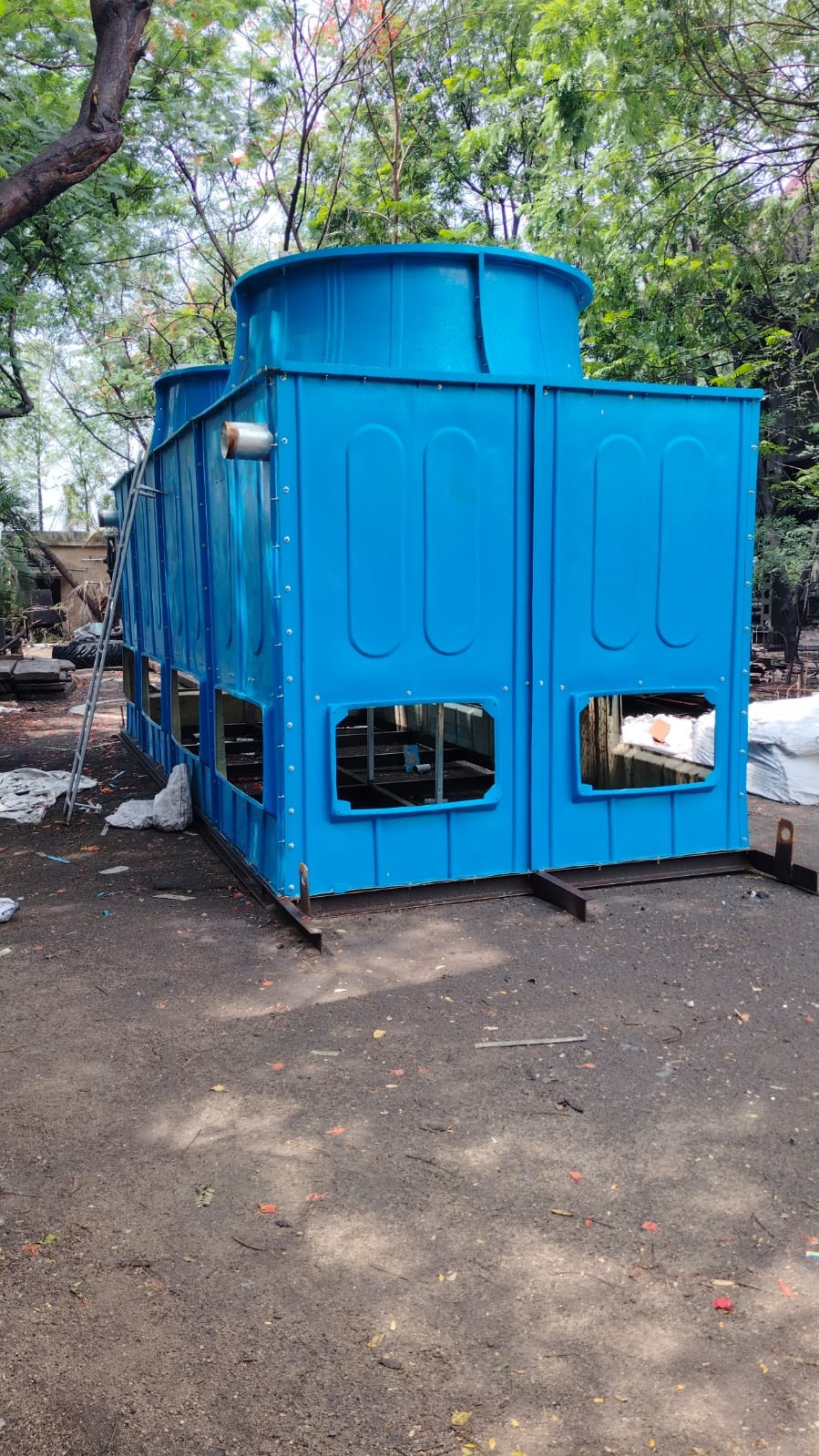
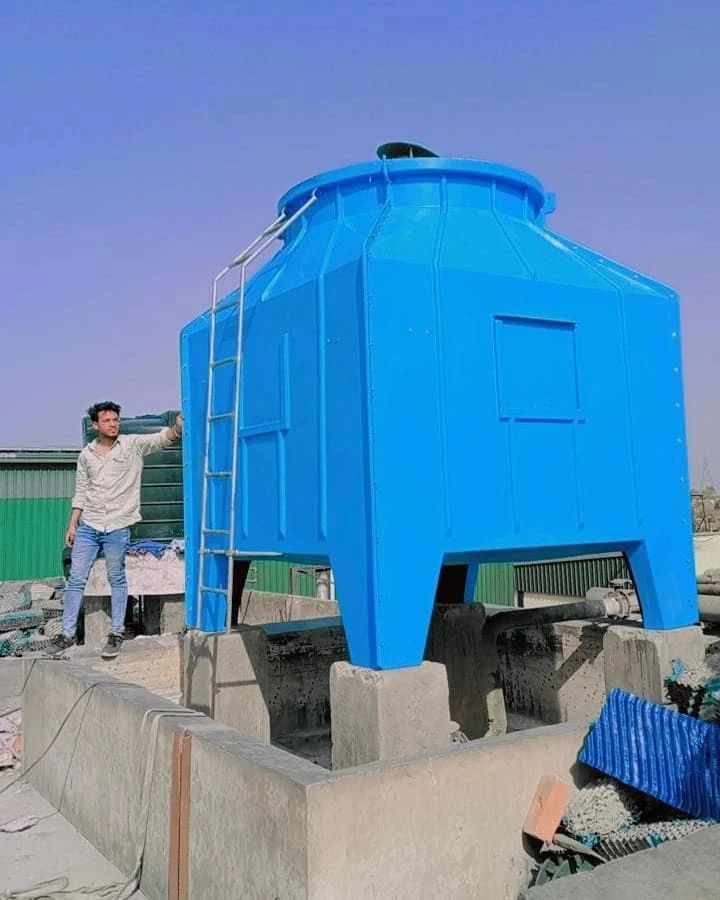
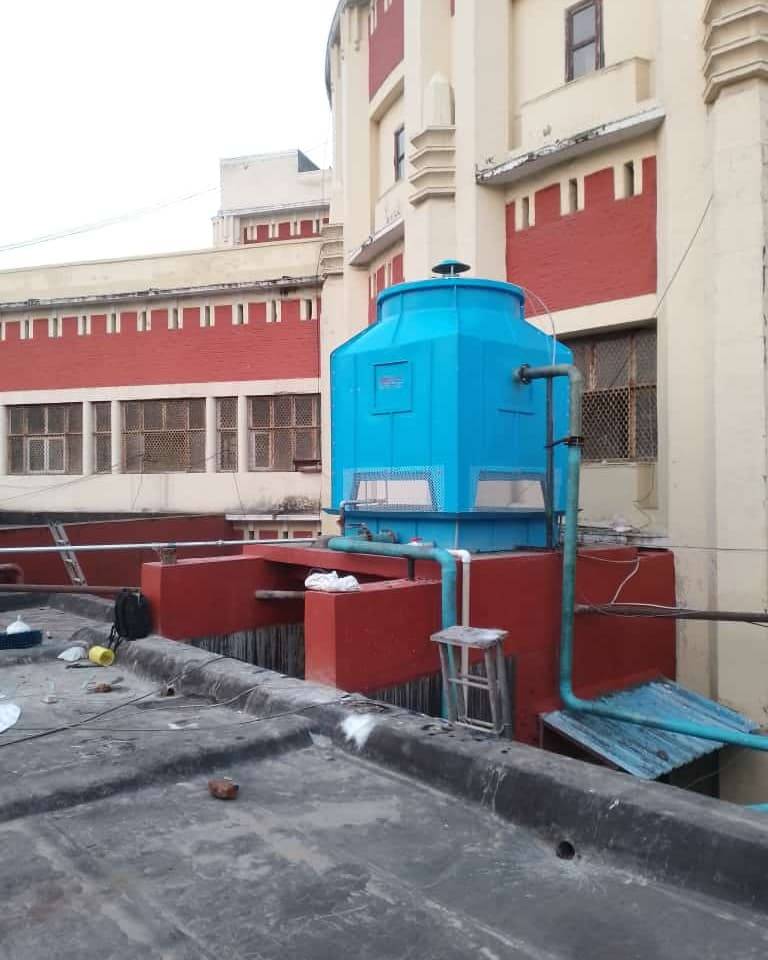
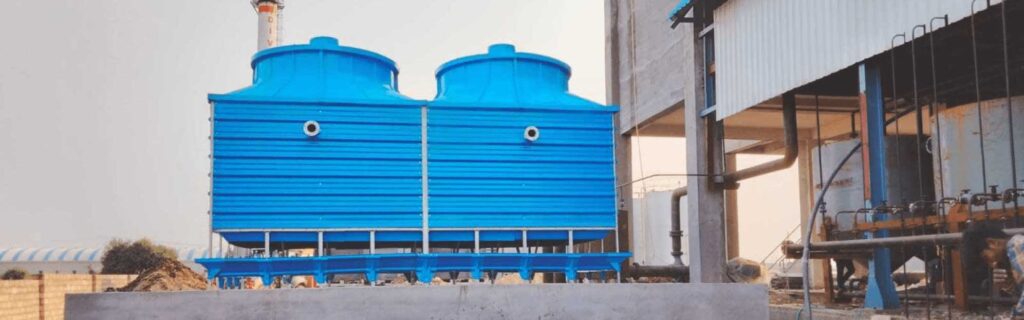
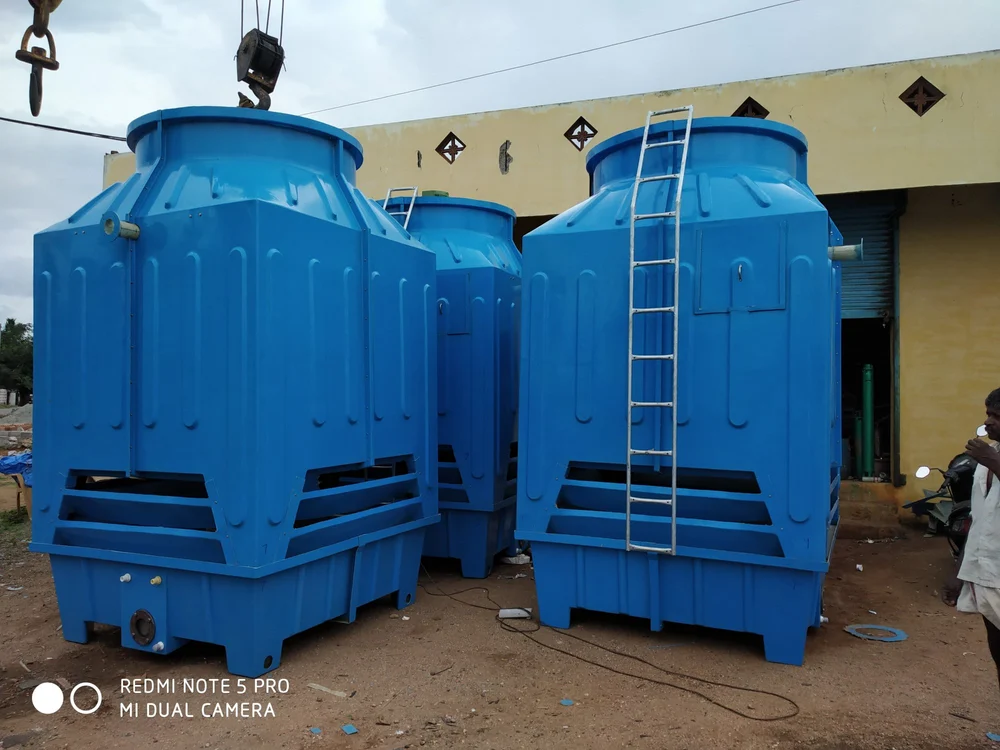
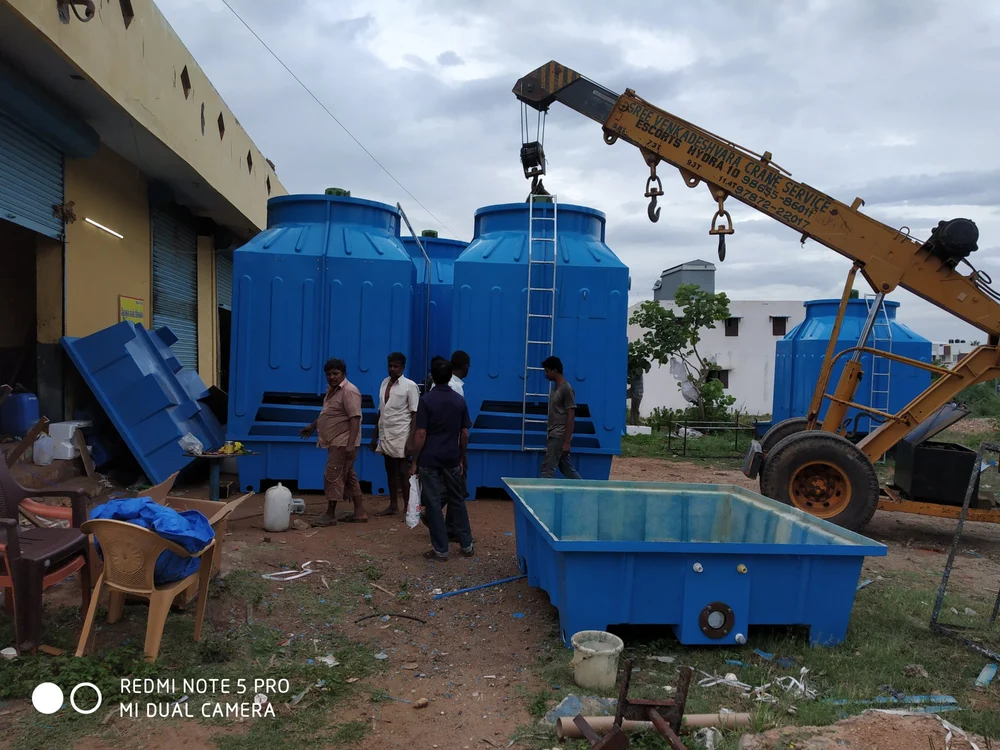
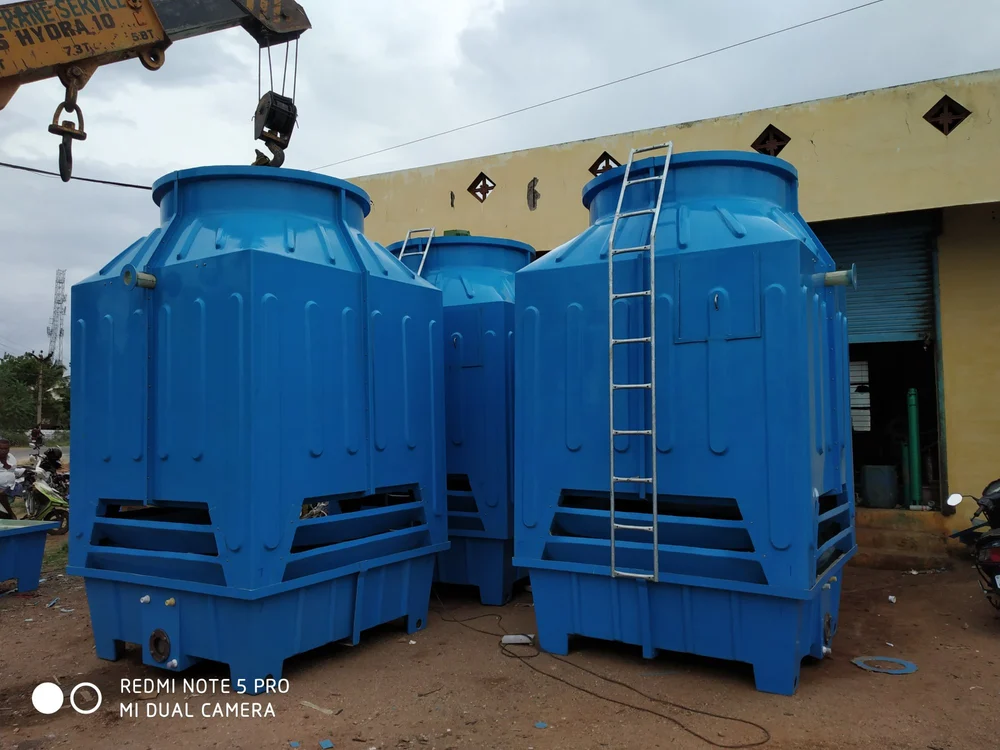
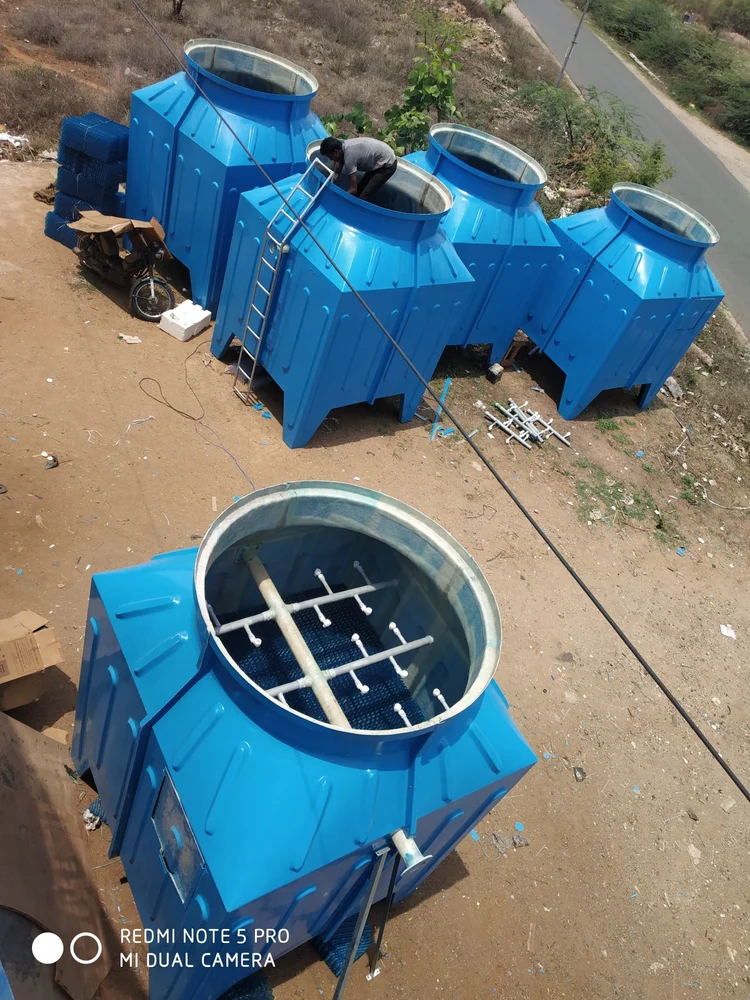
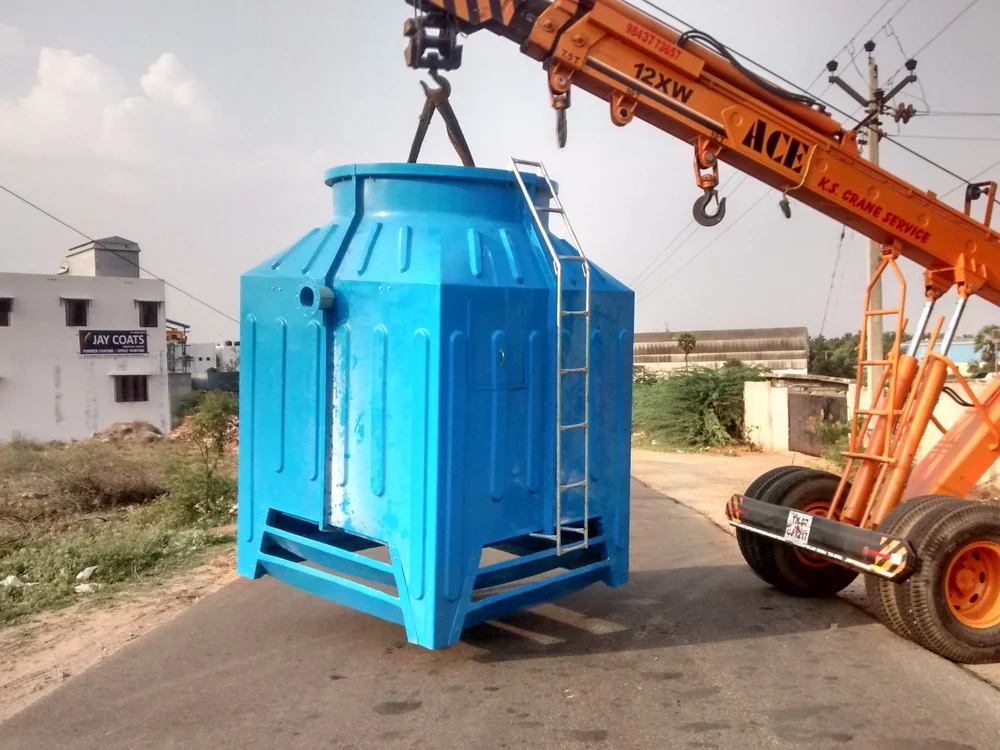
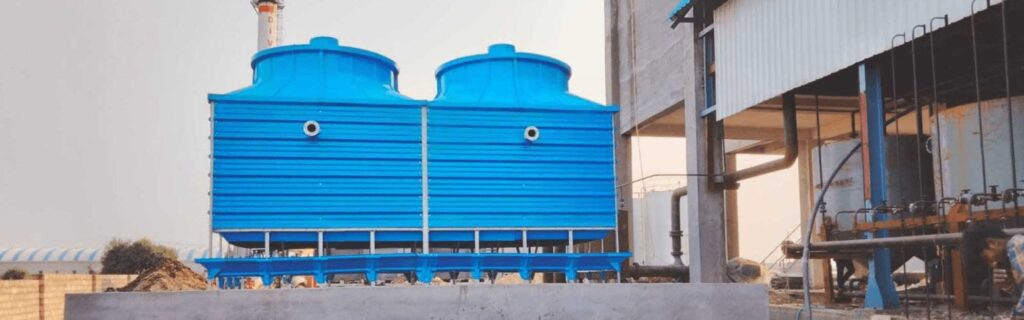
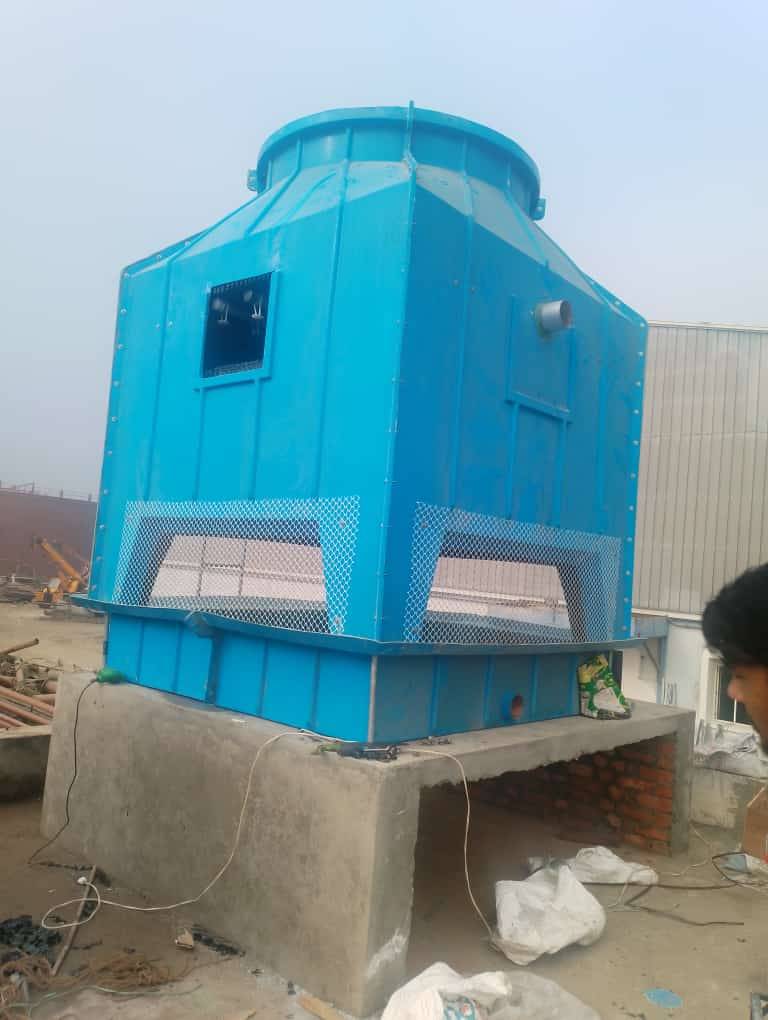
What is meant by FRP Cooling Tower? RP Cooling Tower is a cooling tower whose major components—primarily the casing (outer shell), cold water basin, and often structural supports—are constructed from Fiberglass Reinforced Plastic (FRP). It’s important to understand that “FRP” doesn’t refer to the...
Materials of Cooling Tower Parts 1. Casing and Structural Framework This is the tower’s exterior shell and internal support structure. 2. Fill (or Packing) This is the internal component that maximizes water-to-air contact. It is the heart of the heat transfer process. 3. Cold Water Basin This is the tank at the bottom...
Use of Cooling Tower The primary function of a coolingtower is to remove waste heat from a water-based system and reject itto the atmosphere. This is achieved primarily through the principle ofevaporative cooling. Here is a detailed breakdown of the key functions of a cooling tower: 1. Primary Function: Heat Rejection This is the core reason...
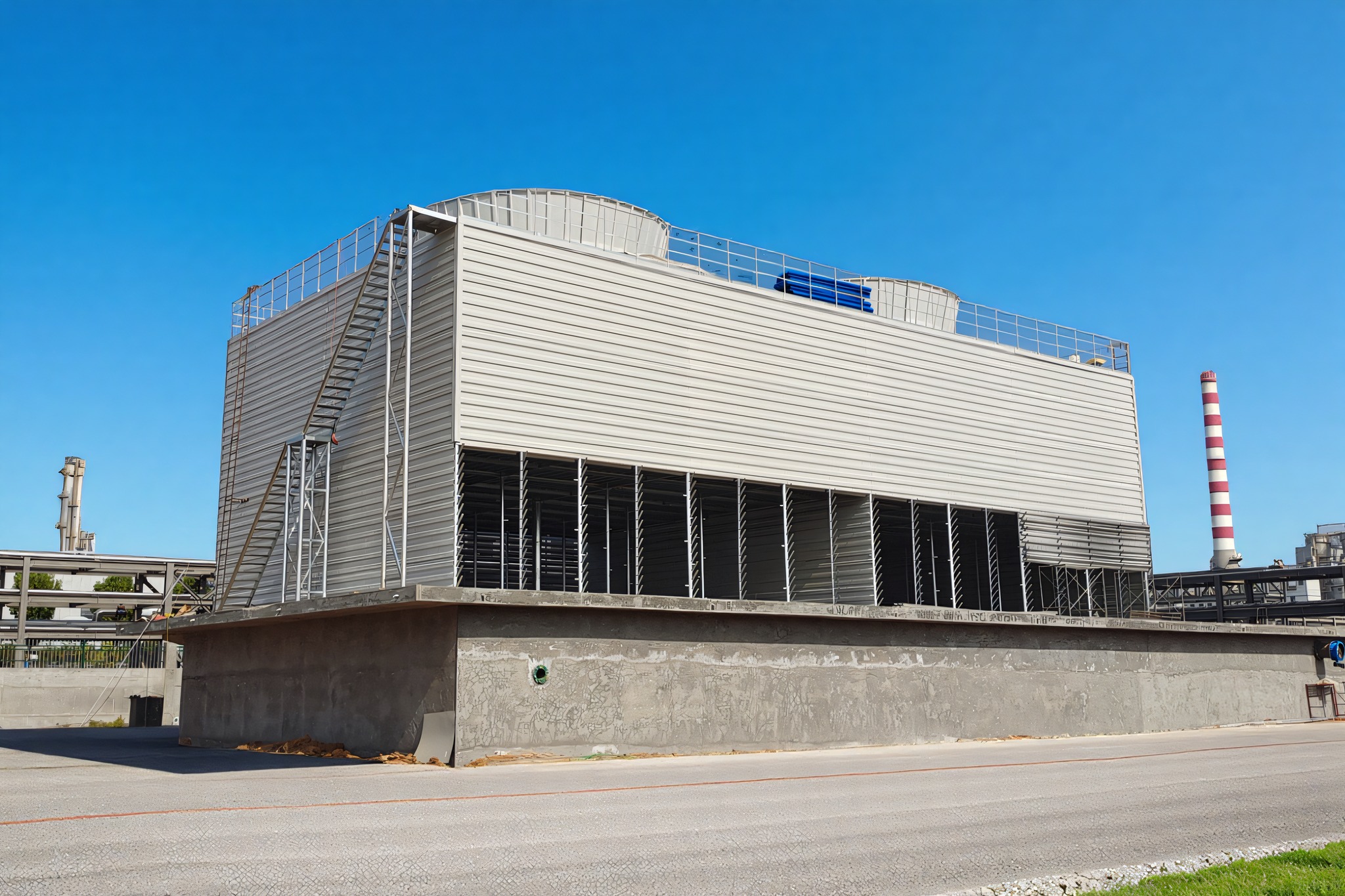
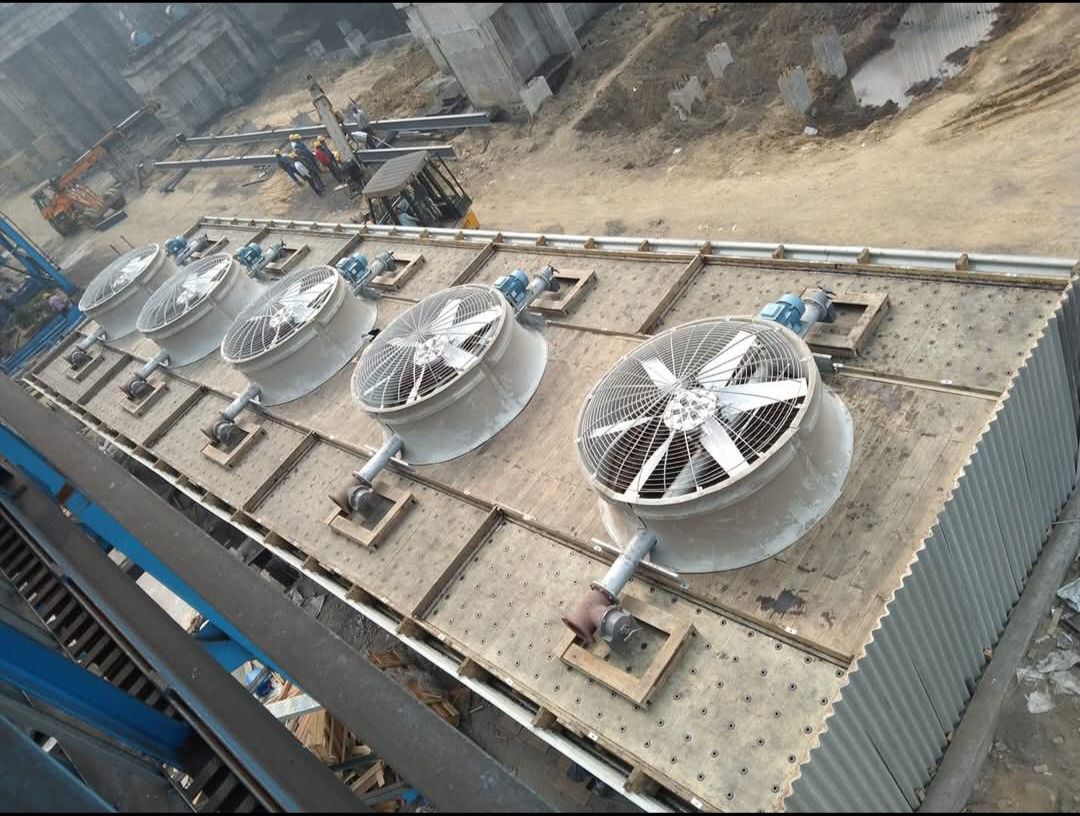
Main Types of Cooling Towers Cooling towers are primarily categorized by how they move air: 1. Mechanical Draft TowersThese use large mechanical fans to force or draw air through the tower. They are the most common type. 2. Natural Draft TowersThese massive, hyperbolic (hourglass-shaped) towers use the natural principle of convection—hot air...
What is Cooling Tower? A cooling tower is a specialized heat exchanger that removes waste heat from a building or industrial process by transferring it to the atmosphere primarily through the process of evaporation. Think of it as a large, industrial-scale version of the simple act of sweating. When you sweat, evaporation cools your...
Cooling tower Performance – Summer Vs Winter Aspect Summer Performance Winter Performance Cooling Capacity Reduced, struggles to meet load Excellent, can exceed design capacity Driving Force (ΔT) Small Very Large Approach Wide (larger difference from WBT) Narrow (can get very close to WBT) Fan Operation Max speed, continuous operation...
Performance of Cooling tower in Summer Vs Winter The performance of a cooling tower varies dramatically between summer and winter due to the fundamental principles of how it operates. Understanding this difference is key to its operation and control. The core principle to remember is: Performance in Summer Summer conditions are characterized...
Advantages of Hybrid Cooling Towers Disadvantages of Hybrid Cooling Towers Typical Applications Hybrid cooling towers are ideal for situations where the drawbacks of pure wet or pure dry towers are unacceptable: In summary, a Hybrid Cooling Tower is a versatile, water-conscious solution that dynamically adjusts its operation to provide...
A Hybrid Cooling Tower is a sophisticated cooling system that combines the technologies of both wet (evaporative) and dry (air-cooled) cooling towers into a single unit. Its primary purpose is to optimize performance and efficiency while significantly reducing water consumption compared to a traditional wet tower. The...
Wet Cooling Tower Vs Dry Cooling Tower This is a crucial distinction in industrial and power plant cooling, with the choice having major implications for water usage, cost, and efficiency. The fundamental difference lies in how they reject heat: one uses the evaporation of water (wet), and the other uses only sensible heat transfer to the...
Types of Cooling Towers in Power Plants Power plants use the largest and most efficient cooling towers available. 1. Natural Draft Cooling Towers: 2. Mechanical Draft Cooling Towers: Considerations and Challenges Drift and Water Treatment: “Drift” is the minute droplets of water carried out of the tower. This water contains...
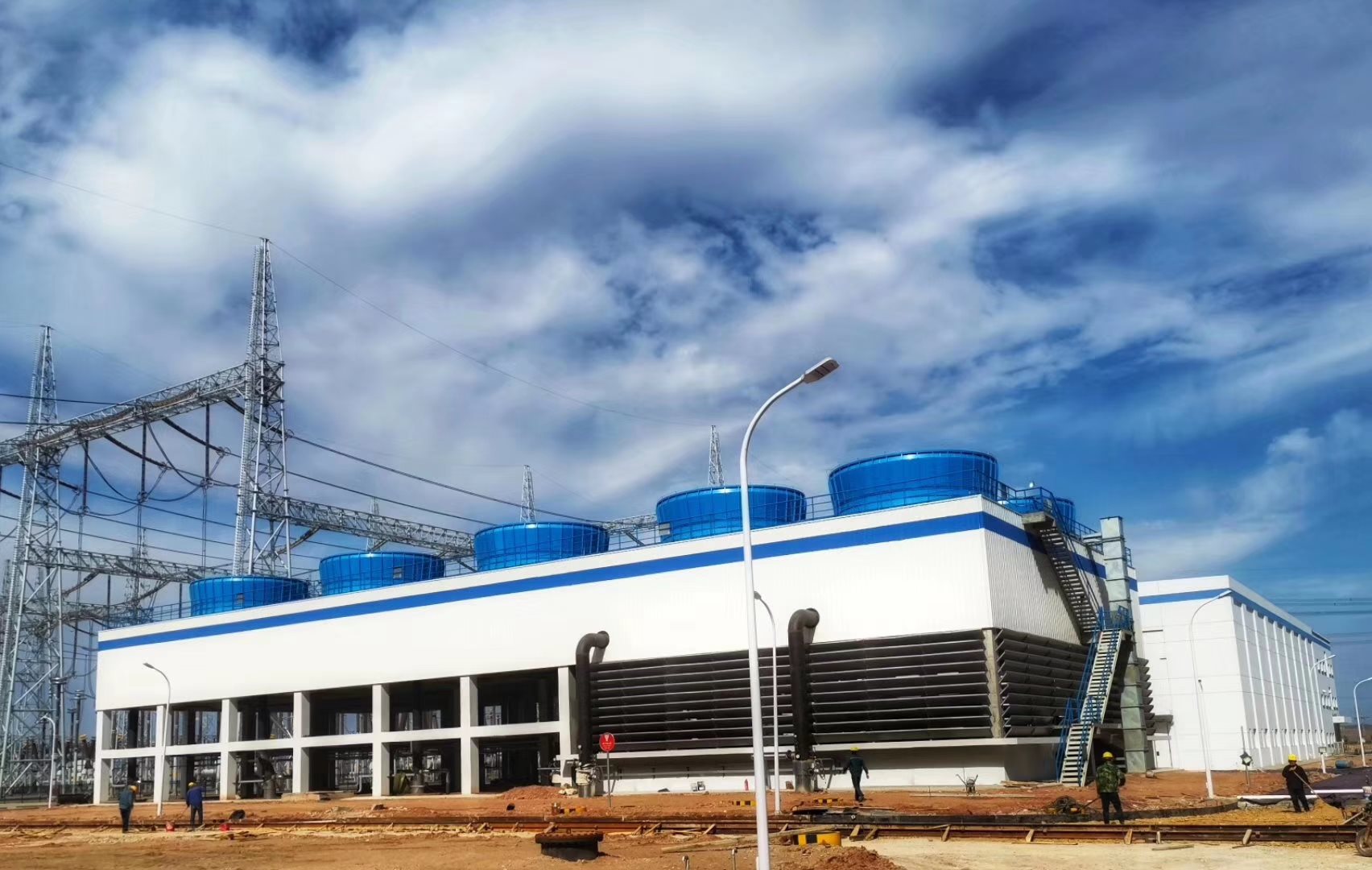
Use of Cooling Tower in Power Plant The use of cooling towers in power plants is fundamental and massive in scale. They are a critical component for the vast majority of thermal power plants, which include fossil fuel (coal, natural gas) and nuclear facilities. Their primary purpose is to reject waste heat to the atmosphere, a necessary...
Why Cooling Towers are Indispensable in Steel Plants Process Efficiency and Product Quality: Consistent and controlled cooling is vital. For example, in continuous casting, precise water cooling rates determine the solidification structure and quality of the steel strand. Inconsistent water temperature leads to defects Type of Cooling Towers...
Use of Cooling Tower in Steel Plant The use of cooling towers in a steel plant is critical, extensive, and directly tied to the plant’s operational efficiency, safety, and product quality. Steel production is an intensely hot process, generating enormous amounts of waste heat that must be continuously removed. Cooling towers are the...
Cooling Tower Vs Water Chiller Cooling Towers and Water Chillers are used to remove heat from a process or building, they are not interchangeable. They are fundamentally different pieces of equipment that often work together in a system. Here’s a breakdown of the key differences, how they work, and when each is used. At a...
How to increase the Efficiency of cooling Tower Increasing the efficiency of a cooling tower is essential for improving overall plant performance, reducing energy and water consumption, and lowering operational costs. Here are the key strategies to increase cooling tower efficiency: 1. Optimize Water Distribution System 2. Improve Airflow...
Thermal Balancing in Cooling tower Thermal balancing in a cooling tower ensures uniform heat distribution and efficient cooling performance. Here’s why it’s important and how it works: Why Thermal Balancing is Needed: Reduces thermal stress on materials, preventing cracks or corrosion in the tower How Thermal Balancing is Achieved: Consequences...
Effect of Wet Bulb Temperature (WBT) on Cooling Tower Performance The wet bulb temperature (WBT) is the lowest temperature air can reach through evaporative cooling. It is a critical factor in cooling tower design and operation, directly impacting: 1. How WBT Affects Cooling Tower Performance Parameter Impact of High WBT...
Water Quality Requirements for Cooling Towers To ensure efficient operation, minimize scaling/corrosion, and prevent microbial growth, cooling tower water must meet specific quality standards. Below are the key parameters and their ideal ranges: 1. Physical & Chemical Parameters Parameter Ideal Range Impact of Deviation pH...
How to Prevent Scaling in Cooling Towers: 10 Proven Methods Scaling occurs when dissolved minerals (like calcium, magnesium, silica) precipitate out of water and form hard deposits on fill media, pipes, and heat exchangers. This reduces heat transfer efficiency, increases energy costs, and can lead to corrosion. Here’s a...
How to Reduce Water Loss in Cooling Towers: 10 Effective Strategies Water loss in cooling towers occurs through evaporation, drift (mist), blowdown (draining concentrated water), and leaks. Here’s a step-by-step guide to minimize waste and improve efficiency: 1. Install High-Efficiency Drift Eliminators 2. Optimize Blowdown (Cycles of...
Purpose of Drift Eliminators in Cooling Towers Drift eliminators are essential components in cooling towers designed to minimize water loss, improve efficiency, and reduce environmental impact. Here’s a detailed breakdown of their key functions . Prevent Water Loss (“Drift”) 2. Reduce Chemical Treatment Costs 3. Environmental &...
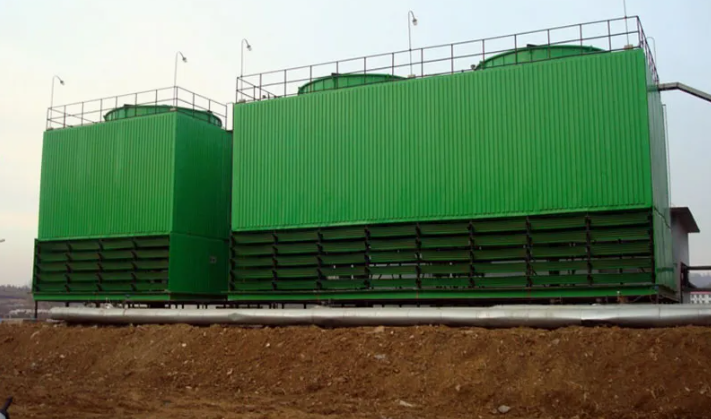
Effect of Flute Size in Cooling Tower Film Fill The flute size (channel dimensions) of film fill directly impacts thermal efficiency, pressure drop, fouling resistance, and overall cooling tower performance. Here’s a detailed breakdown: 1. What is Flute Size? Film fill consists of corrugated sheets with small channels...
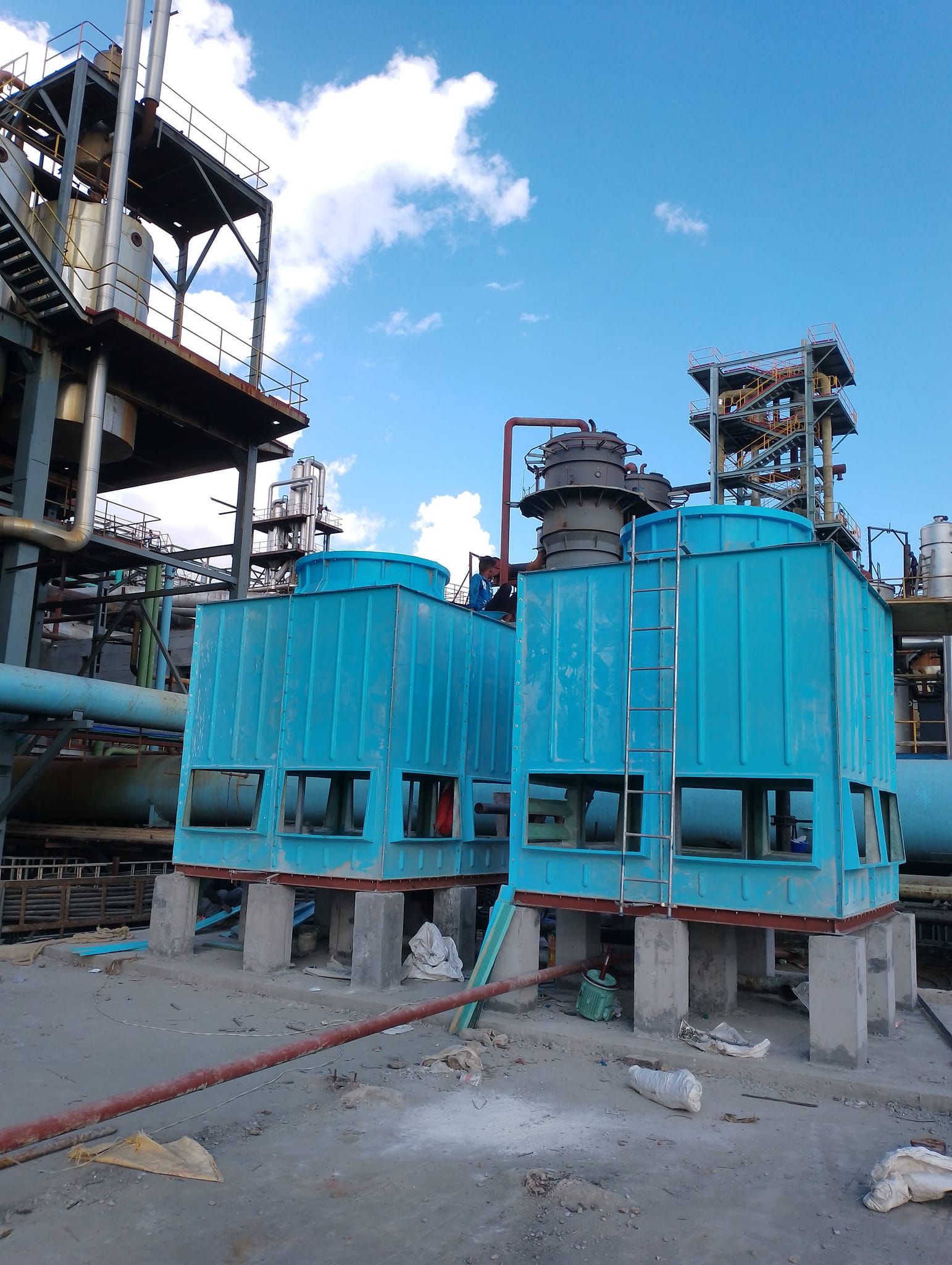
Drift Eliminators in Cooling Towers: Purpose, Types & Function What is a Drift Eliminator? A drift eliminator is a critical cooling tower component that captures water droplets entrained in the exhaust air stream, preventing wasteful water loss (“drift”) and reducing environmental impact. It ensures...
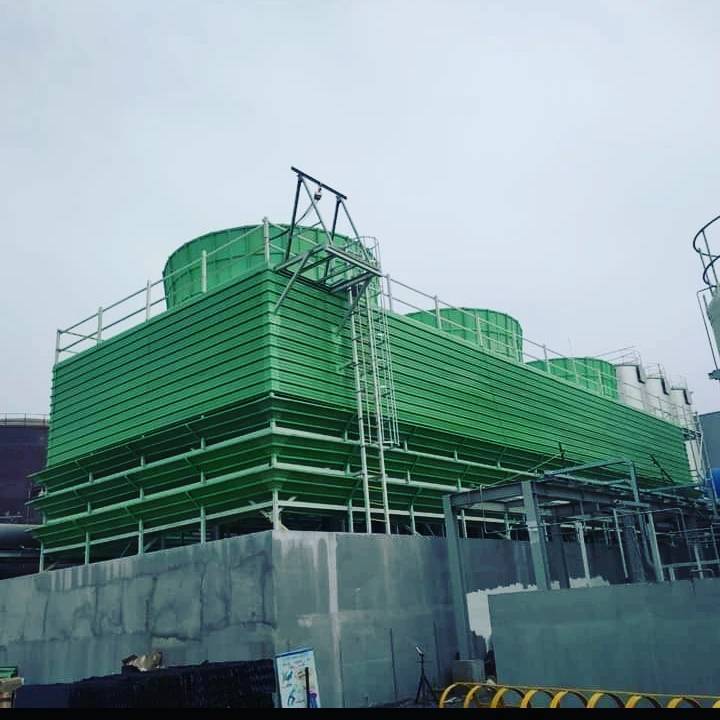
Wooden Splash Bars in Cooling Towers Wooden splash bars are a traditional type of splash packing (fill media) used in crossflow cooling towers. Made from chemically treated hardwood, they break hot water into droplets to enhance air-water contact for efficient cooling. Key Features of Wooden Splash Bars ✔ Material:...
Honeycomb Packing (Structured Fill) in Cooling Towers Honeycomb packing, also known as structured fill, is an advanced type of cooling tower fill media designed for maximum thermal efficiency and low energy consumption. Its unique hexagonal cell structure (resembling a beehive) optimizes air-water contact while...