

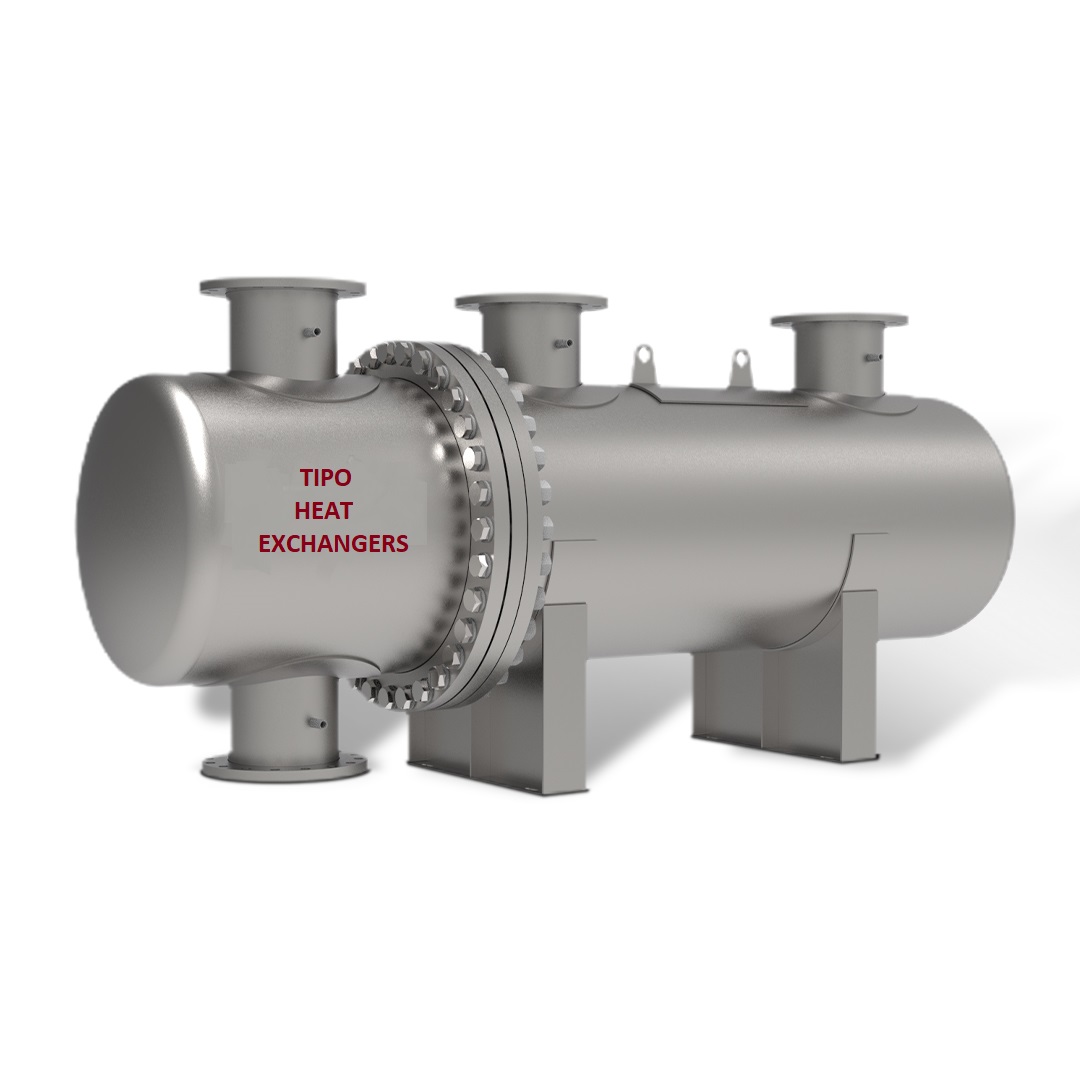
In pharma, a heat exchanger is not just a piece of process equipment—it is a critical patient-safety device. The margin for error is zero. A microscopic leak, a rough surface that harbors bacteria, or a dead spot where product stagnates can ruin an entire batch, trigger a massive recall, or even cost lives.
Here is the advanced breakdown of their role, the strict regulatory framework, and the cutting-edge designs used.
1. The #1 Job: Producing Water for Injection (WFI)
If you ask any pharmaceutical engineer, the single most important role of a heat exchanger is handling Water for Injection (WFI).
- The Requirement: WFI is the purest water on earth, used to dissolve drugs and clean equipment. To prevent bacterial growth, it must be continuously circulated at 75°C to 85°C.
- The Role: When that 80°C water reaches a filling line or a reactor, it needs to be instantly cooled to 20°C–25°C for use. The heat exchanger does this rapidly. After the process is done, the same exchanger is used to reheat the water back to 80°C for recirculation.
- The Critical Detail: If the cooling water (which is non-sterile) leaks into the WFI through a pinhole in the heat exchanger, the entire WFI loop is contaminated. To prevent this, pharma plants use double-wall / double-tube-sheet designs (explained below).
2. The Gold Standard: Double Tube Sheet (DTS) Design
The FDA and global GMP (Good Manufacturing Practices) guidelines explicitly require double tube sheet construction for critical services where product contamination is unacceptable.
- How it works: Instead of one welded or rolled joint connecting the tube to the tube sheet (header), there are two separate tube sheets with a small vented gap between them.
- Why it matters: If the high-pressure service water (cooling water) tries to leak into the pure product, it has to pass through the first tube sheet. It then drips out of the atmospheric gap between the two sheets, where operators can see it and fix it. It never makes it past the second tube sheet into the product. This provides absolute segregation between the clean and dirty fluids.
3. Critical Role in Sterile Processing (Autoclaves & Fermenters)
Beyond WFI, heat exchangers are vital for sterilization:
- Fermenters (Bioreactors): When growing vaccines, insulin, or antibodies using living cells (mammalian or bacterial), the reaction generates heat that kills the cells if it rises above 37°C. Jacketed heat exchangers wrapped around the fermenter circulate chilled water to precisely remove that metabolic heat and maintain the perfect environment for cell growth.
- SIP (Sterilization-in-Place): Before a batch begins, all equipment must be sterilized with high-pressure steam at 121°C. Heat exchangers must be designed to handle this extreme thermal cycling (going from cold cleaning fluids to 121°C steam and back to cold) without cracking from thermal fatigue.
4. Role in Highly Potent API (HPAPI) Manufacturing
With the rise of cancer drugs and targeted therapies (HPAPIs), the role of the heat exchanger changes to containment.
- These drugs are so toxic that even a microscopic speck can be dangerous to the operator.
- Heat exchangers in these lines must be fully welded (no gaskets that can leak) and designed with zero dead legs (no cavities where potent powder can collect). They must also allow for rigorous “wash-in-place” cycles to clean every internal surface.
5. The Three Main Types Used in Pharma
Because of the stringent demands, different types are chosen for different tasks:
- Shell & Tube (with DTS): The workhorse for WFI, clean steam, and bulk solvents. Robust, handles high pressure, and the DTS design guarantees separation.
- Plate & Frame (Sanitary/Gasketed): Used for less critical duties like heating CIP (Clean-in-Place) wash water or cooling low-risk buffer solutions. They are super efficient, but the gaskets limit them to lower temperatures and are a potential leak point, so they are never used for sterile product.
- Fully Welded Plate (e.g., Compabloc): A hybrid. No gaskets to leak, highly compact (1/5th the size of shell-and-tube), and designed with vertical plates that are fully drainable. This is increasingly used for WFI because it eliminates the risk of stagnant water pooling at the bottom (a breeding ground for biofilm).
6. The “Material Shift”: Silicon Carbide (SiC)
Here is the newest trend: For handling highly aggressive acids, solvents, or salt solutions used in drug synthesis, traditional metal exchangers (stainless steel or Hastelloy) corrode over time.
- Pharma plants are now adopting Silicon Carbide (SiC) tube heat exchangers. SiC is virtually inert to almost all chemicals. It has double the thermal conductivity of steel and is incredibly hard, making it resistant to erosion and fouling. While expensive, they drastically reduce maintenance and eliminate the risk of heavy-metal leaching into the drug product.
Summary Checklist for Pharma Heat Exchanger Selection
If you are specifying one, you must verify:
- Wetted materials: Typically 316L Stainless Steel (electropolished to Ra < 0.5µm) or Hastelloy C-22 for corrosion.
- Drainability: Must have a 3% slope to ensure complete drainage (no pooling).
- Inspectability: Must be able to open and visually inspect the product-contact side.
- Electropolishing: The surfaces are chemically smoothed to remove microscopic peaks where bacteria can hide.
- Documentation: The vendor must provide full material certifications, weld maps, and pressure test records for FDA audits.