

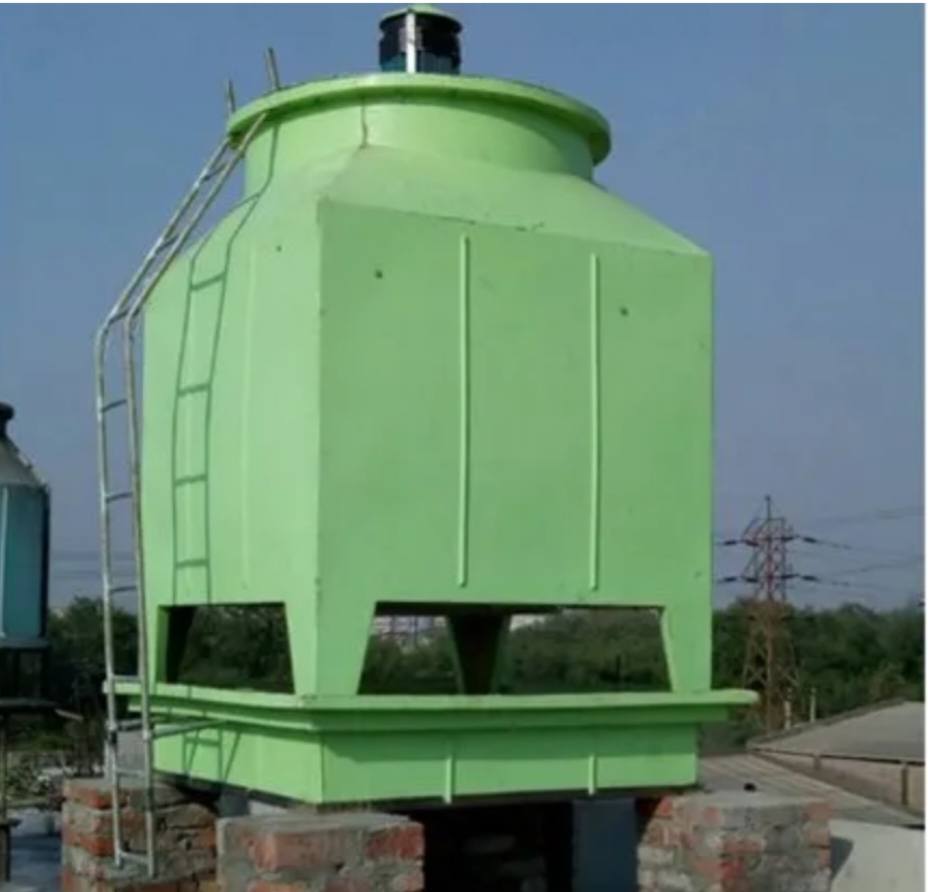
Cooling tower for Food & Beverage Processing industry
cooling towers are essential for efficiency, food safety, and operational continuity in the Food & Beverage (F&B) processing industry. They play a critical role in removing process heat and enabling precise temperature control, which is paramount in this sector.
Here’s a detailed breakdown of their role:
Core Function: Enabling Precise Thermal Management
The F&B industry relies heavily on heating (pasteurization, sterilization, cooking) and cooling (chilling, freezing, fermentation control) processes. Cooling towers are the workhorses that reject the waste heat from these processes, allowing refrigeration systems and process coolers to operate efficiently.
Key Applications in Food & Beverage Processing
1. Refrigeration Plant Condenser Cooling (The Primary Role)
- How it works: The cooling tower cools the condenser water for the plant’s ammonia or Freon-based refrigeration systems. This is its single biggest job.
- Why it’s critical: The efficiency of a compressor-based refrigeration cycle depends on the temperature difference between the evaporator (cold side) and the condenser (hot side). Colder condenser water from the cooling tower makes the refrigeration system:
- More Efficient: Lowers compressor energy use significantly.
- More Effective: Increases cooling capacity.
- More Reliable: Reduces mechanical strain on compressors.
- Applications Served: Cold storage warehouses, blast freezers, chillers for processed meat/dairy, ingredient cooling tunnels.
2. Process Cooling & Heat Recovery
- Product Cooling After Cooking/Sterilization: Cans, bottles, or packages must be cooled rapidly after thermal processing (e.g., retorts, pasteurizers). Cooling towers provide the water for plate heat exchangers or spray cooling systems to bring product temperatures down quickly to prevent overcooking and ensure safety.
- Fermentation Temperature Control: In breweries, wineries, and bakeries, fermentation generates significant heat. Jacketed fermenters use cooled water from the tower loop to maintain the precise, consistent temperatures required for yeast activity and product quality.
- Compressed Air Cooling: Plant air compressors generate heat; cooling them improves efficiency and air quality (critical for pneumatic controls and packaging).
3. HVAC for Controlled Environments
- Production Areas: Maintaining strict hygiene and temperature in processing halls (e.g., for chocolate, cheese, ready-to-eat meals).
- Packaging Areas: Preventing condensation and maintaining cleanliness.
- Laboratories & Quality Control: Ensuring accurate testing conditions.