

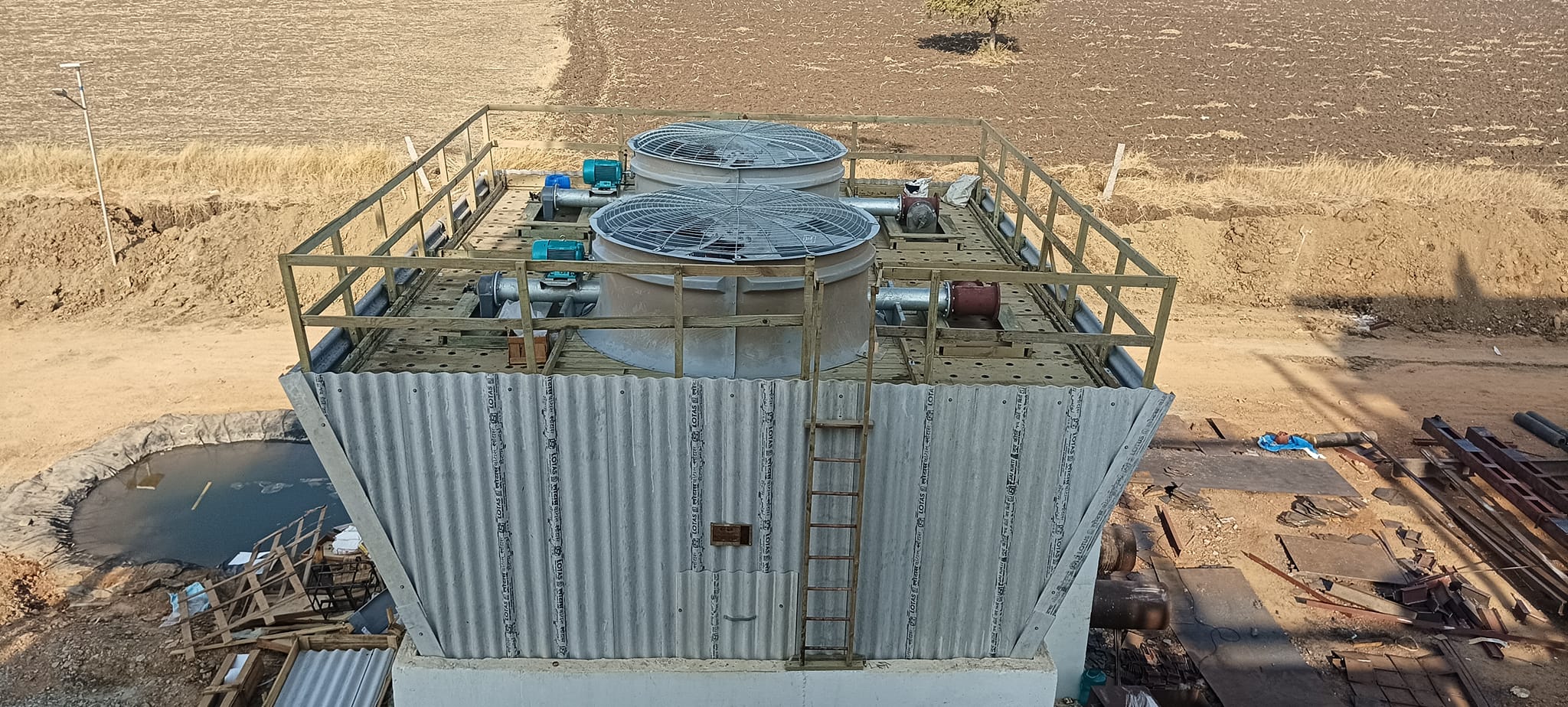
Key Considerations for Selection & Operation of mechanical Draft cooling tower
- Capacity (Tons of Refrigeration): The heat rejection rate required.
- Approach & Range: Approach = Cold water temp minus wet-bulb air temp. Range = Hot water temp minus cold water temp.
- Water Quality: Dictates the need for treatment, materials of construction, and blowdown rate.
- Sound Levels: Critical for installations near residential areas.
- Plume Visibility: In cold, humid weather, the saturated exhaust can form a visible plume. Induced draft designs can sometimes allow for plume-abatement systems.
- Energy Efficiency: Modern designs use variable frequency drives (VFDs) on fans to match cooling demand and save energy.
In summary, mechanical draft towers are the workhorses of controlled heat rejection where performance, space, and capital cost are primary concerns, and where the ongoing operational energy and maintenance costs are justified.