

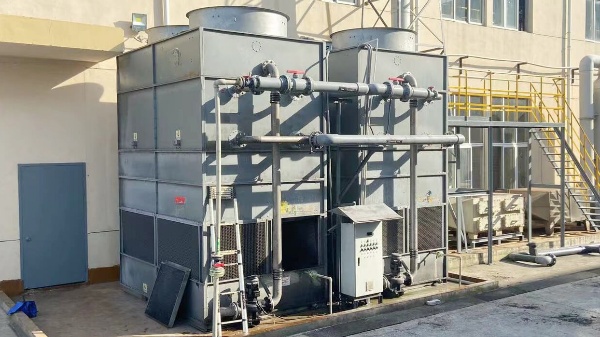
How to Prevent Fouling in Cooling Tower
Preventing fouling in a cooling tower is an ongoing battle because these systems are designed to pull in massive volumes of air, which also brings in dirt, debris, and biological contaminants . The most effective strategy is a multi-layered approach, combining physical removal of particles, chemical treatment, and smart operational practices.
Here is a breakdown of the key prevention methods.
Physical Removal: Filtration & Separation
The first line of defense is constantly removing solid particles from the water.
- Side Stream Filtration: This is one of the most effective mechanical strategies. It involves filtering a portion of the circulating water on a continuous basis to remove suspended solids and organics, reducing the likelihood of fouling, scaling, and microbiological growth . This not only protects the heat exchanger but also extends the time between full system cleanings .
- Proven Energy Benefits: A study on a cooling tower with a cross-flow microsand filter found that when the filter was operating, the system’s efficiency (Coefficient of Performance) was 18% higher on average, and 41% higher during periods of high cooling demand. The filter also helps mitigate biofouling .
- Centrifugal Sand Separation: This is a specific filtration technology ideal for removing heavy particles like sand, grit, and rust that cause abrasion and fouling . It uses centrifugal force, has no moving parts or consumable media, and requires very little maintenance .
Chemical & Water Treatment
Physical filtration doesn’t remove dissolved minerals or eliminate all biological growth, so chemical treatment remains critical .
- Disinfection and Oxidation: Technologies like ozonation, UV light, and chlorine dioxide are used to control biological fouling, including biofilm and bacteria like Legionella . For example, ozone has been shown to reduce thermal fouling resistance and improve water quality in cooling systems .
- Scale and Corrosion Inhibitors: Chemicals are also added to control dissolved minerals and prevent scaling, as well as to protect the metal components from corrosion. Even with filtration, a water treatment specialist should be engaged to monitor and maintain the system .
Maintenance & Operation
Good design and regular upkeep are essential to making the other strategies work.
- Air Inlet Filters: Minimize the amount of airborne contamination that enters the tower in the first place .
- Regular Inspection and Cleaning: Ongoing inspection and routine cleaning of the tower basin are necessary to prevent fouling from becoming severe . Sediment in the basin creates breeding grounds for bacteria .
Comparing Key Prevention Methods
The table below provides a quick overview of the major prevention methods discussed.
| Strategy | How It Works | Best For | Key Benefit |
| Side Stream Filtration | Continuously filters a portion of circulating water. | General removal of suspended solids & organics. | Reduces fouling, can boost efficiency by up to 18% . |
| Centrifugal Separation | Uses centrifugal force to spin out heavy particles. | Removing large, heavy particles like sand and grit. | No moving parts, low maintenance . |
| Chemical Treatment | Uses biocides (ozone, UV) and inhibitors. | Controlling biological growth, scale, and corrosion. | Essential for dissolved contaminants and biofilms. |
| Regular Maintenance | Physical cleaning and inspection of the tower. | Preventing severe buildup in the sump and piping. | Removes sediment and controls bacterial breeding grounds . |
Conclusion
The most robust anti-fouling plan for a cooling tower treats prevention as a system, not a single solution. By combining a powerful physical filtration system (like side stream or centrifugal separation) with a well-managed chemical treatment program, you can maintain high efficiency, significantly reduce energy costs , and extend the life of your equipment.