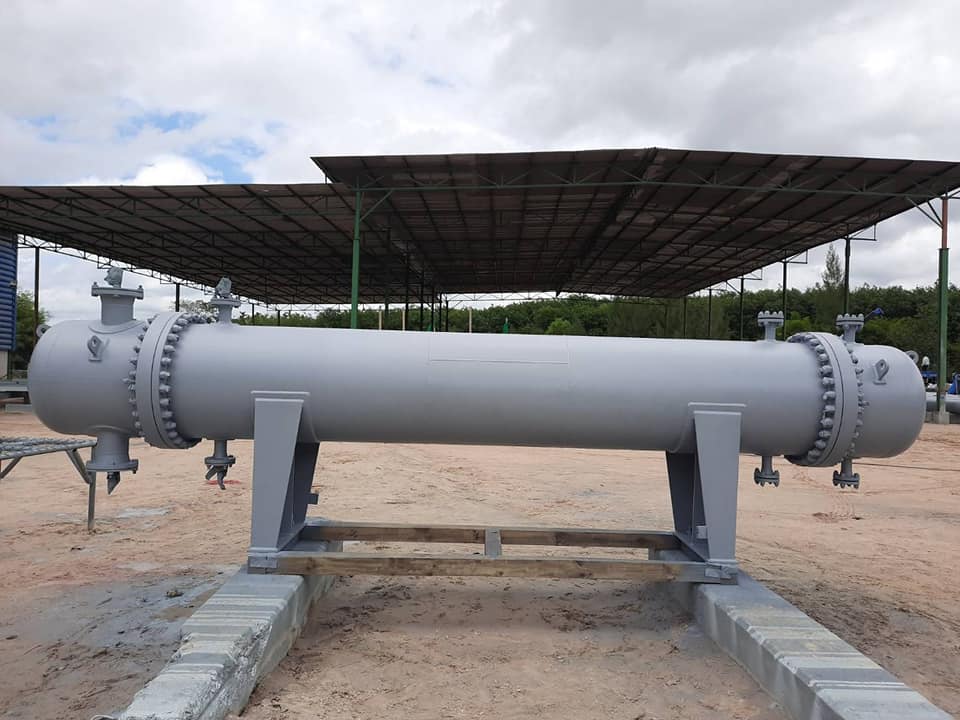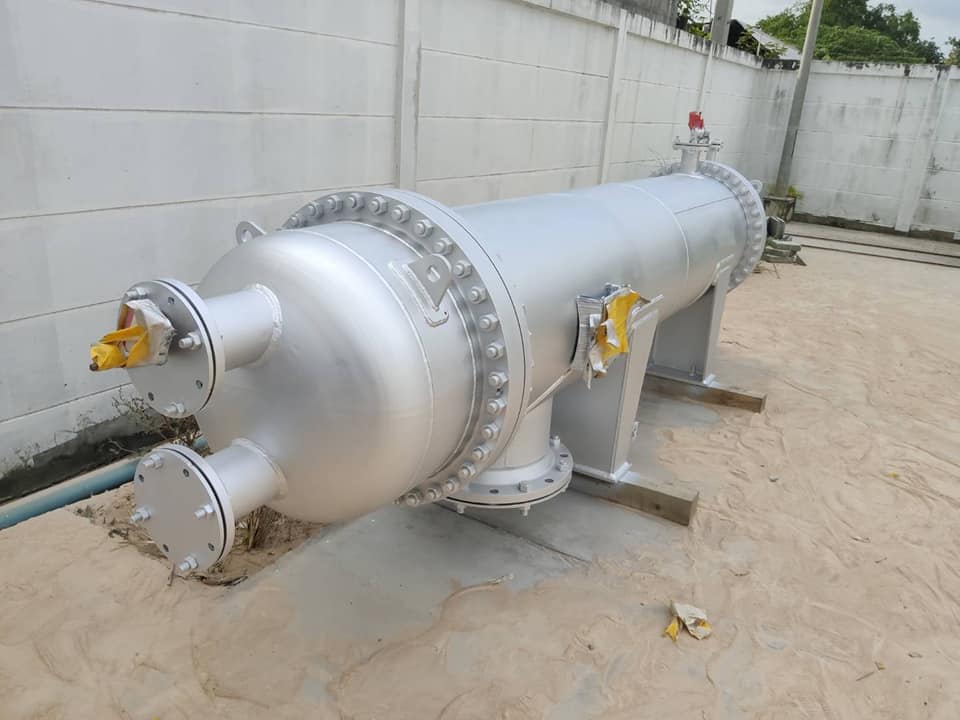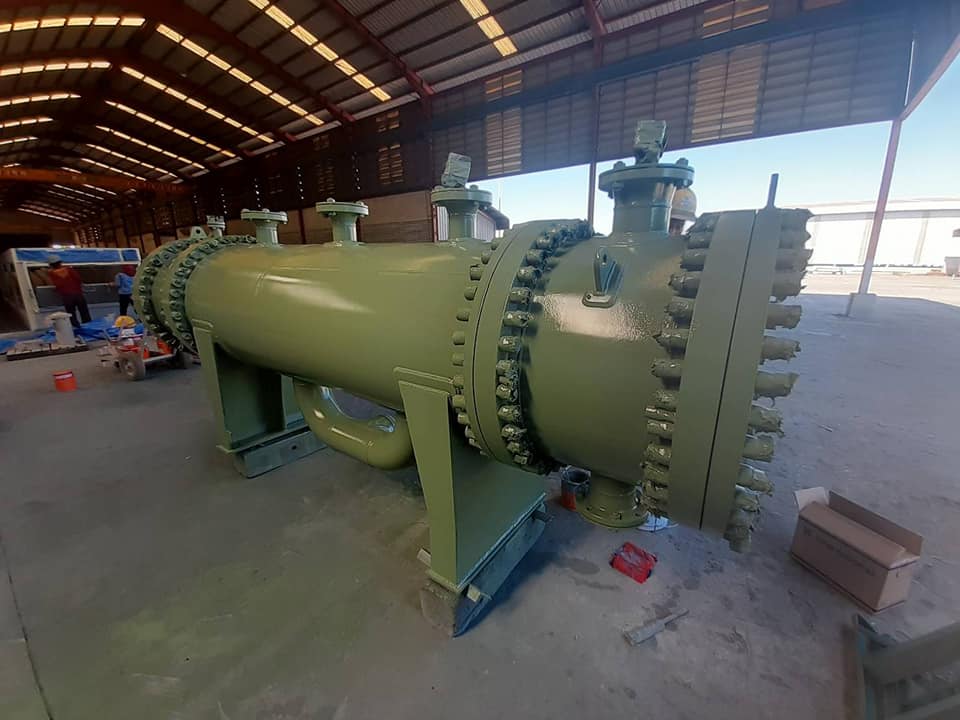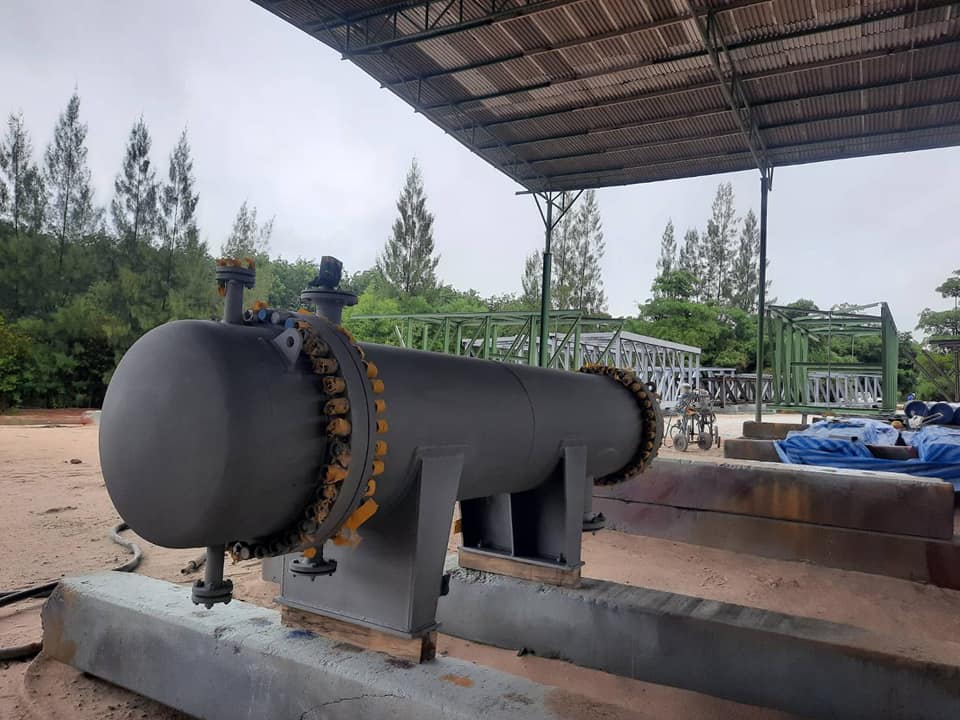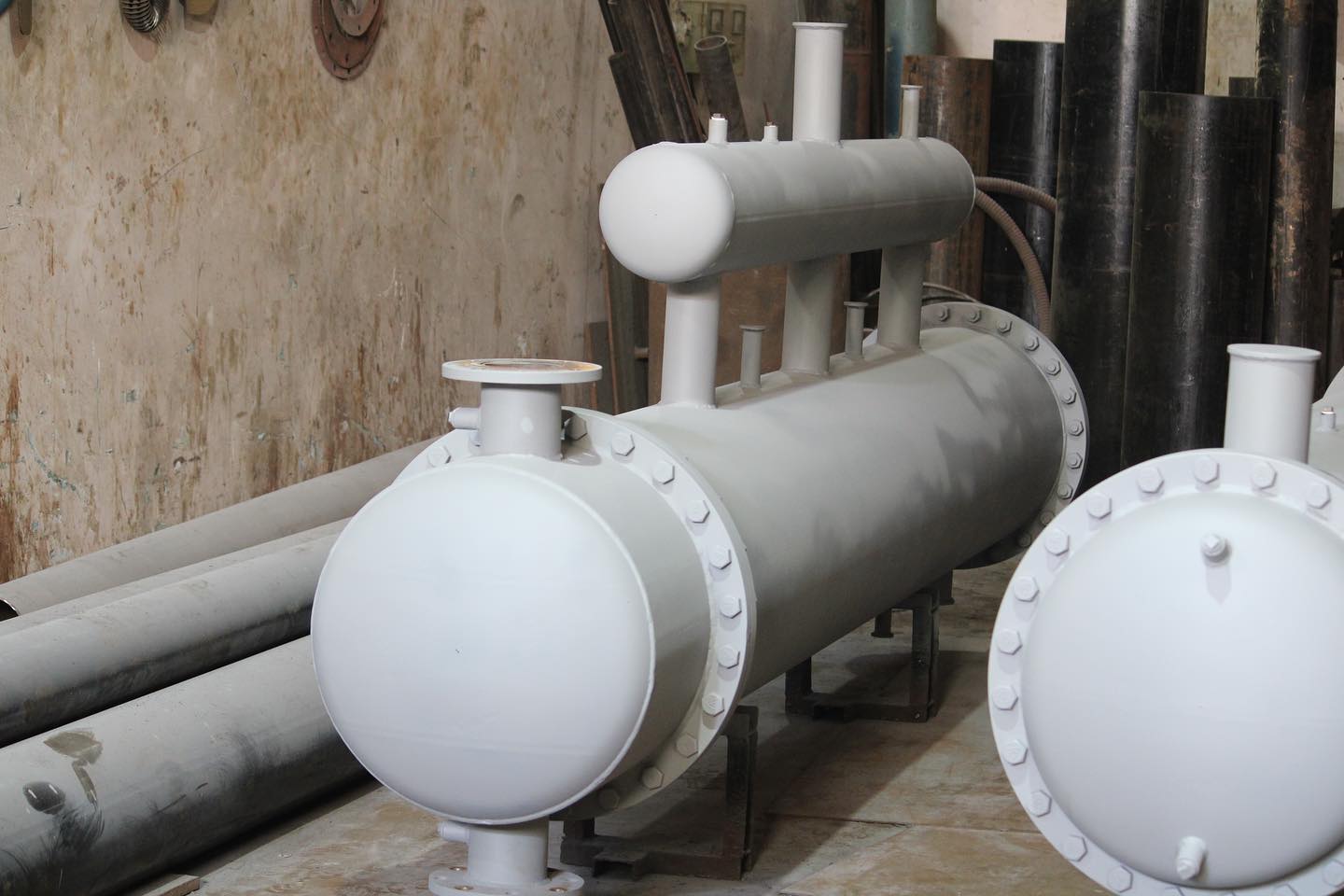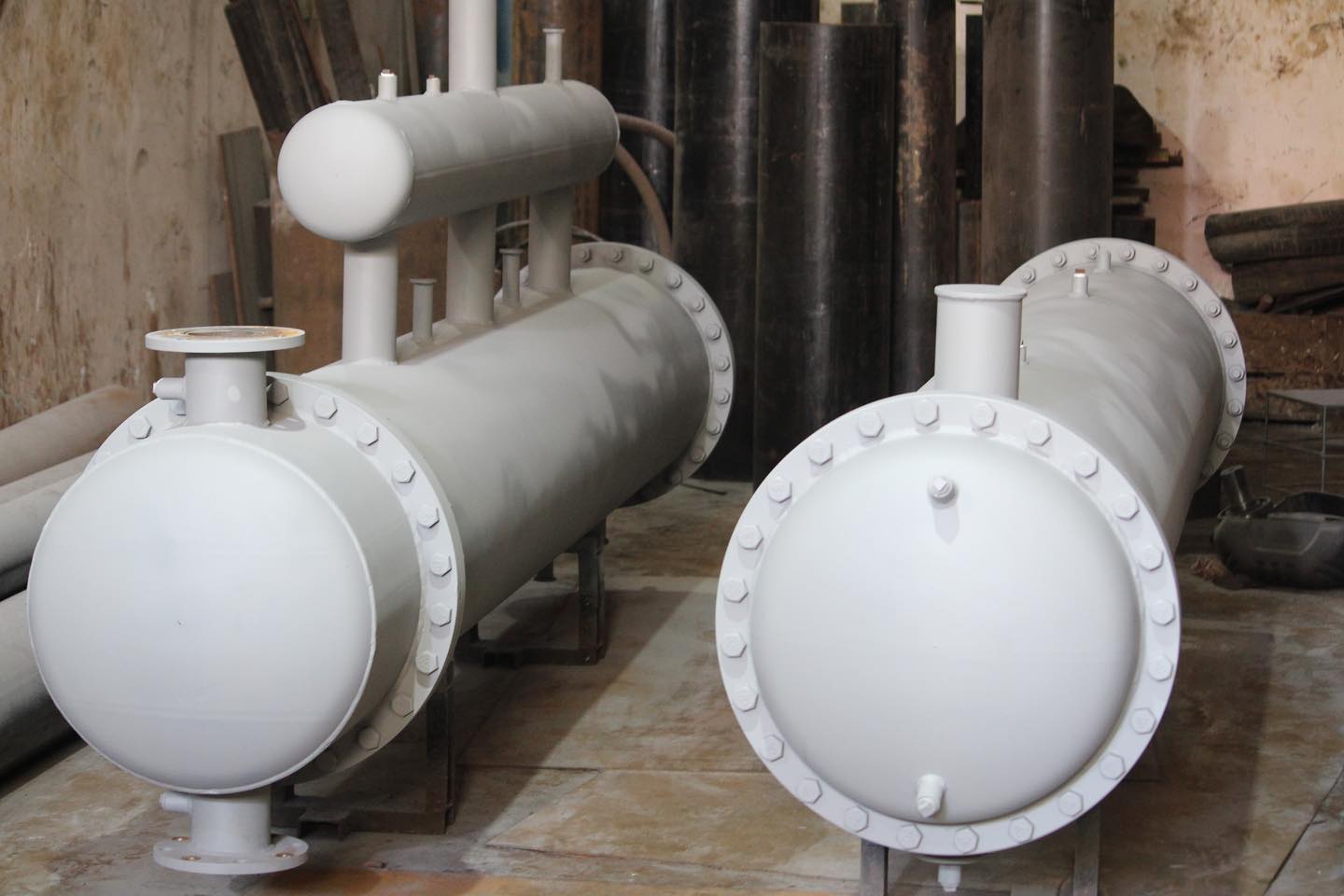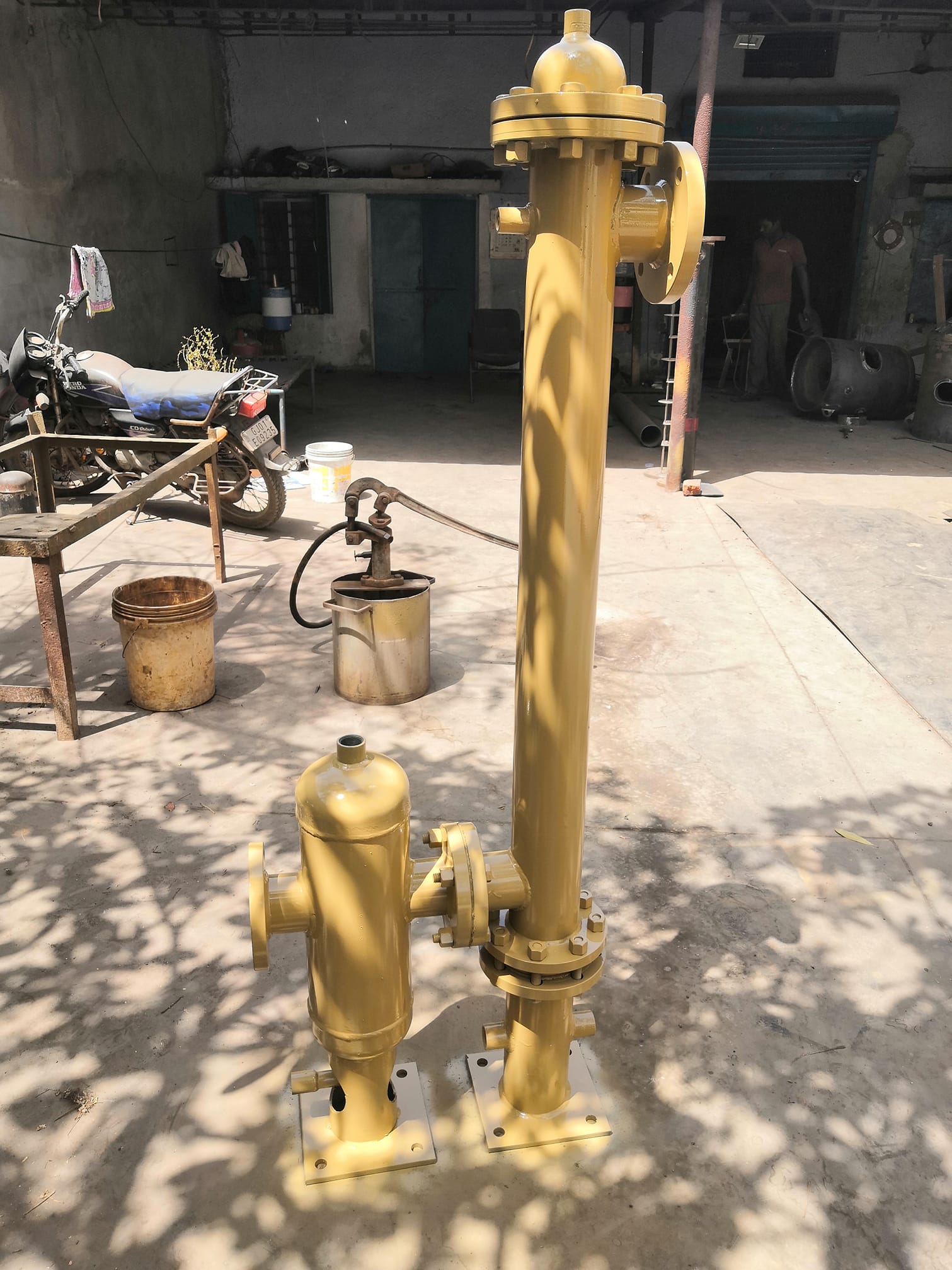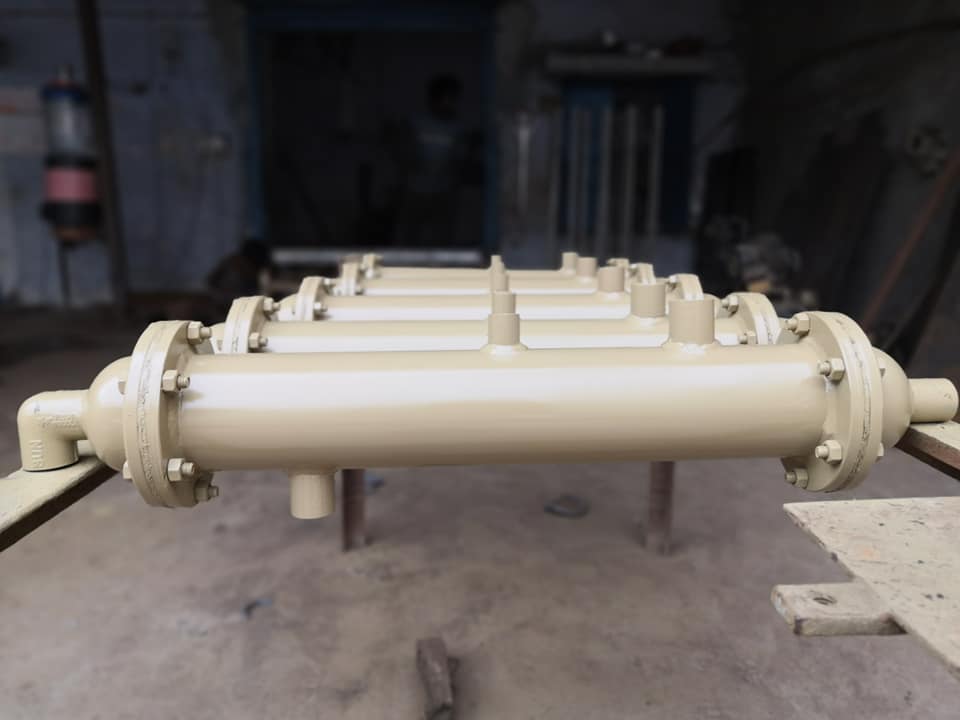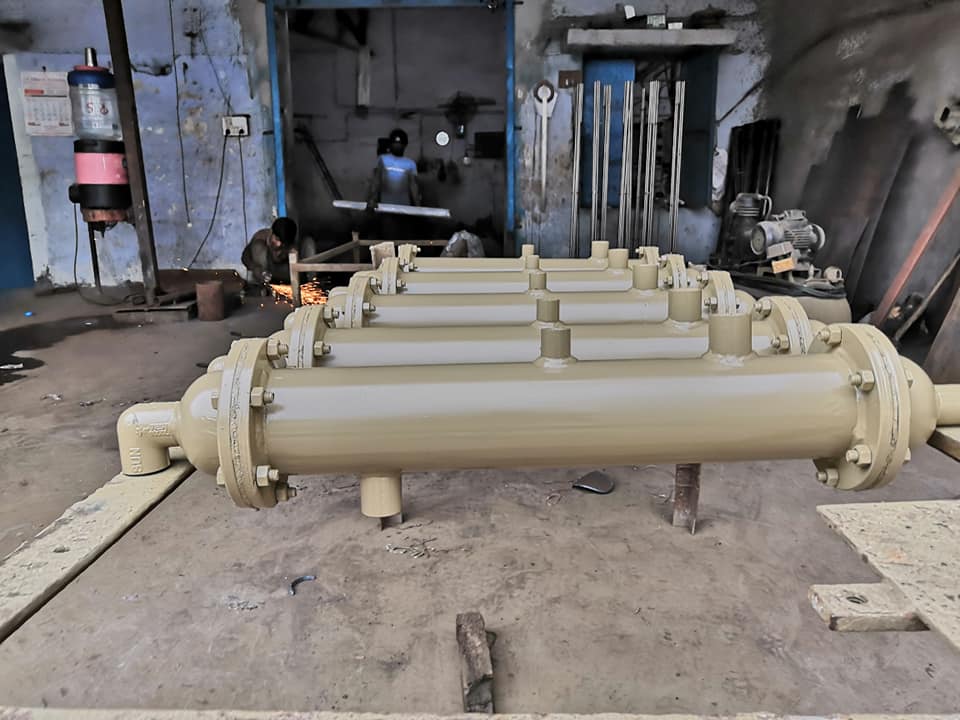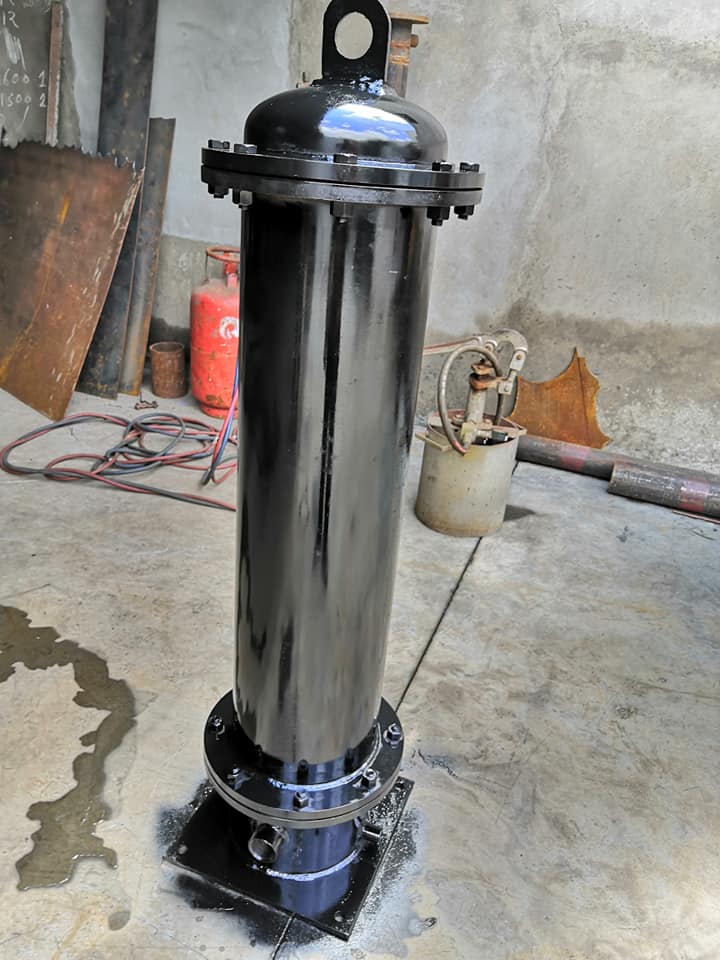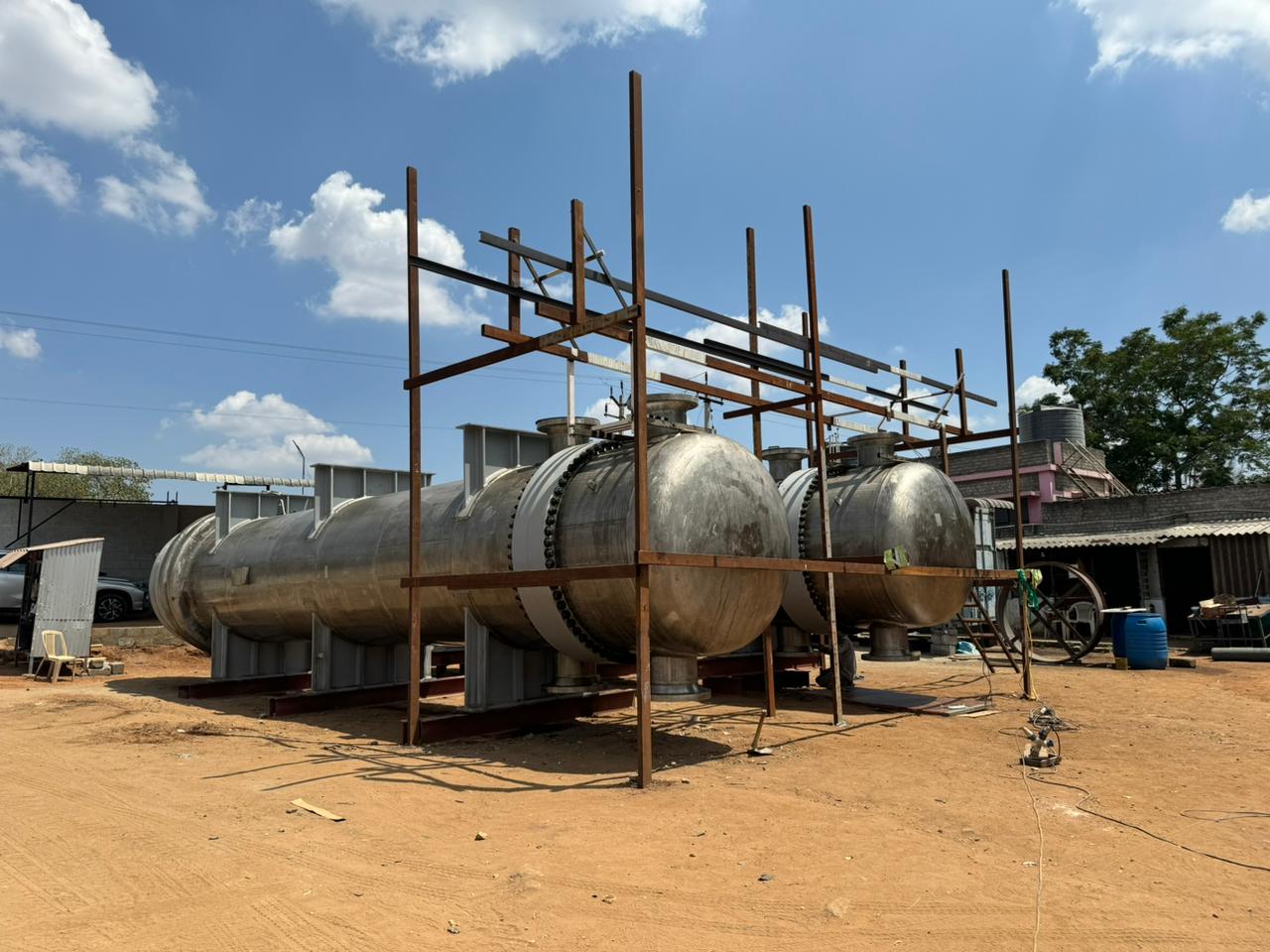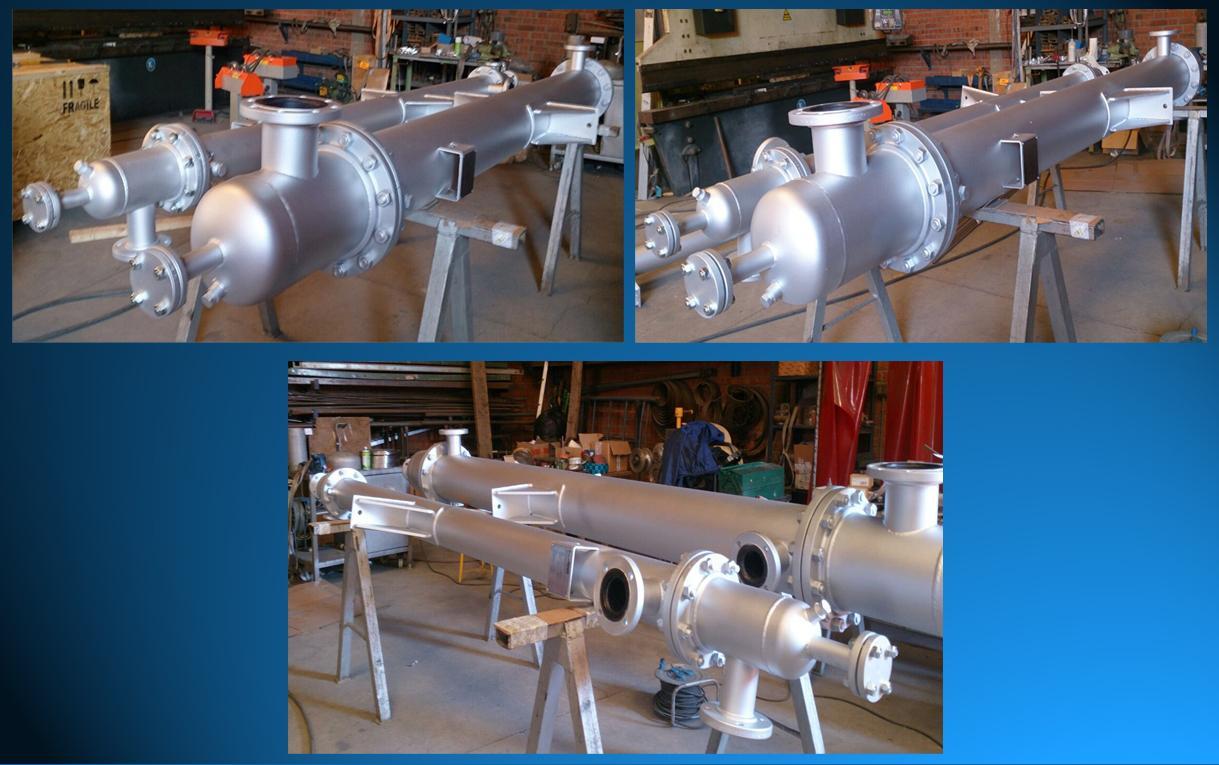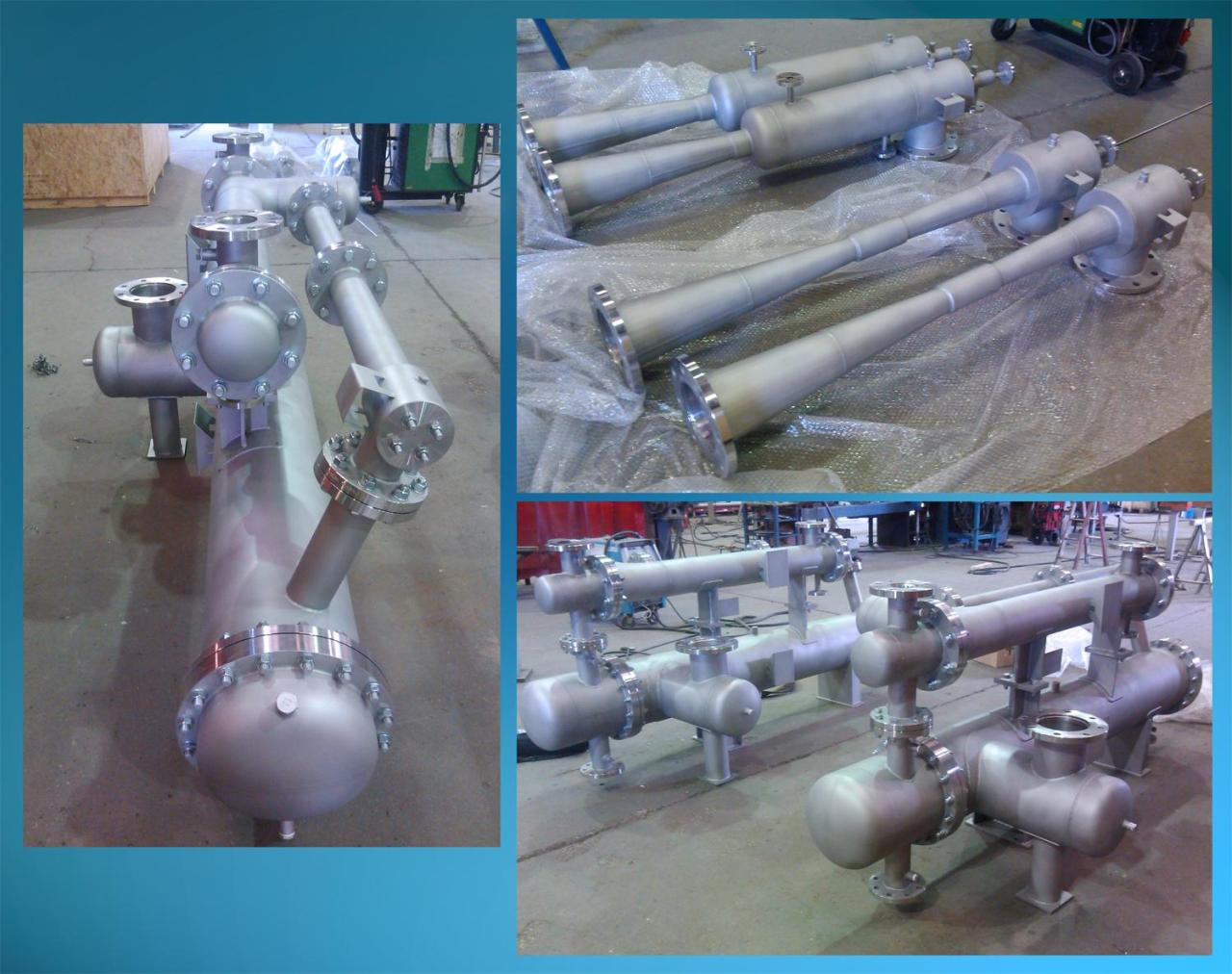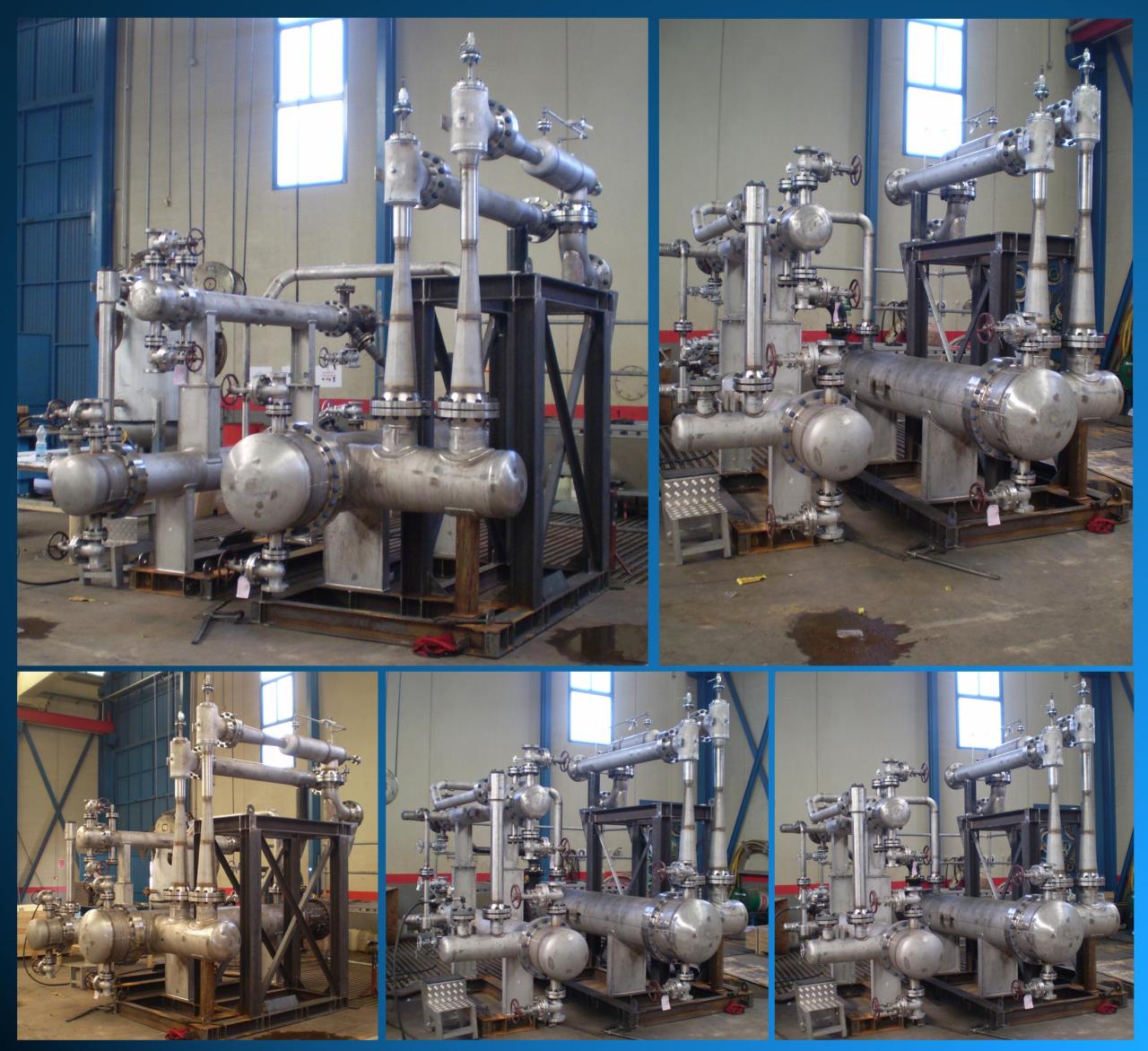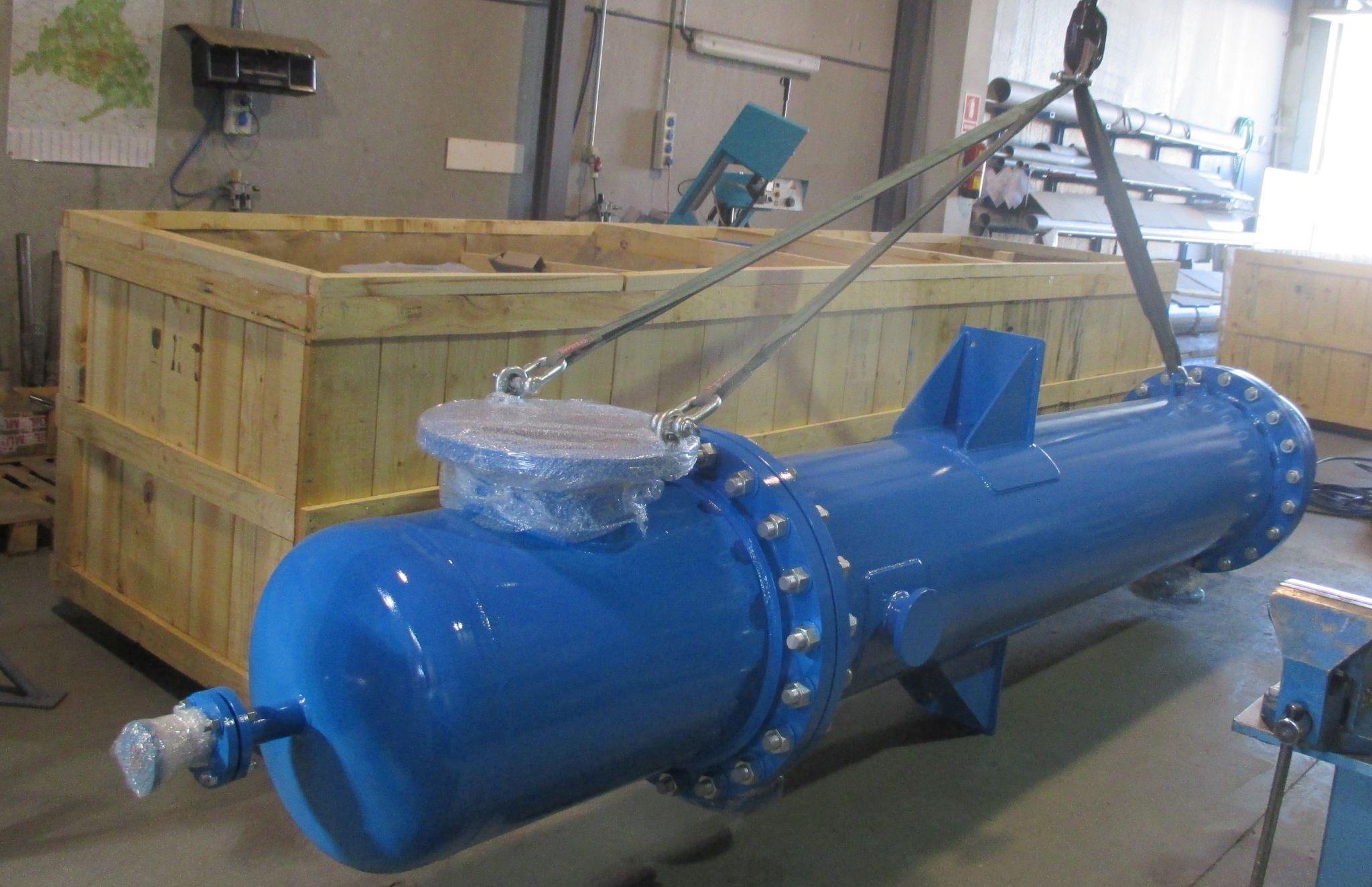
Tags: Recuperator

  • Tag:

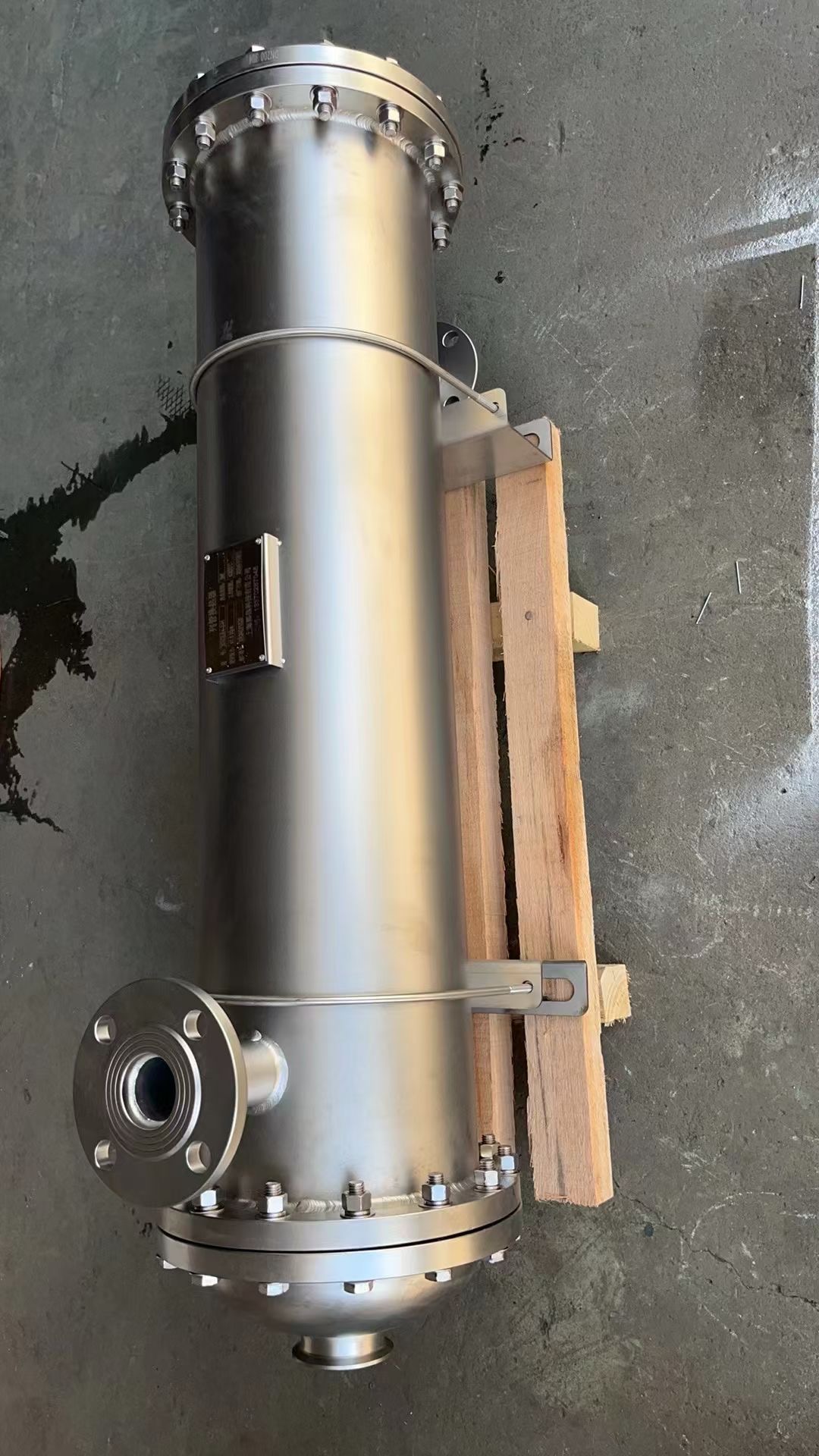
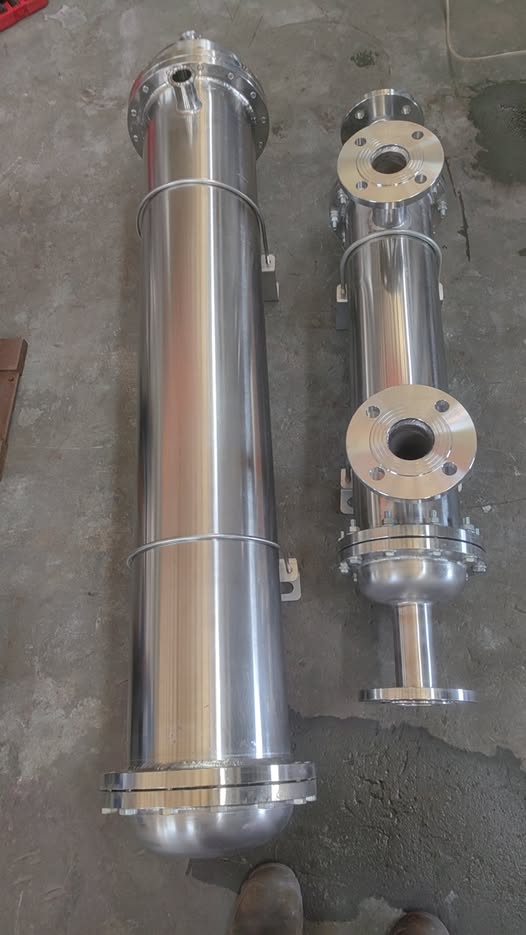
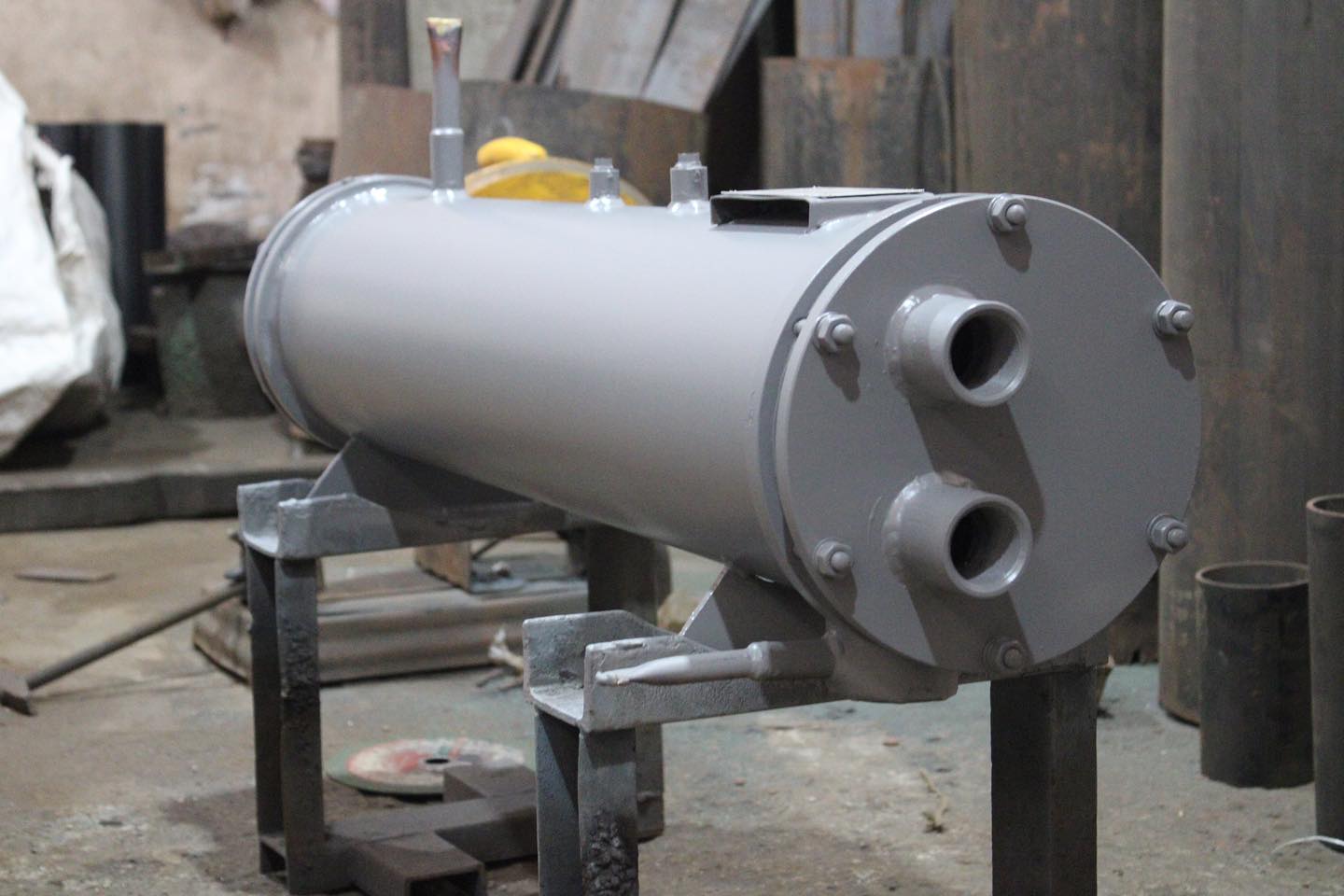
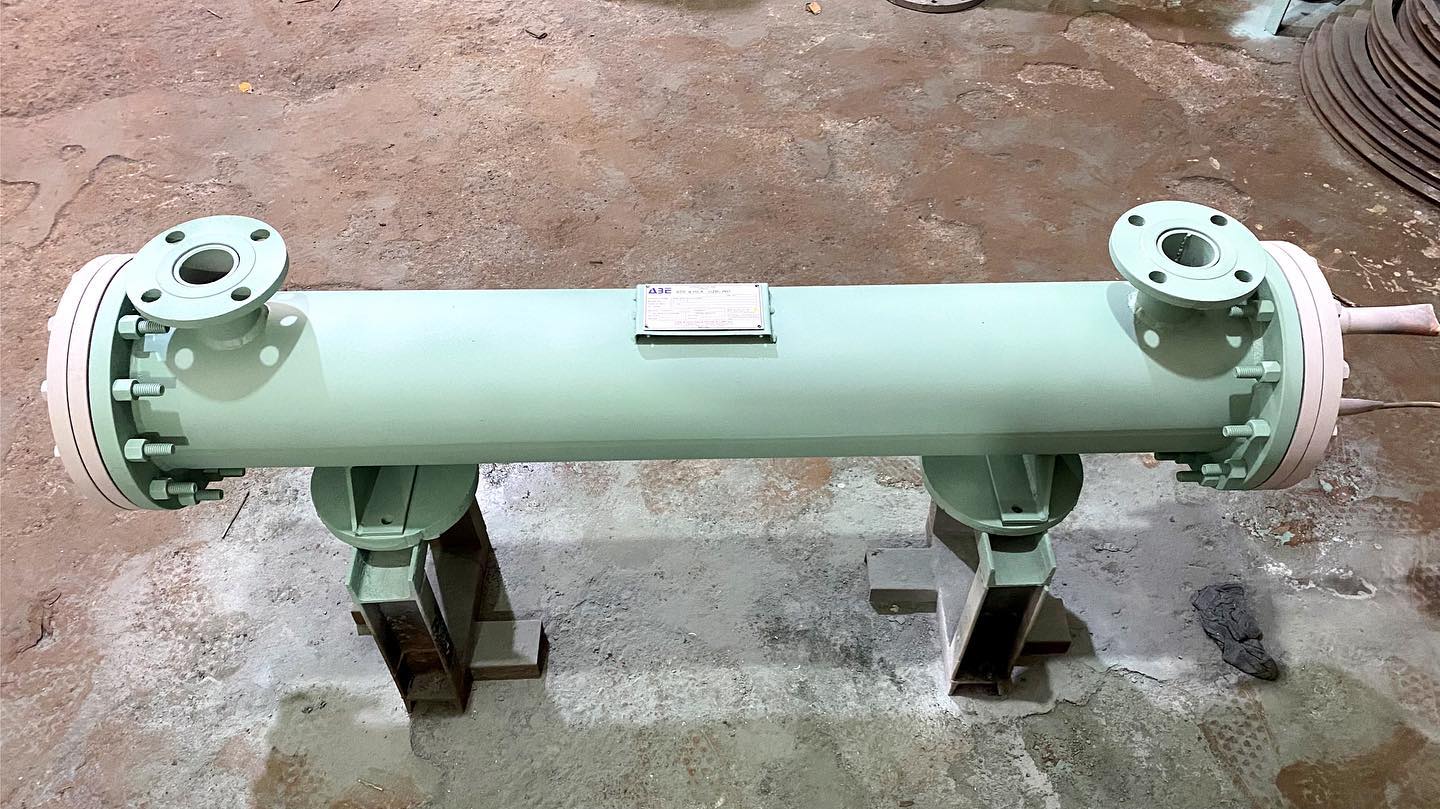
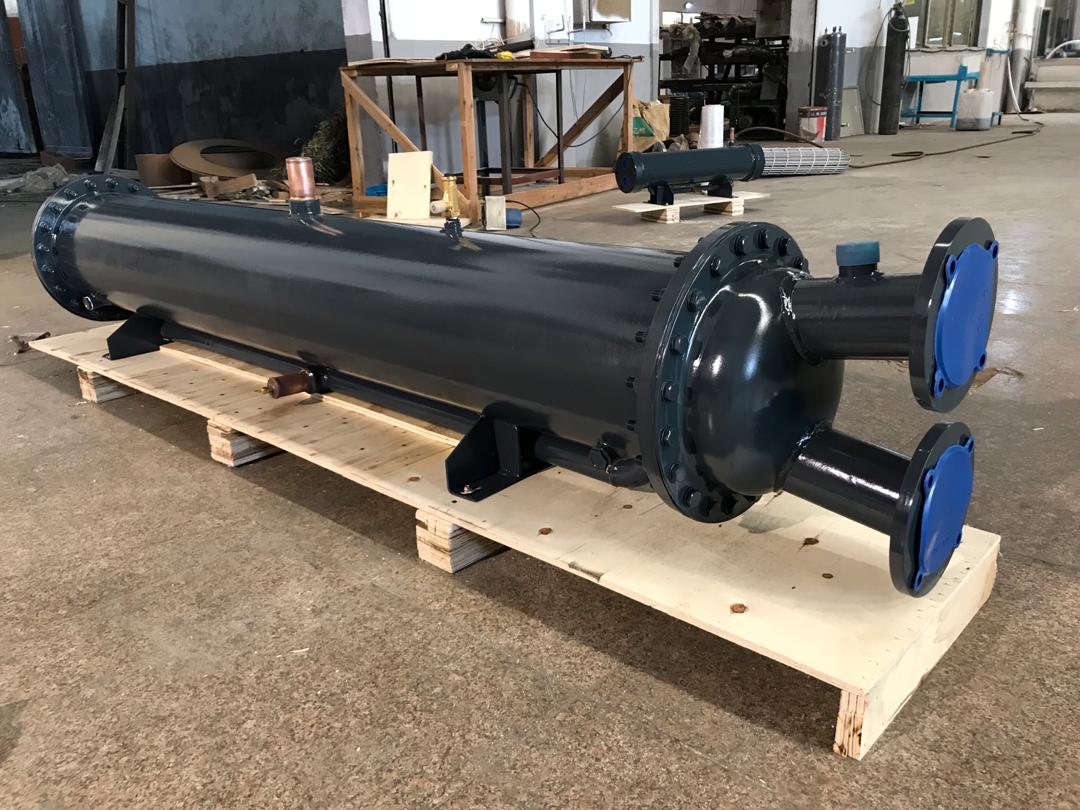
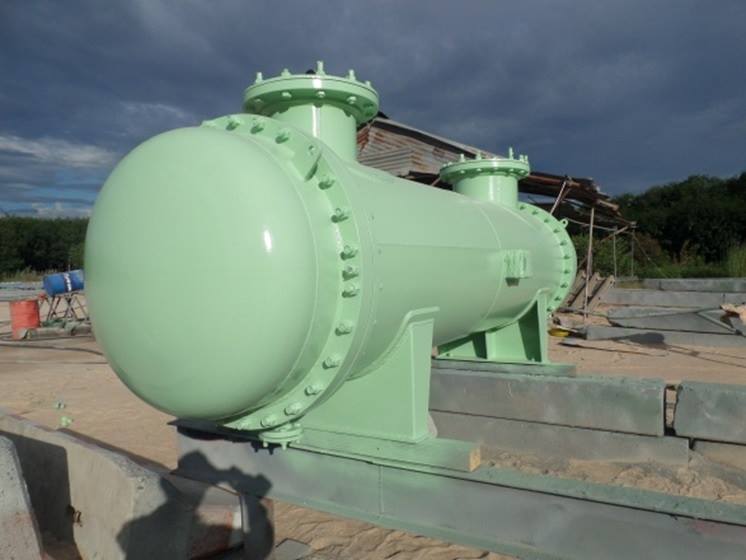
Shell and Tube Heat Exchanger Manufacturer in Ethiopia

Effect of Fouling Factor in Heat Exchangers The fouling factor (or fouling resistance, Rₓ) quantifies the reduction in heat transfer efficiency due to the accumulation of unwanted deposits (scale, sludge, corrosion, biofilms) on heat exchanger surfaces. It significantly impacts performance, energy costs, and...
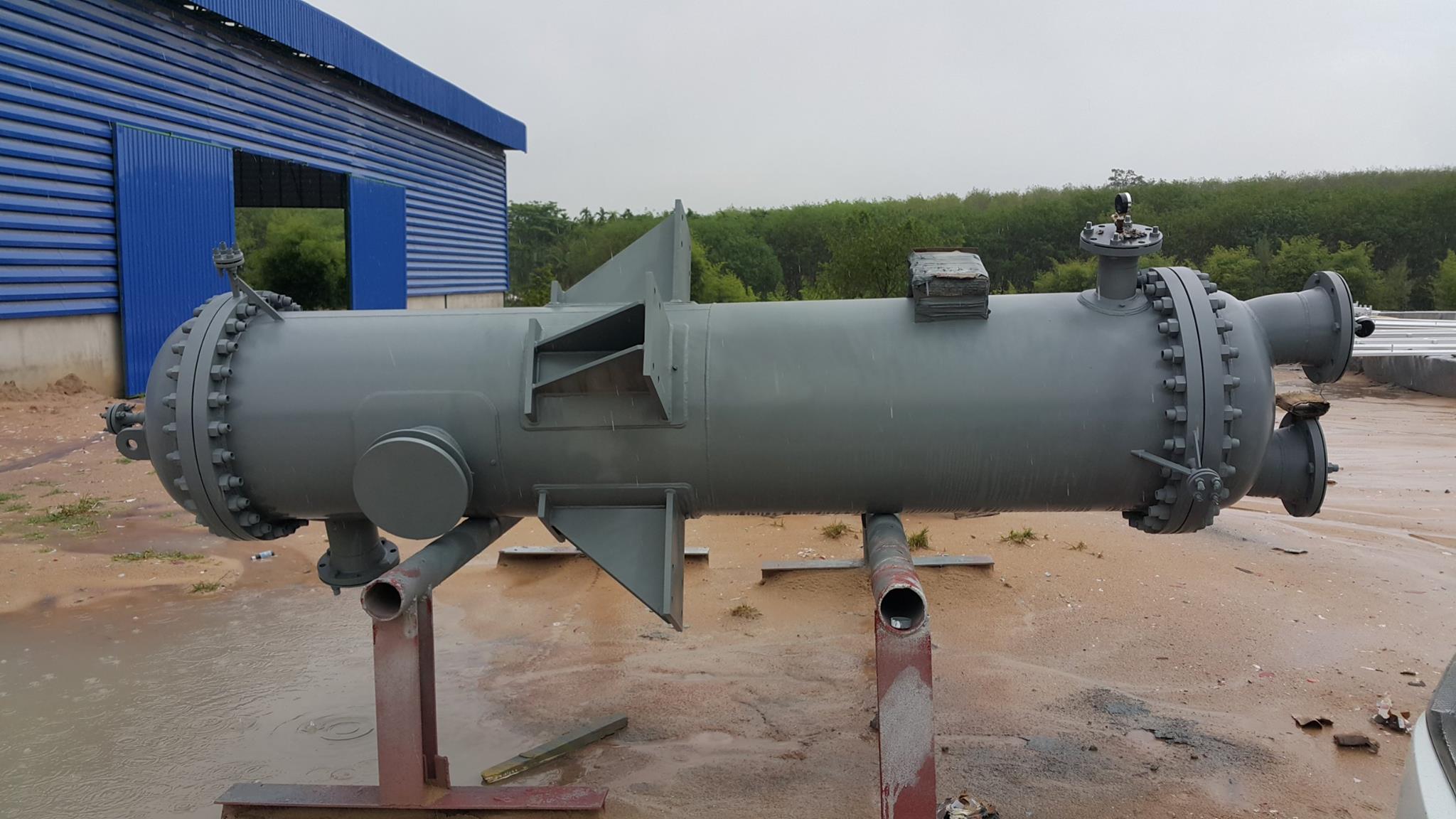
Shell and Tube Heat Exchanger Manufacturer in Algeria

Effect of Flow Velocity in Shell and Tube Heat Exchangers   Flow velocity plays a critical role in the heat transfer efficiency, pressure drop, fouling, and mechanical integrity of a shell and tube heat exchanger. Below is a detailed breakdown of its effects: 1. Heat Transfer Efficiency Higher Velocity → Better Heat...

Shell and Tube Heat Exchanger Manufacturer in South Africa

Fixed Tube sheet vs. Floating Head Heat Exchanger: Key Differences When choosing between a fixed Tube sheet and a floating head design for a shell and tube heat exchanger, the decision depends on thermal expansion, maintenance needs, pressure/temperature conditions, and cost. Below is a detailed comparison: 1. Basic Design...

Shell and Tube Heat Exchanger Manufacturer in Yemen

Copper Tubes vs. Stainless Steel Tubes in Heat Exchangers When selecting between copper and stainless steel (SS) tubes for a shell and tube heat exchanger, key factors include thermal conductivity, corrosion resistance, cost, and application requirements. Below is a detailed comparison: 1. Thermal Conductivity Material...

Shell and Tube Heat Exchanger Manufacturer in United Arab Emirates

Suitable Materials for Shell and Tube Heat Exchangers in the Food Industry The food industry requires materials that are:Corrosion-resistant (to withstand cleaning chemicals like CIP solutions).Non-toxic & FDA-compliant (no leaching of harmful substances).Smooth & non-porous (to prevent bacterial growth, easy to...

Shell and Tube Heat Exchanger Manufacturer in Sudan

Different Types of TEMA Classes for Shell and Tube Heat Exchangers The Tubular Exchanger Manufacturers Association (TEMA) classifies shell and tube heat exchangers into three main designations based on service conditions, mechanical robustness, and industry requirements: 1. TEMA Class R – Refinery & Severe Service...

Shell and Tube Heat Exchanger Manufacturer in Saudi Arabia

The Code of Construction for Shell and Tube Heat Exchangers (STHE) is governed by international and national standards to ensure safety, reliability, and performance. Below are the key codes and standards used in their design, fabrication, and testing: 1. ASME (American Society of Mechanical Engineers) – Most Widely Used...
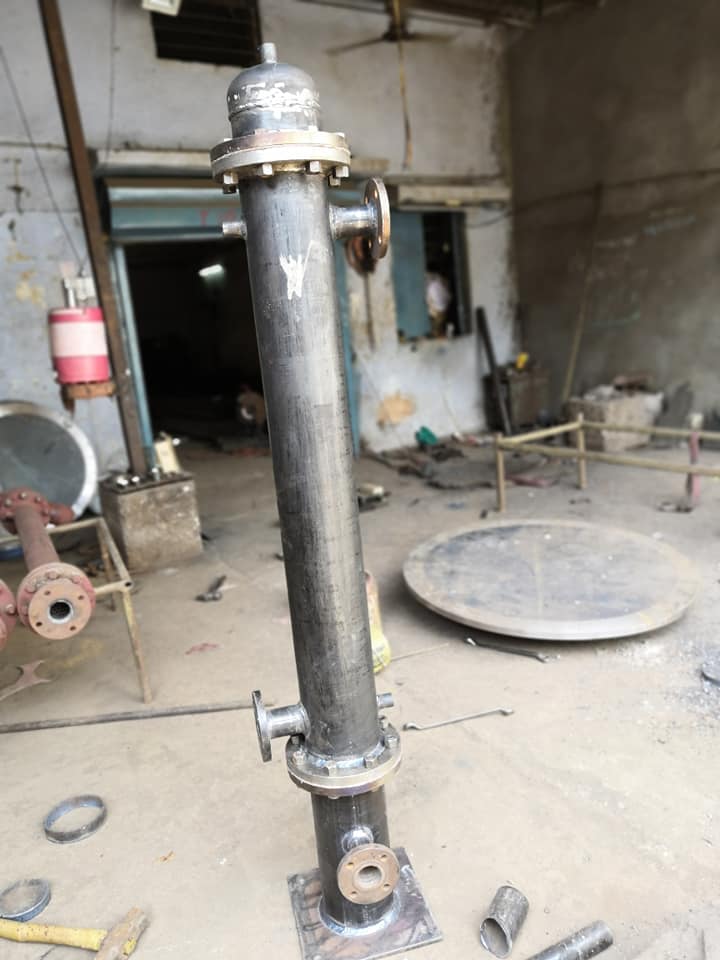
Shell and Tube Heat Exchanger Manufacturer in Qatar

Advantages of Shell and Tube Heat Exchangers (STHE) Shell and Tube Heat Exchangers are among the most widely used heat exchangers in industries due to their robust design, versatility, and efficiency. Here are their key advantages: 1. High Pressure & Temperature Resistance 2. Suitable for a Wide Range of Fluids 3. Robust &...
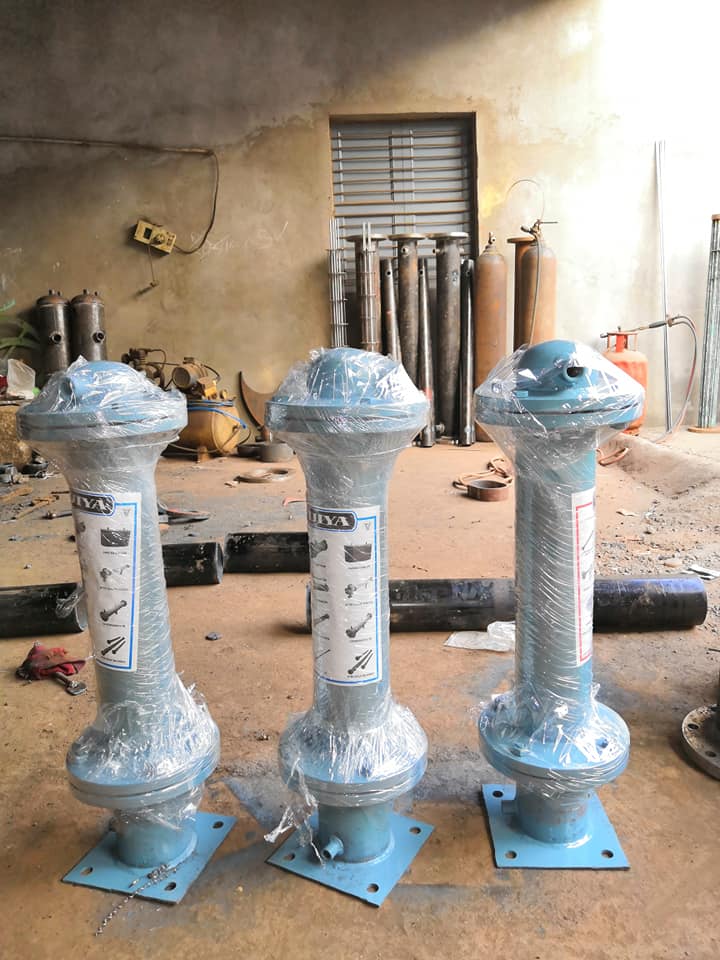
Shell and Tube Heat Exchanger Manufacturer in Oman

In Shell and Tube Heat Exchangers (STHE), the tube material is selected based on corrosion resistance, thermal conductivity, mechanical strength, and cost. Below are the most commonly used tube materials, along with their key properties and applications: 1. Carbon Steel (CS) Tubes 2. Stainless Steel (SS) Tubes 3. Copper...
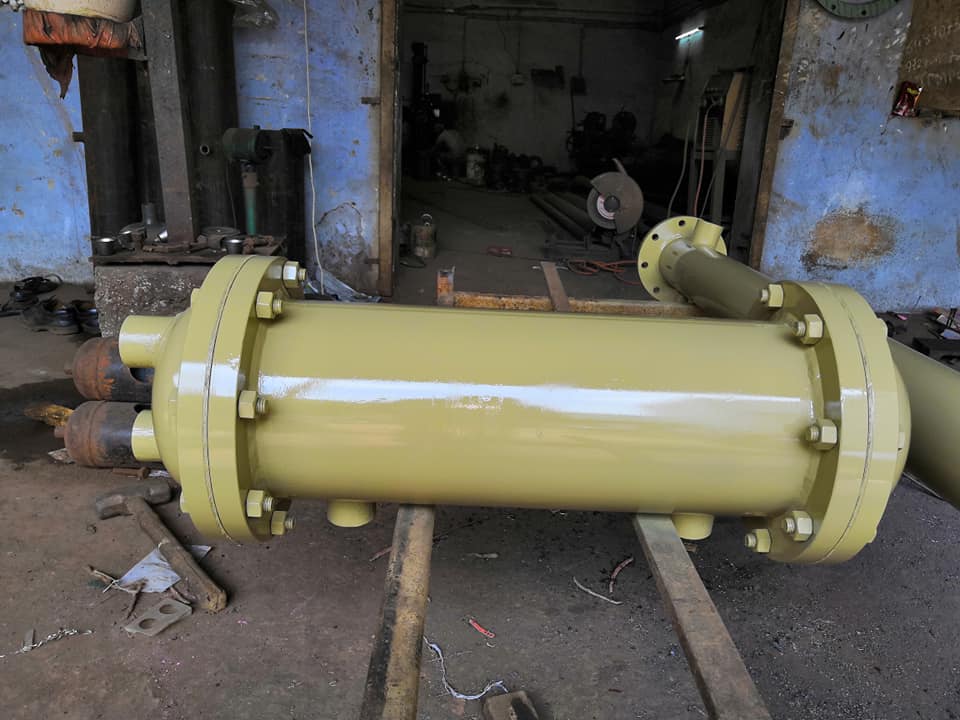
Shell and Tube Heat Exchanger Manufacturer in Lebanon

Material of Construction (MOC) of Shell and Tube Heat Exchanger Shell and Tube Heat Exchanger (STHE) MOC depends on factors like: Common Materials Used in STHE Components 1. Shell Material Nickel Alloys (Inconel 625, Hastelloy C276) – Extreme corrosion/heat resistance (chemical processing 2. Tube Material 3. Tube Sheet...
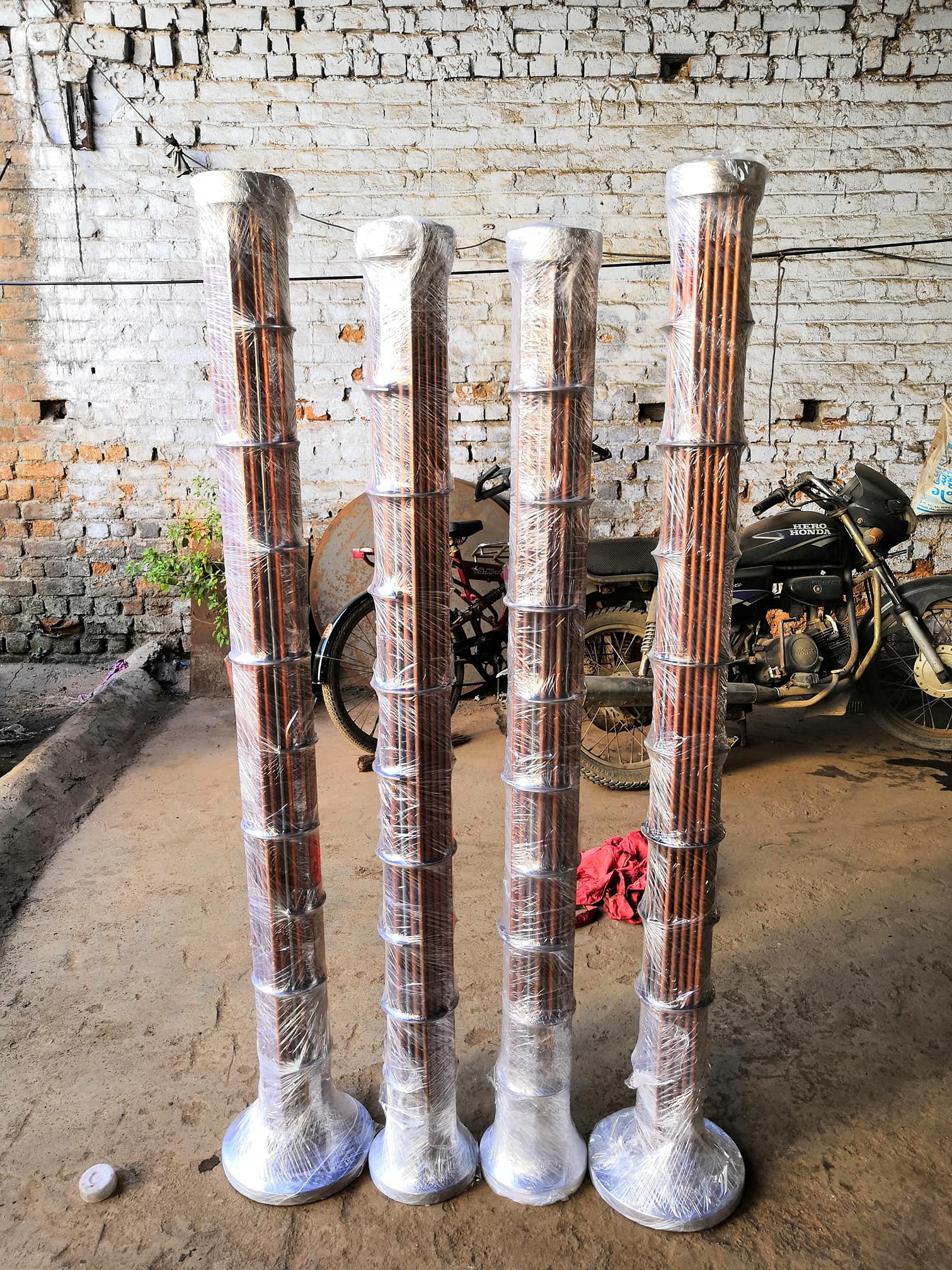
Shell and Tube Heat Exchanger Manufacturer in Kuwait

Common Applications Shell and Tube Heat Exchanger Marine & industrial cooling systems

Shell and Tube Heat Exchanger Manufacturer in Jordan

Working Principle of Shell and Tube Heat Exchanger Advantages of Shell and Tube Heat Exchanger

Shell and Tube Heat Exchanger Manufacturer in Iraq

Components of a Shell and Tube Heat Exchanger

Shell and Tube Heat Exchanger Manufacturer in Djibouti

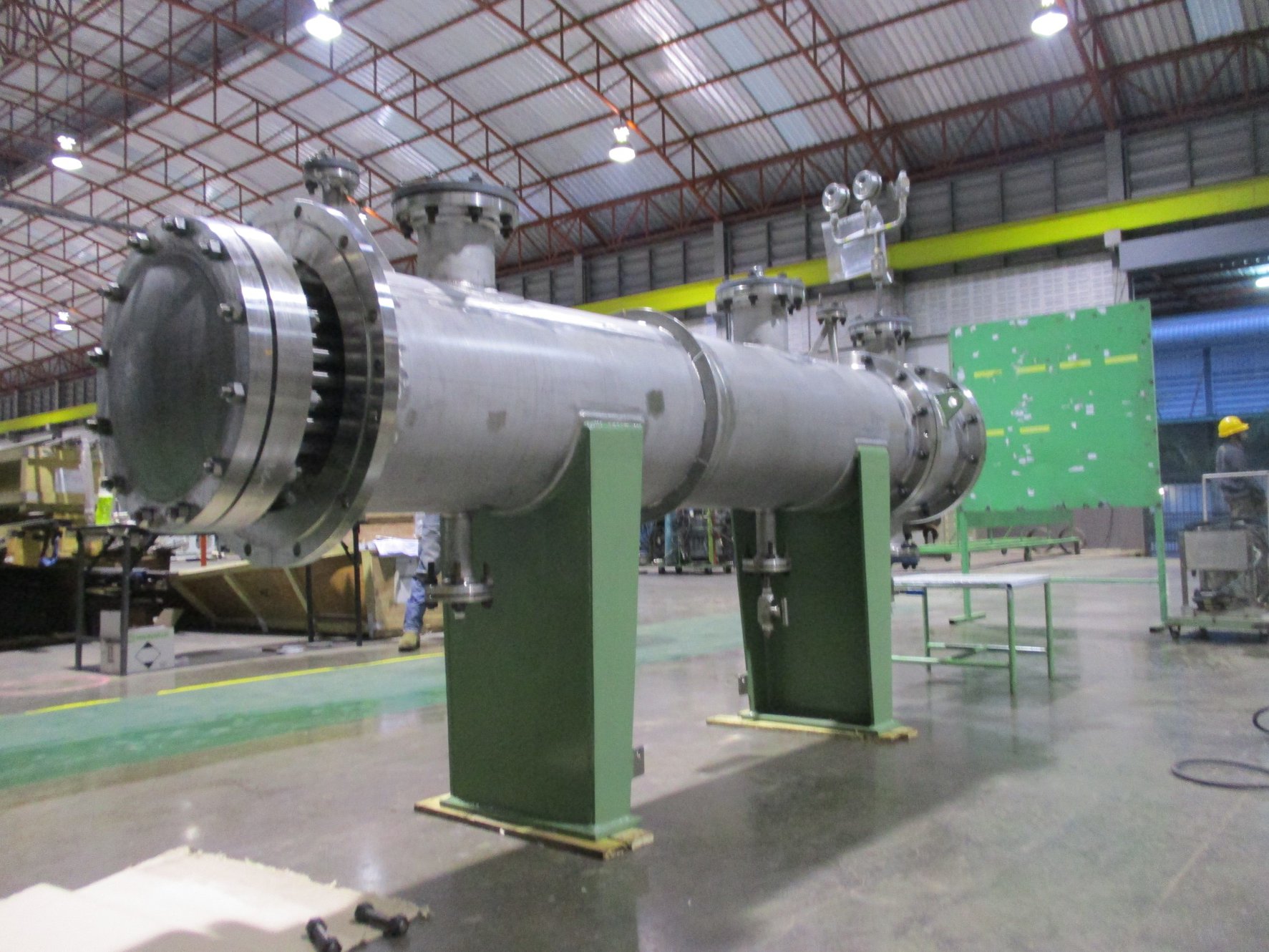
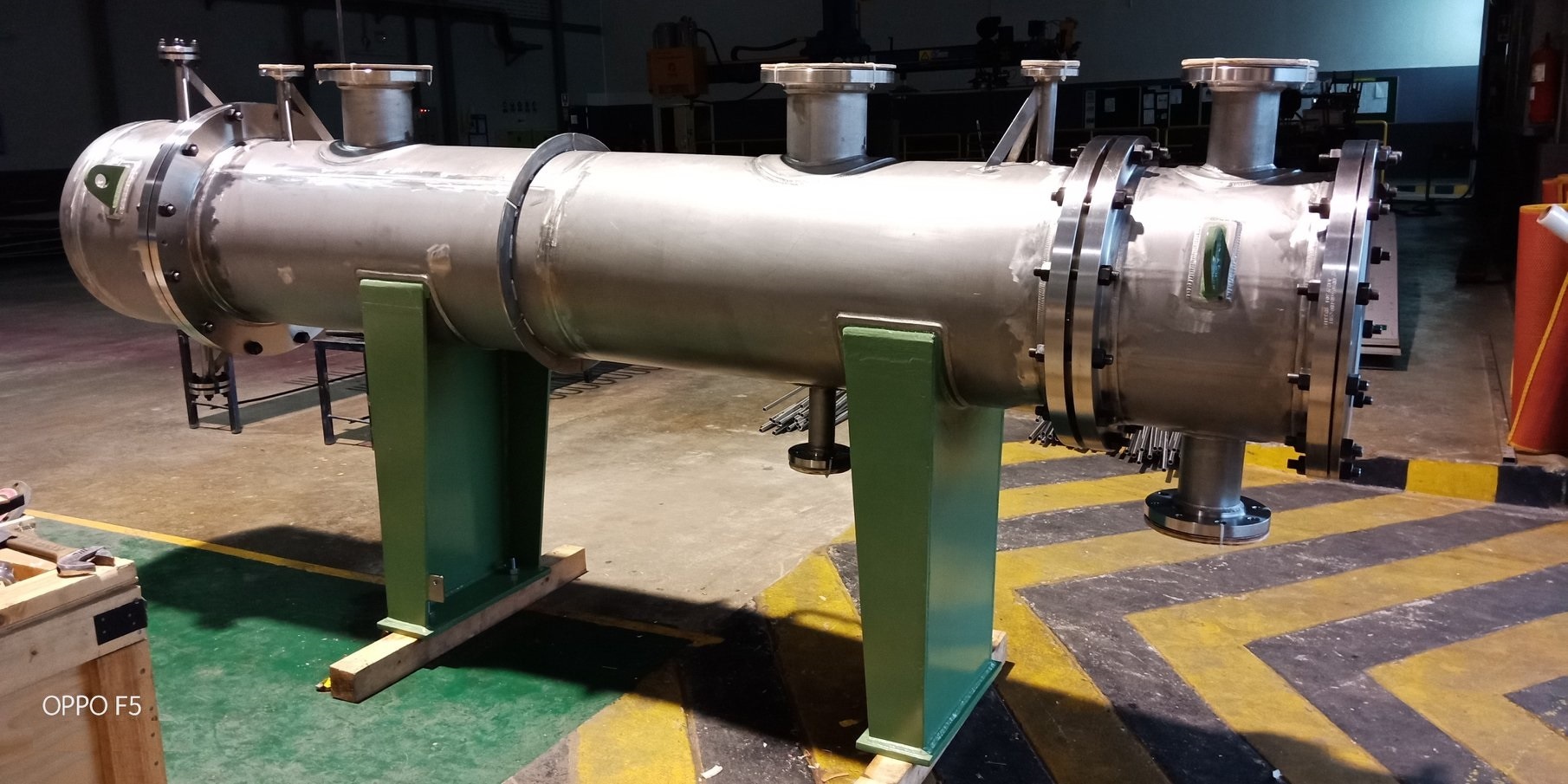
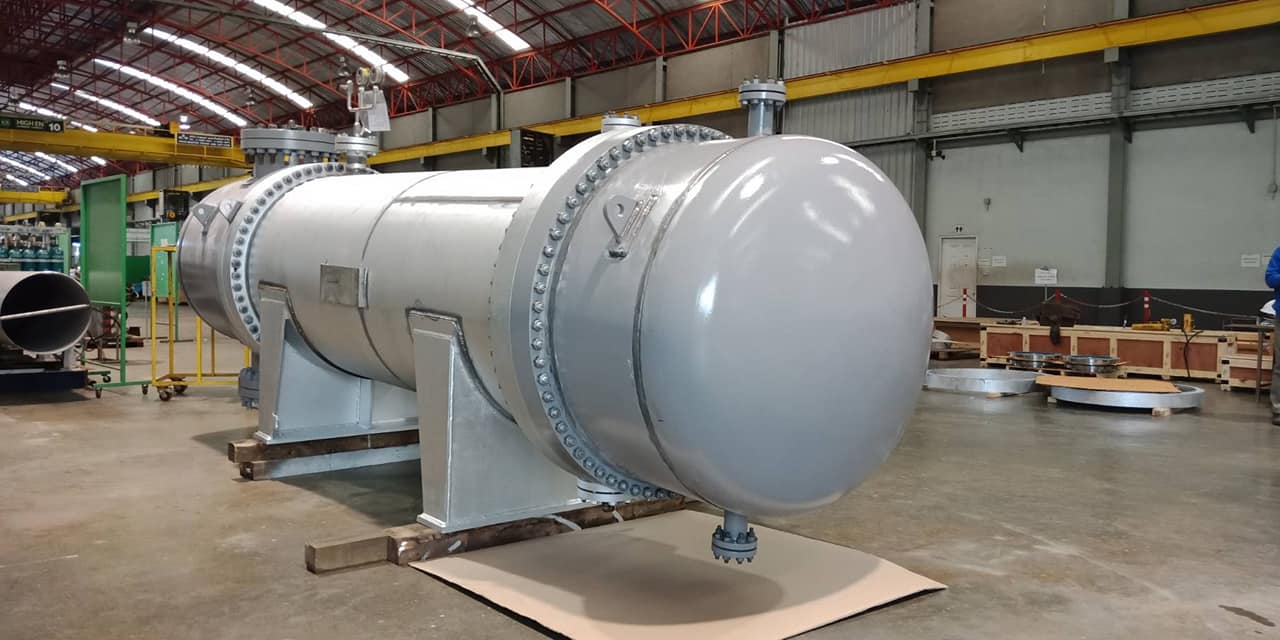
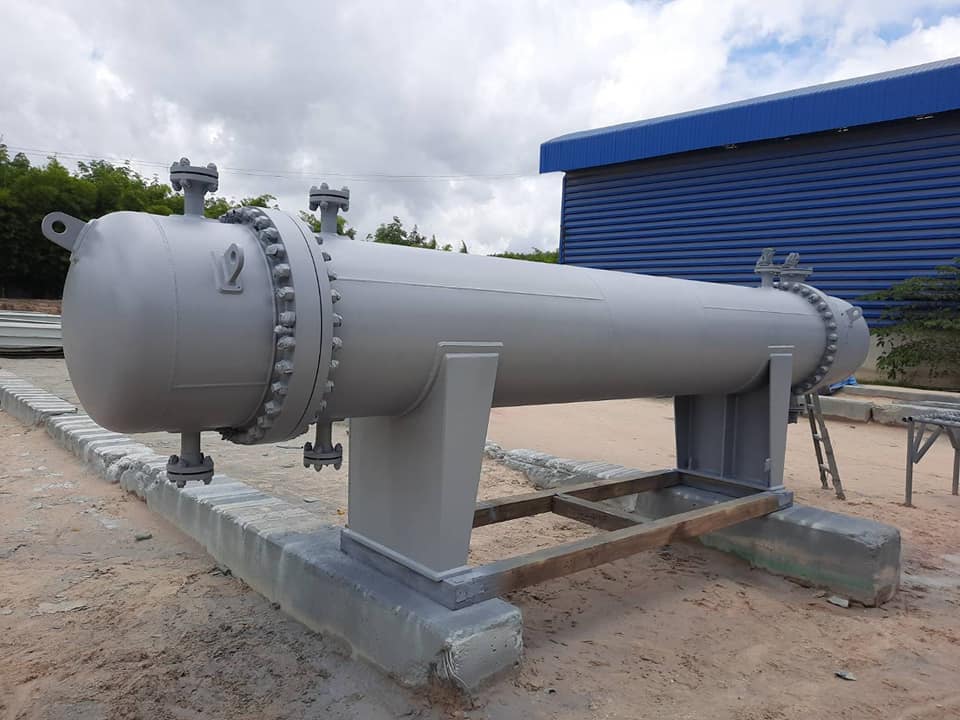
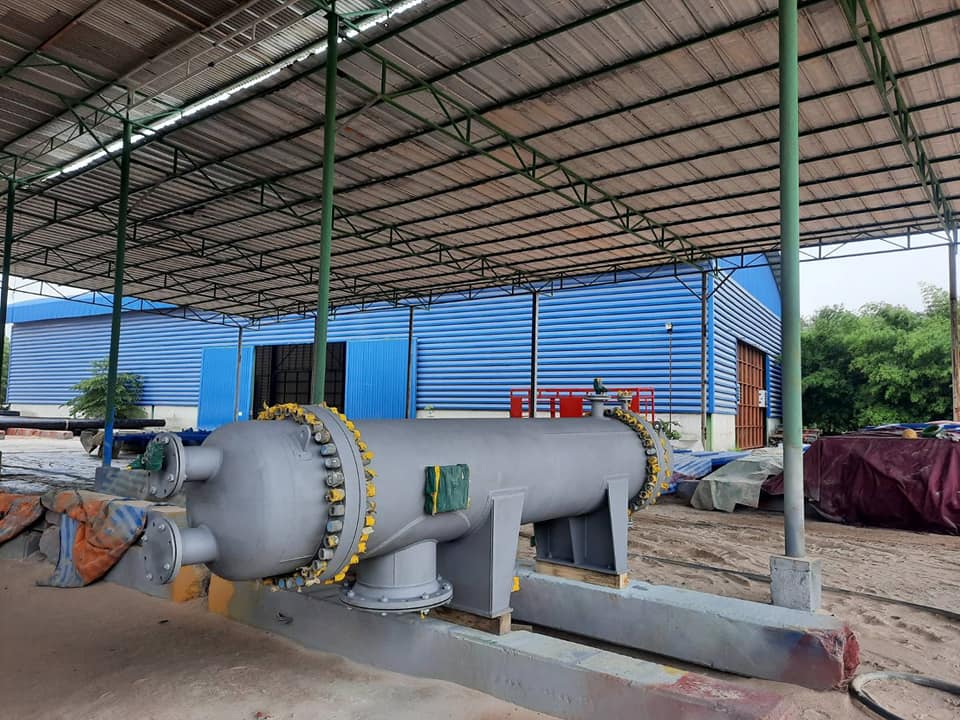
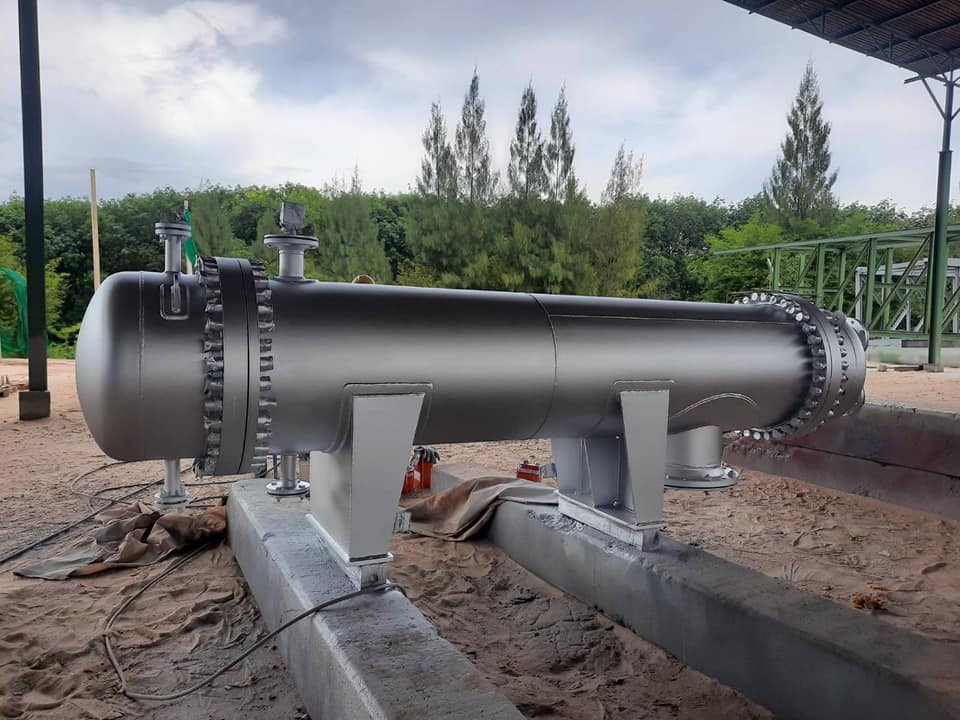
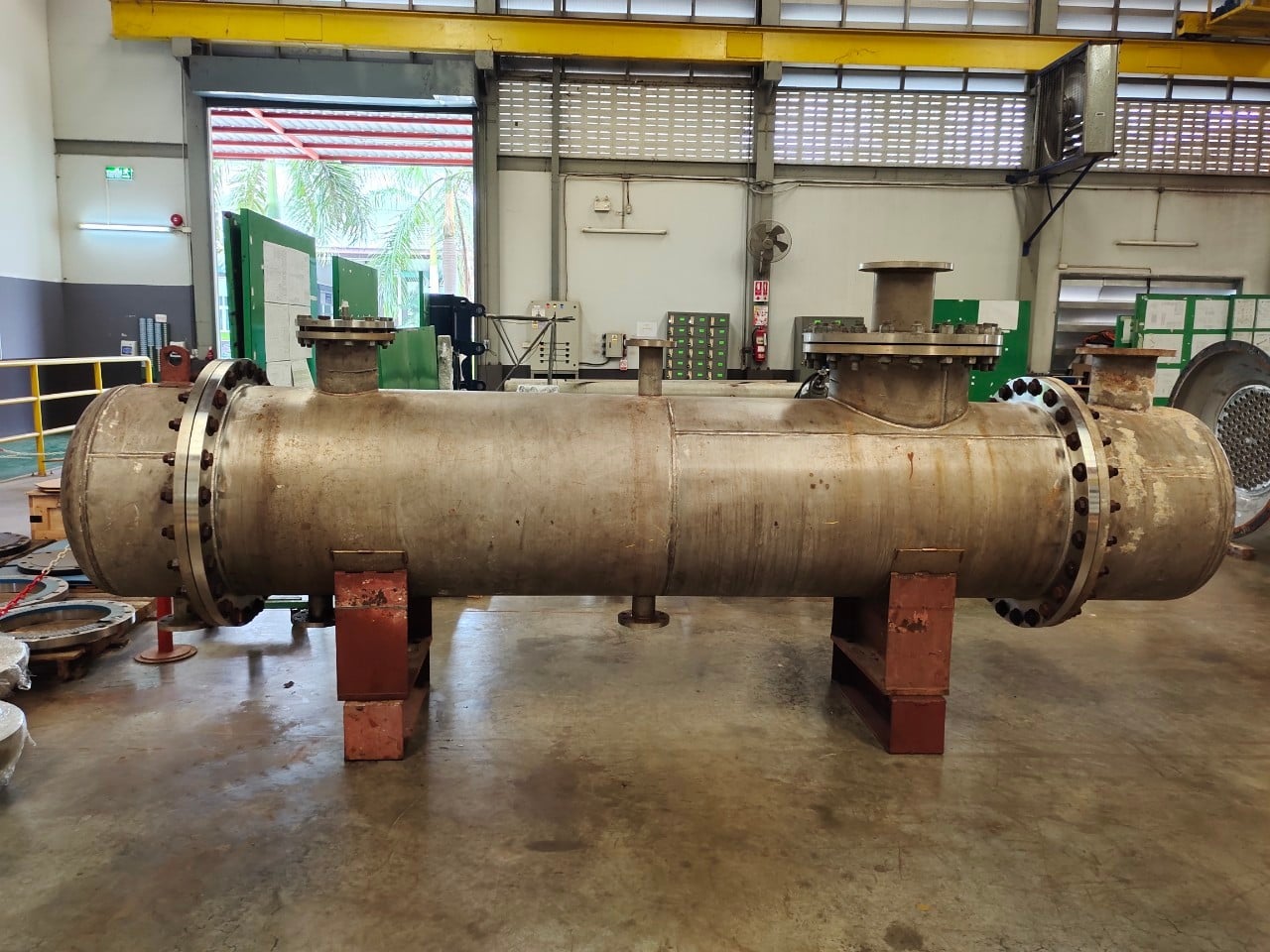
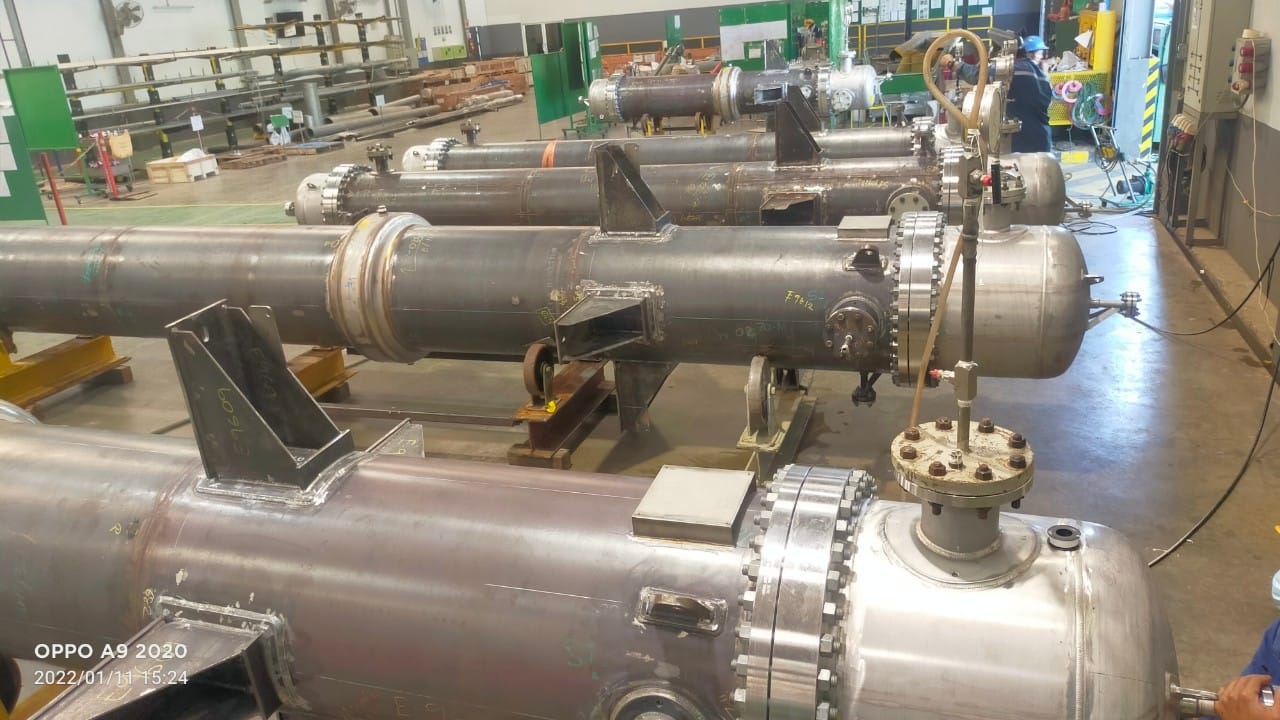
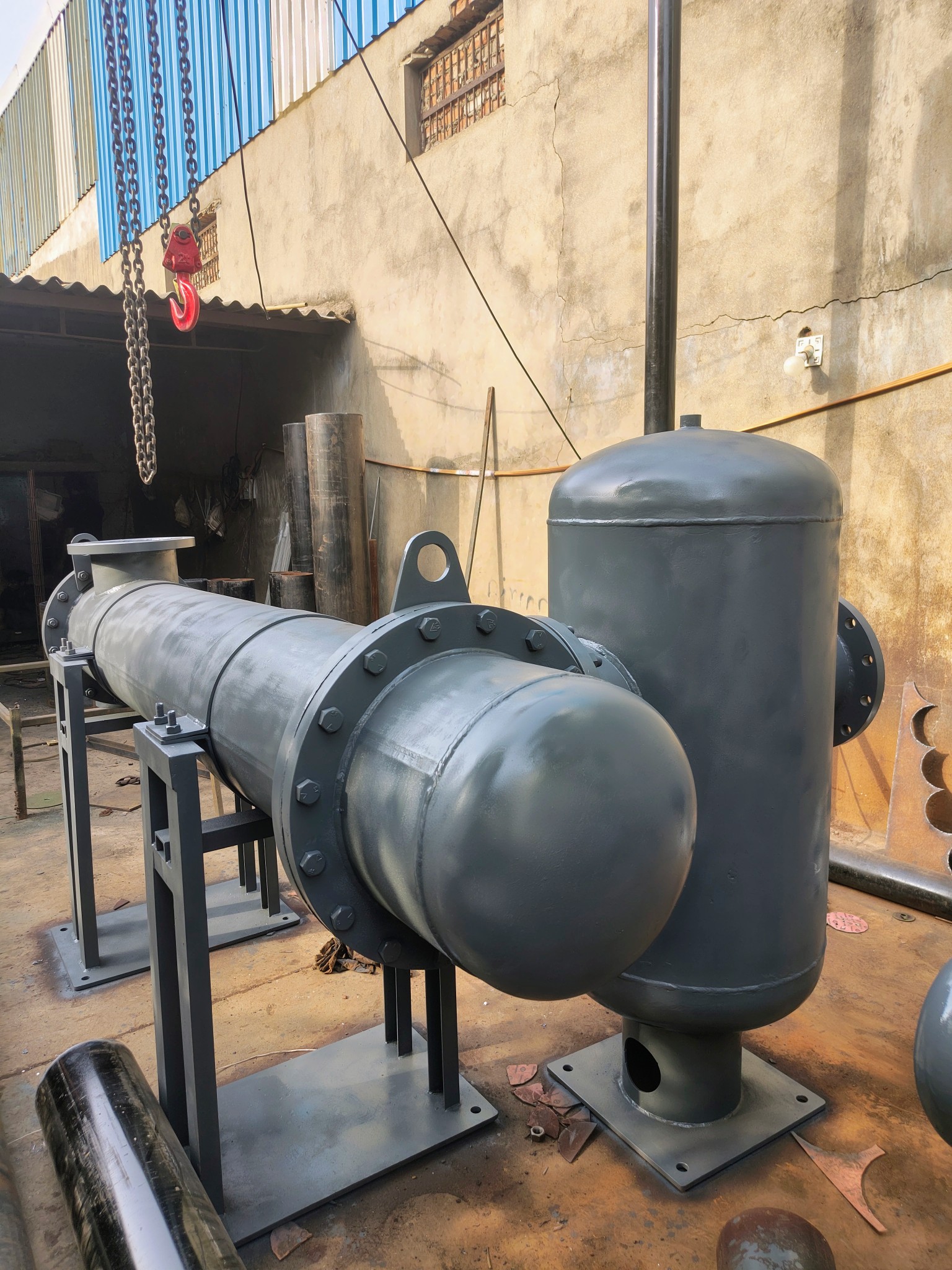
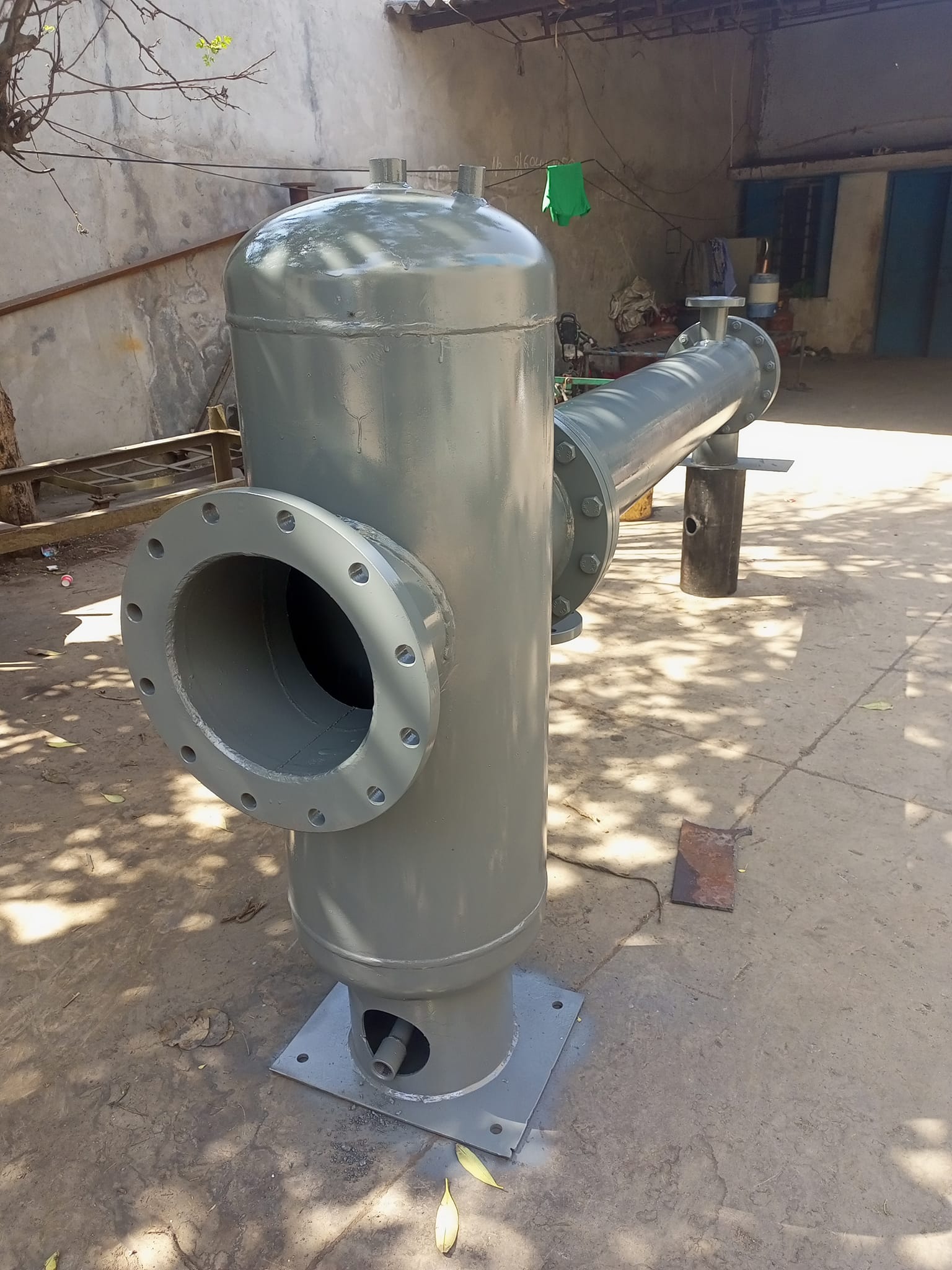
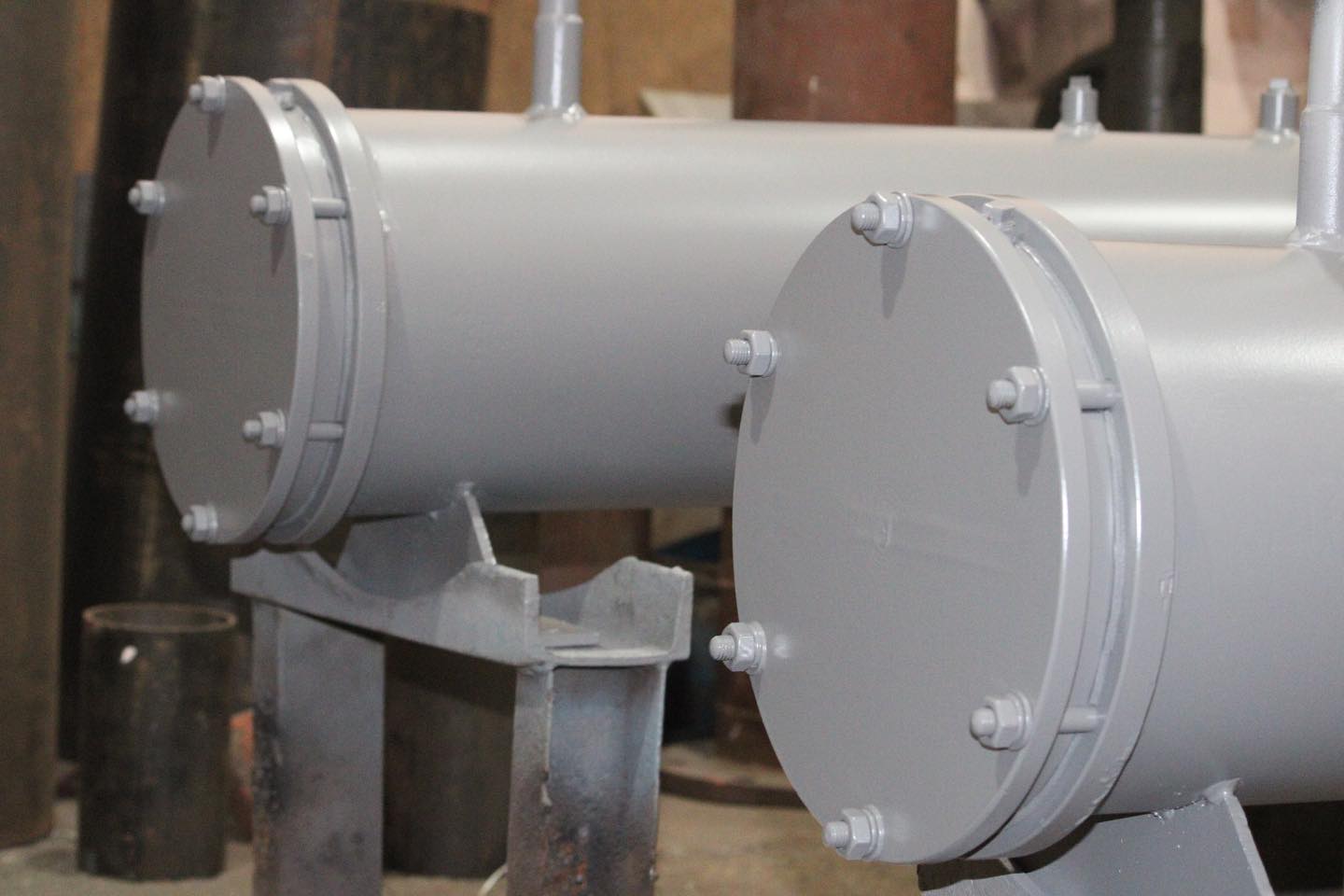
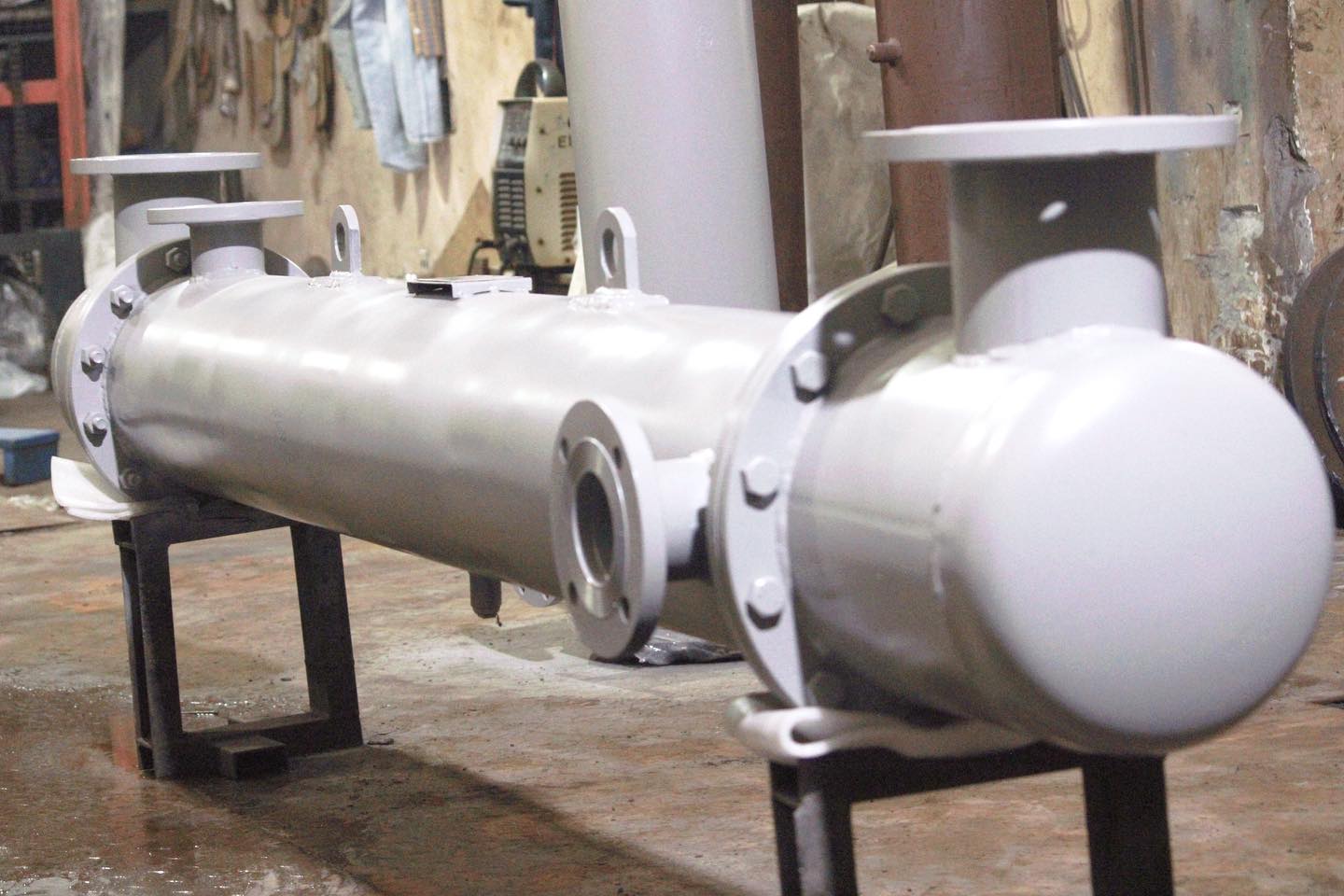
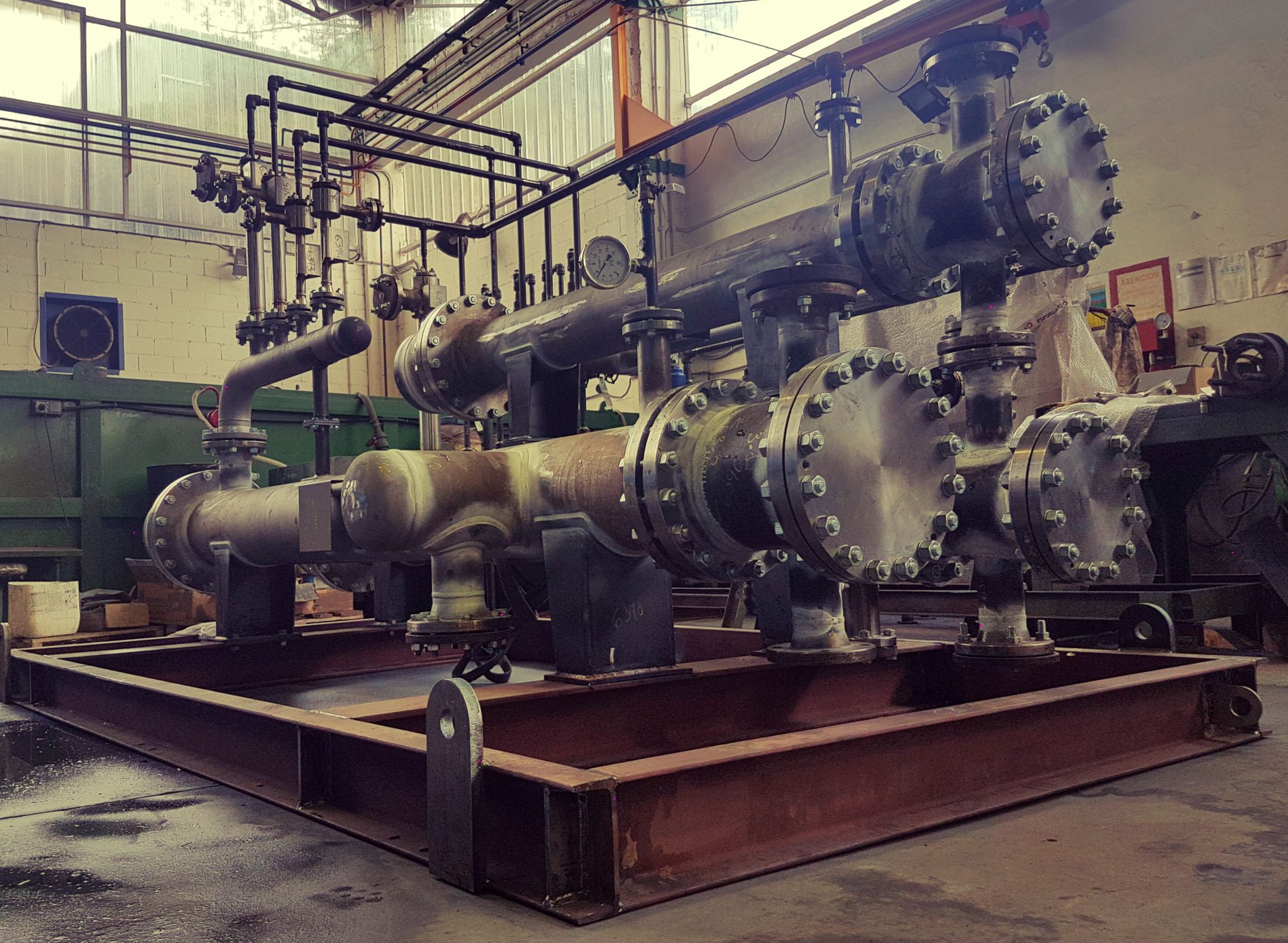
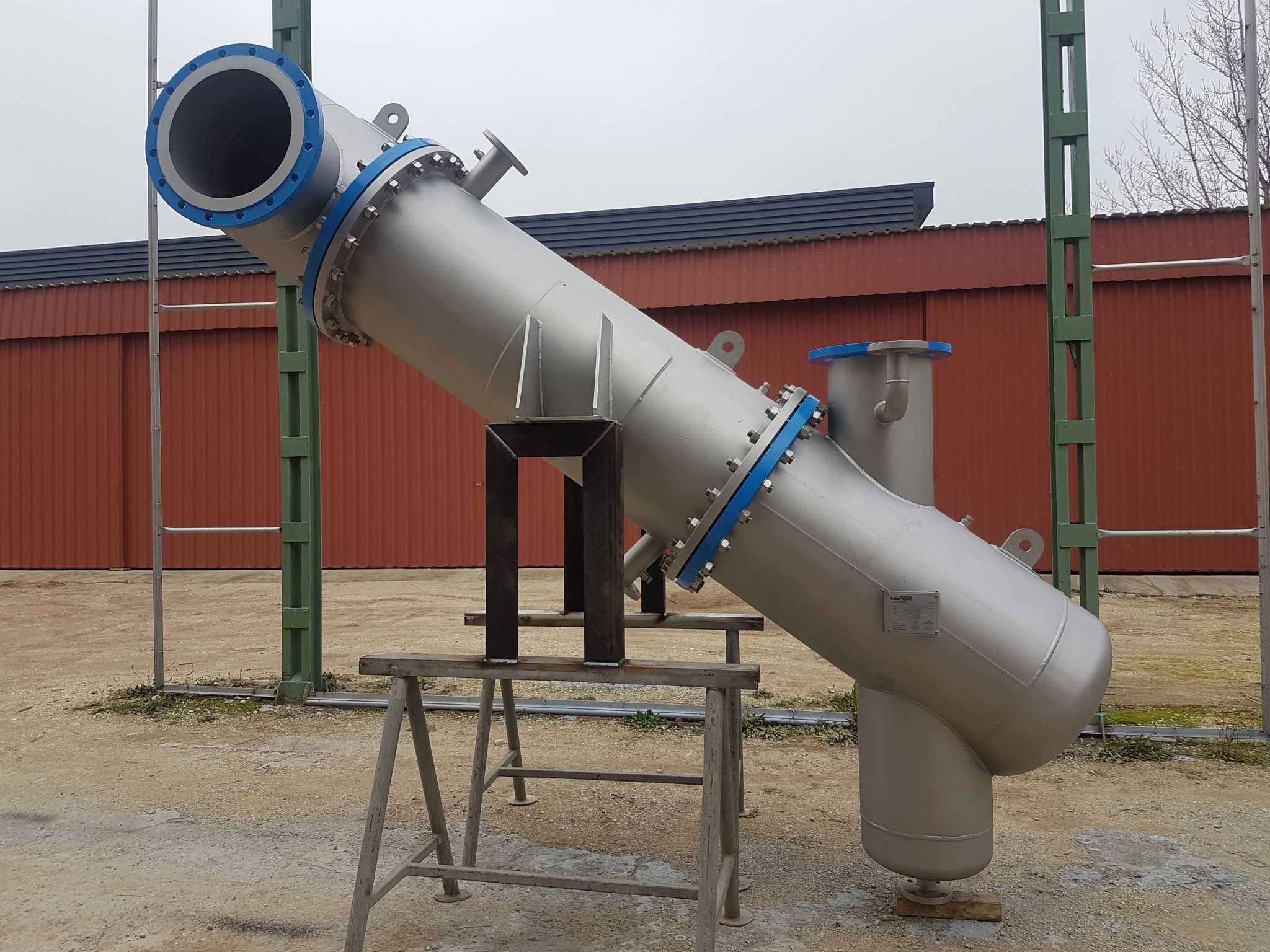
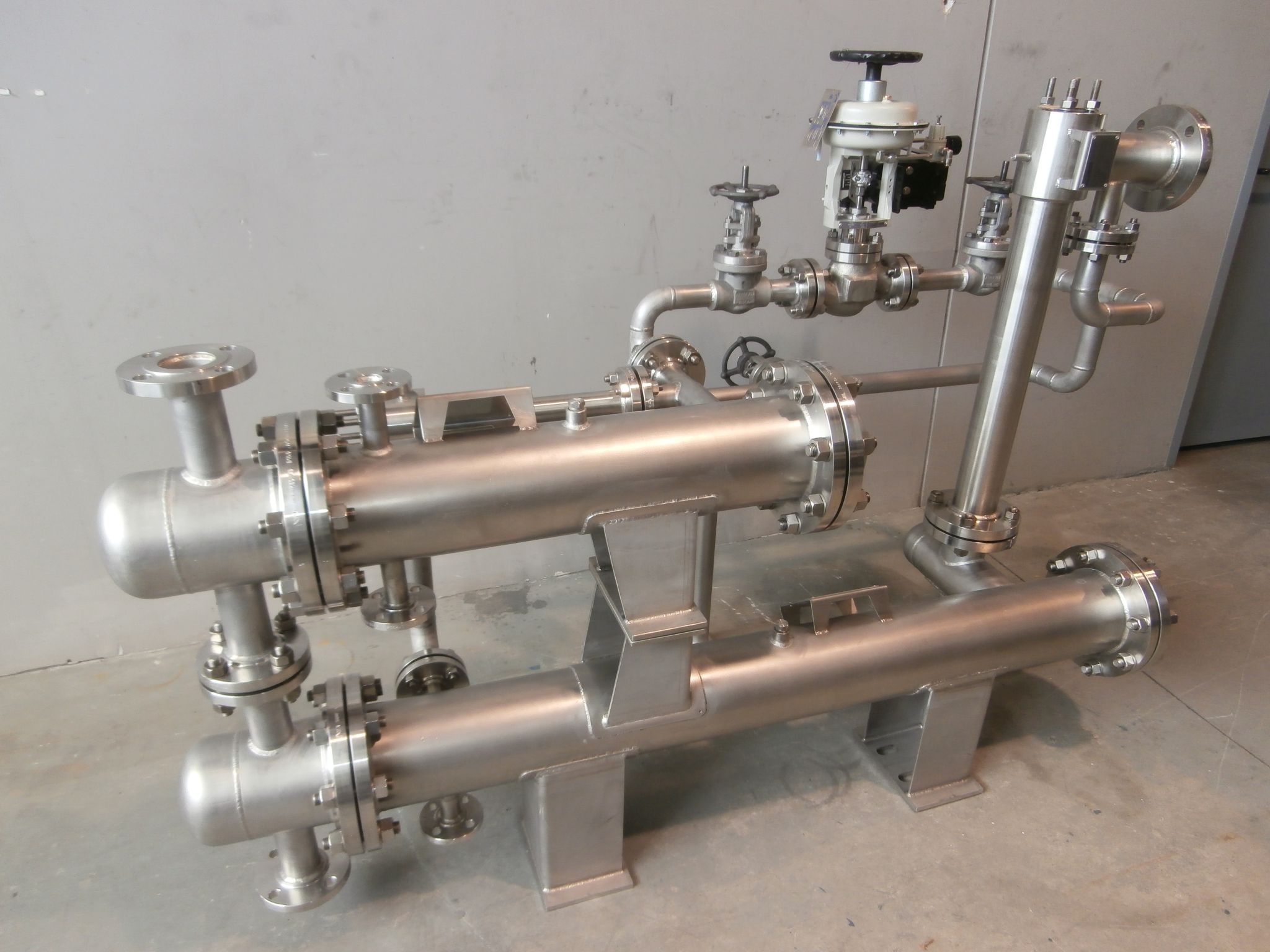
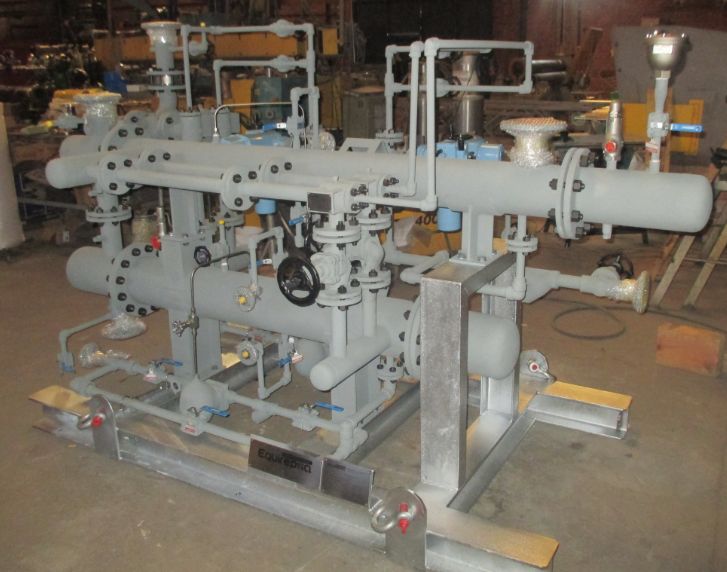
A Shell and Tube Heat Exchanger (STHE) is one of the most widely used types of heat exchangers in industrial applications. It consists of a shell (a large pressure vessel) with a bundle of tubes inside it. One fluid flows through the tubes (tube side), while another fluid flows outside the tubes but inside the shell (shell side), allowing...

Shell and Tube Heat Exchanger Manufacturer in Bahrain

Types Of Heat Exchangers  1. Based on Construction & Design 2. Based on Flow Arrangement 3. Based on Heat Transfer Mechanism 4. Specialized Types Pillow Plate Heat Exchanger

Shell and Tube Heat Exchanger Manufacturer in India

A heat exchanger is a device used to transfer heat between two or more fluids (liquids or gases) without them mixing. It’s widely used in engineering applications where heating or cooling is required, such as in power plants, chemical processing, refrigeration, and HVAC systems. How It Works Heat flows from the hotter fluid to the […]

Oil Cooler Manufacturer in Ethiopia

Types of Engine Oil Coolers Engine oil coolers can be generally classified into two types, such as oil-to-water and oil-to-air. Oil-To-Water Cooler In these types of oil coolers, the coolant passes through a heat exchanger element of some parts. The coolant is enabled either by adding heat to cold oil or drawing heat from excessively […]

Oil Cooler Manufacturer in Djibouti

The oil cooler absorbs heat, which is vital for engine cooling. Oil cooling uses engine oil as a coolant to remove excessive heat from internal combustion engines. Keeping engine components at their normal working temperatures improves performance and extends service life. Function Of an Engine Oil Cooler The oil cooler’s job is to maintain the...

Oil Cooler Manufacturer in Egypt

An oil cooler  is designed to remove excessive heat from the oil used to lubricate vehicles, machinery and mechanical equipment. For example, a hot engine transfers heat to the oil which then circulates through a heat-exchanger (also known as an oil cooler), using either air or water to cool the oil. It achieves this by using a...

Oil Cooler Manufacturer in Yemen

While oil coolers and radiators have similar functions, their key difference lies in the fluids they cool. Radiators manage coolant temperature, whereas oil coolers regulate engine oil temperature.  Both systems are important for maintaining engine health, but engine oil coolers provide added protection for high-performance or heavy-duty...

Oil Cooler Manufacturer in United Arab Emirates

To keep your engine oil cooler functioning as it should, regular maintenance is critical. Here are a few tips to maintain efficiency: Inspect for leaks: Periodically check the oil cooler or its connections for leaks. Clean fins: For air-cooled systems, ensure the cooling fins remain clean and free from debris that could block...

Oil Cooler Manufacturer in Saudi Arabia

Engine oil coolers aren’t just for racing enthusiasts. They’re potentially useful for any vehicle that experiences high-stress conditions. This includes, but isn’t limited to: Heavy-duty trucks: Trucks designed for industrial or commercial usage face prolonged heavy workloads. Oil coolers help these engines withstand consistent...

Oil Cooler Manufacturer in Qatar

Types of Engine Oil Coolers  Choosing the best engine oil cooler depends on your vehicle’s needs and operating environment.  When deciding between these two kinds of oil coolers, consider the driving conditions, the workload your vehicle endures, and the longevity you hope to get from your engine

Oil Cooler Manufacturer in Oman

An engine oil cooler works as a heat exchanger. It circulates the engine oil through a series of passages or tubes, allowing the heat to dissipate as it does so. There are 2 main types of engine oil coolers: Air-cooled oil coolers: Air-cooled oil coolers rely on ambient air to dissipate heat They use the […]

Oil Cooler Manufacturer in Kuwait

An oil cooler works by transferring heat away from hot engine or hydraulic oil, using a cooling medium like air or water to lower the oil’s temperature. This process is essential for maintaining optimal operating temperatures and preventing damage to components due to overheating. Heat Transfer: Cooling Medium: A fan blows air over the...

Oil Cooler Manufacturer in Jordan

Small oil coolers used in hydraulic systems are compact heat exchangers designed to remove excess heat from hydraulic fluid. They typically consist of a series of metal tubes or plates that provide a large surface area for efficient heat transfer. The hydraulic fluid flows through these tubes or plates, while a cooling medium, such as […]

Oil Cooler Manufacturer in Bahrain

Hydraulic oil coolers are devices used to regulate the temperature of hydraulic fluid in hydraulic systems. They help maintain optimal operating temperatures by dissipating heat generated during system operation.  Hydraulic oil coolers typically consist of a series of tubes or fins that increase the surface area for heat transfer. As the hot...

Heat Exchanger Manufacturer in Bangladesh

Straight Tube and Fixed Tube Sheet: Types BEM, AEM, NEN, etc • Less costly than removable bundle designs • Capable of multiple pass designs Limitations: • Shell side can only be cleaned by a chemical solution • No ability to absorb thermal expansion between the outer shell and tube bundle Removable Bundle and Externally Sealed […]

Heat Exchanger Manufacturer in Nepal

The TEMA Mechanical Standards for Class “C” heat exchangers specify design, fabrication. and materials of unfired shell and tube heat exchangers for the generally moderate requirements of commercial and general process applications. Equipment fabricated in accordance with these standards is designed for the maximum economy and overall...

Heat Exchanger Manufacturer in Sri Lanka

water-cooled surface condenser generally used in power stations to condense the exhaust steam from a steam turbine. There are many fabrication design variations possible depending on the manufacturer, the size of the steam turbine, and other site-specific conditions

Heat Exchanger Manufacturer in Burundi

The heat transfer mechanism in a surface condenser is that the saturated steam condenses on the outside of the tubes and the circulating water inside the tubes gets heated. Thus, for a given circulating water flow rate, the water inlet temperature to the condenser determines the operating pressure of the condenser. As this temperature is […]

Heat Exchanger Manufacturer in South Sudan

There are two primary types of condensers that can be used in a power plant: (a) Direct contact (b) Surface Direct contact condensers condense the turbine exhaust steam by mixing it directly with cooling water. The older type Barometric and Jet type condensers operate on similar principles. Steam surface condensers are the most commonly used...

Heat Exchanger Manufacturer in South Africa

The basic principle is that the constant vaporization of a portion of the liquid in the reboiler produces a two-phase mixture with an average density lower than the liquid being fed to the reboiler. The heavier column of liquid on the reboiler inlet side then pushes the lighter material out of the reboiler causing circulation. […]

Heat Exchanger Manufacturer in Nigeria

The amount and type of dissolved and/or suspended solids in the stream which may deposit on the tube wall.   The susceptibility to thermal decomposition which will form a thermal barrier on the tube walls.   The velocity of the fluid.   The temperature of the fluid   The fouling resistance specified for a particular […]

Heat Exchanger Manufacturer in Kenya

Typical overall heat transfer coefficients are given below. These “typical” heat transfer coefficients can be used to estimate the performance of a heat exchanger. Typical heat transfer coefficients are normally published as a range of an “all-in” numbers which includes the inside and outside heat transfer coefficients, the...

Heat Exchanger Manufacturer in Ethiopia

For heat exchanger sizing purposes, the cooling water inlet temperature is usually taken as the maximum summer temperature. However, the cooling water outlet temperature can be varied. Theoretically there is an optimum cooling water flow rate (and corresponding cooling water outlet temperature) for each exchanger design. Clearly, there is a maximum...

Heat Exchanger Manufacturer in Yemen

The first step in preparing a heat exchanger design is assembly of the required data. The minimum requirements for basic data are as follows: Process Fluid Design Flow Rates This is normally the maximum flow rate for the process fluid at full flowsheet rates. However, there may be temporary higher rates during start up or […]

Heat Exchanger Manufacturer in Syria

The calculations carried out to design heat exchangers are far from exact. In fact Perry’s refers to the design of heat exchangers as being an art as much as a science. These days almost all heat exchanger designs are carried out using software specifically written for the purpose. The most accepted software used for heat […]

Heat Exchanger Manufacturer in Sudan

Heat Exchanger Manufacturer in Jordan Somalia

  Whenever possible place corrosive fluids on the tube side to reduce the exchanger cost.   Place the highest-pressure fluid on the tube side to reduce exchanger cost.   Place dirty fluids on the tube side as it is much easier to clean the tube side than the shell side.   Place viscous fluids on […]

Heat Exchanger Manufacturer in Morocco

  Shell and tube exchangers can be designed for almost any service. All other exchanger types are compared to shell and tube.   Hairpin type exchangers are a good choice when one fluid is at a very high pressure.   Hairpin exchangers are a good choice when there is a large difference in temperature between […]

Heat Exchanger Manufacturer in Mauritania

Air cooled heat exchangers use ambient air for cooling and condensing. They are typically used in locations where there is a shortage of cooling water. Air-cooled heat exchangers are usually used when the heat exchanger outlet temperature is at least 20°F above the maximum expected ambient air temperature. They can be designed for closer approach...

Heat Exchanger Manufacturer in Libya

Spiral tube type heat exchangers are fabricated from coiled tubing. In some cases the tubing is installed inside a fabricated bundle to provide a compact stand alone heat exchanger. These exchangers are used primarily for small services such as pump seal fluid and sample coolers. Advantages

Heat Exchanger Manufacturer in Lebanon

Spiral plate heat exchangers are fabricated from two metal plates that are wound around each other. One process fluid stream enters the exchanger at the centre and flows outwards while the second fluid enters on the outside and flows inward. This creates almost a true counter current flow. Advantages Typical Applications

Heat Exchanger Manufacturer in Kuwait

Advantages Very compact design High heat transfer coefficients (2 – 4 times shell & tube designs) Expandable by adding plates Ease of maintenance Plates manufactured in many alloys All connections are at one end of the exchanger Good temperature approaches Fluid residence time is very short No dead spots Leakage (if it should occur) is...

Heat Exchanger Manufacturer in Egypt

A plate and frame heat exchanger is a compact heat exchanger where thin corrugated plates are stacked in contact with each other, and the two fluids flow separately along adjacent channels in the corrugation. The closure of the stacked plates may be by clamped gaskets, brazed (usually copper brazed stainless steel), or welded (stainless steel,...

Heat Exchanger Manufacturer in United Arab Emirates

The hairpin heat exchanger design is similar to that of double pipe heat exchangers with multiple tubes inside one shell. The design provides the flexibility of a U-tube design with an extended shell length that improves the exchanger’s ability to achieve close temperature approaches.   Advantages Good counter current or co-current flow –...

Heat Exchanger Manufacturer in Saudi Arabia

Double pipe heat exchangers are the simplest of all types. They are fabricated from two pieces of pipe – one inside the other. One fluid flows through the inner pipe while the second fluid flows through the annulus between the pipes Advantages •Inexpensive •True counter current or co-current flow •Easily designed for high pressure service...

Heat Exchanger Manufacturer in Djibouti

Shell and tube heat exchanger The principle components are: •shell •shell cover •tubes •channel •channel cover •tube sheet •baffles, and •nozzles Other components include tie-rods and spacers, pass partition plates (channel partitions), impingement plates, longitudinal baffles, sealing strips, and supports

Heat Exchanger Manufacturer in Qatar

Shell and tube heat exchangers have the following advantages: