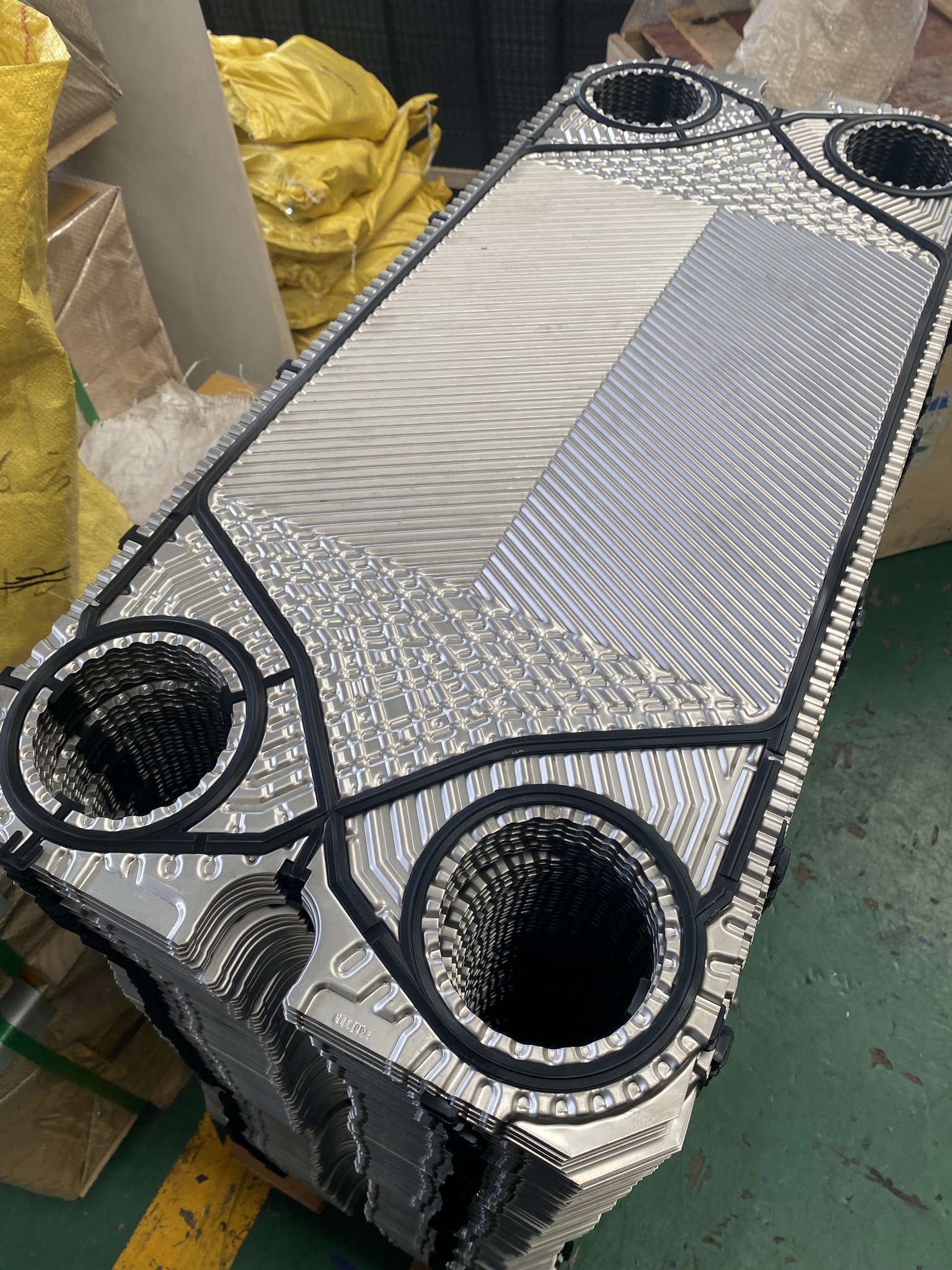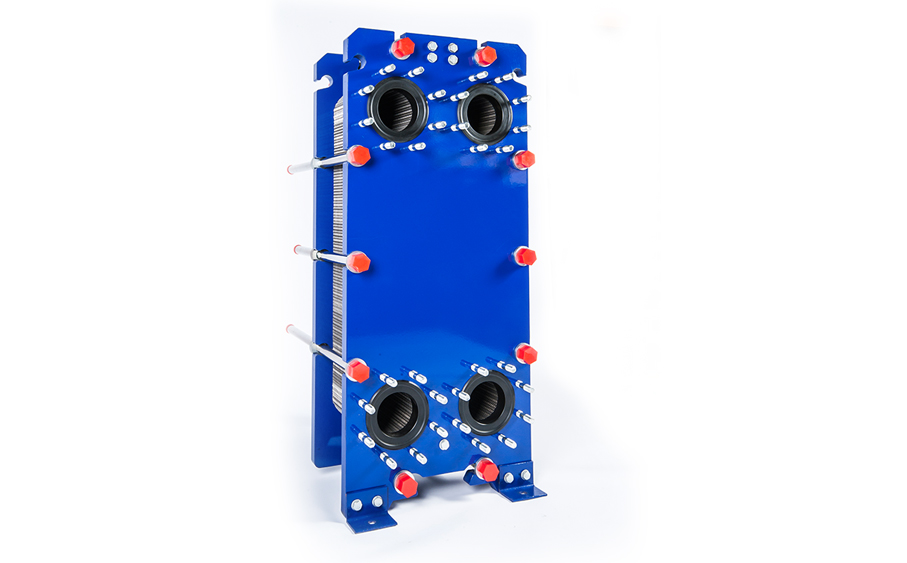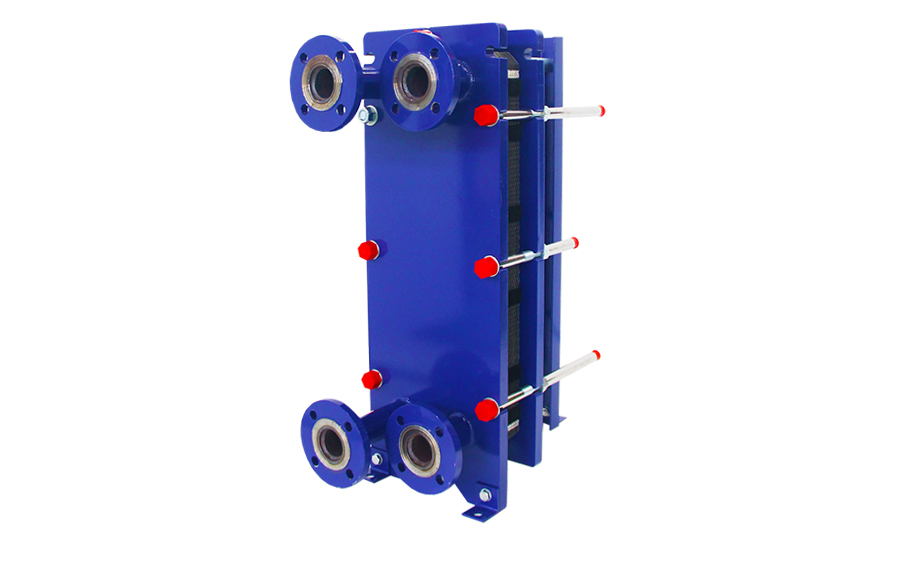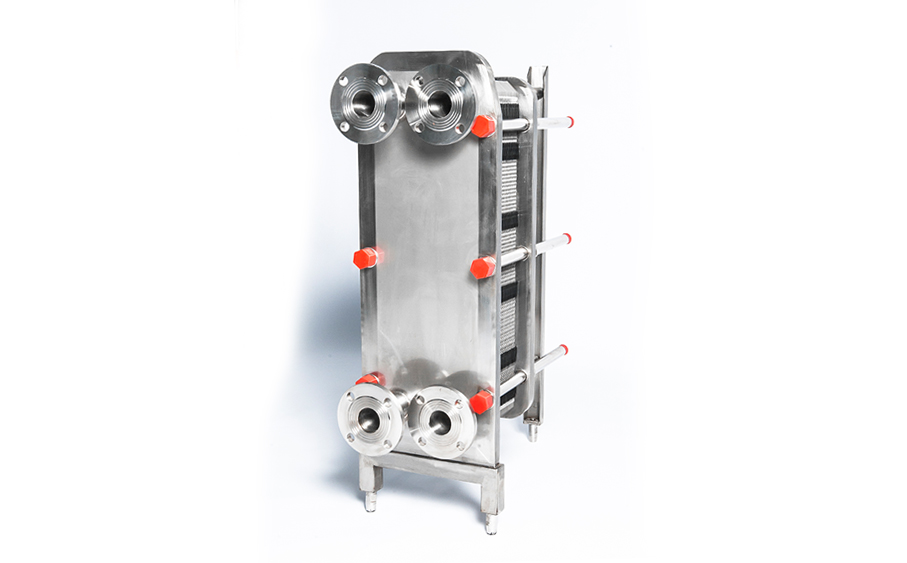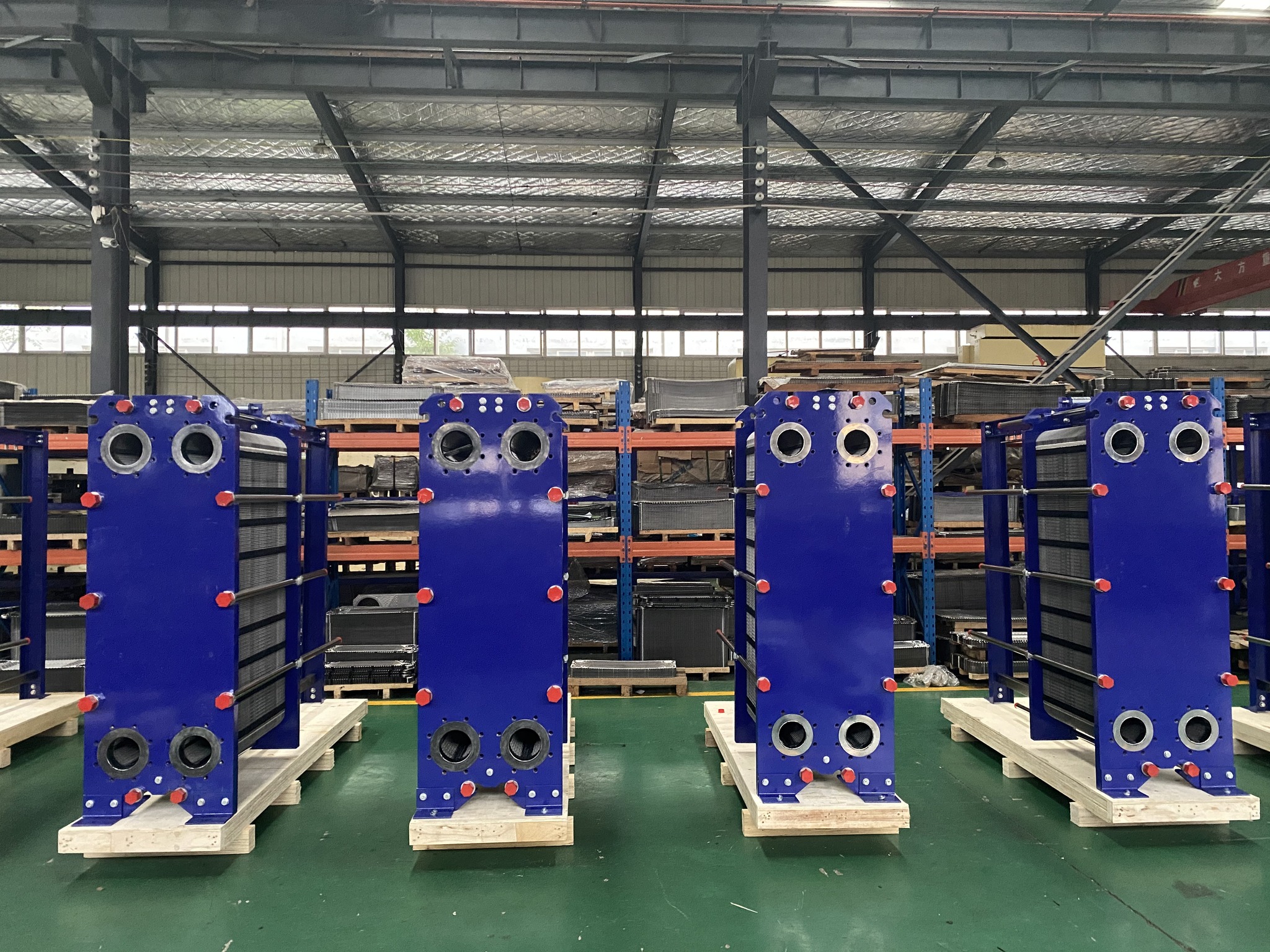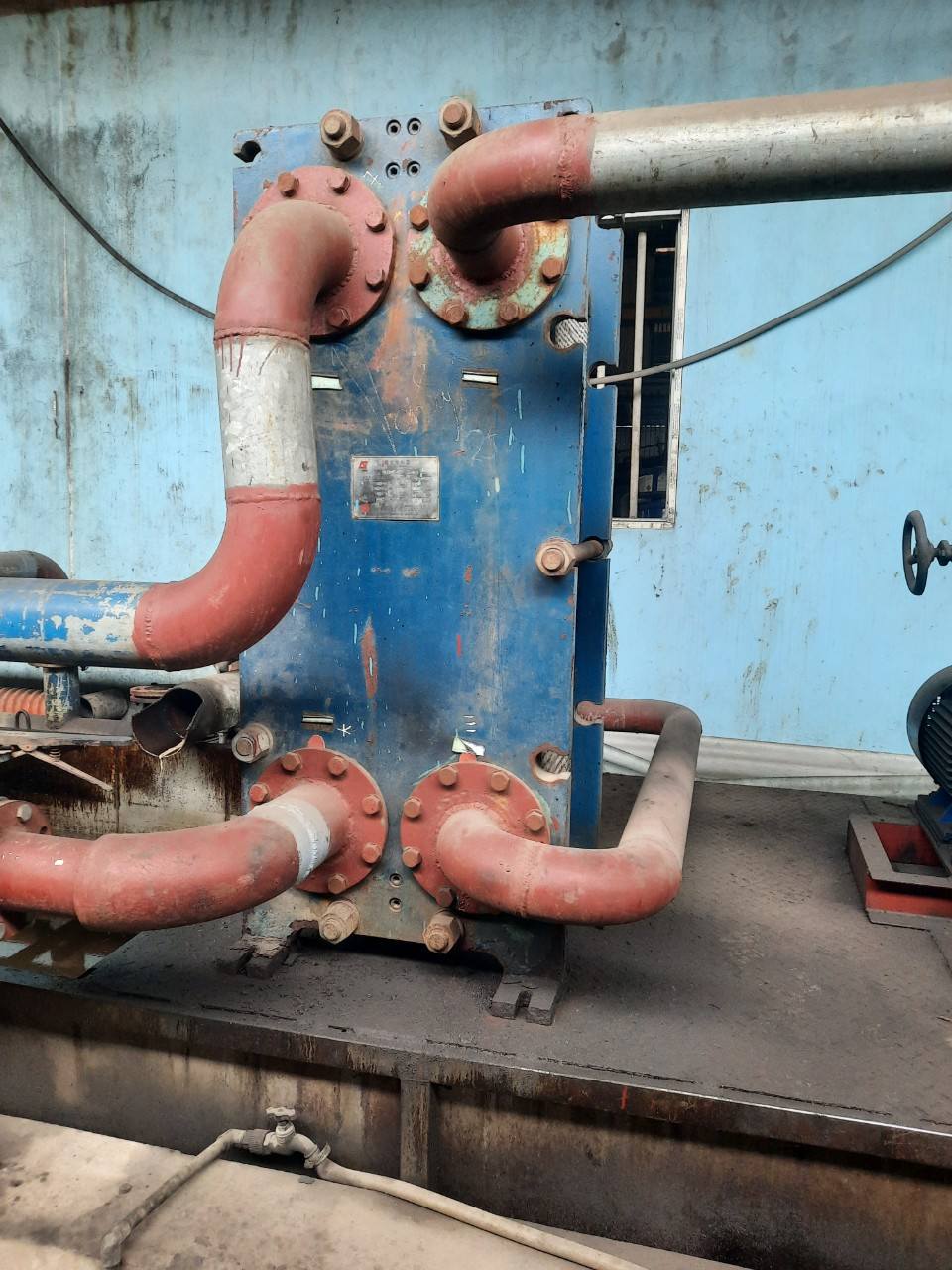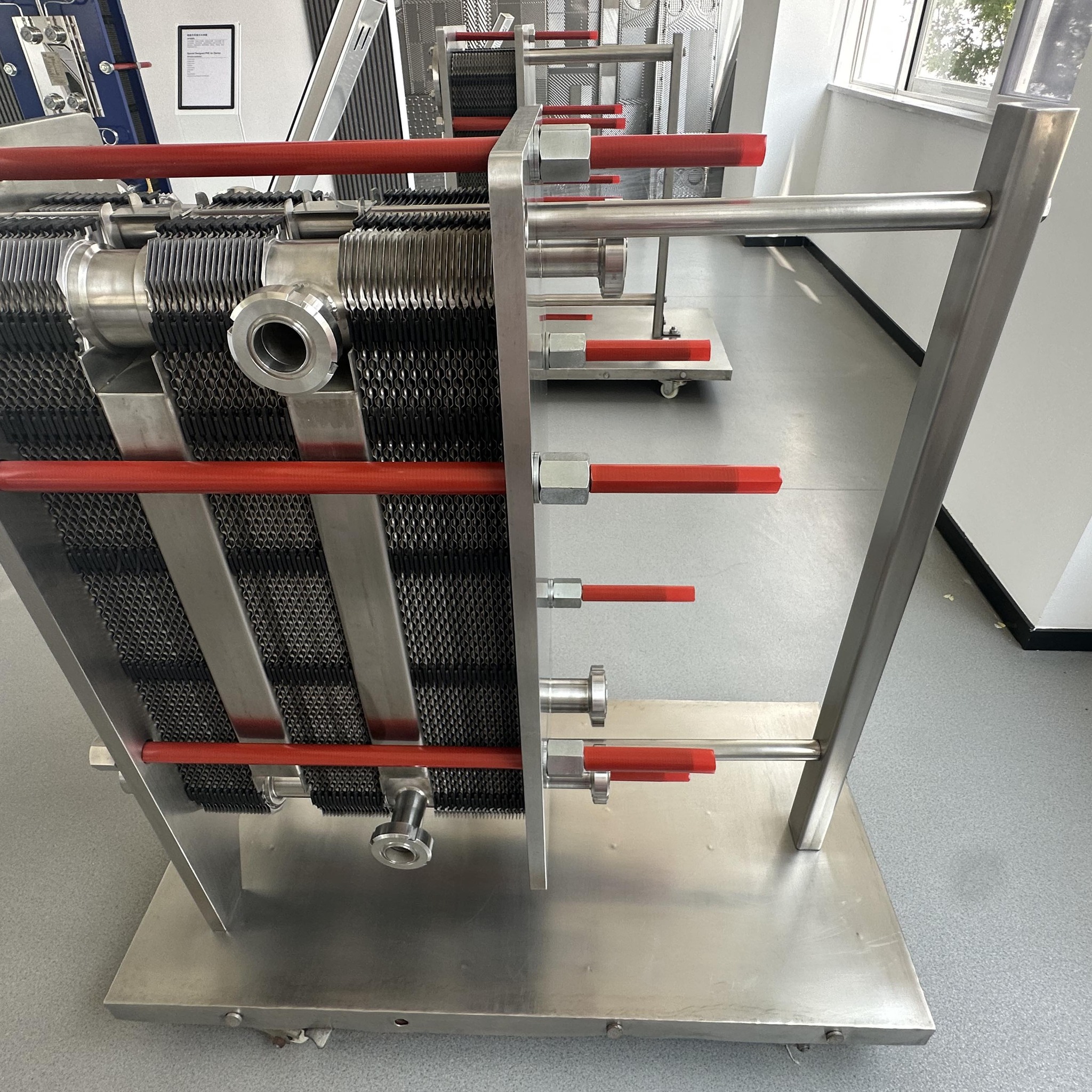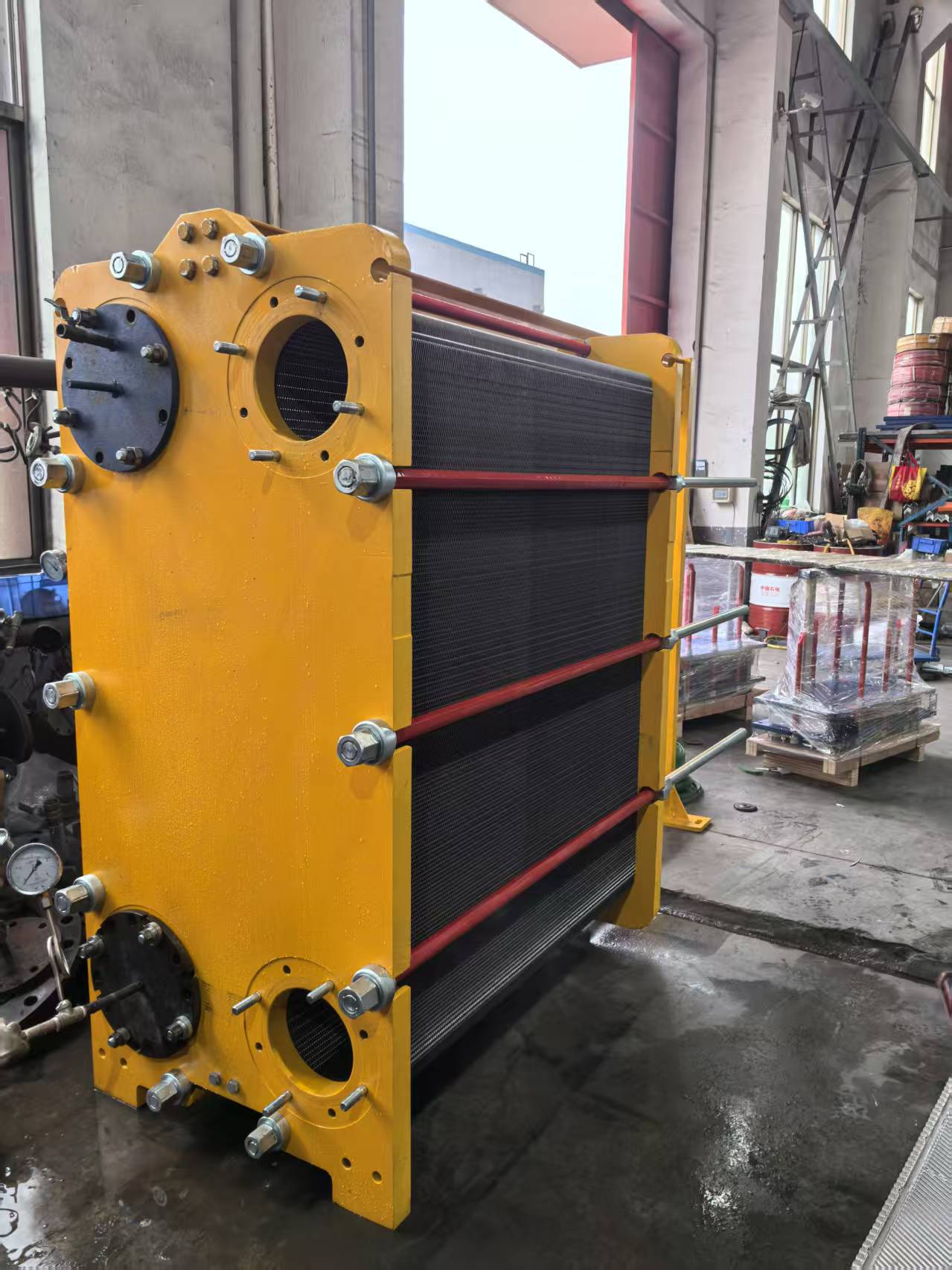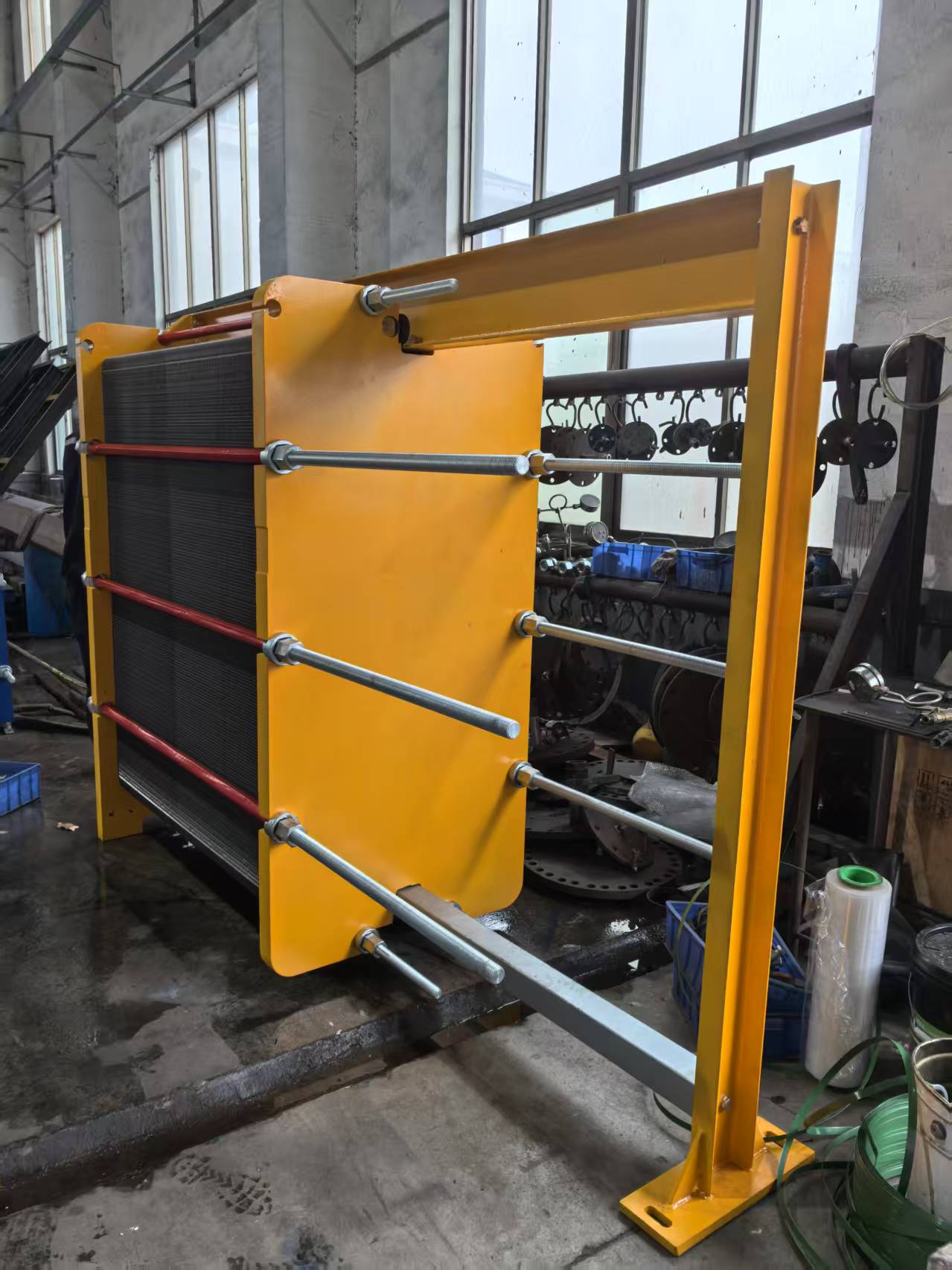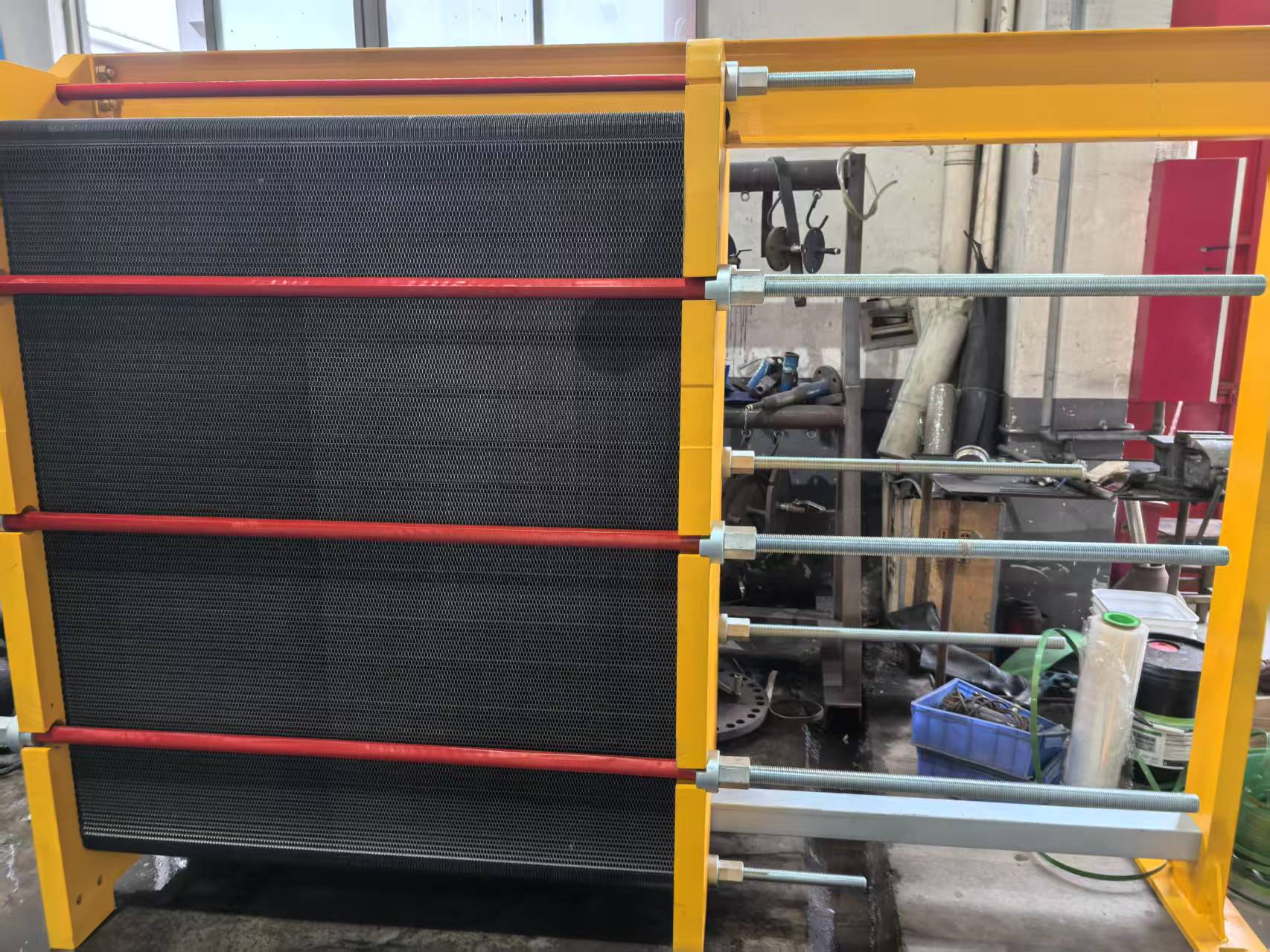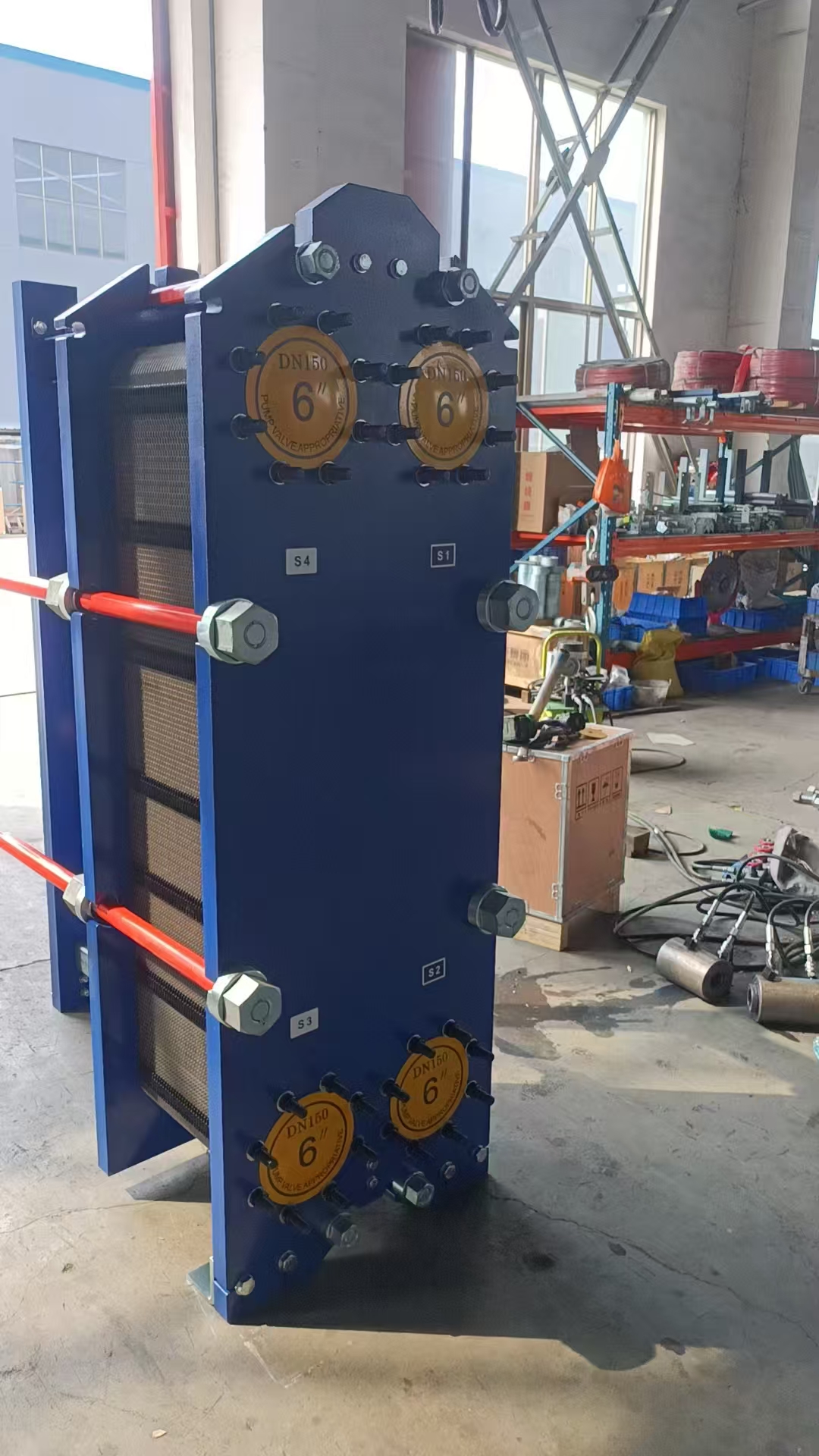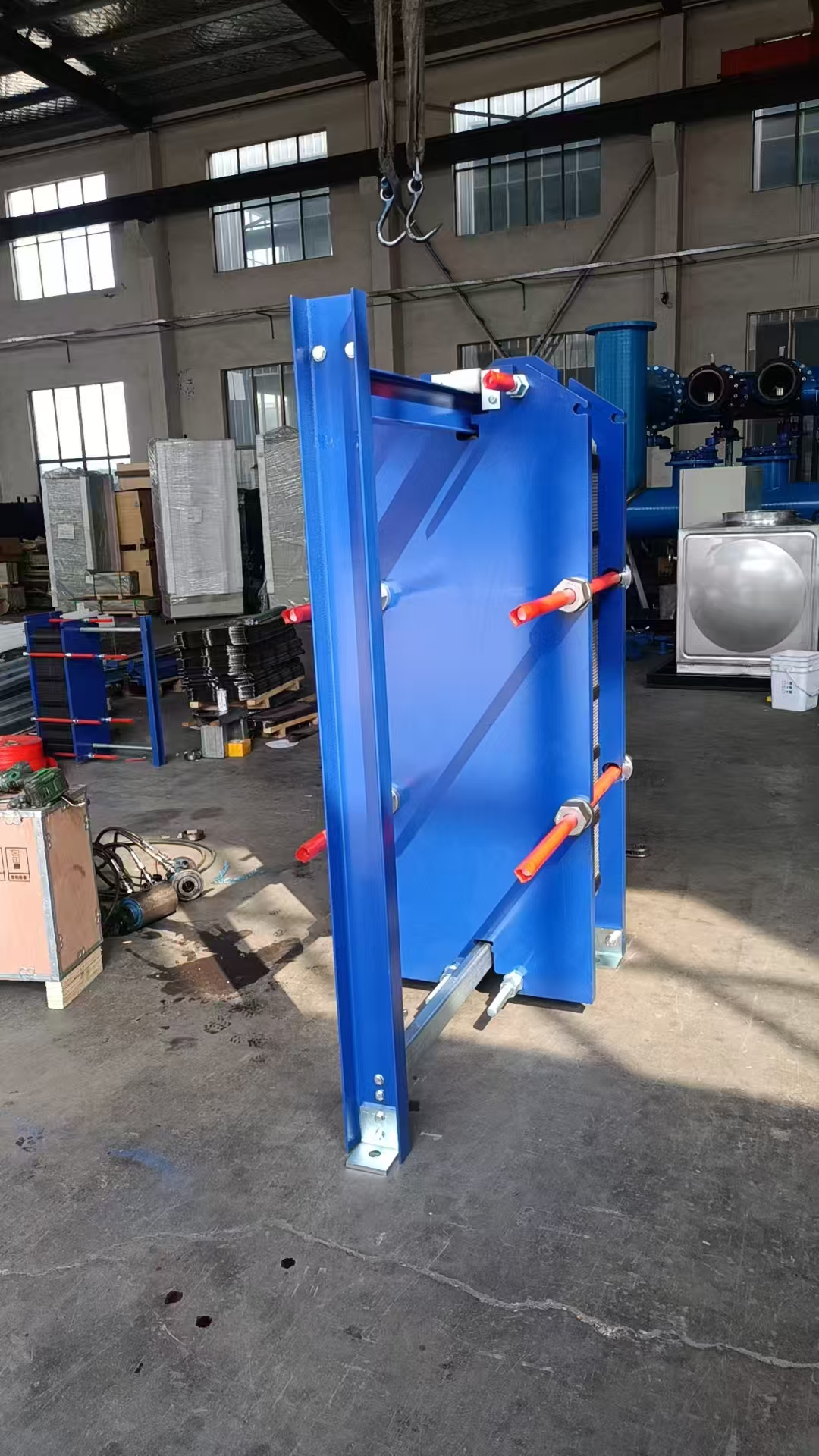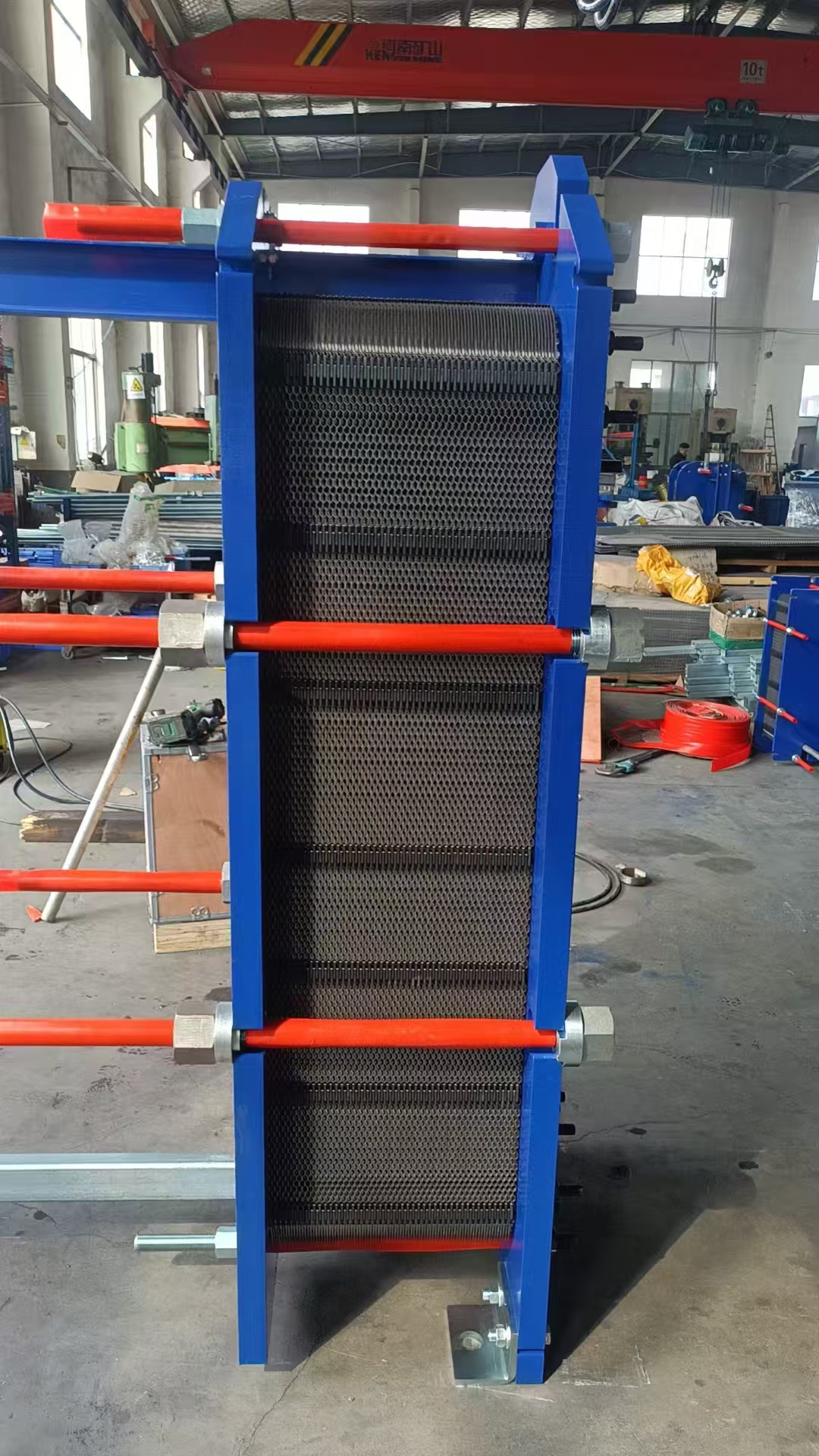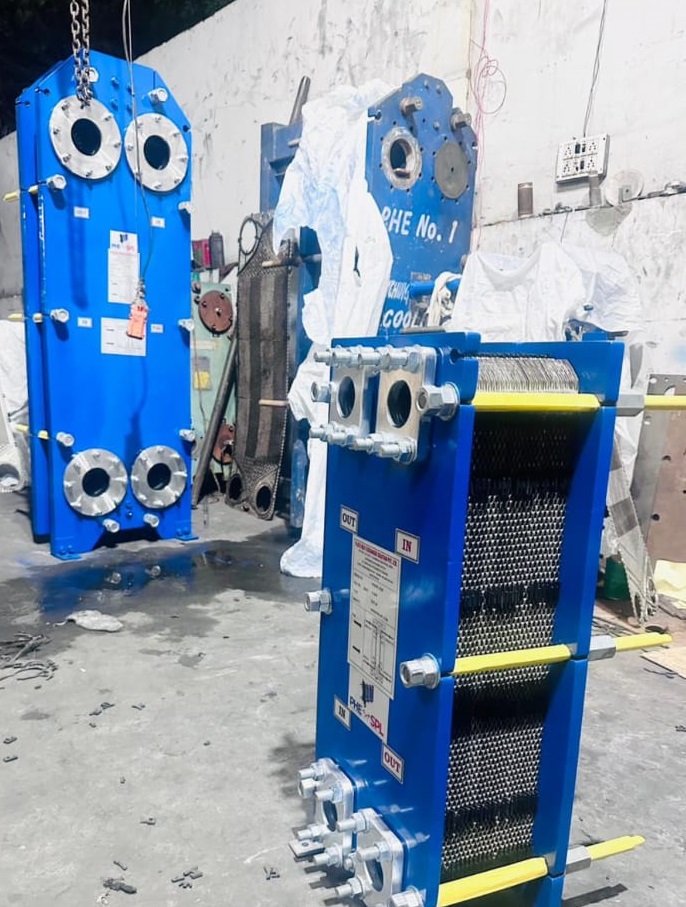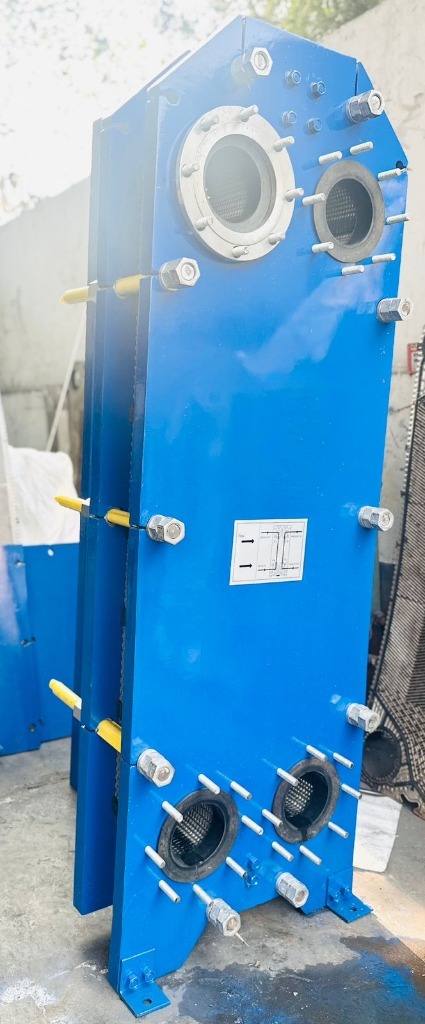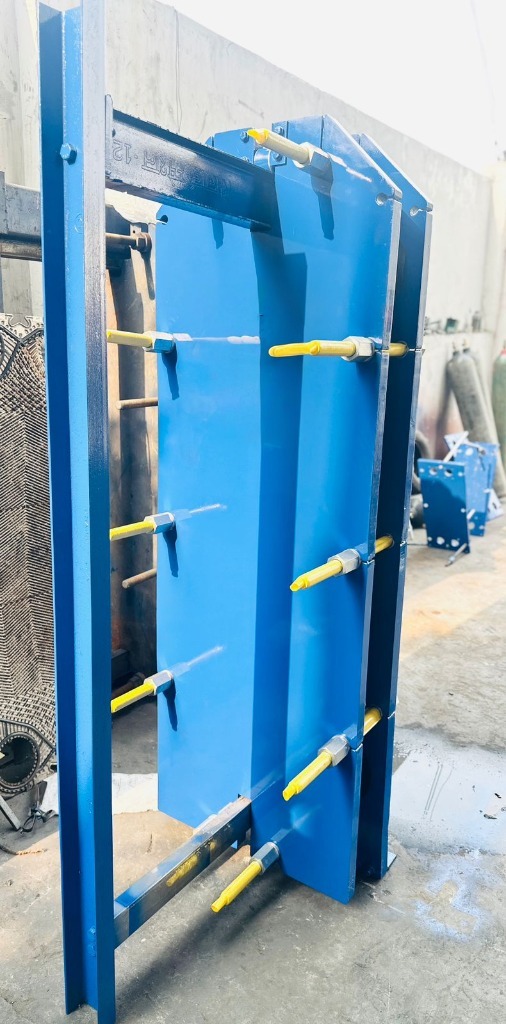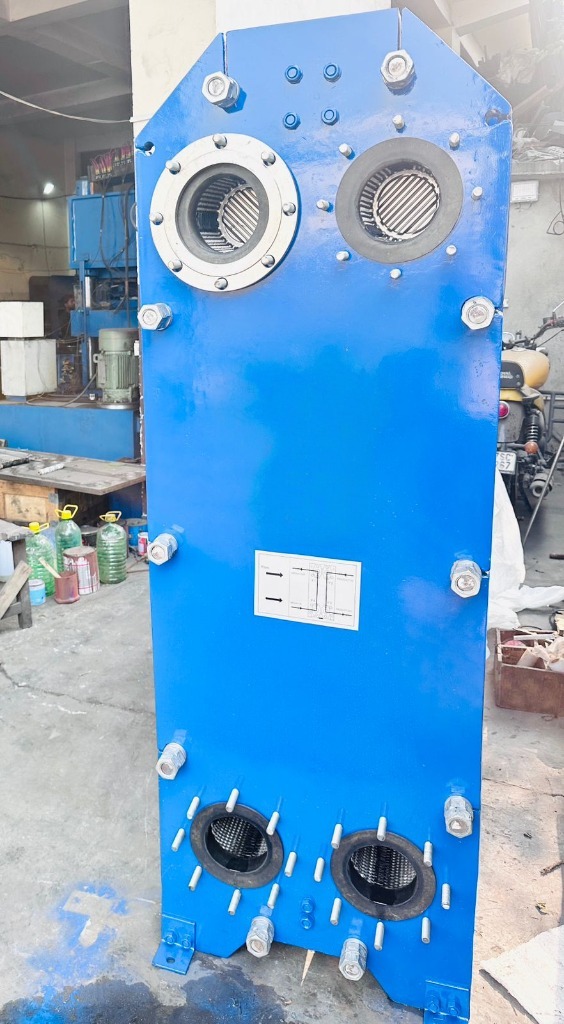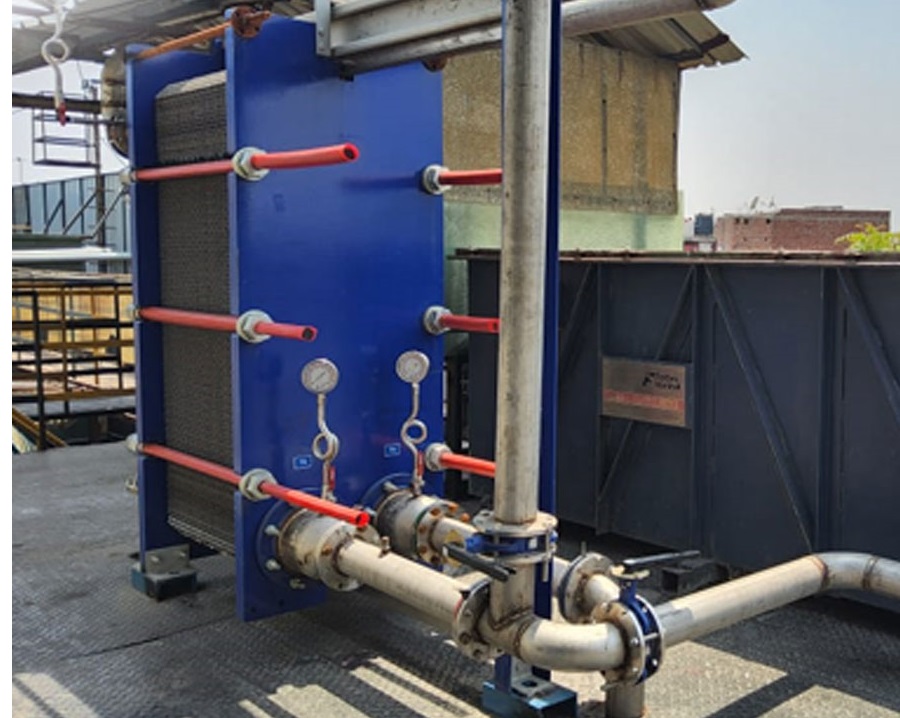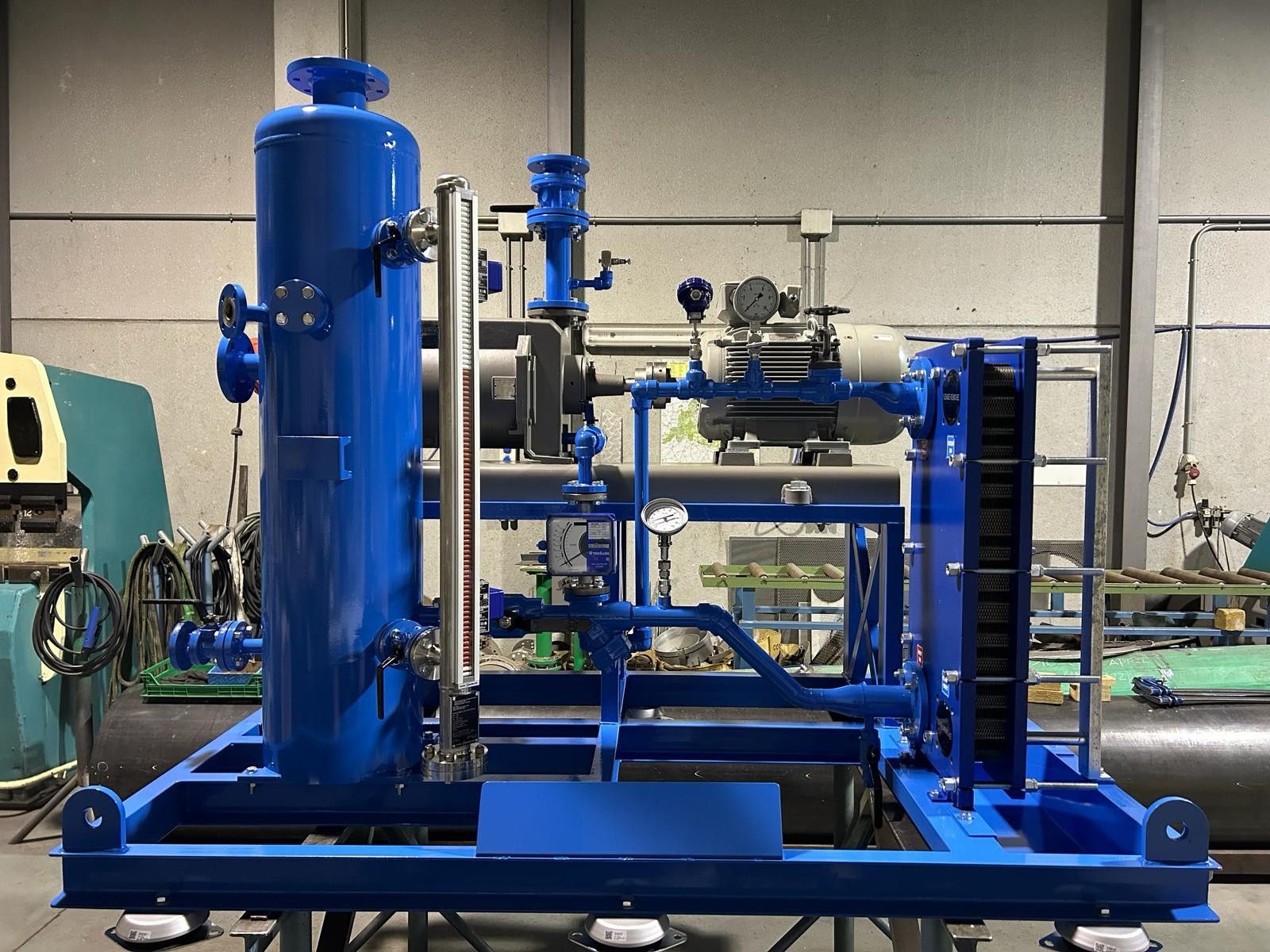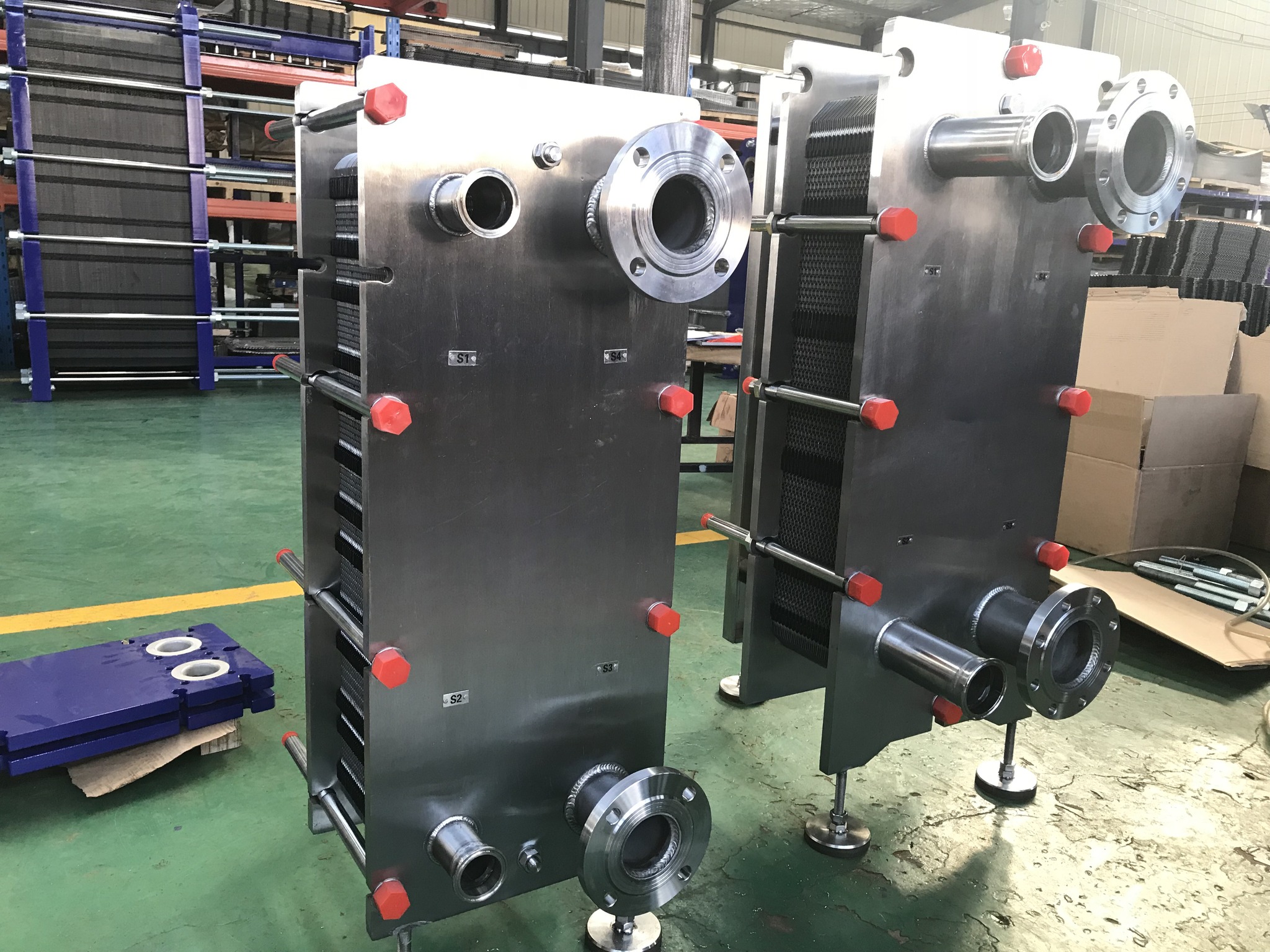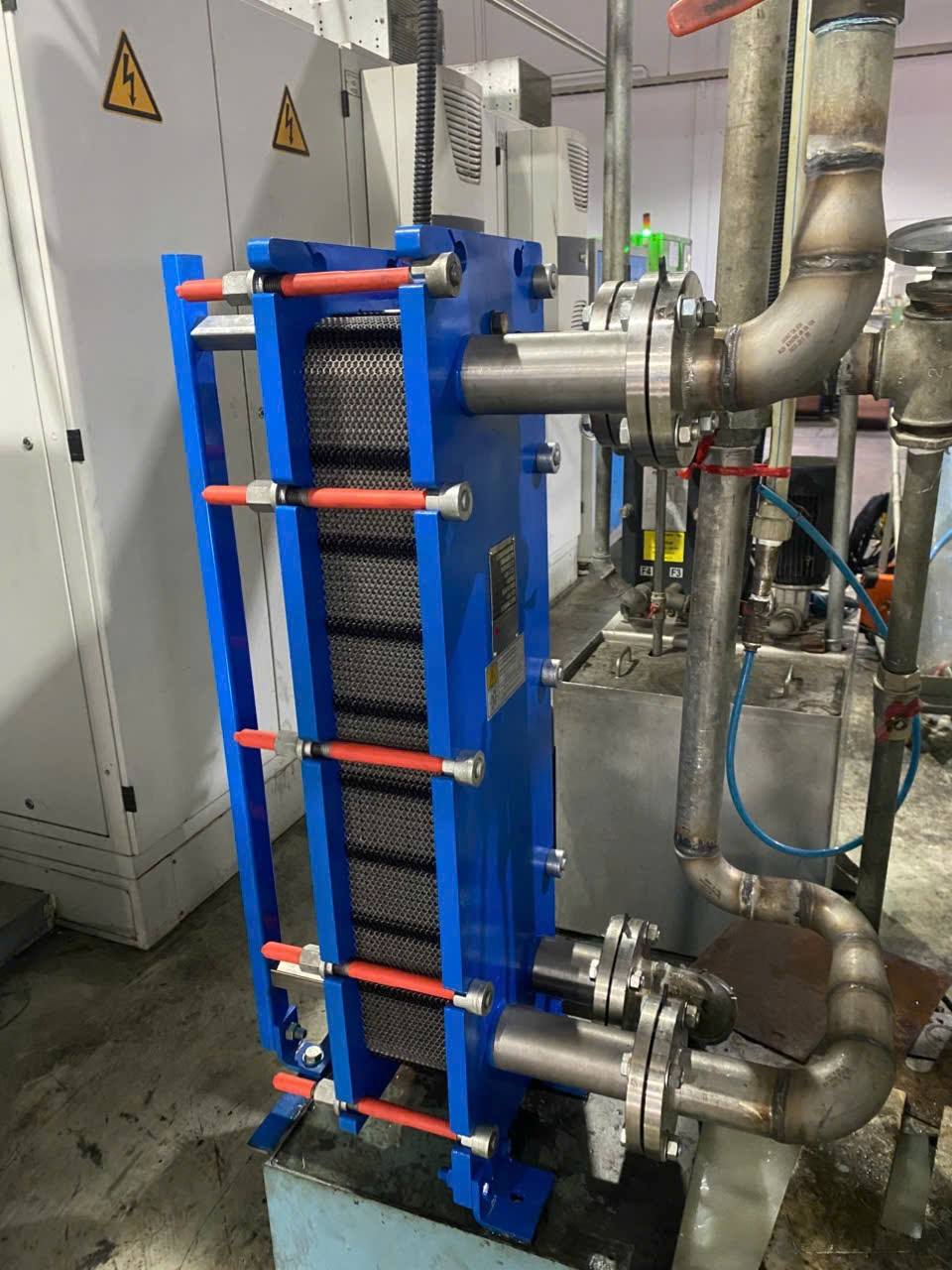
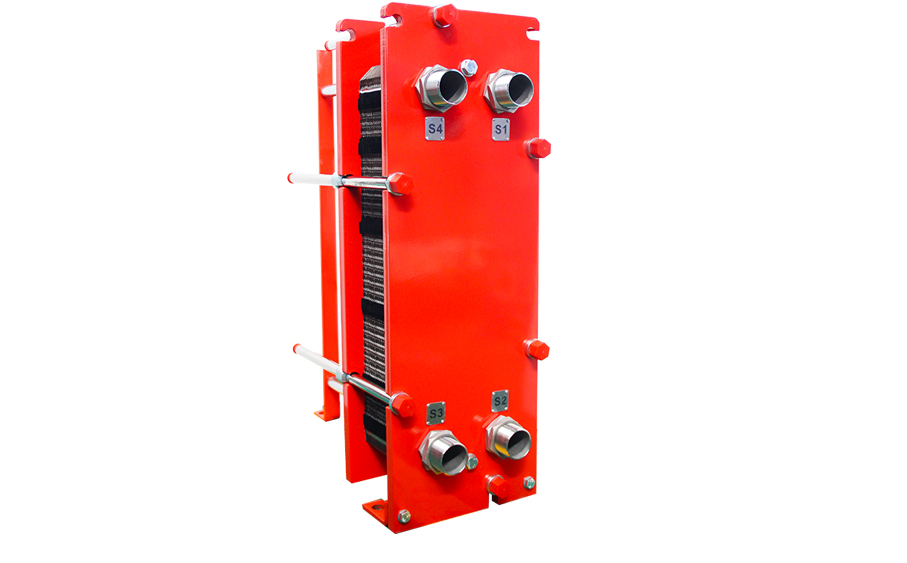
Plate Heat Exchangers

Radiator type heat exchanger Manufacturer in Pudukkottai

Different Type of Fin material and Advantages Selection Factors for Fin Material. When selecting a fin material, engineers consider: Extruded Metallurgical Interference Al on CS/SS High Efficiency & Durability Process Coolers, Charge Air Coolers Integral Low-Fin Monolithic (One Piece) Cu, CS, SS High Pressure Integrity Shell-and-Tube Exchangers...

Radiator type heat exchanger Manufacturer in Madurai

Plate Fins Finned Tube Types Type Bonding Method Typical Materials Key Advantages Common Applications L-Finned Mechanical (Wrapped) Al on Cu/CS Low Cost, High Fin Ratio HVAC, Air Conditioning Embedded (G) Mechanical (Locked) Al on Cu/CS Good Thermal Cyclability Process Heaters, Heat Recovery Welded Metallurgical (Welded) Steel/SS on CS/SS Highest...

Radiator type heat exchanger Manufacturer in Krishnagiri

Integral Low-Fin Tubes

Radiator type heat exchanger Manufacturer in Kancheepuram

Extruded Fins This category creates a fin that is an integral part of the tube itself. ) Extruded / Integral Finned Tubes

Radiator type heat exchanger Manufacturer in Kallakurichi

Welded Fins

Radiator type heat exchanger Manufacturer in Erode

Embedded Fins (G-Finned Tubes)

Radiator type heat exchanger Manufacturer in Dindugal

Types of Finned tubes?  L-Finned Tubes (Wrapped / Helical Fins) Welded Fins  Extruded Fins Plate Fins Integral Low-Fin Embedded (G)  L-Finned Tubes (Wrapped / Helical Fins) This is one of the most common and cost-effective types.

Radiator type heat exchanger Manufacturer in Dharmapuri

 Advantages of fin tube heat exchanger in a Table Advantage Core Reason Practical Benefit High Efficiency Greatly increased surface area for contact with gas. Superior heat transfer performance; smaller temperature approach. Compact Size High surface area-to-volume ratio. Saves valuable space in equipment design and installation....

Radiator type heat exchanger Manufacturer in Cuddalore

. High Thermal Efficiency with Gases This is the primary reason for their existence. Compact Size and Space Savings 3. Cost-Effectiveness 4. Design Flexibility and Customization Fin tube exchangers are not one-size-fits-all. They can be highly engineered for specific duties: 5. Lightweight Construction The use of thin fins and the overall compact...

Radiator type heat exchanger Manufacturer in Chennai

Applications of Fin Tube heat exchanger You encounter fin tube heat exchangers everywhere: Automotive

Radiator type heat exchanger Manufacturer in Coimbatore

. Key Components 2. How It Works: The Principle The core principle is enhancing surface area. Analogy: Think of a car radiator. The engine coolant (hot liquid) flows through the tubes. The fins on the outside give the air from the fan and the car’s movement a huge surface to blow against, effectively cooling the coolant. 3....

Radiator type heat exchanger Manufacturer in Ariyalur

A Fin Tube Heat Exchanger is a type of heat exchanger designed to maximize heat transfer efficiency between a fluid flowing inside tubes and a fluid (usually air or gas) flowing outside the tubes. It does this by adding fins to the exterior of the tubes, which dramatically increases the surface area available for heat exchange. This makes them...

Heat Exchanger Manufacturer in Kollam

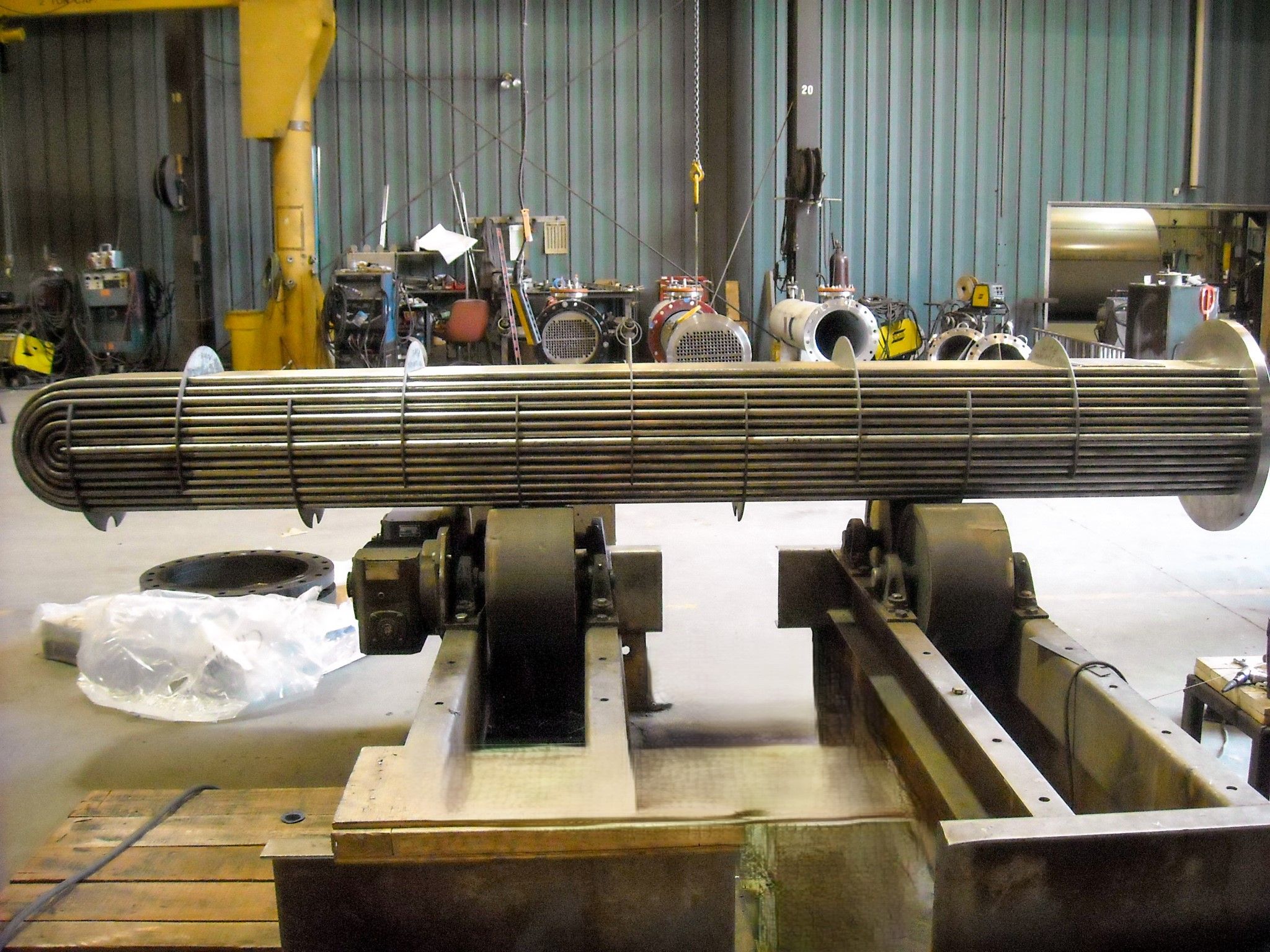
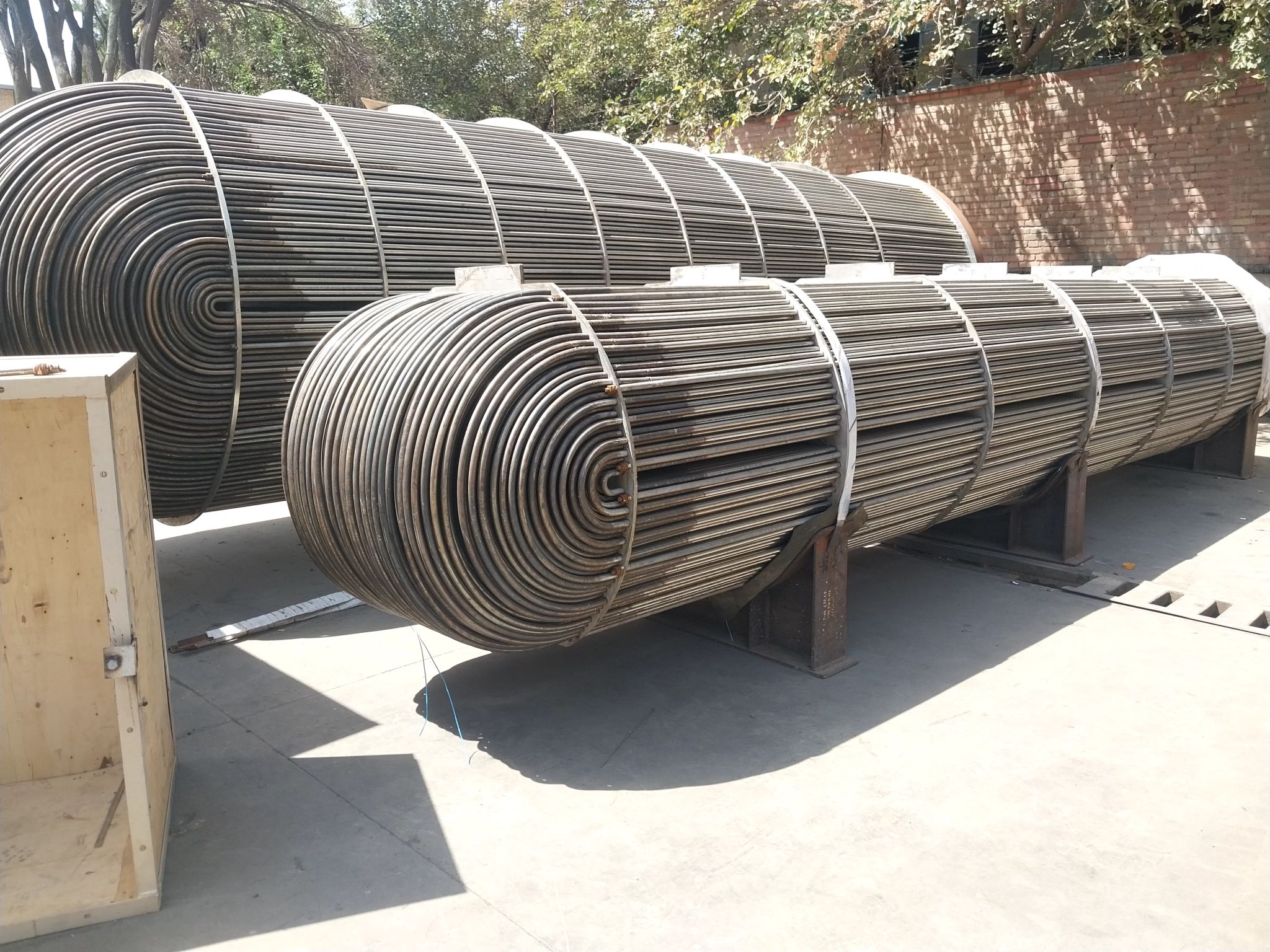
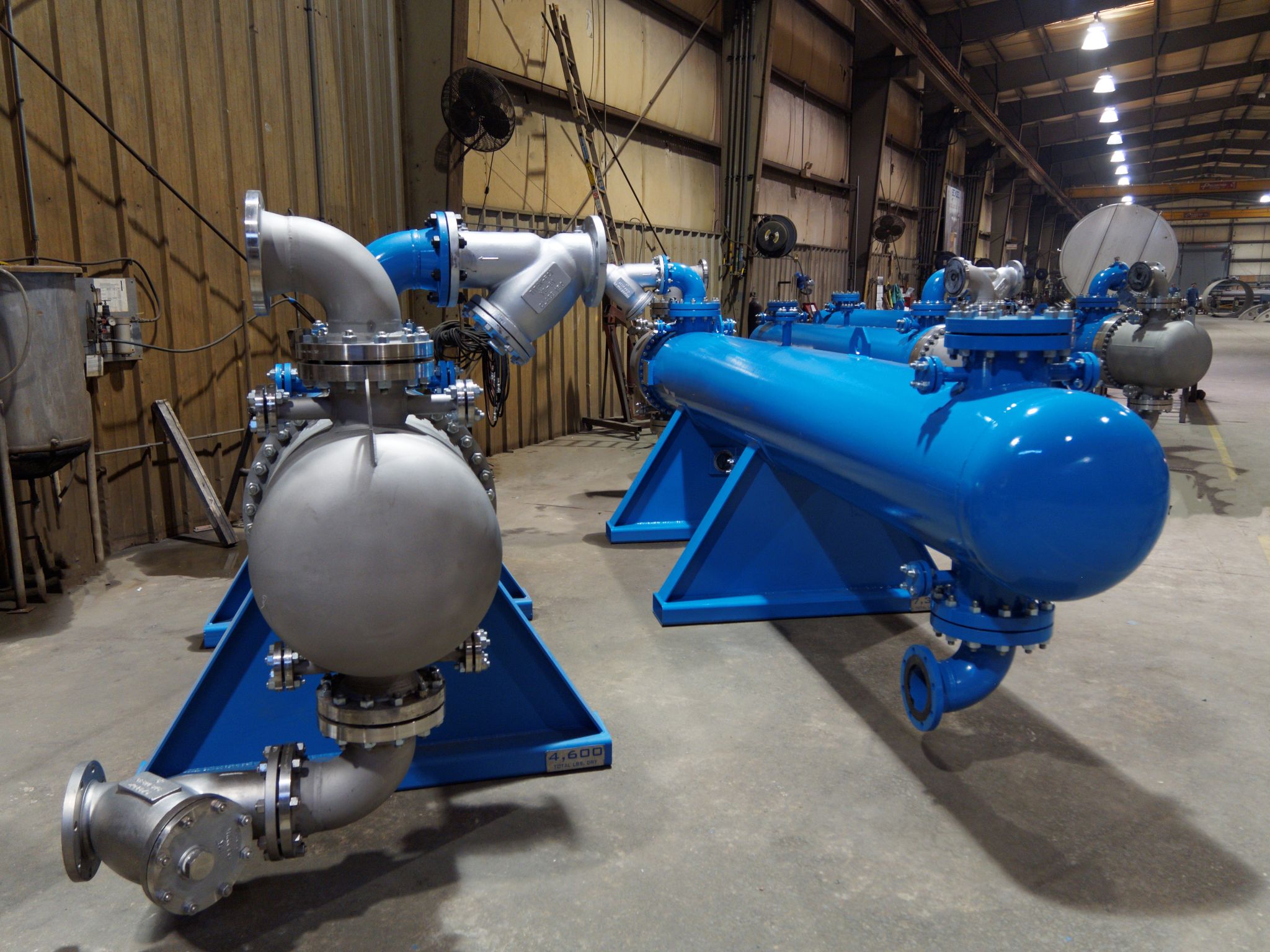
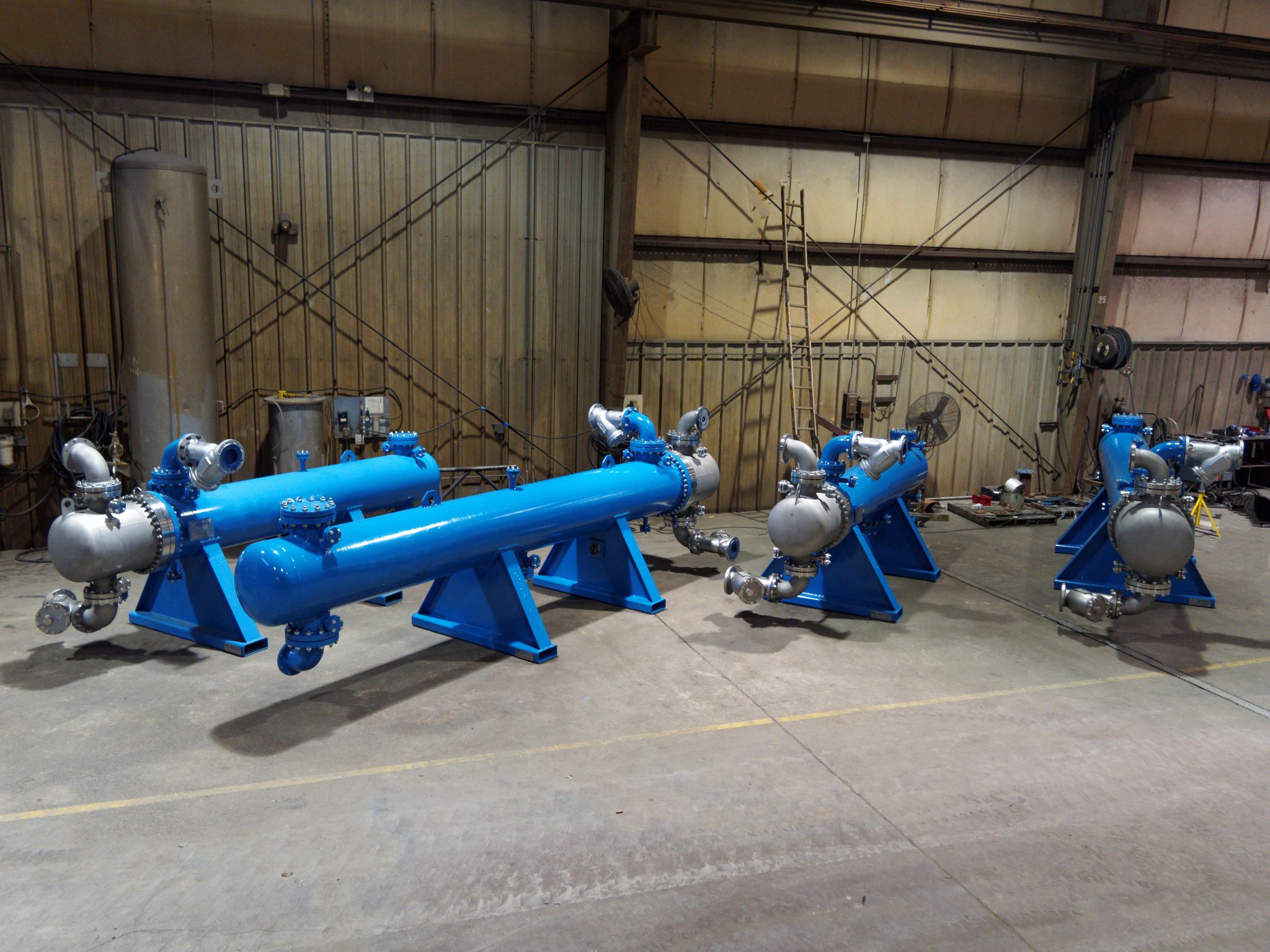
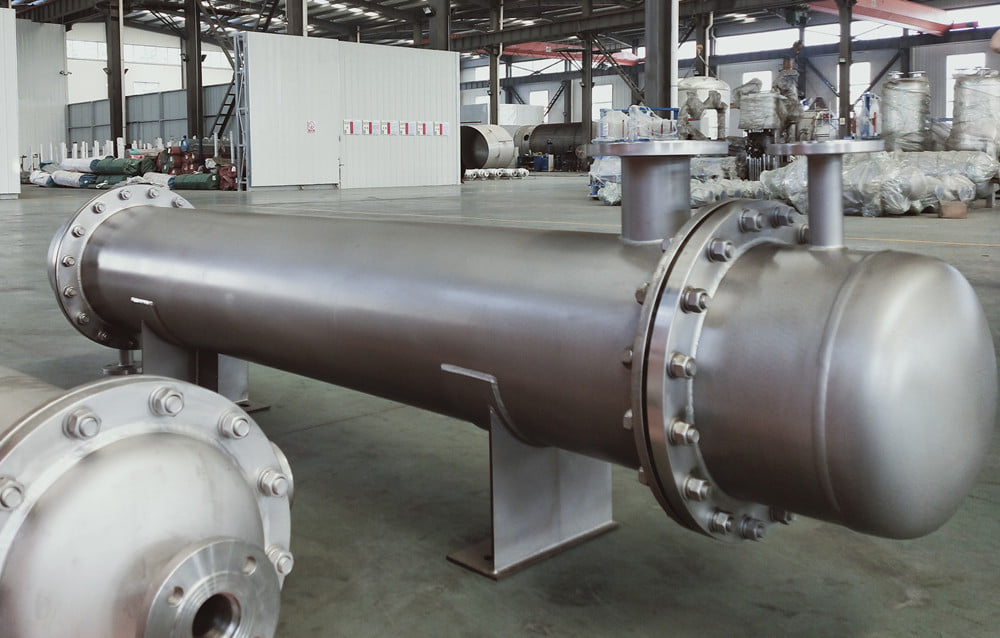
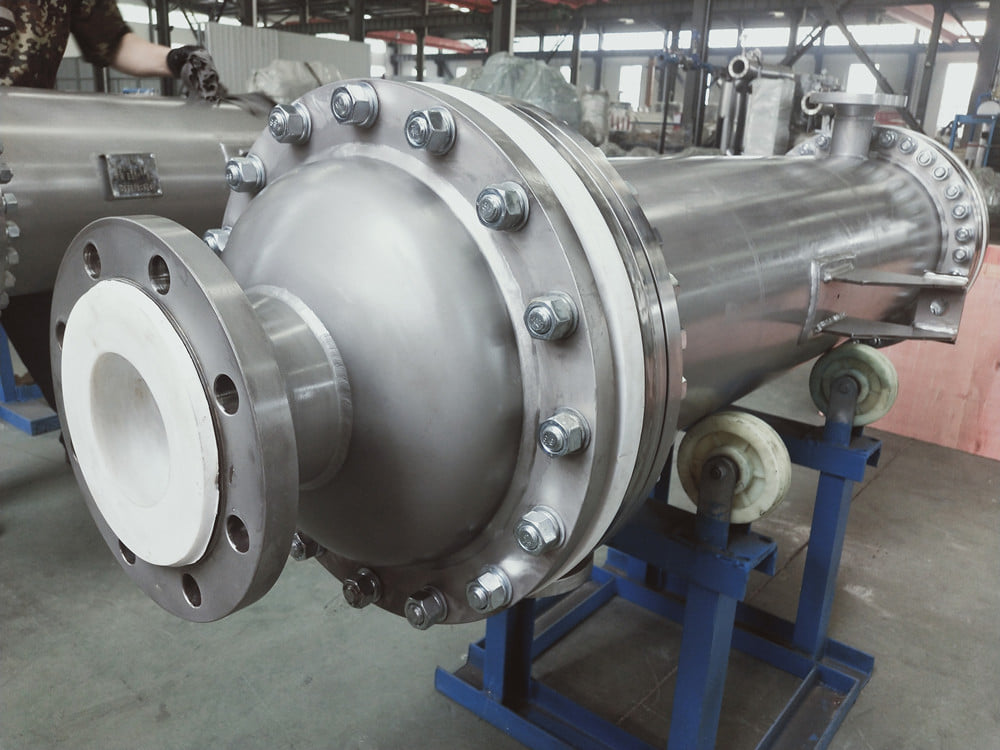
U-Tube Bundle Heat Exchanger A U-tube bundle heat exchanger is a type of shell and tube heat exchanger where the tubes are bent into a U-shape, allowing both ends to connect to the same tube sheet. This design provides thermal expansion flexibility, making it ideal for high-temperature and high-pressure applications....

Heat Exchanger Manufacturer in Kannur

Why Shell & Tube Heat Exchangers? Shell and Tube Heat Exchanger vs. Plate Heat Exchanger: Key Differences Choosing between a shell and tube (STHE) and a plate heat exchanger (PHE) depends on application requirements, operating conditions, and cost. Below is a detailed comparison: 1. Design & Construction Feature...

Heat Exchanger Manufacturer in Ernakulam

Use of Shell and Tube Heat Exchanger Water Treatment & Desalination Effluent cooling/heating. Shell and Tube Heat Exchangers are among the most widely used heat exchangers in industries due to their robust design, versatility, and efficiency. Here are their key advantages: 1. High Pressure & Temperature Resistance 2. Suitable...

Heat Exchanger Manufacturer in Cochin

Use of Shell and Tube Heat Exchanger Waste Heat Recovery Geothermal energy systems. Sanitary Design 6. Versatility 7. Chocolate and Fat Processing 8. Beverage Industry Use 9. Durable and Long-Lasting 10. Regulatory Compliance

Shell and Tube Heat Exchanger Manufacturer in Palakkad

Use of Shell and Tube Heat Exchanger Automotive & Aerospace Hydraulic oil temperature control. Difficult to Clean (Tube Side) – Chemical cleaning often required due to U-bend. Limited Tube-side Passes – Typically only two passes (inlet and outlet on same side).Higher Risk of Vibration – U-bends can be prone to...

Shell and Tube Heat Exchanger Manufacturer in Calicut

Use of Shell and Tube Heat Exchanger Pulp & Paper Industry Steam recovery in paper drying processes. U-Tube Bundle Heat Exchanger A U-tube bundle heat exchanger is a type of shell and tube heat exchanger where the tubes are bent into a U-shape, allowing both ends to connect to the same tube sheet. This design provides...

Shell and Tube Heat Exchanger Manufacturer in Kozhikode

Use of Shell and Tube Heat Exchanger in Marine & Shipbuilding LNG carriers (cryogenic applications). 1. Oil & Gas Industry 2. Power Plants 3. Chemical & Petrochemical 4. HVAC & Refrigeration 5. Marine Applications

Shell and Tube Heat Exchanger Manufacturer in Thiruvananthapuram

Use of Shell and Tube Heat Exchanger in HVAC & Refrigeration System Comparison with Other Shell & Tube Heat Exchangers Feature U-Tube Fixed Tube sheet Floating Head Thermal Expansion  Best (U-bend absorbs stress) Needs expansion joint Good (floating head allows movement) Maintenance Easy (removable bundle) Difficult (fixed tubes) Best...

Shell and Tube Heat Exchanger Manufacturer in Tirupur

Use of Shell and Tube Heat Exchanger in Food & Beverage industry Chocolate tempering & fat crystallization

Shell and Tube Heat Exchanger Manufacturer in Viruthunagar

Use of Shell and Tube Heat Exchanger in Chemical & Pharmaceutical Industry Pharmaceutical manufacturing (sterilization, crystallization).

Shell and Tube Heat Exchanger Manufacturer in Villupurum

Use of Shell and Tube Heat Exchanger in Power Generation Nuclear power plants (heat transfer in primary and secondary loops).

Shell and Tube Heat Exchanger Manufacturer in Tirunelveli

Use of Shell and Tube Heat Exchanger in Oil & Gas / Petrochemical industry Chemical synthesis (reactor heating/cooling).

Shell and Tube Heat Exchanger Manufacturer in Tirchy

Shell and tube heat exchangers are widely used in the food industry due to their efficiency, durability, and versatility. Here are ten key points about their use: 1. Pasteurization 2. Sterilization 3. Cooling Applications 4. Energy Efficiency 5. Sanitary Design 6. Versatility 7. Chocolate and Fat Processing...

Shell and Tube Heat Exchanger Manufacturer in Thoothukudi

Shell and Tube Heat Exchanger vs. Plate Heat Exchanger: Key Differences Choosing between a shell and tube (STHE) and a plate heat exchanger (PHE) depends on application requirements, operating conditions, and cost. Below is a detailed comparison: 1. Design & Construction Feature Shell and Tube (STHE) Plate Heat...
Shell and Tube Heat Exchanger Manufacturer in Tiruvannamalai

Shell and Tube Heat Exchanger vs. Plate Heat Exchanger: Key Differences Choosing between a shell and tube (STHE) and a plate heat exchanger (PHE) depends on application requirements, operating conditions, and cost. Below is a detailed comparison: 1. Design & Construction Feature Shell and Tube (STHE) Plate Heat...
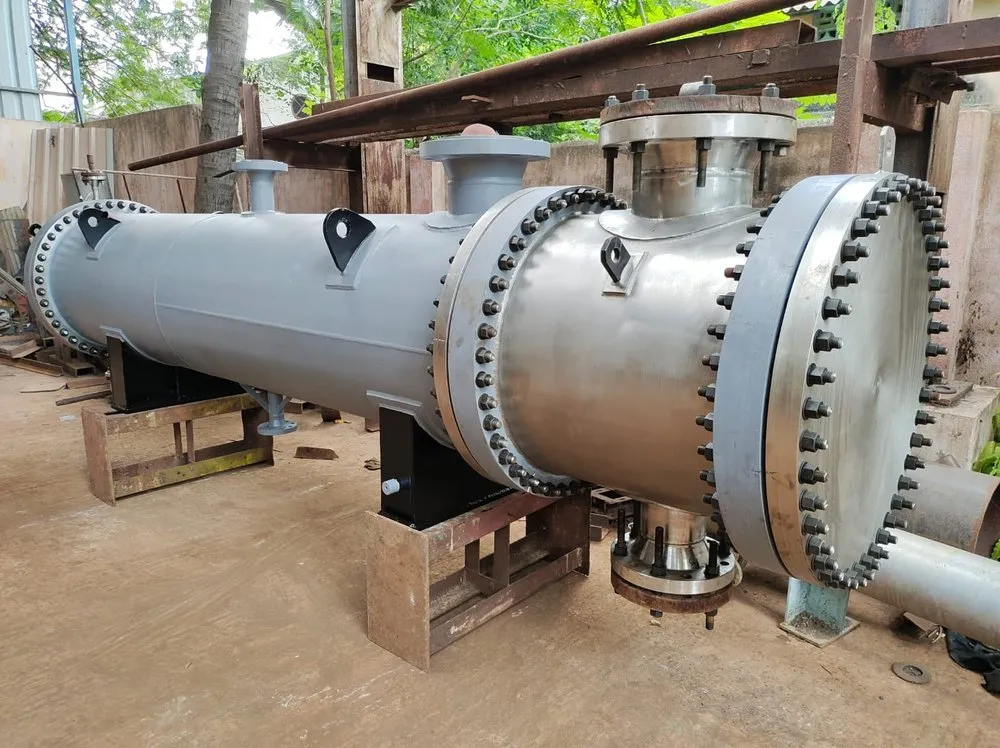
Shell and Tube Heat Exchanger Manufacturer in Tiruvallur

Effect of Fouling Factor in Heat Exchangers The fouling factor (or fouling resistance, Rₓ) quantifies the reduction in heat transfer efficiency due to the accumulation of unwanted deposits (scale, sludge, corrosion, biofilms) on heat exchanger surfaces. It significantly impacts performance, energy costs, and...

Shell and Tube Heat Exchanger Manufacturer in Ranipet

Fixed Tube sheet vs. Floating Head Heat Exchanger: Key Differences When choosing between a fixed Tube sheet and a floating head design for a shell and tube heat exchanger, the decision depends on thermal expansion, maintenance needs, pressure/temperature conditions, and cost. Below is a detailed comparison: 1. Basic Design...

Shell and Tube Heat Exchanger Manufacturer in Pudukkottai

Copper Tubes vs. Stainless Steel Tubes in Heat Exchangers When selecting between copper and stainless steel (SS) tubes for a shell and tube heat exchanger, key factors include thermal conductivity, corrosion resistance, cost, and application requirements. Below is a detailed comparison: 1. Thermal Conductivity Material...

Shell and Tube Heat Exchanger Manufacturer in Krishnagiri

Different Types of TEMA Classes for Shell and Tube Heat Exchangers The Tubular Exchanger Manufacturers Association (TEMA) classifies shell and tube heat exchangers into three main designations based on service conditions, mechanical robustness, and industry requirements: 1. TEMA Class R – Refinery & Severe Service...

Shell and Tube Heat Exchanger Manufacturer in Tiruvallur

Effect of Flow Velocity in Shell and Tube Heat Exchangers   Flow velocity plays a critical role in the heat transfer efficiency, pressure drop, fouling, and mechanical integrity of a shell and tube heat exchanger. Below is a detailed breakdown of its effects: 1. Heat Transfer Efficiency Higher Velocity → Better Heat...
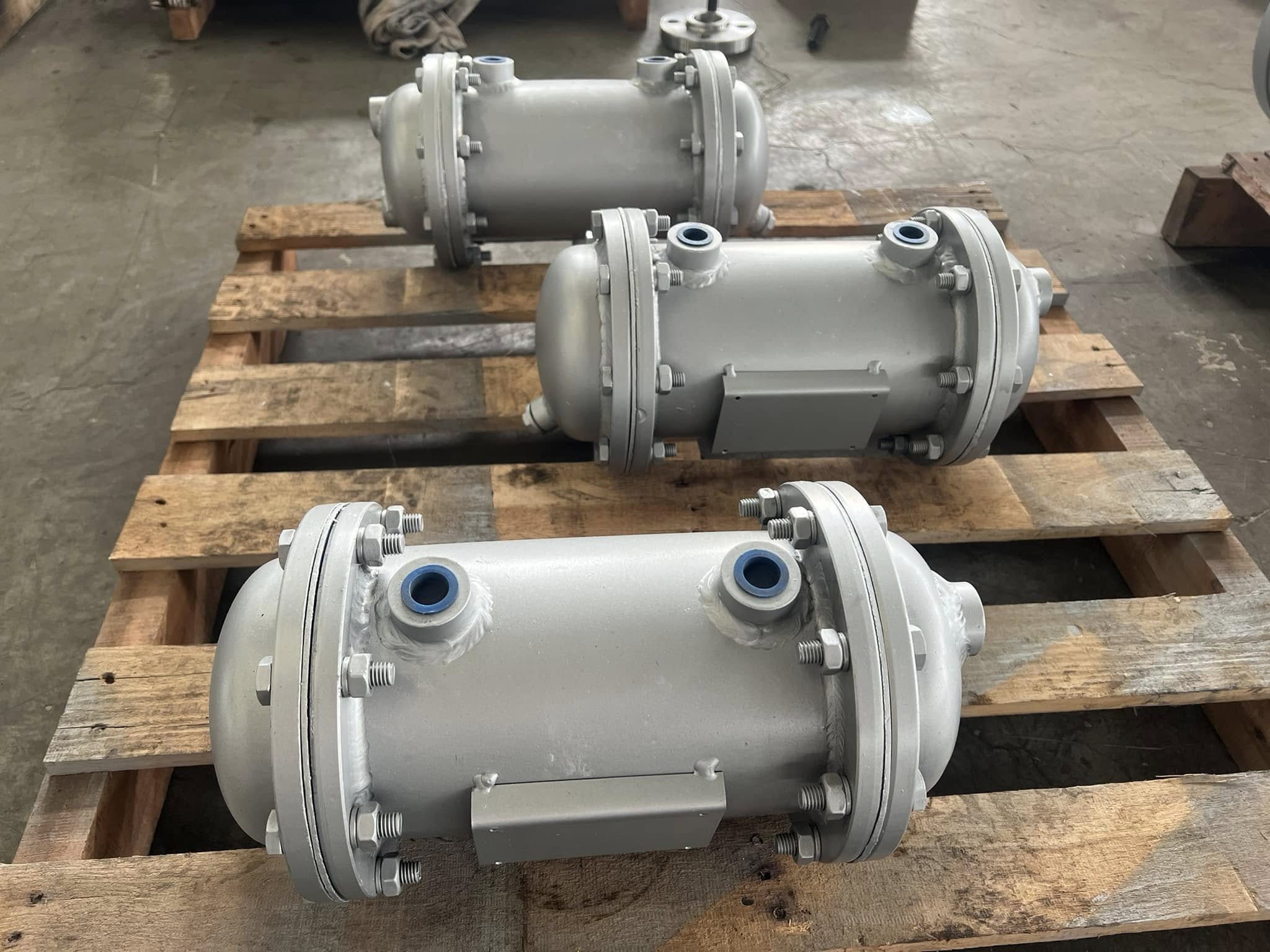
Shell and Tube Heat Exchanger Manufacturer in Kancheepuram

The Code of Construction for Shell and Tube Heat Exchangers (STHE) is governed by international and national standards to ensure safety, reliability, and performance. Below are the key codes and standards used in their design, fabrication, and testing: 1. ASME (American Society of Mechanical Engineers) – Most Widely Used...

Shell and Tube Heat Exchanger Manufacturer in Kallakurichi

Advantages of Shell and Tube Heat Exchangers (STHE) Shell and Tube Heat Exchangers are among the most widely used heat exchangers in industries due to their robust design, versatility, and efficiency. Here are their key advantages: 1. High Pressure & Temperature Resistance 2. Suitable for a Wide Range of Fluids 3. Robust &...

Shell and Tube Heat Exchanger Manufacturer in Erode

In Shell and Tube Heat Exchangers (STHE), the tube material is selected based on corrosion resistance, thermal conductivity, mechanical strength, and cost. Below are the most commonly used tube materials, along with their key properties and applications: 1. Carbon Steel (CS) Tubes 2. Stainless Steel (SS) Tubes 3. Copper...

Shell and Tube Heat Exchanger Manufacturer in Dindugal

Material of Construction (MOC) of Shell and Tube Heat Exchanger Shell and Tube Heat Exchanger (STHE) MOC depends on factors like: Common Materials Used in STHE Components 1. Shell Material 2. Tube Material 3. Tube Sheet Material 4. Baffles & Supports 5. Gaskets & Seals Selection Criteria Industry-Specific Examples

Shell and Tube Heat Exchanger Manufacturer in Dindugal

Common Applications Shell and Tube Heat Exchanger Marine & industrial cooling systems

Shell and Tube Heat Exchanger Manufacturer in Dharmapuri

Working Principle of Shell and Tube Heat Exchanger Advantages of Shell and Tube Heat Exchanger

Shell and Tube Heat Exchanger Manufacturer in Cuddalore

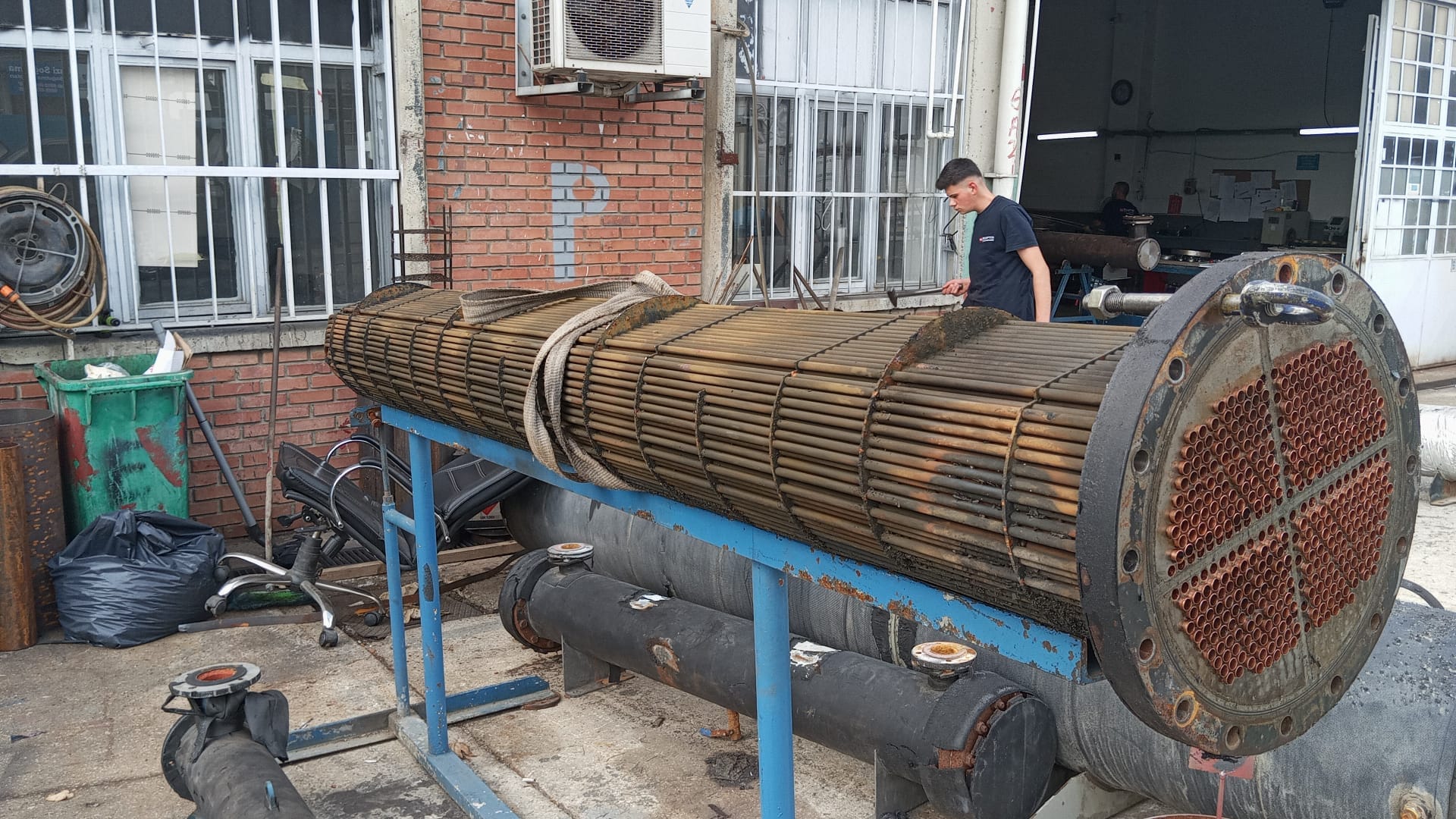
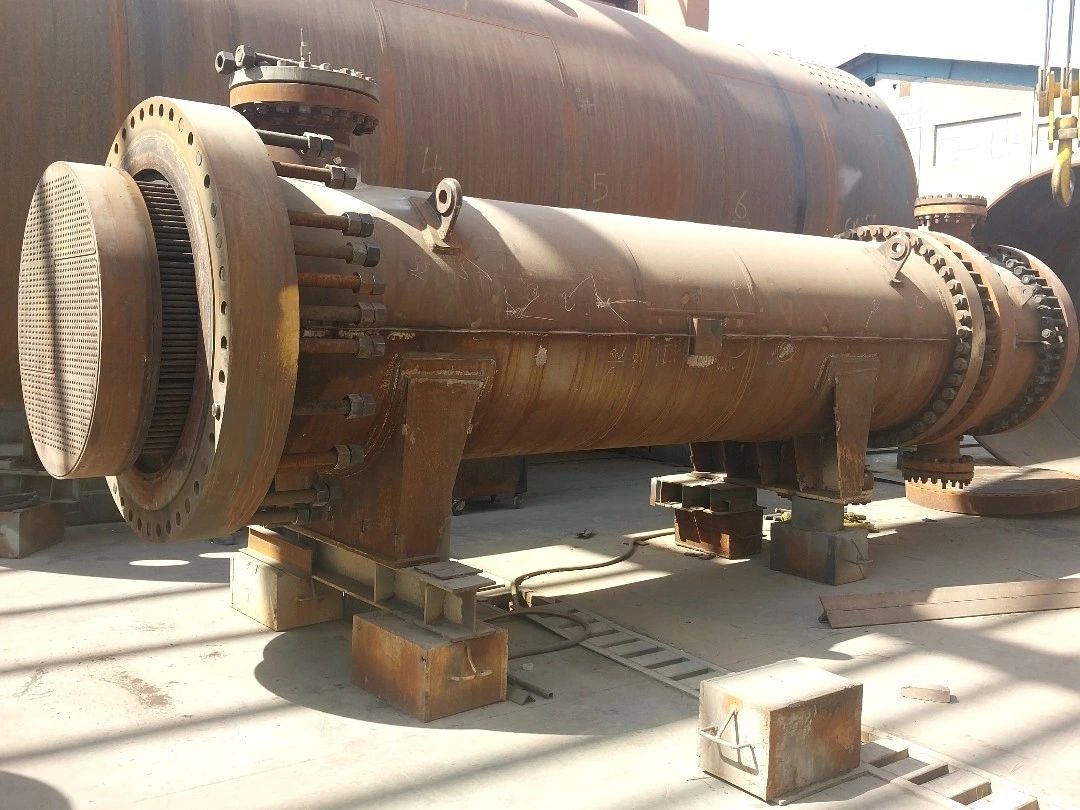
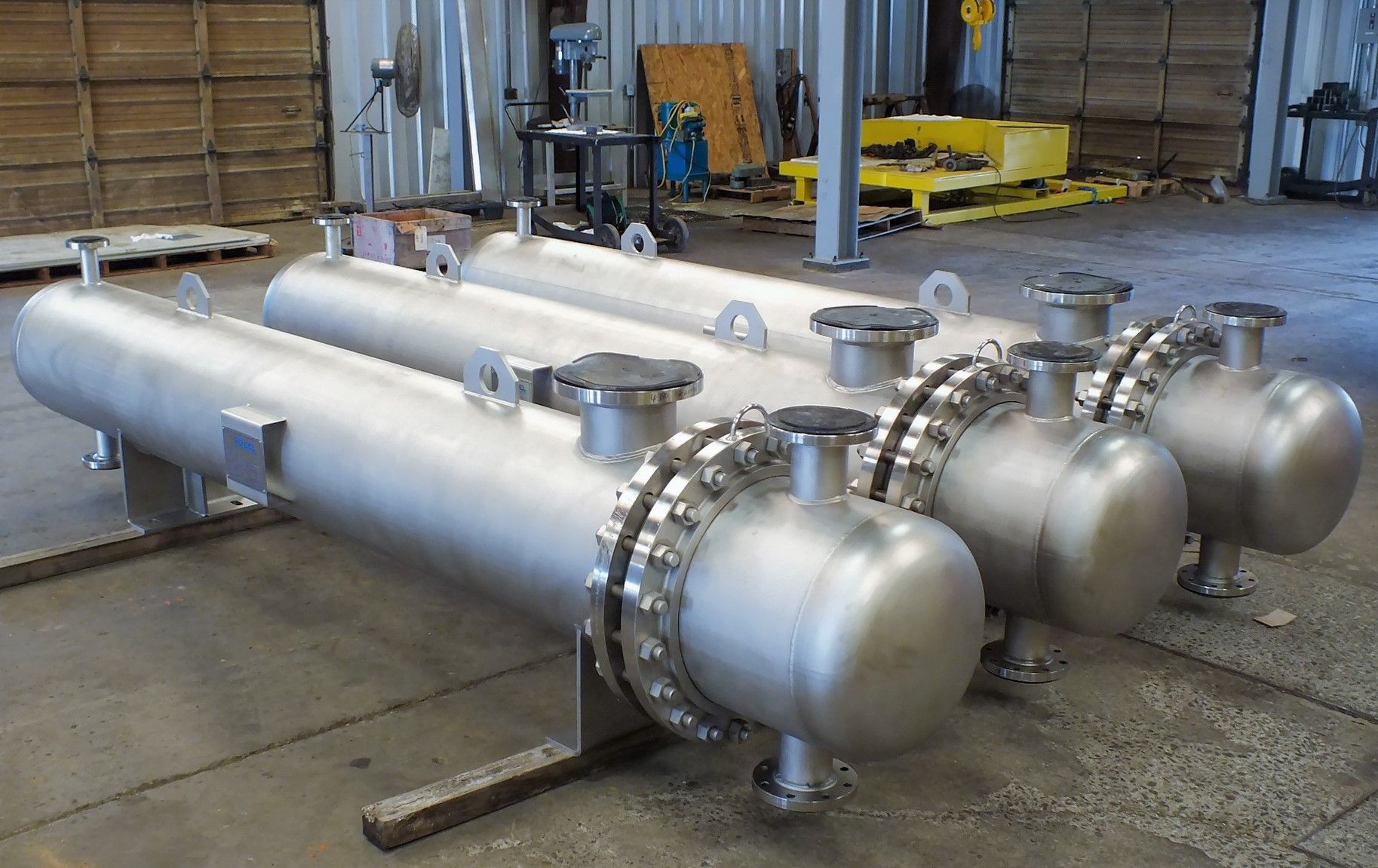
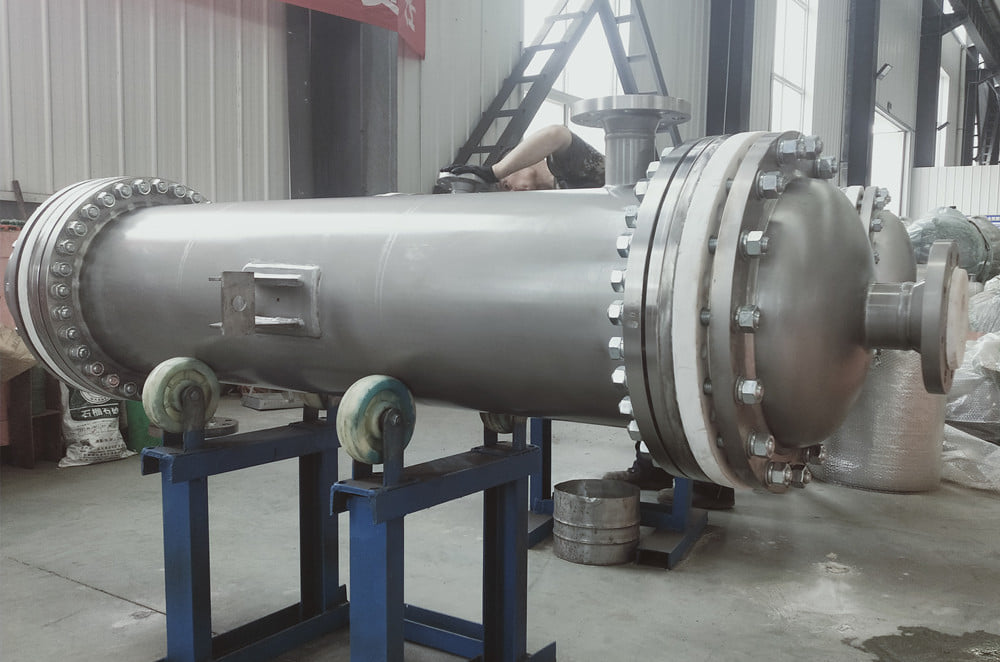
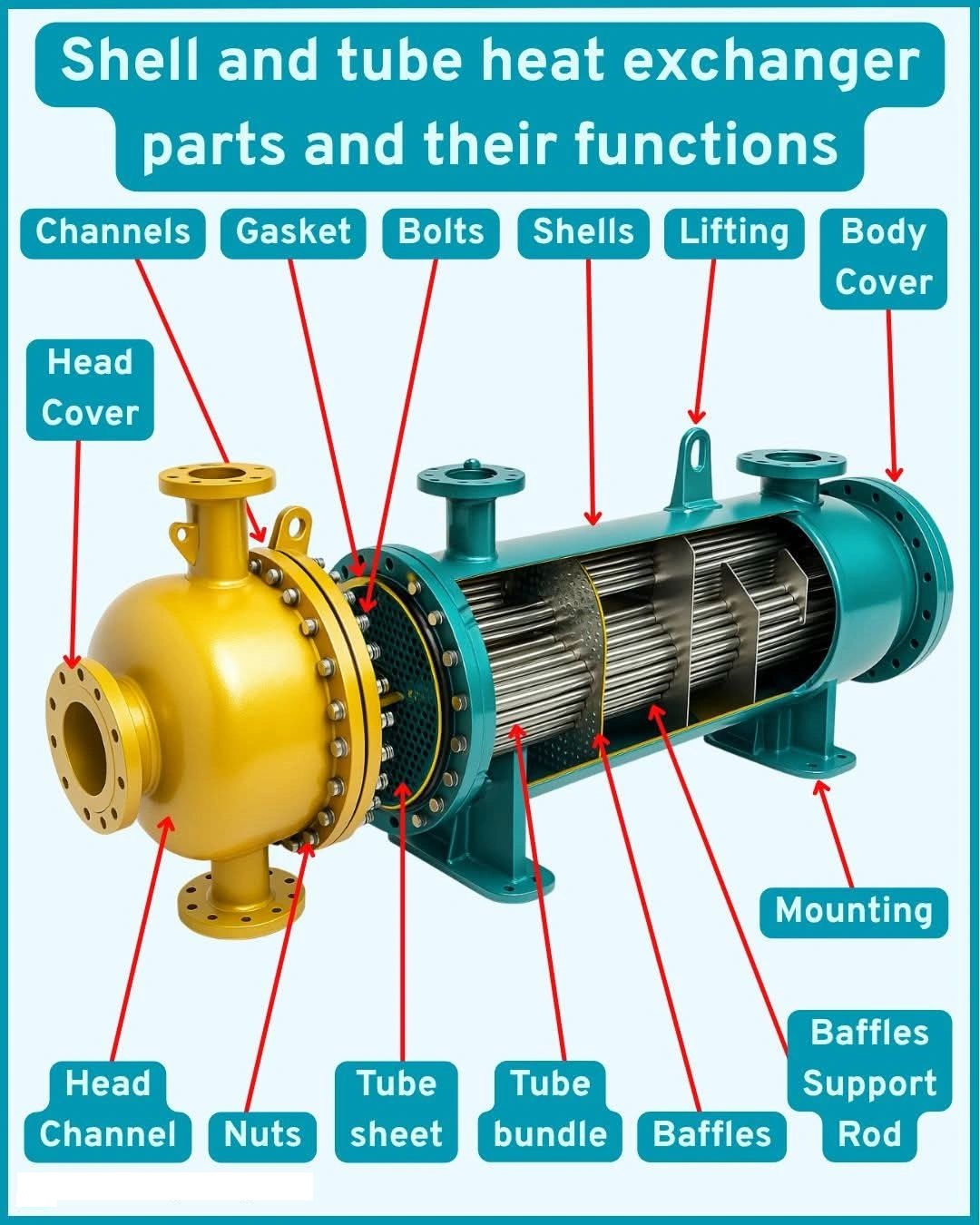
Components of a Shell and Tube Heat Exchanger

Shell and Tube Heat Exchanger Manufacturer in Chennai

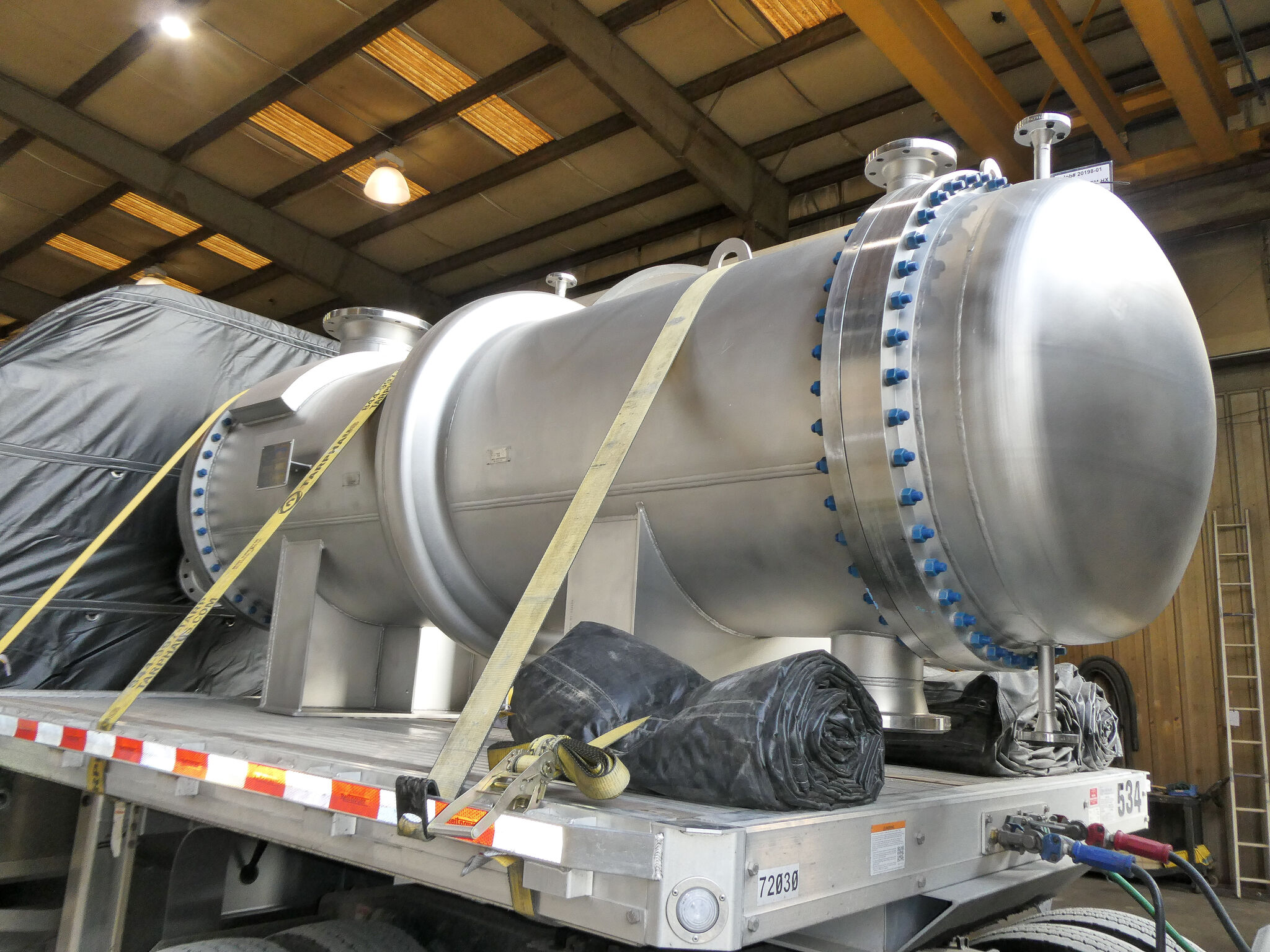
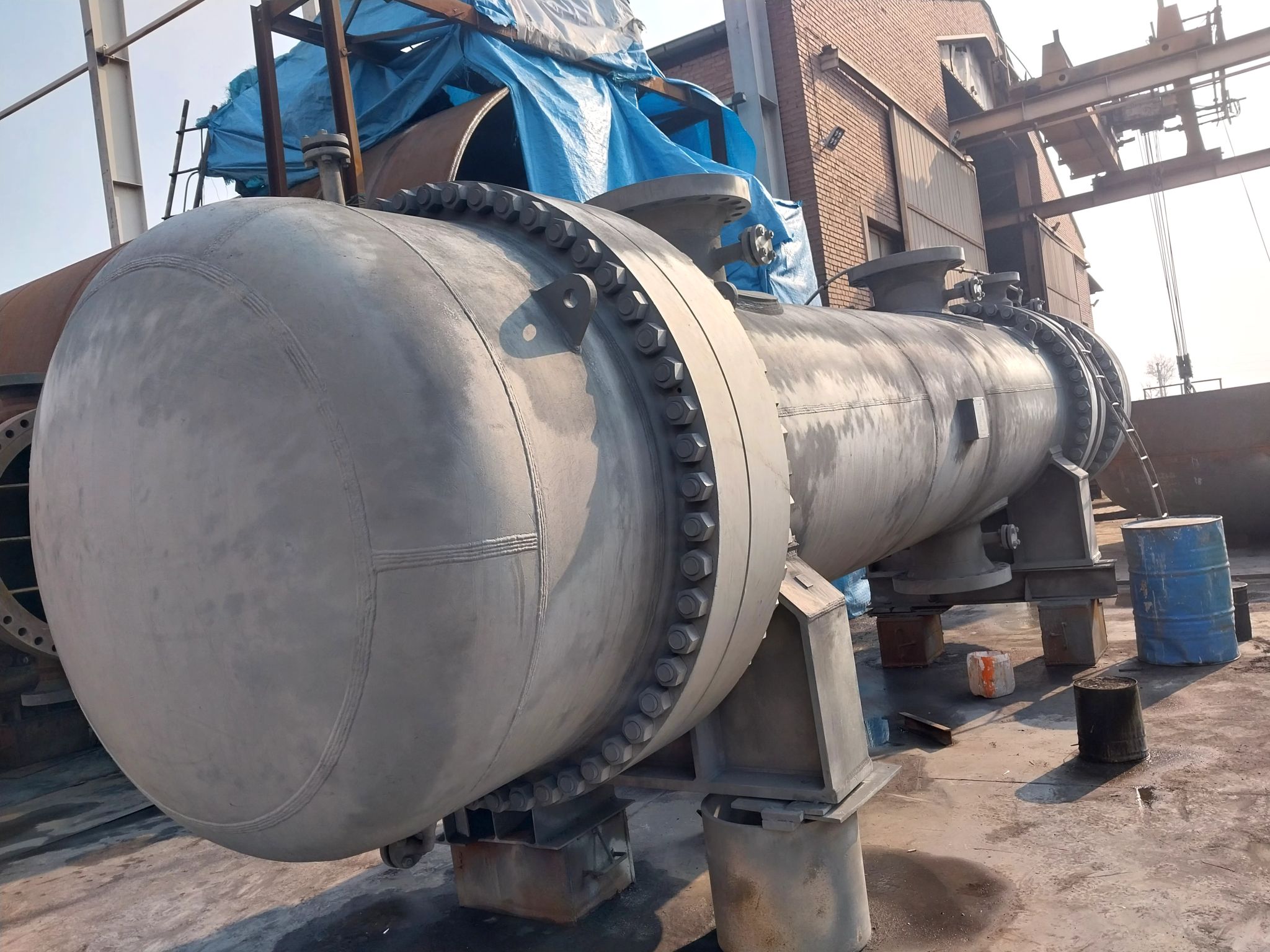
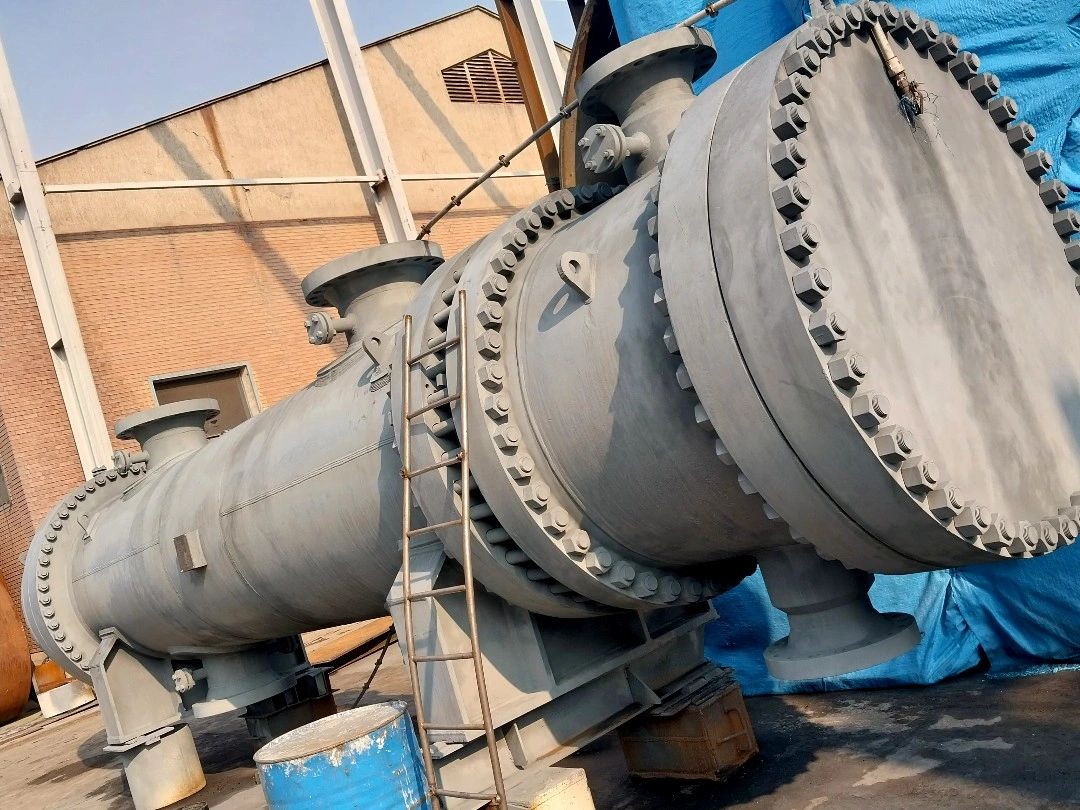
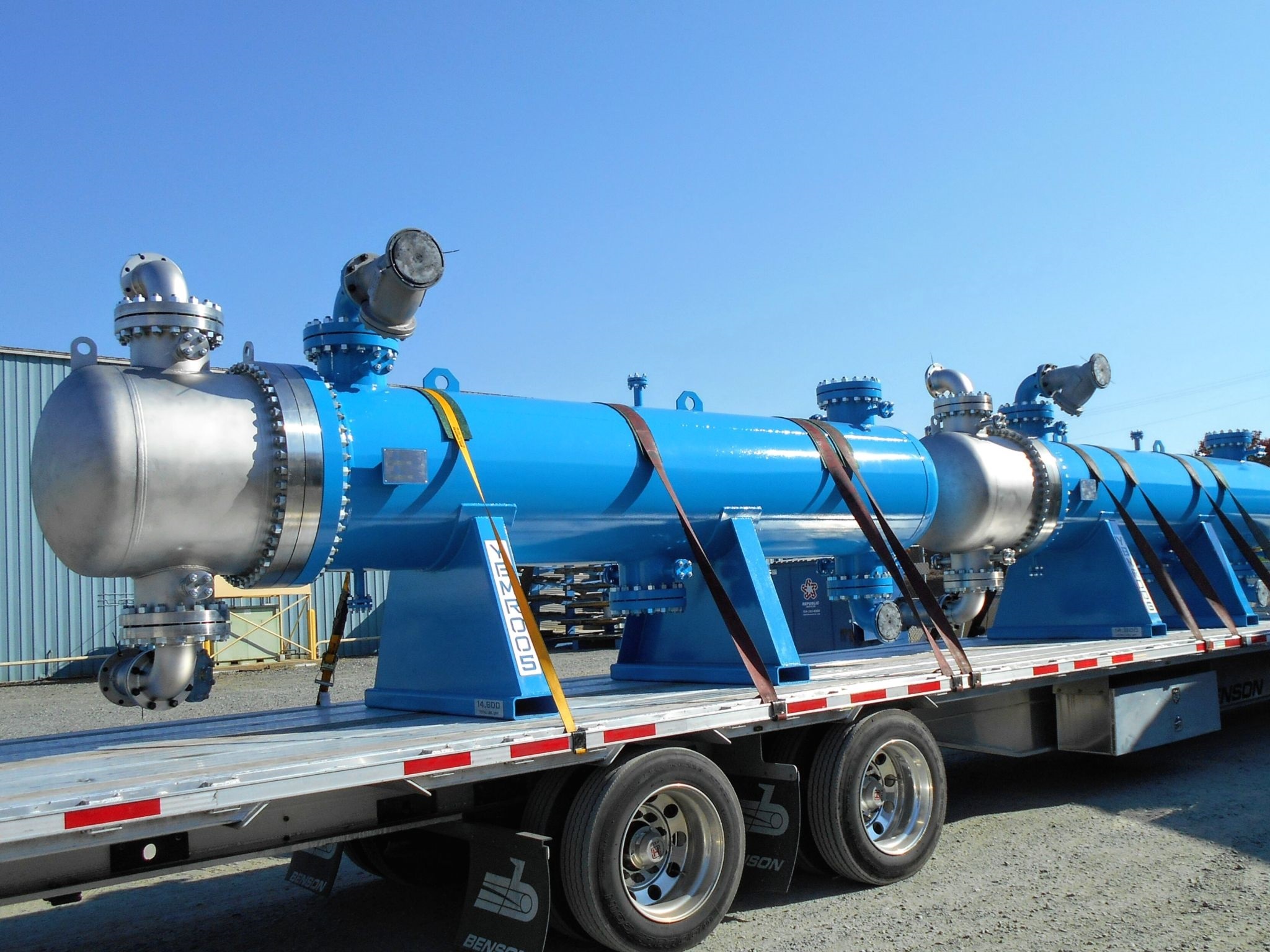
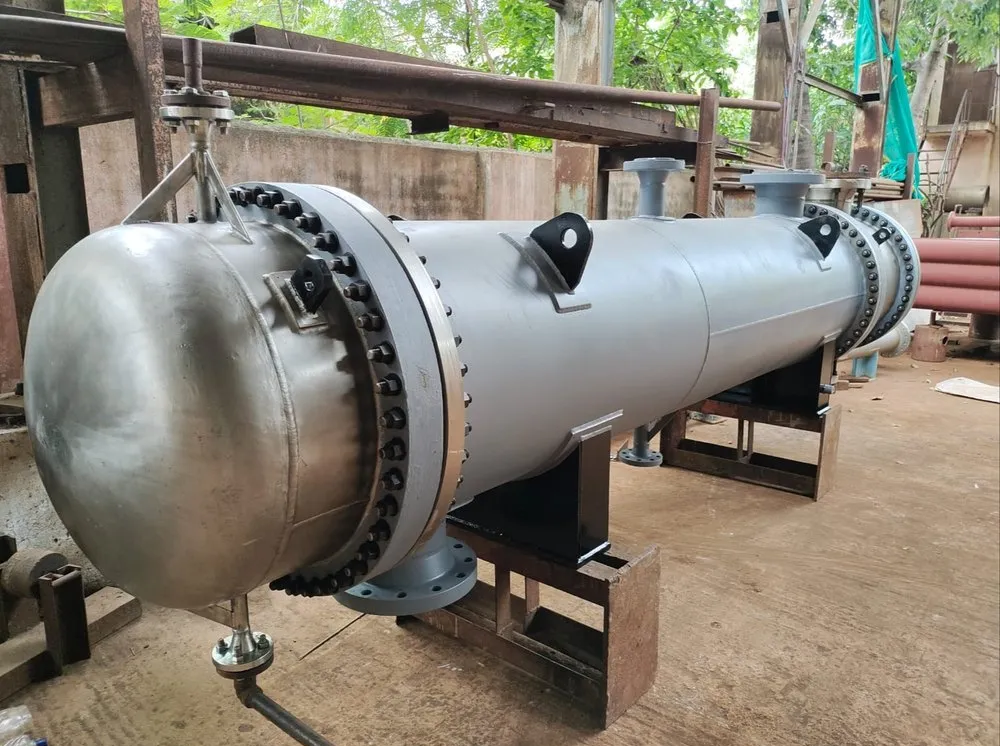
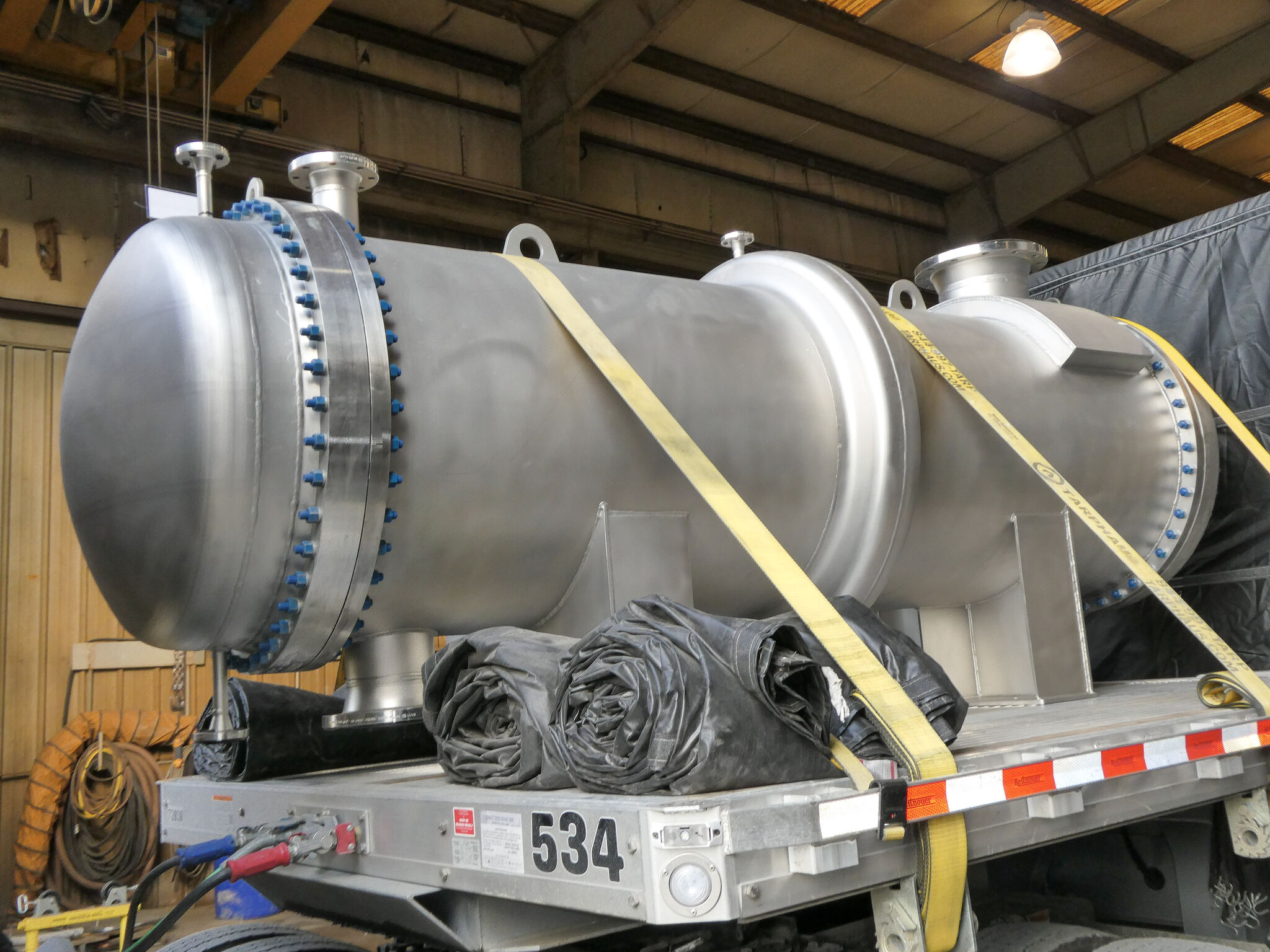
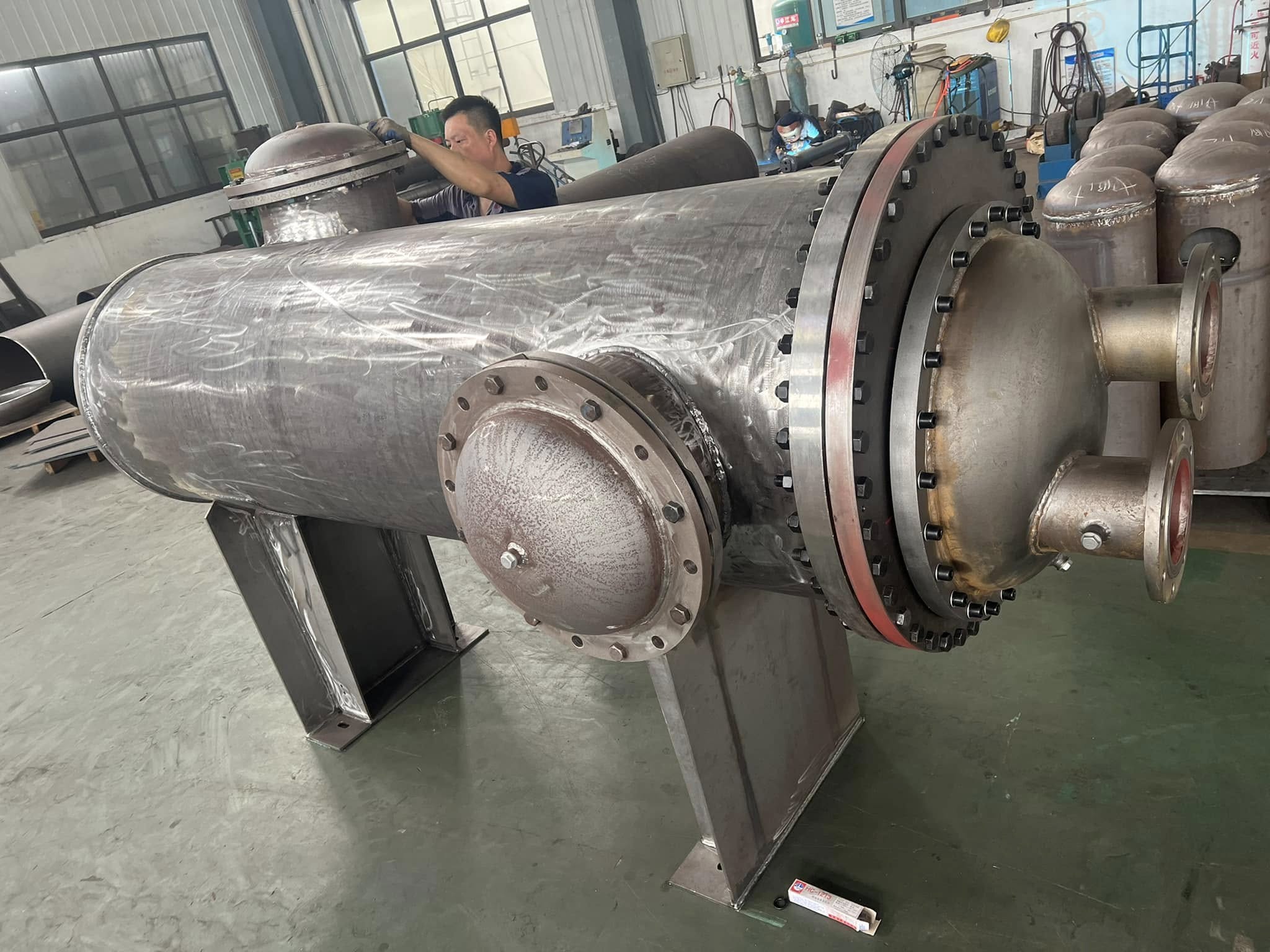
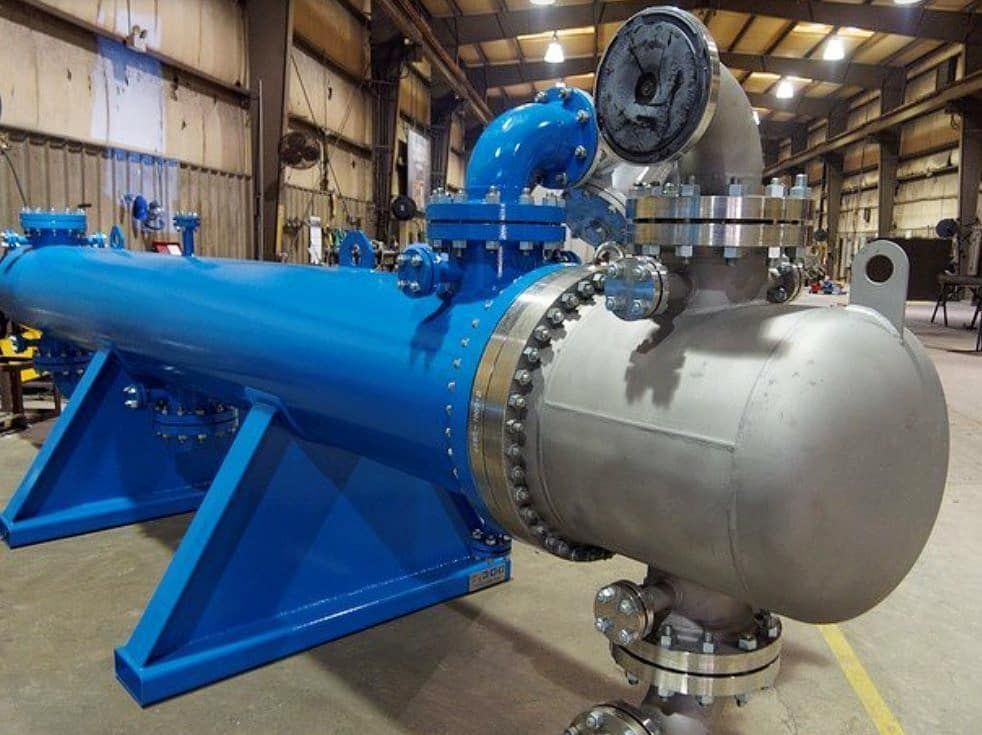
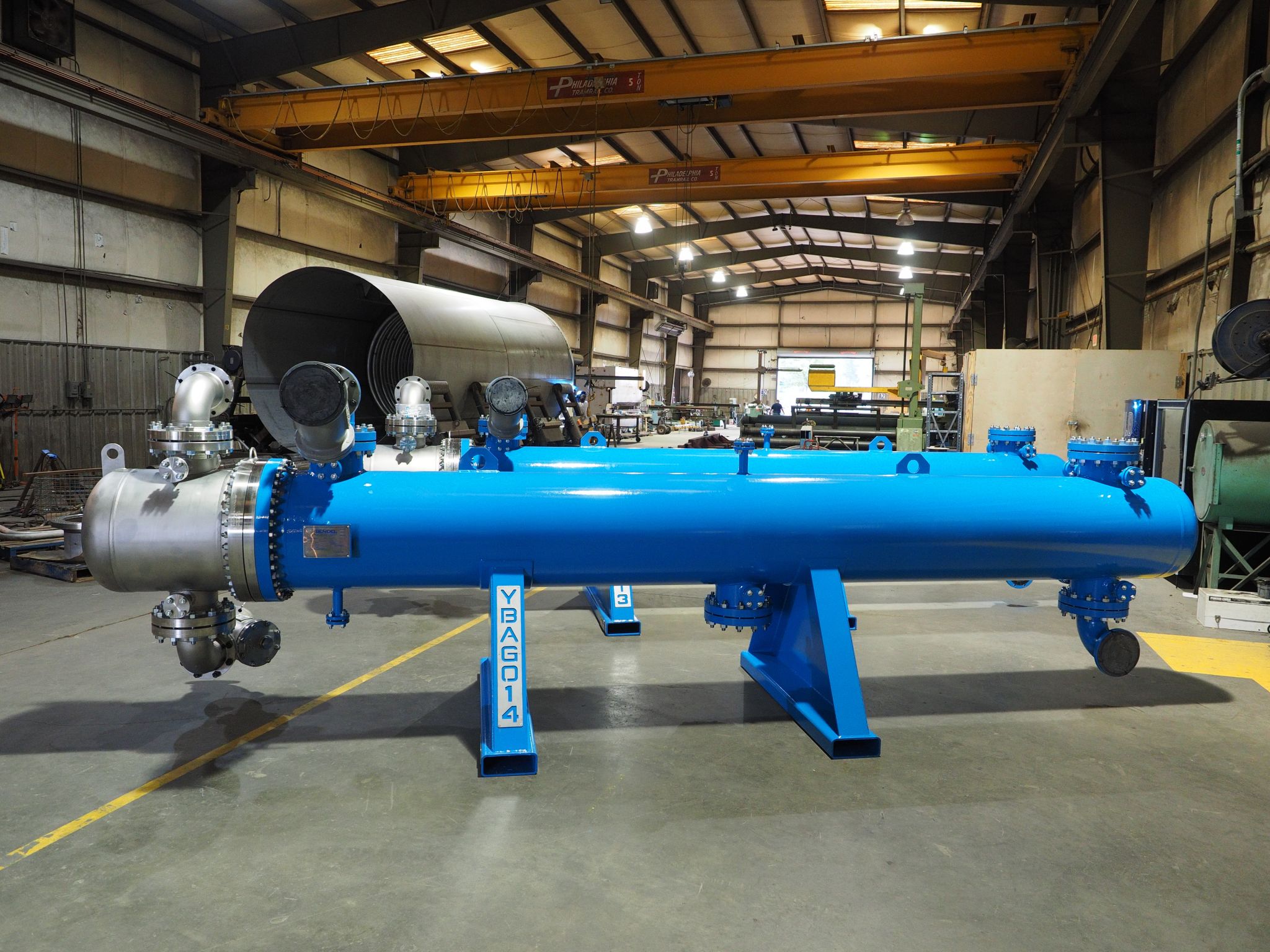
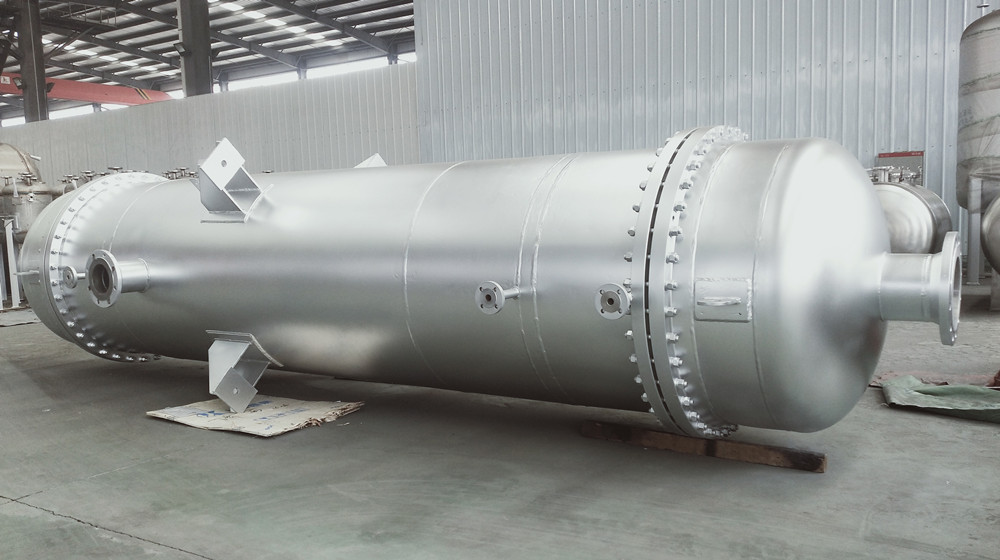
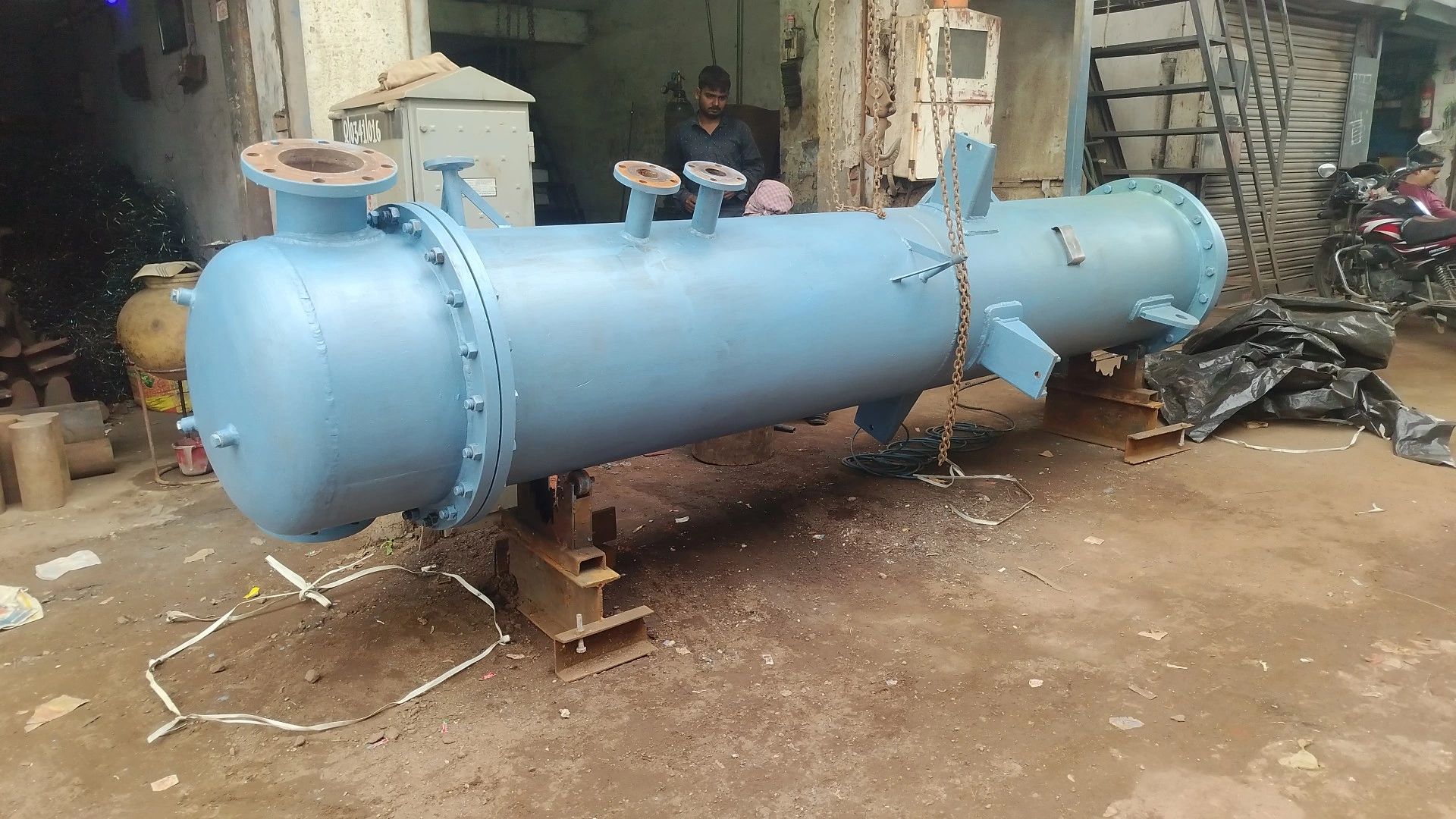
A Shell and Tube Heat Exchanger (STHE) is one of the most widely used types of heat exchangers in industrial applications. It consists of a shell (a large pressure vessel) with a bundle of tubes inside it. One fluid flows through the tubes (tube side), while another fluid flows outside the tubes but inside the shell (shell side), allowing...

Shell and Tube Heat Exchanger Manufacturer in Coimbatore

Types Of Heat Exchangers  1. Based on Construction & Design . Based on Flow Arrangement 3. Based on Heat Transfer Mechanism 4. Specialized Types Pillow Plate Heat Exchanger

Shell and Tube Heat Exchanger Manufacturer in Ariyalur

A heat exchanger is a device used to transfer heat between two or more fluids (liquids or gases) without them mixing. It’s widely used in engineering applications where heating or cooling is required, such as in power plants, chemical processing, refrigeration, and HVAC systems. How It Works Heat flows from the hotter fluid to the […]

Plate Heat Exchanger Manufacturer in Kollam

When to Choose EDPM Gasket in plate heat Exchanger? when to choose an EPDM (Ethylene Propylene Diene Monomer) Gasket for a plate heat exchanger. The decision is primarily driven by the presence of hot water, steam, alkalis, or the need for weather resistance. The Primary Rule of Thumb Choose an EPDM Gasket when the heat...
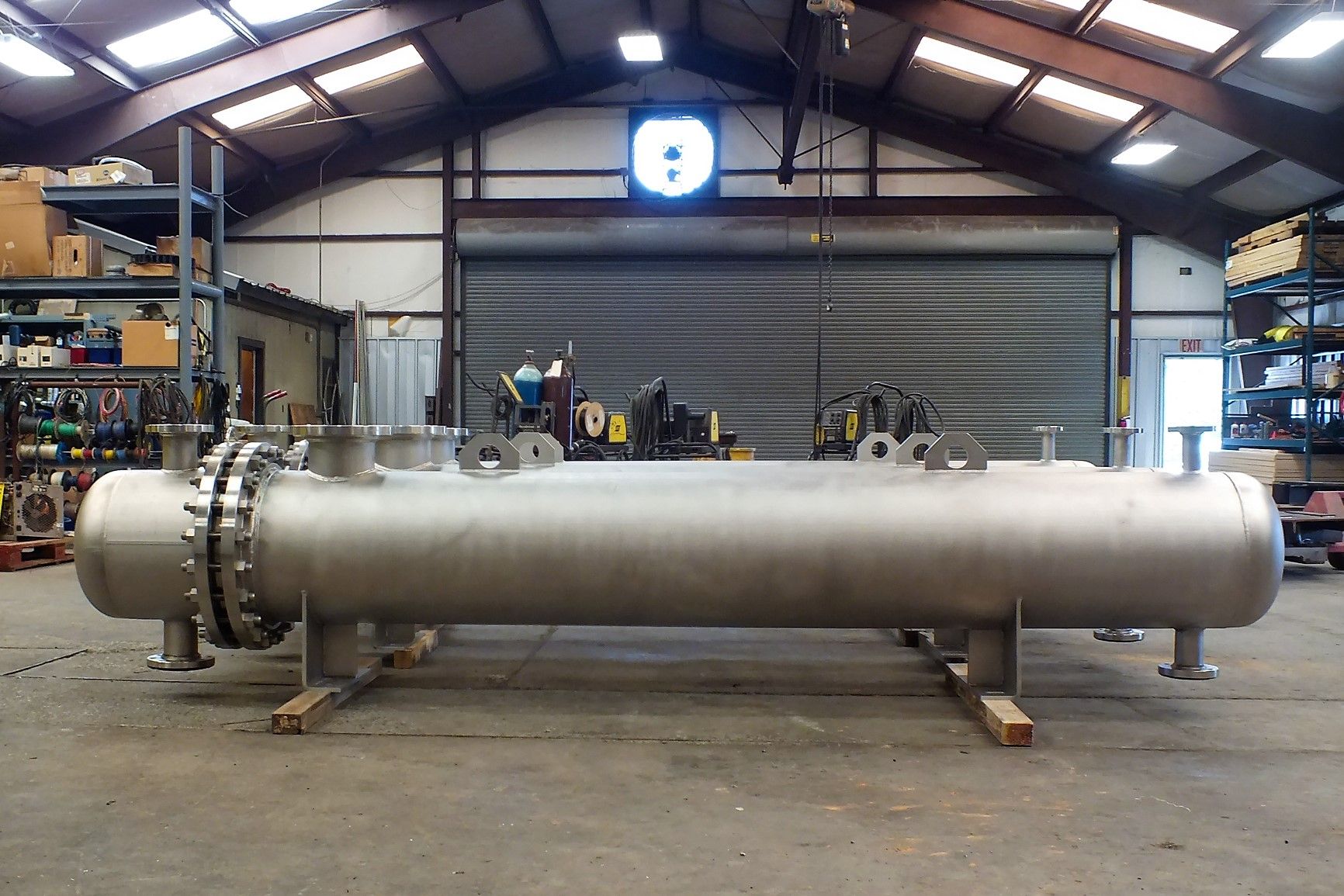
Plate Heat Exchanger Manufacturer in Kannur

When to Choose NBR Gasket for plate heat exchanger? hen to choose an NBR (Nitrile) Gasket for a plate heat exchanger. The decision is primarily driven by the presence of oils, fats, or certain hydrocarbons in the fluid. The Primary Rule of Thumb Choose an NBR Gasket when the heat exchanger is used with oil-based...
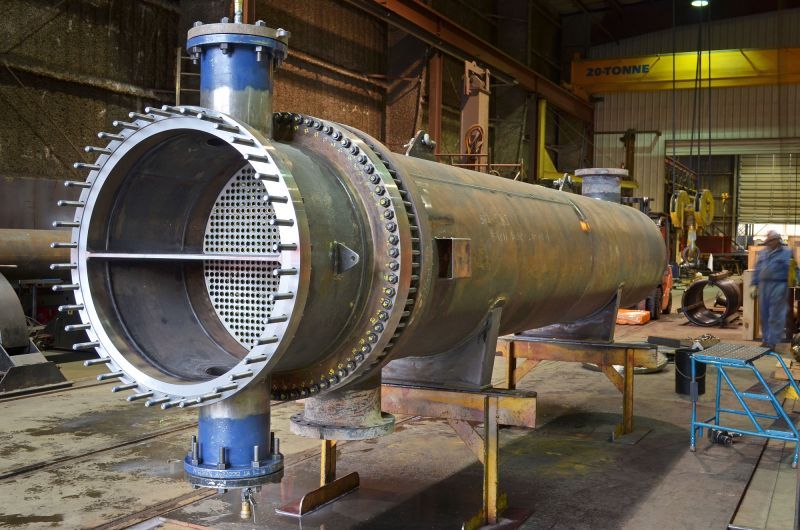
Plate Heat Exchanger Manufacturer in Ernakulam

NBR gasket vs EDPM gasket in Plate heat exchanger Choosing between NBR (Nitrile Butadiene Rubber) and EPDM (Ethylene Propylene Diene Monomer) is one of the most common decisions, and getting it wrong leads to rapid gasket failure. The choice is almost entirely determined by the chemical compatibility with the fluids...
Plate Heat Exchanger Manufacturer in Cochin

Suitable material for plate heat exchanger used in Sea Shore Area?  Selecting the right material for a plate heat exchanger in a sea shore (coastal) area is critical due to one primary enemy: Chloride-Induced Corrosion. The salty, humid air is rich in chloride ions, which cause pitting and crevice corrosion, especially in stainless...
Plate Heat Exchanger Manufacturer in Palakkad

Material of Construction of Plate heat exchanger? The Materials of Construction (MOC) for a plate heat exchanger are critical to its performance, longevity, and cost. The selection is primarily driven by the need to resist corrosion from the process fluids, while also considering pressure, temperature, and hygiene requirements. The main...

Plate Heat Exchanger Manufacturer in Calicut

Role of Brazed plate heat exchanger in Chiller? The Brazed Plate Heat Exchanger (BPHE) plays a critical role in modern, efficient chillers, often serving as the core component where the actual heat transfer occurs. In a chiller, its primary role is to facilitate the phase change of the refrigerant, either by absorbing heat to...

Plate Heat Exchanger Manufacturer in Kozhikode

Application of Brazed Plate Heat Exchanger? . Brazed Plate Heat Exchangers (BPHEs) are ubiquitous in modern, compact systems due to their efficiency and small footprint. Their applications are defined by their core characteristics: they are sealed, compact, efficient, and designed for clean fluids. Here is a detailed breakdown of their...

Plate Heat Exchanger Manufacturer in Thiruvananthapuram

When to choose Brazed Plate heat exchanger? when to choose a Brazed Plate Heat Exchanger (BPHE). The decision to use a BPHE is driven by the need for a compact, cost-effective, and sealed heat transfer solution for clean and stable systems. The Primary Rule of Thumb Choose a Brazed Plate Heat Exchanger when your application...
1 2 3 14