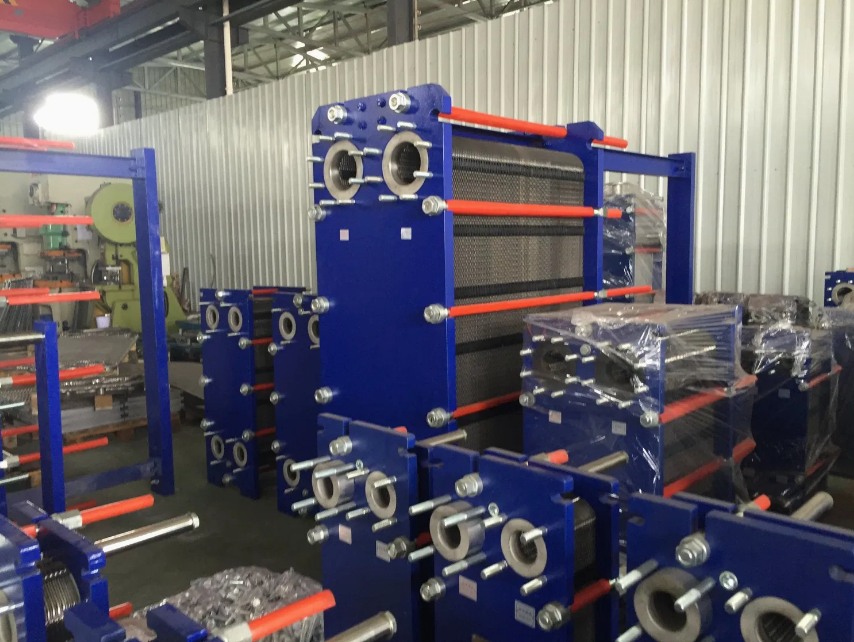
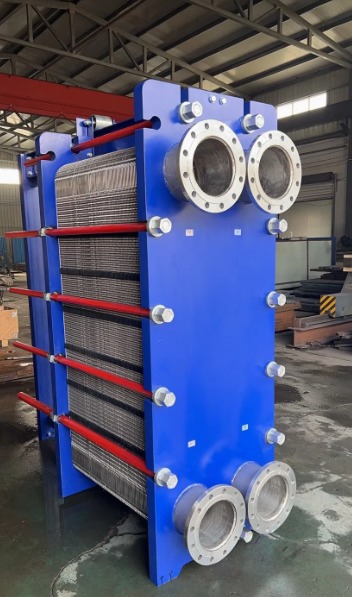
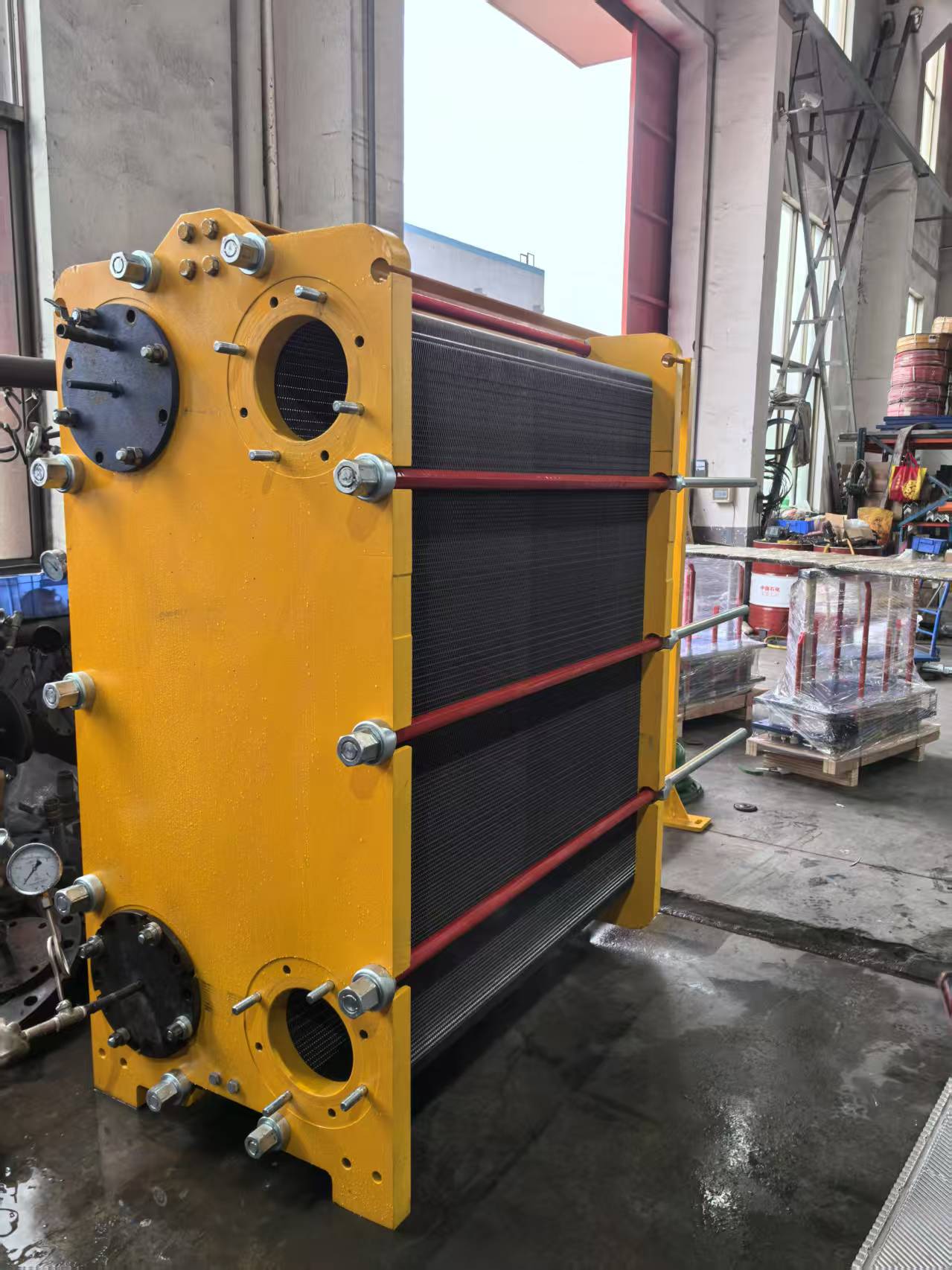
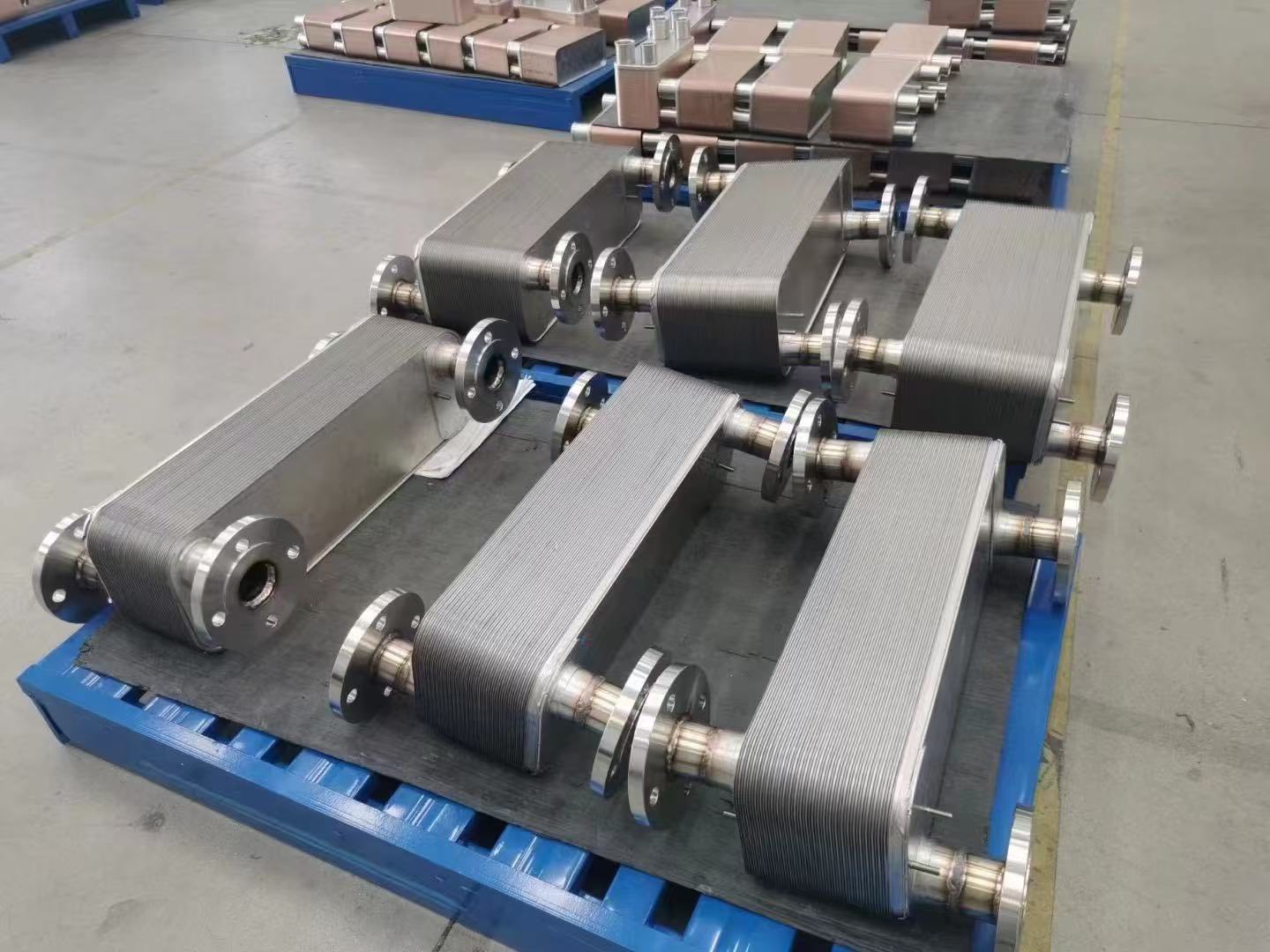
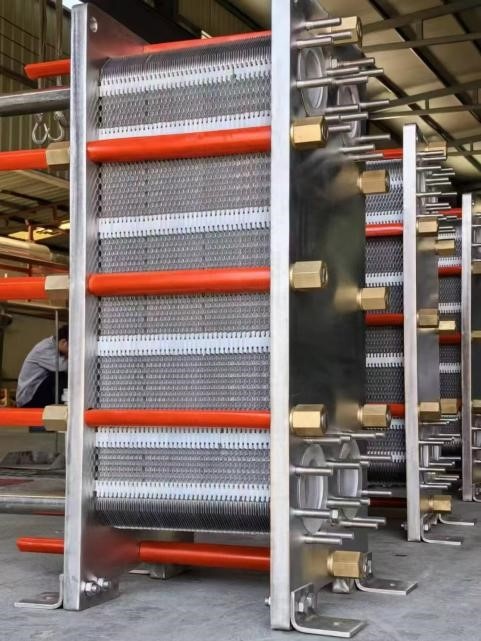
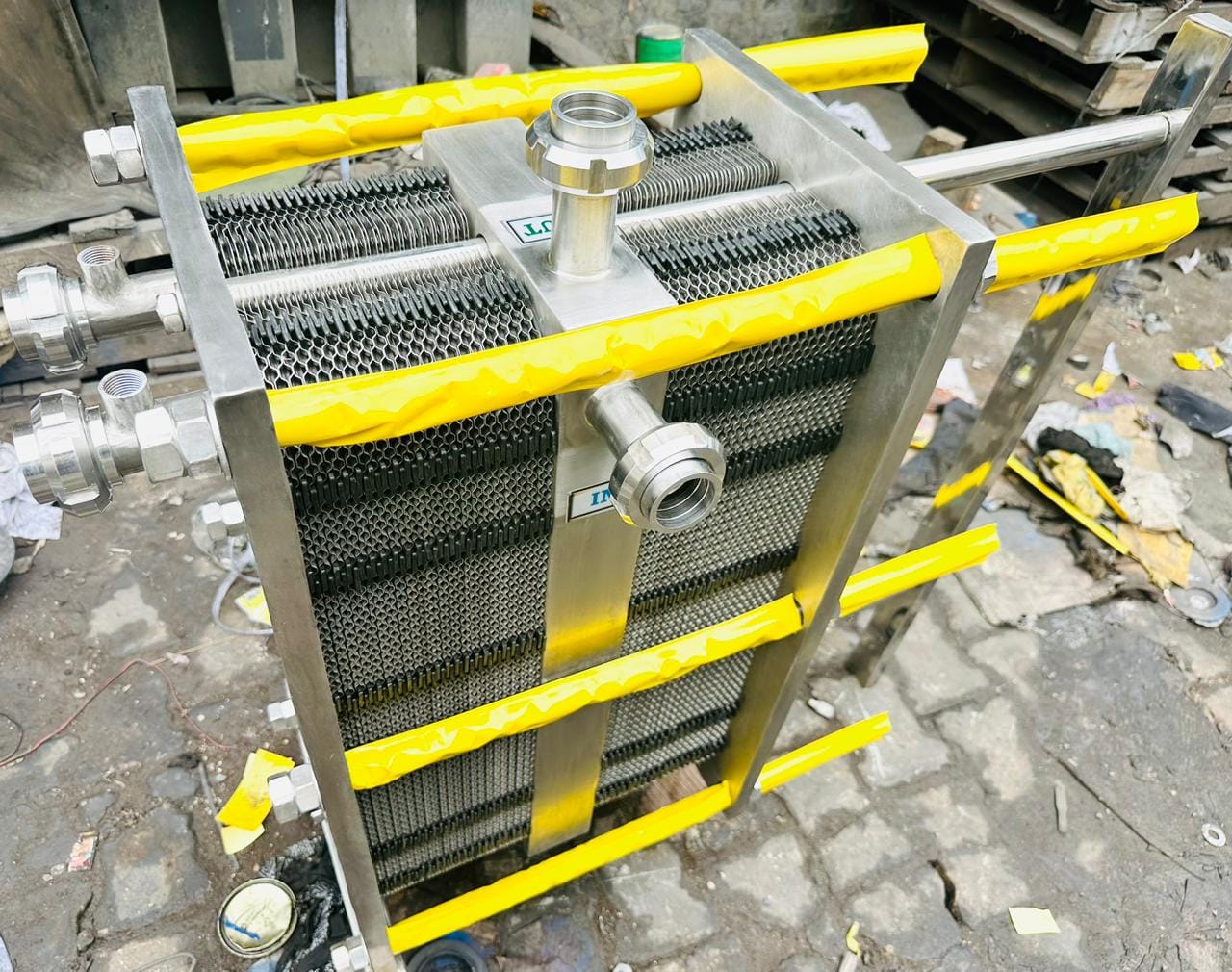
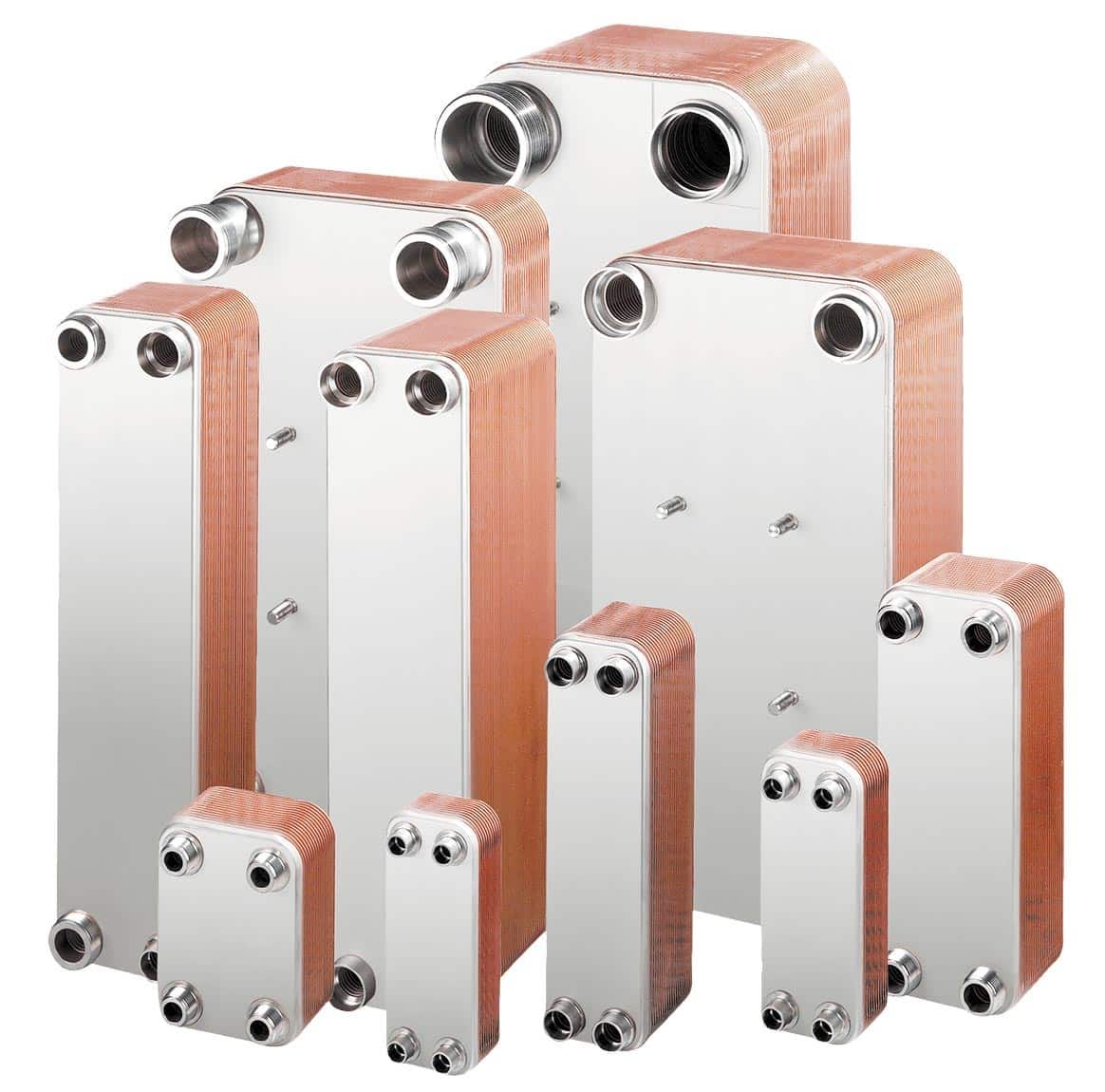
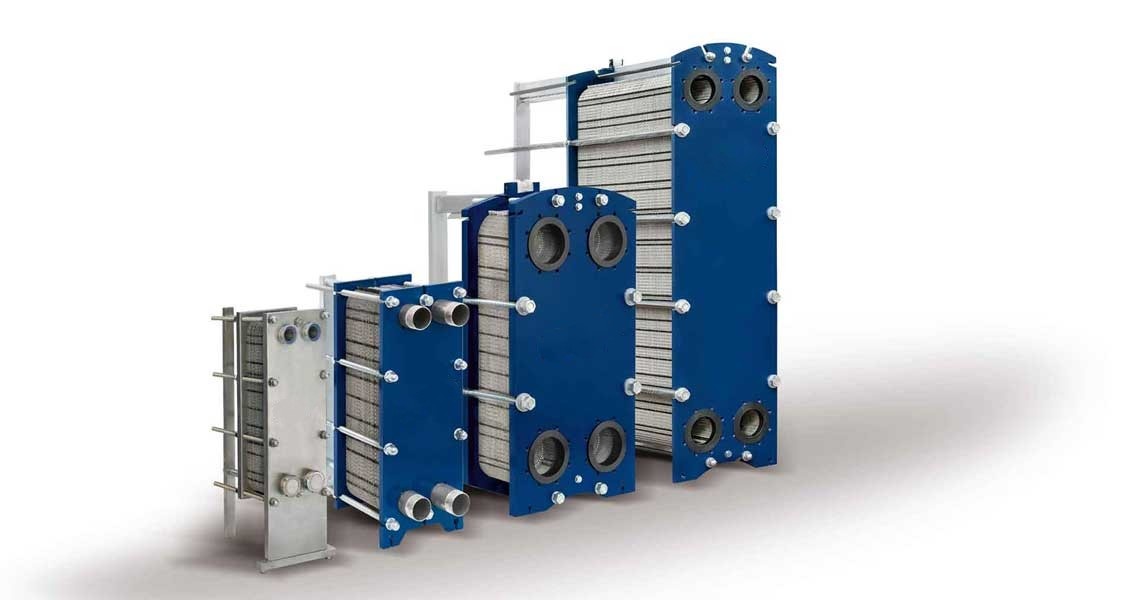
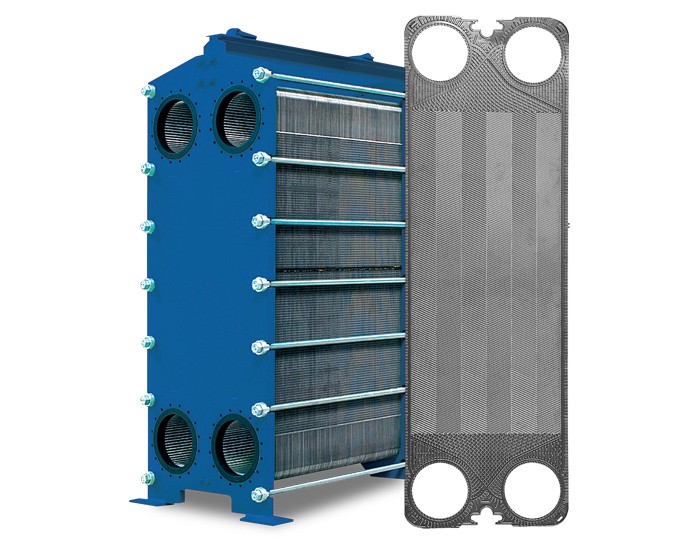
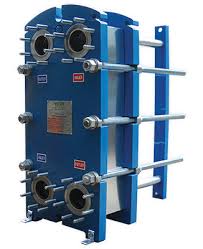
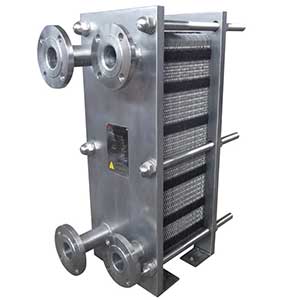
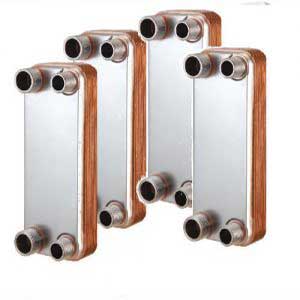
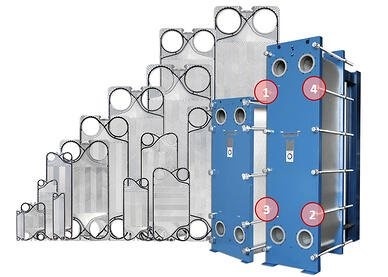
Thermal plates and gaskets The most important and most expensive part of a PHE is its thermal plates, which are made of metal, metal alloy, or even special graphite materials, depending on the application. Stainless steel, titanium, nickel, aluminum, Inconel Hastelloy, Monel, and tantalum are some examples commonly found in industrial applications....
How does a plate heat exchanger work? Heat transfer theory The law of physics always allows the driving energy in a system to flow until equilibrium. Heat dissipates when there is a temperature difference. A heat exchanger follows the equalisation principle. With a plate heat exchanger, heat cuts through the surface and separates the hot […]
The two fluid medium in the system follows a counter flow path with; one fluid getting in from top while leaving at bottom and another entering at bottom and leaving at top. The rate of flow is controlled in the system to avoid negative effects of turbulence flow such as erosion. The type and length […]
A single metal plate can have high or low tetra pattern which aids in efficient heat exchange between the liquids. These corrugated structure types create turbulence in the flow; creating much better heat exchange between the two media. The complete plate pack assembly is as such; that the hot medium flows on one side of […]
A plate type heat exchanger transfer heat from one medium to another with the help of identical thin plates; made of titanium or stainless steel. They are held together with the help a fine clearance maintained by the gasket material of rubber and asbestos fibre. They are much compact and have an added advantage of […]
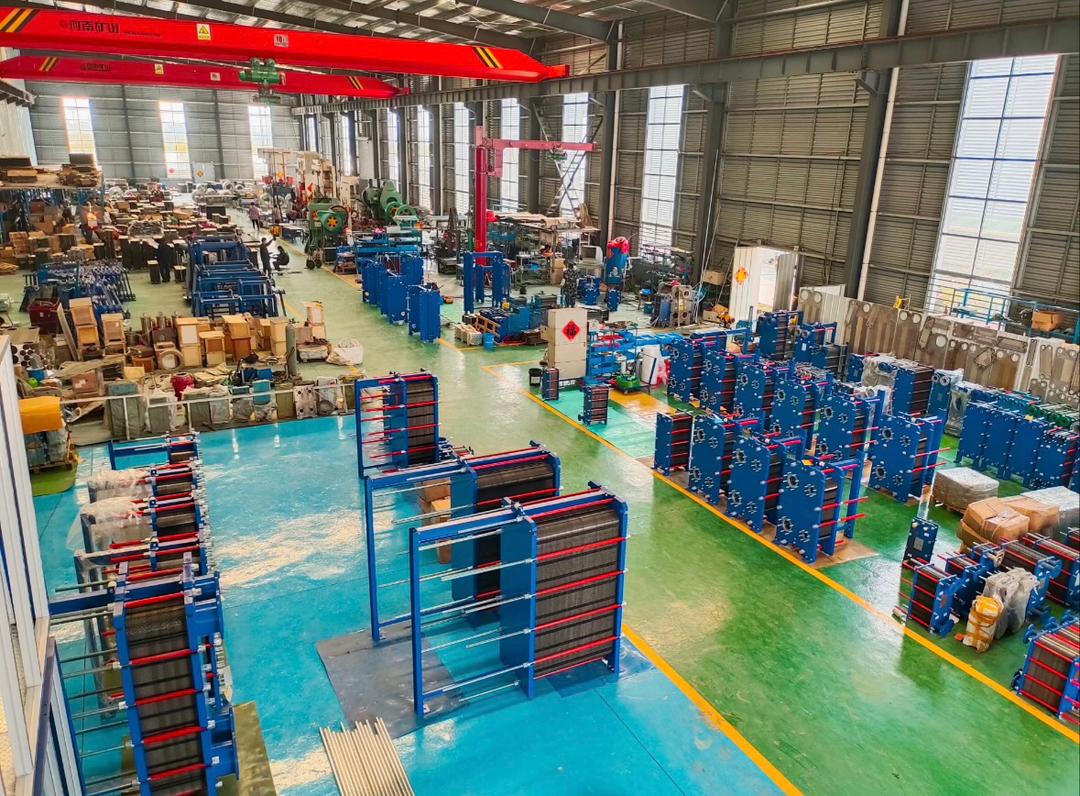
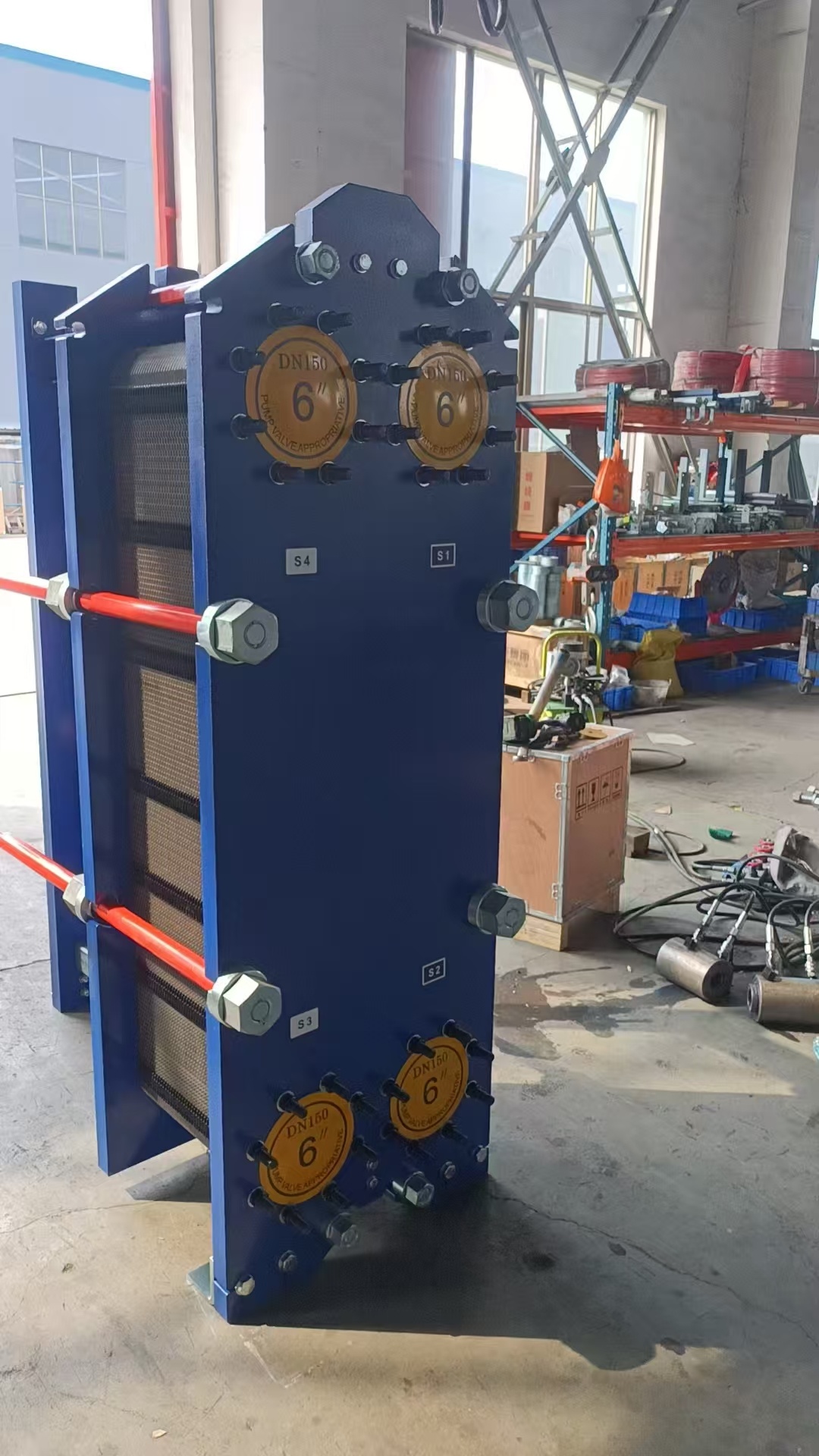
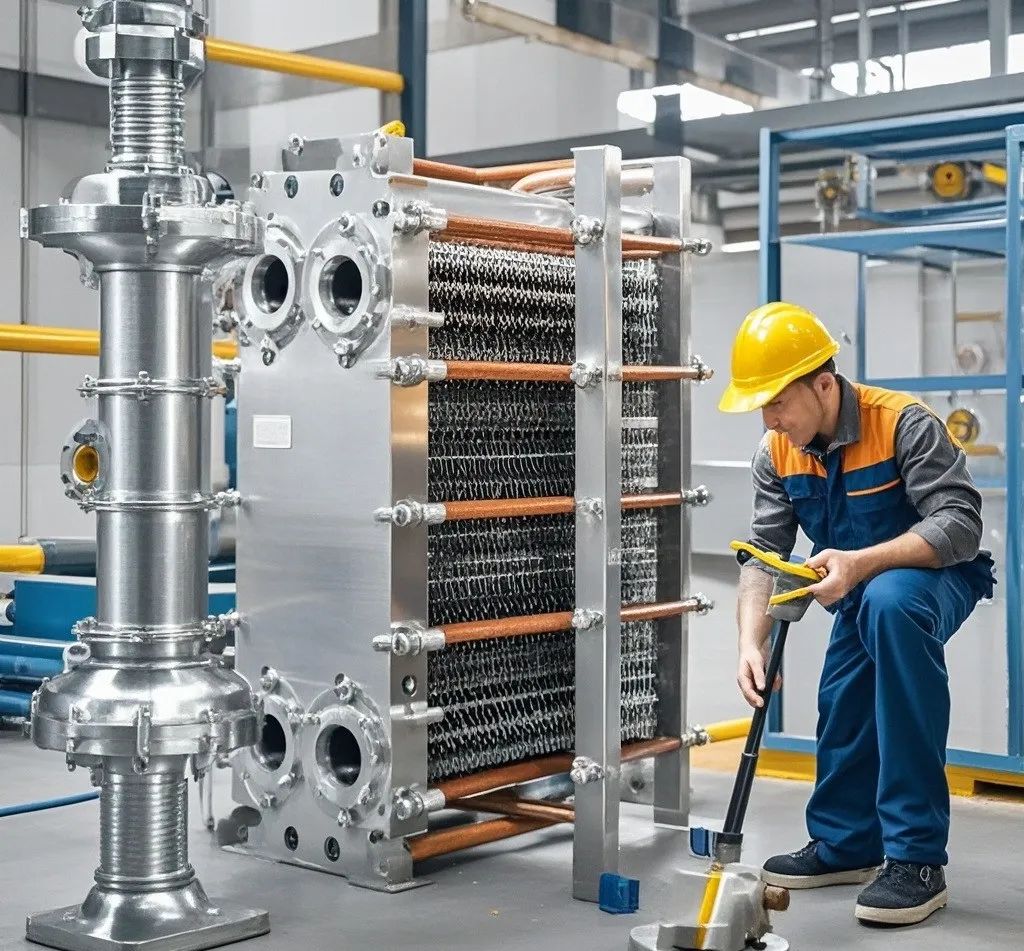
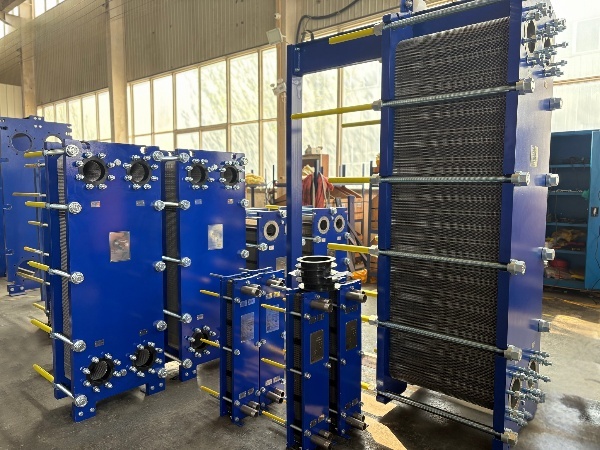
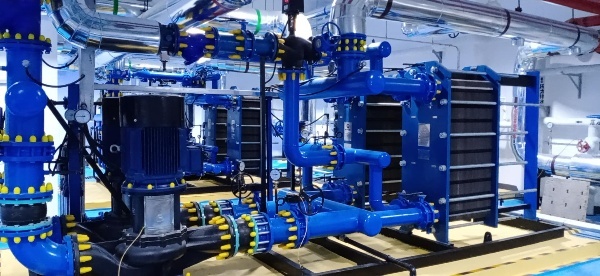
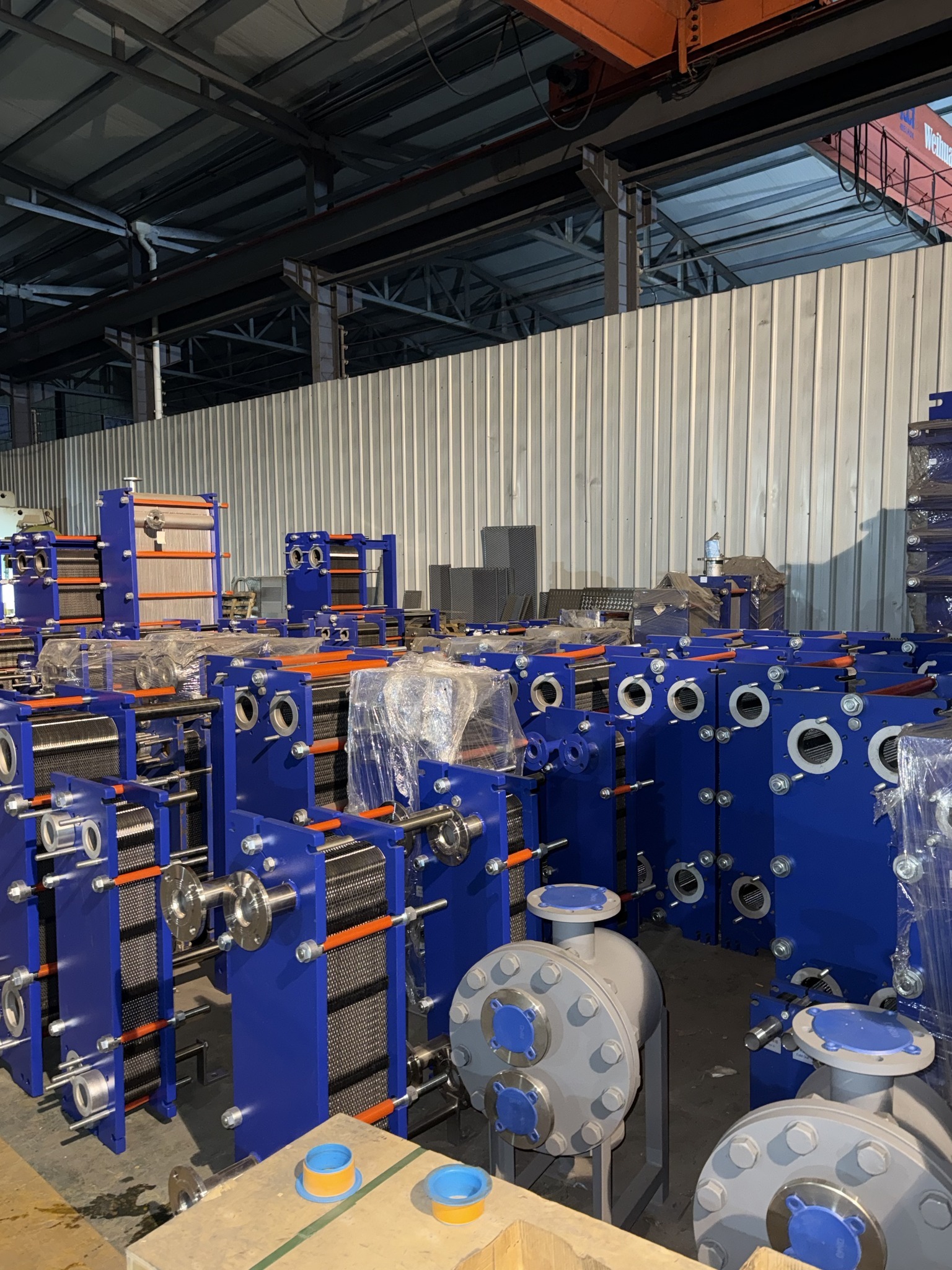
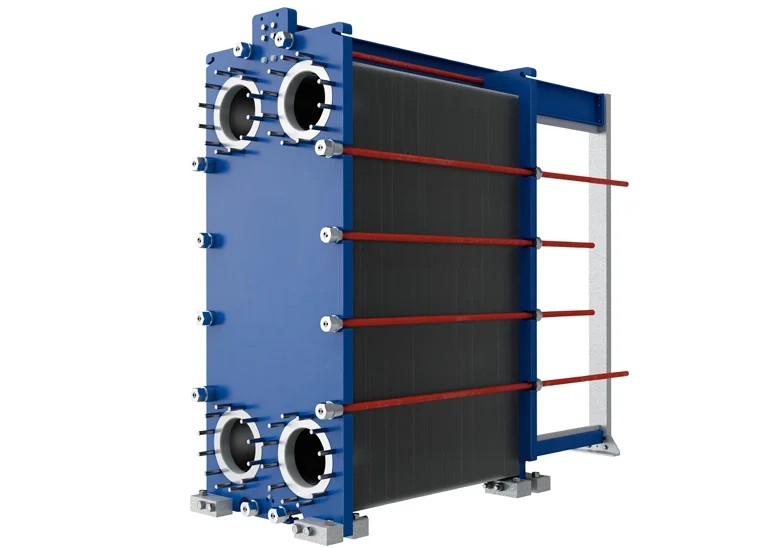
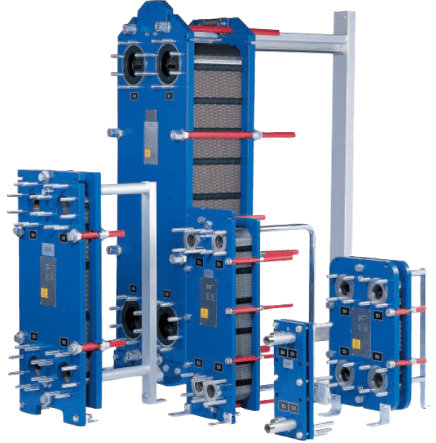
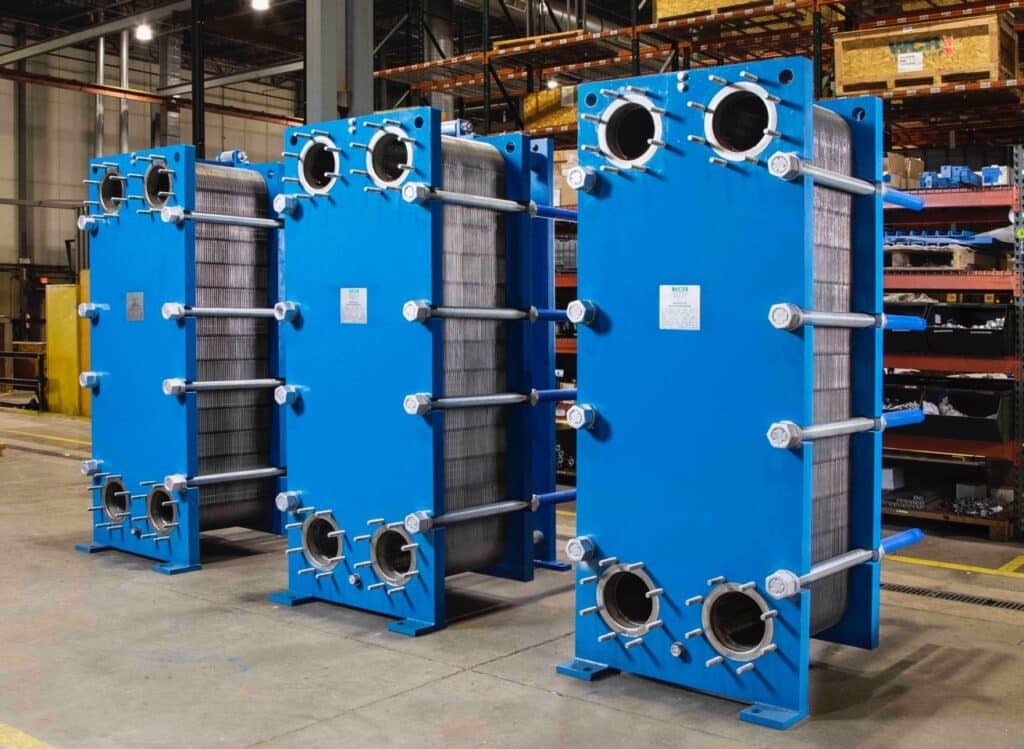
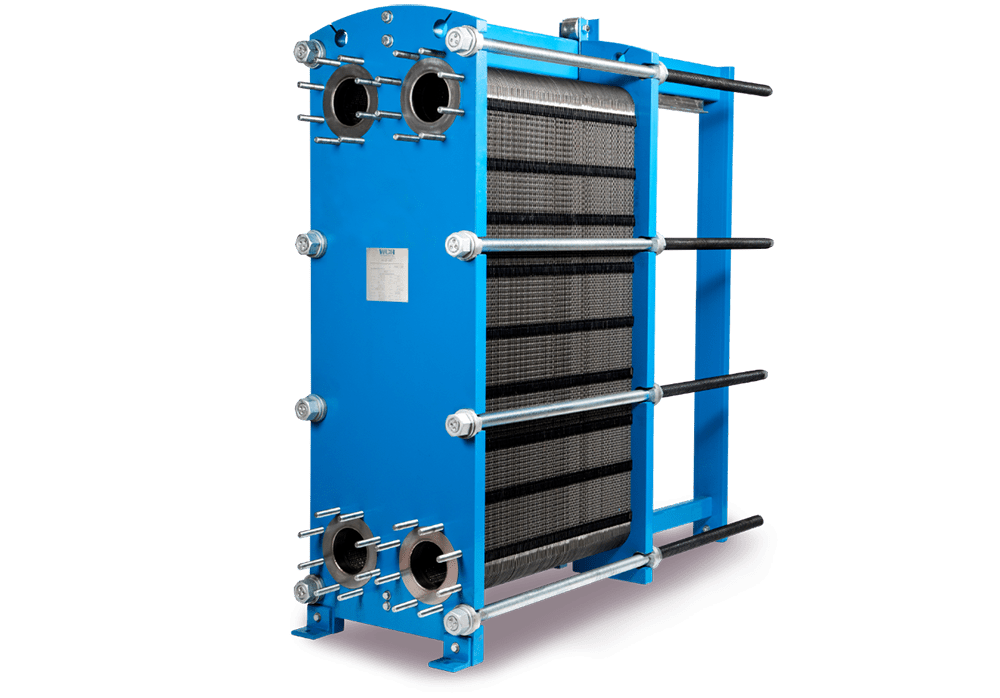
Gasketed Plate Heat Exchangers The plate-and-frame or gasketed plate heat exchanger (PHE) consists of a number of thin rectangular metal plates sealed around the edges by gaskets and held together in a frame The frame usually has a fixed end cover (headpiece) fitted with connecting ports and a movable end cover (pressure plate, follower, or...
Plate-type heat exchangers are usually built of thin plates (all prime surface). The plates are either smooth or have some form of corrugation, and they are either flat or wound in an exchanger. Generally, these exchangers cannot accommodate very high pressures, temperatures, or pressure and temperature differences. Plate heat exchangers (PHEs){can...
CLASSIFICATION OF HEAT EXCHANGERS Heat exchangers may be classified according to the following main criteria: •Recuperators •Regenerators •Direct Contact apparatus RECUPERATORS • The conventional heat exchangers with heat transfer between two fluids. • Hot steam A recovers some of the heat from stream B. REGENERATORS •Storage type heat...
A heat exchanger can be defined as any device that transfers heat from one fluid to another or from or to a fluid and the environment. They are specifically designed for the efficient transfer of heat from one fluid to another fluid over a solid surface. WHAT ARE HEAT EXCHANGERS USED FOR? They have the […]
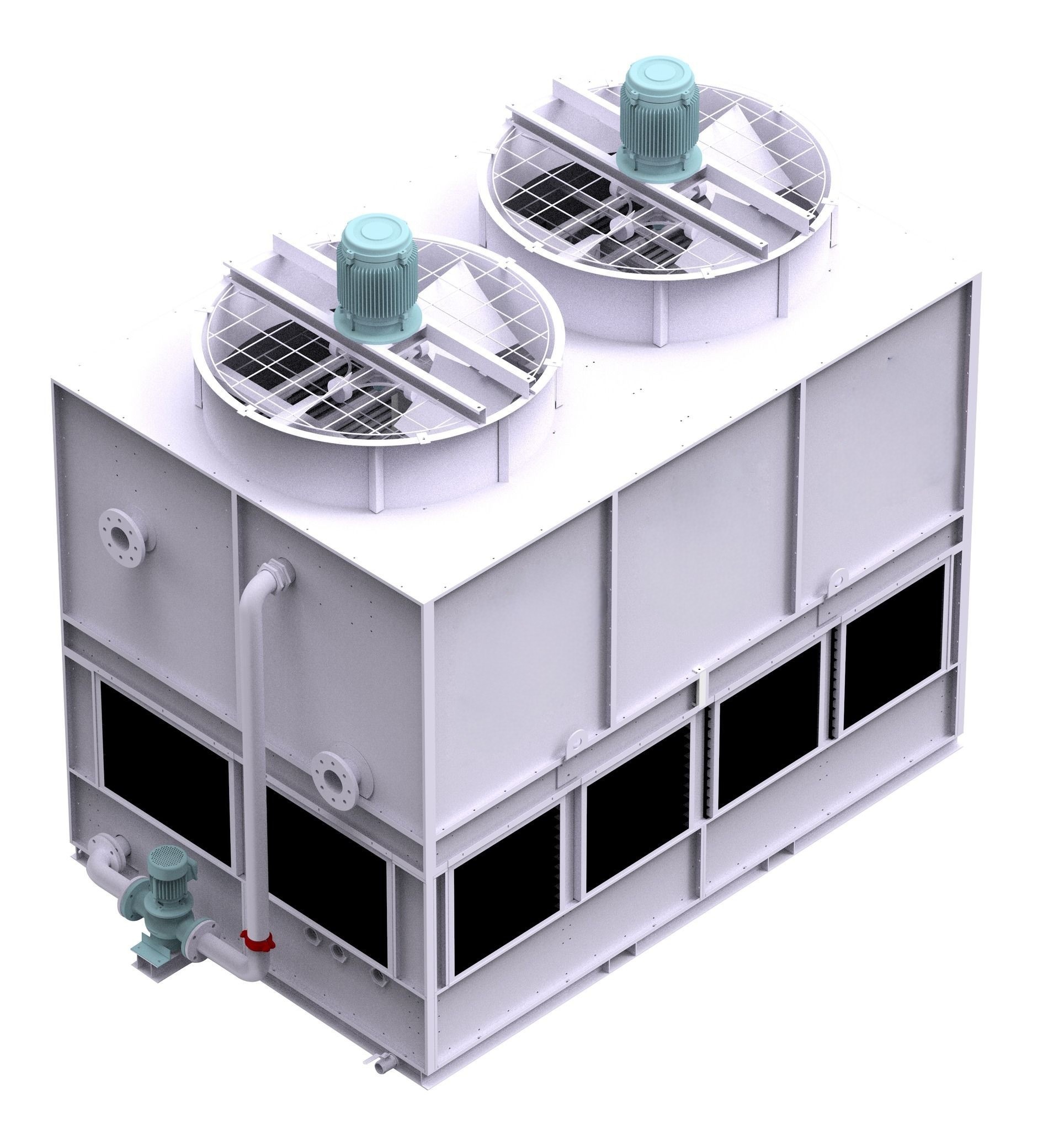
Closed circuit cooling towers, also known as evaporative fluid coolers, keep the system clean and contaminant-free in a closed loop. This creates two separate fluid circuits: (1) an external circuit, in which spray water circulates over the coil and mixes with the outside air, and (2) an internal circuit, in which the process fluid to […]
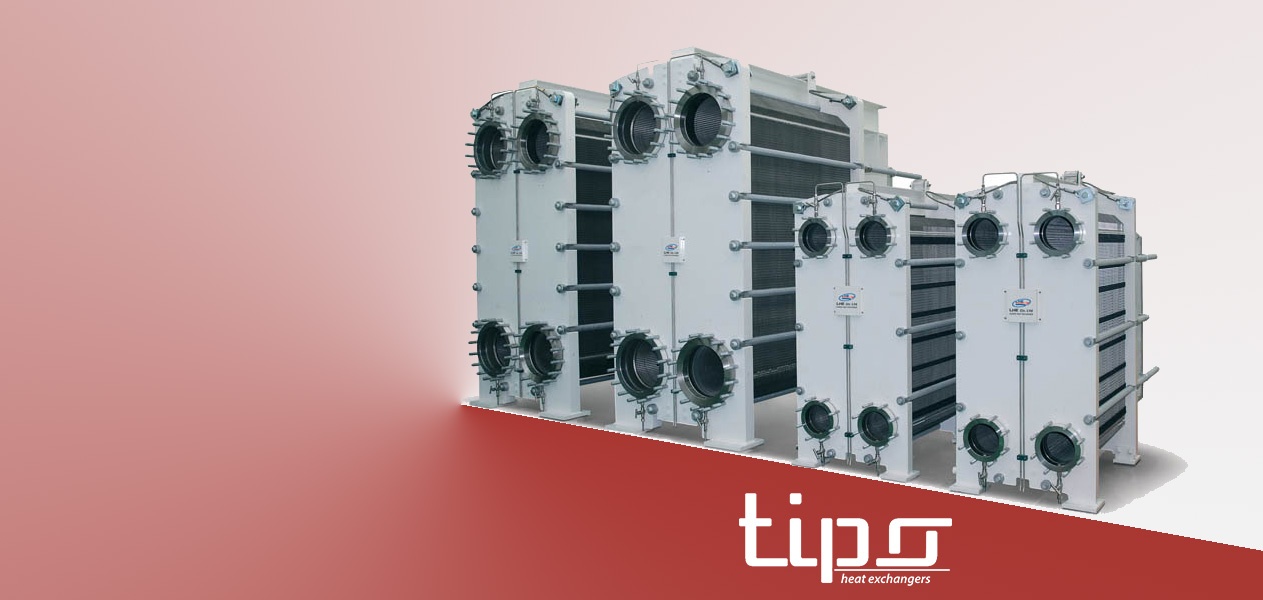
All plate heat exchangers look similar on the outside. The difference lies on the inside, in the details of the plate design and the sealing technologies used. Hence, when evaluating a plate heat exchanger, it is very important not only to explore the details of the product being supplied but also to analyze the level […]
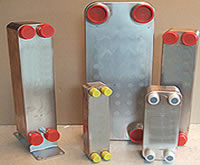
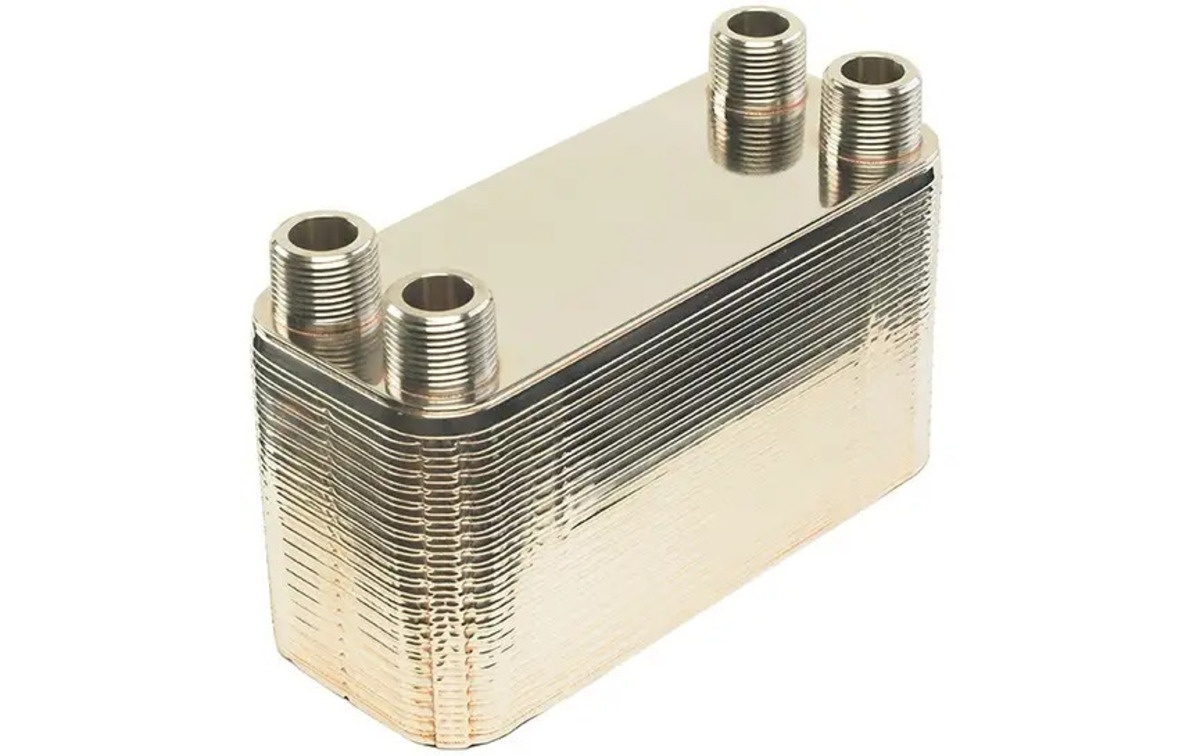
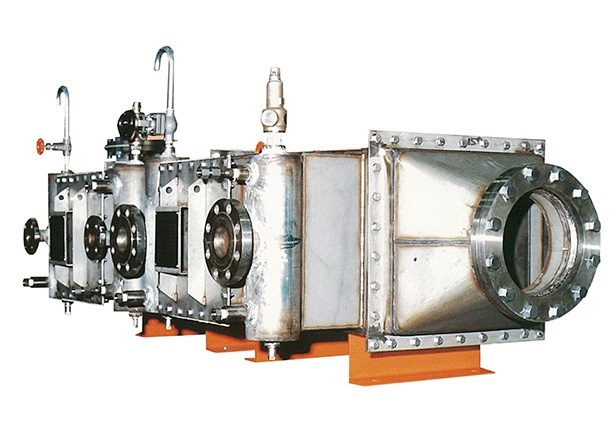
The plate heat exchanger (PHE) is a specialized design well suited to transferring heat between medium- and low-pressure fluids. Welded, semi-welded and brazed heat exchangers are used for heat exchange between high-pressure fluids or where a more compact product is required. In place of a pipe passing through a chamber, there are instead two...
A plate heat exchanger is a type of heat exchanger that uses metal plates to transfer heat between two fluids. This has a major advantage over a conventional heat exchanger in that the fluids are exposed to a much larger surface area because the fluids are spread out over the plates. This facilitates the transfer […]
Heat exchangers are used in various applications, including: HVAC systems: Heating and cooling buildings. Power plants: Cooling turbines and condensers. Industrial processes: Heating or cooling liquids and gases. Automotive industry: Cooling engines and transmissions. Types of Heat Exchangers: There are various types of heat exchangers, including:...
The plate heat exchanger (PHE) is a specialized design well suited to transferring heat between medium- and low-pressure fluids. Welded, semi-welded and brazed heat exchangers are used for heat exchange between high-pressure fluids or where a more compact product is required A heat exchanger transfers thermal energy from a hotter fluid to a cooler...
Design calculations of a plate heat exchanger include flow distribution and pressure drop and heat transfer. The former is an issue of Flow distribution in manifolds.[3] A layout configuration of plate heat exchanger can be usually simplified into a manifold system with two manifold headers for dividing and combining fluids, which can be...
To achieve improvement in PHEs, two important factors have to be considered, namely the amount of heat transfer and pressure drop, such that the amount of heat transfer needs to be increased and pressure drops need to be decreased. In plate heat exchangers, due to the presence of corrugated plate, there is a significant resistance […]
All plate heat exchangers look similar on the outside. The difference lies on the inside, in the details of the plate design and the sealing technologies used. Hence, when evaluating a plate heat exchanger, it is very important not only to explore the details of the product being supplied but also to analyze the level […]
The plate heat exchanger (PHE) is a specialized design well suited to transferring heat between medium- and low-pressure fluids. Welded, semi-welded and brazed heat exchangers are used for heat exchange between high-pressure fluids or where a more compact product is required. In place of a pipe passing through a chamber, there are instead two...
1 A plate heat exchanger is a type of heat exchanger that uses metal plates to transfer heat between two fluids. This has a major advantage over a conventional heat exchanger in that the fluids are exposed to a much larger surface area because the fluids are spread out over the plates. This facilitates the […]
Heat exchangers are used in various applications, including: HVAC systems: Heating and cooling buildings. Power plants: Cooling turbines and condensers. Industrial processes: Heating or cooling liquids and gases. Automotive industry: Cooling engines and transmissions. Types of Heat Exchangers: There are various types of heat exchangers, including:...
The plate heat exchanger (PHE) is a specialized design well suited to transferring heat between medium- and low-pressure fluids. Welded, semi-welded and brazed heat exchangers are used for heat exchange between high-pressure fluids or where a more compact product is required A heat exchanger transfers thermal energy from a hotter fluid to a cooler...
Design calculations of a plate heat exchanger include flow distribution and pressure drop and heat transfer. The former is an issue of Flow distribution in manifolds.[3] A layout configuration of plate heat exchanger can be usually simplified into a manifold system with two manifold headers for dividing and combining fluids, which can be...
To achieve improvement in PHEs, two important factors have to be considered, namely the amount of heat transfer and pressure drop, such that the amount of heat transfer needs to be increased and pressure drops need to be decreased. In plate heat exchangers, due to the presence of corrugated plate, there is a significant resistance […]
All plate heat exchangers look similar on the outside. The difference lies on the inside, in the details of the plate design and the sealing technologies used. Hence, when evaluating a plate heat exchanger, it is very important not only to explore the details of the product being supplied but also to analyze the level […]
The plate heat exchanger (PHE) is a specialized design well suited to transferring heat between medium- and low-pressure fluids. Welded, semi-welded and brazed heat exchangers are used for heat exchange between high-pressure fluids or where a more compact product is required. In place of a pipe passing through a chamber, there are instead two...
A plate heat exchanger is a type of heat exchanger that uses metal plates to transfer heat between two fluids. This has a major advantage over a conventional heat exchanger in that the fluids are exposed to a much larger surface area because the fluids are spread out over the plates. This facilitates the transfer […]
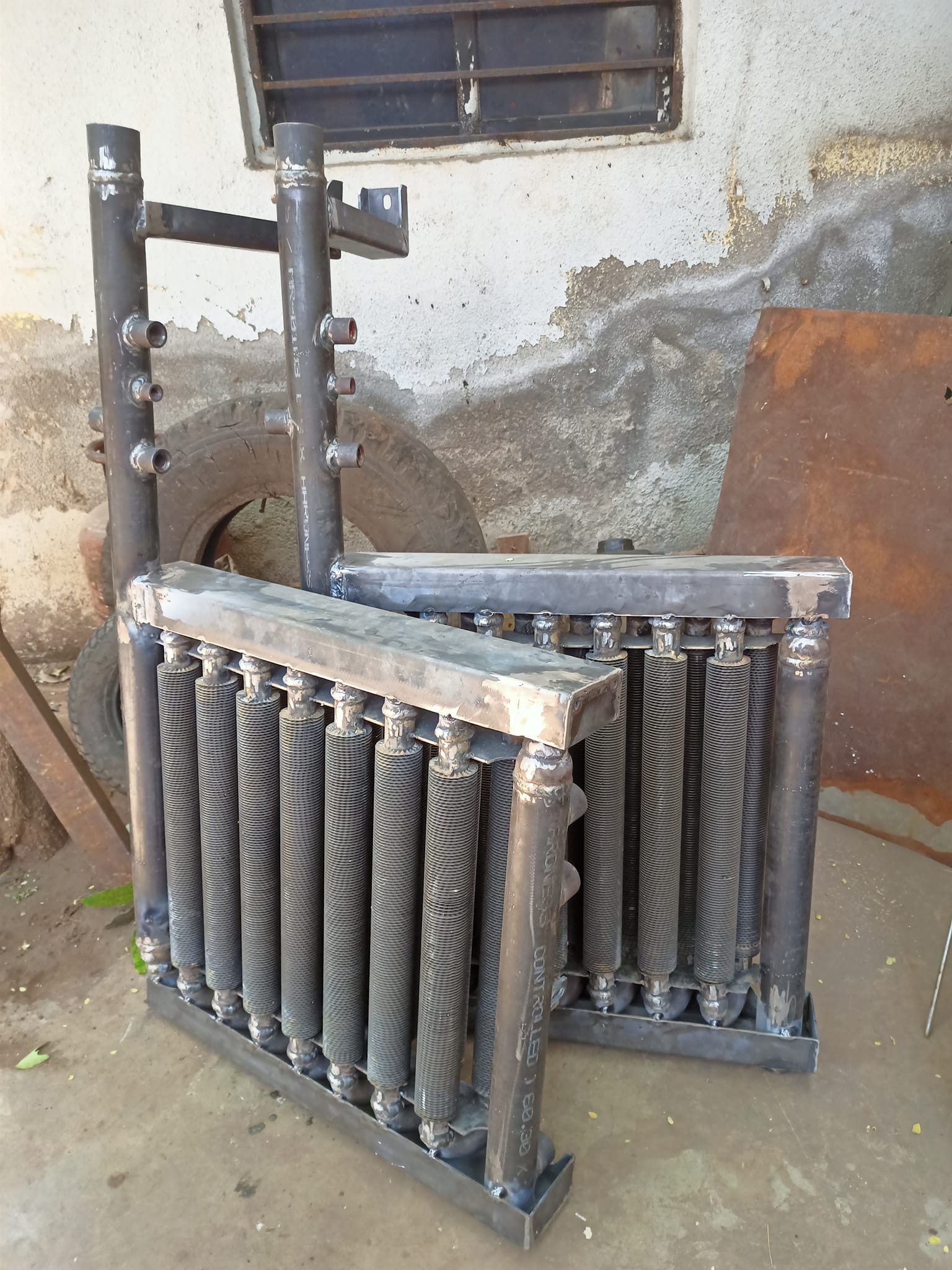
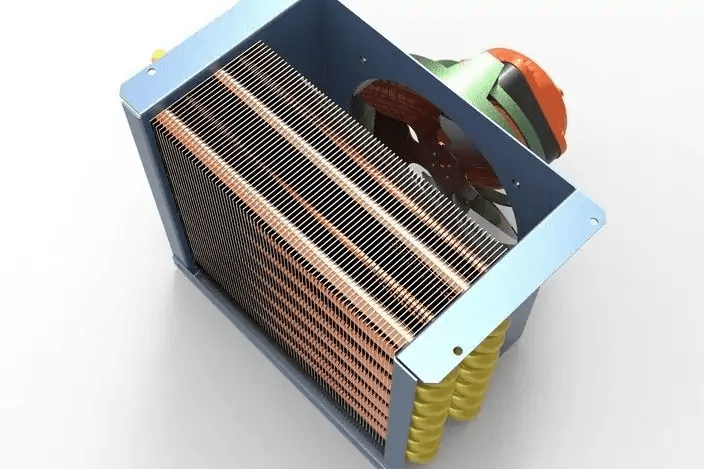
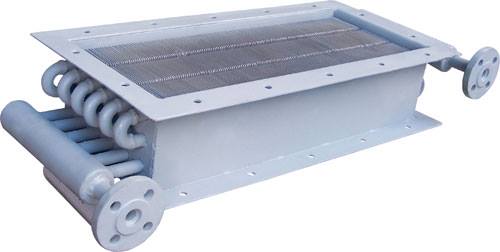
Application of Finned Tubed in Industries Finned tubes heat exchangers can be applied in various household as well as industrial machineries. Car radiator also used finned tube heat exchangers which cools the hot water in the tubes when air passes through it. This is a crossflow process. For industrial purposes, finned tube heat exchangers are...
Advantages of Finned Tube Heat Exchangers: The fins significantly increase the surface area for heat transfer. Finned tubes can achieve higher heat transfer rates within a smaller volume. Cost-Effective They can reduce the number of tubes needed, making the equipment more cost-efficient. They can be made with materials that withstand...
Finned tube heat exchangers are versatile components with a wide range of applications across various industries, primarily due to their ability to enhance heat transfer efficiency. They are used in HVAC systems, power generation, refrigeration, oil and gas, and more. 1. HVAC Systems: Finned tube heat exchangers are crucial for...
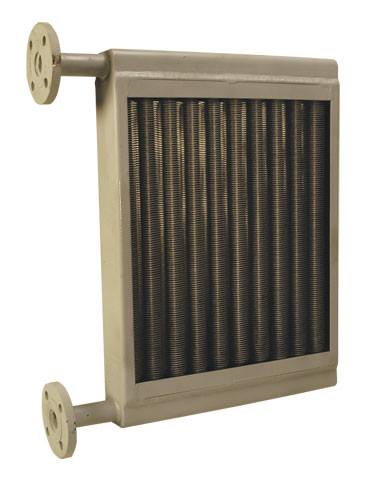
For heat exchange between a medium transporting heat well (e.g. liquid, liquid with phase transition) and a medium transporting heat poorly (e.g. gas with a low density), finned tube heat exchangers are often used. The heat-exchanging surface on the side of the medium transporting heat poorly is enlarged by an arrangement of fins. The external...
The analysis of heat transfer from finned surfaces involves solving second-order differential equations and is often a subject of researches including also the variable heat transfer coefficient as a function of temperature or the fin geometrical dimensions. To analyse the heat transfer problem, a set of assumptions is introduced so that the...
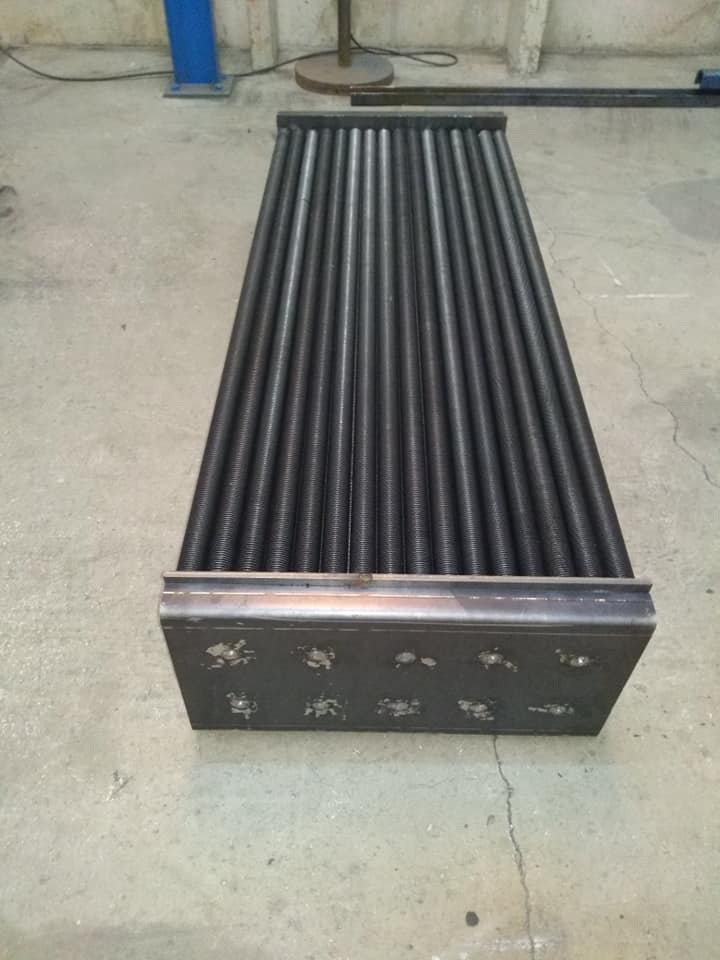
High Frequency Welded Fin Tube (Continuously Welded Spiral Fin Tube):- As the name suggests, in this type of Fin Tube the finning is a Spirally Wound. The fins are manufactured by Spirally Winding the fin around the Base Tube and Pipe. During the winding the fin is Continuously Welded by High Frequency welding giving the […]
Crimped Fin Tube (Spiral Tension wound Fin Tube): The Crimped fin tubes also known as spirally tension wound finned tubes is a very widely used finned Tube type for a various number of applications. As the name suggests the manufacturing of Crimped Finned Tube (Spiral Tension wound Fin Tube) is done by Tension winding of […]
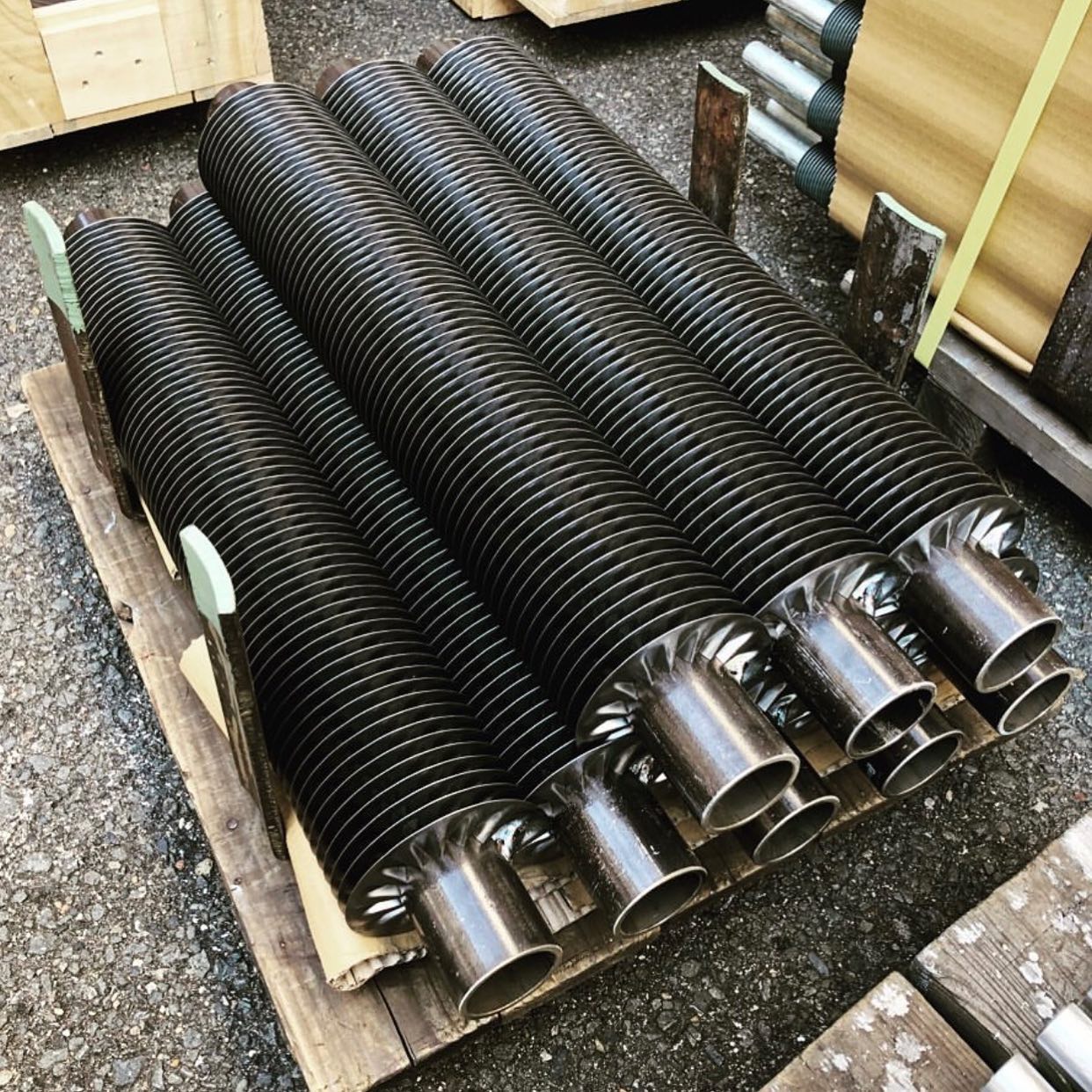
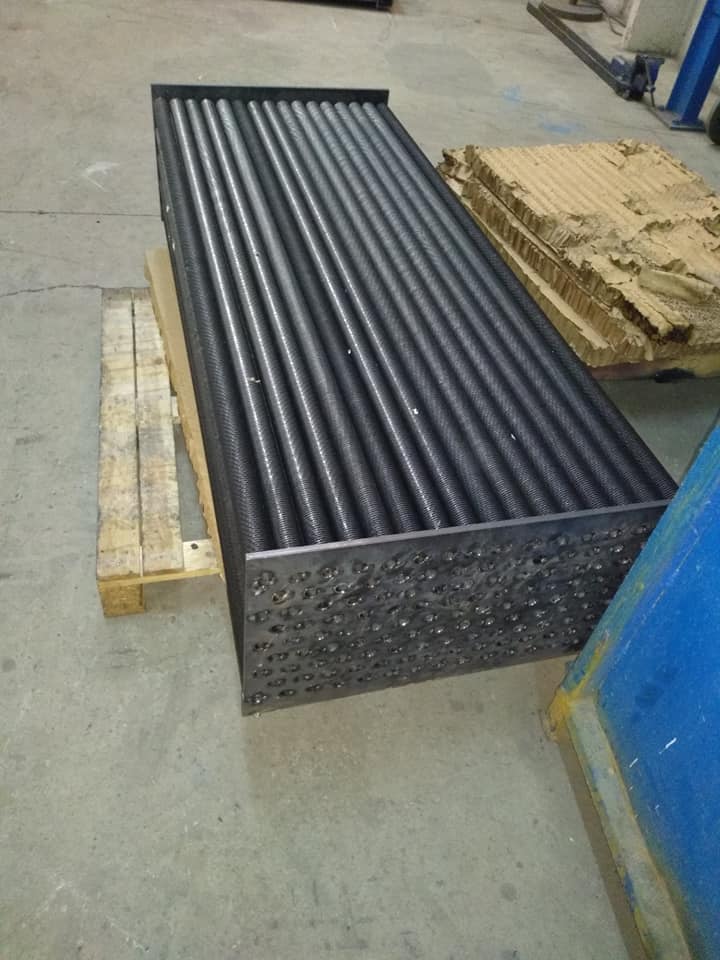
Fin Tubes (Finned Tubes) are mainly Heat Exchanger tubes used to transfer the process heat. The Finned Tubes are essentially Tubes with increased surface area. The amount of heat transferred from a particular surface is directly correlated to the surface area available for the heat to transfer. Hence, increasing the heat transfer area as...
Applications Finned tube heat exchangers suitable for most industries and applications. Whilst each design incorporates components of the highest quality, they are integrated into unique products – from small batches to significant manufacturing runs. Extended surfaces are often incorporated into heat exchangers since thermal performance on each...
Benefits of finned tubes Reduced foulingOur expertise of vortex clean air technology reduces pressure loss and fin fouling. This means lower maintenance costs and reduced energy consumption
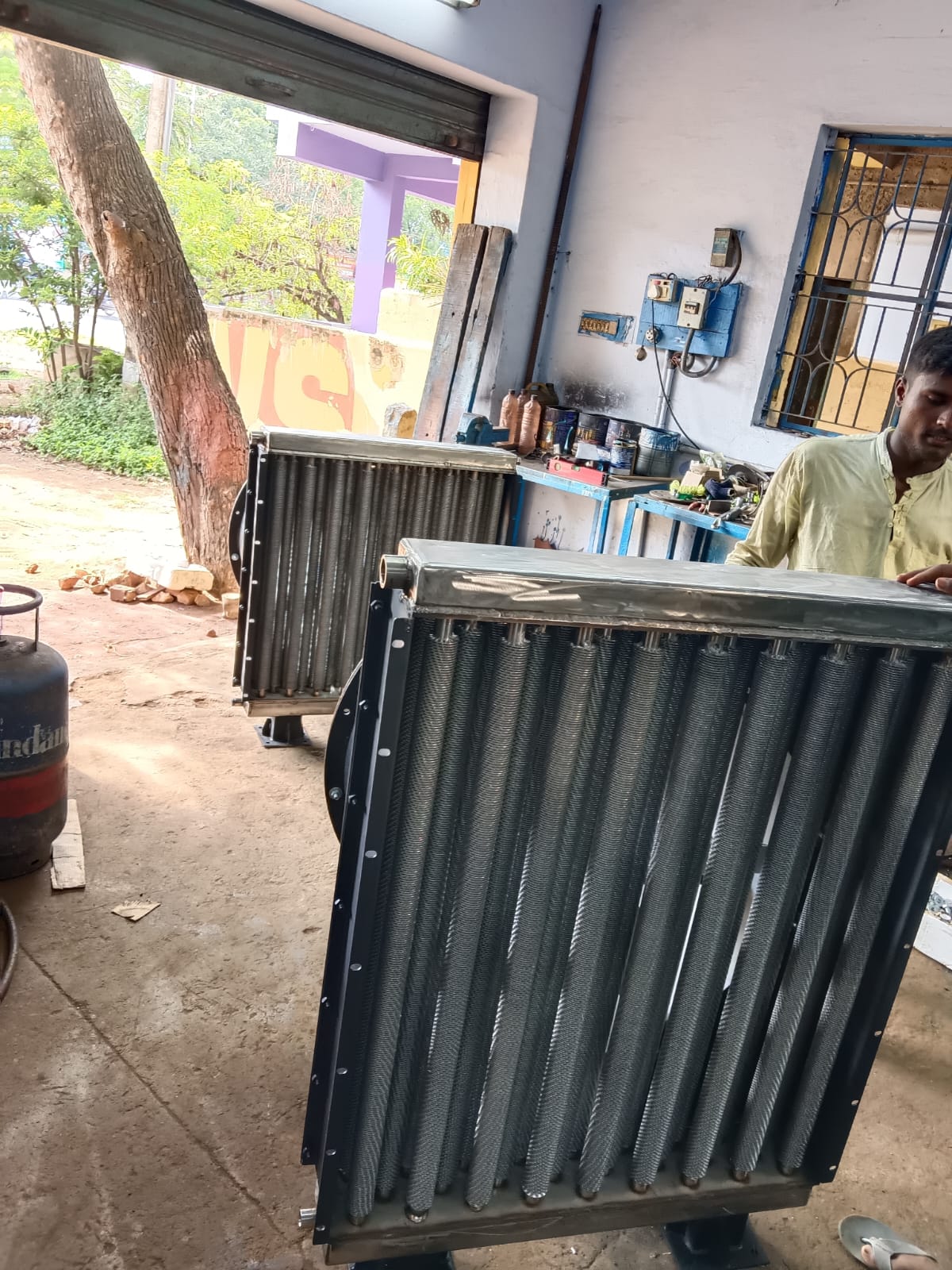
Finned Tube Heat Exchangers consist of a shell & finned tubes assembly. Fins are used to increase the effective surface area of heat exchanger tubing. Finned tubes are used when the heat transfer coefficient on the outside of the tubes is appreciably lower than that on the inside; as in heat transfer from a liquid to a gas, vapor […]
What Are Finned Tubes? Finned tubes are elongated flat tubes that are made of aluminum cladded carbon steel and are provided with brazed aluminum fins. These tubes are used in a series in heat exchangers. The advantage they offer over ordinary tubes is that the fins offer greater contact with the liquid outside. This quickens the...
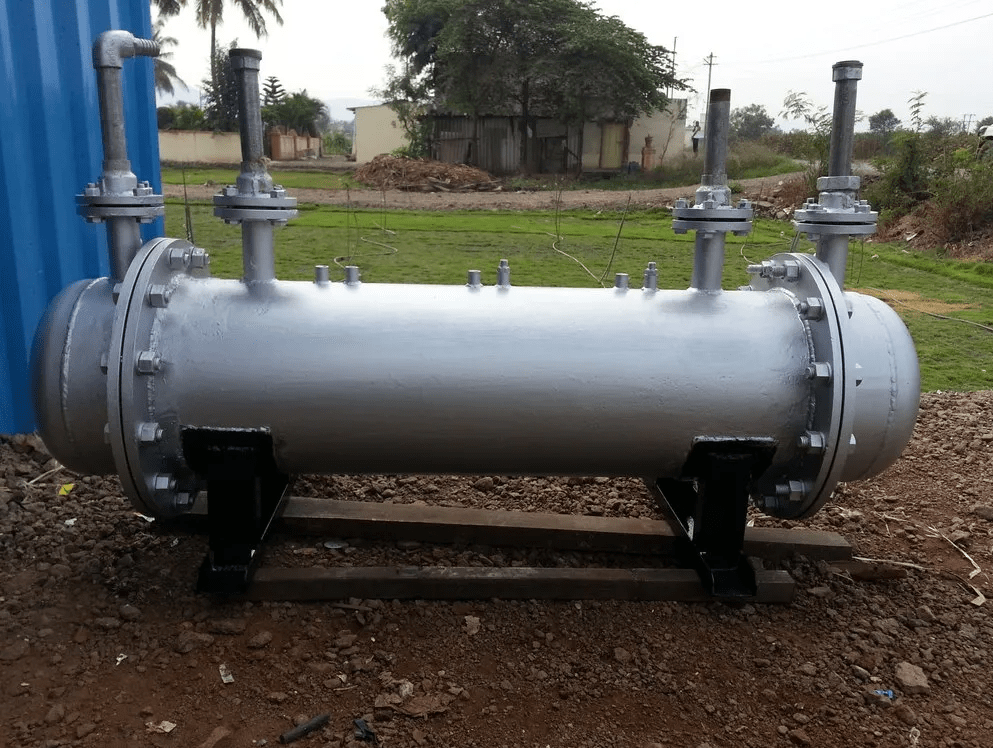
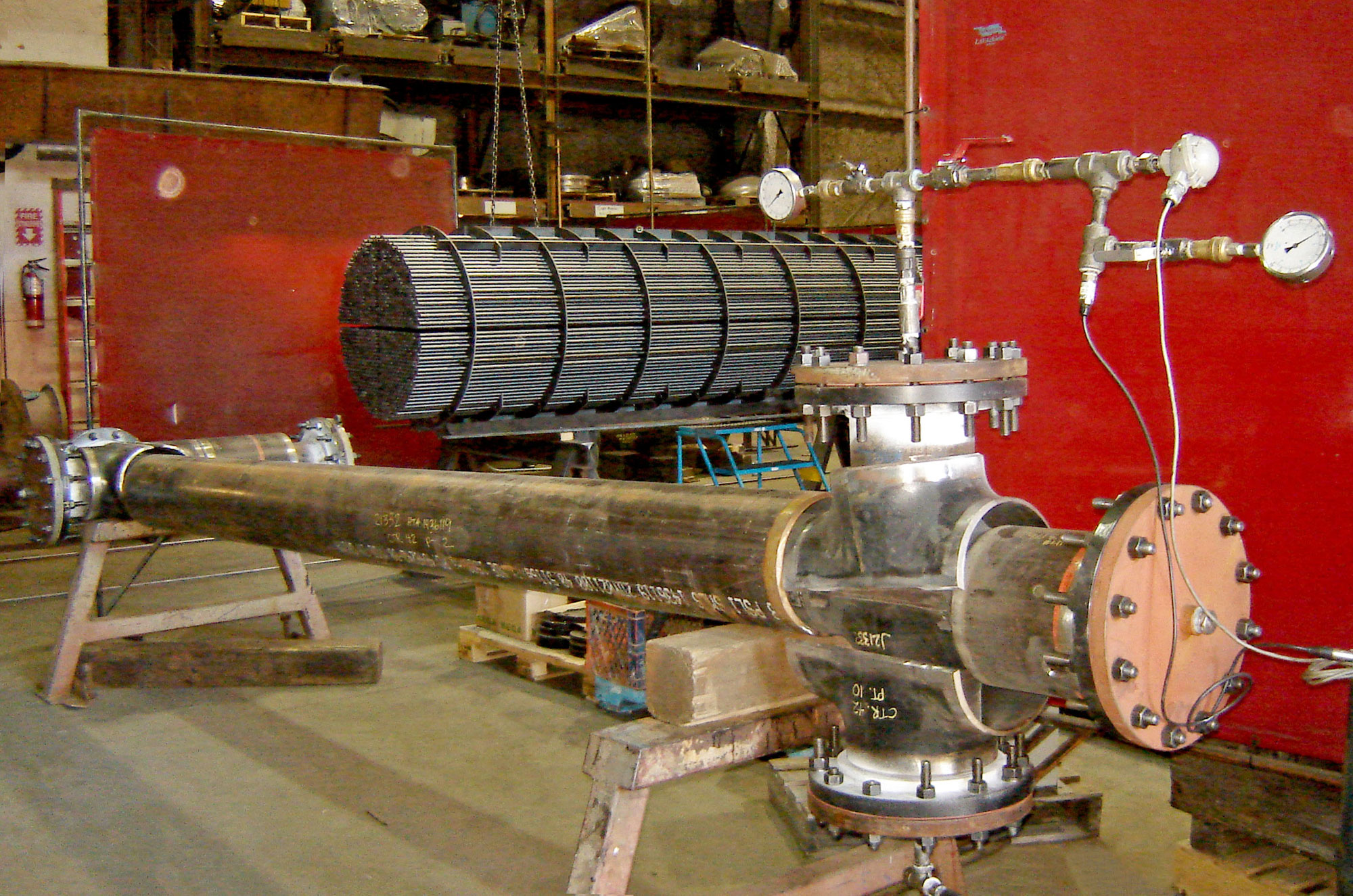
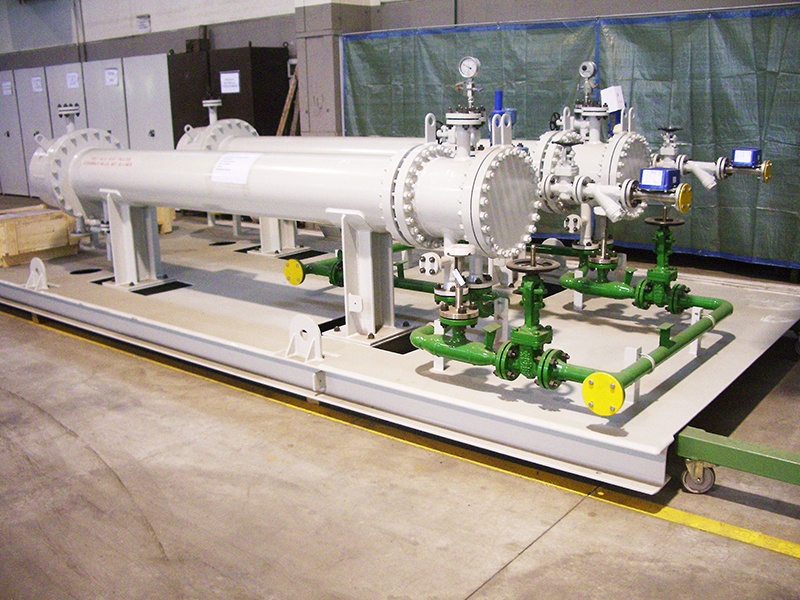
. Double-pipe heat exchanger When one fluid flows through the smaller pipe, the other flows through the annular gap between the two pipes. These flows may be parallel or counter-flows in a double pipe heat exchanger. (a) Parallel flow, where both hot and cold liquids enter the heat exchanger from the same side, flow in […]
By maximum operating temperature, heat exchangers can be divided into low-temperature and high-temperature ones. The former work up to 500–650°C depending on the industry and generally don’t require special design and material considerations. The latter work up to 1000 or even 1400°C.[4][5][6] Double pipe heat exchangers are the simplest...
heat exchangers are designed to maximize the surface area of the wall between the two fluids, while minimizing resistance to fluid flow through the exchanger. The exchanger’s performance can also be affected by the addition of fins or corrugations in one or both directions, which increase surface area and may channel fluid flow or...
There are three primary classifications of heat exchangers according to their flow arrangement. In parallel-flow heat exchangers, the two fluids enter the exchanger at the same end, and travel in parallel to one another to the other side. In counter-flow heat exchangers the fluids enter the exchanger from opposite ends. The counter current...
A heat exchanger is a system used to transfer heat between a source and a working fluid. Heat exchangers are used in both cooling and heating processes.[1] The fluids may be separated by a solid wall to prevent mixing or they may be in direct contact.[2] They are widely used in space heating, refrigeration, air conditioning, power...
A plate heat exchanger functions as a specialized device for transferring thermal energy between two fluid streams using a series of metal plates. One of its primary advantages over traditional heat exchangers lies in the substantial increase in surface area for heat exchange, achieved by spreading the fluids across these plates. This...
Plate heat exchanger is composed of several key parts, including plates, gaskets, a frame, and inlet/outlet ports. The plates are thin, corrugated metal sheets that facilitate heat transfer between two fluids. Gaskets seal the space between plates, preventing leaks and directing fluid flow. The Plates: These are the core components where heat...
Cooling System Design Requirements The primary purpose of the engine cooling system is to reject heat from the jacket water coolant and auxiliary circuit if equipped, at greatest engine load, highest ambient temperature, and altitude. This section will outline the proper methods to be used for cooling system sizing. Heat Rejection Before a cooling...