Blog

Cooling Tower Manufacturer in Yemen

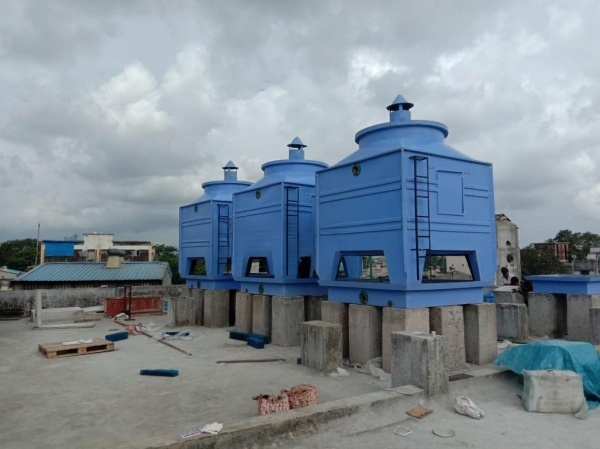
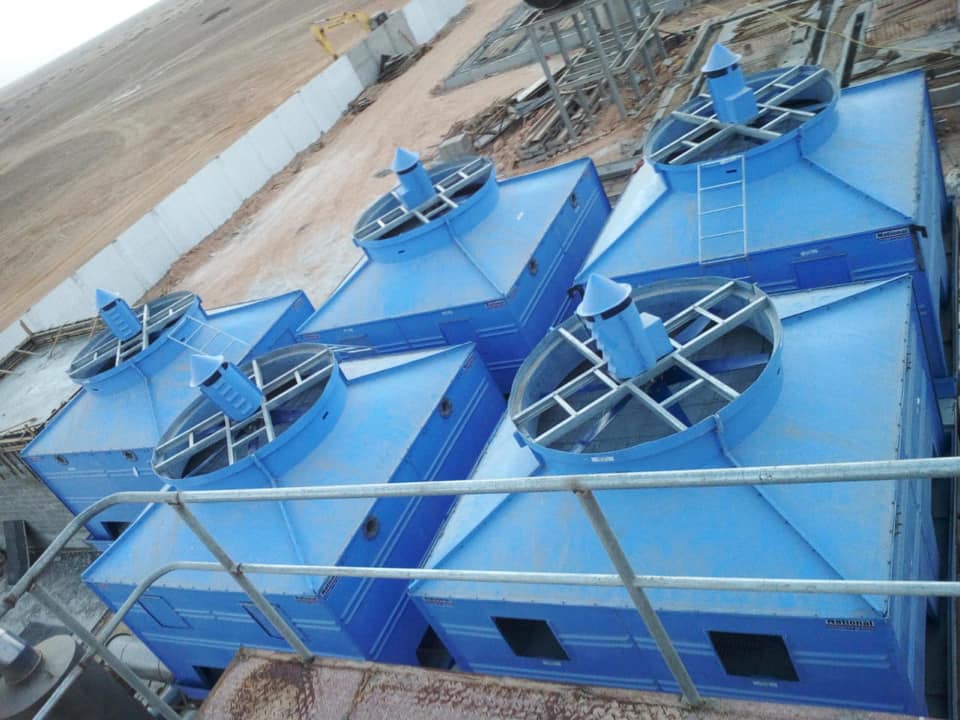
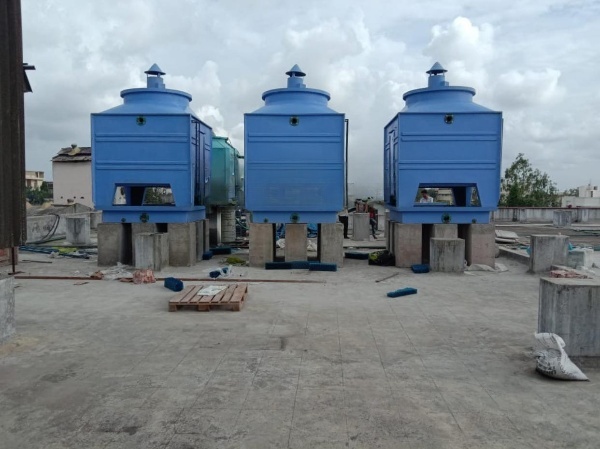
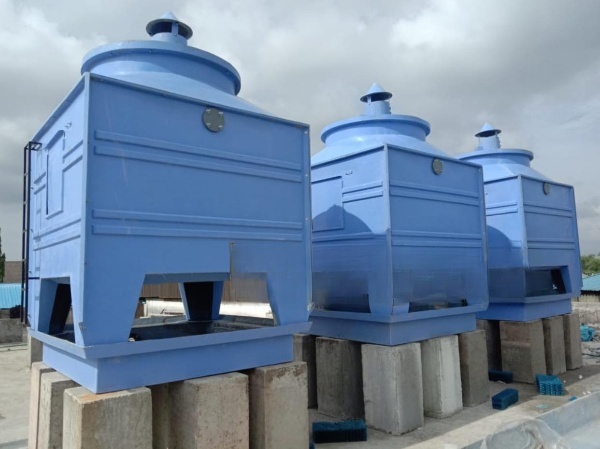
Induced Draft Cooling Tower An Induced Draft Cooling Tower is a mechanical draft cooling tower in which the fan is placed at the top of the tower. The fan pulls (induces) air upward through the fill and discharges it into the atmosphere at a high velocity. It is the most commonly used cooling tower type […]
Cooling Tower Manufacturer in Qatar

Fan less Cooling Tower A fan less cooling tower is a type of cooling tower that does not use mechanical fans for air circulation. Instead, it relies on the natural air movement created by the temperature difference between hot water and ambient air. It is sometimes also called a natural draft / induced air circulation […]

Cooling Tower Manufacturer in Oman

Working Principle of Natural Draft Cooling Tower The natural draft cooling tower works on the principle of natural convection (chimney effect) and evaporative cooling. Step-by-Step Process:

Cooling Tower Manufacturer in Kuwait

Natural Draft Cooling Tower A natural draft cooling tower is a type of cooling tower that relies on the natural convection of air (without fans) to circulate air through the tower for cooling. Working Principle  Features Advantages

Cooling Tower Manufacturer in Jordan

Types of Mechanical Draft Cooling Towers 1. Forced Draft Cooling Tower 2. Induced Draft Cooling Tower Based on Airflow Arrangement:

Cooling Tower Manufacturer in Djibouti

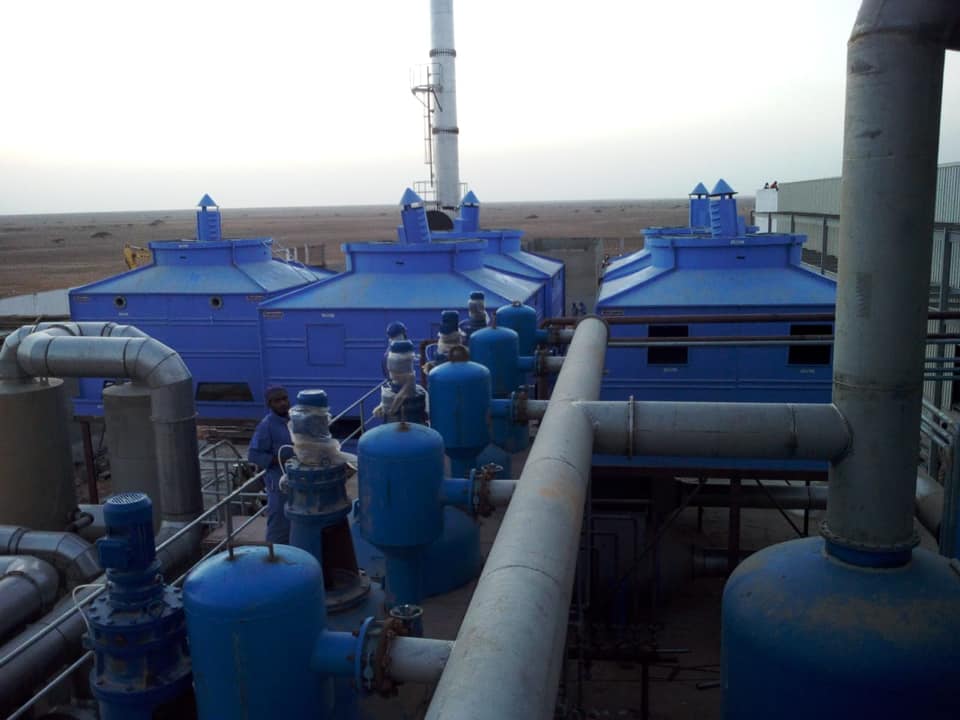
Mechanical Draft Cooling Tower A mechanical draft cooling tower is a type of cooling tower where airflow is produced by fans (mechanical means), instead of relying on natural convection like in natural draft towers. Working Principle Types of Mechanical Draft Towers  Advantages

Cooling Tower Manufacturer in Bahrain

Types of Water Loss in a Cooling Tower E≈0.001×C×ΔTE \approx 0.001 \times C \times \Delta TE≈0.001×C×ΔT where: B=E(CoC−1)B = \frac{E}{(CoC – 1)}B=(CoC−1)E​ Total Water Loss Total Loss=E+D+B+(Misc. Losses)\text{Total Loss} = E + D + B + \text{(Misc. Losses)}Total Loss=E+D+B+(Misc. Losses) Summary: Other...

Cooling Tower Manufacturer in Egypt

Main Parts of a Cooling Tower

Cooling Tower Manufacturer in Saudi Arabia

Applications of Cooling Towers 1. Power Generation 2. HVAC Systems (Heating, Ventilation, Air Conditioning) They cool water in chiller systems, which helps maintain indoor comfort by 3. Industrial Applications 4. Renewable & Data Centers 5. District Cooling Systems

Cooling Tower Manufacturer in United Arab Emirates

Working Principle of a Cooling Tower The cooling tower works on the principle of heat transfer through evaporation (and partly convection). Step-by-Step Working:

Cooling Tower Manufacturer in India

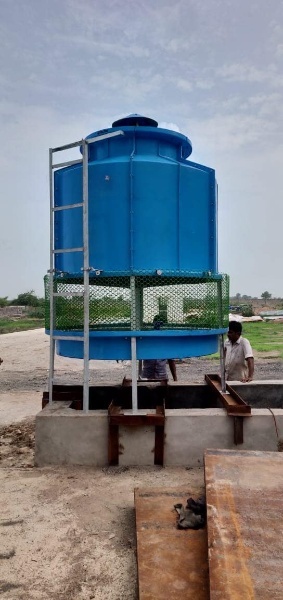
What is cooling tower? A cooling tower is a heat rejection device that removes waste heat from water (or another process fluid) by transferring it to the atmosphere, usually through evaporation. In simple terms: Types of Cooling Towers: Applications:

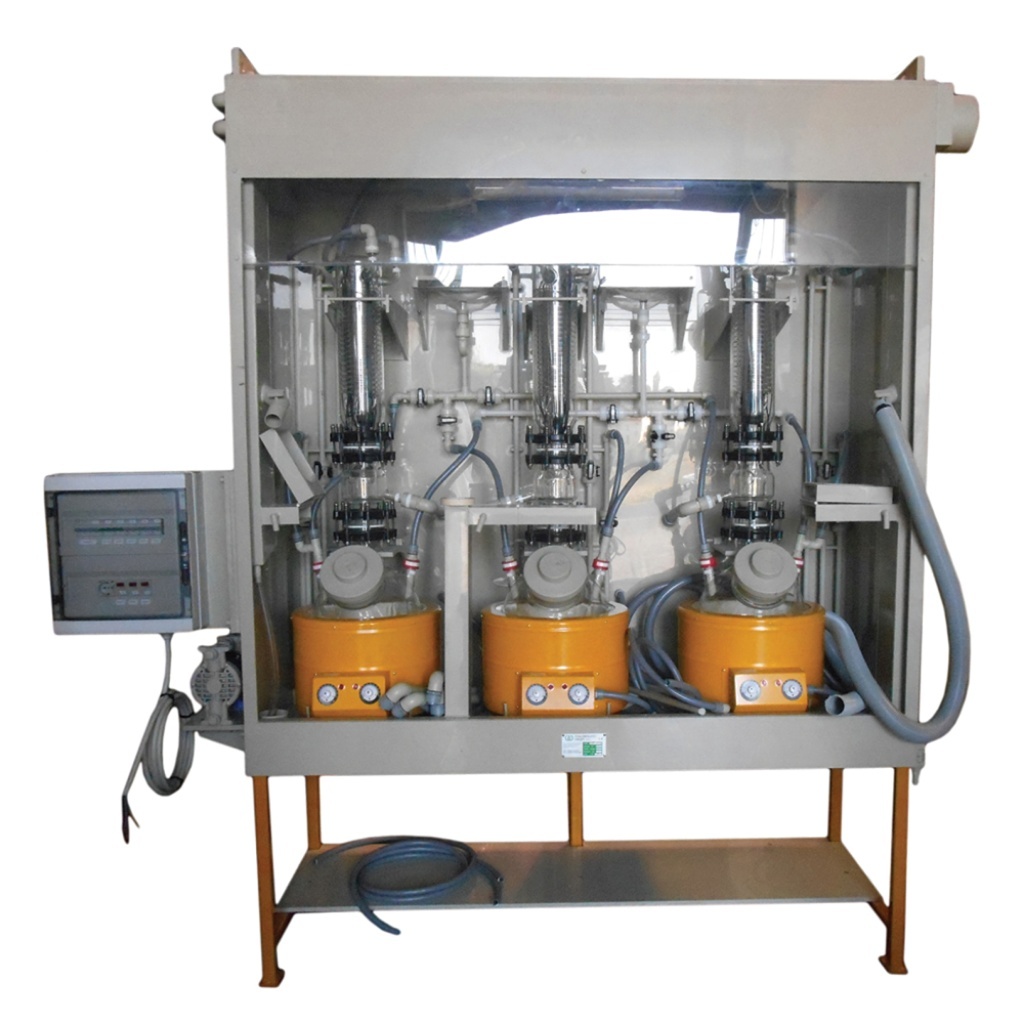
Aqua Regia Heat Exchanger Manufacturer in Oman

Aqua Regia is one of the most aggressive and corrosive chemical mixtures, widely used in laboratories and industries for dissolving noble metals like gold and platinum. Designing a heat exchanger that can withstand the extreme corrosive nature of Aqua Regia requires careful consideration of material selection, construction techniques, and...

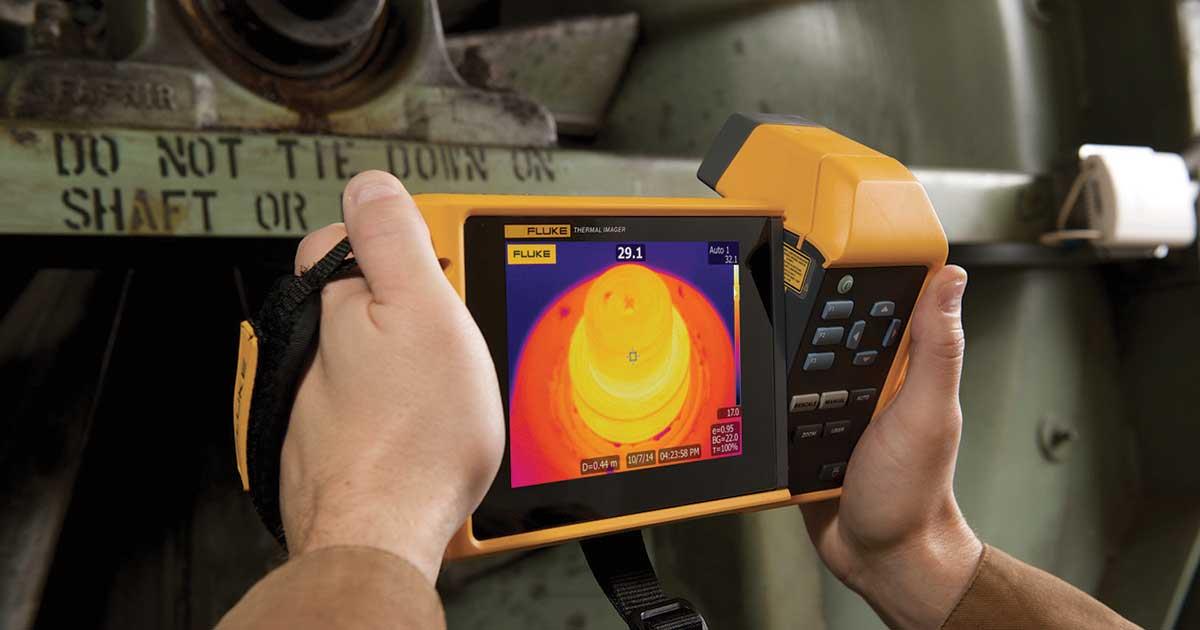
Infrared Thermography in Heat Exchanger Manufacturer in Qatar

Infrared thermography has become a game-changing tool in the inspection and maintenance of heat exchangers. This non-contact technique uses infrared cameras to detect temperature variations across the exchanger surface, allowing engineers to identify hot spots, fouling, scaling, and potential leaks without shutting down the system. It provides a...

Lube Oil Cooler Manufacturer in Qatar

Applications of Lube Oil Cooler A lube oil cooler is a vital component used in various mechanical systems to maintain the optimal temperature and viscosity of lubricating oil. It’s essential for the protection, performance, and longevity of machines with moving parts. Here are the main applications of lube oil coolers:  1. Internal...

Lube Oil Cooler Manufacturer in Egypt

lube oil cooler vs hydraulic oil cooler? 1. Purpose & Function Feature Lube Oil Cooler Hydraulic Oil Cooler Primary Function Cools lubricating oil used to reduce friction in engines, gearboxes, turbines, etc. Cools hydraulic fluid used to transfer power in hydraulic systems System Focus Protects mechanical components from wear and overheating...

Lube Oil Cooler Manufacturer in Bahrain

Which One is Best? There’s no one-size-fits-all answer, but:

Lube Oil Cooler Manufacturer in Kuwait

Air Cooled lube oil cooler or Water Cooled lube oil cooler, Which one is best ? choosing between an air-cooled and a water-cooled lube oil cooler depends on several factors, including application, environment, space, cooling requirements, and availability of cooling resources. Let’s break it down to help you decide which is best for your specific...

Lube Oil Cooler Manufacturer in Yemen

Benefits of using Lube Oil Cooler in Gearboxes? Using a lube oil cooler in gearboxes provides several key benefits, especially in high-power, high-load, or continuous-operation systems. Gearboxes generate significant heat during operation due to friction between gears, and cooling the lubricating oil is crucial to maintain system reliability and...

Lube Oil Cooler Manufacturer in Saudi Arabia

Benefits of using Lube Oil Cooler in Internal combustion engines Using a lube oil cooler in internal combustion engines offers several important benefits that enhance engine performance, reliability, and lifespan. Here’s a breakdown: 1. Maintains Optimal Oil Temperature 2. Reduces Engine Component Wear 3. Increases Lubricating Oil Life 4....

Lube Oil Cooler Manufacturer in United Arab Emirates

Applications of Lube Oil Cooler Gearboxes

Lube Oil Cooler Manufacturer in India

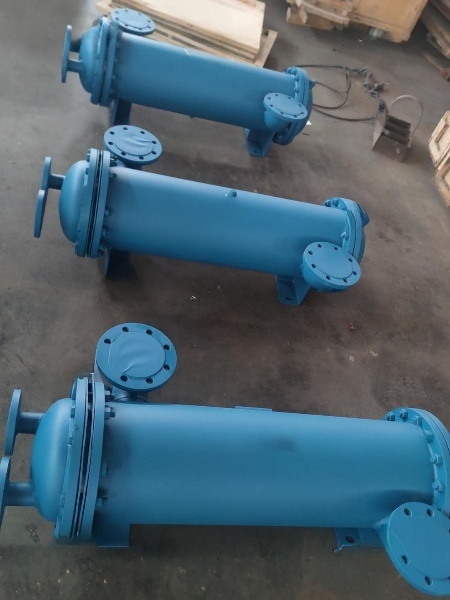
What is meant by Lube Oil Cooler? A lube oil cooler (lubricating oil cooler) is a heat exchanger used to cool the lubricating oil in engines, turbines, compressors, and other rotating machinery. Purpose: Lubricating oil absorbs heat during operation as it reduces friction between moving parts. If the oil gets too hot, it can lose […]
Oil Cooler Manufacturer in Tunisia

Effect of Ambient Temperature on Air-Cooled Oil Coolers Ambient (surrounding) air temperature significantly impacts the cooling efficiency, oil temperature stability, and overall performance of air-cooled oil coolers. Below is a detailed breakdown of its effects: 1. Cooling Efficiency & Heat Dissipation ◉ In Cool/Moderate...

Oil Cooler Manufacturer in Ghana

When to Choose an Air-Cooled Oil Cooler Over a Water-Cooled One? The choice between air-cooled and water-cooled (liquid-cooled) oil coolers depends on the application, environment, and performance needs. Below are key scenarios where air-cooled oil coolers are the better choice: 1. When Weight and Simplicity Are Critical...

Oil Cooler Manufacturer in Zambia

Advantages of Air-Cooled Oil Coolers Air-cooled oil coolers are widely preferred in various industries due to their simplicity, reliability, and efficiency. Below are the key advantages: 1. No Coolant Required (Self-Contained System) 2. Lightweight & Compact Design 3. Lower Maintenance & Fewer Failure Points 4. Better Performance in...

Oil Cooler Manufacturer in Ethiopia

Applications of Air-Cooled Oil Coolers Air-cooled oil coolers are widely used in industries and vehicles where efficient oil temperature control is crucial. Below are the key applications categorized by sector: 1. Automotive & Transportation a) Passenger & Commercial Vehicles b) Motorcycles & ATVs c) Racing & Performance Vehicles 2....

Oil Cooler Manufacturer in Algeria

Materials used in air-cooled oil coolers are selected based on thermal conductivity, durability, weight, and corrosion resistance. Here’s a breakdown of the key components and their typical materials: . Core / Heat Exchanger a) Finned Tubes or Cooling Plates b) Fins c) Headers / Manifolds (Oil Flow Channels) 2. Housing / Frame 3. Inlet &...

Oil Cooler Manufacturer in Kenya

list of parts in a typical air-cooled oil cooler, along with their functions: 1. Core / Heat Exchanger Assembly 2. Housing / Frame 3. Inlet & Outlet Ports 4. Cooling Fan (Optional – in Forced-Air Systems) 5. Airflow Guide / Ducting (If Applicable) 6. Baffles / Flow Diverters (In Some Designs) 7. Thermal Bypass Valve (In Some...

Oil Cooler Manufacturer in Morocco

An air-cooled oil cooler is a heat exchanger designed to reduce the temperature of oil (engine oil, hydraulic oil, or transmission oil) using ambient air as the cooling medium. It is commonly used in automotive, industrial, and aerospace applications where liquid cooling is impractical. Working Principle: Key Components: Advantages: ◉...

Oil Cooler Manufacturer in Nigeria

When to Choose a Plate-Type Oil Cooler? A plate-type oil cooler is ideal for applications prioritizing compact size, high efficiency, and clean fluids. Here’s when to consider one: 1. Space Constraints (Compact Design Needed) ◉ Why? 2. High Efficiency (Rapid Heat Transfer) ◉ Why? 3. Clean, Low-Viscosity Oils...

Oil Cooler Manufacturer in South Africa

When to Choose a Shell and Tube Oil Cooler? A shell and tube oil cooler is ideal for specific applications where durability, high pressure, and harsh conditions are key factors. Here’s when you should consider one: 1. High-Pressure Applications (300+ psi) ◉ Why? 2. High-Temperature Environments ◉ Why? 3. Corrosive or Dirty...

Oil Cooler Manufacturer in Yemen

Air-Cooled Oil Cooler: Definition & Working Principle An air-cooled oil cooler is a heat exchanger that uses ambient air (instead of water) to cool hot oil in engines, hydraulic systems, and industrial machinery. It relies on finned tubes or plate-fin designs to maximize heat dissipation into the air. How...

Oil Cooler Manufacturer in Qatar

The Shell and Tube Oil Cooler is constructed using materials chosen for thermal conductivity, corrosion resistance, and mechanical strength. Here’s a breakdown of the typical materials of construction (MOC) for each component: 1. Shell (Outer Casing) 2. Tubes (Heat Transfer Surface) 3. Tube Sheets (Holds Tubes in Place)...

Oil Cooler Manufacturer in Oman

Oil coolers are essential for maintaining optimal temperatures in machinery and engines by dissipating excess heat from oil. Here’s a breakdown of their key applications across industries: 1. Automotive & Transportation 2. Industrial Machinery 3. Marine & Offshore 4. Power Generation 5. Aerospace & Defense 6. Renewable...

Oil Cooler Manufacturer in Kuwait

Shell and Tube Oil Coolers and Plate-Type Oil Coolers to help you choose the right one for your application: 1. Design & Construction Feature Shell and Tube Oil Cooler Plate-Type Oil Cooler Structure Cylindrical shell with tubes inside. Stacked corrugated plates with gaskets/brazing. Material Heavy-duty metals (steel, copper,...

Oil Cooler Manufacturer in Jordan

Plate-Type Oil Cooler A plate-type oil cooler is a compact, high-efficiency heat exchanger that cools oil (hydraulic, lubricating, or industrial oil) using water or coolant. It consists of multiple thin, corrugated metal plates stacked together, providing a large surface area for heat transfer. Working Principle Key Components...

Oil Cooler Manufacturer in Djibouti

Shell and Tube Oil Cooler – Detailed Overview A shell and tube oil cooler is a robust and widely used heat exchanger designed to cool oil (hydraulic oil, lubricating oil, or industrial process oil) using water as the coolant. It is highly efficient for high-pressure and high-temperature applications. Working Principle Key Components...

Oil Cooler Manufacturer in Bahrain

Water-cooled oil coolers come in different designs, each suited for specific applications based on efficiency, space constraints, pressure requirements, and maintenance needs. Here are the main types: 1. Shell and Tube Oil Cooler . Plate-Type Oil Cooler

Oil Cooler Manufacturer in Egypt

The water-cooled oil cooler is a heat exchanger designed to cool hot oil using water as the cooling medium. Its working principle is based on heat transfer from the hot oil to the cooler water through a conductive barrier (typically metal tubes or plates). Here’s a step-by-step breakdown: Working Principle: The oil and water...

Oil Cooler Manufacturer in Saudi Arabia

What is a Water-Cooled Oil Cooler? A water-cooled oil cooler is a type of heat exchanger that uses engine coolant (water mixed with antifreeze) to remove heat from oil. It’s designed to keep the oil temperature within safe limits in systems like engines, transmissions, or hydraulic units. ◉ How It Works: 🧰 Common Applications: ◉...

Oil Cooler Manufacturer in United Arab Emirates

Oil coolers come in various types depending on their design, cooling method, and application. Here’s a breakdown of the main types of oil coolers: ◉ Types of Oil Coolers 1. Air-Cooled Oil Cooler ◉ Example: Oil cooler mounted in front of a car radiator or on the side of a motorcycle engine. 2. Water-Cooled (Liquid-Cooled) […]
Oil Cooler Manufacturer in India

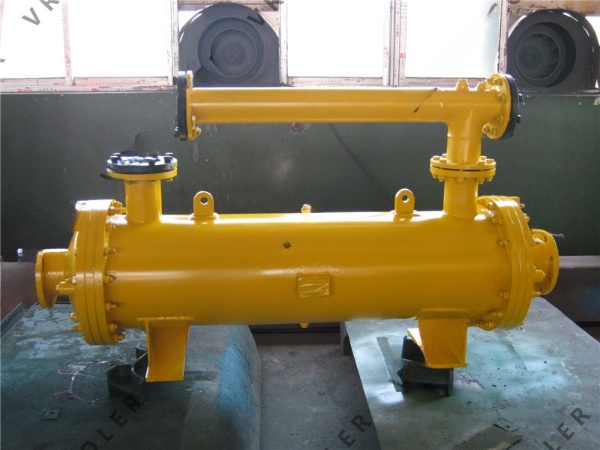
An oil cooler is a mechanical device used to cool down engine oil or hydraulic oil. It acts like a small radiator and helps maintain the oil at an optimal temperature, especially in engines, transmissions, or hydraulic systems that generate a lot of heat. ◉ Purpose of an Oil Cooler: 🛠️ Where Oil Coolers Are […]
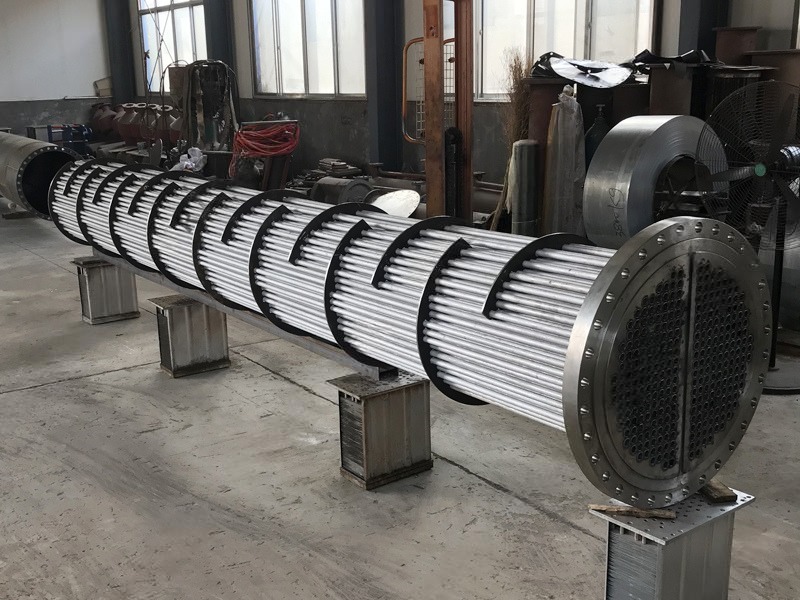
Pultruded cooling tower Manufacturer in Saudi Arabia

Dry Cooling Towers vs. Wet Cooling Towers: Key Differences Cooling towers are essential for rejecting waste heat in industrial and HVAC systems. The two main types—dry (air-cooled) and wet (evaporative) cooling towers—differ in operation, efficiency, and applications. Below is a detailed comparison. 1. Basic Working Principle Parameter Dry...

Pultruded cooling tower Manufacturer in United Arab Emirates

Effect of Wet Bulb Temperature (WBT) and Dry Bulb Temperature (DBT) on Cooling Tower Performance Cooling towers rely on evaporative cooling, making wet bulb temperature (WBT) and dry bulb temperature (DBT) critical factors in their efficiency and design. Here’s how they impact cooling tower operation: 1. Wet Bulb...

Pultruded cooling tower Manufacturer in Tunisia

Wet Bulb Temperature vs. Ambient (Dry Bulb) Temperature Understanding the difference between wet bulb temperature (WBT) and ambient (dry bulb) temperature (DBT) is crucial for cooling tower performance, HVAC design, and industrial cooling processes. 1. Definitions Parameter Definition How It’s Measured Ambient Temperature (Dry...

Pultruded cooling tower Manufacturer in Zambia

How Flow Rate Impacts Cooling Tower Design A. Cross-Sectional Area (Air-Water Contact Zone) B. Fan & Motor Sizing C. Basin Volume Basin Capacity (m³)=Flow Rate (m³/hr)×560Basin Capacity (m³)=60Flow Rate (m³/hr)×5​ 3. Cooling Tower Sizing Example Given: Calculations: Estimated Tower...

Pultruded cooling tower Manufacturer in Ethiopia

Cooling Tower Water Flow Rate vs. Size: Key Factors & Sizing Guide The size of a cooling tower is directly influenced by the water flow rate (measured in m³/hr or GPM) it needs to handle. Below is a breakdown of how flow rate affects cooling tower dimensions, capacity, and selection.  Flow Rate vs. Cooling Tower...

Pultruded cooling tower Manufacturer in Morocco

For cooling towers handling high-contaminant water (high TDS, suspended solids, oils, or biological growth), selecting the right fill media is crucial to prevent clogging, fouling, and efficiency loss. Here are the best fill types for such conditions: Fill Selection Guide Based on Contaminant Type 1. Splash Fill...

Pultruded cooling tower Manufacturer in Kenya

Water Quality Requirements for Cooling Towers Proper water quality is critical for cooling tower efficiency, longevity, and prevention of scaling, corrosion, and microbiological growth. Below are the key water quality parameters and their recommended limits: **1. Physical & Chemical Parameters Parameter Recommended Range Impact...

Pultruded cooling tower Manufacturer in Nigeria

Modular Cooling Towers Vs Pultruded Cooling Towers . Definition & Construction Feature Modular Cooling Tower Pultruded Cooling Tower Design Prefabricated, stackable units for scalability Made from pultruded FRP (Fiberglass Reinforced Polymer) components Material Galvanized steel, FRP panels, PVC/ABS fills Entire structure uses pultruded FRP...
1 16 17 18 74