Daily Archives: March 26, 2026

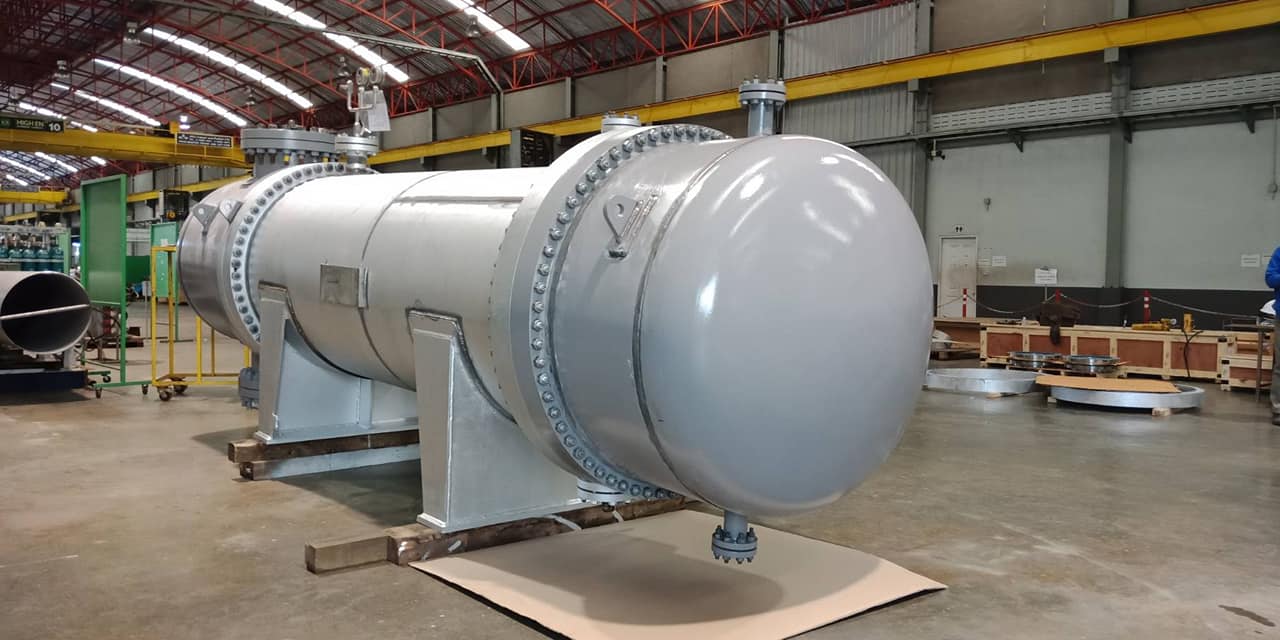
Shell and Tube Heat Exchanger Manufacturer in Algeria

Effect of Flow Velocity in Shell and Tube Heat Exchangers   Flow velocity plays a critical role in the heat transfer efficiency, pressure drop, fouling, and mechanical integrity of a shell and tube heat exchanger. Below is a detailed breakdown of its effects: 1. Heat Transfer Efficiency Higher Velocity → Better Heat...
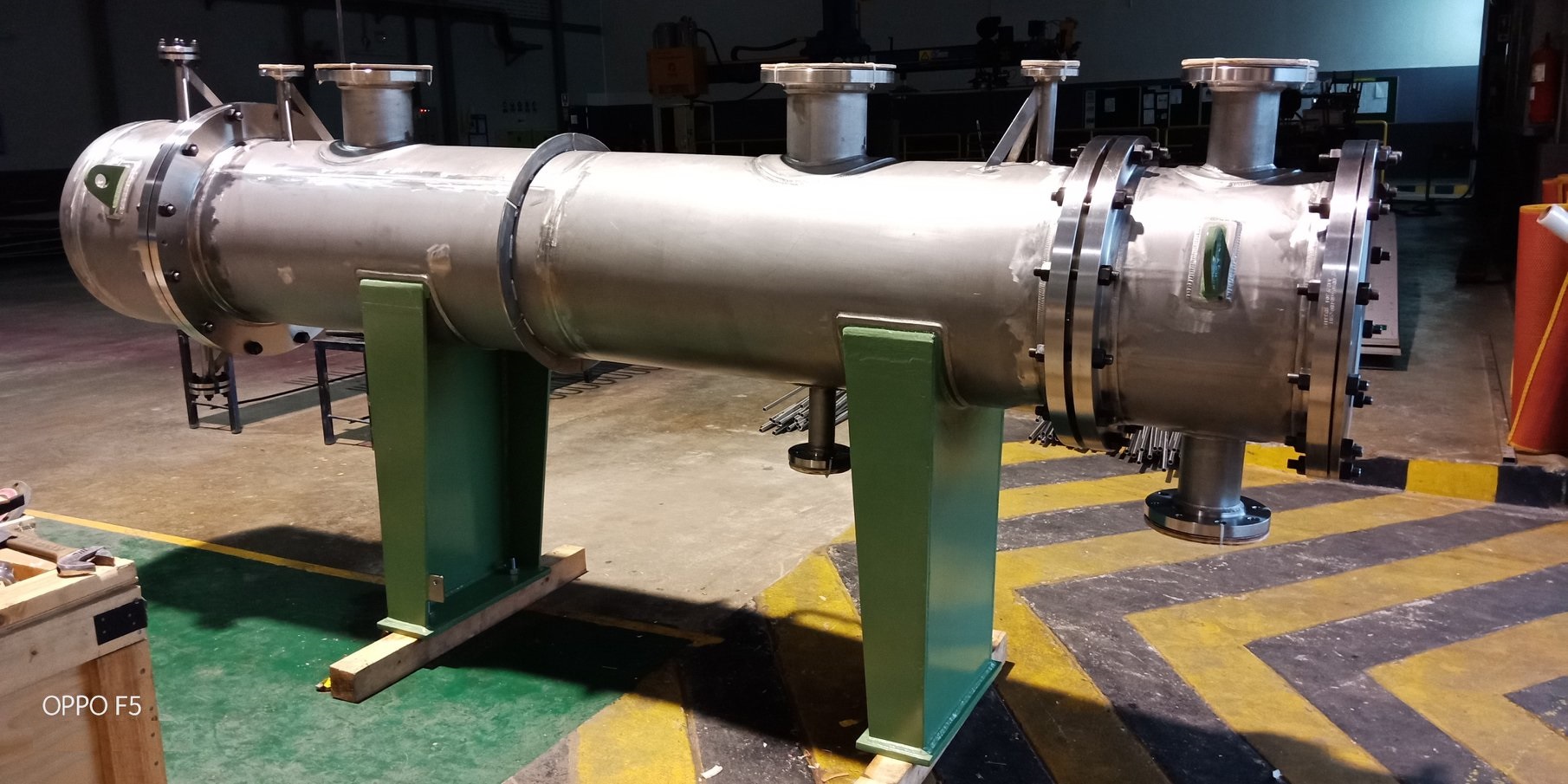
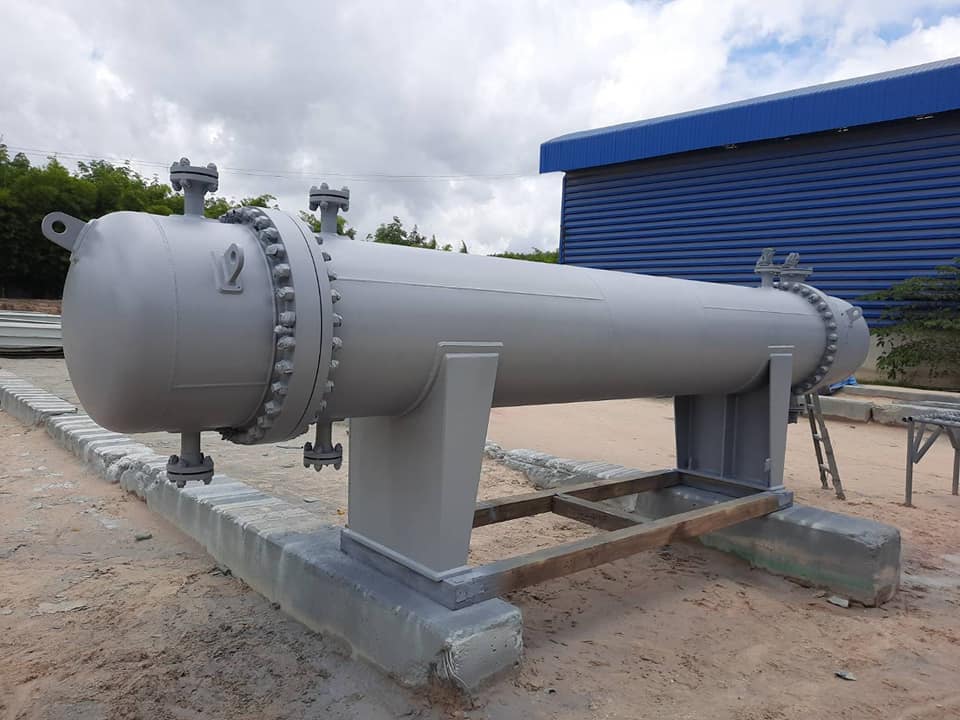
Shell and Tube Heat Exchanger Manufacturer in South Africa

Fixed Tube sheet vs. Floating Head Heat Exchanger: Key Differences When choosing between a fixed Tube sheet and a floating head design for a shell and tube heat exchanger, the decision depends on thermal expansion, maintenance needs, pressure/temperature conditions, and cost. Below is a detailed comparison: 1. Basic Design...

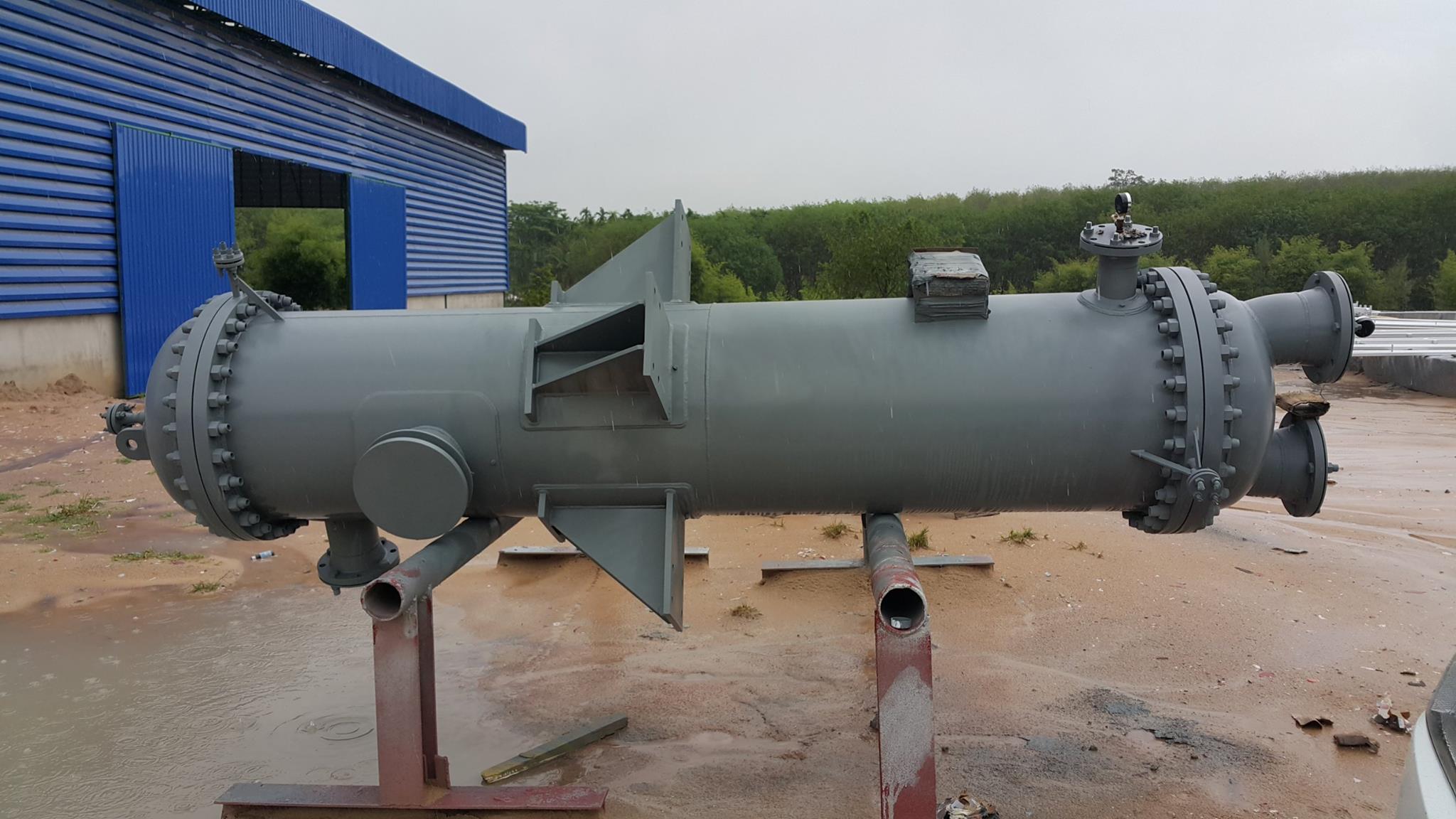
Shell and Tube Heat Exchanger Manufacturer in Yemen

Copper Tubes vs. Stainless Steel Tubes in Heat Exchangers When selecting between copper and stainless steel (SS) tubes for a shell and tube heat exchanger, key factors include thermal conductivity, corrosion resistance, cost, and application requirements. Below is a detailed comparison: 1. Thermal Conductivity Material...

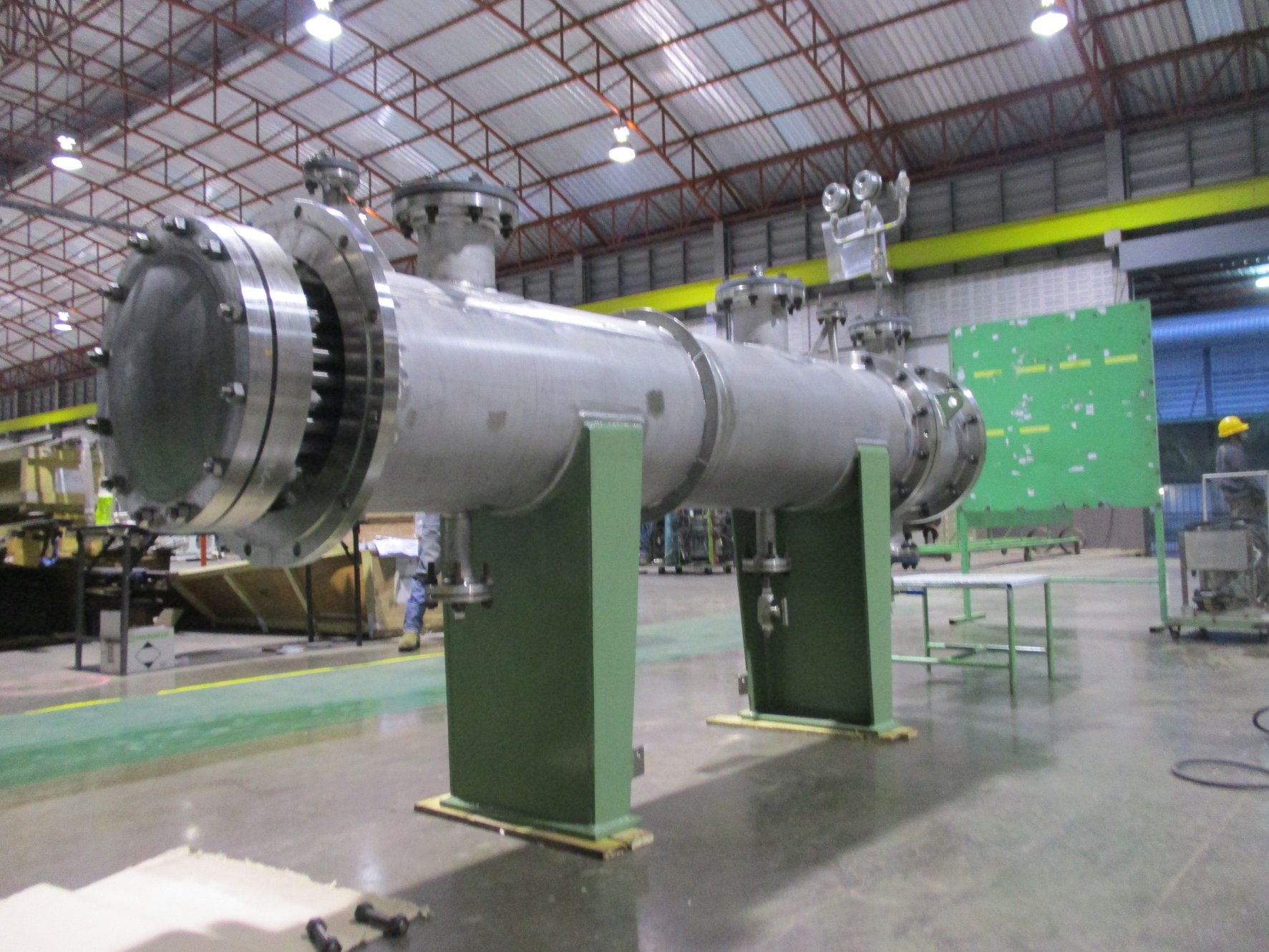
Shell and Tube Heat Exchanger Manufacturer in United Arab Emirates

Suitable Materials for Shell and Tube Heat Exchangers in the Food Industry The food industry requires materials that are:Corrosion-resistant (to withstand cleaning chemicals like CIP solutions).Non-toxic & FDA-compliant (no leaching of harmful substances).Smooth & non-porous (to prevent bacterial growth, easy to...

Shell and Tube Heat Exchanger Manufacturer in Sudan

The Tubular Exchanger Manufacturers Association (TEMA) classifies shell and tube heat exchangers into three main designations based on service conditions, mechanical robustness, and industry requirements: 1. TEMA Class R – Refinery & Severe Service Applications: Key Features:Heavy-duty construction (thicker...