Yearly Archives: 2025

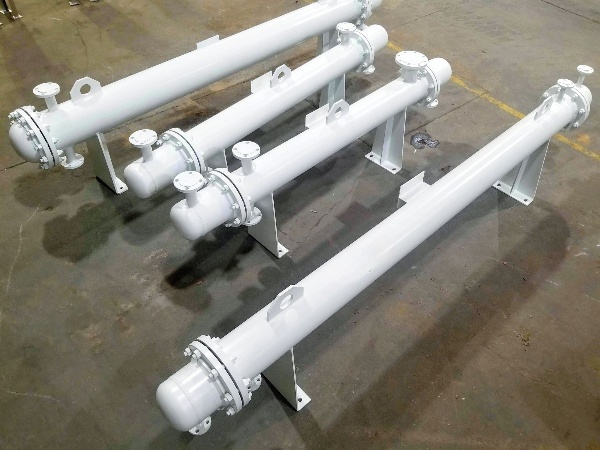
Heat Exchanger Supplier in South Africa

Advantages vs. Shell-and-Tube Exchangers Feature Plate Heat Exchanger Shell-and-Tube Heat Exchanger Efficiency Very High (Turbulent flow, thin plates) Moderate (Mostly laminar flow, thicker tube walls) Size & Weight Compact (Small footprint for its capacity) Large and Bulky Cost Lower cost for a given duty Often higher cost for same...
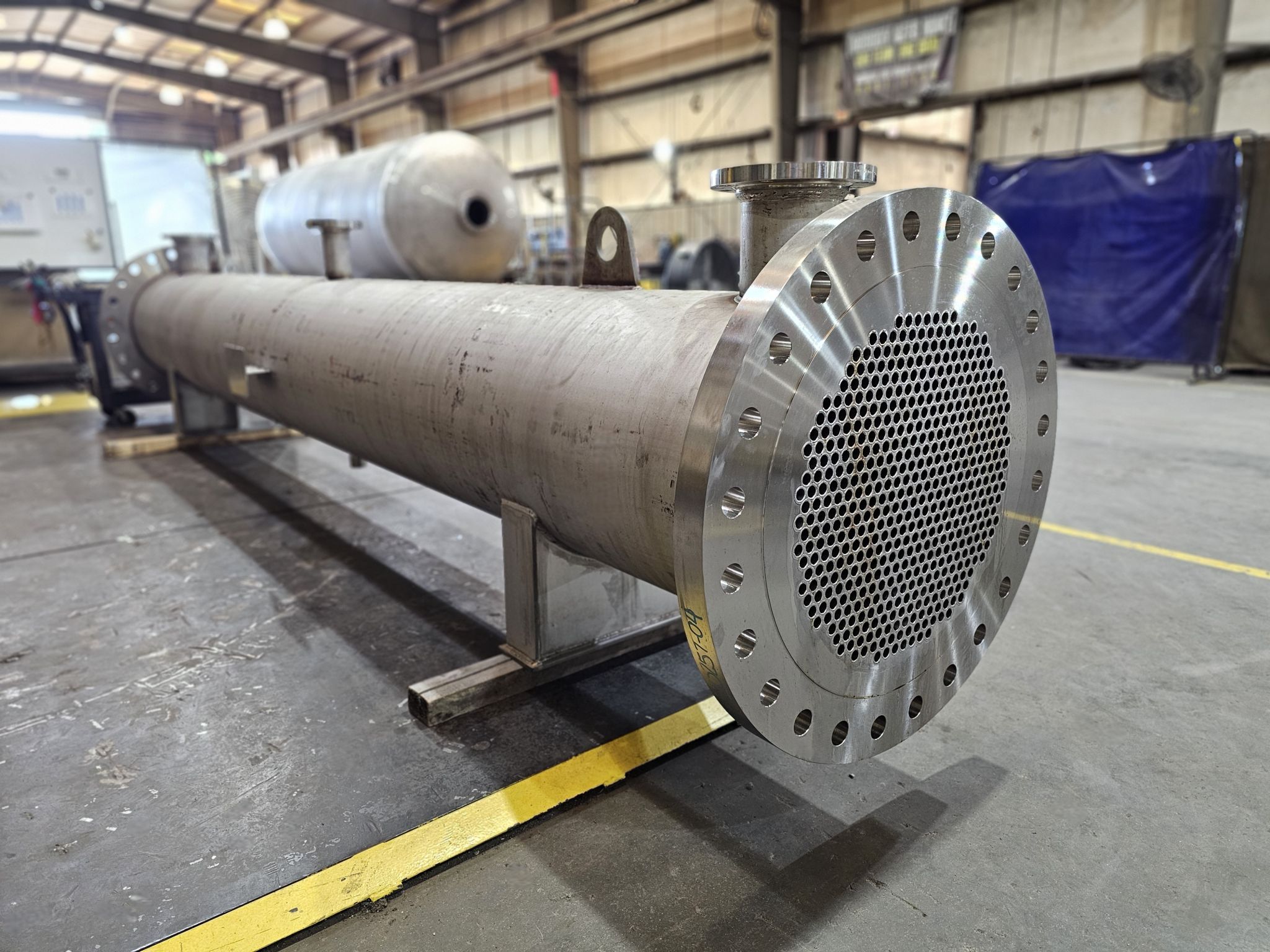
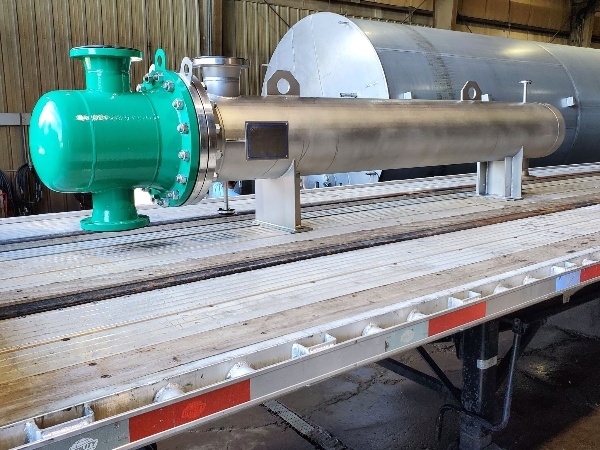
Heat Exchanger Manufacturer in South Africa

Types of Plate Heat Exchangers Type Description Common Use Gasketed Plate Uses rubber gaskets to seal plates. The major advantage is that the stack can be easily opened for cleaning, inspection, or adding/removing plates to change capacity. Most common type. Used in chillers (as evaporators/condensers), domestic hot water systems, and...

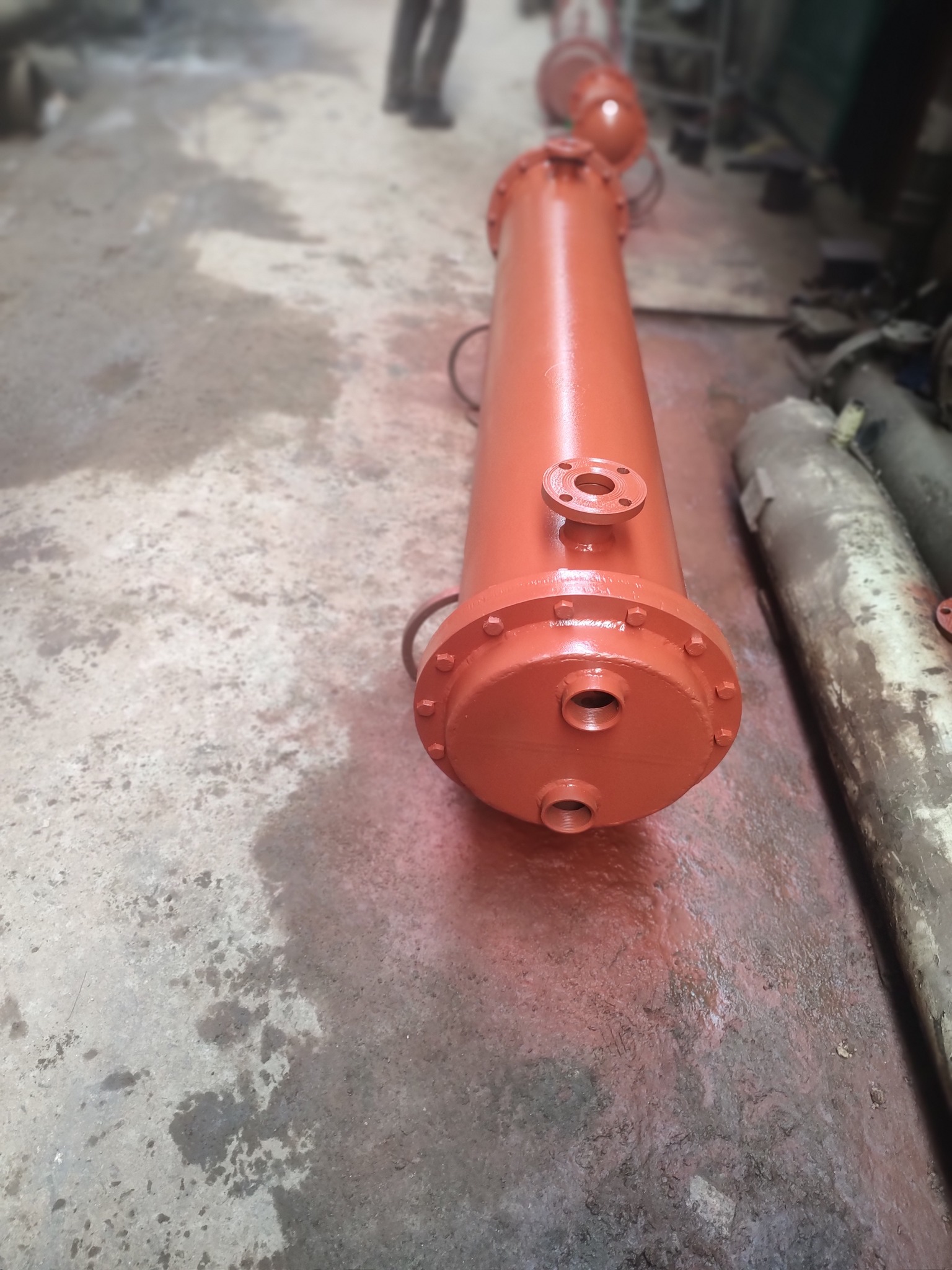
Heat Exchanger Supplier in Yemen

Advantages of Plate Type Heat Exchanger Plate Heat Exchanger (PHE or PHEX) is a highly efficient type of heat exchanger that uses multiple, thin metal plates to transfer heat between two fluids.  How It Works The fundamental principle is simple: two fluids at different temperatures flow on opposite sides of a thin metal plate. Heat is...

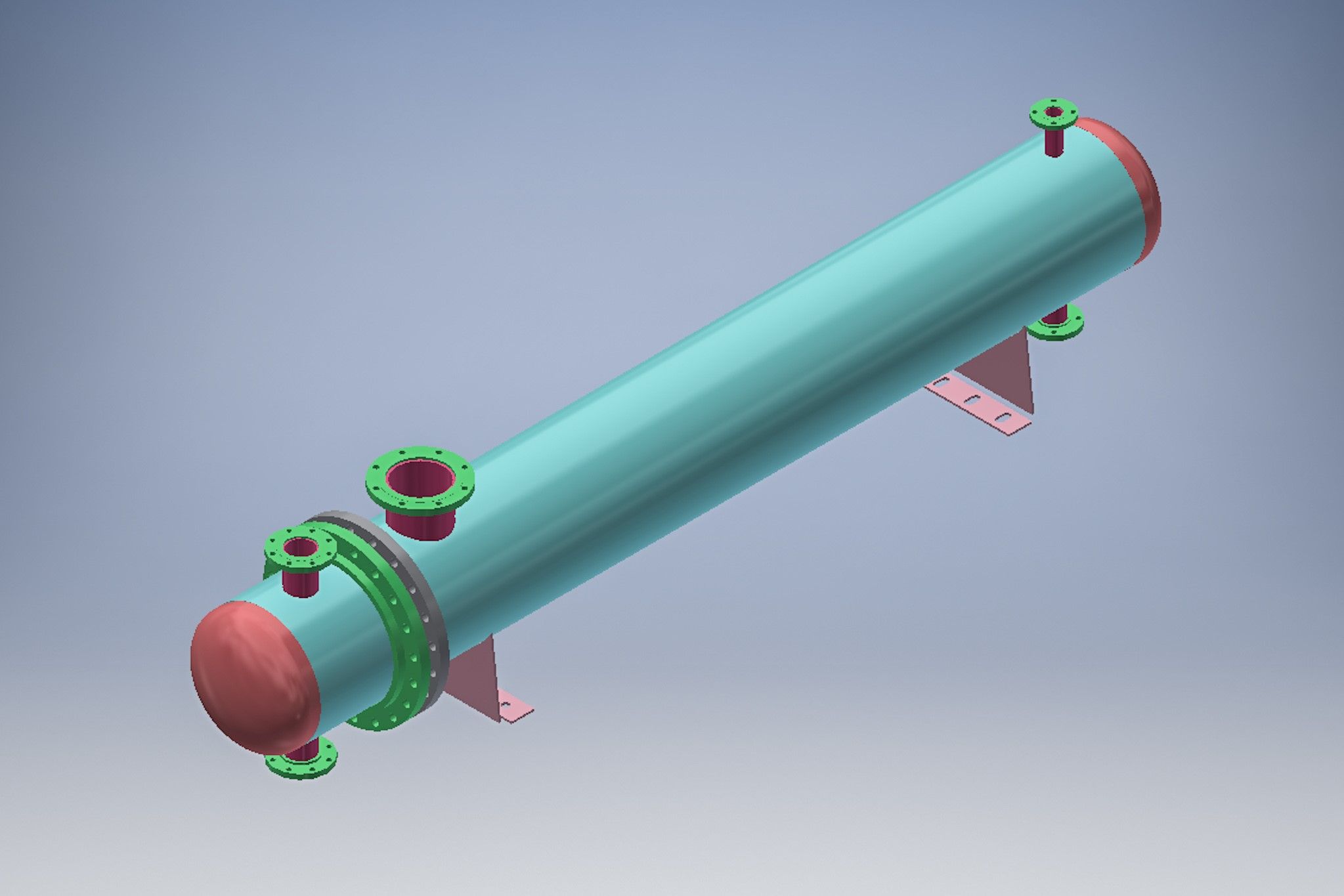
Heat Exchanger Manufacturer in Yemen

Brazed Plate Heat Exchanger – How It Works The operating principle is identical to other plate heat exchangers but in a more robust package:

Heat Exchanger Supplier in Iraq

What is a Brazed Plate Heat Exchanger? A BPHE is constructed from multiple thin, corrugated metal plates (typically stainless steel) stacked together. Unlike a gasketed plate heat exchanger, a BPHE has no rubber gaskets or a frame. Instead, the entire plate pack is assembled and then placed in a vacuum furnace where a brazing material […]
1 95 96 97 365