Yearly Archives: 2025

Closed Circuit cooling Tower Supplier in United Arab Emirates

Maximum operating Temperature of Stainless steel   in Heat Exchanger he maximum operating temperature for a stainless-steel shell and tube heat exchanger is not a single number but depends on a combination of factors, primarily the grade of stainless steel and the design pressure. Here’s a detailed breakdown: Quick...
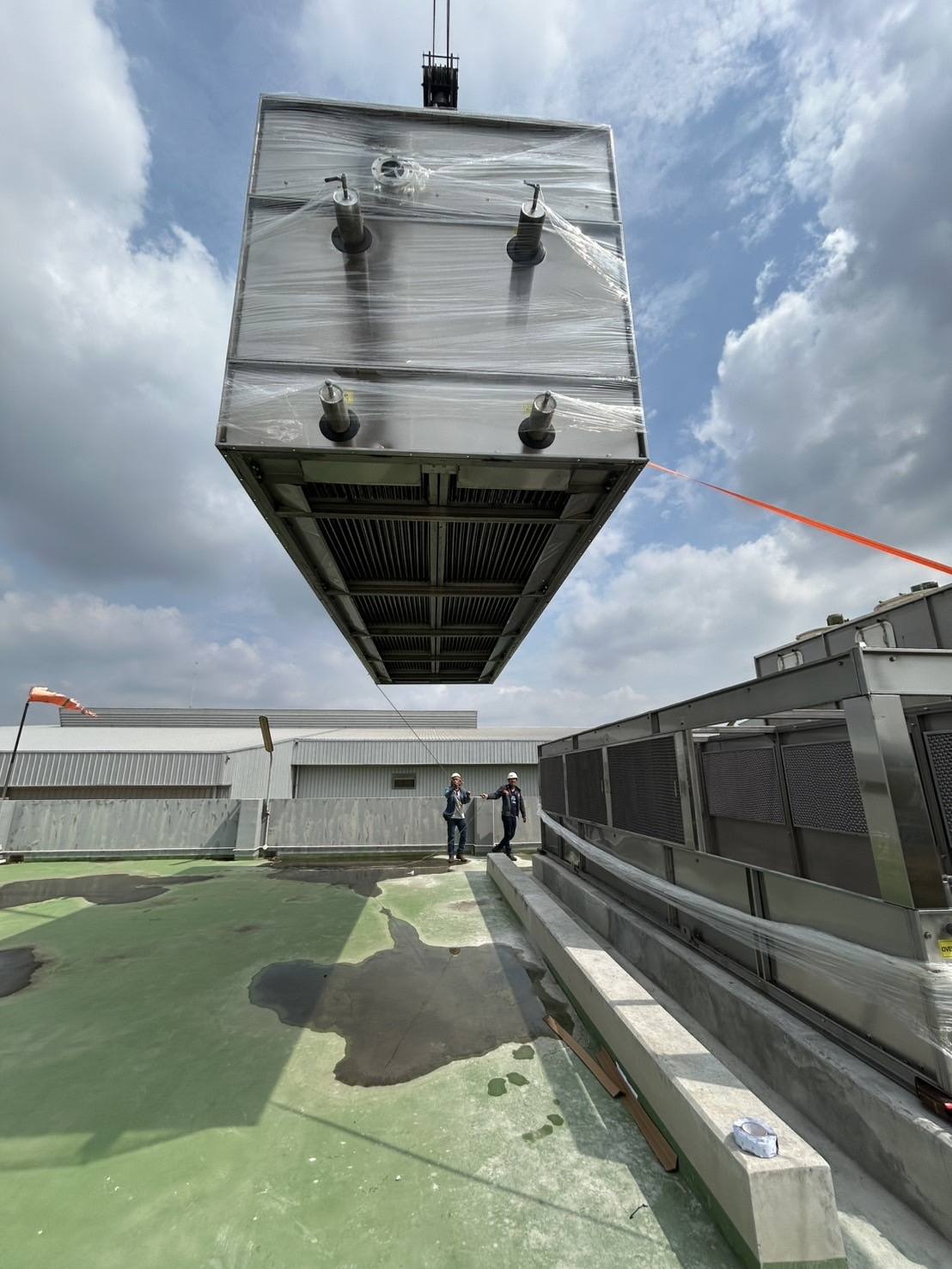
Closed Circuit cooling Tower Supplier in Oman

Heat Exchanger Tube Material Suitable for more the 1500 deg C? For heat exchanger tubes operating continuously above 1500 °C (2732 °F), the selection moves from metals into specialized advanced ceramics and refractory metals. The choice is critical and depends heavily on the application environment (atmosphere, pressure, mechanical load)....

Closed Circuit cooling Tower Supplier in Egypt

Condenser Tube material Suitable for Ammonia gas? For ammonia (R717) condenser tubes: Absolutely Avoid: Copper, brass, bronze, and any other copper alloys. Detailed Breakdown 1. Carbon Steel (e.g., ASTM A179) 2. Stainless Steel (e.g., AISI 304 / 316L) Why Copper Alloys Are FORBIDDEN This is the most important rule. Copper, brass, and...

Closed Circuit cooling Tower Supplier in United Arab Emirates

Cooling Coil Suitable for Ammonia Condenser? The only suitable and standard choice for an ammonia (R717) condenser coil is Stainless Steel. Copper or copper-based alloys must be absolutely avoided. Why Stainless Steel is Mandatory for Ammonia 1. Chemical Incompatibility with Copper:Ammonia (NH₃) is highly reactive with copper and most copper...

Closed Circuit cooling Tower Supplier in UAE

Copper tube Vs Stainless Steel Evaporative Condenser coil Copper Tube Coils Stainless Steel Coils Ammonia (NH₃):Ideal choice. Essential for ammonia refrigeration systems Selection Summary Factor Copper Tube Coil Stainless Steel Coil Heat Transfer Winner (More Efficient) Poorer (Larger coil required) Corrosion Resistance Good (but...
1 105 106 107 365