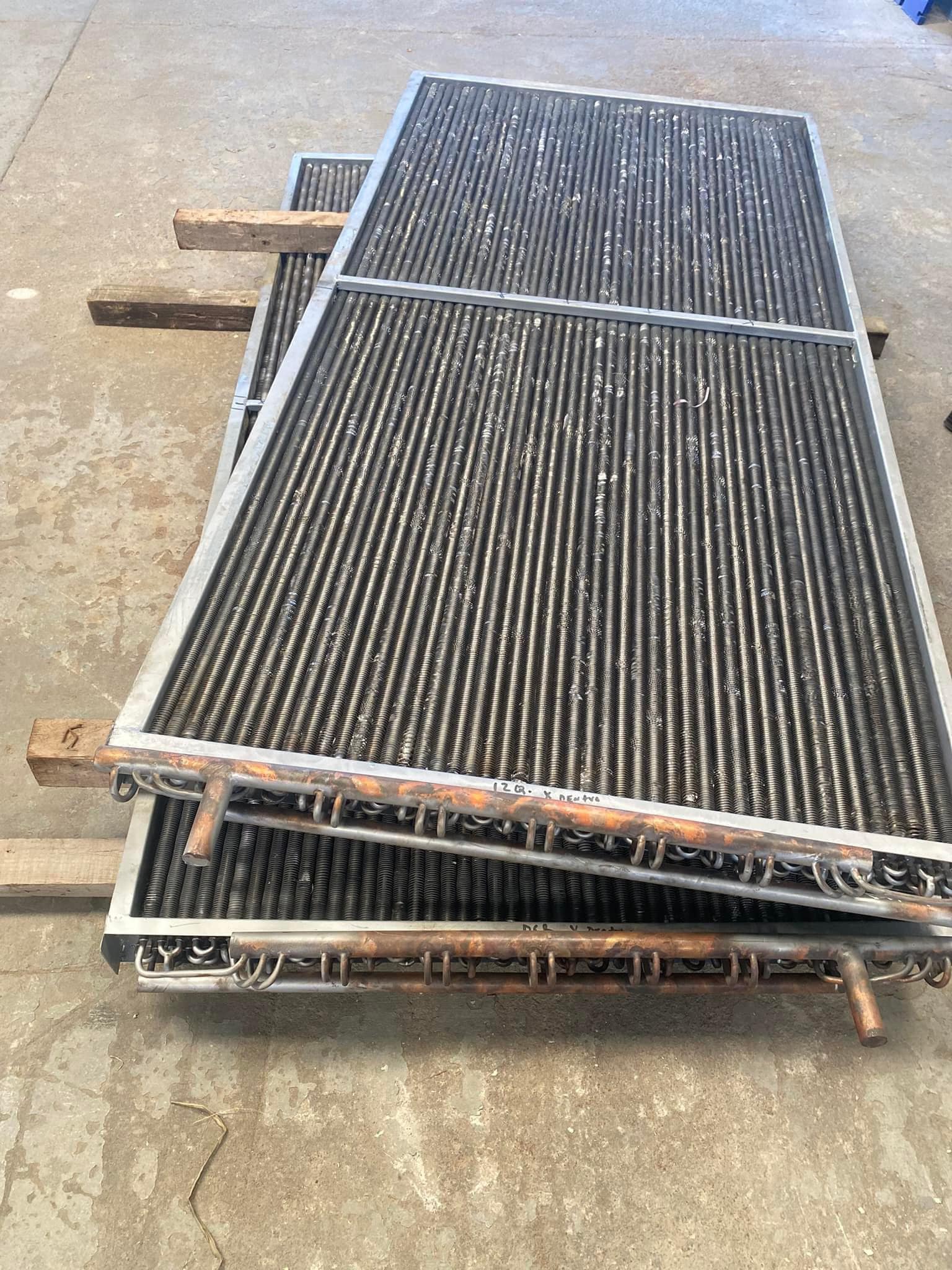
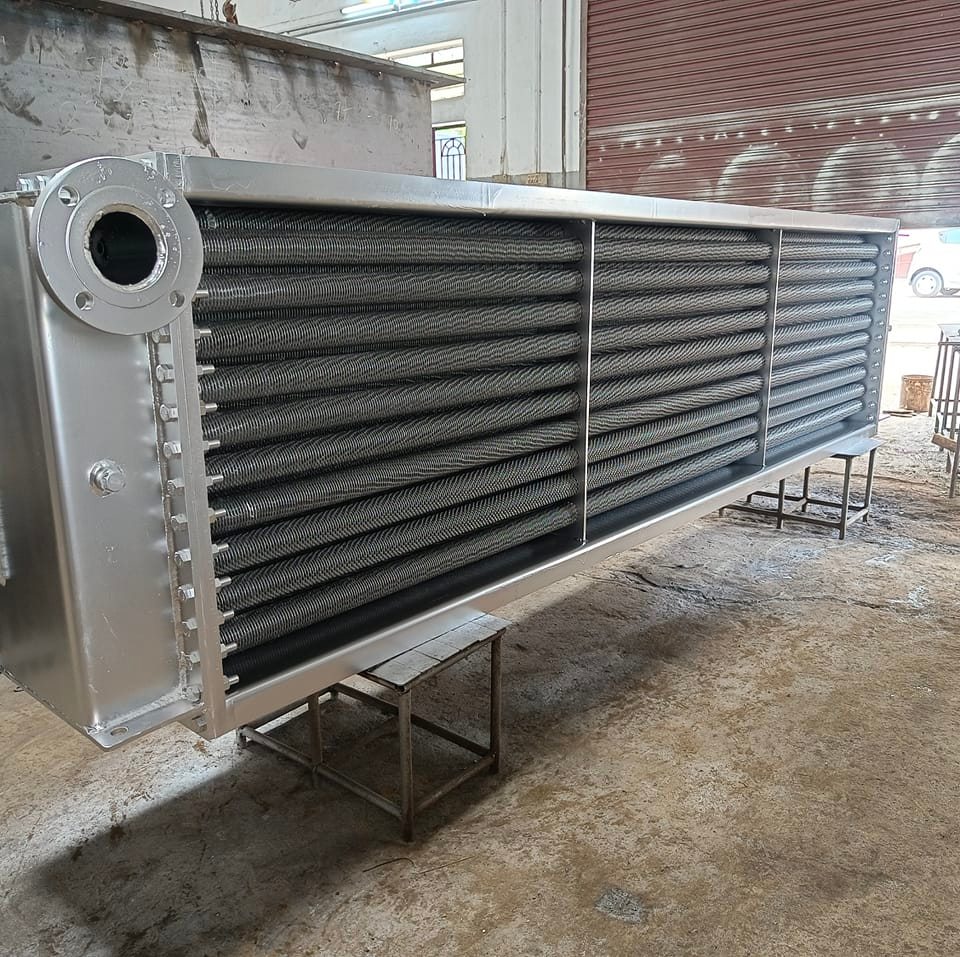
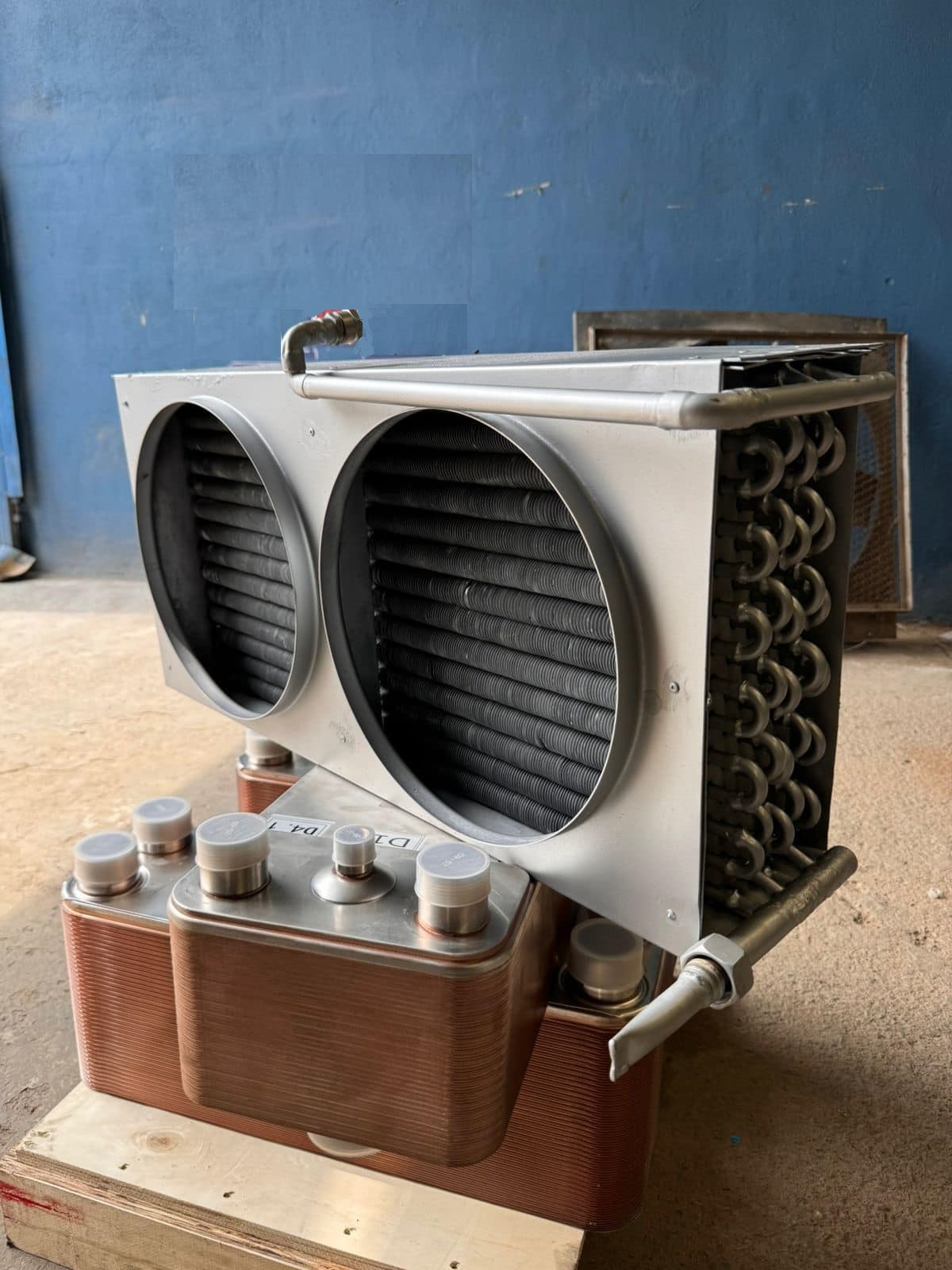
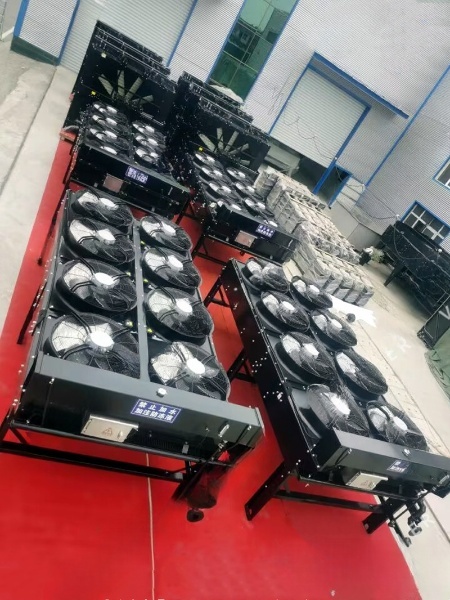
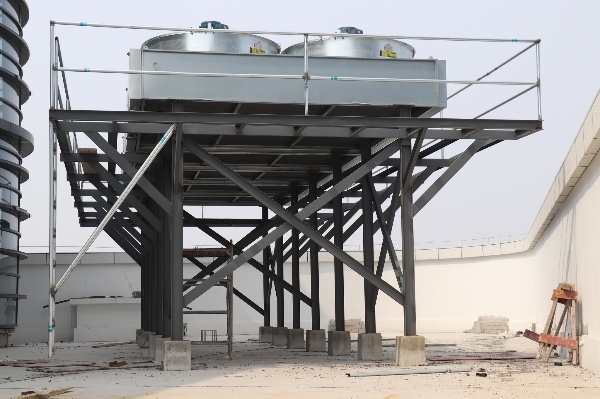
Common Applications of forced draft air cooled heat exchanger Forced Draft coolers are often selected for specific applications where their advantages are critical:
Forced Draft vs. Induced Draft: A Direct Comparison Feature Forced Draft (FD) Induced Draft (ID) Fan Location Below the bundle On top of the bundle Airflow Mechanism Pushes air across tubes Pulls air across tubes Air Pressure in Bundle Positive pressure Negative pressure (vacuum) Air Distribution Less even, can have dead zones Excellent and even...
Forced Draft Air-Cooled Heat Exchanger (FD Fan ACE). This is the other primary design, alongside the Induced Draft, for using air to cool process fluids. The core distinction is in its fundamental operating principle. The Core Concept: “Forced Draft” “Forced Draft” means the fan is located at the base of the unit, below...
Common Applications of induced draft Air cooled Heat Exchanger Induced Draft Air Coolers are preferred in a wide range of industries, especially where precise temperature control and minimal recirculation are critical:
Advantages of Induced Draft Design Advantage Explanation Better Air Distribution The plenum chamber helps create a more uniform airflow across the entire tube bundle face, improving heat transfer efficiency. Reduced Hot Air Recirculation Because the fan discharges the hot air vertically at a high velocity, it is less likely to be sucked back into...